

AACE-CFCC Exam Questions PDF
| Questions and Answers | 1474 (Complete Set) |
| File Format | |
| Latest Update | November 23, 2026 |
| Files Delivery | Instant (5 to 10 min.) |
| Compatibility | All Desktop and Mobile Devices |
| Delivery Method | Download Account |
The Certified Forensic Claims Consultant credential recognizes senior professionals who analyze delays, disruptions and cost overruns on construction and engineering projects to support or defend claims. AACE International aimed the CFCC at experienced claims consultants, schedulers, quantity surveyors and expert witnesses. The exam covers forensic schedule analysis methods, entitlement and causation, quantification of damages, disruption and productivity loss, contract interpretation, documentation and the presentation of findings in dispute resolution. Familiarity with the AACE Recommended Practice on forensic schedule analysis and common productivity loss methods is essential.
AACE International is the professional association for cost engineering, project controls and total cost management. Its certifications are respected in construction, oil and gas, engineering and government projects, and its Recommended Practices are widely used as industry standards for estimating, scheduling, risk and forensic analysis.
The Certified Forensic Claims Consultant (CFCC) assessment checks that you understand the standards, methods and safety requirements behind the work, and in many cases it includes a practical element. Familiarity with the relevant codes and instruments is essential.
The outline becomes clearer when each area is examined on its own. Within Contracts and Claims, candidates should be comfortable with contract types, notices and entitlement. Forensic Schedule Analysis focuses on as planned vs as built, windows and time impact analysis. The Delay and Disruption area includes concurrency, pacing and productivity loss. Questions on Damages Quantification typically involve extended overhead, measured mile and cost claims.
Preparing for the AACE-CFCC exam requires not only understanding the exam topics but also practicing with exam style questions. Our Certified Forensic Claims Consultant (CFCC) exam questions in practice tests help candidates review key concepts and familiarize themselves with the format and difficulty of exam.
At Killexams.com, our team works to maintain up-to-date practice content for exam preparation. We continuously review and refine our question sets and explanations to cover the latest relevant syllabus areas and help learners strengthen their understanding of core topics before facing the official exam. These Practice tests allow you to identify areas where you need improvement by measuring your readiness, and provide you exam questions to polish those areas.
AACE-CFCC Exam Questions Preview
The CFCC exam is computer based with multiple choice questions, and AACE requires significant claims experience as well as a technical paper. Study the strengths and limitations of each forensic schedule analysis method and when each is accepted in practice. Know how to calculate damages using recognized techniques such as the measured mile and Eichleay style overhead formulas. Scenario questions reward careful reading of contract terms and project facts, so practice under timed conditions.
AACE International publishes the official format for AACE-CFCC, including how many questions are asked, how long you have and what score is needed to pass. Use those figures to set up timed practice that mirrors the format, and aim to finish practice tests with some time to spare.
Preparation for AACE-CFCC works best when it mirrors the exam outline. Allow roughly 6 weeks, giving each major area its own block: begin with Contracts and Claims, continue with Forensic Schedule Analysis; Delay and Disruption; and Damages Quantification, and finish with Documentation and Evidence; and Dispute Resolution. Flashcards for terms and short worked examples for each area make revision much faster. In the last week, switch from reading to timed mixed practice so the exam pace feels familiar.
For AACE-CFCC, study the referenced standards and codes directly, tab them if open book rules allow, and practice finding requirements quickly. Work through calculation examples until you can complete them reliably.
| Detail | Information |
|---|---|
| Format | Computer based multiple choice |
| Additional Requirement | Technical paper |
| Focus | Delay and disruption claims |
| Provider | AACE International |
To help you evaluate our material, you may download free sample pdf with example questions and answers that we provide. This sample allows you to review content and approach before deciding on Premium materials..
The Certified Forensic Claims Consultant (CFCC) practice test files contains 1474 Questions, are compatible with multiple devices, including Windows, macOS, iOS, and Android, and can be used for both online and offline study. The PDF format is printable, making it easy to study during travel or when away from a computer. Access to updated materials is available through your online account.
After purchase, you will receive your username and password immediately, allowing you to log in and download your study files without delay. Our goal is to support exam preparation at your pace with practice content designed for reinforcement and understanding of key concepts.
Killexams.com CFCC questions and answers cover forensic schedule analysis, entitlement, quantum and dispute resolution, with explanations that connect each answer to accepted practice. The practice test format helps you work through scenario questions efficiently, and the question bank highlights areas where your experience may be narrower.
Killexams.com AACE-CFCC practice sets cover Contracts and Claims; Forensic Schedule Analysis; Delay and Disruption; and Damages Quantification, so each study session maps directly to a part of the exam. Working through these sets two or three times, and reviewing every explanation, is a reliable way to raise your score before exam day.
Candidates who use the killexams.com AACE-CFCC question bank often begin with a diagnostic session to see which sections need the most attention, then return to those sections repeatedly before taking a final full length practice test.
Online Test Engine
| Exam Questions | 1474 (Complete Set) |
| Testing Limit | Unlimited |
| Access Type | Online |
| Latest Update | November 23, 2026 |
| Access Activation | Instant (5 to 10 min.) |
| Supported OS | Mac, Windows, Android, iPhone / iPad, Linux |
| Delivery Method | Username / Password |
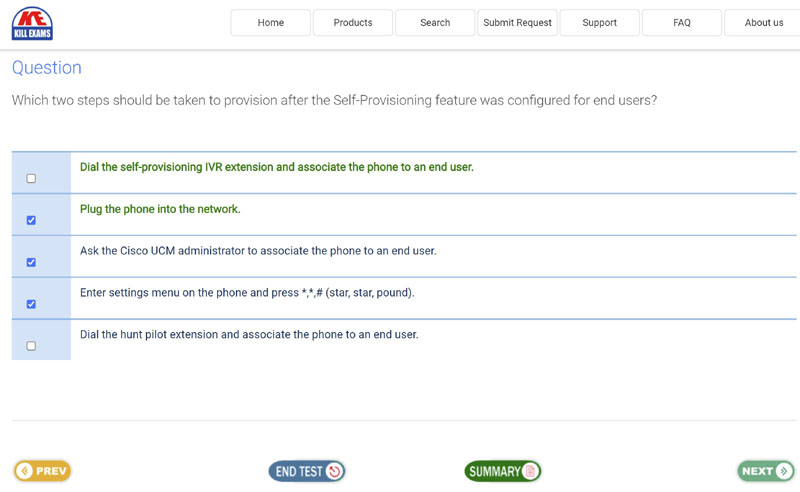
Killexams.com provides an Online Test Engine designed to help candidates practice exam questions in a structured and interactive environment. The Test Engine is compatible with iPhone, iPad, Android, Windows, and Mac, allowing you to study and practice on the device that best fits your schedule.
The AACE-CFCC Online Test Engine enables candidates to simulate exam-style practice sessions, review answers, and track progress over time. This learning approach helps users practice exam questions, question formats and improve time management while preparing for the Certified Forensic Claims Consultant (CFCC) exam.
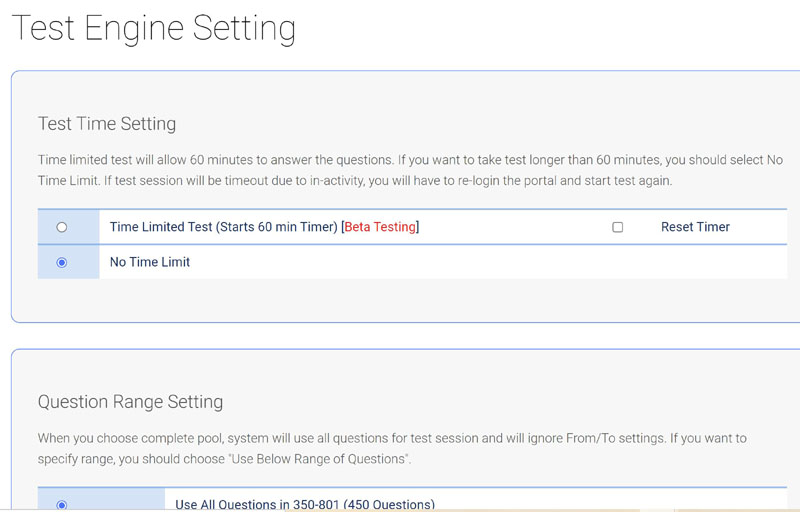
The Test Engine includes features that support effective learning, such as customizable practice sessions, question review modes, and progress tracking. These tools are designed to assist candidates in identifying knowledge gaps and reinforcing key concepts through repeated practice rather than memorization alone.
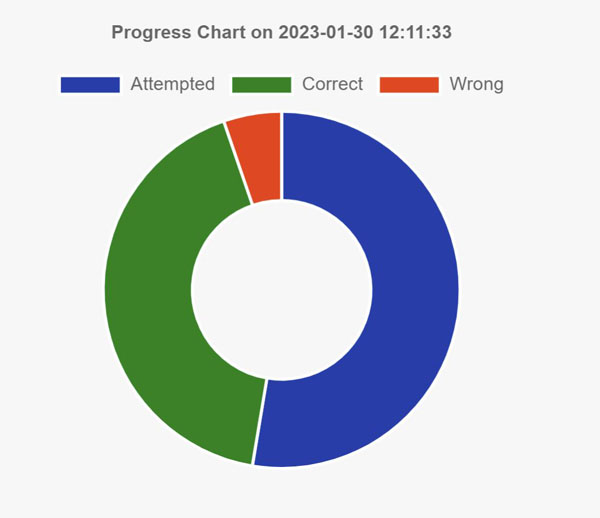
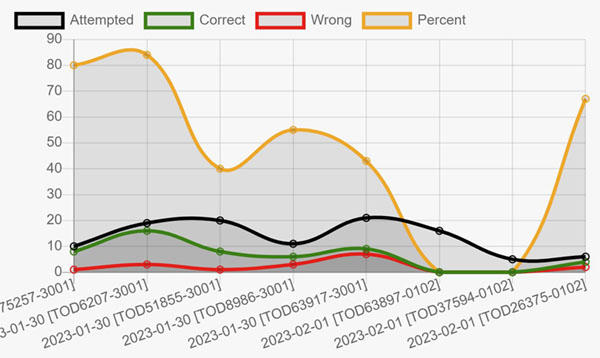
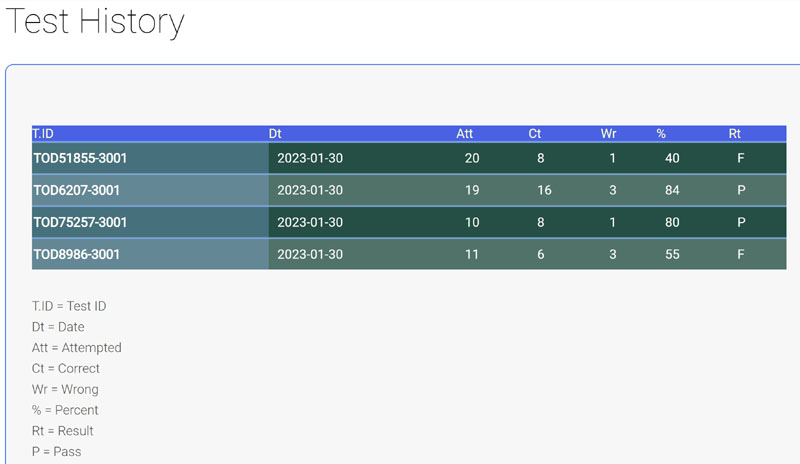
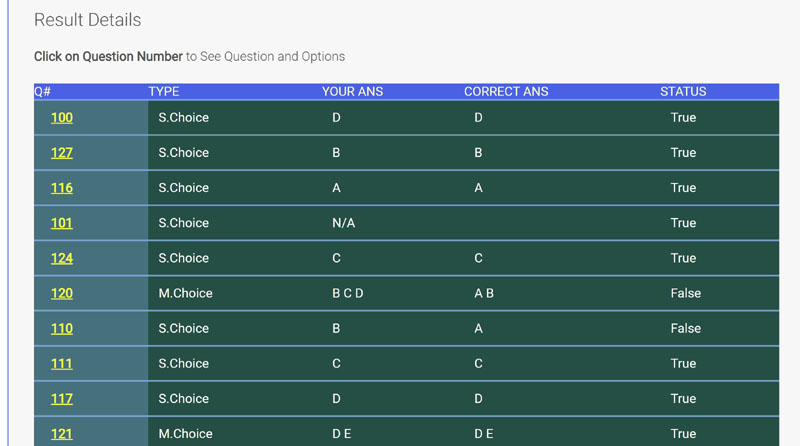
The Online Test Engine maintains practice history, performance summaries, and visual progress reports. Where available, questions may include explanations or reference information to support better understanding of exam topics. Content is reviewed and updated periodically to reflect relevant syllabus changes and maintain consistency with exam objectives.
Desktop Test Engine
| Exam Questions | 1474 (Complete Set) |
| Software Version | 2026 |
| Access | Unlimited |
| Latest Update | November 23, 2026 |
| Access Activation | Instant (5 to 10 min.) |
| Supported OS | Windows (All Versions) |
| Delivery Method | Username / Password |
| Test Engine Trial Software | Killexams Test Engine 2026 |
The Killexams Desktop Test Engine (version 2026) is a dedicated test preparation software designed to support candidates preparing for the AACE-CFCC exam. The simulator provides a structured desktop based practice environment that allows users to work through exam style questions and review their performance in detail.
By practicing with the Certified Forensic Claims Consultant (CFCC) Exam Simulator, candidates can become familiar with question formats, exam navigation, and time based testing conditions similar to those used in official exams. This experience helps users build confidence across testing environment, time management, exam topics and identify areas that may require additional study.
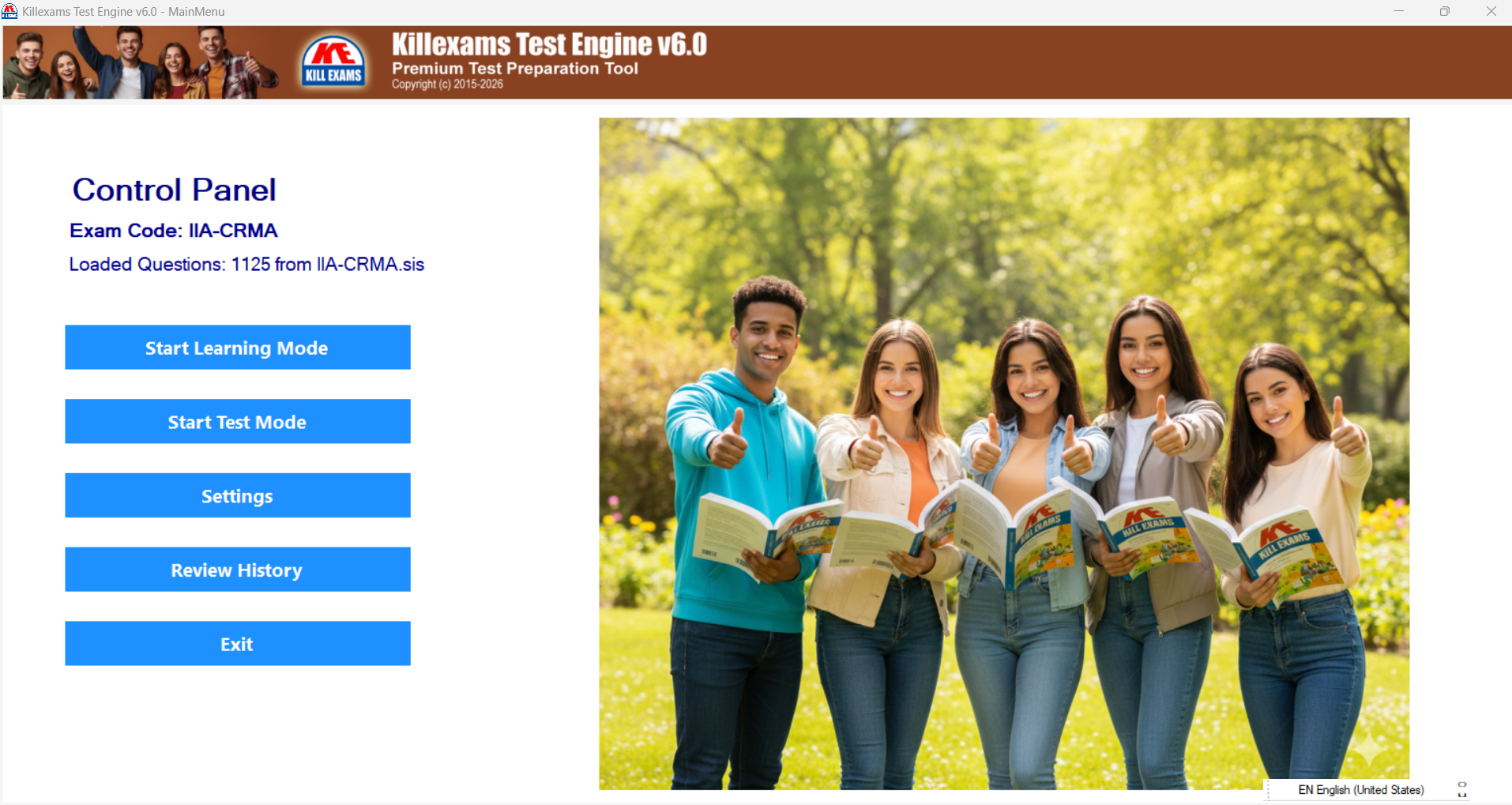
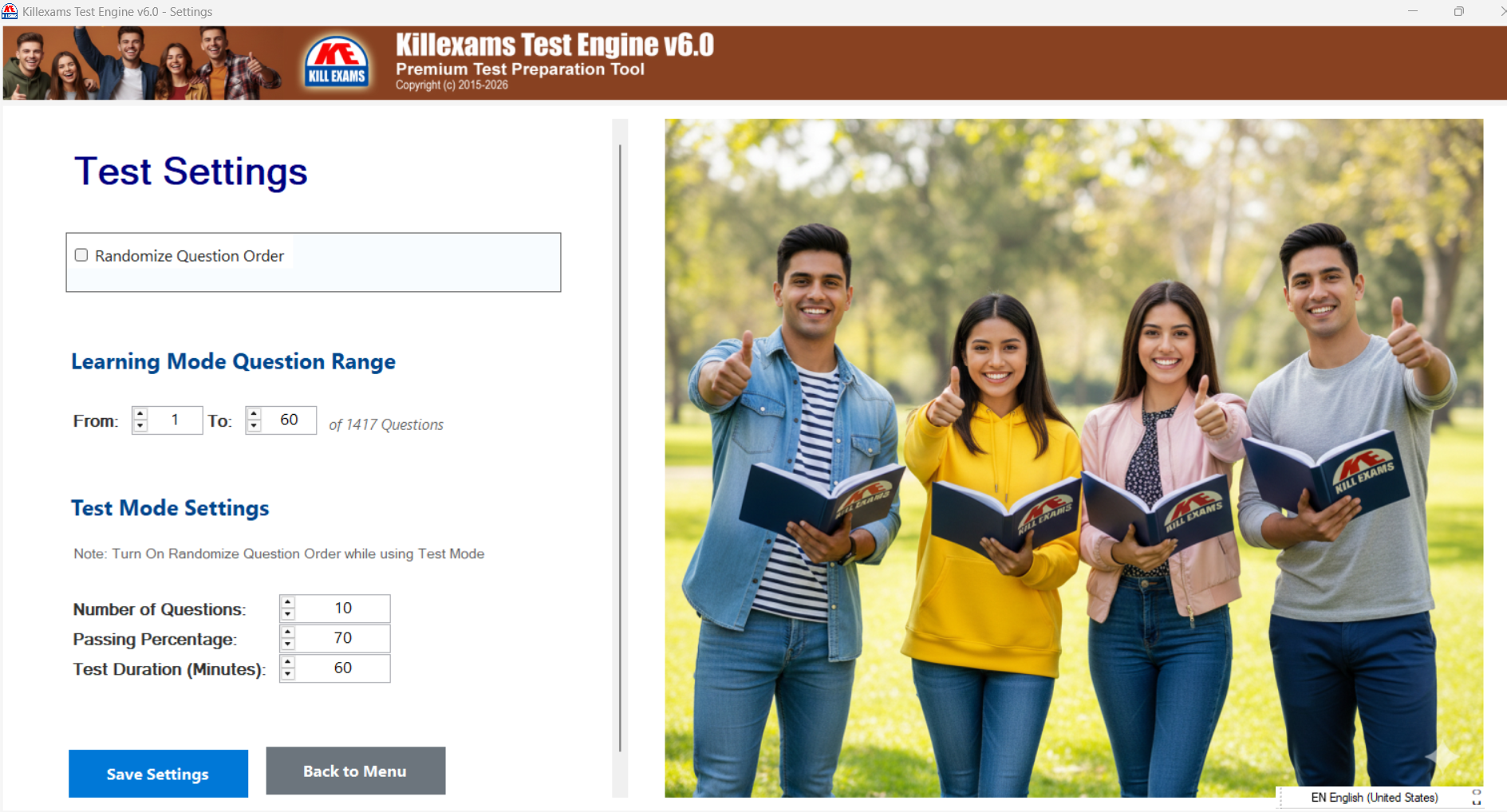
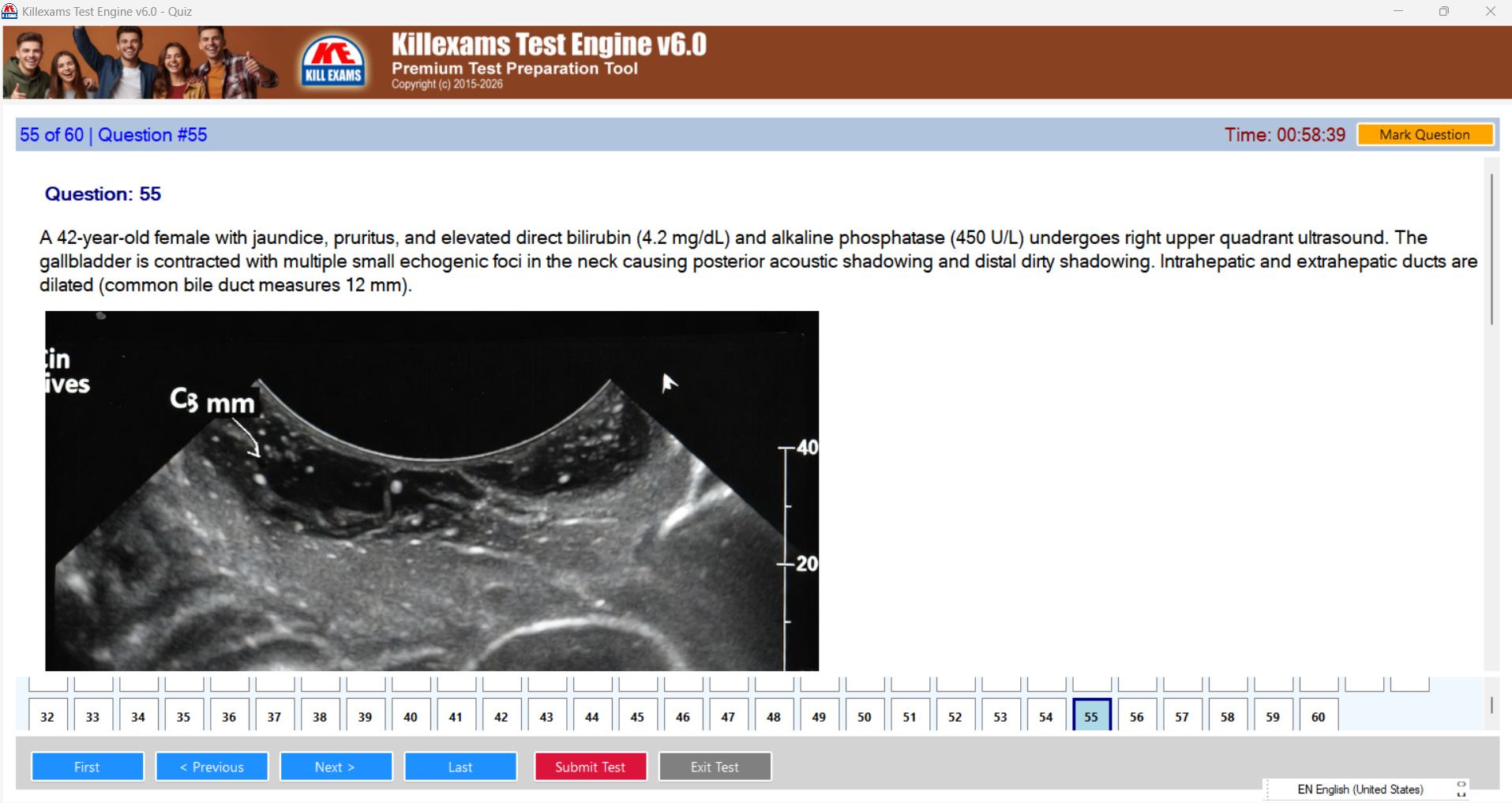
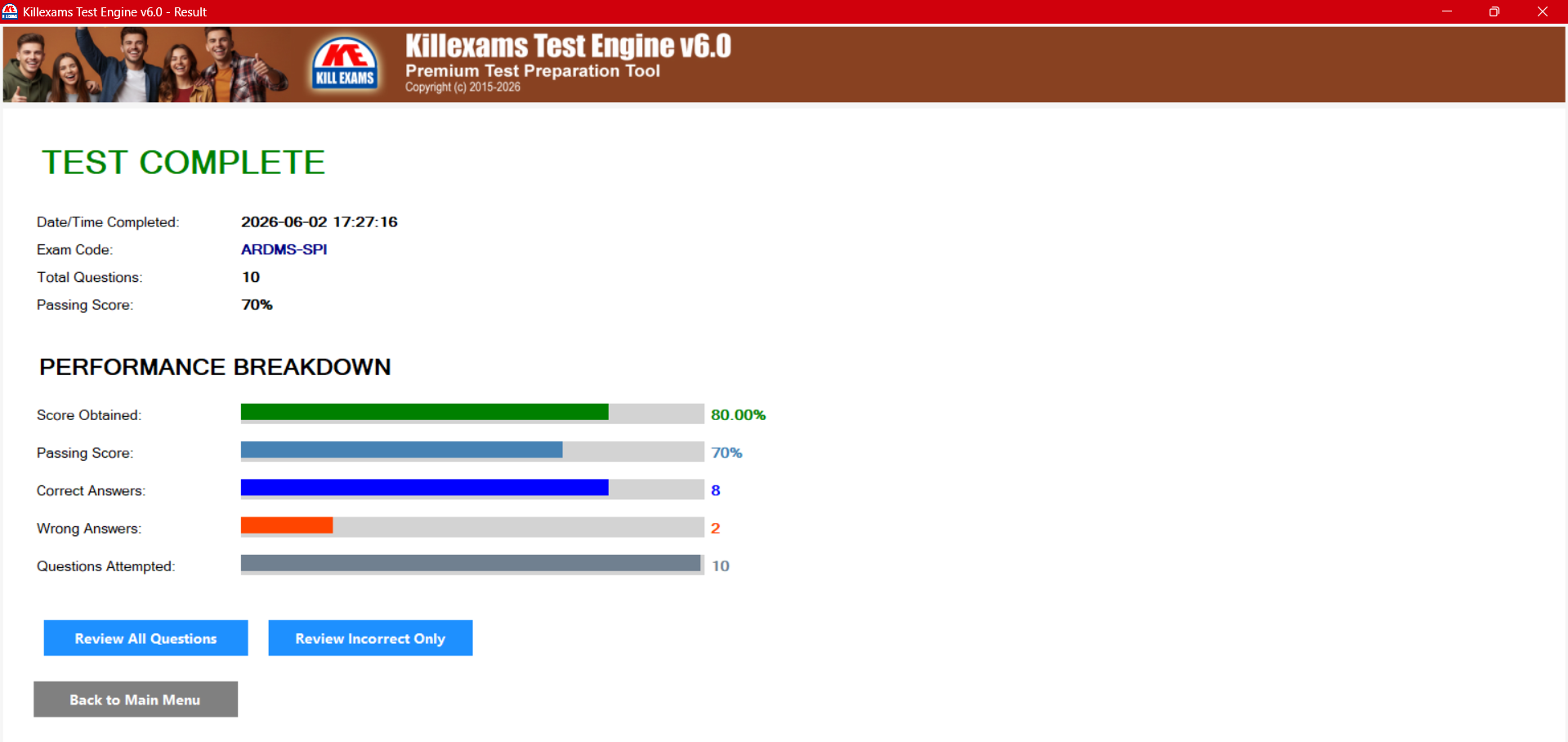

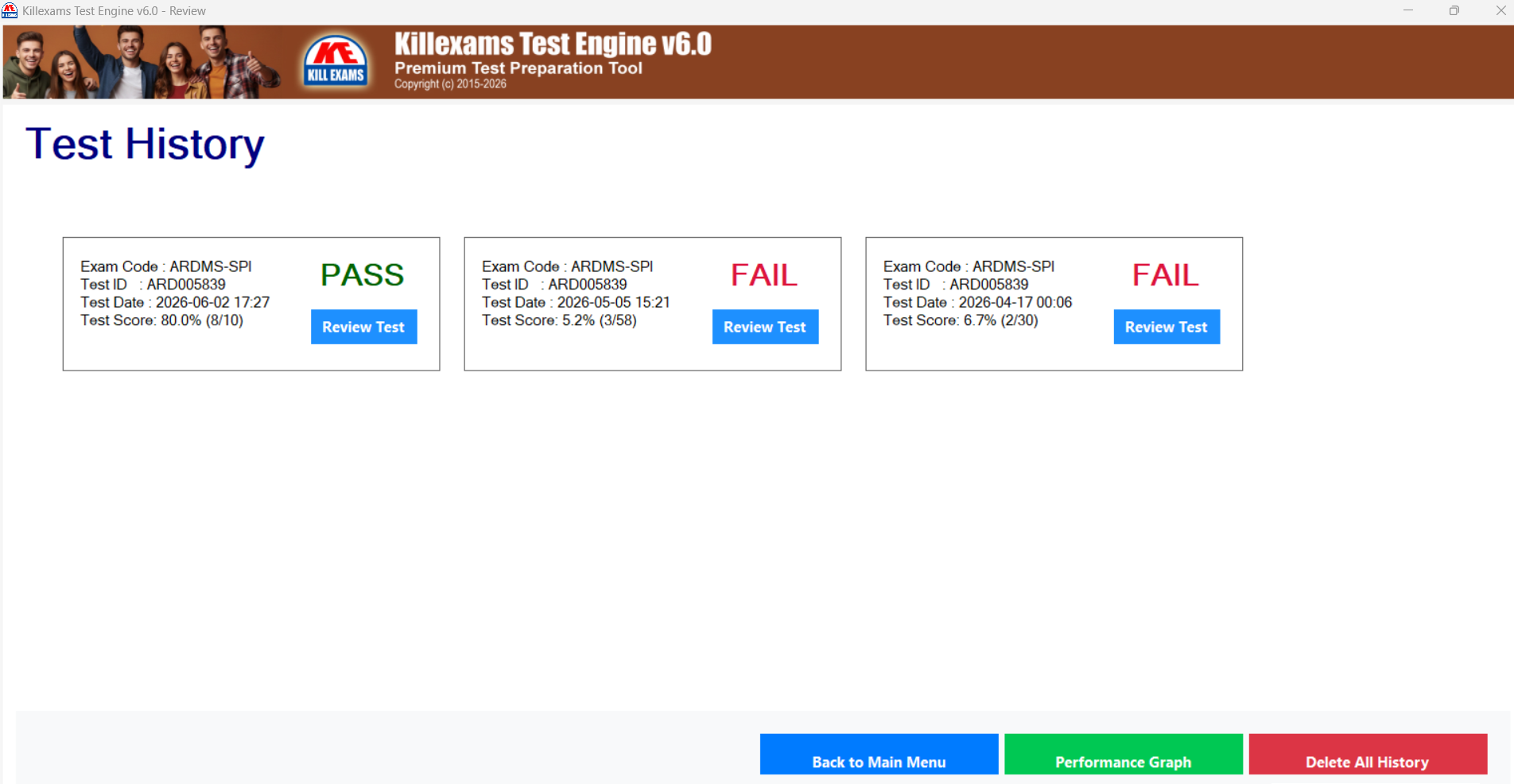
The Desktop Exam Simulator records practice history, performance summaries, and graphical progress reports. Where available, questions may include explanations or reference information to support understanding of correct and incorrect answers. The simulator content is reviewed and updated periodically to remain aligned with current exam objectives and syllabus requirements.
|
3 Months Update
|
6 Months Update
|
12 Months Update
|
|
|---|---|---|---|
What is 3 Months Update?
During 3 months, all future updates in PDF and Test Engine will be provided in your MyAccount with download links. An Intimation email on each update will be sent to you to re-download the updated exam files.
|
What is 6 Months Update?
During 6 months, all future updates in PDF and Test Engine will be provided in your MyAccount with download links. An Intimation email on each update will be sent to you to re-download the updated exam files.
|
What is 12 Months Update?
During 12 months, all future updates in PDF and Test Engine will be provided in your MyAccount with download links. An Intimation email on each update will be sent to you to re-download the updated exam files.
|
|
| Files | PDF / Test Engines | PDF / Test Engines | PDF / Test Engines |
| Premium Access | ✔ | ✔ | ✔ |
| Online Test Engine | ✔ | ✔ | ✔ |
| Instant Download Access | ✔ | ✔ | ✔ |
| Comprehensive Q&A | ✔ | ✔ | ✔ |
| Latest Topics | ✔ | ✔ | ✔ |
| Updated Regularly | ✔ | ✔ | ✔ |
| Portable Files | ✔ | ✔ | ✔ |
| Unlimited Download | ✔ | ✔ | ✔ |
| 100% Secured | ✔ | ✔ | ✔ |
| Confidentiality | 100% | 100% | 100% |
| Syllabus Coverage | Latest | Latest | Latest |
| Any Hidden Cost | No | No | No |
| Auto Renewal | No | No | No |
| Updates Intimation | by Email | by Email | by Email |
| Technical Support | Free | Free | Free |
| PDF Compatibility | Windows, Mac, Android, iOS, Linux | Windows, Mac, Android, iOS, Linux | Windows, Mac, Android, iOS, Linux |
| Desktop Test Engine Compatibility | Windows All Versions | Windows All Versions | Windows All Versions |
| Online Test Engine Compatibility | Mac / Windows / Android / iOS / Linux | Mac / Windows / Android / iOS / Linux | Mac / Windows / Android / iOS / Linux |
AACE-CFCC Exam Format | Course Contents | Course Outline | Exam Syllabus | Exam Objectives
AACE-CFCC Certified Forensic Claims Consultant (CFCC)
DOMAIN 1 — Legal Knowledge, Dispute Resolution and Rules of Evidence — 35%1.1 Evidence and Admissibility
- Admissibility of e-mail evidence
- Admissibility of personal diaries
- Admissibility of web-based research used in expert reports
- Rules of evidence as applied to expert testimony
- Custodian-of-records issues
- Preservation of records in litigation
- Spoliation of evidence
- Potential liability associated with spoliation
- Preservation of evidence used in tests and investigations
- Legal privilege and protection of privileged information
1.2 Burden of Proof and Entitlement
- Burden of proof
- Entitlement-related issues
- Contractual entitlement to additional time or money
- Relationship between entitlement and claim analysis
- How contract language affects claim evaluation
1.3 Construction Contract and Claim Issues
- Law of the contract and its impact on the claim process
- Purpose of the changes clause
- Purpose of the suspension of work clause
- Contractual notice provisions
- Reservation of rights
- Differing site condition clauses
- Risk allocation under differing site condition provisions
- Force majeure clauses
- Contractual delay clauses
- No-damages-for-delay clauses
- Exceptions to no-damages-for-delay clauses
- Termination clauses and related issues
- Consequential damages and their recoverability
- Enforceability of exculpatory clauses
- Enforceability of liquidated damages clauses
1.4 Changes and Change-Related Claims
- Directed changes
- Constructive changes
- Change-related entitlement
- The purpose of the changes clause
- How changes can affect schedule and cost
- The relationship between changes and cumulative impact claims
1.5 Dispute Resolution
- Determining the appropriate dispute resolution method
- Arbitration versus litigation
- Differences between arbitration organizations or arbitral bodies
- Arbitration procedures
- Litigation procedures
- Deposition process and procedures
- Expert participation in dispute resolution
1.6 Delay and Contractual Legal Issues
- Legal impact of contractual delay clauses
- No-damages-for-delay provisions
- Exceptions to no-damages-for-delay clauses
- Owner-caused delay
- Contractor delay
- Force majeure-related delay
- Delay entitlement
- Consequential damages
- Termination issues
2.1 Cost Classification and Cost Analysis
- Direct costs
- Indirect costs
- Field costs
- Home-office costs
- Time-related costs
- Non-time-related costs
- Costs included in delay damage calculations
- Costs excluded from delay damage calculations
- Categorization of project costs
2.2 Cost and Damages Calculation Methods
- Total Cost Method
- Modified Total Cost Method
- Discrete cost calculations
- Cost-based damage calculations
- Justification of total-cost calculations
- Recovery of delay damages
2.3 Contract Value Adjustments
- Added work
- Deleted work
- Changes in scope
- Change orders
- Contractor credits
2.4 Delay and Acceleration Costs
- Calculation of acceleration costs
- Causes of acceleration
- Owner-directed acceleration
- Constructive acceleration concepts
- Delay damages
- �Buy back” versus delay damages
- Extended overhead costs
- Recovery of delay-related costs
2.5 Disruption and Cumulative Impact
- Disruption costs
- Loss of productivity
- Cumulative impact costs
- Methods for proving cumulative impact
- Calculation of cumulative impact costs
- Relationship between changes and productivity loss
- Difference between delay costs and impact costs
2.6 Productivity and Loss of Productivity
- Methods for calculating loss of productivity
- Productivity-related claims
- Measured Mile analysis
- Information required to support a Measured Mile analysis
- Disruption-related productivity losses
- Impact of project changes on productivity
2.7 Measured Mile
- Purpose of the Measured Mile technique
- Selection of a suitable comparison period
- Productive versus impacted work
- Data needed to support the analysis
- Limitations and evidentiary support for the method
2.8 Equipment and Estimating
- Equipment cost calculations
- Estimating techniques
- Estimating changes in contract value
- Cost documentation
- Cost tracking
- Supporting documentation for claimed costs
2.9 Overhead and Other Damages
- Extended home-office overhead
- Methods for calculating extended home-office overhead
- Entitlement to extended overhead
- Potential credits against contractor claim settlements
- Economic waste
- Liquidated damages
2.10 Earned Value
- Cost analysis
- Progress analysis
- Project performance assessment
- Claim and damages evaluation
3.1 Schedule Fundamentals
- Critical path
- Calculation of the critical path
- Near-critical paths
- Parallel critical paths
- Float
- Ownership of float
- Schedule logic
- Baseline schedules
- As-planned schedules
- As-built schedules
3.2 Schedule Delay Analysis Methods
- Accepted schedule delay analysis techniques
- Prospective delay analysis
- Retrospective delay analysis
- Observational forensic scheduling
- Modeled forensic scheduling
- Schedule delay analysis processes
3.3 As-Planned and As-Built Analysis
- Differences between as-planned and as-built schedules
- Use of as-planned schedules in claims
- Use of as-built schedules in forensic analysis
- Verification of as-built schedules
- Creation of collapsed as-built schedules
3.4 Delay Calculation and Classification
- Calculation of delay
- Types of delay
- Independent delays
- Serial delays
- Sequential delays
- Compensable delay
- Non-compensable delay
- Impact of delay classification on entitlement
3.5 Concurrent and Parallel Delay
- Concurrent delay issues
- Impact of concurrent delay
- Proof required for concurrent delay
- Calculation of concurrent delay
- Parallel critical paths
- Effect of multiple delay causes on entitlement
3.6 Schedule Updates and Contemporaneous Analysis
- Reviewing contemporaneous schedule updates
- Analyzing contemporaneous schedule updates
- Contemporaneous update methodology
- Dates used in forensic scheduling
- Schedule records and contemporaneous project information
3.7 Weather Delays
- Delay analysis related to weather
- Weather-related delay claims
- Documentation needed to support weather delay
- Relationship between weather and the critical path
- Compensability of weather-related delays
3.8 Schedule and Contract Requirements
- Scheduling specifications
- Delay clauses
- Contract schedule requirements
- Failure to issue a baseline schedule
- Delay analysis when no baseline schedule was issued
3.9 Pacing and Impacted As-Planned Analysis
- Pacing delay
- Impacted as-planned schedules
- Use of bar charts in project management and litigation
4.1 Contract Types and Delivery Methods
- Types of contracts
- Project delivery methods
- Contract structures
- Risk allocation under different contract arrangements
4.2 Risk Management and Risk Allocation
- Allocation of risk
- Purpose of risk-sharing clauses
- Project contingency
- Establishment of project contingency
- Use of project contingency
- Force majeure situations
4.3 Change Management
- Causes of change under typical contracts
- Management of change
- Change orders
- Justification for change orders
- Impact of issuing changes without schedule analysis
- Relationship between change management and claims
4.4 Contract Documents and Administration
- Contract document issues
- Order-of-precedence clauses
- Ambiguous specifications
- How contracts deal with ambiguity
- Contract notice provisions
- Claims filing processes
4.5 Project Documentation and Cost Records
- Cost tracking
- Project documentation
- Documentation supporting claims
- Document management
- Record preservation
- Project records used in dispute analysis
4.6 Payment and Financial Issues
- Owner's ability to withhold payment
- Payment-related contract issues
- Mechanics lien issues
- Surety bond requirements and issues
4.7 Project Participants and Contracting Structures
- Roles and responsibilities of project representatives
- Multiple prime contractor issues
- Disputes involving multiple prime contractors
- Sole-sourcing subcontractors
- Advantages and implications of sole sourcing
4.8 Bidding and Procurement
- Bidding mistakes and errors
- Consequences of bidding mistakes
- Bid escrow processes
- Contract formation and bidding-related issues
5.1 Expert Independence and Objectivity
- An independent expert
- An advocate for a party
- The expert's role in litigation
- The expert's obligation to remain unbiased
- The risks of always testifying for the same side
- Professional independence
5.2 Conflicts of Interest
- Conflict checks before accepting an assignment
- Potential conflicts of interest
- Appearance of a conflict
- When an expert may need to withdraw from a case
5.3 Expert Qualifications and Scope
- Expert curriculum vitae
- Testifying beyond the scope of one's experience
- What experts can and cannot testify about
- Working within the expert's area of competence
- Use of other qualified professionals when issues exceed the expert's expertise
5.4 Expert Reports
- Preparation of expert reports
- Presentation of expert reports
- Documents to review when preparing a report
- Reliance on information provided by others
- Use of assumptions
- Unsubstantiated client statements
- Testifying on a report prepared by a team
5.5 Errors and Contrary Opinions
- Mistakes in an expert report
- Published opinions contrary to the expert's own opinion
- New information affecting an expert's opinion
- Corrections and professional disclosure
5.6 Confidentiality and Privilege
- Confidentiality agreements
- Continuing confidentiality obligations
- Preserving privilege
- Expert communications
- Handling confidential case information
5.7 Evidence and Chain of Custody
- Chain of custody
- Preservation of evidence
- Integrity of tests and investigations
- Control and custody of materials entrusted to the expert
5.8 Compensation and Financial Ethics
- Contingent fees for expert assignments
- Accepting compensation from more than one party for the same work
- Fee arrangements that could compromise expert judgment
- Personal liability under false claims statutes
5.9 Expert Withdrawal
- Withdraw from an assignment
- Refuse an engagement
- Terminate involvement
- Decline to provide an opinion because necessary investigation is not permitted
6.1 Essay Scenario Topics
- Schedule delay with disputed actual progress
- Arbitration versus litigation for a complex claim
- Cumulative impact claims
- Differing site condition situations
- Potential cardinal change situations
- Potential conflict of interest situations
- Potential termination for default situations
- Delay claims involving a no-damages-for-delay clause
- Selection and use of a document management system
- Weather delay situations
- Multiple prime contractors and site accessibility
6.2 Recommended Essay Analysis Framework — BIRAC
Background
- The facts
- The project situation
- Relevant assumptions
Issue
- The legal issue
- The technical issue
- The claims or dispute question
Rule
- The applicable general legal rule
- The relevant practical or professional principle
- The applicable claims analysis approach
Analysis
- The facts
- The project records
- The schedule or cost evidence
- The assumptions
Conclusion
- Your conclusion
- The basis for the conclusion
- Any limitations or additional information required
Reviews (13)4.31 Overall
★★★★★
54%
★★★★
38%
★★★
0%
★★
0%
★
8%
|
Submit ReviewYou must be logged in to submit a review. Sign In to Submit Review |
Customer Reviews
AACE-CFCC Exam FAQs
What question types are on the AACE-CFCC exam?
Format of the AACE-CFCC exam: computer based multiple choice.
Which certification does AACE-CFCC lead to?
Passing AACE-CFCC leads to the Certified Forensic Claims Consultant (CFCC) credential from AACE International.
What topics does the AACE-CFCC exam cover, and how are they weighted?
The AACE-CFCC exam covers 6 sections: Contracts and Claims; Forensic Schedule Analysis; Delay and Disruption; Damages Quantification; Documentation and Evidence; Dispute Resolution.
How should I prepare for AACE-CFCC?
Start with the official AACE-CFCC exam outline and study materials from AACE International, then build exam readiness with timed practice. A killexams.com premium account gives you the full pool of 1,474 AACE-CFCC practice questions and answers in PDF and Test Engine formats, so you can practice every objective and review the answers before exam day.
How long does it take to prepare for AACE-CFCC?
At a steady pace of 100 practice questions a day, working through all 1,474 AACE-CFCC questions takes about 15 days. Add extra days to repeat the questions you got wrong.
Is AACE-CFCC hard? Who is it for?
The Certified Forensic Claims Consultant credential recognizes senior professionals who analyze delays, disruptions and cost overruns on construction and engineering projects to support or defend claims.
How many practice questions do you have for AACE-CFCC?
The killexams.com AACE-CFCC practice test contains 1,474 questions and answers.
Is there a free AACE-CFCC sample?
Yes. A free AACE-CFCC sample PDF is available on this page, so you can review the question style before you buy.
What formats are included in the AACE-CFCC practice test?
The AACE-CFCC practice test is available as a PDF, an Online Test Engine and a Desktop Test Engine.
Do the AACE-CFCC practice questions cover the current exam objectives?
Yes. The AACE-CFCC practice questions cover the complete syllabus and current exam objectives.
How do I get the files after purchase, and how long is access valid?
Your MyAccount login details are delivered by email. You can download the files from the member area until your account expires, after 3, 6 or 12 months depending on the plan you bought.
Can I use the AACE-CFCC Test Engine on Mac or mobile?
Yes, with the Online Test Engine, which runs on Mac, iOS, Android, Linux and other platforms. The Desktop Test Engine is for Windows only.
What if I fail the AACE-CFCC exam after using your material?
You can choose one of three options: 1) a refund, 2) a free 3-month account extension, or 3) a new exam of your choice.
How many practice questions are available for AACE-CFCC?
The AACE-CFCC practice test contains 1,474 practice questions and answers covering the current exam objectives.
What formats are available for AACE-CFCC preparation?
The AACE-CFCC practice test is available as PDF, Online Test Engine, Desktop Test Engine. All formats can be downloaded instantly after purchase.
Is there a free AACE-CFCC sample?
Yes. You can preview and download a free AACE-CFCC sample PDF on this page before you buy.