


ACFE-CFE Exam Questions PDF
| Questions and Answers | 1425 (Complete Set) |
| File Format | |
| Latest Update | November 25, 2026 |
| Files Delivery | Instant (5 to 10 min.) |
| Compatibility | All Desktop and Mobile Devices |
| Delivery Method | Download Account |
The Certified Fraud Examiner credential from the Association of Certified Fraud Examiners is the leading global certification in anti fraud work. It covers financial transactions and fraud schemes, law, investigation, and fraud prevention and deterrence.
In banking, accounting, investment and insurance, Certified Fraud Examiner (CFE) often supports promotion or is required for certain roles. It also gives a structured way to stay current with standards, products and regulation.
To understand what is actually tested, it helps to break the outline down. Financial Transactions and Fraud Schemes focuses on asset misappropriation, corruption and financial statement fraud. The Law area includes criminal and civil law; and evidence. Questions on Investigation typically involve interviewing and data analysis. Fraud Prevention and Deterrence covers controls, ethics and risk assessment.
Preparing for the ACFE-CFE exam requires not only understanding the exam topics but also practicing with exam style questions. Our Certified Fraud Examiner (CFE) exam questions in practice tests help candidates review key concepts and familiarize themselves with the format and difficulty of exam.
At Killexams.com, our team works to maintain up-to-date practice content for exam preparation. We continuously review and refine our question sets and explanations to cover the latest relevant syllabus areas and help learners strengthen their understanding of core topics before facing the official exam. These Practice tests allow you to identify areas where you need improvement by measuring your readiness, and provide you exam questions to polish those areas.
ACFE-CFE Exam Questions Preview
The CFE exam has four sections with 100 questions each, and each section has a time limit. A passing score of 75 percent per section is required. Use the ACFE Fraud Examiners Manual as your core reference.
One effective way to prepare for ACFE-CFE is to work through the sections in order. Allow roughly 4 weeks, giving each major area its own block: begin with Financial Transactions and Fraud Schemes, continue with Law; Investigation; and Fraud Prevention and Deterrence. For each area, collect key definitions, a few examples and the mistakes you made in practice, then review them weekly. Close your preparation with at least two complete timed practice sessions and a careful review of every missed question.
Study regulations and standards for ACFE-CFE using summary tables that show purpose, scope, key thresholds and timing. Scenario questions often hinge on these details.
| Detail | Information |
|---|---|
| Sections | 4 |
| Questions | 100 per section |
| Passing Score | 75 percent per section |
| Provider | ACFE |
To help you evaluate our material, you may download free sample pdf with example questions and answers that we provide. This sample allows you to review content and approach before deciding on Premium materials..
The Certified Fraud Examiner (CFE) practice test files contains 1425 Questions, are compatible with multiple devices, including Windows, macOS, iOS, and Android, and can be used for both online and offline study. The PDF format is printable, making it easy to study during travel or when away from a computer. Access to updated materials is available through your online account.
After purchase, you will receive your username and password immediately, allowing you to log in and download your study files without delay. Our goal is to support exam preparation at your pace with practice content designed for reinforcement and understanding of key concepts.
Killexams.com CFE questions and answers cover all four sections with explanations. Practice tests help you prepare section by section.
Questions in the killexams.com ACFE-CFE bank are grouped to match the exam sections, including Financial Transactions and Fraud Schemes; Law; Investigation; and Fraud Prevention and Deterrence. Working through these sets two or three times, and reviewing every explanation, is a reliable way to raise your score before exam day.
The ACFE-CFE material from killexams.com is available as a PDF for reading on any device and as practice test software that simulates the exam environment, with timed sessions, review marking and score reports. Many candidates read the questions and answers during the week and use the practice test at weekends to measure progress.
Online Test Engine
| Exam Questions | 1425 (Complete Set) |
| Testing Limit | Unlimited |
| Access Type | Online |
| Latest Update | November 25, 2026 |
| Access Activation | Instant (5 to 10 min.) |
| Supported OS | Mac, Windows, Android, iPhone / iPad, Linux |
| Delivery Method | Username / Password |
Killexams.com provides an Online Test Engine designed to help candidates practice exam questions in a structured and interactive environment. The Test Engine is compatible with iPhone, iPad, Android, Windows, and Mac, allowing you to study and practice on the device that best fits your schedule.
The ACFE-CFE Online Test Engine enables candidates to simulate exam-style practice sessions, review answers, and track progress over time. This learning approach helps users practice exam questions, question formats and improve time management while preparing for the Certified Fraud Examiner (CFE) exam.
The Test Engine includes features that support effective learning, such as customizable practice sessions, question review modes, and progress tracking. These tools are designed to assist candidates in identifying knowledge gaps and reinforcing key concepts through repeated practice rather than memorization alone.
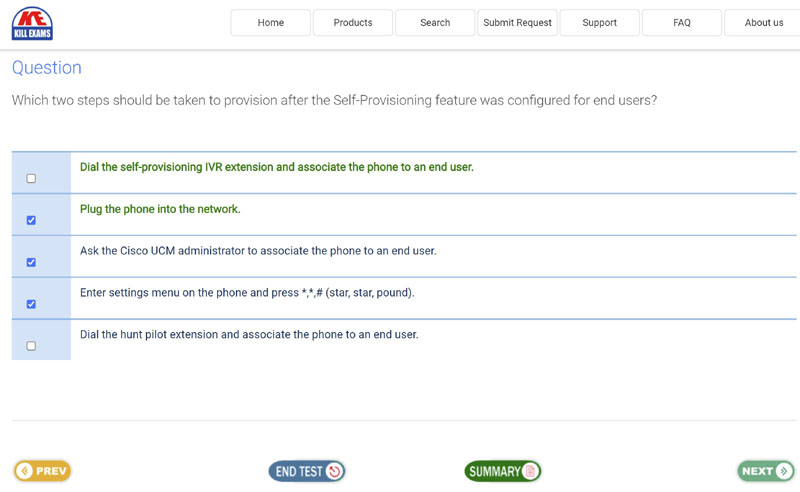
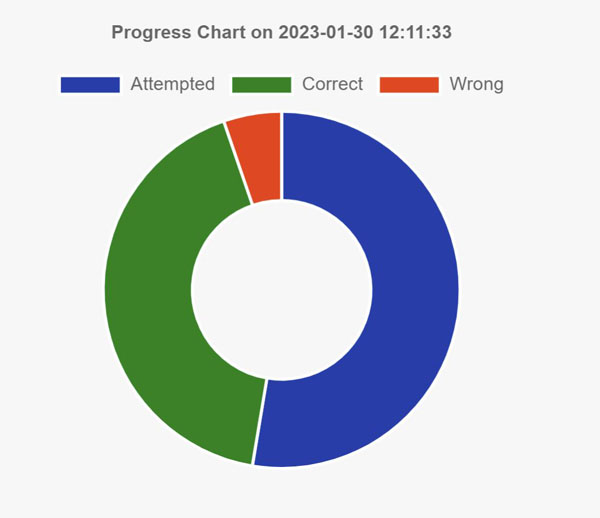
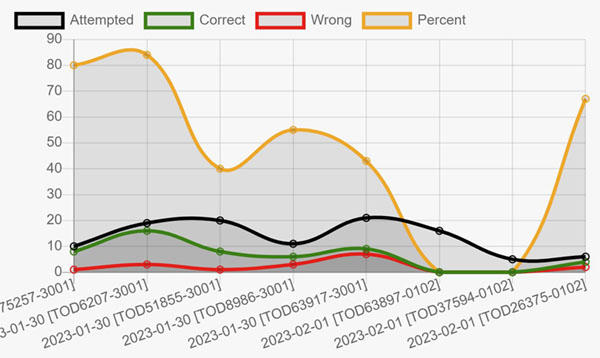
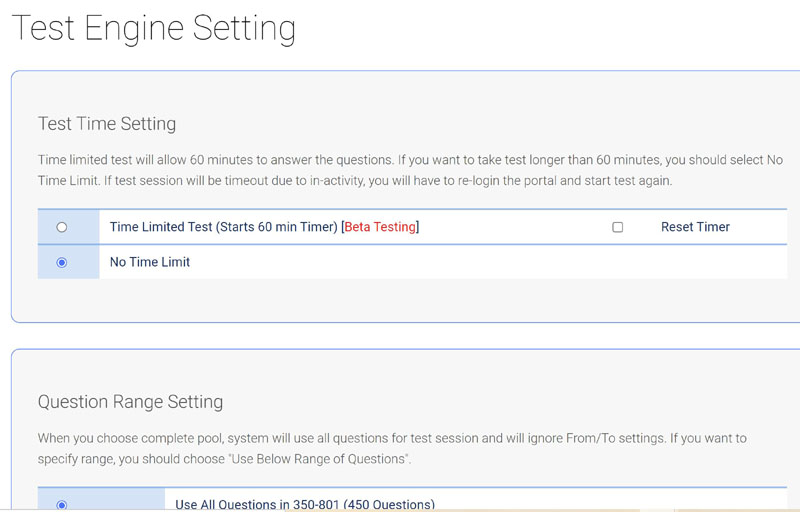
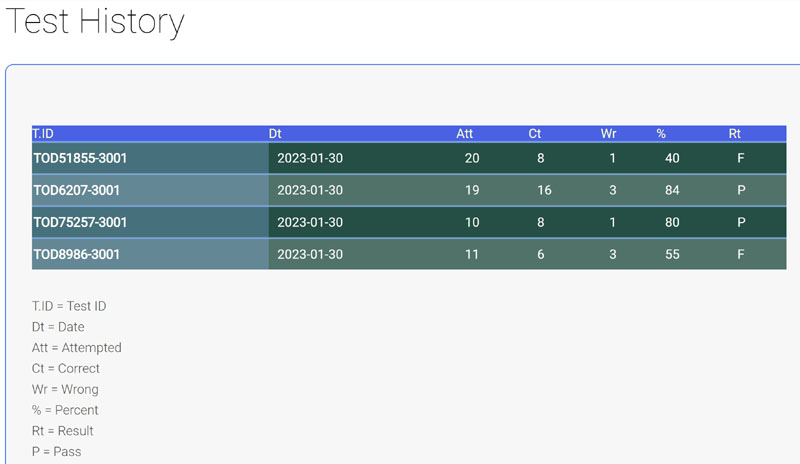
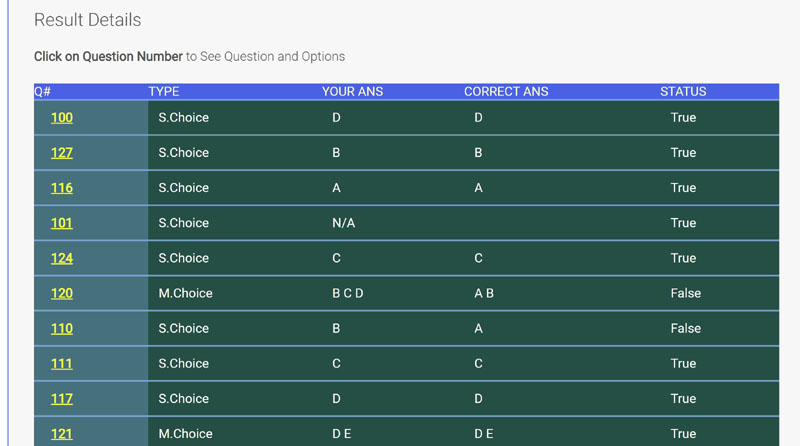
The Online Test Engine maintains practice history, performance summaries, and visual progress reports. Where available, questions may include explanations or reference information to support better understanding of exam topics. Content is reviewed and updated periodically to reflect relevant syllabus changes and maintain consistency with exam objectives.
Desktop Test Engine
| Exam Questions | 1425 (Complete Set) |
| Software Version | 2026 |
| Access | Unlimited |
| Latest Update | November 25, 2026 |
| Access Activation | Instant (5 to 10 min.) |
| Supported OS | Windows (All Versions) |
| Delivery Method | Username / Password |
| Test Engine Trial Software | Killexams Test Engine 2026 |
The Killexams Desktop Test Engine (version 2026) is a dedicated test preparation software designed to support candidates preparing for the ACFE-CFE exam. The simulator provides a structured desktop based practice environment that allows users to work through exam style questions and review their performance in detail.
By practicing with the Certified Fraud Examiner (CFE) Exam Simulator, candidates can become familiar with question formats, exam navigation, and time based testing conditions similar to those used in official exams. This experience helps users build confidence across testing environment, time management, exam topics and identify areas that may require additional study.
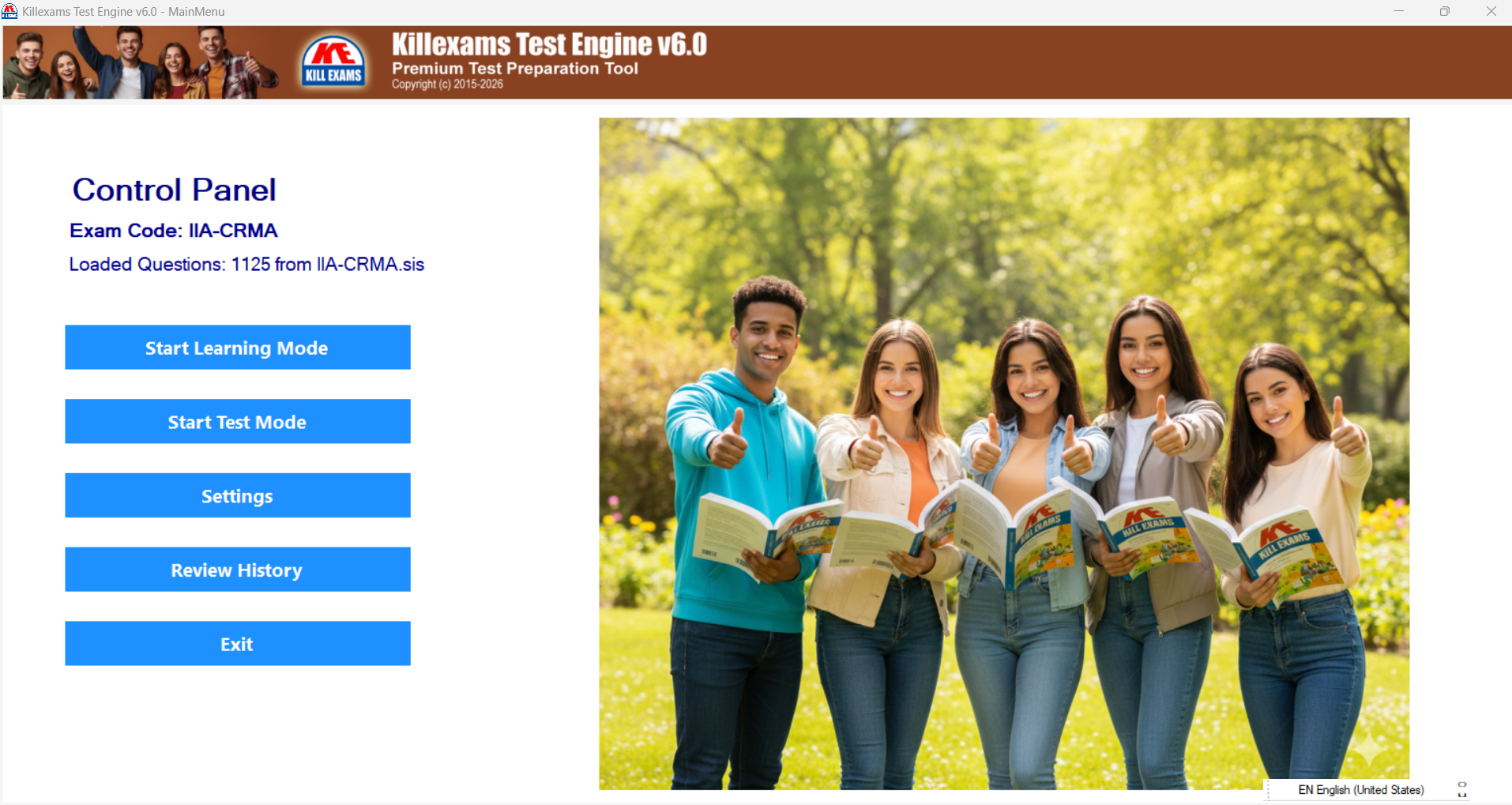

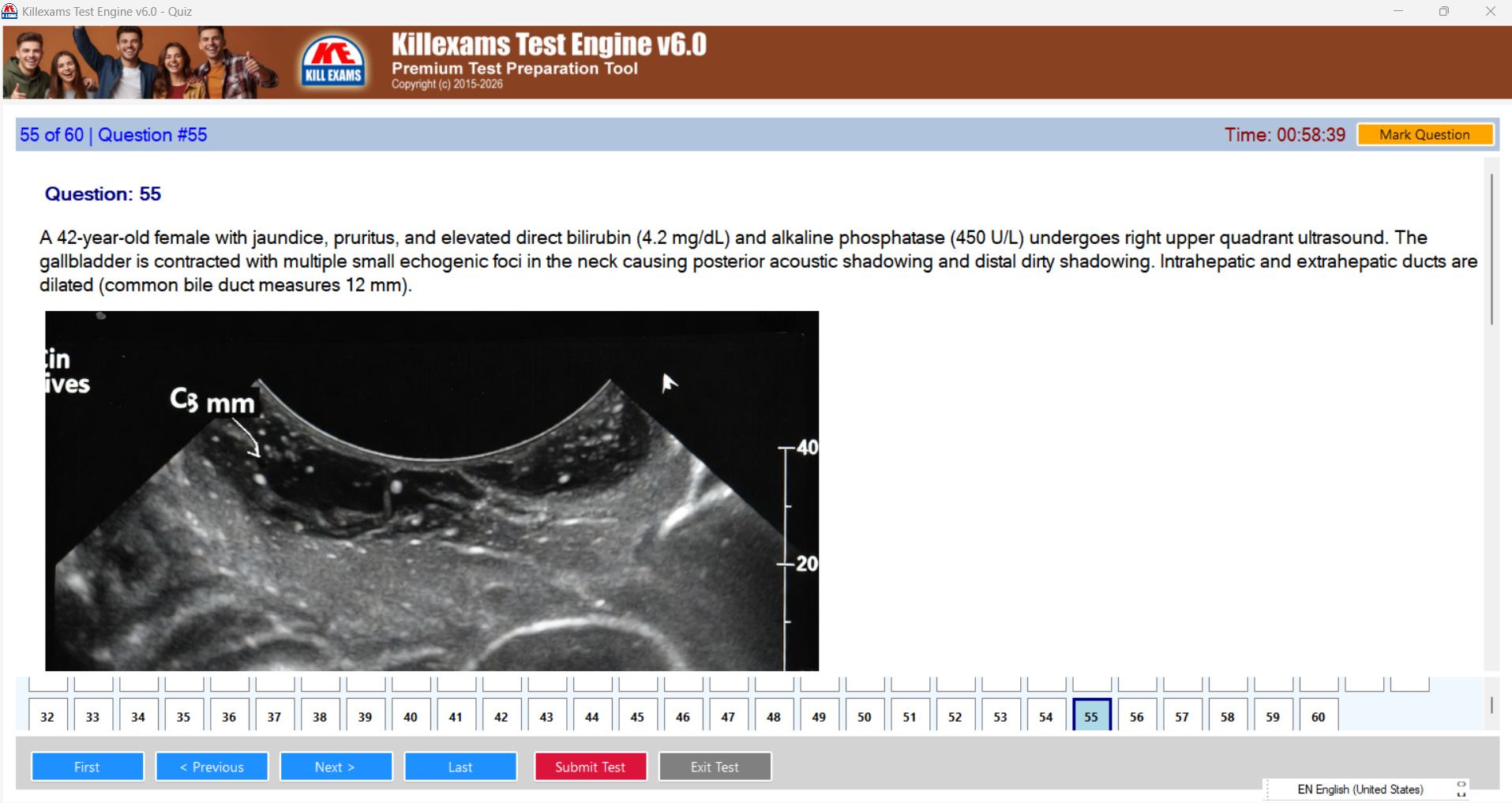
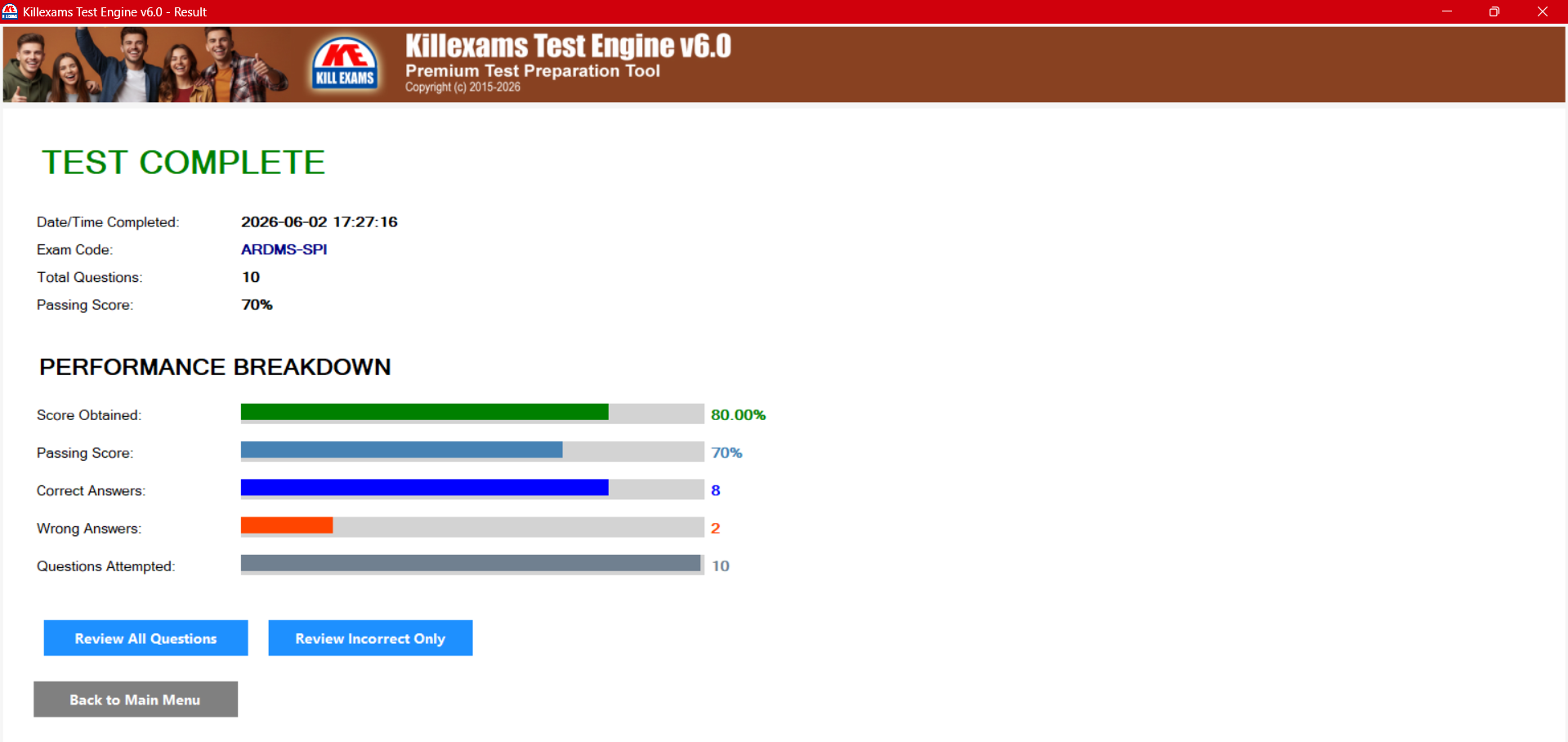

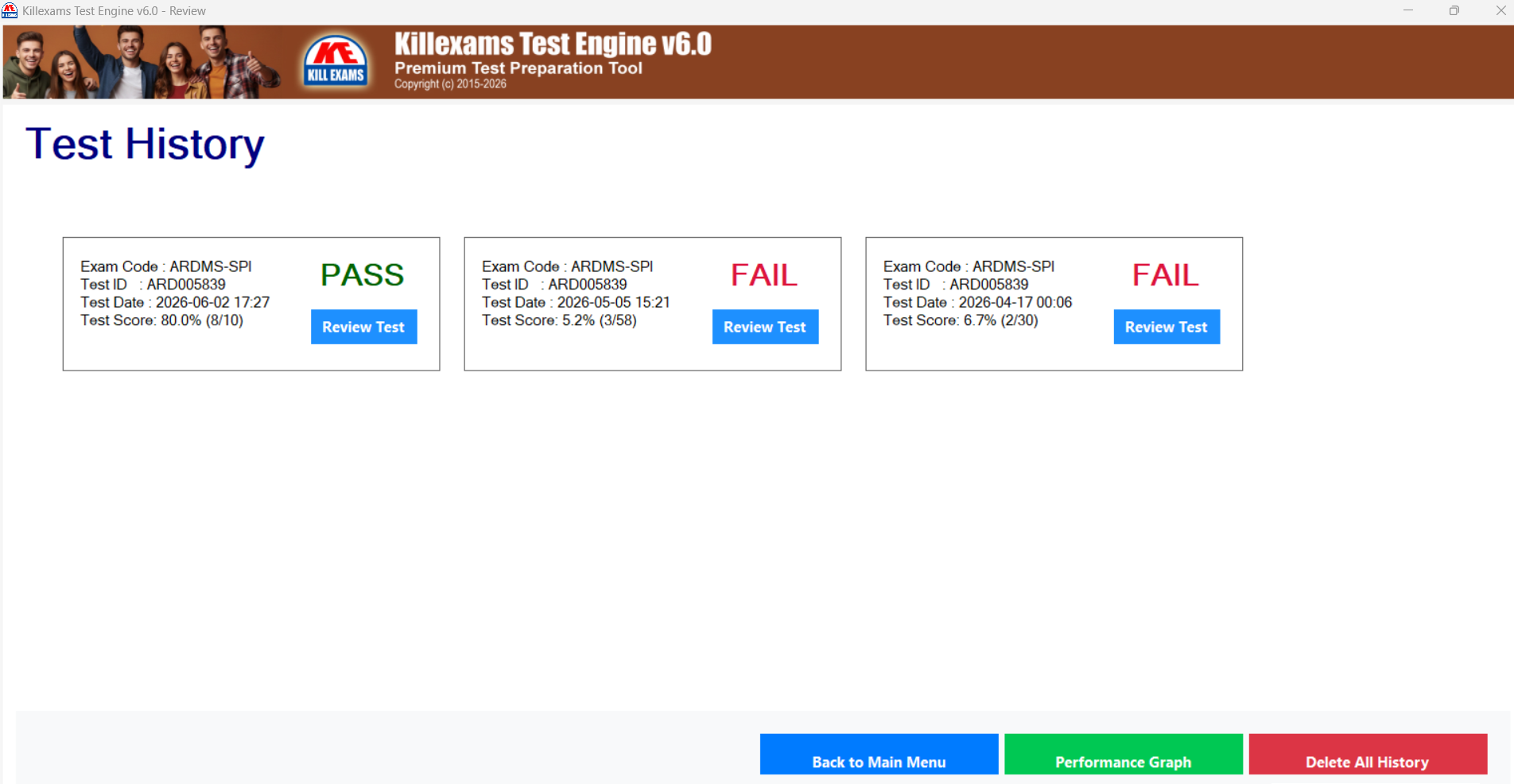
The Desktop Exam Simulator records practice history, performance summaries, and graphical progress reports. Where available, questions may include explanations or reference information to support understanding of correct and incorrect answers. The simulator content is reviewed and updated periodically to remain aligned with current exam objectives and syllabus requirements.
|
3 Months Update
|
6 Months Update
|
12 Months Update
|
|
|---|---|---|---|
What is 3 Months Update?
During 3 months, all future updates in PDF and Test Engine will be provided in your MyAccount with download links. An Intimation email on each update will be sent to you to re-download the updated exam files.
|
What is 6 Months Update?
During 6 months, all future updates in PDF and Test Engine will be provided in your MyAccount with download links. An Intimation email on each update will be sent to you to re-download the updated exam files.
|
What is 12 Months Update?
During 12 months, all future updates in PDF and Test Engine will be provided in your MyAccount with download links. An Intimation email on each update will be sent to you to re-download the updated exam files.
|
|
| Files | PDF / Test Engines | PDF / Test Engines | PDF / Test Engines |
| Premium Access | ✔ | ✔ | ✔ |
| Online Test Engine | ✔ | ✔ | ✔ |
| Instant Download Access | ✔ | ✔ | ✔ |
| Comprehensive Q&A | ✔ | ✔ | ✔ |
| Latest Topics | ✔ | ✔ | ✔ |
| Updated Regularly | ✔ | ✔ | ✔ |
| Portable Files | ✔ | ✔ | ✔ |
| Unlimited Download | ✔ | ✔ | ✔ |
| 100% Secured | ✔ | ✔ | ✔ |
| Confidentiality | 100% | 100% | 100% |
| Syllabus Coverage | Latest | Latest | Latest |
| Any Hidden Cost | No | No | No |
| Auto Renewal | No | No | No |
| Updates Intimation | by Email | by Email | by Email |
| Technical Support | Free | Free | Free |
| PDF Compatibility | Windows, Mac, Android, iOS, Linux | Windows, Mac, Android, iOS, Linux | Windows, Mac, Android, iOS, Linux |
| Desktop Test Engine Compatibility | Windows All Versions | Windows All Versions | Windows All Versions |
| Online Test Engine Compatibility | Mac / Windows / Android / iOS / Linux | Mac / Windows / Android / iOS / Linux | Mac / Windows / Android / iOS / Linux |
ACFE-CFE Exam Format | Course Contents | Course Outline | Exam Syllabus | Exam Objectives
Total Number of Questions: 400 questions in total (Each of the four sections contains 100 questions each)
Question Types: Multiple-choice and True/False.
Time Allotted: 8 hours total (Candidates are given 2 hours per section)
Passing Marks: A minimum score of 75% is required on each individual section to pass.
Section 1: Financial Transactions and Fraud Schemes
Domain 1: Accounting Concepts- The accounting equation
- Balance sheet/statement of financial position
- Income statement/statement of financial performance/statement of operations/profit-andloss statement/statement of changes in financial position
- Statement of cash flows
- Cash vs. accrual accounting
- Various accounting frameworks (GAAP, IFRS, etc.) and when they are used
- What financial statement fraud is
- Types of financial statement fraud schemes
- Financial statement analysis
- What cash skimming is
- Types of cash skimming schemes
- Cash skimming schemes: Prevention and detection
- What cash larceny is
- Types of cash larceny schemes
- Cash larceny: Prevention and detection
- Types of register disbursement schemes
- Register disbursement schemes: Prevention and detection
- Electronic payment tampering: Prevention and detection
- Types of billing schemes
- Billing schemes: Prevention and detection
- Types of payroll fraud schemes
- Payroll fraud schemes: Prevention and detection
- Types of expense reimbursement schemes
- Expense reimbursement schemes: Prevention and detection
- Misuse of inventory and other assets
- Types of inventory theft schemes
- Concealing inventory shrinkage
- Inventory schemes: Prevention and detection
- What is corruption?
- Types of corruption schemes (e.g., bribery, kickback schemes, conflicts of interest)
- Methods of making illegal payments
- Corruption schemes: Prevention and detection
- Corporate espionage vs. competitive intelligence
- Sources of competitive intelligence
- How information is lost or stolen
- Safeguarding proprietary information from insider and external threats
- Types and methods of identity theft
- How identity thieves steal information
- Identity theft schemes: Prevention and detection
- Types of financial institution fraud schemes (e.g., new account schemes, loan and mortgage fraud schemes)
- Red flags of financial institution fraud
- Financial institution fraud: Prevention and detection
- Types of payment fraud schemes (e.g., electronic funds transfer fraud schemes, payment card fraud schemes, mobile payment schemes)
- Payment fraud schemes: Prevention and detection
- Types of insurance fraud schemes (e.g., vehicle insurance schemes, agent/broker fraud)
- Red flags of insurance fraud
- Insurance fraud: Prevention and detection
- Types of health care fraud schemes (e.g., fraud by the insurance company/group, fraud by the patient, fraud by service providers)
- Health care fraud: Prevention and detection
- Types of consumer fraud schemes (e.g., advance-fee schemes, elder fraud, pyramid schemes, Ponzi schemes)
- Red flags of consumer fraud
- Consumer fraud: Prevention and detection
- Information security goals and control objectives
- Types of electronic social engineering schemes (e.g., business email compromise, phishing)
- Types of malware (e.g., viruses, ransomware)
- Combatting insider threats
- Cyberfraud: Prevention and detection
- Responding to cybersecurity incidents
- Basic elements and phases of contracting
- Types of contract and procurement fraud schemes (e.g., collusion with employees, collusion among contractors, performance schemes)
- Red flags of contract and procurement fraud
- Contract and procurement fraud: Prevention and detection
Section 2: Law
Domain 1: Overview of the Legal System- Criminal, civil, and administrative actions for fraud
- Civil vs. common law systems
- Adversarial vs. inquisitorial processes
- Challenges in international cases
- Misrepresentation of material facts
- Breach of trust offenses
- Mail fraud and wire fraud
- False claims and documents
- Corruption (e.g., bribery, conflicts of interest) and related international rules and standards
- Perjury
- Conspiracy
- Concealment of material facts/obstruction
- Governance and management in bankruptcy proceedings
- Types of bankruptcy filings
- Role of key parties in bankruptcies (e.g., administrator/trustee, courts)
- Types of bankruptcy fraud schemes (e.g., bustout schemes, concealment of assets)
- Securities laws and regulation
- International Organization of Securities Commissions (IOSCO) recommendations
- The role of self-regulatory organizations
- Components of investment contracts
- Types of securities fraud schemes (e.g., insider trading, unsuitable recommendations)
- Money laundering stages
- Methods of laundering money (e.g., using front businesses, emerging payment technologies, money services businesses)
- Components of anti-money laundering programs
- Anti-money laundering regulations and guidance (e.g., Financial Action Task Force [FATF] Recommendations)
- Tax avoidance vs. tax evasion
- Common defenses to tax evasion
- Types of tax evasion schemes (e.g., income and wealth tax evasion, consumption tax schemes)
- Employees’ duty to cooperate
- Employees’ contractual rights
- Whistleblower legal protections
- Employees’ rights in private actions vs. government actions
- Rules regarding searches and surveillance in the workplace
- Employees’ expectation of privacy
- Causes of action for violations of employee rights (e.g., invasion of privacy, intentional infliction of emotional distress, defamation, false imprisonment)
- Data privacy and transfer laws (e.g., General Data Protection Regulation [GDPR])
- Consequences for failure to preserve evidence
- Corporate criminal liability
- International Covenant on Civil and Political Rights (ICCPR)
- Finders of fact in criminal cases
- Criminal proceedings, sentencing, and restitution
- Criminal discovery
- The burden of proof in criminal cases
- Prosecutorial discretion and bargaining agreements
- Corporate deferred prosecution agreements
- Appeals
- Beginning the civil action
- Civil discovery and discovery methods
- Preservation of evidence in civil litigation
- Securing assets before judgment
- Trial of a civil case
- The burden of proof in civil cases
- Counterclaims
- Alternative dispute resolution
- Civil remedies and recovering fraud losses
- Direct vs. circumstantial evidence
- Admissibility of evidence (e.g., authentication, chain of custody)
- Impeachment
- Evidentiary privileges and protections (e.g., legal professional privilege, litigation privilege, waiver of privilege)
- Purpose of testifying expert witnesses
- Appointment of experts
- Qualifying to testify as an expert witness
- Direct testimony considerations
- Cross-examination considerations and techniques
Section 3: Investigation
Domain 1: Planning and Conducting a Fraud Examination- Definition of fraud examination
- Considerations in planning a fraud examination
- The basis of predication in fraud examination
- Developing a fraud response plan
- Preserving confidentiality in a fraud examination
- Types of evidence (e.g., documentary, digital, testimonial)
- Rules for the collection of evidence
- Methods of obtaining evidence
- Disposal of evidence
- Purpose of the interview
- Planning for interviews
- Documenting the interview
- Questioning techniques (e.g., sequence of questions, question types)
- Interviewee’s legal and administrative rights
- Providing an introduction and building rapport
- Assessing the interviewee’s behavior (e.g., observing reactions, establishing a baseline, considering behaviors together)
- Dealing with resistance and difficult/volatile people
- Verbal and nonverbal clues to deception
- Closing the interview
- Purpose of the admission-seeking interview
- Preparing the interview room
- Rules for admission-seeking interviews
- Asking admission-seeking questions
- Steps in an admission-seeking interview (e.g., making the accusation, countering responses)
- Rules for obtaining signed statements
- What a covert operation is
- Documenting covert operations
- Legal issues in covert operations (e.g., recordings, entrapment)
- Procedures and considerations when using sources and informants
- Uses of external sources of information in fraud examinations
- Types of public records (e.g., local government records, court records, corporate filings, securities records)
- Types of nonpublic records (e.g., credit reports, bank records)
- Methods for gaining access to nonpublic records
- Legalities of pretexting
- General Data Protection Regulation (GDPR) application
- Guidelines and use of online databases
- Use of internet sources (e.g., social media, deep web, dark web, archives)
- Documenting electronic evidence obtained online
- Data analysis functions and their applications (e.g., Benford’s law analysis, sorting, joining)
- Advanced data analysis (e.g., unstructured data and textual analytics, artificial intelligence, predictive modeling)
- Data visualization and reporting
- Phases in the data analysis process
- Planning for digital evidence collection
- Types of files to be recovered
- Sources of digital evidence
- The phases of a digital evidence investigation
- The process of tracing illicit transactions
- Obtaining and examining bank records
- Types of financial records used to trace assets (e.g., correspondent banking, wire transfer records, electronic payment records, loan records, credit card records)
- Methods of tracing and analyzing financial transactions (e.g., asset method, expenditures method)
- Emerging technology implications in tracing illicit transactions
- Locating hidden assets
- Asset forfeiture/recovery
- Characteristics and structure of a good report
- Purpose of a fraud examination report
- Rules and best practices for fraud examination reports (e.g., guidance pertaining to conclusions and opinions, attachments, audience)
- Providing follow-up and recommendations
Section 4: Fraud Prevention and Deterrence
Domain 1: Understanding Criminal Behavior- The use of punishment vs. reinforcement to modify behavior
- Theory of differential association
- Social control theory and social learning theory
- Differential reinforcement theory
- Rational choice theory
- Routine activities theory
- Organizational opportunity for white-collar crime
- Factors that contribute to white-collar crime
- Effects of white-collar crime on individuals and society
- Prosecutions for white-collar criminals
- Organizational vs. occupational crime
- Factors that contribute to organizational crime (e.g., structure, specialization, profit pressure)
- Ways organizations rationalize questionable conduct
- Ways to control organizational crime (e.g., compliance, deterrence)
- Components of the fraud triangle
- Research and trends in occupational fraud
- What corporate governance is
- The parties involved in corporate governance
- Establishing a corporate governance framework
- Principles of corporate governance
- Sources of corporate governance guidance (e.g., OECD, Treadway Commission)
- Definition of internal control
- COSO’s five components of internal control
- Management’s responsibility for the anti-fraud program
- Elements of an effective anti-fraud compliance program
- External auditors’ fraud-related responsibilities
- External auditors’ reporting requirements
- Financial statement materiality
- Internal control findings
- Internal auditors’ fraud-related responsibilities
- Internal auditors’ reporting requirements
- Government auditors’ fraud-related responsibilities
- Government auditors’ reporting requirements
- Increasing the perception of detection
- Employee anti-fraud education
- Reporting programs and whistleblower protection programs
- Reinforcing an enterprise-wide anti-fraud culture (e.g., tone at the top, organizationalstructure, performance management and measurement, hiring policies)
- Response to and communication of fraud incidents
- Minimizing employee pressures to commit fraud
- Developing a formal anti-fraud policy
- Developing an ethics program
- The role and objective of anti-fraud controls
- Types of anti-fraud controls
- Purpose and objectives of a fraud risk assessment
- Elements of an effective fraud risk assessment
- Types of fraud risks
- Steps in conducting a fraud risk assessment
- Ways to respond to residual risks
- Reporting the fraud risk assessment results
- The relationship between the fraud risk assessment and the internal/external audit functions
- What risk management is
- Risk management frameworks (e.g., ISO 31000, COSO Enterprise Risk Management—Integrated Framework)
- Principles of fraud risk management
- Roles and responsibilities for fraud risk management
- Objectives of a fraud risk management program
- Defining risk appetite
- Fraud risk management program compliance and oversight
- Third-party fraud risk management
- Purpose of a code of ethics
- Relationship between moral philosophy, ethics, and the law
- Implications of engaging in illegal or unethical conduct
- Identifying and avoiding conflicts of interest
- Integrity requirements
- Professional skepticism
- Giving opinions and drawing conclusions
- Dealing with privileged and confidential information
- Ensuring proper qualifications for engagements
Reviews (20)4.10 Overall
★★★★★
50%
★★★★
35%
★★★
0%
★★
5%
★
10%
|
Submit ReviewYou must be logged in to submit a review. Sign In to Submit Review |
Customer Reviews
ACFE-CFE Exam FAQs
How many questions are on the ACFE-CFE exam?
The ACFE-CFE exam has 100 per section questions.
How long is the ACFE-CFE exam?
For the ACFE-CFE exam: 8 hours total (Candidates are given 2 hours per section).
What is the passing score for ACFE-CFE?
The passing score for ACFE-CFE is 75 percent per section.
What question types are on the ACFE-CFE exam?
Format of the ACFE-CFE exam: multiple-choice and True/False.
Which certification does ACFE-CFE lead to?
Passing ACFE-CFE leads to the Certified Fraud Examiner (CFE) credential from ACFE.
What topics does the ACFE-CFE exam cover, and how are they weighted?
The ACFE-CFE exam covers 4 sections: Financial Transactions and Fraud Schemes; Law; Investigation; Fraud Prevention and Deterrence.
How should I prepare for ACFE-CFE?
Start with the official ACFE-CFE exam outline and study materials from ACFE, then build exam readiness with timed practice. A killexams.com premium account gives you the full pool of 1,425 ACFE-CFE practice questions and answers in PDF and Test Engine formats, so you can practice every objective and review the answers before exam day.
How long does it take to prepare for ACFE-CFE?
At a steady pace of 100 practice questions a day, working through all 1,425 ACFE-CFE questions takes about 15 days. Add extra days to repeat the questions you got wrong.
Is ACFE-CFE hard? Who is it for?
The Certified Fraud Examiner credential from the Association of Certified Fraud Examiners is the leading global certification in anti fraud work.
How many practice questions do you have for ACFE-CFE?
The killexams.com ACFE-CFE practice test contains 1,425 questions and answers.
Is there a free ACFE-CFE sample?
Yes. A free ACFE-CFE sample PDF is available on this page, so you can review the question style before you buy.
What formats are included in the ACFE-CFE practice test?
The ACFE-CFE practice test is available as a PDF, an Online Test Engine and a Desktop Test Engine.
Do the ACFE-CFE practice questions cover the current exam objectives?
Yes. The ACFE-CFE practice questions cover the complete syllabus and current exam objectives.
How do I get the files after purchase, and how long is access valid?
Your MyAccount login details are delivered by email. You can download the files from the member area until your account expires, after 3, 6 or 12 months depending on the plan you bought.
Can I use the ACFE-CFE Test Engine on Mac or mobile?
Yes, with the Online Test Engine, which runs on Mac, iOS, Android, Linux and other platforms. The Desktop Test Engine is for Windows only.
What if I fail the ACFE-CFE exam after using your material?
You can choose one of three options: 1) a refund, 2) a free 3-month account extension, or 3) a new exam of your choice.
How many practice questions are available for ACFE-CFE?
The ACFE-CFE practice test contains 1,425 practice questions and answers covering the current exam objectives.
What formats are available for ACFE-CFE preparation?
The ACFE-CFE practice test is available as PDF, Online Test Engine, Desktop Test Engine. All formats can be downloaded instantly after purchase.
Is there a free ACFE-CFE sample?
Yes. You can preview and download a free ACFE-CFE sample PDF on this page before you buy.