


ACRP-CPI Exam Questions PDF
| Questions and Answers | 1768 (Complete Set) |
| File Format | |
| Latest Update | November 19, 2026 |
| Files Delivery | Instant (5 to 10 min.) |
| Compatibility | All Desktop and Mobile Devices |
| Delivery Method | Download Account |
The Certified Principal Investigator credential from ACRP recognizes physicians and scientists who lead clinical trials. It covers investigator responsibilities, ethics and safety, regulation, trial operations and data integrity.
The Certified Principal Investigator (CPI) credential is built from a job or practice analysis, so the exam reflects the knowledge professionals actually use with patients and clients. Passing it is often required for licensure, employment or board certification, and it signals to employers that you meet a nationally recognized standard.
Candidates for Certified Principal Investigator (CPI) usually have completed formal education and supervised clinical work before testing. The exam then confirms that this training has produced reliable knowledge across the full scope of practice, from foundational science to clinical judgment and professional responsibility.
The topic areas are broad, so it helps to look inside them. The Investigator Responsibilities area includes oversight and delegation. Questions on Ethics and Safety typically involve consent and AEs. Regulation covers GCP and FDA. Within Operations, candidates should be comfortable with trial conduct.
Preparing for the ACRP-CPI exam requires not only understanding the exam topics but also practicing with exam style questions. Our Certified Principal Investigator (CPI) exam questions in practice tests help candidates review key concepts and familiarize themselves with the format and difficulty of exam.
At Killexams.com, our team works to maintain up-to-date practice content for exam preparation. We continuously review and refine our question sets and explanations to cover the latest relevant syllabus areas and help learners strengthen their understanding of core topics before facing the official exam. These Practice tests allow you to identify areas where you need improvement by measuring your readiness, and provide you exam questions to polish those areas.
ACRP-CPI Exam Questions Preview
The CPI exam has 125 multiple choice questions over three hours. Focus on investigator obligations and safety reporting.
Many candidates find it useful to build a week by week plan around the published topics. Allow roughly 5 weeks, giving each major area its own block: begin with Investigator Responsibilities, continue with Ethics and Safety; Regulation; and Operations, and finish with Data Integrity. Write short notes for each area in your own words and revisit them regularly. In the last week, switch from reading to timed mixed practice so the exam pace feels familiar.
Questions on ACRP-CPI are often long clinical vignettes. Practice reading the last line of the question first, then scanning the case for the details that matter. This habit saves time and reduces the chance of being distracted by irrelevant information.
For ACRP-CPI, build a study plan from the official content outline and weight your time according to the largest sections. Use question practice to identify weak systems early, and review explanations for every missed item. Timed blocks help you settle into the exam pace.
| Detail | Information |
|---|---|
| Questions | 125 |
| Duration | 3 hours |
| Provider | ACRP |
To help you evaluate our material, you may download free sample pdf with example questions and answers that we provide. This sample allows you to review content and approach before deciding on Premium materials..
The Certified Principal Investigator (CPI) practice test files contains 1768 Questions, are compatible with multiple devices, including Windows, macOS, iOS, and Android, and can be used for both online and offline study. The PDF format is printable, making it easy to study during travel or when away from a computer. Access to updated materials is available through your online account.
After purchase, you will receive your username and password immediately, allowing you to log in and download your study files without delay. Our goal is to support exam preparation at your pace with practice content designed for reinforcement and understanding of key concepts.
The killexams.com CPI question bank covers investigator duties and GCP with explanations.
The killexams.com ACRP-CPI practice material is organized around the same outline, with questions on Investigator Responsibilities; Ethics and Safety; Regulation; and Operations. Explanations accompany every answer, and repeated timed sessions build the speed and confidence needed on exam day.
Killexams.com ACRP-CPI exam questions are written to match the current syllabus and the style of questions you can expect, including scenario and application items. Clear explanations help you understand not only why an answer is correct but why the alternatives are not.
With the killexams.com ACRP-CPI practice test you can study by section, focus on weaker topics or run full length timed sessions. Score history shows how your accuracy improves over time, and the explanations turn each mistake into a short lesson.
Online Test Engine
| Exam Questions | 1768 (Complete Set) |
| Testing Limit | Unlimited |
| Access Type | Online |
| Latest Update | November 19, 2026 |
| Access Activation | Instant (5 to 10 min.) |
| Supported OS | Mac, Windows, Android, iPhone / iPad, Linux |
| Delivery Method | Username / Password |
Killexams.com provides an Online Test Engine designed to help candidates practice exam questions in a structured and interactive environment. The Test Engine is compatible with iPhone, iPad, Android, Windows, and Mac, allowing you to study and practice on the device that best fits your schedule.
The ACRP-CPI Online Test Engine enables candidates to simulate exam-style practice sessions, review answers, and track progress over time. This learning approach helps users practice exam questions, question formats and improve time management while preparing for the Certified Principal Investigator (CPI) exam.
The Test Engine includes features that support effective learning, such as customizable practice sessions, question review modes, and progress tracking. These tools are designed to assist candidates in identifying knowledge gaps and reinforcing key concepts through repeated practice rather than memorization alone.
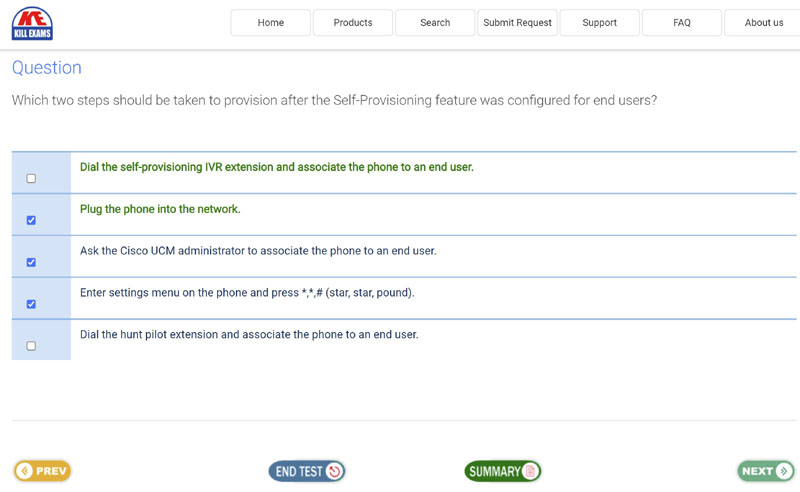
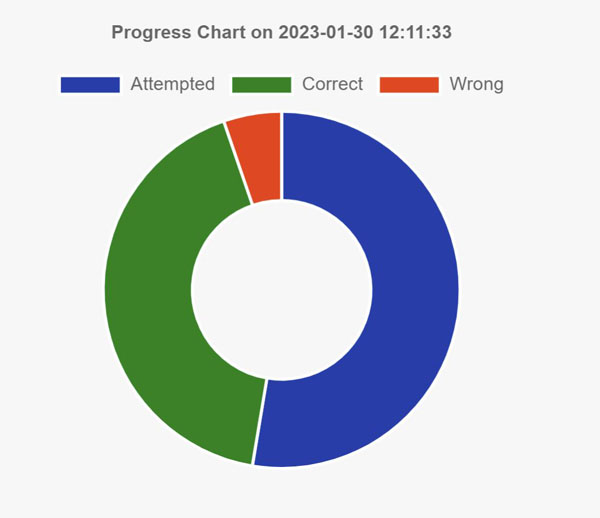
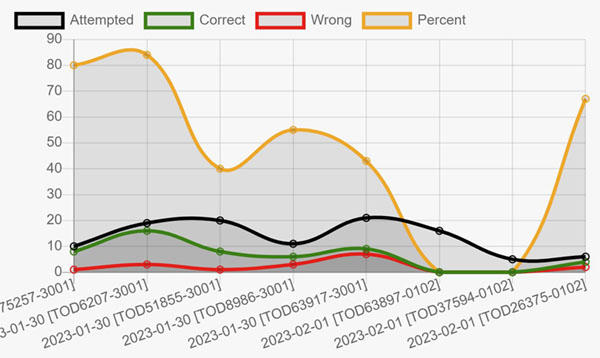
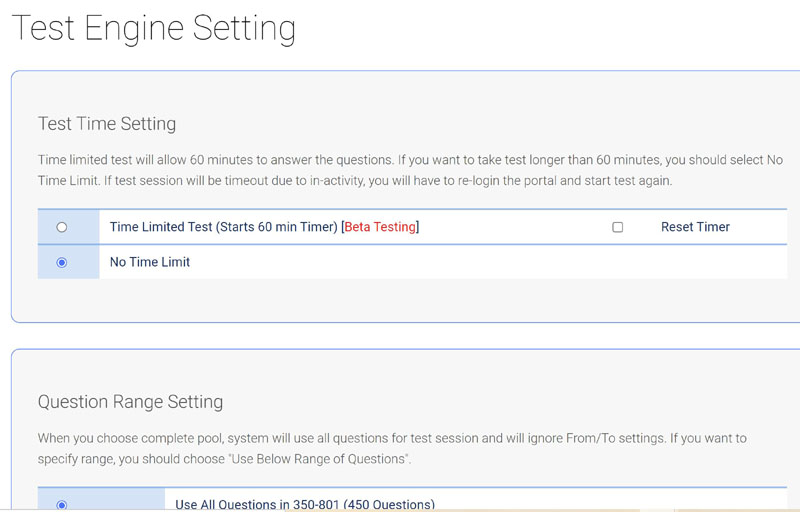
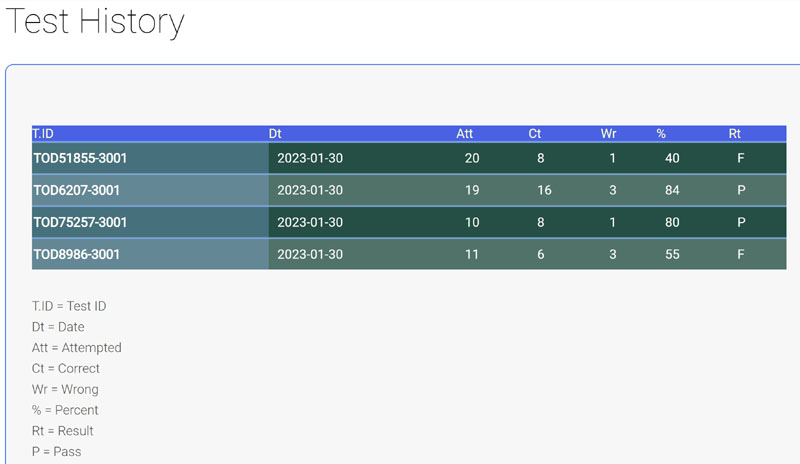
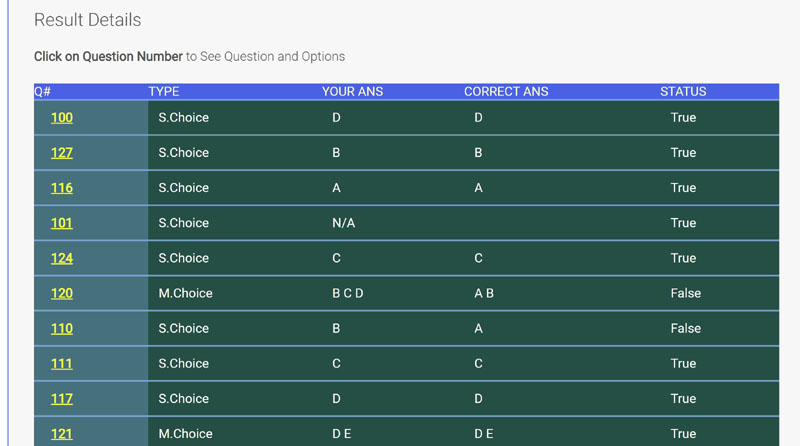
The Online Test Engine maintains practice history, performance summaries, and visual progress reports. Where available, questions may include explanations or reference information to support better understanding of exam topics. Content is reviewed and updated periodically to reflect relevant syllabus changes and maintain consistency with exam objectives.
Desktop Test Engine
| Exam Questions | 1768 (Complete Set) |
| Software Version | 2026 |
| Access | Unlimited |
| Latest Update | November 19, 2026 |
| Access Activation | Instant (5 to 10 min.) |
| Supported OS | Windows (All Versions) |
| Delivery Method | Username / Password |
| Test Engine Trial Software | Killexams Test Engine 2026 |
The Killexams Desktop Test Engine (version 2026) is a dedicated test preparation software designed to support candidates preparing for the ACRP-CPI exam. The simulator provides a structured desktop based practice environment that allows users to work through exam style questions and review their performance in detail.
By practicing with the Certified Principal Investigator (CPI) Exam Simulator, candidates can become familiar with question formats, exam navigation, and time based testing conditions similar to those used in official exams. This experience helps users build confidence across testing environment, time management, exam topics and identify areas that may require additional study.
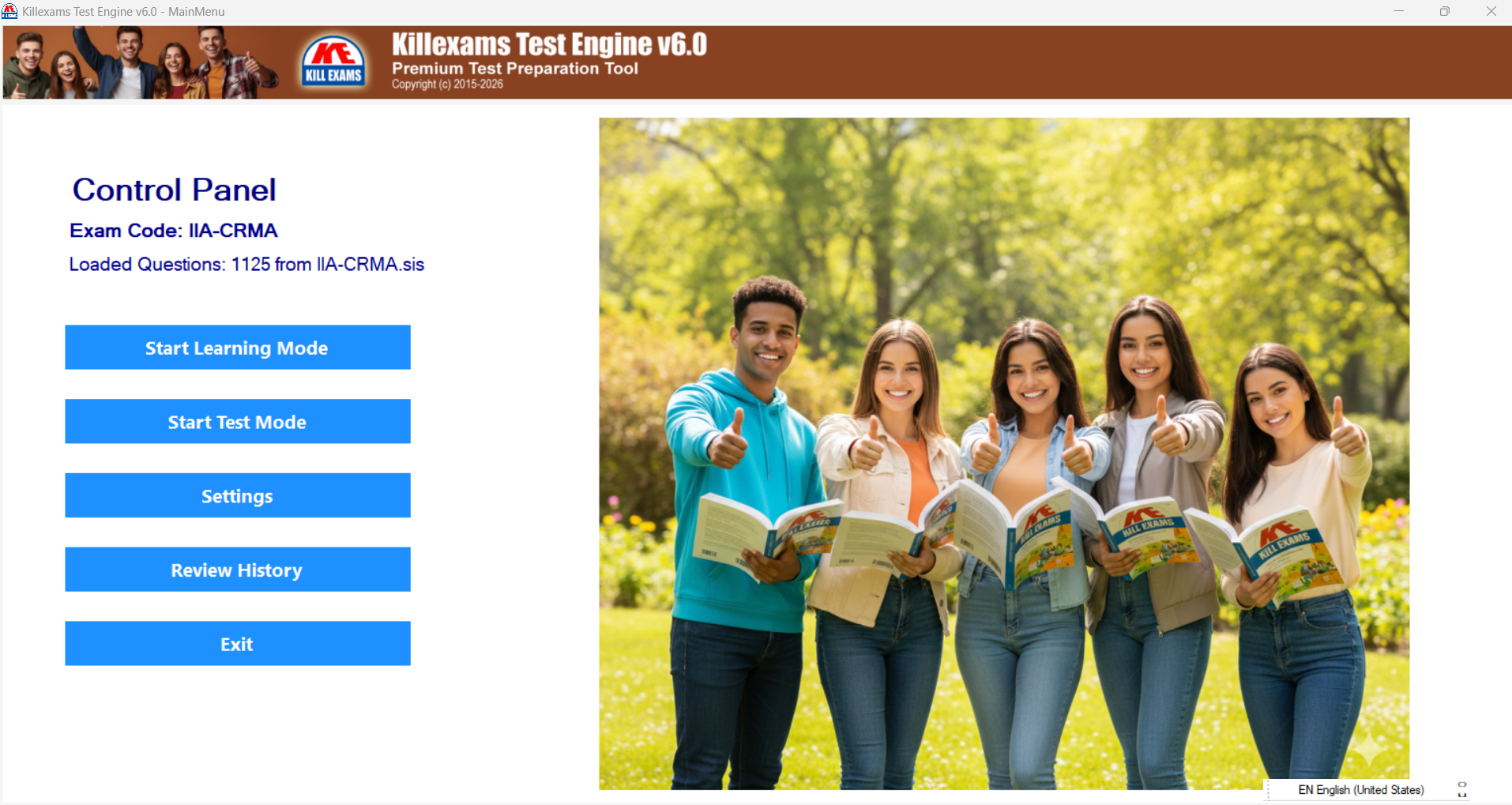

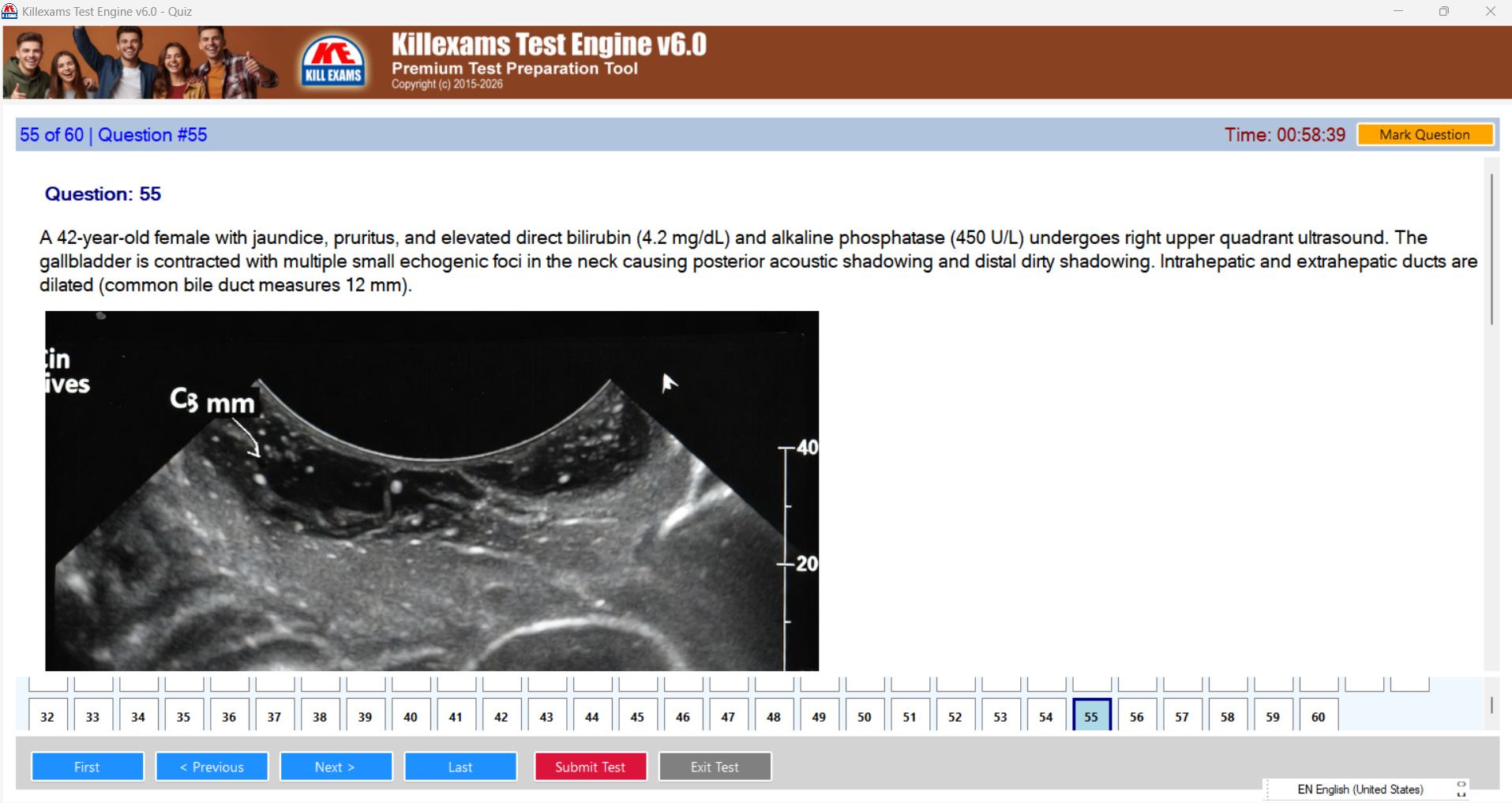
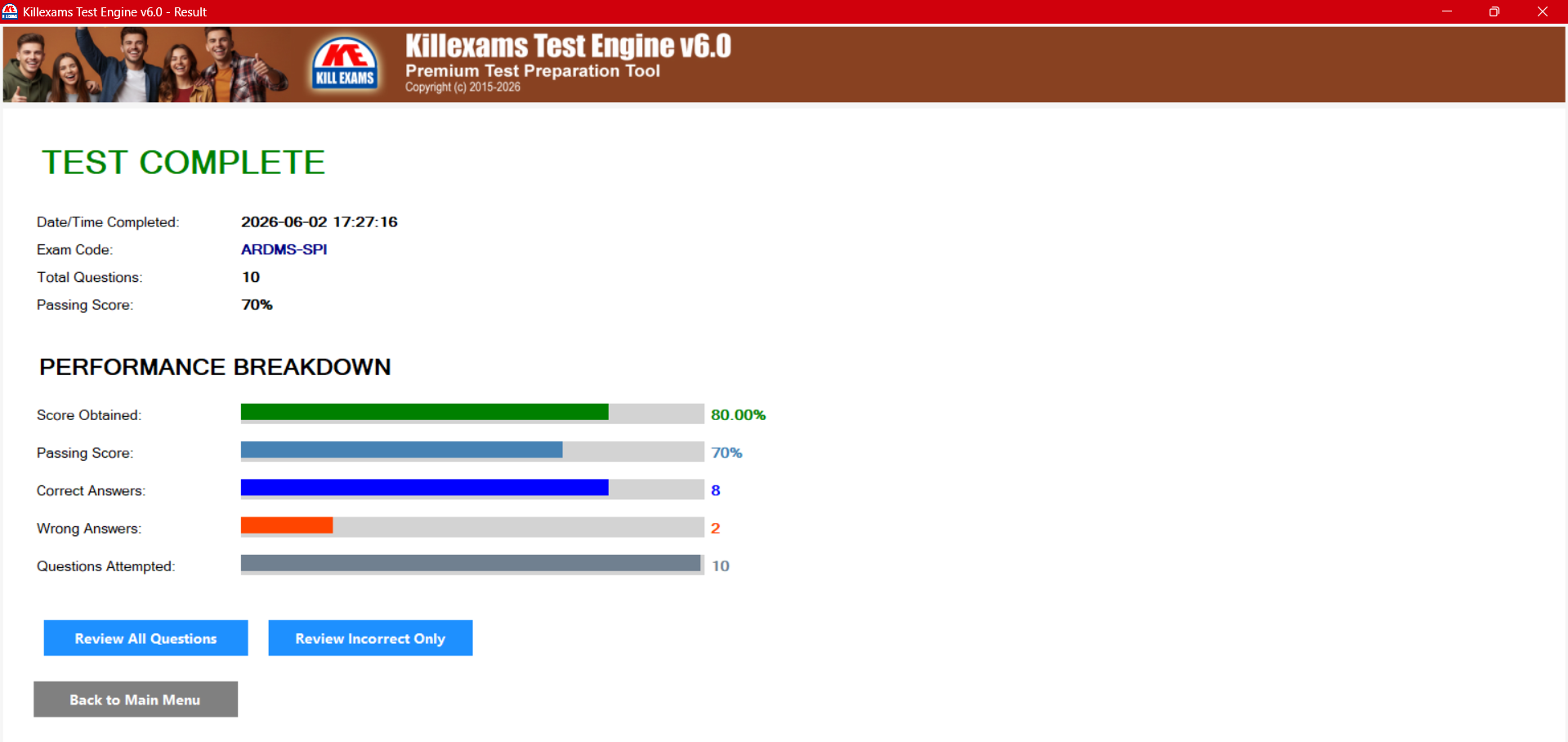

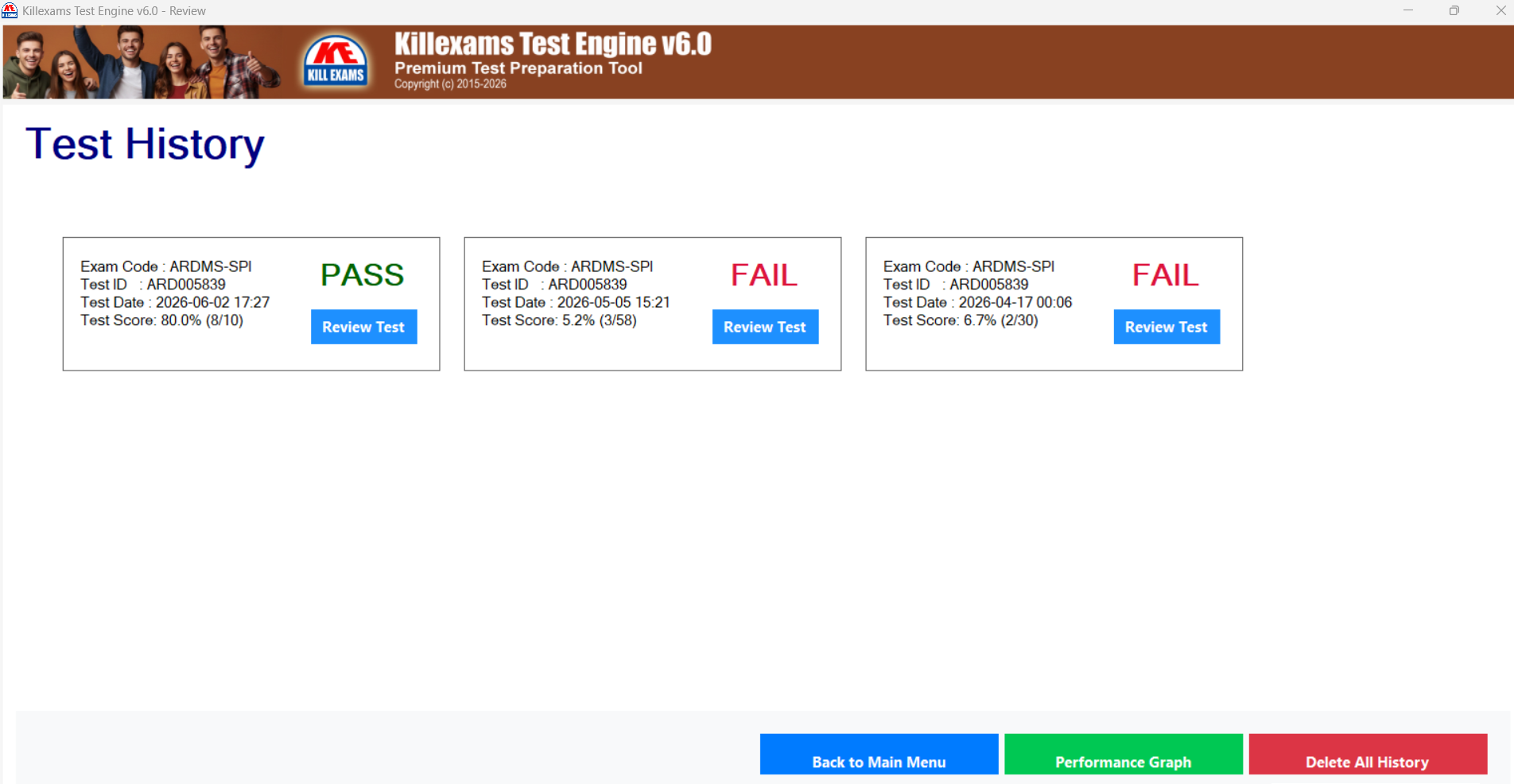
The Desktop Exam Simulator records practice history, performance summaries, and graphical progress reports. Where available, questions may include explanations or reference information to support understanding of correct and incorrect answers. The simulator content is reviewed and updated periodically to remain aligned with current exam objectives and syllabus requirements.
|
3 Months Update
|
6 Months Update
|
12 Months Update
|
|
|---|---|---|---|
What is 3 Months Update?
During 3 months, all future updates in PDF and Test Engine will be provided in your MyAccount with download links. An Intimation email on each update will be sent to you to re-download the updated exam files.
|
What is 6 Months Update?
During 6 months, all future updates in PDF and Test Engine will be provided in your MyAccount with download links. An Intimation email on each update will be sent to you to re-download the updated exam files.
|
What is 12 Months Update?
During 12 months, all future updates in PDF and Test Engine will be provided in your MyAccount with download links. An Intimation email on each update will be sent to you to re-download the updated exam files.
|
|
| Files | PDF / Test Engines | PDF / Test Engines | PDF / Test Engines |
| Premium Access | ✔ | ✔ | ✔ |
| Online Test Engine | ✔ | ✔ | ✔ |
| Instant Download Access | ✔ | ✔ | ✔ |
| Comprehensive Q&A | ✔ | ✔ | ✔ |
| Latest Topics | ✔ | ✔ | ✔ |
| Updated Regularly | ✔ | ✔ | ✔ |
| Portable Files | ✔ | ✔ | ✔ |
| Unlimited Download | ✔ | ✔ | ✔ |
| 100% Secured | ✔ | ✔ | ✔ |
| Confidentiality | 100% | 100% | 100% |
| Syllabus Coverage | Latest | Latest | Latest |
| Any Hidden Cost | No | No | No |
| Auto Renewal | No | No | No |
| Updates Intimation | by Email | by Email | by Email |
| Technical Support | Free | Free | Free |
| PDF Compatibility | Windows, Mac, Android, iOS, Linux | Windows, Mac, Android, iOS, Linux | Windows, Mac, Android, iOS, Linux |
| Desktop Test Engine Compatibility | Windows All Versions | Windows All Versions | Windows All Versions |
| Online Test Engine Compatibility | Mac / Windows / Android / iOS / Linux | Mac / Windows / Android / iOS / Linux | Mac / Windows / Android / iOS / Linux |
ACRP-CPI Exam Format | Course Contents | Course Outline | Exam Syllabus | Exam Objectives
Number of Questions: 125 multiple-choice questions
Scoring: 100 questions are scored- while the remaining 25 are pre-test questions
Time: 3 Hours
Passing Marks: scaled score of 600 or higher
1.1 elements of an Investigational Brochure (IB) and/or investigational device use (instructions for use)
- Review/Analyze background information (e.g.- product development plan- IB)
- Identify the expected or unexpected results associated with investigational products
- Develop research question and/or hypothesis
- Identify the safety and expected therapeutic effects of the investigational product by verifying the preclinical and clinical research done so far (using the IB)
- Develop- update- and/or review the Investigators’ Brochure
1.2 elements of a protocol
- Develop the protocol (e.g.- inclusion/exclusion criteria- procedures- schedule of events- safety and efficacy parameters)
- Implement plan of action for management of adverse event(s) [e.g.- stop investigational product- retest- treat subject]
- Identify and/or explain study objective(s) and endpoints
- Identify and/or explain study design
1.3 rationale for complying with a protocol
- Evaluate protocol for scientific soundness (e.g.- risks- benefits- validity of study procedures- endpoints)
- Evaluate protocol for feasibility (in terms of practicality of execution- not evaluation by site)
- Ensure compliance with study requirements and regulations
- Ensure consistency between the sites’ standard operating procedures (SOPs) and the study requirements
1.4 study objective(s) and end points/outcomes
- Identify and/or explain study objective(s) and endpoints
- Critically analyze study results
- Prepare clinical trial/study report
1.5 elements of and rationale for subject eligibility requirements
- Develop and/or follow a recruitment strategy
- Conduct prescreening activities with potential study subjects
- Screen trial subjects
1.6 statistical principles
- Critically analyze study results
- Identify and/or explain study design
- Prepare clinical trial/study report
- Develop and/or maintain randomization procedures of investigational product
1.7 study design characteristics (e.g.- double-blind- crossover- randomized)
- Identify and/or explain study design
- Conduct unblinding procedures as applicable
- Evaluate study for feasibility (site determining ability to successfully conduct the study)
- Develop and/or maintain randomization procedures of investigational product
- Develop and/or Maintain unblinding procedures of investigational product
1.8 treatment assignments (e.g.- randomization- open label- registries)
- Develop and/or maintain randomization procedures of investigational product
- Ensure clinical trial registry requirements are met
- Minimize potential risks to subject safety
1.9 supplemental/rescue/comparator product(s) in study design
- Assess subject safety during study participation
- Ensure and document follow-up medical care for study subjects- as applicable
- Assess- manage- and/or review subject laboratory values- test results- and alerts
2.1 protection of human subjects Develop and/or review informed consent form
- Comply with subject privacy regulations
- Ensure adequate consent and documentation
- Verify adequate implementation and documentation of the informed consent process
- Implement plan of action for management of adverse event(s) [e.g.- stop investigational product- retest- treat subject]
2.2 vulnerable subject populations Identify and/or address potential ethical issues involved with study conduct
- Minimize potential risks to subject safety
- Develop and/or implement study education plan and/or tools for subjects
- Participate in and document the informed consent process(es)
2.3 subject safety issues Assess- manage- and/or review subject laboratory values- test results- and alerts
- Differentiate the types of adverse events that occur
- Assess AE causality
- Maintain follow-up to determine resolution of adverse event(s)
- Ensure timely review of safety data
2.4 confidentiality and privacy requirements
- Comply with subject privacy regulations
- Ensure compliance with study requirements and regulations
- Prepare the study site for audits and inspections
2.5 conflicts of interest in clinical research
- Comply with IRB/IEC requirements
- Identify the role and proper composition of IRB/IECs
- Ensure IRB/IEC review/written approval of study and study documents
- Ensure compliance with study requirements and regulations
2.6 elements of the IB Review/Analyze background information (e.g.- product development plan- IB)
- Identify the expected or unexpected results associated with investigational products
- Develop research question and/or hypothesis
- Identify the safety and expected therapeutic effects of the investigational product by verifying the preclinical and clinical research done so far (using the IB)
- Develop- update- and/or review the Investigators’ Brochure
2.7 recruitment plan/strategies Develop and/or follow a recruitment strategy
- Prepare and/or submit documents for IRB/IEC and/or sponsor review/approval
- Ensure IRB/IEC review/written approval of study and study documents
- Re-evaluate the recruitment strategy as needed
2.8 elements of the informed consent form
- Develop and/or review informed consent form
- Ensure adequate consent and documentation
- Instruct subjects on proper use of investigational product
- Implement protocol amendments
2.9 informed consent process requirements
- Verify adequate implementation and documentation of the informed consent process
- Delegate study-related roles and responsibilities
- Escalate significant findings as appropriate
- Comply with IRB/IEC requirements
2.10 components of subject eligibility requirements
- Screen trial subjects
- Document reasons for subject discontinuation (i.e.- causes- contact efforts)
- Ensure investigator/site protocol compliance
- Assess subject compliance
2.11 blinding/unblinding procedures Develop and/or Maintain unblinding procedures of investigational product
- Manage investigational product recall at the site and from study subjects
- Conduct unblinding procedures as applicable
2.12 safety monitoring Verify appropriate reporting and documentation of adverse event(s)
- Ensure timely review of safety data
- Assess subject safety during study participation
- Oversee the management of safety risks (e.g.- clinical holds- product recalls)
2.13 adverse events classification- documentation and reporting
- Assess AE causality
- Maintain follow-up to determine resolution of adverse event(s)
- Verify appropriate reporting and documentation of adverse event(s)
2.14 subject discontinuation criteria/procedures
- Document reasons for subject discontinuation (i.e.- causes- contact efforts)
- Ensure timely review of safety data
- Assess subject safety during study participation
2.15 subject retention strategies Develop and/or implement study education plan and/or tools for subjects
- Schedule subjects
- Conduct subject visits
- Develop trial management tools
2.16 protocol deviation/violation identification- documentation- and reporting processes
- Identify and report potential fraud and misconduct
- Investigate potential fraud and misconduct
- Develop or participate in protocol training
3.1 clinical development process (e.g.- preclinical- clinical trial phases- device class)
- Develop and/or review the product development plan
- Develop research question and/or hypothesis
- Review/Analyze background information (e.g.- product development plan- IB)
- Identify the safety and expected therapeutic effects of the investigational product by verifying the preclinical and clinical research done so far (using the IB)
3.2 IRB/IEC role- composition and purpose
- Comply with IRB/IEC requirements
- Identify the role and proper composition of IRB/IECs
- Coordinate protocol and/or protocol amendments through appropriate approval processes (e.g.- IRB/IEC- sponsor- regulatory authority)
3.3 IRB/IEC reporting requirements
- Ensure IRB/IEC review/written approval of study and study documents
- Inform the sponsor and IRB/IEC of any deviations from the protocol and document as appropriate
- Prepare study summary and/or close-out letter for IRB/IEC
3.4 regulatory reporting requirements
- Inform study subjects of trial results- in accordance with regulatory requirements
- Inform the sponsor and IRB/IEC of any deviations from the protocol and document as appropriate
- Ensure compliance with study requirements and regulations
- Submit documents to regulatory authorities
- Prepare for and/or participate in audits and inspections
- Respond to or facilitate response to audit/inspection findings
3.5 protocol and protocol amendment submission and approval processes
- Prepare and/or submit documents for IRB/IEC and/or sponsor review/approval
- Ensure IRB/IEC review/written approval of study and study documents
- Submit documents to regulatory authorities
- Identify issues requiring protocol amendments
- Implement protocol amendments
3.6 safety reporting requirements
- Develop- update- and/or review the Investigators’ Brochure
- Submit documents to regulatory authorities
- Verify appropriate reporting and documentation of adverse event(s)
3.7 elements of fraud and misconduct
- Identify and report potential fraud and misconduct
- Investigate potential fraud and misconduct
- Select qualified investigational staff
- Verify that investigational staff is qualified
3.8 audit and inspection processes (preparation- participation- documentation- and follow-up)
- Prepare the study site for audits and inspections
- Prepare for and/or participate in audits and inspections
- Respond to or facilitate response to audit/inspection findings
- Ensure appropriate staff- facility- and equipment availability throughout the study
3.9 significant milestones in the evaluation of efficacy and safety (e.g.- interim analysis result- DSMB review )
- Ensure timely review of safety data
- Assess subject safety during study participation
- Ensure timely review of study data
4.1 roles of various clinical trial entities (e.g.- CROs- sponsors- regulatory authority- vendors- etc.)
- Delegate study-related roles and responsibilities
- Develop project management tools
- Obtain/verify vendor credentials (e.g.- lab certification/licensure)
- Select qualified investigational staff
4.2 project feasibility considerations
- Schedule- coordinate- and/or participate in pre-study site visit
- Evaluate protocol for feasibility (in terms of practicality of execution- not evaluation by site)
- Evaluate study for feasibility (site determining ability to successfully conduct the study)
- Identify issues requiring protocol amendments
- Facilitate site budget/contract approval process
4.3 principal investigator responsibilities
- Verify that investigational staff is qualified
- Develop or participate in protocol training
- Prepare- conduct and/or participate in study initiation activities
- Plan- conduct and/or participate in training of the investigational staff
4.4 indemnification/insurance requirements
- Obtain/verify vendor credentials (e.g.- lab certification/licensure)
- Facilitate site budget/contract approval process
- Evaluate and/or verify investigator indemnification/ insurance
4.5 delegation of duties
- Verify that investigational staff is qualified
- Delegate study-related roles and responsibilities
- Plan- conduct and/or participate in training of the investigational staff
- Ensure investigator/site protocol compliance
- Maintain study related logs (e.g.- site signature log- screening log)
- Identify and/or maintain Essential Documents required for study conduct
4.6 staff training requirements
- Ensure appropriate staff- facility- and equipment availability throughout the study
- Select qualified investigational staff
- Delegate study-related roles and responsibilities
4.7 site initiation activities
- Verify Essential Documents required for study conduct
- Develop source document templates
- Develop and implement monitoring guidelines/plans
- Prepare- conduct and/or participate in study initiation activities
- Schedule- coordinate- and/or participate in pre-study site visit
4.8 staff oversight
- Prepare- conduct- and/or participate in interim monitoring visit(s)
- Perform onsite monitoring activities
- Create- document- and/or implement corrective and preventive action (CAPA) plans
4.9 principles of study monitoring (e.g.- risk-based- full SDV- remote- etc.)
- Develop and implement monitoring guidelines/plans
- Prepare- conduct- and/or participate in interim monitoring visit(s)
- Perform onsite monitoring activities
- Document- communicate- and follow up on site visit findings
4.10 elements of an effective corrective and preventive action (CAPA) plan
- Document- communicate- and follow up on site visit findings
- Create- document- and/or implement corrective and preventive action (CAPA) plans
- Escalate significant findings as appropriate
- Identify issues and recommend investigator/site corrective actions
4.11 site close-out activities
- Prepare for and participate in close-out monitoring visit(s)
- Reconcile investigational product and related supplies
- Ensure proper storage- dispensing- handling- and disposition of investigational product and related supplies
- Ensure proper collection- processing- and shipment of specimens (e.g.- centrifuge- preparation of slides- freezing- refrigeration)
- Manage study records retention and availability
5.1 roles of various clinical trial entities (e.g.- CROs- sponsors- regulatory authority- vendors- etc.)
- Delegate study-related roles and responsibilities
- Develop project management tools
- Obtain/verify vendor credentials (e.g.- lab certification/licensure)
- Select qualified investigational staff
5.2 elements of a study budget
- Facilitate site budget/contract approval process
- Develop trial management tools
- Evaluate study for feasibility (site determining ability to successfully conduct the study)
5.3 contract budget negotiations and approval process
- Facilitate site budget/contract approval process
- Evaluate and/or verify investigator indemnification/ insurance
- Coordinate protocol and/or protocol amendments through appropriate approval processes (e.g.- IRB/IEC- sponsor- regulatory authority)
5.4 project and/or study timelines
- Manage study supplies (e.g.- lab kits- case report forms)
- Ensure adequacy of investigational product and other supplies at site
- Monitor investigational product expiration and/or manage resupply
- Develop project management tools
- Develop trial management tools
- Schedule subjects
5.5 investigational product characteristics (e.g.- mechanism of action- stability- etc.)
- Prepare investigational product for administration
- Dispense investigational product
- Reconcile investigational product and related supplies
- Maintain accountability of investigational product
- Monitor investigational product expiration and/or manage resupply
5.6 investigational product reference materials (e.g.- Investigational Brochure- instructions for use- user manual)
- Ensure proper storage- dispensing- handling- and disposition of investigational product and related supplies
- Prepare investigational product for administration
- Dispense investigational product
5.7 investigational product storage
- Ensure proper storage- dispensing- handling- and disposition of investigational product and related supplies
- Ensure adequacy of investigational product and other supplies at site
- Monitor investigational product expiration and/or manage resupply
- Maintain accountability of investigational product
5.8 investigational product accountability and documentation requirements
- Reconcile investigational product and related supplies
- Maintain accountability of investigational product
- Ensure proper storage- dispensing- handling- and disposition of investigational product and related supplies
5.9 equipment and supplies use and maintenance
- Obtain/verify vendor credentials (e.g.- lab certification/licensure)
- Manage study supplies (e.g.- lab kits- case report forms)
- Perform and/or verify equipment calibration and maintenance
5.10 sample collection- shipment- and storage requirements
- Ensure proper collection- processing- and shipment of specimens (e.g.- centrifuge- preparation of slides- freezing- refrigeration)
- Follow standards for handling hazardous goods (e.g.- International Air Transport Association (IATA)
- Manage study supplies (e.g.- lab kits- case report forms)
5.11 subject responsibilities for study participation
- Instruct subjects on proper use of investigational product
- Assess subject compliance
- Ensure adequate consent and documentation
5.12 subject visit activities
- Conduct prescreening activities with potential study subjects
- Assess subject compliance
- Conduct subject visits
5.13 subject compliance assessment
- Assess subject compliance
- Reconcile investigational product and related supplies
- Ensure investigator/site protocol compliance
5.14 communication documentation requirements (e.g.- telephone- email- etc.)
- Develop source document templates
- Document- communicate- and follow up on site visit findings
- Develop trial management tools
5.15 purpose of and process(es) for protocol compliance
- Ensure investigator/site protocol compliance
- Plan- conduct and/or participate in training of the investigational staff
- Develop trial management tools
5.16 corrective and preventive action (CAPA) process(es) and plan
- Create- document- and/or implement corrective and preventive action (CAPA) plans
- Escalate significant findings as appropriate
- Identify issues and recommend investigator/site corrective actions
5.17 investigational product shipment
- Maintain accountability of investigational product
- Manage investigational product recall at the site and from study subjects
- Monitor investigational product expiration and/or manage resupply
- Verify Essential Documents required for study conduct
6.1 essential documents for the conduct of a clinical trial (e.g.- trial master file)
- Identify and/or maintain Essential Documents required for study conduct
- Verify Essential Documents required for study conduct
- Manage study records retention and availability
6.2 elements and purposes of data collection tools (e.g.- eCRF- EDC)
- Review and approve completed eCRF/CRF
- Collect- record- and report accurate and verifiable data
- Transmit data to Data Management
6.3 source documentation requirements
- Develop source document templates
- Collect- record- and report accurate and verifiable data
- Perform query resolution
6.4 data privacy principles
- Ensure compliance with electronic data requirements (e.g.- passwords and access)
- Ensure access to source data by authorized parties- and protect confidentiality by limiting unauthorized access
- Ensure consistency between the sites’ standard operating procedures (SOPs) and the study requirements
- Comply with subject privacy regulations
6.5 study documentation practices (accurate- complete- timely- legible- dated- and identify the trial)
- Collect- record- and report accurate and verifiable data
- Perform query resolution
- Manage study records retention and availability
6.6 source data review (SDR) and source data verification (SDV) purpose and process
- Perform query resolution
- Ensure access to source data by authorized parties- and protect confidentiality by limiting unauthorized access
- Perform onsite monitoring activities
- Document- communicate- and follow up on site visit findings
6.7 data management principles
- Develop trial management tools
- Collect- record- and report accurate and verifiable data
- Transmit data to Data Management
- Ensure timely review of study data
- Ensure compliance with electronic data requirements (e.g.- passwords and access)
6.8 record retention and destruction practices and requirements
- Ensure access to source data by authorized parties- and protect confidentiality by limiting unauthorized access
- Manage study records retention and availability
- Ensure timely review of study data
- Maintain study related logs (e.g.- site signature log- screening log)
Reviews (11)3.73 Overall
★★★★★
36%
★★★★
36%
★★★
9%
★★
0%
★
18%
|
Submit ReviewYou must be logged in to submit a review. Sign In to Submit Review |
Customer Reviews
ACRP-CPI Exam FAQs
How many questions are on the ACRP-CPI exam?
The ACRP-CPI exam has 125 questions.
How long is the ACRP-CPI exam?
You have 3 hours to complete the ACRP-CPI exam.
What is the passing score for ACRP-CPI?
The passing score for ACRP-CPI is scaled score of 600 or higher.
Which certification does ACRP-CPI lead to?
Passing ACRP-CPI leads to the Certified Principal Investigator (CPI) credential from ACRP.
What topics does the ACRP-CPI exam cover, and how are they weighted?
The ACRP-CPI exam covers 5 sections: Investigator Responsibilities; Ethics and Safety; Regulation; Operations; Data Integrity.
How should I prepare for ACRP-CPI?
Start with the official ACRP-CPI exam outline and study materials from ACRP, then build exam readiness with timed practice. A killexams.com premium account gives you the full pool of 1,768 ACRP-CPI practice questions and answers in PDF and Test Engine formats, so you can practice every objective and review the answers before exam day.
How long does it take to prepare for ACRP-CPI?
At a steady pace of 100 practice questions a day, working through all 1,768 ACRP-CPI questions takes about 18 days. Add extra days to repeat the questions you got wrong.
Is ACRP-CPI hard? Who is it for?
The Certified Principal Investigator credential from ACRP recognizes physicians and scientists who lead clinical trials.
How many practice questions do you have for ACRP-CPI?
The killexams.com ACRP-CPI practice test contains 1,768 questions and answers.
Is there a free ACRP-CPI sample?
Yes. A free ACRP-CPI sample PDF is available on this page, so you can review the question style before you buy.
What formats are included in the ACRP-CPI practice test?
The ACRP-CPI practice test is available as a PDF, an Online Test Engine and a Desktop Test Engine.
Do the ACRP-CPI practice questions cover the current exam objectives?
Yes. The ACRP-CPI practice questions cover the complete syllabus and current exam objectives.
How do I get the files after purchase, and how long is access valid?
Your MyAccount login details are delivered by email. You can download the files from the member area until your account expires, after 3, 6 or 12 months depending on the plan you bought.
Can I use the ACRP-CPI Test Engine on Mac or mobile?
Yes, with the Online Test Engine, which runs on Mac, iOS, Android, Linux and other platforms. The Desktop Test Engine is for Windows only.
What if I fail the ACRP-CPI exam after using your material?
You can choose one of three options: 1) a refund, 2) a free 3-month account extension, or 3) a new exam of your choice.
How many practice questions are available for ACRP-CPI?
The ACRP-CPI practice test contains 1,768 practice questions and answers covering the current exam objectives.
What formats are available for ACRP-CPI preparation?
The ACRP-CPI practice test is available as PDF, Online Test Engine, Desktop Test Engine. All formats can be downloaded instantly after purchase.
Is there a free ACRP-CPI sample?
Yes. You can preview and download a free ACRP-CPI sample PDF on this page before you buy.