

ACSM-GEI Exam Questions PDF
| Questions and Answers | 1070 (Complete Set) |
| File Format | |
| Latest Update | November 19, 2026 |
| Files Delivery | Instant (5 to 10 min.) |
| Compatibility | All Desktop and Mobile Devices |
| Delivery Method | Download Account |
ACSM Certified Group Exercise Instructor validates group exercise leadership.
Questions on Certified Group Exercise Instructor focus on applying principles to real clients or real kitchens, such as choosing the right progression, modification or procedure. Practical experience makes these questions much easier.
The Certified Group Exercise Instructor credential shows clients and employers that a fitness or culinary professional has met a recognized standard of knowledge and safe practice. Accredited programs are increasingly preferred by gyms, clubs and employers.
Each section of the exam has its own focus. Within Participant and Program Assessment, candidates should be comfortable with screening. Class Design focuses on structure. The Leadership and Instruction area includes cueing. Questions on Legal and Professional Responsibilities typically involve safety.
Preparing for the ACSM-GEI exam requires not only understanding the exam topics but also practicing with exam style questions. Our Certified Group Exercise Instructor exam questions in practice tests help candidates review key concepts and familiarize themselves with the format and difficulty of exam.
At Killexams.com, our team works to maintain up-to-date practice content for exam preparation. We continuously review and refine our question sets and explanations to cover the latest relevant syllabus areas and help learners strengthen their understanding of core topics before facing the official exam. These Practice tests allow you to identify areas where you need improvement by measuring your readiness, and provide you exam questions to polish those areas.
ACSM-GEI Exam Questions Preview
The exam has 100 to 120 questions.
Candidates preparing for ACSM-GEI usually benefit from a topic by topic schedule. Allow roughly 4 weeks, giving each major area its own block: begin with Participant and Program Assessment, continue with Class Design; Leadership and Instruction; and Legal and Professional Responsibilities. Summarize every area on a single page and use those pages for quick revision before the exam. Before booking, make sure your practice scores are steady across every section rather than strong in only one or two.
Use practice tests for ACSM-GEI to check your knowledge of assessments, programming and professional responsibilities.
For ACSM-GEI, review exercise science and safety guidelines, then practice applying them to client or kitchen scenarios. Practical experience makes many questions straightforward.
| Detail | Information |
|---|---|
| Questions | 100 to 120 |
| Provider | ACSM |
To help you evaluate our material, you may download free sample pdf with example questions and answers that we provide. This sample allows you to review content and approach before deciding on Premium materials..
The Certified Group Exercise Instructor practice test files contains 1070 Questions, are compatible with multiple devices, including Windows, macOS, iOS, and Android, and can be used for both online and offline study. The PDF format is printable, making it easy to study during travel or when away from a computer. Access to updated materials is available through your online account.
After purchase, you will receive your username and password immediately, allowing you to log in and download your study files without delay. Our goal is to support exam preparation at your pace with practice content designed for reinforcement and understanding of key concepts.
The killexams.com GEI question bank covers group exercise with explanations.
The killexams.com ACSM-GEI practice material is organized around the same outline, with questions on Participant and Program Assessment; Class Design; Leadership and Instruction; and Legal and Professional Responsibilities. Working through these sets two or three times, and reviewing every explanation, is a reliable way to raise your score before exam day.
Killexams.com ACSM-GEI exam questions are written to match the current syllabus and the style of questions you can expect, including scenario and application items. Clear explanations help you understand not only why an answer is correct but why the alternatives are not.
With the killexams.com ACSM-GEI practice test you can study by section, focus on weaker topics or run full length timed sessions. Score history shows how your accuracy improves over time, and the explanations turn each mistake into a short lesson.
Online Test Engine
| Exam Questions | 1070 (Complete Set) |
| Testing Limit | Unlimited |
| Access Type | Online |
| Latest Update | November 19, 2026 |
| Access Activation | Instant (5 to 10 min.) |
| Supported OS | Mac, Windows, Android, iPhone / iPad, Linux |
| Delivery Method | Username / Password |
Killexams.com provides an Online Test Engine designed to help candidates practice exam questions in a structured and interactive environment. The Test Engine is compatible with iPhone, iPad, Android, Windows, and Mac, allowing you to study and practice on the device that best fits your schedule.
The ACSM-GEI Online Test Engine enables candidates to simulate exam-style practice sessions, review answers, and track progress over time. This learning approach helps users practice exam questions, question formats and improve time management while preparing for the Certified Group Exercise Instructor exam.
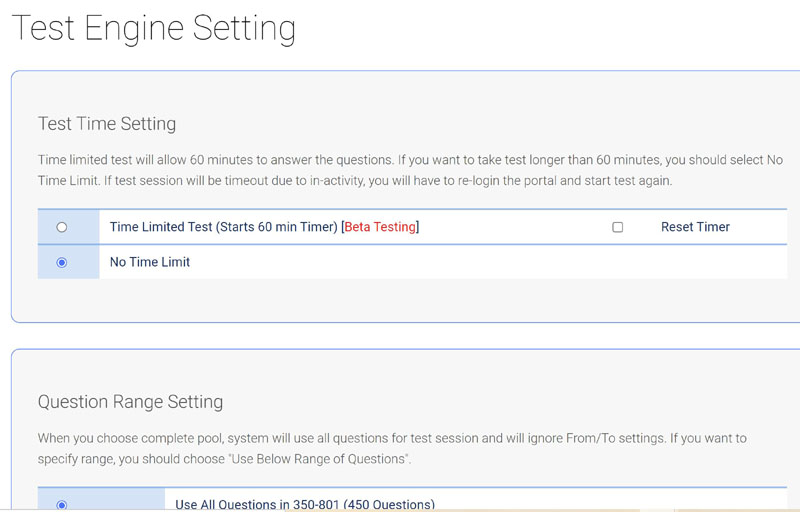
The Test Engine includes features that support effective learning, such as customizable practice sessions, question review modes, and progress tracking. These tools are designed to assist candidates in identifying knowledge gaps and reinforcing key concepts through repeated practice rather than memorization alone.
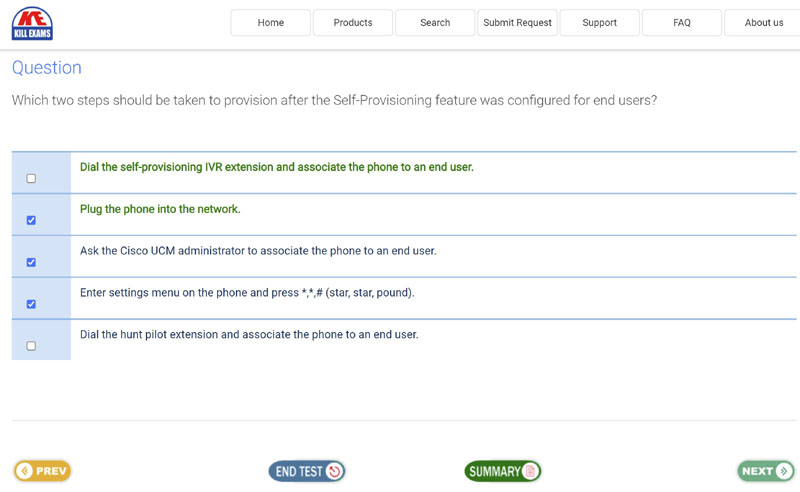
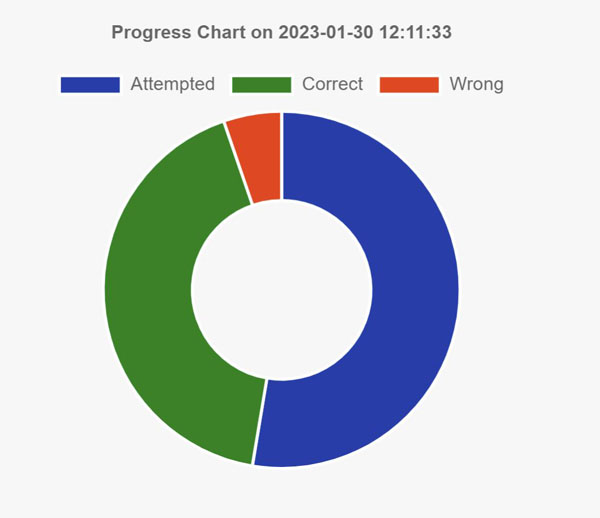
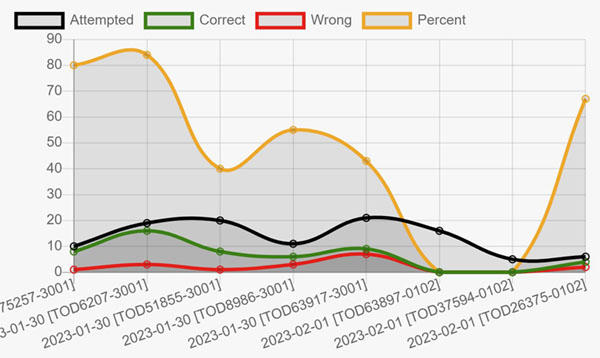
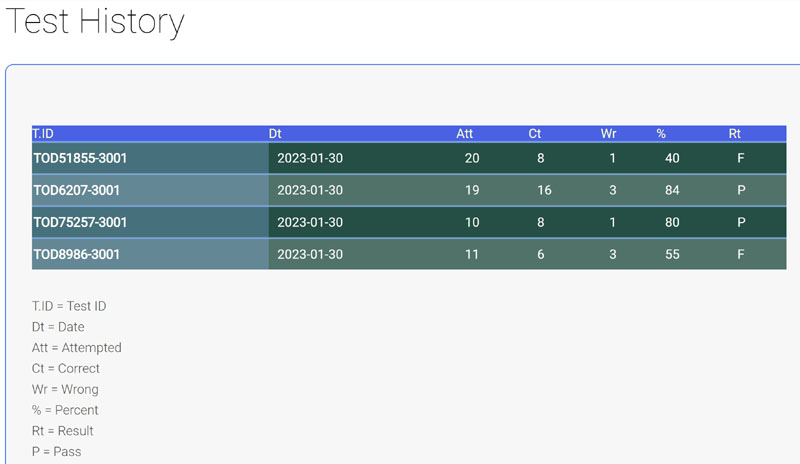
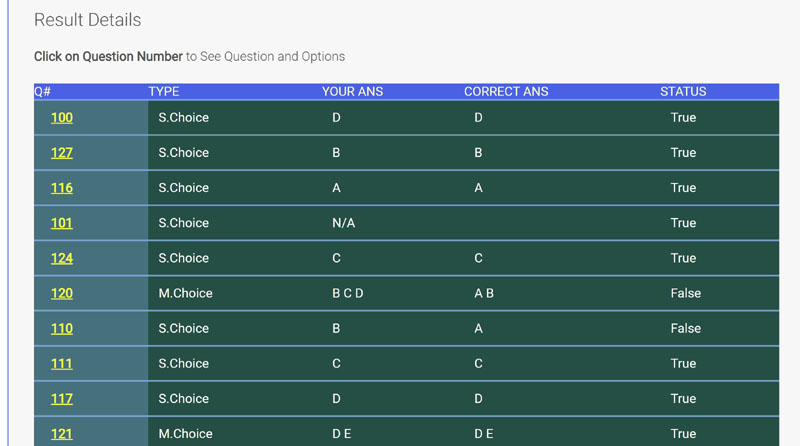
The Online Test Engine maintains practice history, performance summaries, and visual progress reports. Where available, questions may include explanations or reference information to support better understanding of exam topics. Content is reviewed and updated periodically to reflect relevant syllabus changes and maintain consistency with exam objectives.
Desktop Test Engine
| Exam Questions | 1070 (Complete Set) |
| Software Version | 2026 |
| Access | Unlimited |
| Latest Update | November 19, 2026 |
| Access Activation | Instant (5 to 10 min.) |
| Supported OS | Windows (All Versions) |
| Delivery Method | Username / Password |
| Test Engine Trial Software | Killexams Test Engine 2026 |
The Killexams Desktop Test Engine (version 2026) is a dedicated test preparation software designed to support candidates preparing for the ACSM-GEI exam. The simulator provides a structured desktop based practice environment that allows users to work through exam style questions and review their performance in detail.
By practicing with the Certified Group Exercise Instructor Exam Simulator, candidates can become familiar with question formats, exam navigation, and time based testing conditions similar to those used in official exams. This experience helps users build confidence across testing environment, time management, exam topics and identify areas that may require additional study.
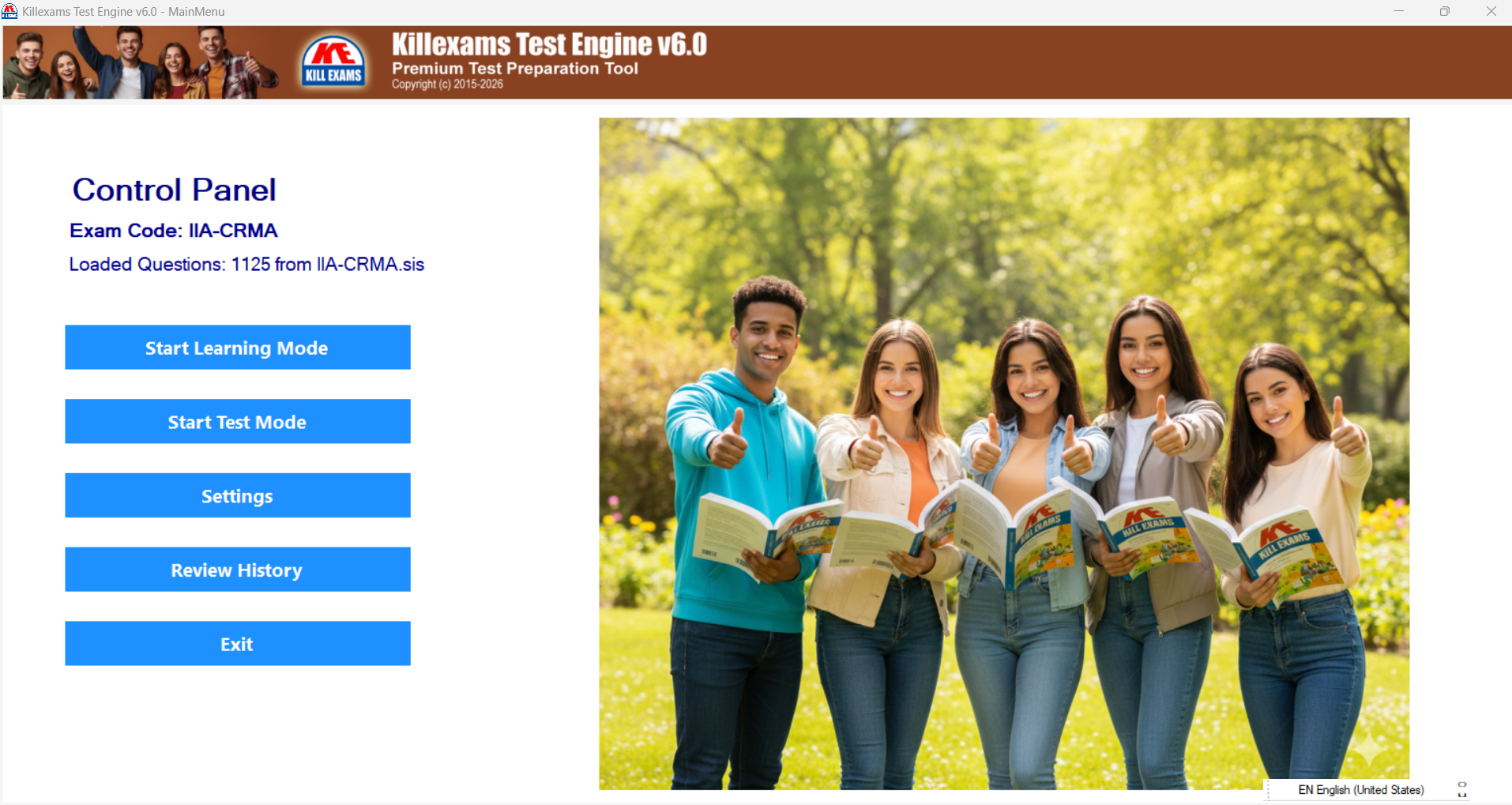
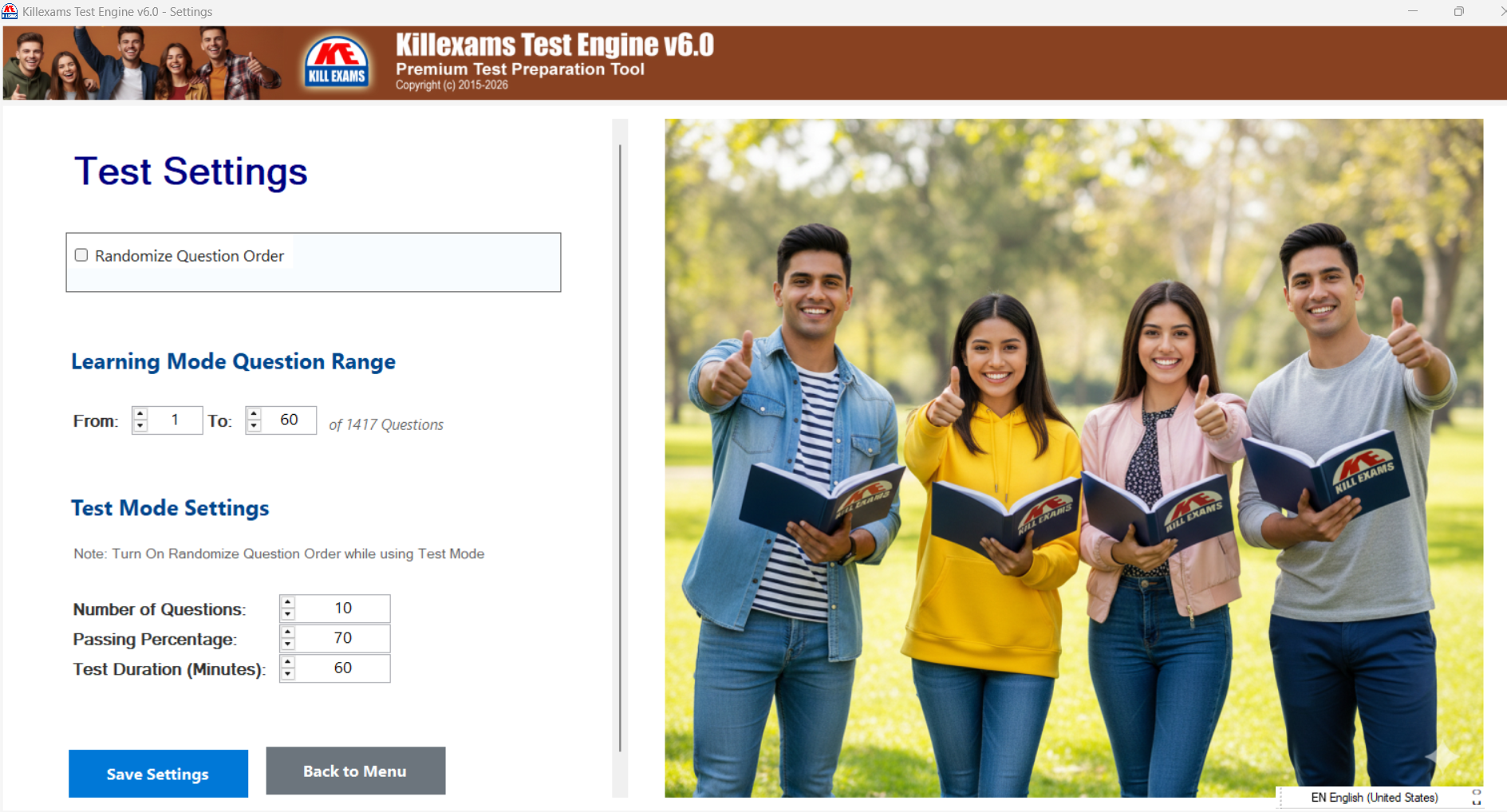
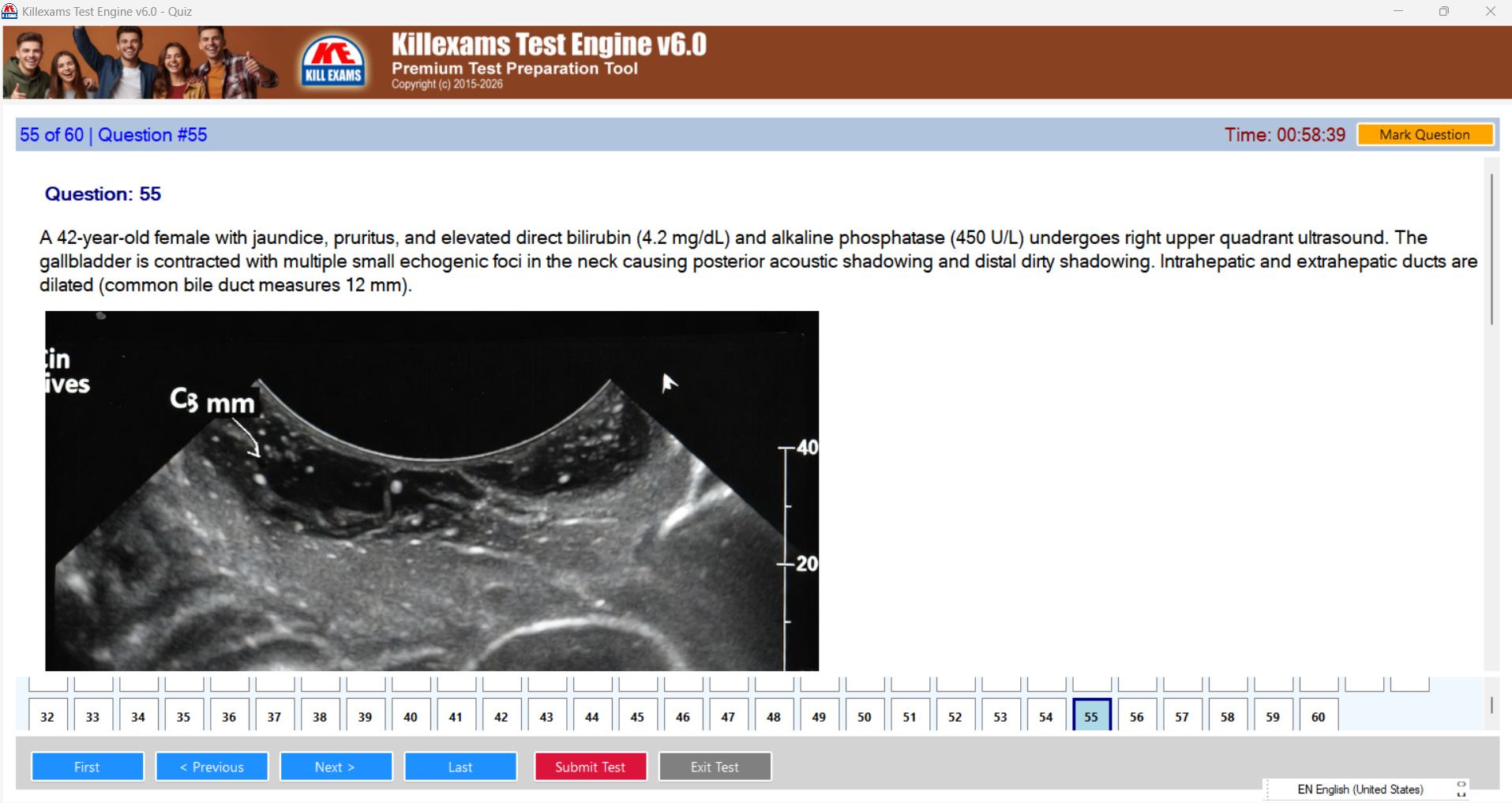
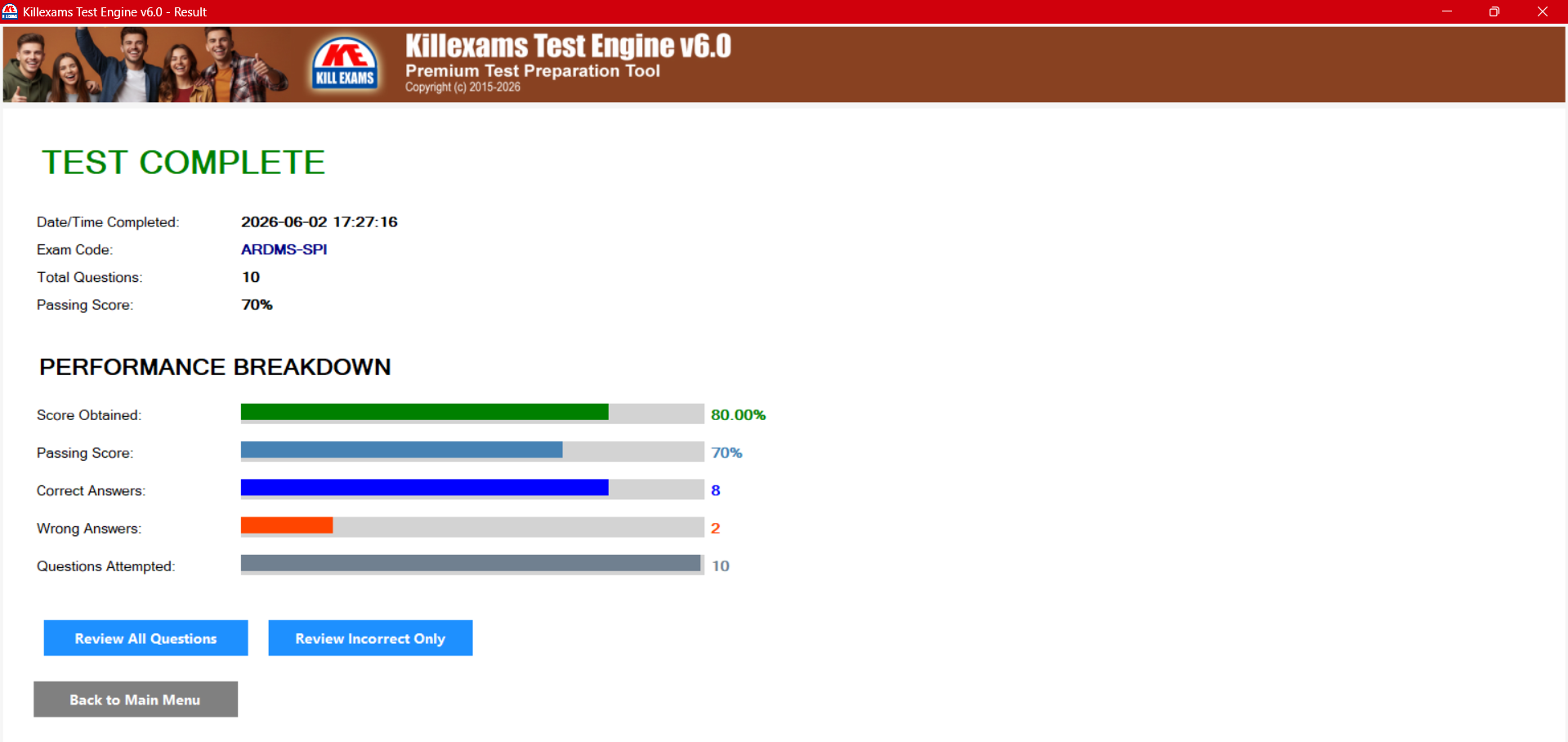

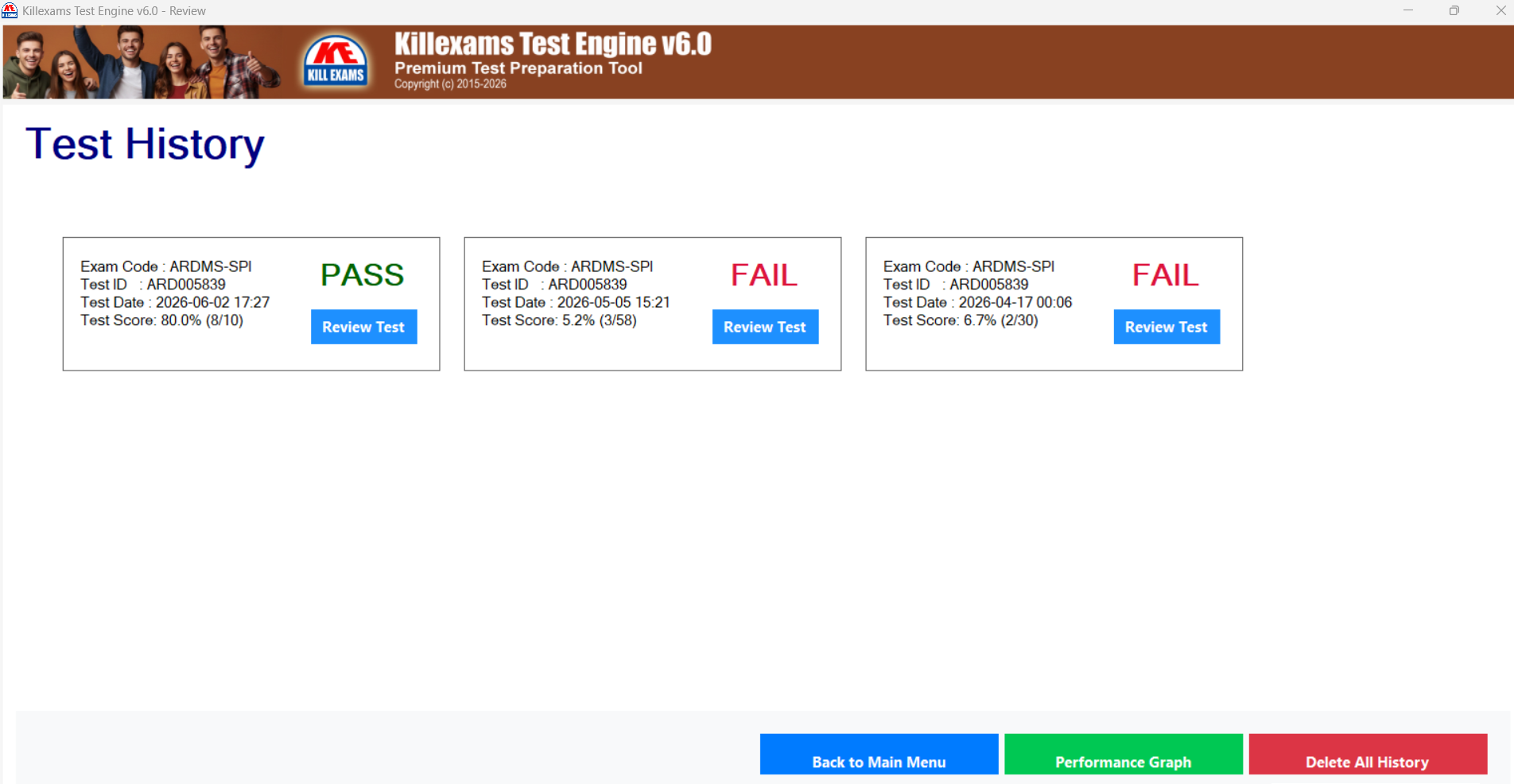
The Desktop Exam Simulator records practice history, performance summaries, and graphical progress reports. Where available, questions may include explanations or reference information to support understanding of correct and incorrect answers. The simulator content is reviewed and updated periodically to remain aligned with current exam objectives and syllabus requirements.
|
3 Months Update
|
6 Months Update
|
12 Months Update
|
|
|---|---|---|---|
What is 3 Months Update?
During 3 months, all future updates in PDF and Test Engine will be provided in your MyAccount with download links. An Intimation email on each update will be sent to you to re-download the updated exam files.
|
What is 6 Months Update?
During 6 months, all future updates in PDF and Test Engine will be provided in your MyAccount with download links. An Intimation email on each update will be sent to you to re-download the updated exam files.
|
What is 12 Months Update?
During 12 months, all future updates in PDF and Test Engine will be provided in your MyAccount with download links. An Intimation email on each update will be sent to you to re-download the updated exam files.
|
|
| Files | PDF / Test Engines | PDF / Test Engines | PDF / Test Engines |
| Premium Access | ✔ | ✔ | ✔ |
| Online Test Engine | ✔ | ✔ | ✔ |
| Instant Download Access | ✔ | ✔ | ✔ |
| Comprehensive Q&A | ✔ | ✔ | ✔ |
| Latest Topics | ✔ | ✔ | ✔ |
| Updated Regularly | ✔ | ✔ | ✔ |
| Portable Files | ✔ | ✔ | ✔ |
| Unlimited Download | ✔ | ✔ | ✔ |
| 100% Secured | ✔ | ✔ | ✔ |
| Confidentiality | 100% | 100% | 100% |
| Syllabus Coverage | Latest | Latest | Latest |
| Any Hidden Cost | No | No | No |
| Auto Renewal | No | No | No |
| Updates Intimation | by Email | by Email | by Email |
| Technical Support | Free | Free | Free |
| PDF Compatibility | Windows, Mac, Android, iOS, Linux | Windows, Mac, Android, iOS, Linux | Windows, Mac, Android, iOS, Linux |
| Desktop Test Engine Compatibility | Windows All Versions | Windows All Versions | Windows All Versions |
| Online Test Engine Compatibility | Mac / Windows / Android / iOS / Linux | Mac / Windows / Android / iOS / Linux | Mac / Windows / Android / iOS / Linux |
ACSM-GEI Exam Format | Course Contents | Course Outline | Exam Syllabus | Exam Objectives
Domain I Participant and Program Assessment 10%
Domain II Class Design 25%
Domain III Leadership and Instruction 55%
Domain IV Legal and Professional Responsibilities 10%
A. Evaluate and establish participant screening procedures to optimize safety and minimize risk by reviewing assessment protocols based on ACSM standards and guidelines.
Knowledge of: • appropriate techniques for health history assessment.
• ACSM standards and guidelines related to pre-participation health history assessment.
• ACSM pre-participation screening questionnaire related to screening of class participants.
Skill in: • determining the adequacy of a facilitys current pre-participation procedures.
• developing and implementing pre-participation screening procedures.
B. Administer and review- as necessary- participants health risk to determine if preparticipation assessment is needed prior to exercise using PAR-Q- ACSM pre-participation health screening or other appropriate tools.
Knowledge of: • the use of informed consent and medical clearance prior to exercise participation.
• ACSM guidelines related to pre-participation screening procedures.
• ACSM risk stratification categories to aid in pre-participation screening (i.e.- low- moderate- high risk).
• important health history information (e.g.- past and present medical history- orthopedic limitations- prescribed medications- supplements- activity patterns- nutritional habits- stress and anxiety levels- family history of heart disease and other chronic diseases- smoking history- use of alcohol and illicit drugs- etc).
Skill in: • determining when to recommend medical clearance.
• administering pre-participation screening questionnaire.
• determining risk stratification category by evaluating screening questionnaire.
• making appropriate recommendations based upon the results of screening questionnaire.
C. Screen participants- as needed- for known acute or chronic conditions to providerecommendations and/or modifications. Knowledge of: • common medical conditions and contraindications to group exercise participation.
• risk factors- signs and symptoms- physical limitations and medical conditions that may affect or preclude class participation.
• appropriate criteria for NOT starting or stopping a participant from exercising.
Skill in: • determining health status of group exercise class participants prior to each class. • determining when to recommend medical clearance.
• making recommendations based on results of pre-exercise health status determination.
A. Establish the purpose and determine the objectives of the class based upon the needs of the participants and facility. Knowledge of: • methods used to determine the purpose of a group exercise class (e.g.- survey- focus group- inquiry- word of mouth- suggestion box).
• types of group exercise classes (e.g.- land-based- water-based- equipmentbased).
• types of equipment used in group exercise settings.
• participant characteristics such as health- fitness- age- gender- ability.
• health challenges and/or special needs commonly encountered in a group exercise setting.
• environmental factors as they relate to the safe participation (e.g.- outdoor- indoors- flooring- temperature- space- lighting- room size- ventilation).
• the types of different environments for group exercise such as outdoor- indoors- flooring- temperature- space- lighting- room size- ventilation and need to potentially adapt that environment.
B. Determine class content (i.e.- warm-up- stimulus and cool-down) in order to create an effective workout based upon the objectives of the class.
Knowledge of: • the physiology of warm-up- stimulus and cool-down.
• the FITT principle (i.e.- frequency- intensity- time and type) for developing and/or maintaining cardiorespiratory fitness.
• training principles (e.g.- specificity- adaptation- overload).
• different training formats (e.g.- continuous- circuit- interval- progressive classes such as 4-6 week sessions).
• exercise modification to most appropriately meet the needs of the class participants.
• different teaching styles (e.g.- formal- authoritarian- facilitator- nurturer).
• different learning styles (e.g.- auditory- visual- kinesthetic).
• the use of music in group exercise.
Skill in: • applying FITT principles (i.e.- frequency- intensity- time- type) to class design.
• organizing the warm-up- stimulus and cool-down.
• planning a class for participants with health challenges and special needs.
• planning a class based on exercise environment and available equipment.
• applying various styles of learning to most effectively meet the objectives of the class.
C. Select and sequence appropriate exercises in order to provide a safe workout based upon the objectives of the class.
Knowledge of: • a variety of exercises used during warm-up- stimulus and cool-down.
• variety of exercises to meet the needs of participants with different skill and fitness levels.
• cardiovascular training principles and techniques.
• muscular conditioning principles and techniques.
• flexibility training principles and techniques.
Knowledge of:
• motor fitness components (e.g.- balance- agility- speed- coordination).
• the principles of muscle balance (e.g.- flexion/extension- agonist/antagonist).
• exercise progression (e.g.- easy/hard- slow/fast).
• health challenges and/or special needs commonly encountered in a group exercise setting.
• risks associated with various exercises.
• the benefits and use of music in class design.
Skill in: • the selection and application of music given class purpose and objectives.
• selecting and sequencing exercises to maintain muscle balance- minimize risk to the participants and modify for those with health challenges and special needs.
• designing transitions between exercises.
D. Rehearse class content- exercise selection and sequencing and revise as needed in order to provide a safe and effective workout
based upon the purpose and objectives of the class.
Knowledge of: • the purpose of class rehearsal.
• proper execution of exercises and movements.
• verbal and non-verbal cueing techniques for the purpose of providing direction- anticipation- motivation and safety.
• a variety of class environments (e.g.- outdoor- indoors- flooring- temperature- space- lighting- room size- ventilation) and associated adaptations that may be required.
Skill in: • demonstrating exercises and movements.
• the application of music- if used- given class purpose and objectives.
• modifying class design based on rehearsal trial and error.
• applying teaching styles (e.g.- formal- authoritarian- facilitator- nurturer).
• applying verbal cueing techniques for the purpose of providing direction- anticipation- motivation and safety.
• applying non-verbal cueing techniques (visual- directional).
• corresponding movements to music phrase and/or counts during selected exercises or segments.
A. Prepare to teach by implementing pre-class procedures including screening new participants and organizing equipment- music and room set-up.
Knowledge of: • equipment operation (e.g.- audio- exercise equipment- facility).
• the procedures associated with determining the health status of group exercise class participants prior to each class.
• class environment (e.g.- outdoor- indoors- flooring- temperature- space- lighting- room size- ventilation).
Skill in: • determining health status of group exercise class participants prior to each class.
• time management.
• delivering pre-class announcements (welcome- instruction- safety- participant accountability).
• operating sound equipment.
• evaluating and adapting- if needed- environment to maximize comfort and safety.
B. Create a positive exercise environment in order to optimize participant adherence by incorporating effective motivational skills- communication techniques and behavioral strategies.
Knowledge of: • motivational techniques.
• modeling.
• appropriate verbal and non-verbal behavior.
• group behavior change strategies.
• basic behavior change models and theories (e.g.- stages of change- self-efficacy- decisional balance- social learning theory).
• the types of feedback and appropriate use.
• verbal (voice tone- inflection) and non-verbal (body language) communication skills.
Skill in: • applying behavior change strategies.
• applying behavior change models and theories.
• applying communication techniques (verbal and non-verbal/body language).
• fostering group cohesion.
• interacting with class participants.
• providing positive feedback to class participants.
• projecting enthusiasm- energy and passion.
• applying techniques addressing various styles of learning.
C. Demonstrate all exercises using proper form and technique to ensure safe execution in accordance with ACSM standards and guidelines.
Knowledge of: • basic human functional anatomy and biomechanics.
Knowledge of:
• basic exercise physiology.
• basic ergonomic principles.
• proper alignment- form and technique.
• high-risk exercises and movements.
Skill in: • demonstrating proper alignment- form and technique.
• demonstrating exercise modifications.
• correcting improper form and/or technique.
D. Incorporate verbal and nonverbal instructional cues in order to optimize communication- safety and motivation based upon industry guidelines.
Knowledge of: • anticipatory- directional- educational- motivational- safety- tactile and visual cueing techniques. • proper participant performance.
Skill in: • applying anticipatory- directional- educational- motivational- safety- tactile- and visual cues. • monitoring participants performance.
• instructing participant how to correct their own exercise execution and/or form.
E. Monitor participants performance to ensure safe and effective exercise execution using observation and participant feedback techniques in accordance with ACSM standards and guidelines.
Knowledge of: • safe and effective exercise execution.
• the rationale for exercise intensity monitoring.
• exercise intensity monitoring methods and limitations.
• exercise programming (e.g.- mode- intensity- frequency- duration).
• the signs and symptoms of overexertion.
• proper exercise demonstration techniques.
• proper feedback techniques (i.e.- visual and auditory).
• normal and adverse response to exercise.
• appropriate criteria for NOT starting or stopping a participant from exercising.
Skill in: • safe and effective exercise execution.
• monitoring exercise intensity in class participants.
• recognizing signs and symptoms of overexertion.
• applying the principles of exercise programming (e.g.- mode- intensity- frequency- duration).
• teaching participants how to monitor and modify their own exercise intensity.
• proper exercise demonstration techniques.
• proper feedback techniques (i.e.- visual and auditory).
F. Modify exercises based on individual and group needs to ensure safety and effectiveness in accordance with ACSM standards and guidelines.
Knowledge of: • cardiovascular response to various environmental conditions.
• how aerobic- strength and flexibility exercise modifications affect intensity and safety.
• various exercise safety and intensity modification techniques (e.g.- tempo- range of motion- alternate movements- load).
• a variety of exercises for any particular muscle group- from easiest to hardest.
• the American Congress of Obstetricians and Gynecologists (ACOG) recommendations for exercise during pregnancy.
Skill in: • modifying exercise execution and intensity based on environmental conditions.
• modifying aerobic- strength and flexibility exercise intensity based on environmental condition- individual and/ or group needs.
• applying exercise intensity modification techniques (e.g.- tempo- range of motion- alternate movements- load).
G. Monitor sound levels of vocal and/or audio equipment following industry guidelines.
Knowledge of: • appropriate vocal projection techniques.
• the value of vocal warm-up.
• vocal warm-up techniques.
• safe volume level.
• group exercise sound projection technology (e.g.- microphones- amplifiers- speakers).
Skill in: • the application of appropriate vocal projection techniques.
• the application of group exercise sound projection equipment (e.g.- microphones- amplifiers- speakers).
H. Respond to participants concerns in order to maintain a professional- equitable and safe environment by using appropriate conflict management or customer service strategies set forth by facility policy and procedures and industry guidelines. Knowledge of: • conflict prevention.
• basic conflict resolution techniques.
• communication techniques as it relates to conflict resolution (e.g.- active listening- mirroring- reflection).
• specific club policies regarding conflict management and your role in application of policies.
Skill in: • applying conflict resolution techniques.
• applying empathetic listening skills.
• selecting the appropriate resolution.
I. Educate participants in order to enhance knowledge- enjoyment and adherence by providing health and fitness related information
and resources.
Knowledge of: • basic human functional anatomy and biomechanics.
• basic exercise physiology.
• basic human development and aging.
• the basic principles of weight management and nutrition.
• motivational techniques used to promote behavior change in the initiation- adherence or return to exercise.
• benefits and risks of exercise.
• basic ergonomic principles.
• stress management principles and techniques.
• healthy lifestyle practices and behavior.
• credible- current and pertinent health-related information.
• risk factors which may require referral to medical or allied health professionals prior to exercise.
Skill in: • accessing available health and exercise-related information.
• delivering health and exercise-related information.
• referring participant to appropriate medical or allied health professional when warranted.
A. Evaluate the class environment (e.g.- outdoor- indoor- capacity- flooring- temperature- ventilation- lighting- equipment- acoustics)
to minimize risk and optimize safety by following pre-class inspection procedures based on established facility and industry standards and guidelines.
Knowledge of: • ACSM facility standards and guidelines.
• established regulations and laws (e.g.- Americans with Disabilities Act- CDC- OSHA).
• the procedures associated with determining the health status of group exercise class participants prior to each class.
Skill in: • evaluating classroom environment.
B. Promote participants awareness and accountability by informing them of classroom safety procedures and exercise and intensity options in order to minimize risk.
Knowledge of: • components that contribute to a safe environment.
• safety guidelines as it relates to group exercise.
Skill in: • communicating safety precautions before and during class.
• observing compliance with instructions provided to participants.
• cueing to reinforce safety precautions during class.
C. Follow industry-accepted professional- ethical and business standards in order to optimize safety and reduce liability.
Knowledge of: • appropriate professional behavior and boundaries pertaining to class participants.
• the ACSM code of ethics.
• the scope of practice of an ACSM Certified Group Exercise Instructor.
• standards of care for an ACSM Certified Group Exercise Instructor.
• informed consent- assumption of risk and waivers.
• established and applicable laws- regulations and policies.
• bounds of competence.
• established and applicable laws- regulations and policies.
• confidentiality- privacy laws and practice.
• insurance needs (e.g.- professional liability- general liability insurance).
• basic business principles (e.g.- contracts- negligence- types of business entities- tax business structure- advertising- marketing).
Skill in: • applying professional behavior and in maintaining appropriate boundaries with class participants.
• applying the ACSM code of ethics.
DOMAIN IV: LEGAL AND PROFESSIONAL RESPONSIBILITIES
Skill in (continued): • assuring and maintaining the privacy of all group exercise participants and any pertinent information relating to them or their membership.
D. Respond to emergencies in order to minimize untoward events by following procedures consistent with established standards of care and facility policies.
Knowledge of: • Adult CPR.
• automated external defibrillator (AED).
• basic first aid for accidents- environmental and medical emergencies (e.g.- heat cramps- heat exhaustion- heat stroke- lacerations- incisions- puncture wounds- abrasions- contusions- simple/compound fractures- bleeding/ shock- hypoglycemia- hyperglycemia- sprains- strains- fainting).
• the standard of care for emergency response (e.g.- incident reporting- injury assessment- activating emergency medical services).
• the Emergency Action Plan- if applicable- for the fitness facility.
• unsafe or controversial exercises.
Skill in: • activating emergency medical services.
• administering CPR.
• administering an AED.
• administering basic first aid for exercise-related injuries- accidents- environmental and medical emergencies (e.g.- assessment- response- management of class or environment).
• documenting incidents and/or emergencies.
• selecting exercises that are not controversial or high risk.
E. Respect copyrights to protect original and creative work- media- etc. by legally securing copyright material and other intellectual property based on national and international copyright laws.
Knowledge of: • copyright laws (e.g.- BMI- ASCAP).
• fair use of copyright material.
Skill in: • acquiring appropriate copyrighted materials and music.
F. Engage in healthy lifestyle practices in order to be a positive role model for class participants.
Knowledge of: • healthy lifestyle practices.
• lifestyle behavior change strategies (cognitive and behavioral).
• appropriate modeling behaviors (e.g.- non-threatening- motivating).
• risks associated with overtraining.
• body image concepts and perceptions.
• risks associated with the female athlete triad.
• referral practices to allied health professionals.
Skill in: • applying healthy lifestyle practices.
• communicating healthy lifestyle information.
• personalizing behavioral strategies to class participants.
• recognizing the symptoms of overtraining.
• referring participants to appropriate allied health professionals when necessary.
• identifying issues/behavior related to unhealthy body image and making appropriate referrals.
G. Select and participate in continuing education programs that enhance knowledge and skills on a continuing basis- maximize effectiveness and increase professionalism in the field.
Knowledge of: • continuing education requirements for ACSM certification.
• continuing education resources (e.g.- conferences- workshops- correspondence courses- on-line- college/ university-based- journals).
• credible- current and pertinent health-related information.
Skill in: • obtaining relevant continuing education.
• applying credible- current and pertinent health related information when leading the class.
Reviews (1)4.00 Overall
★★★★★
0%
★★★★
100%
★★★
0%
★★
0%
★
0%
|
Submit ReviewYou must be logged in to submit a review. Sign In to Submit Review |
Customer Reviews
ACSM-GEI Exam FAQs
How many questions are on the ACSM-GEI exam?
The ACSM-GEI exam has 100 to 120 questions.
What topics does the ACSM-GEI exam cover, and how are they weighted?
The ACSM-GEI exam covers 4 sections: Participant and Program Assessment; Class Design; Leadership and Instruction; Legal and Professional Responsibilities.
How should I prepare for ACSM-GEI?
Start with the official ACSM-GEI exam outline and study materials from ACSM, then build exam readiness with timed practice. A killexams.com premium account gives you the full pool of 1,070 ACSM-GEI practice questions and answers in PDF and Test Engine formats, so you can practice every objective and review the answers before exam day.
How long does it take to prepare for ACSM-GEI?
At a steady pace of 100 practice questions a day, working through all 1,070 ACSM-GEI questions takes about 11 days. Add extra days to repeat the questions you got wrong.
Is ACSM-GEI hard? Who is it for?
ACSM Certified Group Exercise Instructor validates group exercise leadership.
How many practice questions do you have for ACSM-GEI?
The killexams.com ACSM-GEI practice test contains 1,070 questions and answers.
Is there a free ACSM-GEI sample?
Yes. A free ACSM-GEI sample PDF is available on this page, so you can review the question style before you buy.
What formats are included in the ACSM-GEI practice test?
The ACSM-GEI practice test is available as a PDF, an Online Test Engine and a Desktop Test Engine.
Do the ACSM-GEI practice questions cover the current exam objectives?
Yes. The ACSM-GEI practice questions cover the complete syllabus and current exam objectives.
How do I get the files after purchase, and how long is access valid?
Your MyAccount login details are delivered by email. You can download the files from the member area until your account expires, after 3, 6 or 12 months depending on the plan you bought.
Can I use the ACSM-GEI Test Engine on Mac or mobile?
Yes, with the Online Test Engine, which runs on Mac, iOS, Android, Linux and other platforms. The Desktop Test Engine is for Windows only.
What if I fail the ACSM-GEI exam after using your material?
You can choose one of three options: 1) a refund, 2) a free 3-month account extension, or 3) a new exam of your choice.
How many practice questions are available for ACSM-GEI?
The ACSM-GEI practice test contains 1,070 practice questions and answers covering the current exam objectives.
What formats are available for ACSM-GEI preparation?
The ACSM-GEI practice test is available as PDF, Online Test Engine, Desktop Test Engine. All formats can be downloaded instantly after purchase.
Is there a free ACSM-GEI sample?
Yes. You can preview and download a free ACSM-GEI sample PDF on this page before you buy.