


CVA Exam Questions PDF
| Questions and Answers | 1251 (Complete Set) |
| File Format | |
| Latest Update | November 20, 2026 |
| Files Delivery | Instant (5 to 10 min.) |
| Compatibility | All Desktop and Mobile Devices |
| Delivery Method | Download Account |
The Certified Valuation Analyst credential from NACVA recognizes business valuation professionals.
In banking, accounting, investment and insurance, Certified Valuation Analyst often supports promotion or is required for certain roles. It also gives a structured way to stay current with standards, products and regulation.
Financial professionals use Certified Valuation Analyst to demonstrate knowledge that employers, regulators and clients can trust. The credential covers both technical content and the ethical and regulatory standards that govern financial work.
The topic areas are broad, so it helps to look inside them. The Valuation Fundamentals area includes standards. Questions on Financial Statement Analysis typically involve normalization. Income Approach covers DCF. Within Market Approach, candidates should be comfortable with comparables.
Preparing for the CVA exam requires not only understanding the exam topics but also practicing with exam style questions. Our Certified Valuation Analyst exam questions in practice tests help candidates review key concepts and familiarize themselves with the format and difficulty of exam.
At Killexams.com, our team works to maintain up-to-date practice content for exam preparation. We continuously review and refine our question sets and explanations to cover the latest relevant syllabus areas and help learners strengthen their understanding of core topics before facing the official exam. These Practice tests allow you to identify areas where you need improvement by measuring your readiness, and provide you exam questions to polish those areas.
CVA Exam Questions Preview
The CVA exam includes a proctored exam and case study.
Before scheduling CVA, confirm the current question count, time limit and passing standard with NACVA, since these details are updated from time to time. Knowing them in advance lets you set a realistic pace in practice sessions and avoid surprises on exam day.
Candidates preparing for CVA usually benefit from a topic by topic schedule. Allow roughly 7 weeks, giving each major area its own block: begin with Valuation Fundamentals, continue with Financial Statement Analysis, Income Approach and Market Approach, and finish with Asset Approach; Discounts and Premiums; and Report Writing. Summarize every area on a single page and use those pages for quick revision before the exam. Leave the final week for full timed practice tests and targeted review of weak areas.
In the final weeks before CVA, take full timed practice tests and review every explanation. Track your accuracy by topic so the last study days go to the weakest areas.
For CVA, practice calculations with your approved calculator until they are fast and accurate, and keep a formula sheet that you review daily. Then focus on interpretation, since many questions ask what a result means for a decision.
| Detail | Information |
|---|---|
| Components | Exam and case study |
| Provider | NACVA |
To help you evaluate our material, you may download free sample pdf with example questions and answers that we provide. This sample allows you to review content and approach before deciding on Premium materials..
The Certified Valuation Analyst practice test files contains 1251 Questions, are compatible with multiple devices, including Windows, macOS, iOS, and Android, and can be used for both online and offline study. The PDF format is printable, making it easy to study during travel or when away from a computer. Access to updated materials is available through your online account.
After purchase, you will receive your username and password immediately, allowing you to log in and download your study files without delay. Our goal is to support exam preparation at your pace with practice content designed for reinforcement and understanding of key concepts.
The killexams.com CVA question bank covers business valuation with explanations.
The killexams.com CVA practice material is organized around the same outline, with questions on Valuation Fundamentals, Financial Statement Analysis, Income Approach and Market Approach. Score reports after each session show which section needs more work, and the explanations turn mistakes into learning.
Killexams.com CVA exam questions are written to match the current syllabus and the style of questions you can expect, including scenario and application items. Clear explanations help you understand not only why an answer is correct but why the alternatives are not.
With the killexams.com CVA practice test you can study by section, focus on weaker topics or run full length timed sessions. Score history shows how your accuracy improves over time, and the explanations turn each mistake into a short lesson.
Online Test Engine
| Exam Questions | 1251 (Complete Set) |
| Testing Limit | Unlimited |
| Access Type | Online |
| Latest Update | November 20, 2026 |
| Access Activation | Instant (5 to 10 min.) |
| Supported OS | Mac, Windows, Android, iPhone / iPad, Linux |
| Delivery Method | Username / Password |
Killexams.com provides an Online Test Engine designed to help candidates practice exam questions in a structured and interactive environment. The Test Engine is compatible with iPhone, iPad, Android, Windows, and Mac, allowing you to study and practice on the device that best fits your schedule.
The CVA Online Test Engine enables candidates to simulate exam-style practice sessions, review answers, and track progress over time. This learning approach helps users practice exam questions, question formats and improve time management while preparing for the Certified Valuation Analyst exam.
The Test Engine includes features that support effective learning, such as customizable practice sessions, question review modes, and progress tracking. These tools are designed to assist candidates in identifying knowledge gaps and reinforcing key concepts through repeated practice rather than memorization alone.
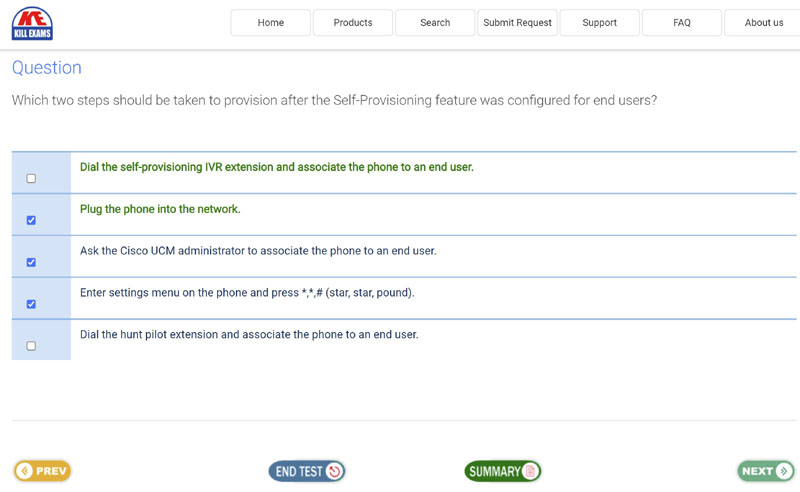
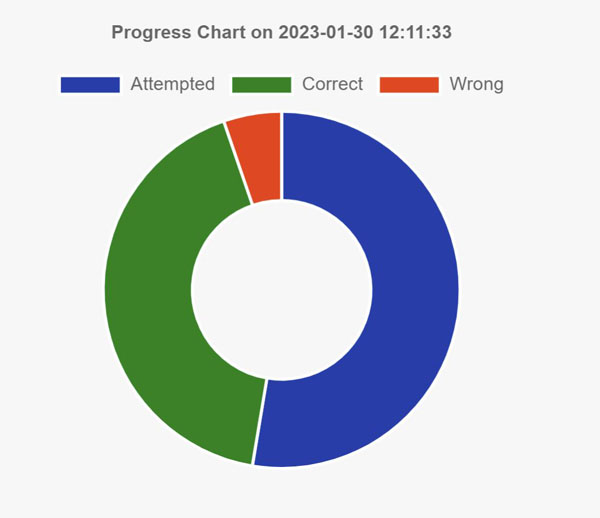
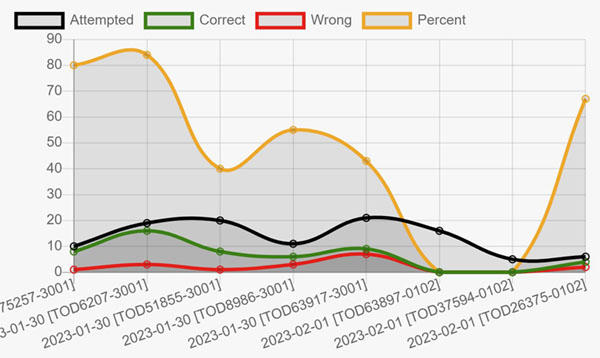
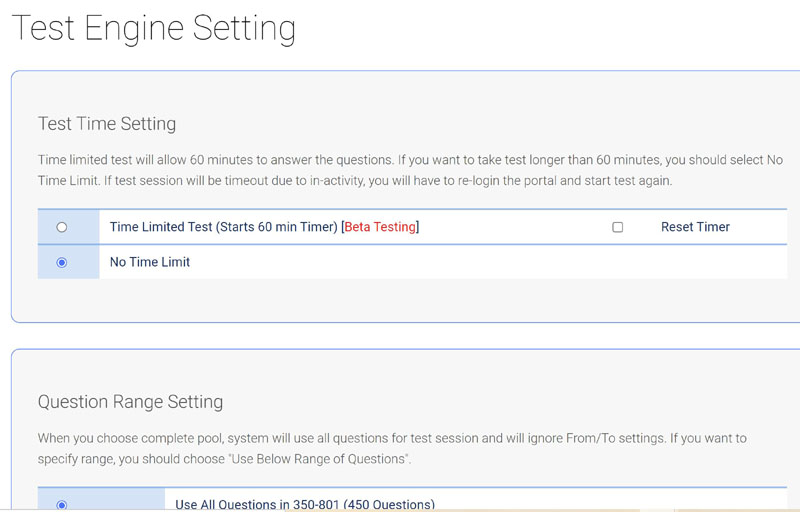
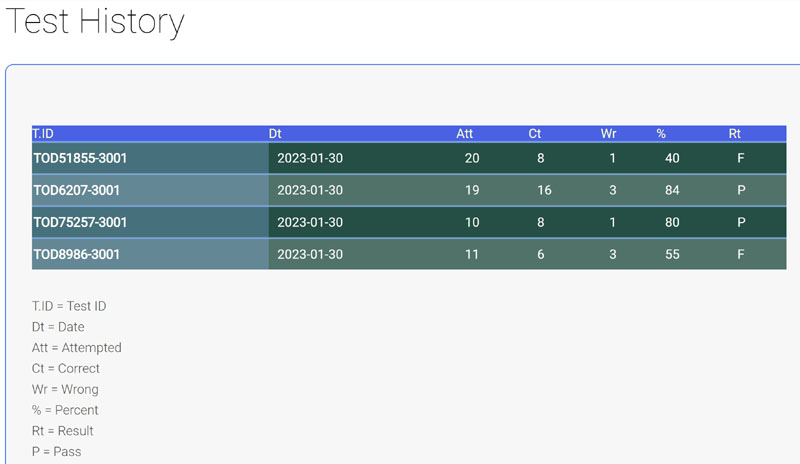
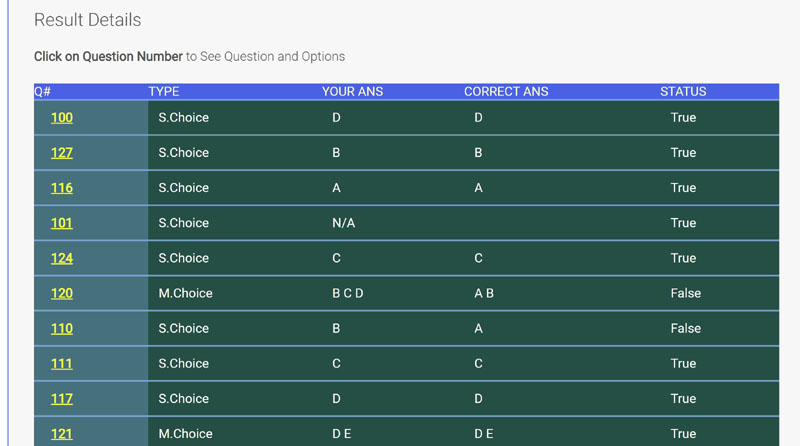
The Online Test Engine maintains practice history, performance summaries, and visual progress reports. Where available, questions may include explanations or reference information to support better understanding of exam topics. Content is reviewed and updated periodically to reflect relevant syllabus changes and maintain consistency with exam objectives.
Desktop Test Engine
| Exam Questions | 1251 (Complete Set) |
| Software Version | 2026 |
| Access | Unlimited |
| Latest Update | November 20, 2026 |
| Access Activation | Instant (5 to 10 min.) |
| Supported OS | Windows (All Versions) |
| Delivery Method | Username / Password |
| Test Engine Trial Software | Killexams Test Engine 2026 |
The Killexams Desktop Test Engine (version 2026) is a dedicated test preparation software designed to support candidates preparing for the CVA exam. The simulator provides a structured desktop based practice environment that allows users to work through exam style questions and review their performance in detail.
By practicing with the Certified Valuation Analyst Exam Simulator, candidates can become familiar with question formats, exam navigation, and time based testing conditions similar to those used in official exams. This experience helps users build confidence across testing environment, time management, exam topics and identify areas that may require additional study.


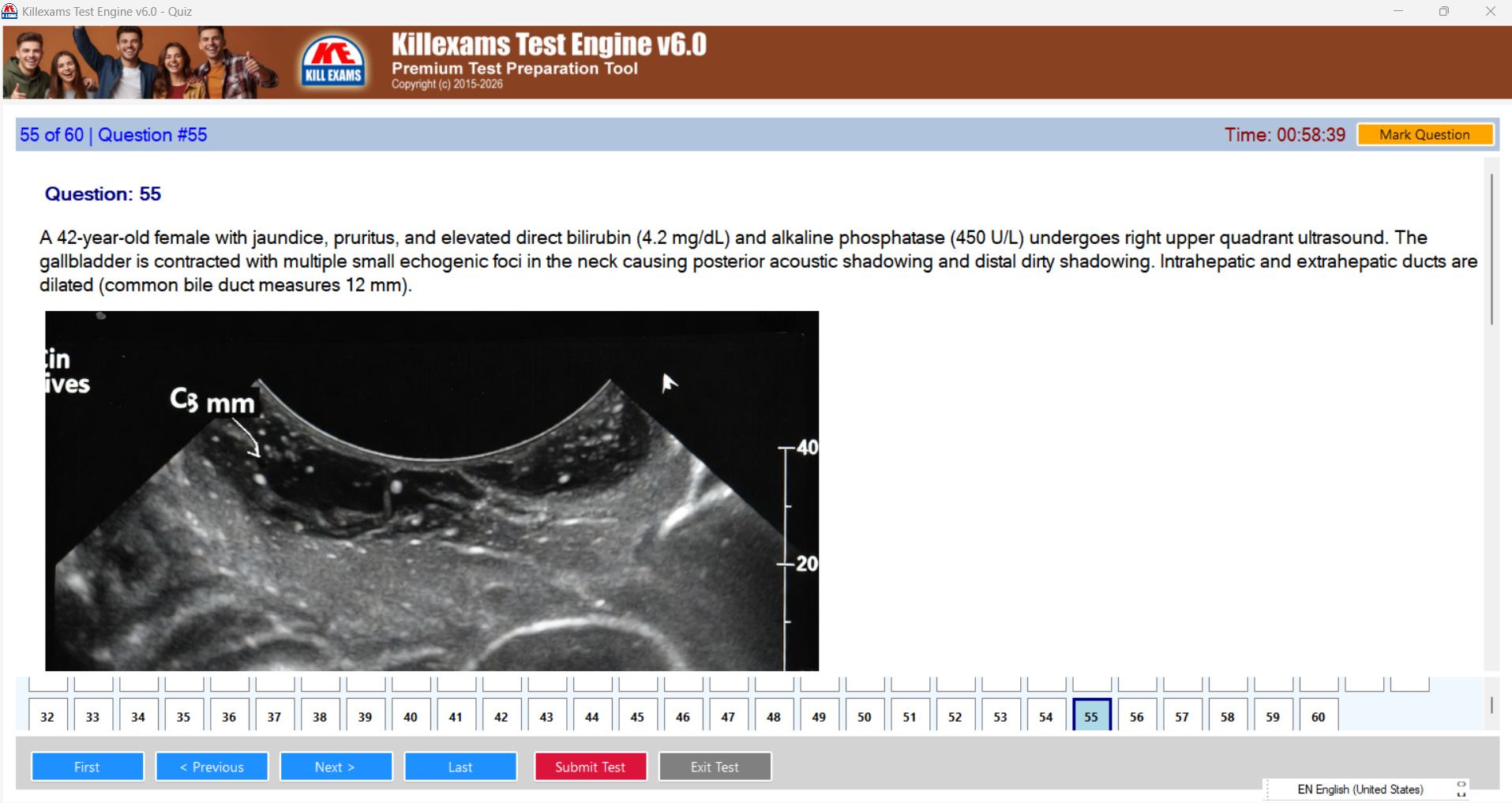
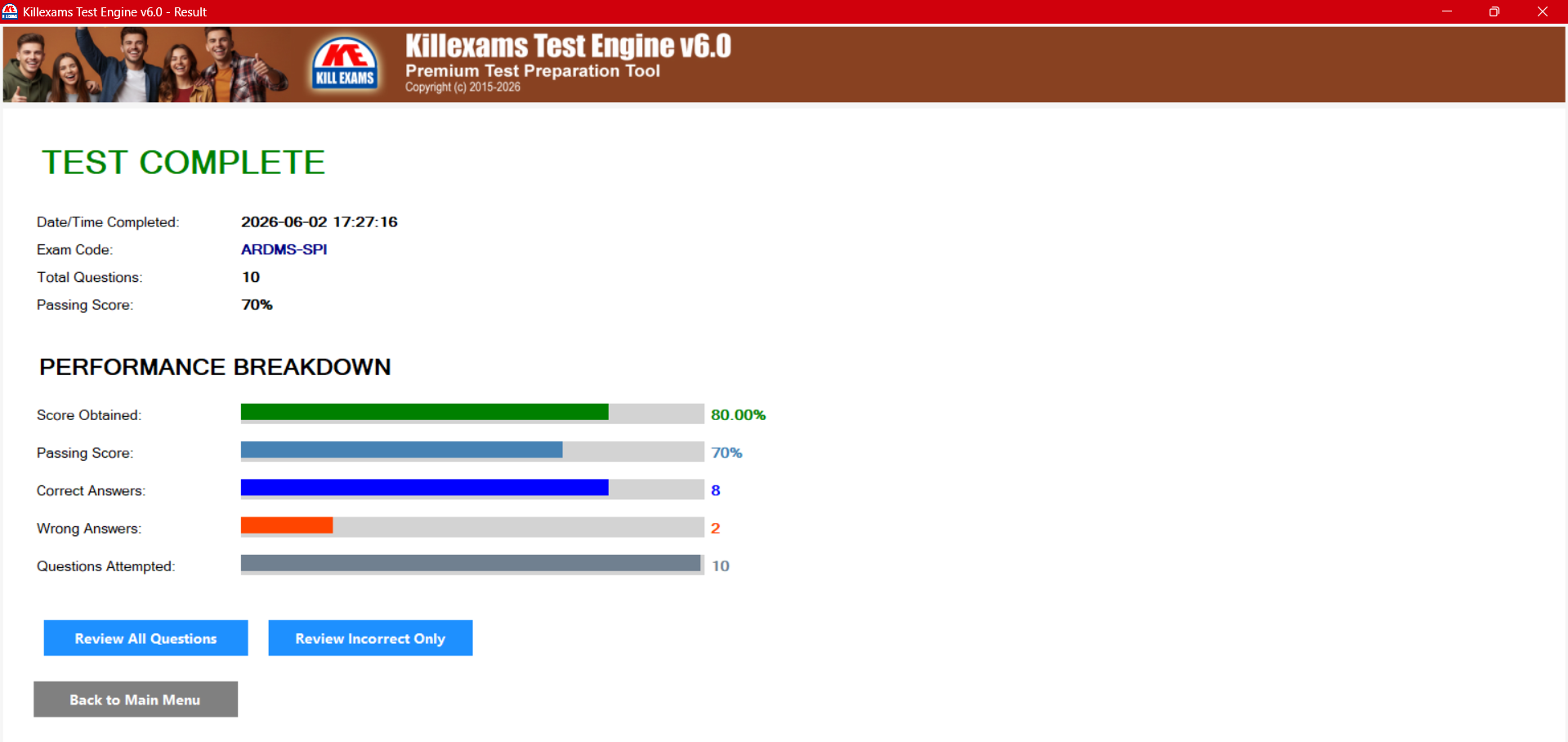

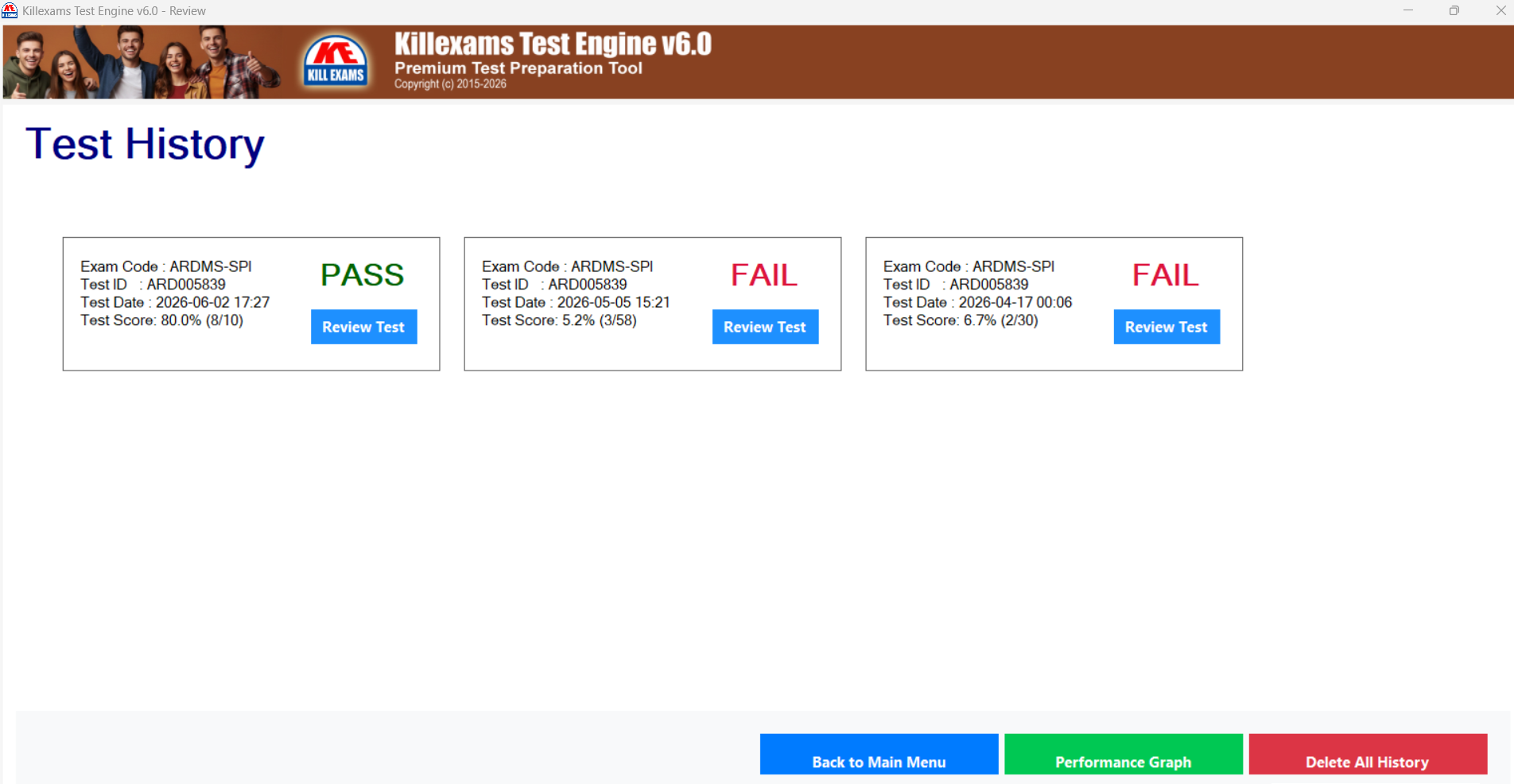
The Desktop Exam Simulator records practice history, performance summaries, and graphical progress reports. Where available, questions may include explanations or reference information to support understanding of correct and incorrect answers. The simulator content is reviewed and updated periodically to remain aligned with current exam objectives and syllabus requirements.
|
3 Months Update
|
6 Months Update
|
12 Months Update
|
|
|---|---|---|---|
What is 3 Months Update?
During 3 months, all future updates in PDF and Test Engine will be provided in your MyAccount with download links. An Intimation email on each update will be sent to you to re-download the updated exam files.
|
What is 6 Months Update?
During 6 months, all future updates in PDF and Test Engine will be provided in your MyAccount with download links. An Intimation email on each update will be sent to you to re-download the updated exam files.
|
What is 12 Months Update?
During 12 months, all future updates in PDF and Test Engine will be provided in your MyAccount with download links. An Intimation email on each update will be sent to you to re-download the updated exam files.
|
|
| Files | PDF / Test Engines | PDF / Test Engines | PDF / Test Engines |
| Premium Access | ✔ | ✔ | ✔ |
| Online Test Engine | ✔ | ✔ | ✔ |
| Instant Download Access | ✔ | ✔ | ✔ |
| Comprehensive Q&A | ✔ | ✔ | ✔ |
| Latest Topics | ✔ | ✔ | ✔ |
| Updated Regularly | ✔ | ✔ | ✔ |
| Portable Files | ✔ | ✔ | ✔ |
| Unlimited Download | ✔ | ✔ | ✔ |
| 100% Secured | ✔ | ✔ | ✔ |
| Confidentiality | 100% | 100% | 100% |
| Syllabus Coverage | Latest | Latest | Latest |
| Any Hidden Cost | No | No | No |
| Auto Renewal | No | No | No |
| Updates Intimation | by Email | by Email | by Email |
| Technical Support | Free | Free | Free |
| PDF Compatibility | Windows, Mac, Android, iOS, Linux | Windows, Mac, Android, iOS, Linux | Windows, Mac, Android, iOS, Linux |
| Desktop Test Engine Compatibility | Windows All Versions | Windows All Versions | Windows All Versions |
| Online Test Engine Compatibility | Mac / Windows / Android / iOS / Linux | Mac / Windows / Android / iOS / Linux | Mac / Windows / Android / iOS / Linux |
CVA Exam Format | Course Contents | Course Outline | Exam Syllabus | Exam Objectives
Business valuation is the "Gold Rush" of the century. 10 million small businesses will change hands over the next 10 years. Could you confidently advise your clients if they came to you faced with these issues?
An opportunity arises to sell or merge the business.
They are faced with transitioning the business to family members or other partners.
They are looking to expand the business and need to secure capital.
They are taking on new partners and need to determine buy-in price.
They are reaching retirement and considering an exit strategy.
Business partners or shareholders are exiting- requiring the business to be divided or dissolved.
They are embroiled in financial litigation.
They want to focus energies to grow company value.
Establish your authority in matters of value! Bolster your reputation with your clients. Enhance your credibility within the business community. Demonstrate competency to the courts that you can articulate business value.
I. OVERVIEW 4.0%
A. Purpose for business valuation 0.5%
1. Financial accounting
2. Tax valuations
3. Litigation
4. Merger and acquisition
B. Standards of value 1.5%
1. Definitions of standards of value- including
a) Fair market value (U.S. based definition as starting point)
b) Statutory fair value
c) Financial reporting fair value
(1) IFRS
(2) U.S. GAAP
d) Investment (strategic) value
e) Intrinsic (fundamental) value
2. Relationship between purpose of the valuation and standard of value
C. Premise of value 0.5%
1. Going concern
2. Assemblage of assets
3. Liquidation (orderly or forced)
D. Principles of value 1.0%
1. Value is determined as of specific point in time
2. Value reflects prospective cash flow
3. Value reflects the level of risk into the rate of return
4. Value is influenced by liquidity
E. Levels of value 0.5%
1. Lack of control (minority vs. control)
2. Marketable vs. non-marketable
3. Strategic and investment value
II. PROFESSIONAL RESPONSIBILITIES AND STANDARDS 4.5%
A. NACVA Standards 1.5%
B. Ethical considerations 1.0%
C. Communicating and reporting analysis and results 1.0%
D. Roles of the valuation analyst in litigation services 1.0%
III. ENGAGEMENT ACCEPTANCE AND PLANNING 3.0%
A. Defining the engagement 1.0%
1. Valuation date and its importance
2. Structure of the entity
3. Interest being valued
4. Purpose and objective of valuation
5. Standard of value and premise of value
6. Conflict checks
B. Engagement Letters 1.0%
1. Purpose
2. Content
C. Acceptance 1.0%
1. Experience
2. Staffing
3. Expectations
IV. QUALITATIVE ANALYSIS 9.0%
A. International Sources of Data 1.5%
B. Economic Environment 1.5%
1. Macro-environment
2. Micro-environment
3. Relationship of economic activity to the valuation
C. Industry background 3.0%
1. Economic data
2. Structure- trends- and life cycle
3. Market and competitive analysis
D. Company background 3.0%
1. Company structure and ownership
2. Site visit and interviews with key personnel
3. History and nature
4. Economic data (cost structure- pricing power- marginal analysis)
5. SWOT analysis (Strengths- Weaknesses- Opportunities- and Threats)
V. QUANTITATIVE ANALYSIS 15.5%
A. Financial statements 4.5%
1. Source (audited/reviewed/compiled/tax returns/internal)
2. Number of years to obtain
3. Common size
4. Trend analysis
5. Ratios
6. Comparative analysis
a) Specific company
b) Industry averages
B. Adjustments to financial statements 4.5%
1. Normalizing
a) Control vs. non-control
b) Discretionary
c) Reasonable compensation analysis
d) Extraordinary/non-recurring
2. Operating vs. non-operating items
3. Off-balance sheet and unrecorded items
C. Statistical Analysis 3.0%
1. Measures of central tendency (arithmetic- harmonic- geometric means)
2. Measures of dispersion (including variance and standard deviation)
3. Statistical strengths of numerical relationships (including covariance- correlation- coefficient of determination- and coefficient of variation)
4. Linear regression
D. Types of benefit streams and selection 3.5%
1. Selection of appropriate time periods (including mid-year convention)
2. Selection of appropriate type of income/cash flow
3. Growth assumptions
a) Trend line projected
b) Constant
c) Erratic
d) Level
e) Declining growth approaches
E. Historical vs. projection based on considerations
F. Relating effects due to economic/industry events and trends
G. Pass-through entities – tax effecting of the benefit stream
VI. VALUATION APPROACHES 28%
A. Income approach 10%
1. General theory
2. Defining applicable income/cash flow
3. Sources of data
4. Capitalization vs. discount rates
5. Commonly used methods
a) Discounted economic income/cash flow method (DCF) (multi-stage model)
(1) The method is applied using cash flow available to invested capital
(2) The method is applied using cash flow available to equity
b) Capitalized economic income/cash flow method (CCF)- including Gordon Growth
Model (constant growth model)
(1) The method is applied using cash flow available to invested capital
(2) The method is applied using cash flow available to equity
c) Excess earnings (cash flow) method
d) Dividend paying capacity
B. Market approach 8.0%
1. General theory
2. Commonly used methods
a) Transactions in subject companys stock
b) Transactions/sales of companies similar to subject
(1) Guideline public companies
(a) General theory
(b) Selecting guideline companies
i) Sources of data
ii) Size adjustments
(c) Equity vs. invested capital (including multiples)
(d) Selection of appropriate time periods
(e) Selection of appropriate multiples
i) Adjusting for growth- size- and company specific risk
(2) Guideline merged and acquired companies
(a) General theory
(b) Sources of data/relevant transactional databases
(c) Consideration of the selection of data points
C. Asset Approach 6.0%
1. General theory
2. Sources of data
3. Commonly used methods
a) Book value
b) Net tangible value
c) Adjusted net asset method (intangible and tangible assets)
d) Excess earnings method
e) Liquidation method (forced or orderly)
4. Identifying and valuing intangible assets
a) Approaches and methods
b) Estimated life
c) Impairment
5. Off-balance sheet and unrecorded items (including tax issues)
D. Sanity Checks 2.0%
1. General theory
2. Sources of data
3. Commonly used methods
a) Industry formulas (“Rules of Thumb”)
b) Justification of purchase
E. Reconciliation of indicated values 2.0%
VII. COST OF CAPITAL CONCEPTS AND METHODOLOGY- AND OTHER PRICING MODELS 17.5%
A. Capital asset pricing model (CAPM) 6.0%
1. Risk free rate
2. Equity risk premium
3. Beta (ß) including un-levered and re-levered
B. Build-up method and Modified CAPM 5.5%
1. Risk free rate
2. Equity risk premium
3. Beta (ß) including un-levered and re-levered
4. Size risk premium
5. Industry risk premium
6. Company specific risk
7. Long-term sustainable growth
8. Other
C. Weighted average cost of capital 4.0%
D. Converting after tax risk rates to pre-tax rates 1.0%
E. Other recognized methods (e.g. Gordon Growth- Arbitrage Pricing- Fama- French Three Factor- Market Multiples- Risk Rate Component Model) 1.0%
VIII. DISCOUNTS- PREMIUMS- AND OTHER ADJUSTMENTS 13%
A. Levels of value and effect on discounts and premiums 2.0%
1. Synergistic value
2. Control value
3. Non-controlling- marketable value
4. Non-controlling- non-marketable value
B. Adjustments for Control Issues 3.5%
1. General theory
2. Sources of data
3. Ownership characteristics
4. Magnitude
5. Relationship to how benefit stream is defined
C. Adjustments for Marketability Issues 3.5%
1. General theory
2. Sources of data
3. Ownership characteristics
4. Restrictions on transferability
5. Magnitude
6. Models
D. Discounts and premiums—understanding the empirical studies 2.0%
E. Subsequent events 1.0%
F. Other valuation discounts and adjustments (e.g. Key Person- Blockage- Restrictive Agreement- Lack of Voting- Lack of Liquidity- Contingent Liabilities) 1.0%
IX. SPECIAL PURPOSE VALUATION 5.5% %
A. Intangible assets 2.0%
B. Debt securities 0.5%
C. Convertible securities 0.5%
D. Preferred stock 0.5%
E. Stock options 0.5%
F. Voting vs. Non-voting stock 0.5%
G. Professional vs. practice goodwill 0.5%
H. Other special purpose valuations (e.g. Fair Value- Mergers and Acquisitions- Pension Benefits- Insurance policies) 0.5%
Total 100%
Reviews (12)4.42 Overall
★★★★★
50%
★★★★
42%
★★★
8%
★★
0%
★
0%
|
Submit ReviewYou must be logged in to submit a review. Sign In to Submit Review |
Customer Reviews
CVA Exam FAQs
What question types are on the CVA exam?
Format of the CVA exam: exam and case study.
What topics does the CVA exam cover, and how are they weighted?
The CVA exam covers 7 sections: Valuation Fundamentals; Financial Statement Analysis; Income Approach; Market Approach; Asset Approach; Discounts and Premiums; Report Writing.
How should I prepare for CVA?
Start with the official CVA exam outline and study materials from NACVA, then build exam readiness with timed practice. A killexams.com premium account gives you the full pool of 1,251 CVA practice questions and answers in PDF and Test Engine formats, so you can practice every objective and review the answers before exam day.
How long does it take to prepare for CVA?
At a steady pace of 100 practice questions a day, working through all 1,251 CVA questions takes about 13 days. Add extra days to repeat the questions you got wrong.
Is CVA hard? Who is it for?
The Certified Valuation Analyst credential from NACVA recognizes business valuation professionals.
How many practice questions do you have for CVA?
The killexams.com CVA practice test contains 1,251 questions and answers.
Is there a free CVA sample?
Yes. A free CVA sample PDF is available on this page, so you can review the question style before you buy.
What formats are included in the CVA practice test?
The CVA practice test is available as a PDF, an Online Test Engine and a Desktop Test Engine.
Do the CVA practice questions cover the current exam objectives?
Yes. The CVA practice questions cover the complete syllabus and current exam objectives.
How do I get the files after purchase, and how long is access valid?
Your MyAccount login details are delivered by email. You can download the files from the member area until your account expires, after 3, 6 or 12 months depending on the plan you bought.
Can I use the CVA Test Engine on Mac or mobile?
Yes, with the Online Test Engine, which runs on Mac, iOS, Android, Linux and other platforms. The Desktop Test Engine is for Windows only.
What if I fail the CVA exam after using your material?
You can choose one of three options: 1) a refund, 2) a free 3-month account extension, or 3) a new exam of your choice.
How many practice questions are available for CVA?
The CVA practice test contains 1,251 practice questions and answers covering the current exam objectives.
What formats are available for CVA preparation?
The CVA practice test is available as PDF, Online Test Engine, Desktop Test Engine. All formats can be downloaded instantly after purchase.
Is there a free CVA sample?
Yes. You can preview and download a free CVA sample PDF on this page before you buy.