

CDM Exam Questions PDF
| Questions and Answers | 1258 (Complete Set) |
| File Format | |
| Latest Update | November 20, 2026 |
| Files Delivery | Instant (5 to 10 min.) |
| Compatibility | All Desktop and Mobile Devices |
| Delivery Method | Download Account |
The Certified Dietary Manager credential from CBDM recognizes managers in food service operations, particularly in healthcare. It covers nutrition, food service management, human resources, sanitation and business operations.
Candidates for Certified Dietary Manager usually have completed formal education and supervised clinical work before testing. The exam then confirms that this training has produced reliable knowledge across the full scope of practice, from foundational science to clinical judgment and professional responsibility.
Because Certified Dietary Manager is used by employers, boards and credentialing bodies as evidence of competence, preparation deserves a structured plan. Most questions are written as short clinical scenarios, so understanding why an answer is correct matters more than memorizing lists.
It is worth looking at what sits inside each topic area. Nutrition focuses on client nutrition. The Food Service Management area includes operations. Questions on Personnel and Communication typically involve HR. Sanitation and Food Safety covers HACCP.
Preparing for the CDM exam requires not only understanding the exam topics but also practicing with exam style questions. Our Certified Dietary Manager exam questions in practice tests help candidates review key concepts and familiarize themselves with the format and difficulty of exam.
At Killexams.com, our team works to maintain up-to-date practice content for exam preparation. We continuously review and refine our question sets and explanations to cover the latest relevant syllabus areas and help learners strengthen their understanding of core topics before facing the official exam. These Practice tests allow you to identify areas where you need improvement by measuring your readiness, and provide you exam questions to polish those areas.
CDM Exam Questions Preview
The CDM exam is multiple choice.
CBDM publishes the official format for CDM, including how many questions are asked, how long you have and what score is needed to pass. Use those figures to set up timed practice that mirrors the format, and aim to finish practice tests with some time to spare.
Candidates preparing for CDM usually benefit from a topic by topic schedule. Allow roughly 5 weeks, giving each major area its own block: begin with Nutrition, continue with Food Service Management; Personnel and Communication; and Sanitation and Food Safety, and finish with Business Operations. After each block, test yourself on that area before moving on, so weak spots are caught early. Before booking, make sure your practice scores are steady across every section rather than strong in only one or two.
Questions on CDM are often long clinical vignettes. Practice reading the last line of the question first, then scanning the case for the details that matter. This habit saves time and reduces the chance of being distracted by irrelevant information.
For CDM, build a study plan from the official content outline and weight your time according to the largest sections. Use question practice to identify weak systems early, and review explanations for every missed item. Timed blocks help you settle into the exam pace.
| Detail | Information |
|---|---|
| Format | Multiple choice |
| Provider | CBDM |
To help you evaluate our material, you may download free sample pdf with example questions and answers that we provide. This sample allows you to review content and approach before deciding on Premium materials..
The Certified Dietary Manager practice test files contains 1258 Questions, are compatible with multiple devices, including Windows, macOS, iOS, and Android, and can be used for both online and offline study. The PDF format is printable, making it easy to study during travel or when away from a computer. Access to updated materials is available through your online account.
After purchase, you will receive your username and password immediately, allowing you to log in and download your study files without delay. Our goal is to support exam preparation at your pace with practice content designed for reinforcement and understanding of key concepts.
The killexams.com CDM question bank covers dietary management with explanations.
Because the killexams.com CDM questions follow the official topic areas such as Nutrition; Food Service Management; Personnel and Communication; and Sanitation and Food Safety, you can focus practice exactly where it is needed. Score reports after each session show which section needs more work, and the explanations turn mistakes into learning.
Candidates who use the killexams.com CDM question bank often begin with a diagnostic session to see which sections need the most attention, then return to those sections repeatedly before taking a final full length practice test.
Killexams.com keeps the CDM question bank current by reviewing it when the exam outline changes, and each question includes an explanation so you learn the reasoning, not just the answer. The practice test can be repeated with questions in a different order, which helps you focus on understanding rather than memorizing positions.
Online Test Engine
| Exam Questions | 1258 (Complete Set) |
| Testing Limit | Unlimited |
| Access Type | Online |
| Latest Update | November 20, 2026 |
| Access Activation | Instant (5 to 10 min.) |
| Supported OS | Mac, Windows, Android, iPhone / iPad, Linux |
| Delivery Method | Username / Password |
Killexams.com provides an Online Test Engine designed to help candidates practice exam questions in a structured and interactive environment. The Test Engine is compatible with iPhone, iPad, Android, Windows, and Mac, allowing you to study and practice on the device that best fits your schedule.
The CDM Online Test Engine enables candidates to simulate exam-style practice sessions, review answers, and track progress over time. This learning approach helps users practice exam questions, question formats and improve time management while preparing for the Certified Dietary Manager exam.
The Test Engine includes features that support effective learning, such as customizable practice sessions, question review modes, and progress tracking. These tools are designed to assist candidates in identifying knowledge gaps and reinforcing key concepts through repeated practice rather than memorization alone.
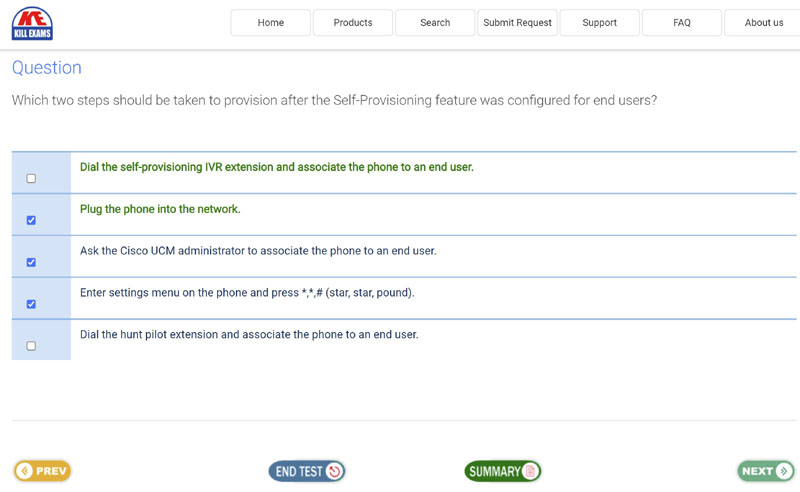
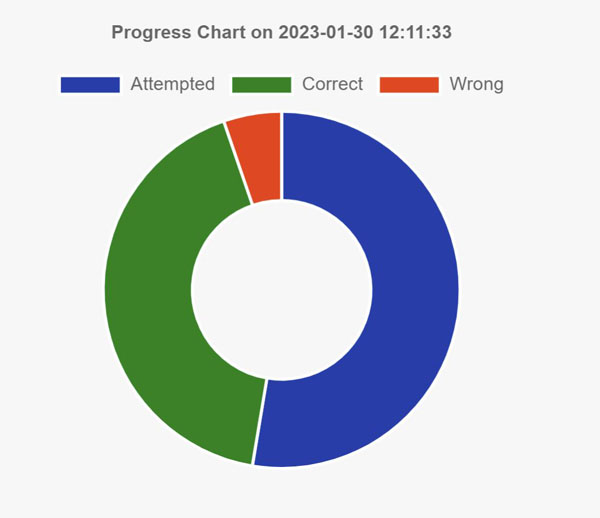
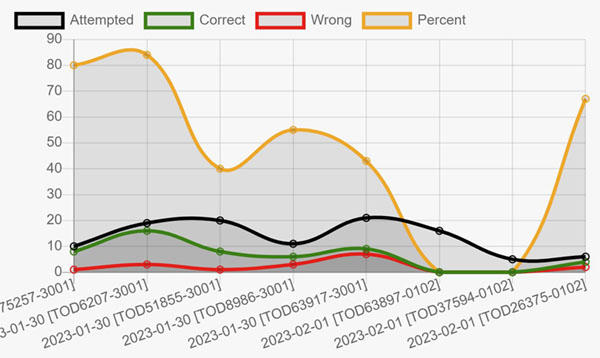
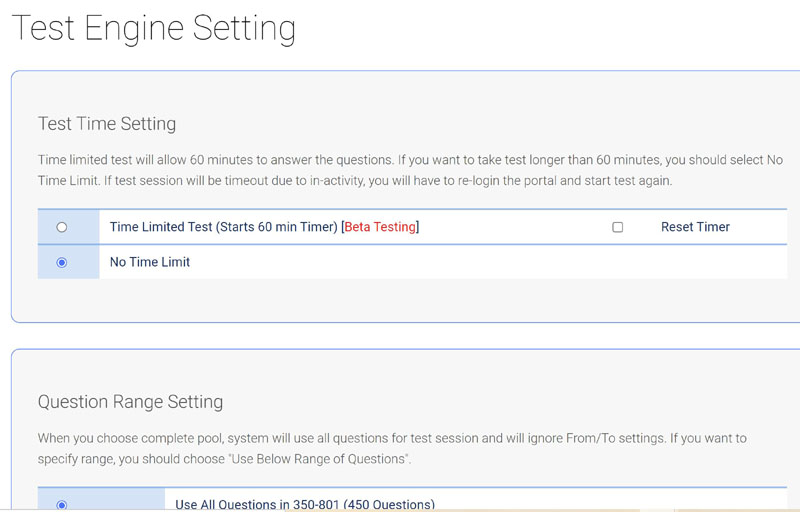
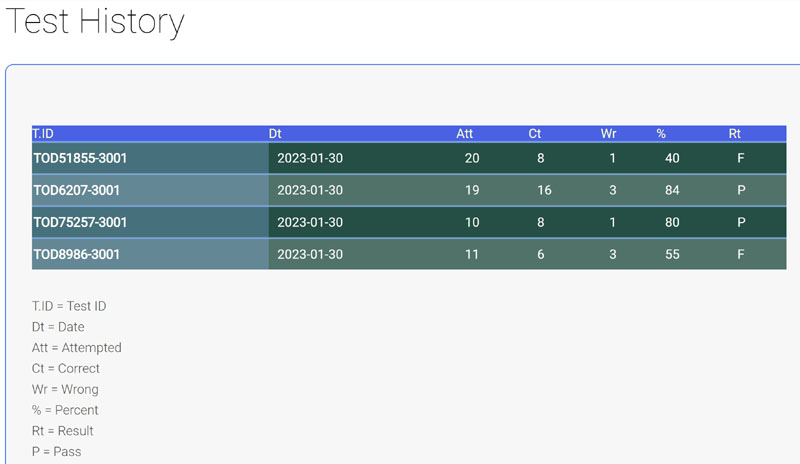
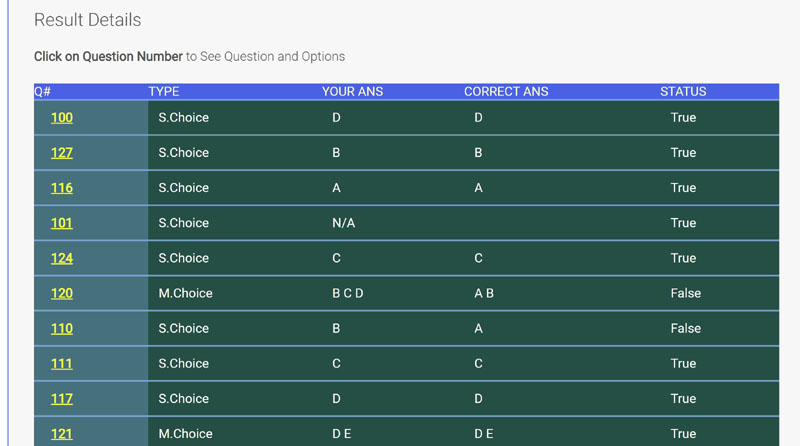
The Online Test Engine maintains practice history, performance summaries, and visual progress reports. Where available, questions may include explanations or reference information to support better understanding of exam topics. Content is reviewed and updated periodically to reflect relevant syllabus changes and maintain consistency with exam objectives.
Desktop Test Engine
| Exam Questions | 1258 (Complete Set) |
| Software Version | 2026 |
| Access | Unlimited |
| Latest Update | November 20, 2026 |
| Access Activation | Instant (5 to 10 min.) |
| Supported OS | Windows (All Versions) |
| Delivery Method | Username / Password |
| Test Engine Trial Software | Killexams Test Engine 2026 |
The Killexams Desktop Test Engine (version 2026) is a dedicated test preparation software designed to support candidates preparing for the CDM exam. The simulator provides a structured desktop based practice environment that allows users to work through exam style questions and review their performance in detail.
By practicing with the Certified Dietary Manager Exam Simulator, candidates can become familiar with question formats, exam navigation, and time based testing conditions similar to those used in official exams. This experience helps users build confidence across testing environment, time management, exam topics and identify areas that may require additional study.
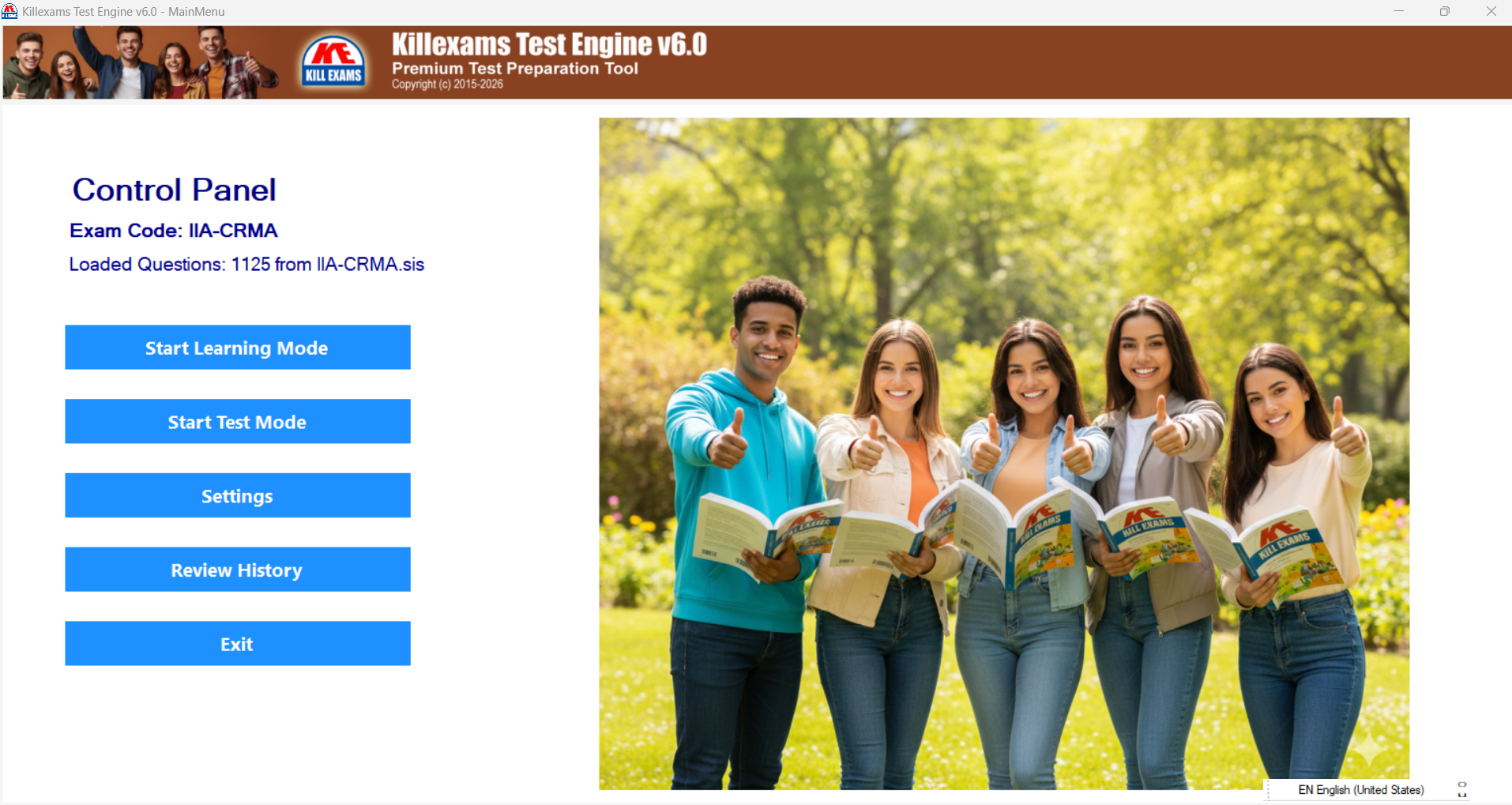
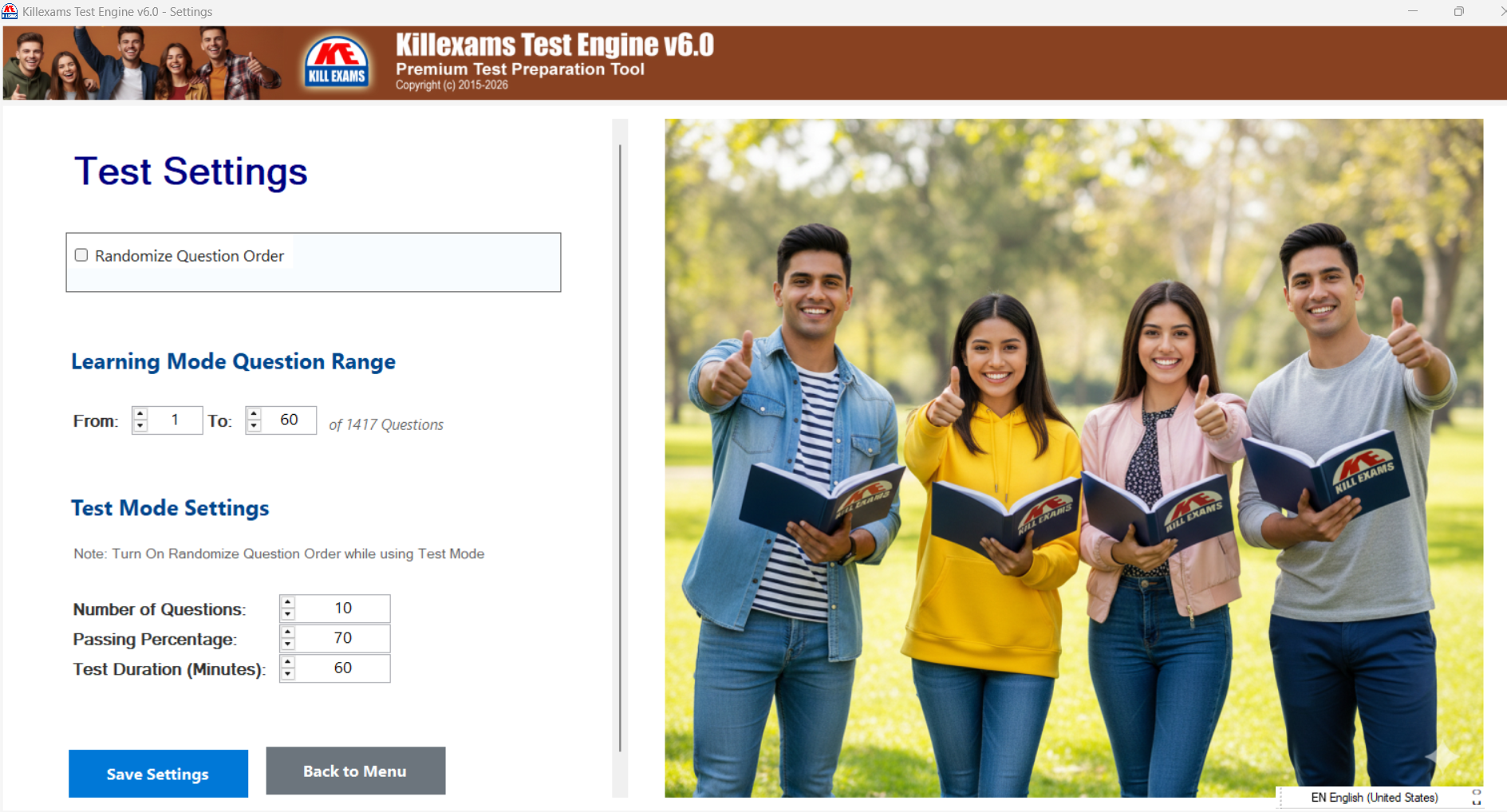
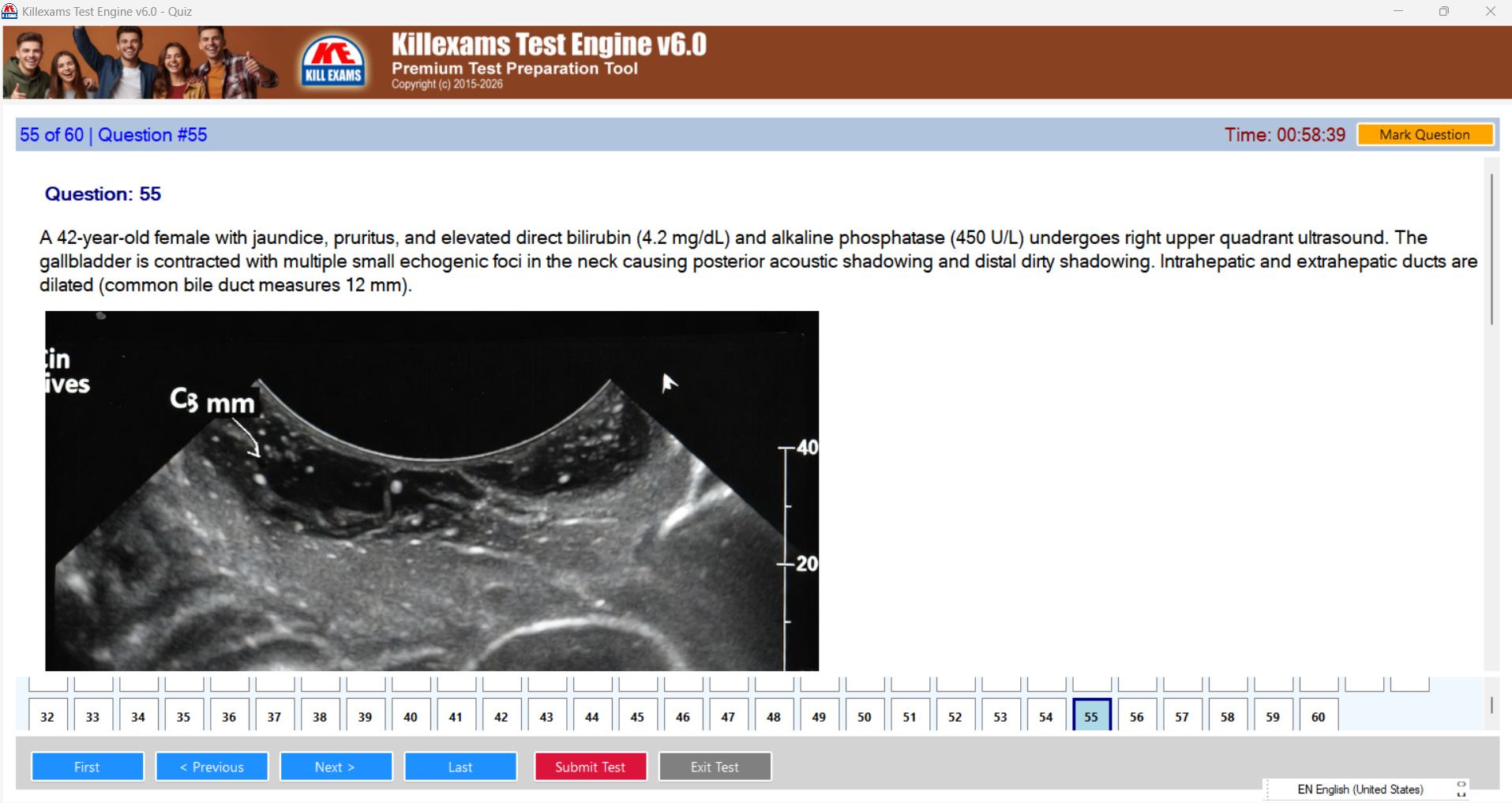
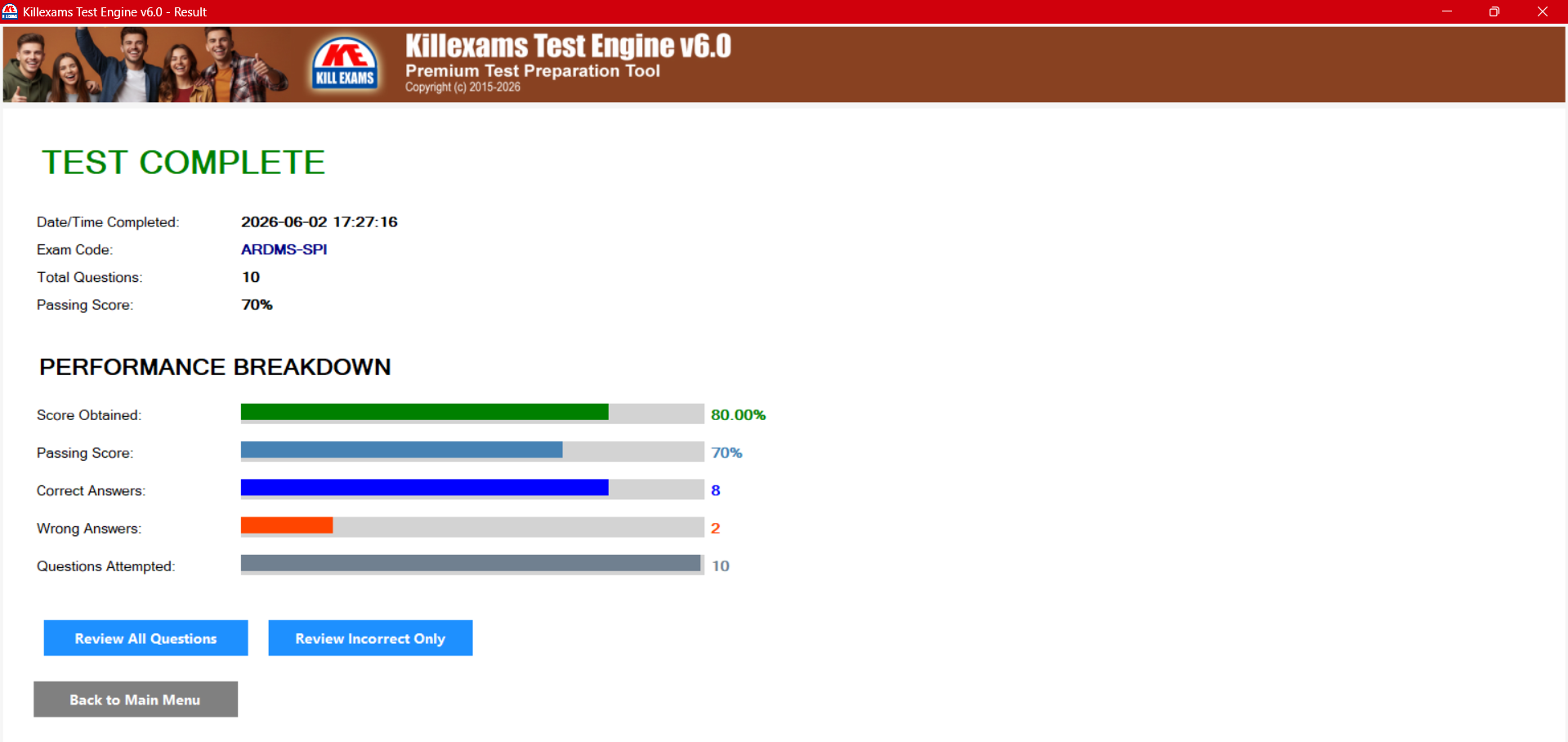

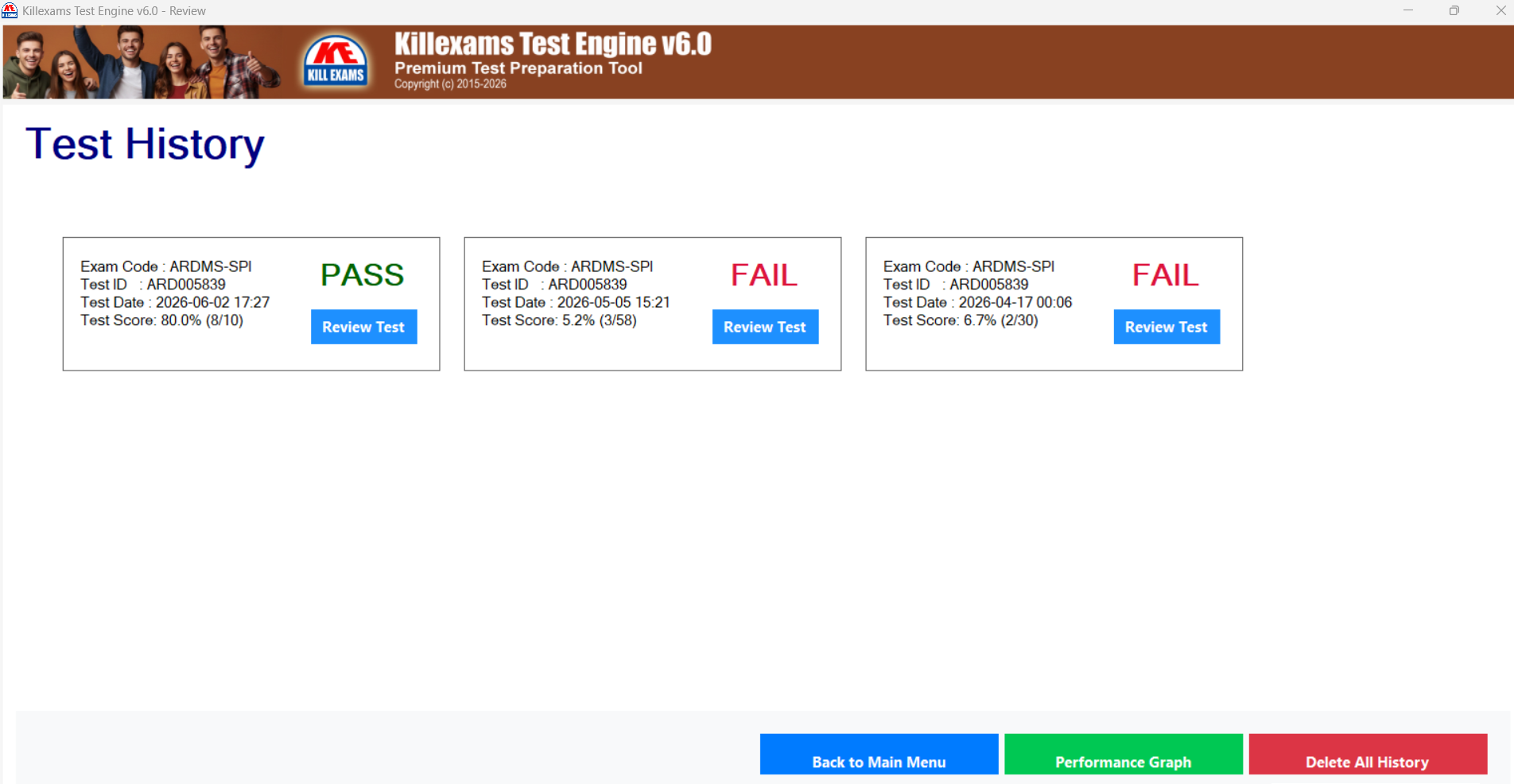
The Desktop Exam Simulator records practice history, performance summaries, and graphical progress reports. Where available, questions may include explanations or reference information to support understanding of correct and incorrect answers. The simulator content is reviewed and updated periodically to remain aligned with current exam objectives and syllabus requirements.
|
3 Months Update
|
6 Months Update
|
12 Months Update
|
|
|---|---|---|---|
What is 3 Months Update?
During 3 months, all future updates in PDF and Test Engine will be provided in your MyAccount with download links. An Intimation email on each update will be sent to you to re-download the updated exam files.
|
What is 6 Months Update?
During 6 months, all future updates in PDF and Test Engine will be provided in your MyAccount with download links. An Intimation email on each update will be sent to you to re-download the updated exam files.
|
What is 12 Months Update?
During 12 months, all future updates in PDF and Test Engine will be provided in your MyAccount with download links. An Intimation email on each update will be sent to you to re-download the updated exam files.
|
|
| Files | PDF / Test Engines | PDF / Test Engines | PDF / Test Engines |
| Premium Access | ✔ | ✔ | ✔ |
| Online Test Engine | ✔ | ✔ | ✔ |
| Instant Download Access | ✔ | ✔ | ✔ |
| Comprehensive Q&A | ✔ | ✔ | ✔ |
| Latest Topics | ✔ | ✔ | ✔ |
| Updated Regularly | ✔ | ✔ | ✔ |
| Portable Files | ✔ | ✔ | ✔ |
| Unlimited Download | ✔ | ✔ | ✔ |
| 100% Secured | ✔ | ✔ | ✔ |
| Confidentiality | 100% | 100% | 100% |
| Syllabus Coverage | Latest | Latest | Latest |
| Any Hidden Cost | No | No | No |
| Auto Renewal | No | No | No |
| Updates Intimation | by Email | by Email | by Email |
| Technical Support | Free | Free | Free |
| PDF Compatibility | Windows, Mac, Android, iOS, Linux | Windows, Mac, Android, iOS, Linux | Windows, Mac, Android, iOS, Linux |
| Desktop Test Engine Compatibility | Windows All Versions | Windows All Versions | Windows All Versions |
| Online Test Engine Compatibility | Mac / Windows / Android / iOS / Linux | Mac / Windows / Android / iOS / Linux | Mac / Windows / Android / iOS / Linux |
CDM Exam Format | Course Contents | Course Outline | Exam Syllabus | Exam Objectives
Sections Covered in this exam Q&As
Domain 1. NUTRITION - 20%A. Gather Nutrition Data
1. Document nutrition information in medical records
a. chart in medical records
b. enter data using a computer (e.g. Electronic Medical Record)
c. use nutrition information
2. Interview for nutrition related information
a. ask appropriate nutrition questions of clients (e.g.- allergies- preferences)
b. gather client information from relevant sources (e.g.- caregivers- interdisciplinary teams)
c. recognize nonverbal responses and communication cues
d. record information gathered
e. use ethical and confidentiality principles and practices
f. identify food customs and preferences (e.g.- race- culture- religion- age)
3. Obtain routine nutrition screening data
a. use established guidelines to distinguish between routine and at risk clients
b. gather client data from relevant sources (e.g. medical record- referrals- interviews)
c. complete client forms (e.g.- MDS)
d. comply with federal regulations related to evaluating client status and care
e. calculate nutrient intake
f. document relevant nutrition related information (e.g.- laboratory values- BMI)
4. Identify nutrition problems and client rights
a. verify information to ensure accuracy
b. review documentation for nutrition care follow up
c. honor client rights (e.g.- HIPAA)
B. Apply Nutrition Data
1. Modify diet plans
a. develop menus
b. implement nutrition plan into meals/foods to be served
c. respect client needs and food habits
d. use nutrition analysis data to modify menus for:
(1) calories- carbohydrates- proteins- fats- and minerals
(2) fiber content- texture- or feeding needs
(3) medical or other personal condition (including allergies)
(4) racial- cultural- age- and religious differences
2. Implement the written diet orders
a. recognize medical and nutrition terminology
b. provide nutrition that reflects the written diet order
c. include client input on diet prescribed by the provider
d. recognize appropriateness of diet order for diagnosis
e. explain importance of adhering to written diet orders
3. Apply standard nutrition care
a. review client’s nutritional needs using evidence based guidelines
b. assess nutrition content of foods
c. identify sources to consult to assist in implementing nutrition care plans (e.g.- IDT)
4. Review effectiveness of the nutrition care plan
5. Manage special nourishments and supplemental feedings according to the written diet order
a. identify clients who need nourishments or supplemental feeding
b. identify appropriate supplemental products
c. monitor the delivery of nourishments and supplements
d. audit the acceptance of nourishments or supplements
C. Provide Nutrition Education
1. Assist clients with food selection based on written diet order
a. review dietary requirements of client
b. determine client’s knowledge and needs
c. suggest acceptable food substitutes based on client preferences
d. verify substitutes in terms of availability and facility practices
2. Use nutrition education materials
a. develop a plan for nutrition education
b. select educational materials and resources
c. use resource materials and equipment in teaching
Domain 2. FOODSERVICE - 21%A. Ensure Effectiveness of Standardized Recipes
1. Identify elements of a standardized recipe (e.g.- yield- ingredients)
2. Compute portions using food charts/references
3. Develop cooking procedures- including HACCP guidelines
4. Calculate cost and nutrition content of standardized recipes
5. Evaluate client acceptance of new recipes
B. Specify Standards and Procedures for Preparing Food
1. Develop food quality control standards- (e.g.- appearance- temperature- acceptance)
2. Implement procedures to monitor food production
3. Develop procedures for monitoring food waste
C. Supervise the Production and Distribution of Food
1. Define procedures for type of food service
2. Monitor adherence to delivery schedules and procedures
3. Keep records for monitoring and accountability
4. Calculate efficiency (time- cost) of foodservice system
5. Define schedules for foodservice production
6. Define production needs for special event food preparation
7. Forecast menus- recipes- diet census- preparation/production sheets- tally sheets- and retail needs
D. Monitor Meal Service
1. Verify
a. diet accuracy
b. portion size (quantity)
c. temperature
d. texture
e. presentation (color- shape)
f. quality
2. Assure compliance of meals served as posted
E. Implement Continuous Quality Improvement Procedures for Foodservice Department (e.g.- QAPI)
1. Define objectives and standards for foodservice
2. Monitor quality indicators
3. Implement necessary procedural changes
4. Interpret data for reports
5. Implement auditing tool to determine the effectiveness of quality indicators (e.g.- food acceptance survey- plate waste study)
6. Analyze data to make recommendations
F. Modify Standardized Menus
1. Use nutritional resources (e.g.- tables- charts- diet manuals)
2. Use standard servings and recipes
3. Adhere to regulatory requirements regarding diet needs
4. Develop menu to consider cultural preferences
Domain 3. Personnel and Communications - 19%A. Define Personnel Needs and Job Functions
1. Conduct personnel needs analysis
2. Conduct task analysis
3. Write job descriptions
4. Write job specifications
5. Assist with development of advertising for positions
6. Update departmental organizational chart
B. Interview- Select- and Orient Employees
1. Comply with fair employment laws and practices
2. Develop interview procedures for department
3. Describe department procedures and policies to applicants
4. Decide on applicants and record data in file
5. Document selection procedures and policies
6. Orient new employees to facility procedures
7. Provide initial job specific training for new employees
8. Verify completion of training and orientation
C. Provide Ongoing Education
1. Provide follow up after orientation
2. Provide in-service training
a. privacy guidelines (e.g.- HIPAA- FERPA)
b. personal hygiene
c. infection control
d. hospitality and customer service
e. physical and occupational safety
f. professional and ethical expectations
g. nutrition issues
h. crisis management
i. other contemporary issues
j. safety and sanitation (e.g.- allergy)
3. Verify completion of training
D. Develop and Maintain Employee Time Schedules and Assignments
1. Identify overall staffing needs (e.g.- calculate full time equivalents)
2. Identify daily tasks
3. Determine capabilities and preferences of employees available
4. Prepare a time schedule
5. Maintain time schedule chart/records
6. Track absence/tardy records in personnel files
7. Develop a work assignment chart
8. Coordinate work assignments
E. Manage Goals and Priorities for Department
1. Develop short term and long term goals for the department
2. Participate in developing policies and procedures (e.g.- hygiene standards for personnel according to the FDA Food Code)
3. Identify expectations to establish priorities
4. Compare department goals against resources available (e.g.- contingency planning)
F. Manage Department Personnel
1. Maintain personnel records
2. Identify personnel management laws and practices (e.g.- union contracts- FMLA- USERRA)
3. Identify promotion and termination criteria
4. Compile documentation for promotion and termination
5. Conduct performance evaluations
6. Recommend salary and wage adjustments
7. Follow disciplinary procedures to correct a problem (e.g.- coaching- performance improvement plan)
8. Ensure employees’ compliance with procedures (e.g.- safe food preparation practices)
G. Manage Professional Interactions
1. Participate in regulatory agency surveys
a. identify regulatory standards
b. develop an appropriate plan of correction
c. demonstrate professional interaction with surveyors
d. use regulatory agencies as professional resources
2. Participate in meetings outside the department
a. communicate department goals and policies
b. identify methods of communicating with other departments
c. suggest cooperative ways to solve problems
d. participate in state/national professional meetings
3. Communicate client information to other health professionals
a. identify what client information needs to be communicated
b. identify the need for client referrals
c. implement consultant recommendations as appropriate
d. honor client rights and confidentiality
4. Participate in client care conferences
a. prepare for a client care conference
b. participate in a conference to identify client care concerns
c. work with the interdisciplinary team to develop solutions
d. implement goals and approaches with appropriate follow up
5. Manage department meetings
a. post meeting notices and agendas
b. plan meeting facilities
c. meet with key personnel to develop meeting plans
d. conduct meetings (e.g.- resolving conflicts- keeping time)
e. plan follow up actions resulting from meeting (e.g.- minutes)
f. conduct a staff complaint/grievance session
6. Adhere to professional code of conduct/ethics
H. Implement Departmental Changes
1. Identify existing problems and needs
2. Prepare justification for changes
3. Implement the plan of action
4. Evaluate the effectiveness of the changes
Domain 4. Sanitation and Safety - 24%A. Manage Personnel to Ensure Compliance with Safety and Sanitation Regulations
1. Identify federal safety laws/regulations/guidelines
2. Write cleaning procedures for utensils- equipment- and work areas
3. Evaluate equipment in terms of maintenance needs and costs
4. Inspect all areas of department for sanitary conditions
5. Educate employees in safety and sanitation (e.g.- master cleaning schedule)
6. Interpret OSHA regulations/guidelines (e.g.- SDS- HAZCOM)
7. Enforce employees’ compliance with safety and sanitation regulations
B. Manage Purchasing- Receiving- Storage- and Distribution of Food and Supplies Following Established Sanitation and Quality Standard
1. Identify appropriate grades and inspections for food
2. Procure food and water from approved sources
3. Verify the quality and quantity of food supplies and equipment received
4. Check supplier invoices against facility purchase order
5. Recognize the hazards associated with types of food packaging
6. Recognize the signs of contamination upon receipt and in storage
7. Process rejections for unacceptable products
8. Label- date- and monitor food to ensure rotation (FIFO)
9. Prevent environmental contamination of food
10. Maintain security procedures
C. Protect Food in all Phases of Preparation Using HACCP Guidelines
1. Identify potentially hazardous foods and foodborne pathogens and their control
2. Recognize the causes- symptoms- and types of foodborne illnesses including biological- chemical- and physical types
3. Monitor time and temperature to limit growth of or destroy microorganisms
4. Prevent cross contamination of food
5. Identify appropriate techniques for temperature retention
6. Ensure the safe cooling of food
7. Establish critical limits
8. Establish the corrective action to be taken when critical limits are exceeded
9. Establish procedures to identify and monitor critical control points (CCP)
10. Establish effective recordkeeping systems that document HACCP
11. Prepare emergency/disaster procedures necessary to assure a safe food supply
12. Develop a crisis management plan to address an outbreak of foodborne illness
D. Manage Physical Facilities to Ensure Compliance with Safety and Sanitation Guidelines
1. Identify federal safety laws/regulations
2. Conduct routine maintenance inspection of equipment:
a. Identify equipment maintenance requirements from manufacturer’s manuals
b. Correct equipment malfunctions and potential problems
c. Monitor preventive maintenance schedule and contracts
3. Organize work flow and use of equipment
a. analyze tasks to determine overlapping effort or equipment use
b. plan proper placement and use of equipment
c. simplify work procedures and steps
d. monitor work flow; identify and correct problems
e. assure adequate hand washing sinks- lavatory facilities- and supplies
4. identify appropriate environmental controls for water supply- waste disposal- and ventilation
5. follow an integrated pest management (IPM) system
6. prepare a safety inspection checklist
7. write an inspection report on hazards
8. assure cleaning and sanitation of equipment- utensils- chemicals- and space
Domain 5. Business Operations - 16%A. Manage a Budget
1. Determine facility needs
2. Compute cost of menus (e.g.- supplements)
3. Conduct a product price comparison study
4. Calculate daily cost PPD (e.g.- food- labor- supplies)
5. Calculate minutes per meal
6. Calculate meals per labor hour
7. Compare actual costs to budget costs
8. Monitor expenses
9. Prepare an estimate of personnel costs for a foodservice department (e.g.- salary scales and merit raises- benchmarking)
B. Prepare Specifications for Capital Purchases
1. Review capital equipment needs and requirements
2. Evaluate existing capital equipment condition and life expectancy
3. Evaluate options for replacement of capital equipment
4. Write budget justification for new capital equipment
5. Recommend specifications for new capital equipment
C. Plan and Budget for Improvements in the Department Design and Layout
1. Maintain records of suggestions and complaints received
2. Conduct department improvement discussion session with staff
3. Communicate improvement recommendations
4. Evaluate work flow- essential equipment relative to new department designs or construction
5. Research concepts/products related to department facility design
6. Prepare proposals- specifications for new construction or renovation in layout/design changes
D. Assist in the Purchasing Process
1. Identify purchasing policies and procedures of department (e.g.- returns- recalls)
2. Review vendor product/selection (e.g.- group purchasing organizations)
3. Establish purchasing specifications
4. Use the ordering and bidding process
5. Evaluate facility needs- budget restrictions- and products available
6. Evaluate product information
7. Be familiar with computer applications
8. Check inventory to identify purchase needs
9. Complete purchase order requisition forms
10. Maintain inventory records
11. Recognize inventory management practices (e.g.- FIFO- par stock- physical- perpetual)
E. Manage Revenue Generating Services
1. Supervise cash activities and reports
2. Calculate cost to set prices for retail/catering
3. Plan foodservice and menus for retail/catering
4. Estimate price per unit serving for retail/catering
5. Use cost control techniques to balance revenue budget
6. Research- analyze- and/or promote revenue generating opportunities
F. Implement Cost Effective Procedures
1. Recommend cost saving purchasing practices
2. Recommend cost saving department practices
3. Implement cost effective inventory control practices
4. Report variance of actual costs vs. budget
Reviews (1)3.00 Overall
★★★★★
0%
★★★★
0%
★★★
100%
★★
0%
★
0%
|
Submit ReviewYou must be logged in to submit a review. Sign In to Submit Review |
Customer Reviews
CDM Exam FAQs
What question types are on the CDM exam?
Format of the CDM exam: multiple choice.
What topics does the CDM exam cover, and how are they weighted?
The CDM exam covers 5 sections: Nutrition; Food Service Management; Personnel and Communication; Sanitation and Food Safety; Business Operations.
How should I prepare for CDM?
Start with the official CDM exam outline and study materials from CBDM, then build exam readiness with timed practice. A killexams.com premium account gives you the full pool of 1,258 CDM practice questions and answers in PDF and Test Engine formats, so you can practice every objective and review the answers before exam day.
How long does it take to prepare for CDM?
At a steady pace of 100 practice questions a day, working through all 1,258 CDM questions takes about 13 days. Add extra days to repeat the questions you got wrong.
Is CDM hard? Who is it for?
The Certified Dietary Manager credential from CBDM recognizes managers in food service operations, particularly in healthcare.
How many practice questions do you have for CDM?
The killexams.com CDM practice test contains 1,258 questions and answers.
Is there a free CDM sample?
Yes. A free CDM sample PDF is available on this page, so you can review the question style before you buy.
What formats are included in the CDM practice test?
The CDM practice test is available as a PDF, an Online Test Engine and a Desktop Test Engine.
Do the CDM practice questions cover the current exam objectives?
Yes. The CDM practice questions cover the complete syllabus and current exam objectives.
How do I get the files after purchase, and how long is access valid?
Your MyAccount login details are delivered by email. You can download the files from the member area until your account expires, after 3, 6 or 12 months depending on the plan you bought.
Can I use the CDM Test Engine on Mac or mobile?
Yes, with the Online Test Engine, which runs on Mac, iOS, Android, Linux and other platforms. The Desktop Test Engine is for Windows only.
What if I fail the CDM exam after using your material?
You can choose one of three options: 1) a refund, 2) a free 3-month account extension, or 3) a new exam of your choice.
How many practice questions are available for CDM?
The CDM practice test contains 1,258 practice questions and answers covering the current exam objectives.
What formats are available for CDM preparation?
The CDM practice test is available as PDF, Online Test Engine, Desktop Test Engine. All formats can be downloaded instantly after purchase.
Is there a free CDM sample?
Yes. You can preview and download a free CDM sample PDF on this page before you buy.