



CEDS Exam Questions PDF
| Questions and Answers | 745 (Complete Set) |
| File Format | |
| Latest Update | November 19, 2026 |
| Files Delivery | Instant (5 to 10 min.) |
| Compatibility | All Desktop and Mobile Devices |
| Delivery Method | Download Account |
The Certified E Discovery Specialist credential from ACEDS recognizes legal professionals who manage electronically stored information in litigation and investigations. It covers the EDRM framework, information governance, preservation and legal holds, collection, processing, review, production, project management and cross border issues.
Preparing for Certified e Discovery Specialist Canada is a structured way to review the full scope of the field, close gaps in knowledge and build confidence before taking the exam.
Each section of the exam has its own focus. Within Information Governance, candidates should be comfortable with records and retention. Preservation and Collection focuses on legal holds and forensics. The Processing and Review area includes TAR and analytics. Questions on Production typically involve formats and privilege.
Preparing for the CEDS exam requires not only understanding the exam topics but also practicing with exam style questions. Our Certified e-Discovery Specialist Canada exam questions in practice tests help candidates review key concepts and familiarize themselves with the format and difficulty of exam.
At Killexams.com, our team works to maintain up-to-date practice content for exam preparation. We continuously review and refine our question sets and explanations to cover the latest relevant syllabus areas and help learners strengthen their understanding of core topics before facing the official exam. These Practice tests allow you to identify areas where you need improvement by measuring your readiness, and provide you exam questions to polish those areas.
CEDS Exam Questions Preview
The CEDS exam has 145 multiple choice questions over four hours. Review the EDRM stages, the Federal Rules of Civil Procedure on ESI and key case law.
One effective way to prepare for CEDS is to work through the sections in order. Allow roughly 6 weeks, giving each major area its own block: begin with Information Governance, continue with Preservation and Collection; Processing and Review; and Production, and finish with Project Management and Legal Framework. After each block, test yourself on that area before moving on, so weak spots are caught early. Leave the final week for full timed practice tests and targeted review of weak areas.
For CEDS, build a plan from the official outline, study each section in order and use practice questions to check progress. Timed practice in the final week helps with pace and confidence.
| Detail | Information |
|---|---|
| Questions | 145 multiple choice |
| Duration | 4 hours |
| Provider | ACEDS |
To help you evaluate our material, you may download free sample pdf with example questions and answers that we provide. This sample allows you to review content and approach before deciding on Premium materials..
The Certified e-Discovery Specialist Canada practice test files contains 745 Questions, are compatible with multiple devices, including Windows, macOS, iOS, and Android, and can be used for both online and offline study. The PDF format is printable, making it easy to study during travel or when away from a computer. Access to updated materials is available through your online account.
After purchase, you will receive your username and password immediately, allowing you to log in and download your study files without delay. Our goal is to support exam preparation at your pace with practice content designed for reinforcement and understanding of key concepts.
Killexams.com CEDS questions and answers cover every stage of e discovery with explanations. Practice tests help you prepare for the four hour exam.
Killexams.com CEDS practice sets cover Information Governance; Preservation and Collection; Processing and Review; and Production, so each study session maps directly to a part of the exam. Working through these sets two or three times, and reviewing every explanation, is a reliable way to raise your score before exam day.
Killexams.com CEDS exam questions are written to match the current syllabus and the style of questions you can expect, including scenario and application items. Clear explanations help you understand not only why an answer is correct but why the alternatives are not.
Online Test Engine
| Exam Questions | 745 (Complete Set) |
| Testing Limit | Unlimited |
| Access Type | Online |
| Latest Update | November 19, 2026 |
| Access Activation | Instant (5 to 10 min.) |
| Supported OS | Mac, Windows, Android, iPhone / iPad, Linux |
| Delivery Method | Username / Password |
Killexams.com provides an Online Test Engine designed to help candidates practice exam questions in a structured and interactive environment. The Test Engine is compatible with iPhone, iPad, Android, Windows, and Mac, allowing you to study and practice on the device that best fits your schedule.
The CEDS Online Test Engine enables candidates to simulate exam-style practice sessions, review answers, and track progress over time. This learning approach helps users practice exam questions, question formats and improve time management while preparing for the Certified e-Discovery Specialist Canada exam.
The Test Engine includes features that support effective learning, such as customizable practice sessions, question review modes, and progress tracking. These tools are designed to assist candidates in identifying knowledge gaps and reinforcing key concepts through repeated practice rather than memorization alone.
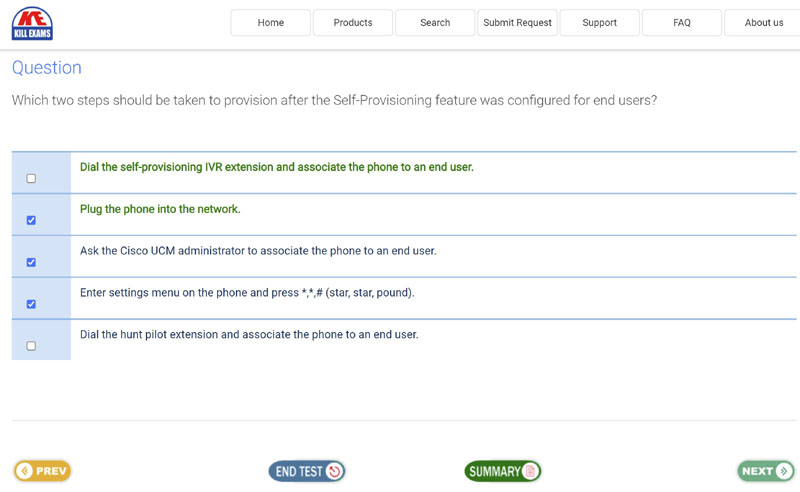
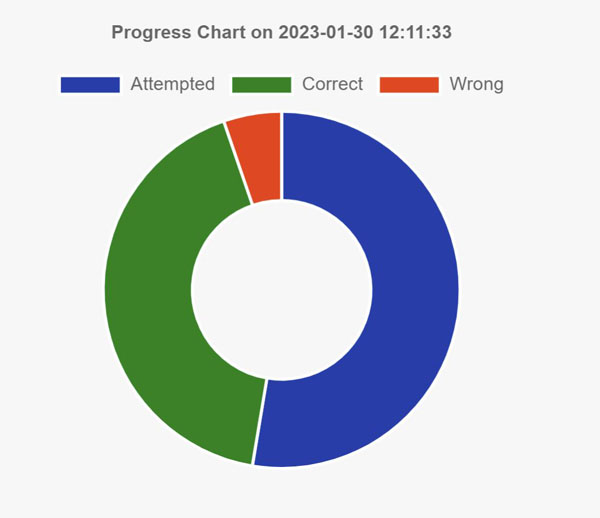
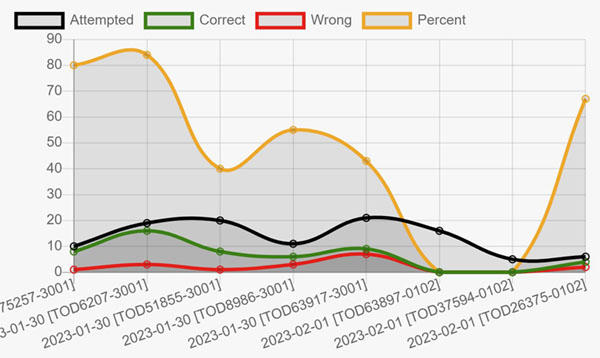
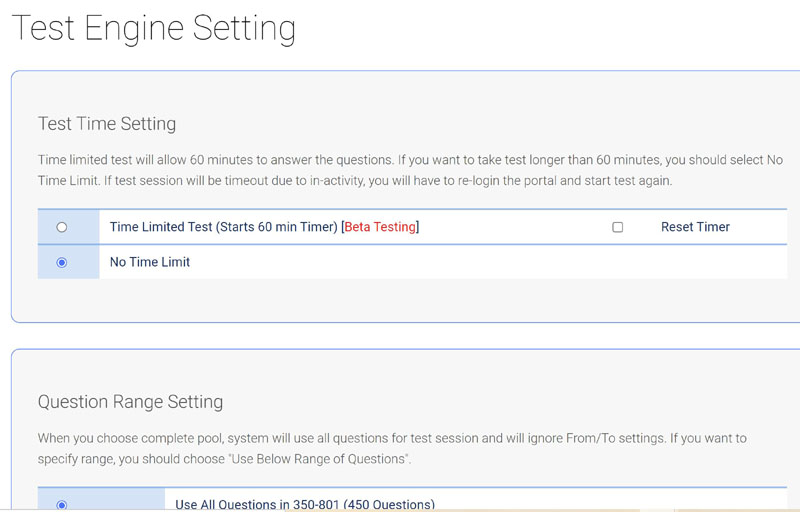
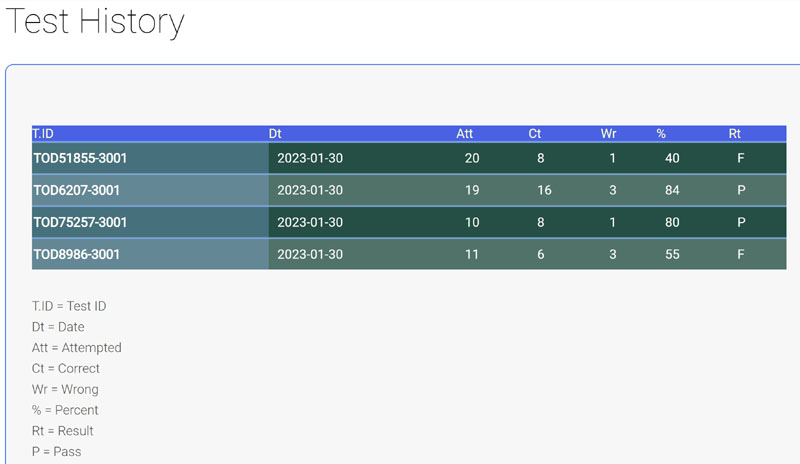
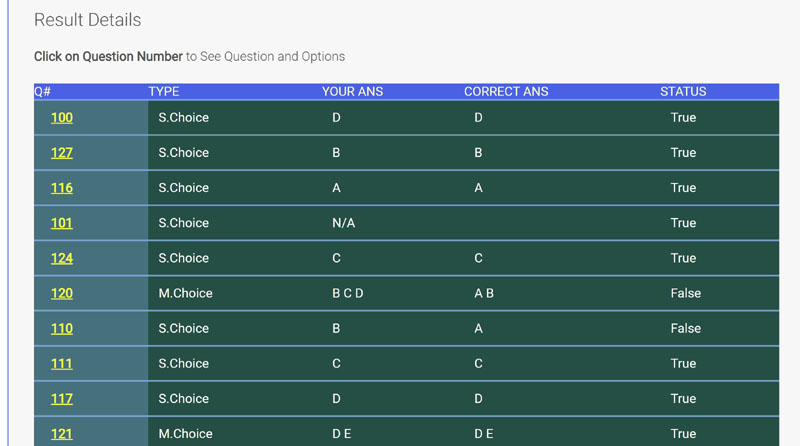
The Online Test Engine maintains practice history, performance summaries, and visual progress reports. Where available, questions may include explanations or reference information to support better understanding of exam topics. Content is reviewed and updated periodically to reflect relevant syllabus changes and maintain consistency with exam objectives.
Desktop Test Engine
| Exam Questions | 745 (Complete Set) |
| Software Version | 2026 |
| Access | Unlimited |
| Latest Update | November 19, 2026 |
| Access Activation | Instant (5 to 10 min.) |
| Supported OS | Windows (All Versions) |
| Delivery Method | Username / Password |
| Test Engine Trial Software | Killexams Test Engine 2026 |
The Killexams Desktop Test Engine (version 2026) is a dedicated test preparation software designed to support candidates preparing for the CEDS exam. The simulator provides a structured desktop based practice environment that allows users to work through exam style questions and review their performance in detail.
By practicing with the Certified e-Discovery Specialist Canada Exam Simulator, candidates can become familiar with question formats, exam navigation, and time based testing conditions similar to those used in official exams. This experience helps users build confidence across testing environment, time management, exam topics and identify areas that may require additional study.
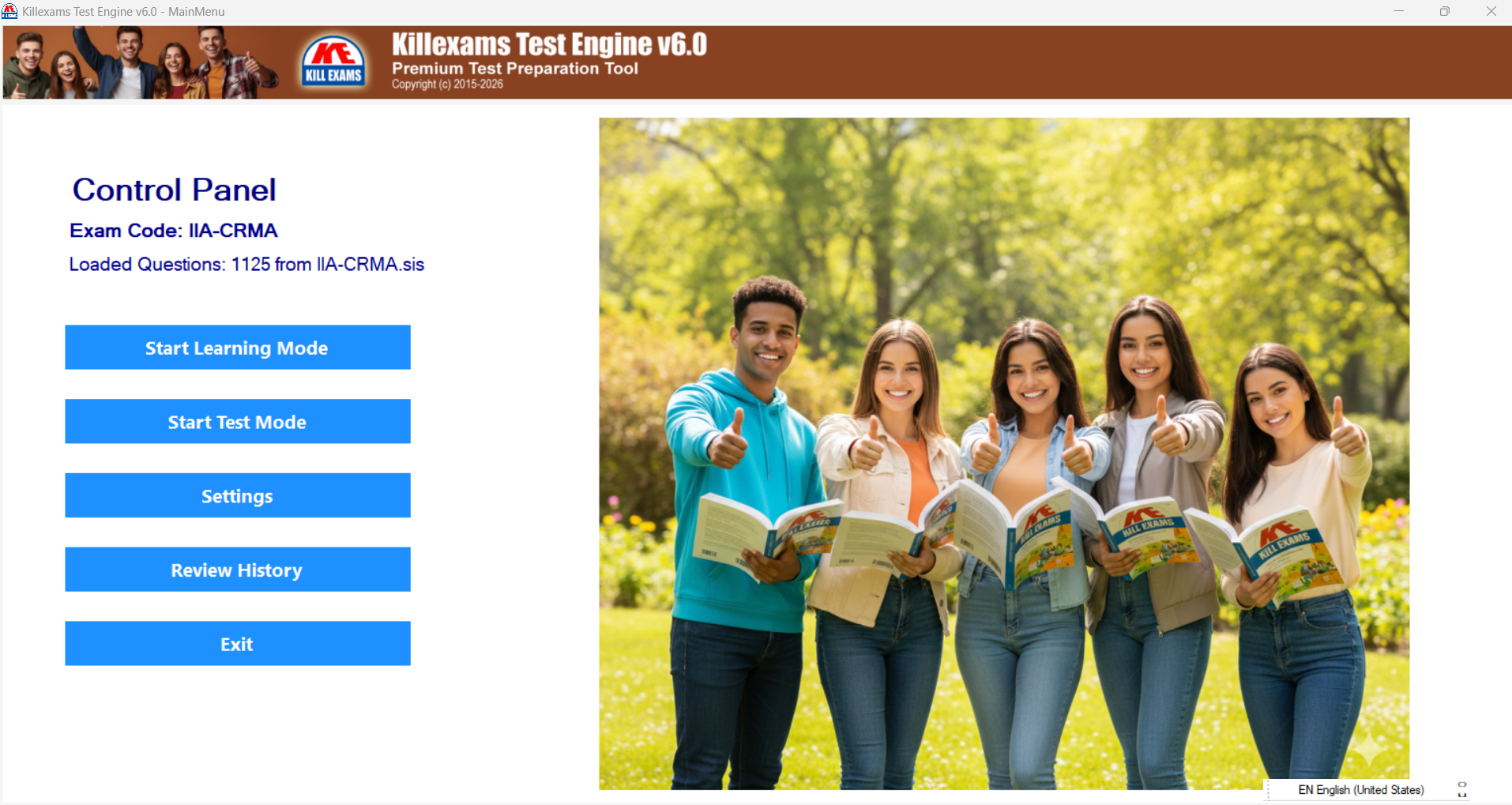

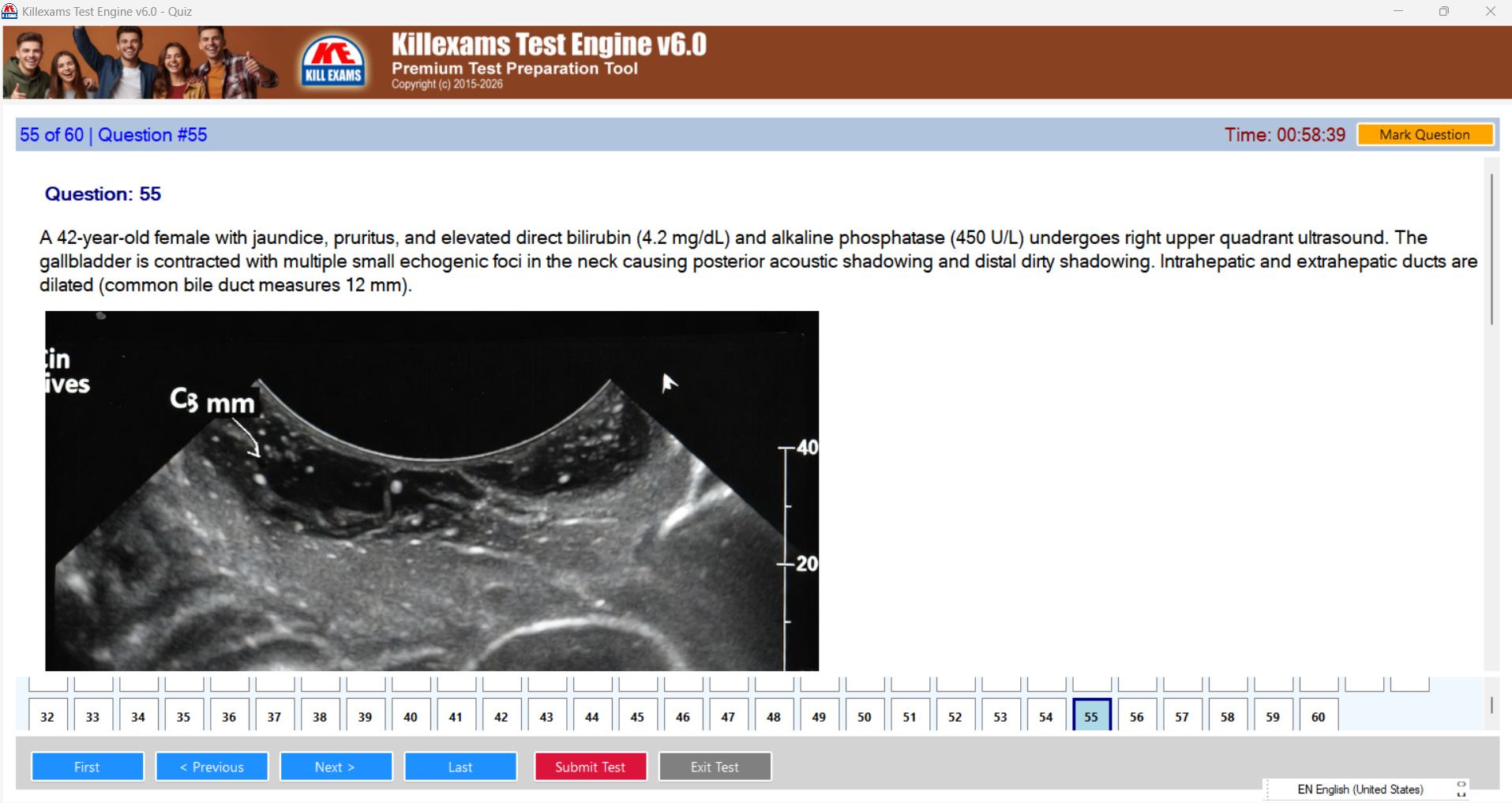
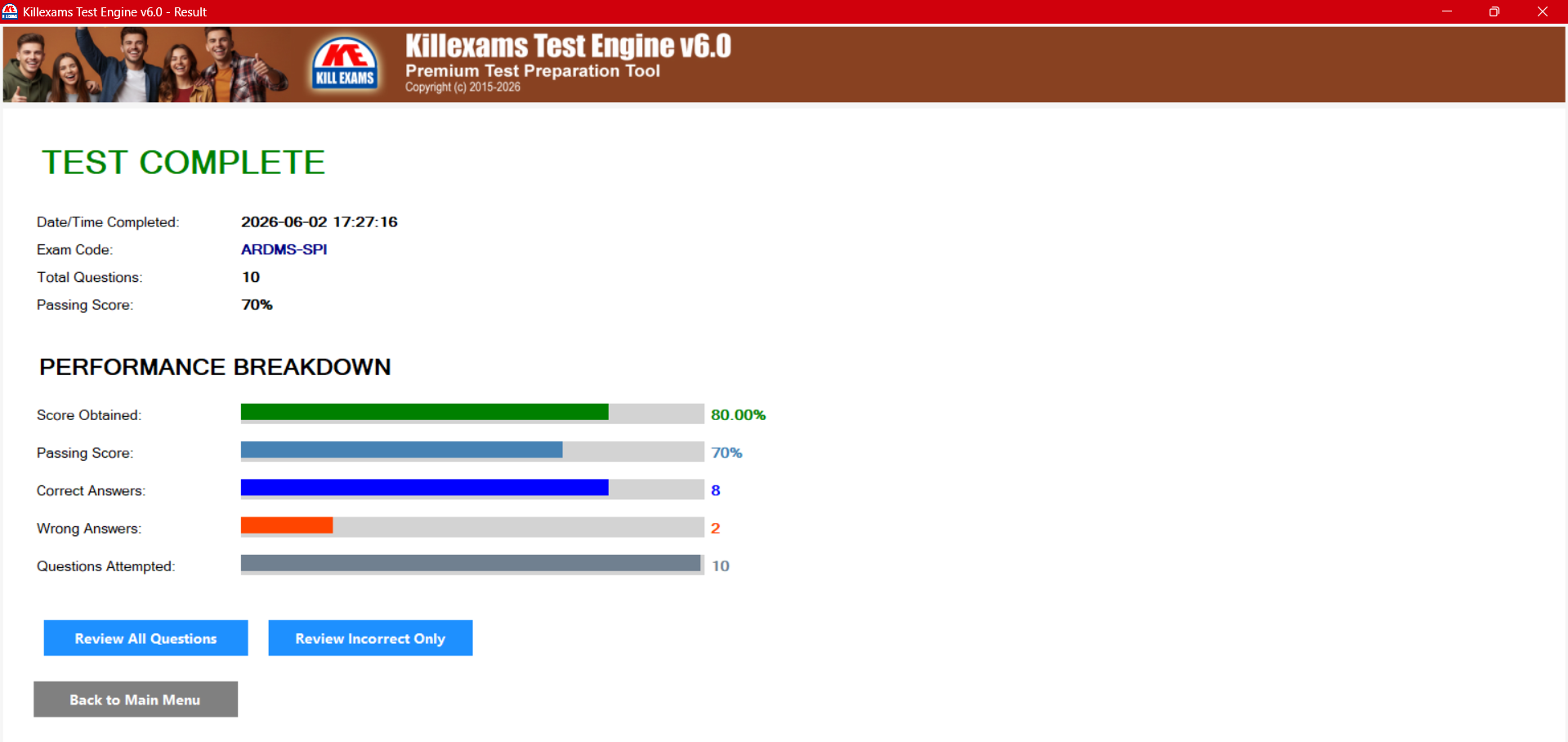

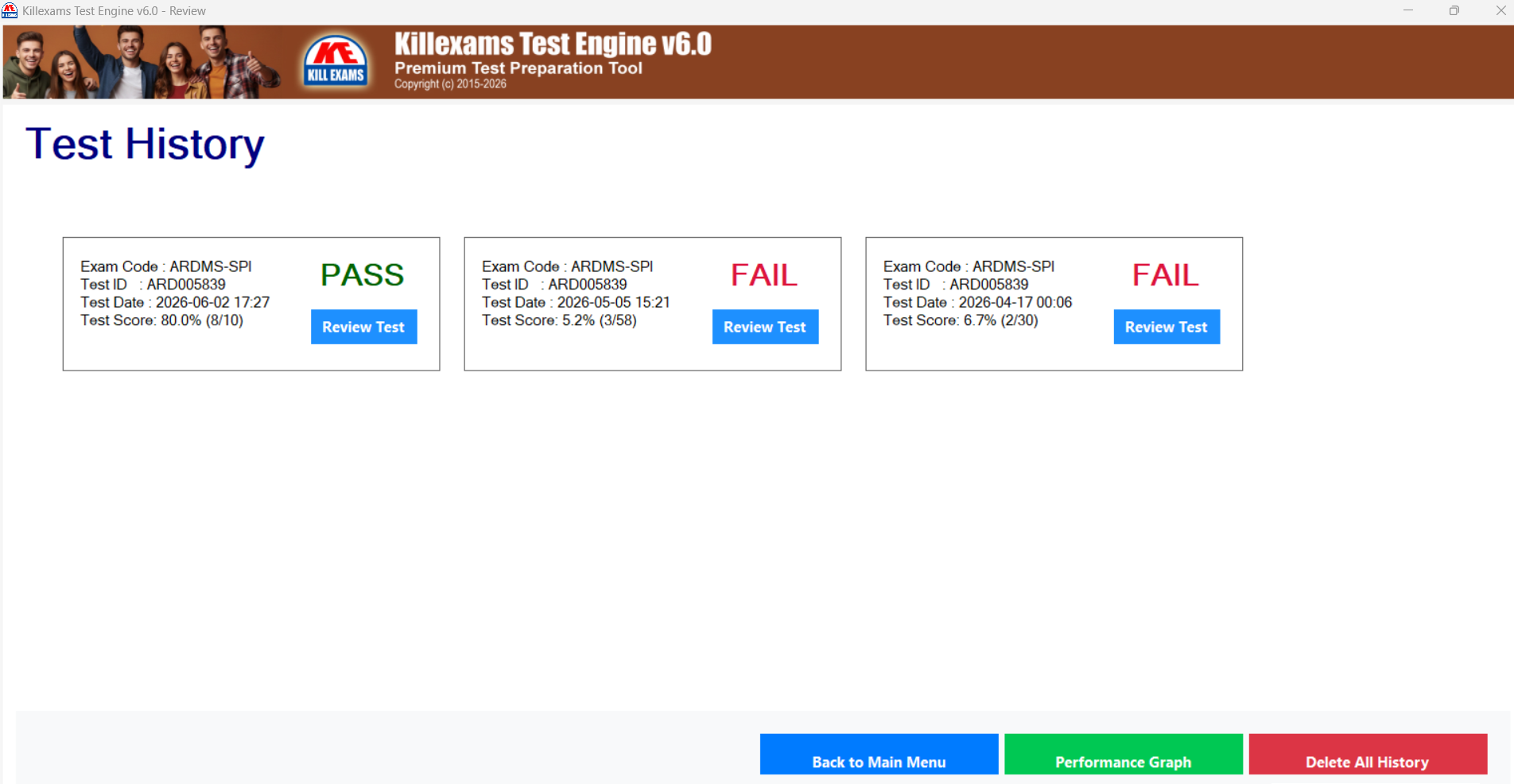
The Desktop Exam Simulator records practice history, performance summaries, and graphical progress reports. Where available, questions may include explanations or reference information to support understanding of correct and incorrect answers. The simulator content is reviewed and updated periodically to remain aligned with current exam objectives and syllabus requirements.
|
3 Months Update
|
6 Months Update
|
12 Months Update
|
|
|---|---|---|---|
What is 3 Months Update?
During 3 months, all future updates in PDF and Test Engine will be provided in your MyAccount with download links. An Intimation email on each update will be sent to you to re-download the updated exam files.
|
What is 6 Months Update?
During 6 months, all future updates in PDF and Test Engine will be provided in your MyAccount with download links. An Intimation email on each update will be sent to you to re-download the updated exam files.
|
What is 12 Months Update?
During 12 months, all future updates in PDF and Test Engine will be provided in your MyAccount with download links. An Intimation email on each update will be sent to you to re-download the updated exam files.
|
|
| Files | PDF / Test Engines | PDF / Test Engines | PDF / Test Engines |
| Premium Access | ✔ | ✔ | ✔ |
| Online Test Engine | ✔ | ✔ | ✔ |
| Instant Download Access | ✔ | ✔ | ✔ |
| Comprehensive Q&A | ✔ | ✔ | ✔ |
| Latest Topics | ✔ | ✔ | ✔ |
| Updated Regularly | ✔ | ✔ | ✔ |
| Portable Files | ✔ | ✔ | ✔ |
| Unlimited Download | ✔ | ✔ | ✔ |
| 100% Secured | ✔ | ✔ | ✔ |
| Confidentiality | 100% | 100% | 100% |
| Syllabus Coverage | Latest | Latest | Latest |
| Any Hidden Cost | No | No | No |
| Auto Renewal | No | No | No |
| Updates Intimation | by Email | by Email | by Email |
| Technical Support | Free | Free | Free |
| PDF Compatibility | Windows, Mac, Android, iOS, Linux | Windows, Mac, Android, iOS, Linux | Windows, Mac, Android, iOS, Linux |
| Desktop Test Engine Compatibility | Windows All Versions | Windows All Versions | Windows All Versions |
| Online Test Engine Compatibility | Mac / Windows / Android / iOS / Linux | Mac / Windows / Android / iOS / Linux | Mac / Windows / Android / iOS / Linux |
CEDS Exam Format | Course Contents | Course Outline | Exam Syllabus | Exam Objectives
Format: The CEDS Canada exam consists of 145 multiple-choice questions- each with four answer options. The questions are scenario-based- reflecting real-world e-discovery challenges.
Duration: Candidates are allotted 4 hours to complete the exam.
Passing Score: The passing score is 69.6% (approximately 101 correct answers out of 145).
Availability: The exam is available year-round at dozens of ACEDS-Kryterion Testing Centers across Canada.
The Certified E-Discovery Specialist (CEDS) Canada certification- offered by the Association of Certified E-Discovery Specialists (ACEDS)- is designed to validate the skills and knowledge of legal professionals in the e-discovery process- tailored specifically to Canadian legal practices and regulations. The CEDS Canada exam covers a comprehensive range of topics across the Electronic Discovery Reference Model (EDRM) and related disciplines. Below is a detailed breakdown of the key topics and associated terminologies- based on available information and the structure of the CEDS program.
Key Topics and Terminologies for the CEDS Canada ExamThe CEDS Canada exam probes 15 e-discovery fields- selected by a global taskforce and validated through an ACEDS-sponsored worldwide survey. The exam consists of 145 multiple-choice- scenario-based questions- covering the entire e-discovery lifecycle- Canadian legal frameworks- and practical applications. Below are the primary topics and their associated terminologies:
1. Information Governance
- Information Governance (IG): A framework for managing information assets to support organizational objectives while ensuring compliance.
- Data Retention Policy: Rules defining how long data must be kept and when it should be deleted.
- Data Map: A catalog of data sources- locations- and types within an organization.
- Records Management: Systematic control of the creation- maintenance- and disposal of records.
- Data Privacy: Compliance with laws like the Personal Information Protection and Electronic Documents Act (PIPEDA) in Canada.
- Spoliation: The intentional or negligent destruction or alteration of evidence- which can lead to legal sanctions.
2. Litigation Readiness and Project Planning
- Litigation Hold: A process to preserve relevant ESI when litigation is anticipated.
- Legal Hold Notification: Communication to custodians to preserve relevant data.
- E-Discovery Project Plan: A structured approach to managing e-discovery tasks- timelines- and resources.
- Custodian: An individual who has control over potentially relevant ESI.
- Preservation Obligation: The legal duty to preserve evidence once litigation is reasonably anticipated.
3. Identification and Preservation of ESI
- Electronically Stored Information (ESI): Digital data that may be relevant in litigation (e.g.- emails- documents- databases).
- Data Sources: Locations where ESI resides- such as cloud storage- email servers- or mobile devices.
- Chain of Custody: Documentation ensuring the integrity of ESI from collection to production.
- Data Preservation: Steps to ensure ESI is not altered or deleted during litigation.
- Metadata: Data about data- such as creation dates- authors- or file locations- critical for e-discovery.
4. Collection of ESI
- Forensic Collection: Collecting ESI in a way that preserves its integrity and authenticity.
- Data Extraction: Retrieving data from systems or devices for e-discovery purposes.
- Custodian Interview: Discussions with data custodians to identify relevant ESI sources.
- Remote Collection: Gathering ESI from devices or systems without physical access.
- Write Blocker: A tool to prevent alteration of data during collection.
5. Processing and Data Reduction
- Deduplication: Removing duplicate copies of documents to reduce review volume.
- Data Filtering: Applying criteria (e.g.- date ranges- keywords) to reduce irrelevant ESI.
- Native Format: The original file format of ESI (e.g.- .docx- .pdf).
- Text Extraction: Converting ESI into searchable text for analysis.
- Near-Duplicate Detection: Identifying documents with minor differences to streamline review.
6. Review and Analysis
- Technology-Assisted Review (TAR): Using machine learning or AI to prioritize or categorize documents for review.
- Predictive Coding: A form of TAR where algorithms rank documents based on relevance.
- Privilege Log: A list of documents withheld from production due to privilege (e.g.- solicitor-client privilege).
- Redaction: Removing sensitive or privileged information from documents before production.
- Relevance: Determining whether ESI is pertinent to the case based on discovery requests.
7. Production and Presentation
- Production Format: The format in which ESI is delivered (e.g.- PDF- TIFF- native).
- Load File: A file containing metadata and links to produced documents for use in e-discovery platforms.
- Bates Numbering: A system for uniquely identifying documents in discovery.
- Clawback Agreement: An agreement allowing parties to retrieve inadvertently produced privileged documents.
- Admissibility: Ensuring ESI meets legal standards for use in court.
8. International Discovery and Cross-Border Issues
- General Data Protection Regulation (GDPR): EU regulation impacting cross-border discovery involving personal data.
- PIPEDA: Canada’s federal privacy law governing the collection- use- and disclosure of personal information.
- Blocking Statutes: Laws in some jurisdictions that restrict the transfer of data for discovery.
- Data Sovereignty: The concept that data is subject to the laws of the country where it resides.
- Hague Convention: An international treaty facilitating cross-border evidence collection.
9. Ethics in E-Discovery
- Technical Competence: The ethical duty to understand e-discovery technologies and processes.
- Solicitor-Client Privilege: Protection of communications between lawyers and clients in Canada.
- Duty of Candor: The obligation to be honest with the court regarding discovery processes.
- Proportionality: Balancing the cost and burden of e-discovery with the needs of the case.
- Sanctions: Penalties for failing to meet e-discovery obligations- such as spoliation.
10. Canadian Legal Framework
- Sedona Canada Principles: Guidelines for managing e-discovery in Canada- emphasizing proportionality and cooperation.
- Rules of Civil Procedure: Provincial rules (e.g.- Ontario’s Rules of Civil Procedure) governing discovery processes.
- Case Law: Key Canadian cases- such as Leduc v. Roman (2009)- shaping e-discovery practices.
- Proportionality Principle: A Canadian legal standard ensuring discovery is reasonable relative to the case’s scope.
- Discovery Plan: A court-approved plan outlining the scope and process of e-discovery.
11. Technology and Tools
- E-Discovery Platforms: Tools like Relativity- Everlaw- or Reveal for managing ESI.
- Cloud-Based Discovery: Using cloud platforms for storing and reviewing ESI.
- Search Terms: Keywords or Boolean queries used to identify relevant ESI.
- Analytics: Tools for visualizing data patterns or relationships in ESI.
- Encryption: Securing ESI during transfer or storage to protect confidentiality.
12. Cost and Risk Management
- Cost Shifting: Requesting the opposing party to bear certain e-discovery costs.
- Budgeting: Estimating and managing e-discovery expenses.
- Risk Assessment: Evaluating potential legal or technical risks in e-discovery.
- Defensibility: Ensuring e-discovery processes can withstand legal scrutiny.
- Quality Control: Measures to ensure accuracy and completeness in e-discovery tasks.
13. Data Privacy and Cybersecurity
- Data Breach: Unauthorized access or disclosure of ESI.
- Encryption Standards: Protocols like AES-256 for securing ESI.
- Privacy Impact Assessment (PIA): Evaluating how e-discovery affects data privacy.
- Cybersecurity Protocols: Measures to protect ESI from unauthorized access.
- Anonymization: Removing personally identifiable information from ESI.
14. Case Management and Collaboration
- E-Discovery Team: Multidisciplinary team including lawyers- IT- and litigation support professionals.
- Vendor Management: Overseeing third-party e-discovery service providers.
- Collaboration Tools: Platforms like Microsoft Teams or Slack for team coordination.
- Project Management: Applying methodologies like PMI to e-discovery projects.
- Stakeholder Communication: Engaging clients- courts- and opposing counsel in e-discovery.
15. Emerging Trends and Technologies
- Artificial Intelligence (AI): Using AI for tasks like predictive coding or document clustering.
- Machine Learning: Algorithms that improve e-discovery efficiency through pattern recognition.
- Continuous Active Learning (CAL): A TAR method that continuously refines document prioritization.
- Cloud Computing: Storing and processing ESI in cloud environments.
- Blockchain: Emerging technology for ensuring data integrity in e-discovery.
Syllabus
1. Information Management and Litigation Readiness
- Records and Information Management Policies and Practices
- Disaster Recovery Storage Media
- Elements of a Litigation Hold Protocol
- Tracking and Releasing Litigation Holds
- Managing the Litigation Hold
2. Project Planning
- Building the E-Discovery Team
- Challenges of Third-Party Hosted and Stored Electronically Stored Information
3. Litigation Hold Implementation
- Determining the Sources of Electronically Stored Information
- Elements of a Legal Hold Implementation Plan
- Effecting the Litigation Hold on Electronically Stored Information Storage Locations
- Elements of a Legal Hold Notice
- Implementing the Legal Hold Notice
4. Collection Planning and Implementation
- Managing Electronically Stored Information Collection from Servers and Clients
- Understanding Electronically Stored Information Collections Resources and Methods
- Validating Collection of Electronically Stored Information
- Not Reasonably Accessible Electronically Stored Information
- Determining if Electronically Stored Information Is Reasonably Stored
5. Data Processing
- Understanding How to Validate Your Process Data
- Evaluating Data Processing Tools and Resources
6. Data Culling
- Understanding Deduplication and Its Application
- Understanding How Culling Eliminates Irrelevant Electronically Stored Information
7. Review Planning
- Creating and Understanding Electronically Stored Information Review Sets
- Using Search Methods to Create Recovery Sets
- How to Validate the Review Set Protocols
- Understanding Near-Duplication 7.5 Elements of a Privilege Review
- How to Build a Privilege Log
- Using Analytic Methods to Implement a Review Strategy
- Designing and Managing Document Review
- How to Use Coding in the Review Process
- Structuring and Allocating Review Resources
- Choosing the Review Team
8. Document Review
- Understanding the Document Review Process
- Managing the Document Review Team
- Training Document Reviewers
- Validating the Document Review
- The Coding Frame for a Document Review Project
9. Data Production
- Understanding Data Production Formats and Delivery
- Metadata and Its Significance for the Production of Electronically Stored Information
10. Project Management
- Designing- Implementing- and Documenting the E-Discovery Project
- Legal Framework and Obligation
- Legal Holds and Data Preservation
- Legal Consequences of Preservation Failures
- Preservation Disclosures Under the US Federal Rules of Civil Procedure
- Preparing With Your Client for the E-Discovery Meet and Confer Conference
- Electronically Stored Information Topics of the Meet and Confer Conference
- Costs and E-Discovery: Understanding Who Pays For What
- Litigation Counsel’s E-Discovery Duties and Responsibilities
- Responding to the Subpoena for Electronically Stored Information
- Understanding the Risks of Data Deletion in Automated Information Systems
- Producing Data in Reasonably Useable Formats
- Negotiating the Data Production Format
- The Protocol for a Forensic Inspections
- Protections Against and Remedies for Inadvertent Production
- The Electronically Stored Information Deposition of an IT Representative
Reviews (1)2.00 Overall
★★★★★
0%
★★★★
0%
★★★
0%
★★
100%
★
0%
|
Submit ReviewYou must be logged in to submit a review. Sign In to Submit Review |
Customer Reviews
CEDS Exam FAQs
How many questions are on the CEDS exam?
The CEDS exam has 145 multiple choice questions.
How long is the CEDS exam?
You have 4 hours to complete the CEDS exam.
What is the passing score for CEDS?
For the CEDS exam: the passing score is 69.6% (approximately 101 correct answers out of 145).
What topics does the CEDS exam cover, and how are they weighted?
The CEDS exam covers 6 sections: Information Governance; Preservation and Collection; Processing and Review; Production; Project Management; Legal Framework.
How should I prepare for CEDS?
Start with the official CEDS exam outline and study materials from ACEDS, then build exam readiness with timed practice. A killexams.com premium account gives you the full pool of 745 CEDS practice questions and answers in PDF and Test Engine formats, so you can practice every objective and review the answers before exam day.
How long does it take to prepare for CEDS?
At a steady pace of 100 practice questions a day, working through all 745 CEDS questions takes about 8 days. Add extra days to repeat the questions you got wrong.
Is CEDS hard? Who is it for?
The Certified E Discovery Specialist credential from ACEDS recognizes legal professionals who manage electronically stored information in litigation and investigations.
How many practice questions do you have for CEDS?
The killexams.com CEDS practice test contains 745 questions and answers.
Is there a free CEDS sample?
Yes. A free CEDS sample PDF is available on this page, so you can review the question style before you buy.
What formats are included in the CEDS practice test?
The CEDS practice test is available as a PDF, an Online Test Engine and a Desktop Test Engine.
Do the CEDS practice questions cover the current exam objectives?
Yes. The CEDS practice questions cover the complete syllabus and current exam objectives.
How do I get the files after purchase, and how long is access valid?
Your MyAccount login details are delivered by email. You can download the files from the member area until your account expires, after 3, 6 or 12 months depending on the plan you bought.
Can I use the CEDS Test Engine on Mac or mobile?
Yes, with the Online Test Engine, which runs on Mac, iOS, Android, Linux and other platforms. The Desktop Test Engine is for Windows only.
What if I fail the CEDS exam after using your material?
You can choose one of three options: 1) a refund, 2) a free 3-month account extension, or 3) a new exam of your choice.
How many practice questions are available for CEDS?
The CEDS practice test contains 745 practice questions and answers covering the current exam objectives.
What formats are available for CEDS preparation?
The CEDS practice test is available as PDF, Online Test Engine, Desktop Test Engine. All formats can be downloaded instantly after purchase.
Is there a free CEDS sample?
Yes. You can preview and download a free CEDS sample PDF on this page before you buy.