
CEN Exam Questions PDF
| Questions and Answers | 1126 (Complete Set) |
| File Format | |
| Latest Update | November 17, 2026 |
| Files Delivery | Instant (5 to 10 min.) |
| Compatibility | All Desktop and Mobile Devices |
| Delivery Method | Download Account |
The Certified Emergency Nurse credential from BCEN is the leading certification for emergency nurses. It covers cardiovascular, respiratory, neurological, gastrointestinal, genitourinary, obstetric, psychosocial, medical, maxillofacial, ocular, orthopedic, wound and environmental emergencies, toxicology, communicable diseases and professional issues.
The Board of Certification for Emergency Nursing offers specialty certifications for emergency, pediatric emergency, flight, transport, trauma and burn nurses. BCEN exams are accredited and are built from practice analyses of nurses working in each specialty.
The Certified Emergency Nurse credential suits nurses who already work in the specialty and want formal recognition of their knowledge. Preparing for it is also a structured way to refresh evidence based practice, since the exam blueprint reflects what experienced nurses in the field actually do day to day.
For many nurses, Certified Emergency Nurse is a career milestone that opens doors to charge, educator or advanced roles. The exam is written from a practice analysis of working nurses, so its questions focus on realistic patient situations and priority decisions rather than obscure facts.
The topic areas are broad, so it helps to look inside them. The Cardiovascular Emergencies area includes ACS and dysrhythmias. Questions on Respiratory Emergencies typically involve asthma and PE. Neurological Emergencies covers stroke and seizure. Within GI, GU, GYN and Obstetric, candidates should be comfortable with bleeding and pregnancy.
Preparing for the CEN exam requires not only understanding the exam topics but also practicing with exam style questions. Our Certified Emergency Nurse exam questions in practice tests help candidates review key concepts and familiarize themselves with the format and difficulty of exam.
At Killexams.com, our team works to maintain up-to-date practice content for exam preparation. We continuously review and refine our question sets and explanations to cover the latest relevant syllabus areas and help learners strengthen their understanding of core topics before facing the official exam. These Practice tests allow you to identify areas where you need improvement by measuring your readiness, and provide you exam questions to polish those areas.
CEN Exam Questions Preview
The CEN exam has 175 questions, 150 scored, over three hours.
For CEN, a simple schedule built on the outline avoids gaps. Allow roughly 8 weeks, giving each major area its own block: begin with Cardiovascular Emergencies, continue with Respiratory Emergencies; Neurological Emergencies; and GI, GU, GYN and Obstetric, and finish with Psychosocial and Medical; Maxillofacial, Ocular, Orthopedic and Wound; and Environment and Toxicology. Summarize every area on a single page and use those pages for quick revision before the exam. Close your preparation with at least two complete timed practice sessions and a careful review of every missed question.
A good routine for CEN is to read one topic area, then answer twenty to thirty practice questions on it the same day. Review rationales carefully, especially for medications and lab values, and keep a short list of facts you keep missing. Two weeks before the exam, switch to mixed timed sets.
Use your own clinical experience as a study aid for CEN. When you meet a topic in the blueprint, recall a real patient and how the care went, then compare it with guideline recommendations. This makes scenario questions feel familiar rather than abstract.
| Detail | Information |
|---|---|
| Questions | 175 (150 scored) |
| Duration | 3 hours |
| Provider | BCEN |
To help you evaluate our material, you may download free sample pdf with example questions and answers that we provide. This sample allows you to review content and approach before deciding on Premium materials..
The Certified Emergency Nurse practice test files contains 1126 Questions, are compatible with multiple devices, including Windows, macOS, iOS, and Android, and can be used for both online and offline study. The PDF format is printable, making it easy to study during travel or when away from a computer. Access to updated materials is available through your online account.
After purchase, you will receive your username and password immediately, allowing you to log in and download your study files without delay. Our goal is to support exam preparation at your pace with practice content designed for reinforcement and understanding of key concepts.
Killexams.com CEN questions and answers cover emergency nursing with explanations.
Killexams.com CEN practice sets cover Cardiovascular Emergencies; Respiratory Emergencies; Neurological Emergencies; and GI, GU, GYN and Obstetric, so each study session maps directly to a part of the exam. Updates are added when the syllabus changes, so your practice stays aligned with the current version of the exam.
Killexams.com keeps the CEN question bank current by reviewing it when the exam outline changes, and each question includes an explanation so you learn the reasoning, not just the answer. The practice test can be repeated with questions in a different order, which helps you focus on understanding rather than memorizing positions.
Candidates who use the killexams.com CEN question bank often begin with a diagnostic session to see which sections need the most attention, then return to those sections repeatedly before taking a final full length practice test.
Online Test Engine
| Exam Questions | 1126 (Complete Set) |
| Testing Limit | Unlimited |
| Access Type | Online |
| Latest Update | November 17, 2026 |
| Access Activation | Instant (5 to 10 min.) |
| Supported OS | Mac, Windows, Android, iPhone / iPad, Linux |
| Delivery Method | Username / Password |
Killexams.com provides an Online Test Engine designed to help candidates practice exam questions in a structured and interactive environment. The Test Engine is compatible with iPhone, iPad, Android, Windows, and Mac, allowing you to study and practice on the device that best fits your schedule.
The CEN Online Test Engine enables candidates to simulate exam-style practice sessions, review answers, and track progress over time. This learning approach helps users practice exam questions, question formats and improve time management while preparing for the Certified Emergency Nurse exam.
The Test Engine includes features that support effective learning, such as customizable practice sessions, question review modes, and progress tracking. These tools are designed to assist candidates in identifying knowledge gaps and reinforcing key concepts through repeated practice rather than memorization alone.
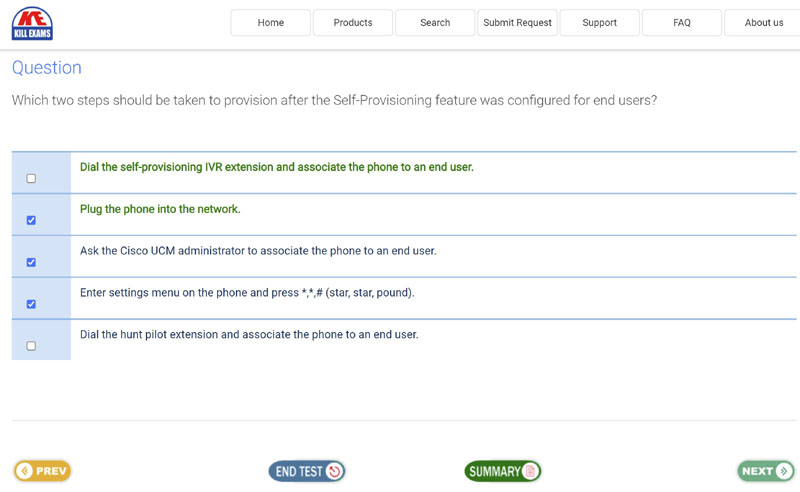
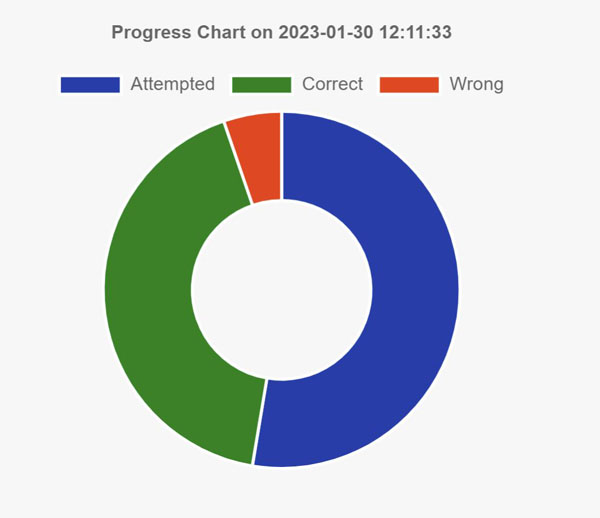
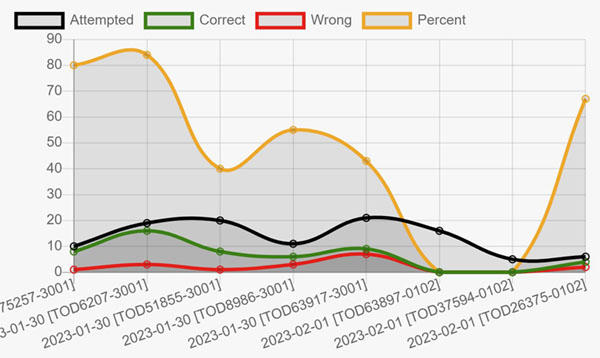
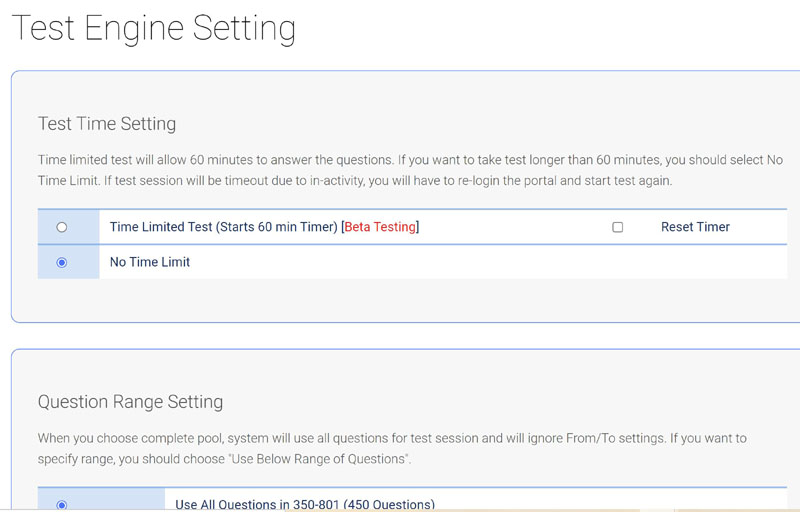
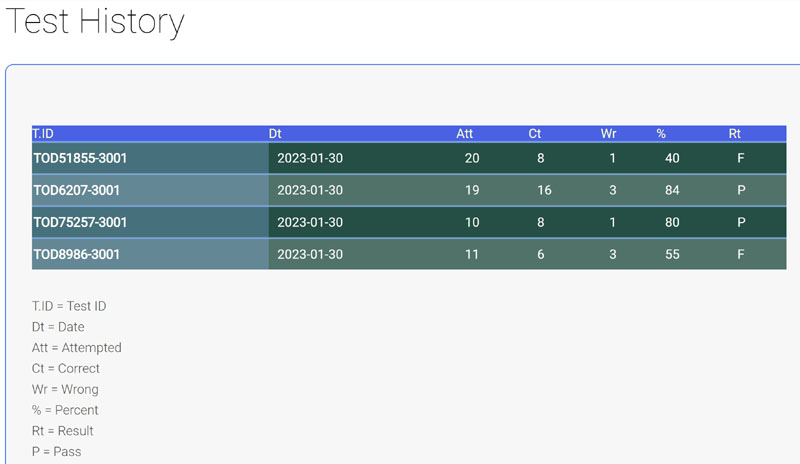
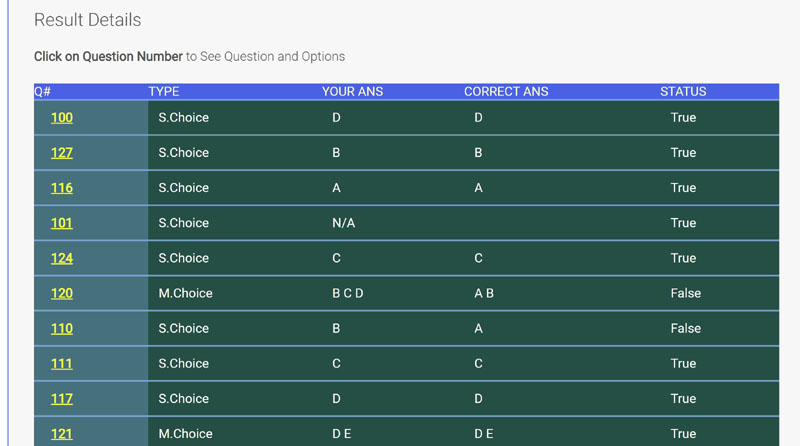
The Online Test Engine maintains practice history, performance summaries, and visual progress reports. Where available, questions may include explanations or reference information to support better understanding of exam topics. Content is reviewed and updated periodically to reflect relevant syllabus changes and maintain consistency with exam objectives.
Desktop Test Engine
| Exam Questions | 1126 (Complete Set) |
| Software Version | 2026 |
| Access | Unlimited |
| Latest Update | November 17, 2026 |
| Access Activation | Instant (5 to 10 min.) |
| Supported OS | Windows (All Versions) |
| Delivery Method | Username / Password |
| Test Engine Trial Software | Killexams Test Engine 2026 |
The Killexams Desktop Test Engine (version 2026) is a dedicated test preparation software designed to support candidates preparing for the CEN exam. The simulator provides a structured desktop based practice environment that allows users to work through exam style questions and review their performance in detail.
By practicing with the Certified Emergency Nurse Exam Simulator, candidates can become familiar with question formats, exam navigation, and time based testing conditions similar to those used in official exams. This experience helps users build confidence across testing environment, time management, exam topics and identify areas that may require additional study.


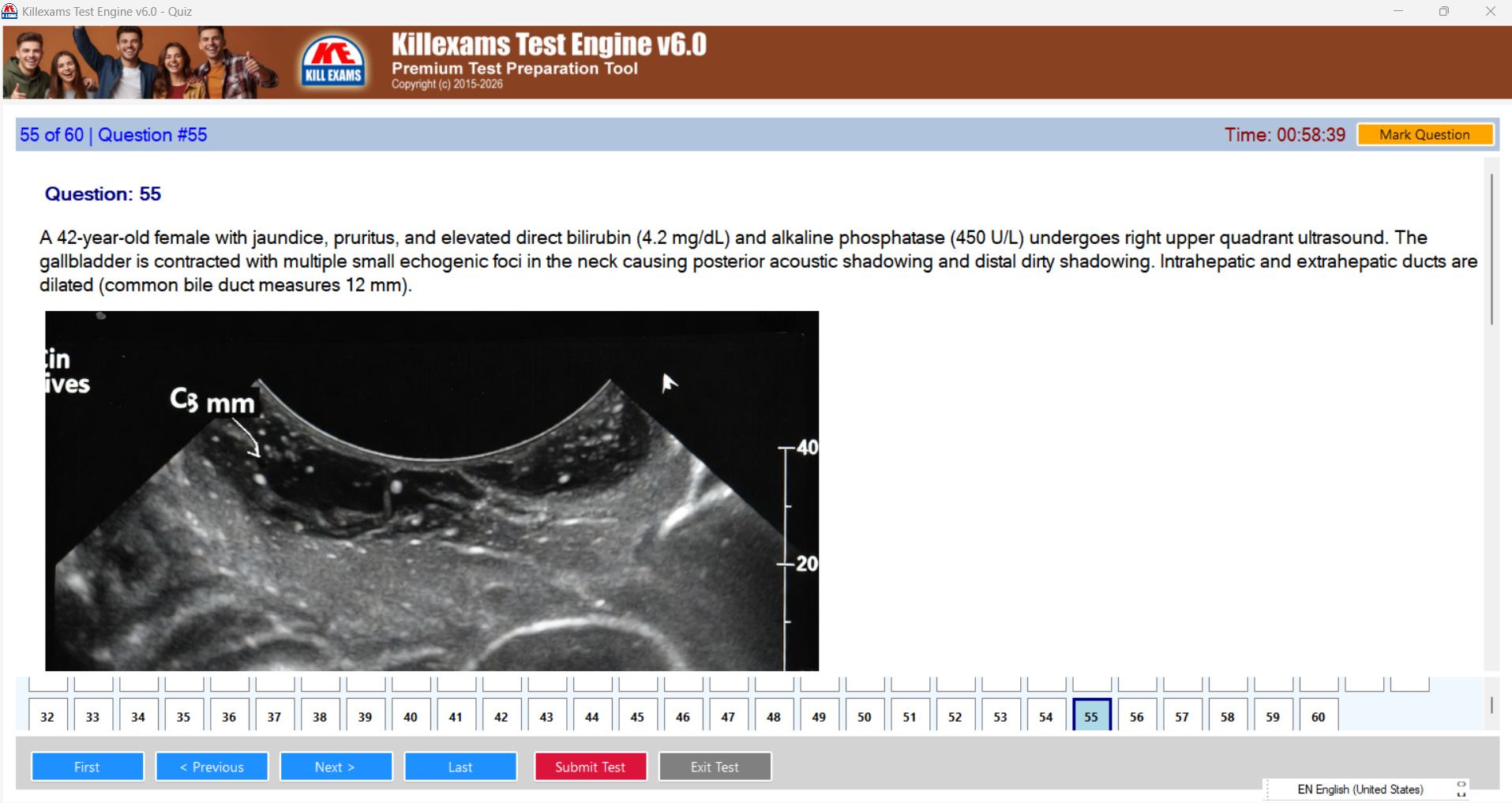
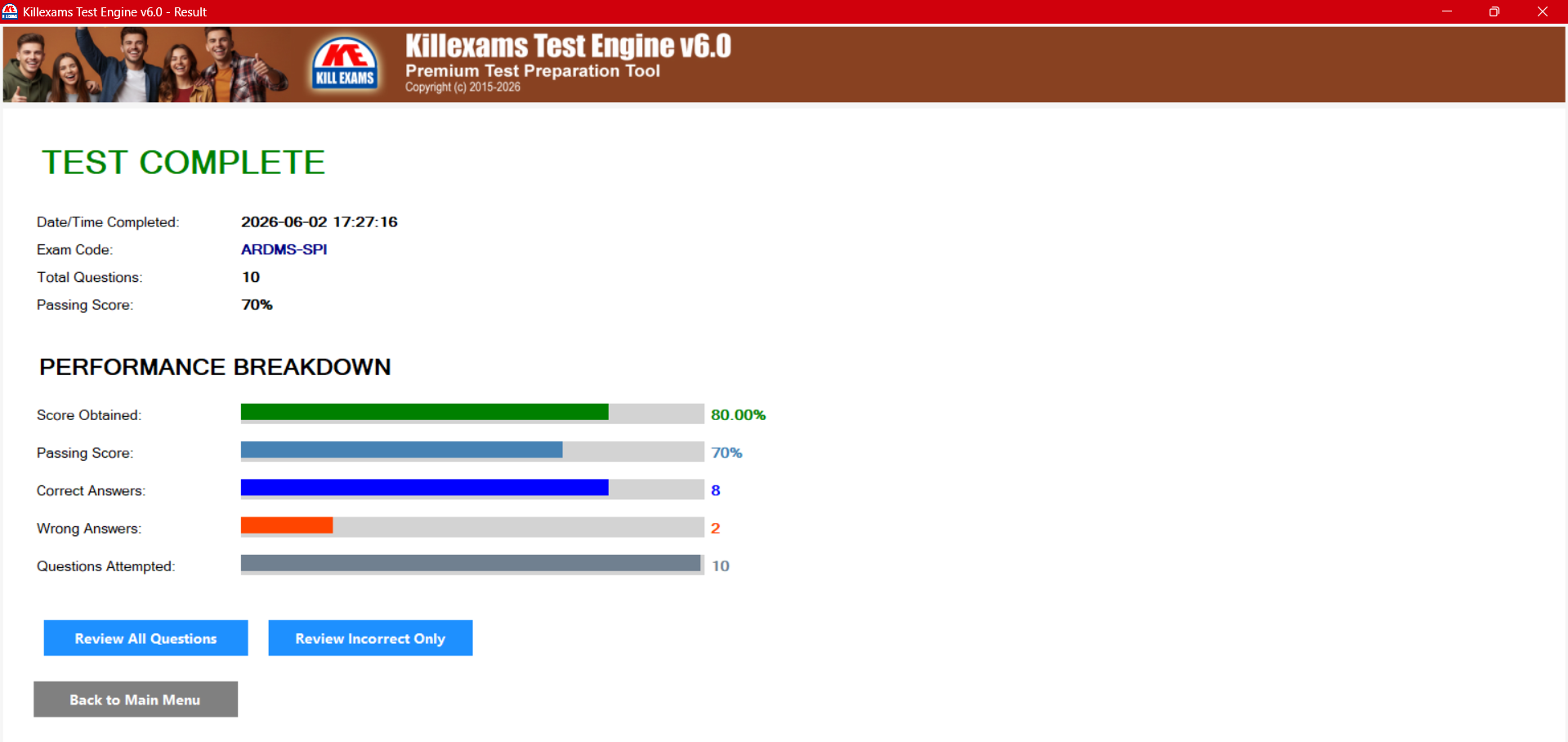

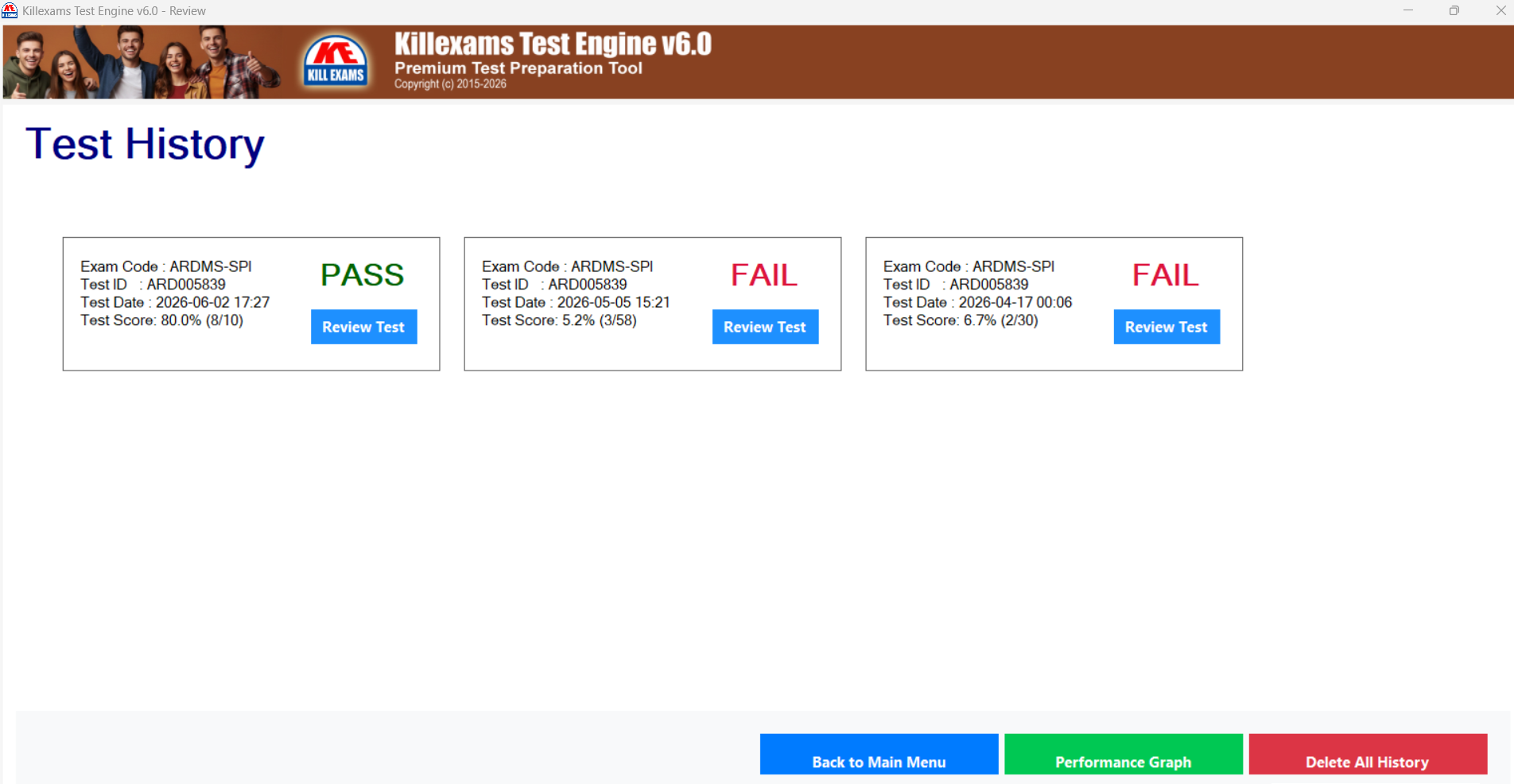
The Desktop Exam Simulator records practice history, performance summaries, and graphical progress reports. Where available, questions may include explanations or reference information to support understanding of correct and incorrect answers. The simulator content is reviewed and updated periodically to remain aligned with current exam objectives and syllabus requirements.
|
3 Months Update
|
6 Months Update
|
12 Months Update
|
|
|---|---|---|---|
What is 3 Months Update?
During 3 months, all future updates in PDF and Test Engine will be provided in your MyAccount with download links. An Intimation email on each update will be sent to you to re-download the updated exam files.
|
What is 6 Months Update?
During 6 months, all future updates in PDF and Test Engine will be provided in your MyAccount with download links. An Intimation email on each update will be sent to you to re-download the updated exam files.
|
What is 12 Months Update?
During 12 months, all future updates in PDF and Test Engine will be provided in your MyAccount with download links. An Intimation email on each update will be sent to you to re-download the updated exam files.
|
|
| Files | PDF / Test Engines | PDF / Test Engines | PDF / Test Engines |
| Premium Access | ✔ | ✔ | ✔ |
| Online Test Engine | ✔ | ✔ | ✔ |
| Instant Download Access | ✔ | ✔ | ✔ |
| Comprehensive Q&A | ✔ | ✔ | ✔ |
| Latest Topics | ✔ | ✔ | ✔ |
| Updated Regularly | ✔ | ✔ | ✔ |
| Portable Files | ✔ | ✔ | ✔ |
| Unlimited Download | ✔ | ✔ | ✔ |
| 100% Secured | ✔ | ✔ | ✔ |
| Confidentiality | 100% | 100% | 100% |
| Syllabus Coverage | Latest | Latest | Latest |
| Any Hidden Cost | No | No | No |
| Auto Renewal | No | No | No |
| Updates Intimation | by Email | by Email | by Email |
| Technical Support | Free | Free | Free |
| PDF Compatibility | Windows, Mac, Android, iOS, Linux | Windows, Mac, Android, iOS, Linux | Windows, Mac, Android, iOS, Linux |
| Desktop Test Engine Compatibility | Windows All Versions | Windows All Versions | Windows All Versions |
| Online Test Engine Compatibility | Mac / Windows / Android / iOS / Linux | Mac / Windows / Android / iOS / Linux | Mac / Windows / Android / iOS / Linux |
CEN Exam Format | Course Contents | Course Outline | Exam Syllabus | Exam Objectives
Killexams is the only source for emergency nursing professionals and their employers to obtain recognized certification with proven results for greater knowledge and performance. Enhance your knowledge- your career- and patient care with specialty certification in emergency nursing.
One of the more common questions we get from our customers is about the difference between a certification and a certificate. Here is the difference in a nutshell:
A certificate comes from an educational program where a certificate is awarded after the individual successfully completes the offering. Examples of certificates are Advanced Cardiac Life Support (ACLS) or Trauma Nursing Core Course (TNCC).
A certification- like the Certified Emergency Nurse (CEN) is an earned credential that demonstrates the individuals specialized knowledge and skills. Certification is awarded by a third-party organization- such as Board of Certification for Emergency Nursing. Individuals receive their certification after meeting strict eligibility requirements and successfully completing the required examination. In addition- certifications have ongoing requirements that must be meant to maintain the credential- ensuring the holder has maintained their level of expertise in the specialty area. Certifications are nationally recognized and are often utilized as part of the earners signature.
Earning professional certifications such as the CEN- CPEN- CFRN- CTRN and TCRN offered by BCEN- and completing certificate programs such as ACLS- PALS- ENCP and TNCC- are critical to the work emergency nurses do- but there are significant differences.
1. Cardiovascular Emergencies 20
A. Acute coronary syndrome
B. Aneurysm/dissection
C. Cardiopulmonary arrest
D. Dysrhythmias
E. Endocarditis
F. Heart failure
G. Hypertension
H. Pericardial tamponade
I. Pericarditis
J. Peripheral vascular disease (e.g.- arterial- venous)
K. Thromboembolic disease (e.g.- deep vein thrombosis [DVT])
L. Trauma
M. Shock (cardiogenic and obstructive)
2. Respiratory Emergencies 16
A. Aspiration
B. Asthma
C. Chronic obstructive pulmonary disease (COPD)
D. Infections
E. Inhalation injuries
F. Obstruction
G. Pleural effusion
H. Pneumothorax
I. Pulmonary edema- noncardiac
J. Pulmonary embolus
K. Respiratory distress syndrome
L. Trauma
3. Neurological Emergencies 16
A. Alzheimer's disease/dementia
B. Chronic neurological disorders (e.g.- multiple sclerosis- myasthenia gravis)
C. Guillain-Barré syndrome
D. Headache (e.g.- temporal arteritis-migraine)
E. Increased intracranial pressure (ICP)
F. Meningitis
G. Seizure disorders
H. Shunt dysfunctions
I. Spinal cord injuries- including neurogenic shock
J. Stroke (ischemic or hemorrhagic)
K. Transient ischemic attack (TIA)
L. Trauma
4. Gastrointestinal- Genitourinary- Gynecology- and Obstetrical Emergencies 21
A. Gastrointestinal
1. Acute abdomen (e.g.- peritonitis- appendicitis)
2. Bleeding
3. Cholecystitis
4. Cirrhosis
5. Diverticulitis
6. Esophageal varices
7. Esophagitis
8. Foreign bodies
9. Gastritis
10. Gastroenteritis
11. Hepatitis
12. Hernia
13. Inflammatory bowel disease
14. Intussusception
15. Obstructions
16. Pancreatitis
17. Trauma
18. Ulcers
B. Genitourinary
1. Foreign bodies
2. Infection (e.g.- urinary tract infection- pyelonephritis- epididymitis- orchiitis- STDs)
3. Priapism
4. Renal calculi
5. Testicular torsion
6. Trauma
7. Urinary retention
C. Gynecology
1. Bleeding/dysfunction (vaginal)
2. Foreign bodies
3. Hemorrhage
4. Infection (e.g.- discharge- pelvic inflammatory disease- STDs)
5. Ovarian cyst
6. Sexual assault/battery
7. Trauma
D. Obstetrical
1. Abruptio placenta
2. Ectopic pregnancy
3. Emergent delivery
4. Hemorrhage (e.g.- postpartum bleeding)
5. Hyperemesis gravidarum
6. Neonatal resuscitation
7. Placenta previa
8. Postpartum infection
9. Preeclampsia- eclampsia- HELLP syndrome
10. Preterm labor
11. Threatened/spontaneous abortion
12. Trauma
5. Psychosocial and Medical Emergencies 25
A. Psychosocial
1. Abuse and neglect
2. Aggressive/violent behavior
3. Anxiety/panic
4. Bipolar disorder
5. Depression
6. Homicidal ideation
7. Psychosis
8. Situational crisis (e.g.- job loss- relationship issues- unexpected death)
9. Suicidal ideation
B. Medical
1. Allergic reactions and anaphylaxis
2. Blood dyscrasias
a. Hemophilia
b. Other coagulopathies (e.g.- anticoagulant medications- thrombocytopenia)
c. Leukemia
d. Sickle cell crisis
3. Disseminated intravascular coagulation (DIC)
4. Electrolyte/fluid imbalance
5. Endocrine conditions:
a. Adrenal
b. Glucose related conditions
c. Thyroid
6. Fever
7. Immunocompromise (e.g.- HIV/AIDS- patients receiving chemotherapy)
8. Renal failure
9. Sepsis and septic shock
6. Maxillofacial- Ocular- Orthopedic and Wound Emergencies 21
A. Maxillofacial
1. Abscess (i.e.- peritonsillar)
2. Dental conditions
3. Epistaxis
4. Facial nerve disorders (e.g.- Bells palsy- trigeminal neuralgia)
5. Foreign bodies
6. Infections (e.g.- Ludwig'sangina- otitis- sinusitis- mastoiditis)
7. Acute vestibular dysfunction (e.g.- labrinthitis- Ménière's disease)
8. Ruptured tympanic membrane
9. Temporomandibular joint (TMJ) dislocation
10. Trauma
B. Ocular
1. Abrasions
2. Burns
3. Foreign bodies
4. Glaucoma
5. Infections (e.g.- conjunctivitis- iritis)
6. Retinal artery occlusion
7. Retinal detachment
8. Trauma (e.g.- hyphema- laceration- globe rupture)
9. Ulcerations/keratitis
C. Orthopedic
1. Amputation
2. Compartment syndrome
3. Contusions
4. Costochondritis
5. Foreign bodies
6. Fractures/dislocations
7. Inflammatory conditions
8. Joint effusion
9. Low back pain
10. Osteomyelitis
11. Strains/sprains
12. Trauma (e.g.- Achilles tendon rupture- blast injuries)
D. Wound
1. Abrasions
2. Avulsions
3. Foreign bodies
4. Infections
5. Injection injuries (e.g.- grease gun- paintgun)
6. Lacerations
7. Missile injuries (e.g.- guns- nail guns)
8. Pressure ulcers
9. Puncture wounds
10. Trauma (i.e.- including degloving injuries)
7. Environment and Toxicology Emergencies- and Communicable Diseases 15
A. Environment
1. Burns
2. Chemical exposure (e.g.- organophosphates- cleaning agents)
3. Electrical injuries
4. Envenomation emergencies (e.g.- spiders- snakes- aquatic organisms)
5. Food poisoning
6. Parasite and fungal infestations (e.g.- giardia- ringworm- scabies)
7. Radiation exposure
8. Submersion injury
9. Temperature-related emergencies (e.g.- heat- cold- and systemic)
10. Vector borne illnesses:
a. Rabies
b. Tick-borne illness (e.g.- Lyme disease- Rocky Mountain spotted fever)
B. Toxicology
1. Acids and alkalis
2. Carbon monoxide
3. Cyanide
4. Drug interactions (includingalternative therapies)
5. Overdose and ingestions
6. Substance abuse
7. Withdrawal syndrome
C. Communicable Diseases
1. C. Difficile
2. Childhood diseases (e.g.- measles- mumps- pertussis- chicken pox-
diphtheria)
3. Herpes zoster
4. Mononucleosis
5. Multi-drug resistant organisms (e.g.- MRSA- VRE)
6. Tuberculosis
8. Professional Issues 16
A. Nurse
1. Critical Incident Stress Management
2. Ethical dilemmas
3. Evidence-based practice
4. Lifelong learning
5. Research
B. Patient
1. Discharge planning
2. End of life issues:
a. Organ and tissue donation
b. Advance directives
c. Family presence
d. Withholding- withdrawing- and palliative care
3. Forensic evidence collection
4. Pain management and procedural sedation
5. Patient safety
6. Patient satisfaction
7. Transfer and stabilization
8. Transitions of care
a. external handoffs
b. internal handoffs
c. patient boarding
d. shift reporting
9. cultural considerations (e.g.- interpretive services- privacy- decision making)
C. System
1. Delegation of tasks to assistive personnel
2. Disaster management (i.e.- preparedness- mitigation- response- and recovery)
3. Federal regulations (e.g.- HIPAA- EMTALA)
4. Patient consent for treatment Performance improvement
6. Risk management
7. Symptom surveillance
a. recognizing symptom clusters
b. mandatory reporting of diseases
D. Triage
Reviews (14)3.86 Overall
★★★★★
36%
★★★★
36%
★★★
14%
★★
7%
★
7%
|
Submit ReviewYou must be logged in to submit a review. Sign In to Submit Review |
Customer Reviews
CEN Exam FAQs
How many questions are on the CEN exam?
The CEN exam has 175 (150 scored) questions.
How long is the CEN exam?
You have 3 hours to complete the CEN exam.
What is the passing score for CEN?
The passing score for CEN is 106 out of the 150 scored questions correctly- which corresponds to approximately 70.67%.
What topics does the CEN exam cover, and how are they weighted?
The CEN exam covers 8 sections: Cardiovascular Emergencies; Respiratory Emergencies; Neurological Emergencies; GI, GU, GYN and Obstetric; Psychosocial and Medical; Maxillofacial, Ocular, Orthopedic and Wound; Environment and Toxicology; Professional Issues.
How should I prepare for CEN?
Start with the official CEN exam outline and study materials from BCEN, then build exam readiness with timed practice. A killexams.com premium account gives you the full pool of 1,126 CEN practice questions and answers in PDF and Test Engine formats, so you can practice every objective and review the answers before exam day.
How long does it take to prepare for CEN?
At a steady pace of 100 practice questions a day, working through all 1,126 CEN questions takes about 12 days. Add extra days to repeat the questions you got wrong.
Is CEN hard? Who is it for?
The Certified Emergency Nurse credential from BCEN is the leading certification for emergency nurses.
How many practice questions do you have for CEN?
The killexams.com CEN practice test contains 1,126 questions and answers.
Is there a free CEN sample?
Yes. A free CEN sample PDF is available on this page, so you can review the question style before you buy.
What formats are included in the CEN practice test?
The CEN practice test is available as a PDF, an Online Test Engine and a Desktop Test Engine.
Do the CEN practice questions cover the current exam objectives?
Yes. The CEN practice questions cover the complete syllabus and current exam objectives.
How do I get the files after purchase, and how long is access valid?
Your MyAccount login details are delivered by email. You can download the files from the member area until your account expires, after 3, 6 or 12 months depending on the plan you bought.
Can I use the CEN Test Engine on Mac or mobile?
Yes, with the Online Test Engine, which runs on Mac, iOS, Android, Linux and other platforms. The Desktop Test Engine is for Windows only.
What if I fail the CEN exam after using your material?
You can choose one of three options: 1) a refund, 2) a free 3-month account extension, or 3) a new exam of your choice.
What is the pass rate for the CEN exam?
BCEN's 2025 exam statistics show 4,198 CEN exams passed and 3,974 failed, a pass rate of about 51.4% of completed exams.
How many practice questions are available for CEN?
The CEN practice test contains 1,126 practice questions and answers covering the current exam objectives.
What formats are available for CEN preparation?
The CEN practice test is available as PDF, Online Test Engine, Desktop Test Engine. All formats can be downloaded instantly after purchase.
Is there a free CEN sample?
Yes. You can preview and download a free CEN sample PDF on this page before you buy.