


CII-IF1 Exam Questions PDF
| Questions and Answers | 1572 (Complete Set) |
| File Format | |
| Latest Update | November 23, 2026 |
| Files Delivery | Instant (5 to 10 min.) |
| Compatibility | All Desktop and Mobile Devices |
| Delivery Method | Download Account |
The CII IF1 Insurance, Legal and Regulatory exam is a core unit of the CII Certificate in Insurance.
Financial professionals use CII Credit Level Certificate: Mastering the Basic Principles of Insurance, Legal and Regulatory (IF1) Framework to demonstrate knowledge that employers, regulators and clients can trust. The credential covers both technical content and the ethical and regulatory standards that govern financial work.
The CII Credit Level Certificate: Mastering the Basic Principles of Insurance, Legal and Regulatory (IF1) Framework exam blends concepts, calculations and applied scenarios. Candidates who practice calculations until they are routine and then focus on interpreting results usually find the exam much more manageable.
Looking at the syllabus in more detail, Questions on Insurance Market typically involve structure. Insurance Contract covers principles. Within Regulation, candidates should be comfortable with FCA. Consumer Protection focuses on conduct.
Preparing for the CII-IF1 exam requires not only understanding the exam topics but also practicing with exam style questions. Our CII Credit Level Certificate: Mastering the Basic Principles of Insurance, Legal and Regulatory (IF1) Framework exam questions in practice tests help candidates review key concepts and familiarize themselves with the format and difficulty of exam.
At Killexams.com, our team works to maintain up-to-date practice content for exam preparation. We continuously review and refine our question sets and explanations to cover the latest relevant syllabus areas and help learners strengthen their understanding of core topics before facing the official exam. These Practice tests allow you to identify areas where you need improvement by measuring your readiness, and provide you exam questions to polish those areas.
CII-IF1 Exam Questions Preview
IF1 has 75 questions over two hours.
Preparation for CII-IF1 works best when it mirrors the exam outline. Allow roughly 5 weeks, giving each major area its own block: begin with Insurance Market, continue with Insurance Contract, Regulation and Consumer Protection, and finish with Ethics. Flashcards for terms and short worked examples for each area make revision much faster. In the last week, switch from reading to timed mixed practice so the exam pace feels familiar.
Study regulations and standards for CII-IF1 using summary tables that show purpose, scope, key thresholds and timing. Scenario questions often hinge on these details.
In the final weeks before CII-IF1, take full timed practice tests and review every explanation. Track your accuracy by topic so the last study days go to the weakest areas.
| Detail | Information |
|---|---|
| Questions | 75 |
| Duration | 2 hours |
| Provider | Chartered Insurance Institute |
To help you evaluate our material, you may download free sample pdf with example questions and answers that we provide. This sample allows you to review content and approach before deciding on Premium materials..
The CII Credit Level Certificate: Mastering the Basic Principles of Insurance, Legal and Regulatory (IF1) Framework practice test files contains 1572 Questions, are compatible with multiple devices, including Windows, macOS, iOS, and Android, and can be used for both online and offline study. The PDF format is printable, making it easy to study during travel or when away from a computer. Access to updated materials is available through your online account.
After purchase, you will receive your username and password immediately, allowing you to log in and download your study files without delay. Our goal is to support exam preparation at your pace with practice content designed for reinforcement and understanding of key concepts.
Killexams.com IF1 questions and answers cover insurance regulation with explanations.
Because the killexams.com CII-IF1 questions follow the official topic areas such as Insurance Market, Insurance Contract, Regulation and Consumer Protection, you can focus practice exactly where it is needed. Explanations accompany every answer, and repeated timed sessions build the speed and confidence needed on exam day.
The CII-IF1 material from killexams.com is available as a PDF for reading on any device and as practice test software that simulates the exam environment, with timed sessions, review marking and score reports. Many candidates read the questions and answers during the week and use the practice test at weekends to measure progress.
The killexams.com CII-IF1 questions and answers work well alongside official study guides and hands on practice. Use the study guide to learn concepts, then use the question bank to test whether you can apply them under exam conditions.
Online Test Engine
| Exam Questions | 1572 (Complete Set) |
| Testing Limit | Unlimited |
| Access Type | Online |
| Latest Update | November 23, 2026 |
| Access Activation | Instant (5 to 10 min.) |
| Supported OS | Mac, Windows, Android, iPhone / iPad, Linux |
| Delivery Method | Username / Password |
Killexams.com provides an Online Test Engine designed to help candidates practice exam questions in a structured and interactive environment. The Test Engine is compatible with iPhone, iPad, Android, Windows, and Mac, allowing you to study and practice on the device that best fits your schedule.
The CII-IF1 Online Test Engine enables candidates to simulate exam-style practice sessions, review answers, and track progress over time. This learning approach helps users practice exam questions, question formats and improve time management while preparing for the CII Credit Level Certificate: Mastering the Basic Principles of Insurance, Legal and Regulatory (IF1) Framework exam.
The Test Engine includes features that support effective learning, such as customizable practice sessions, question review modes, and progress tracking. These tools are designed to assist candidates in identifying knowledge gaps and reinforcing key concepts through repeated practice rather than memorization alone.
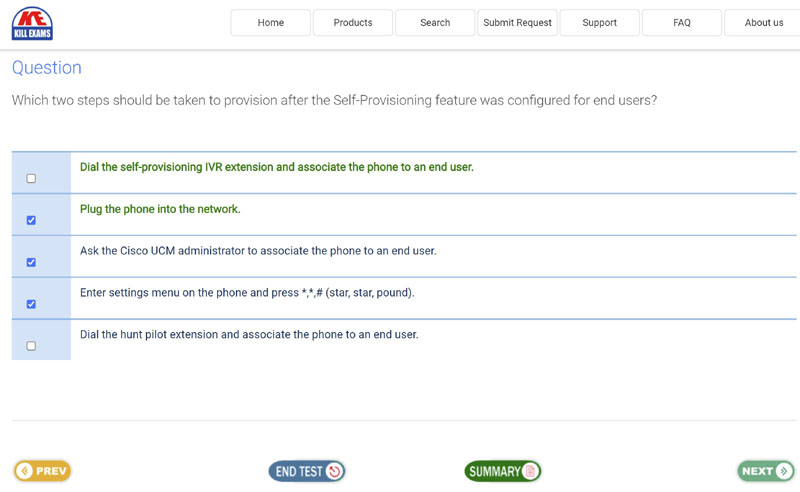
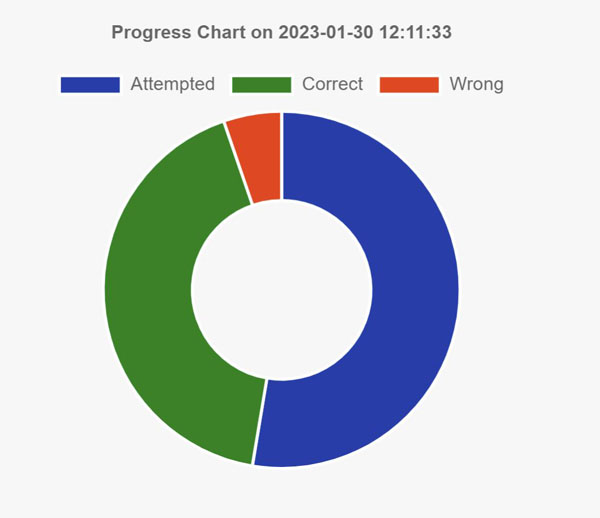
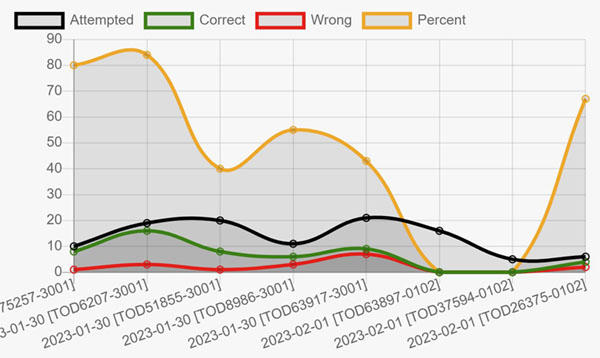
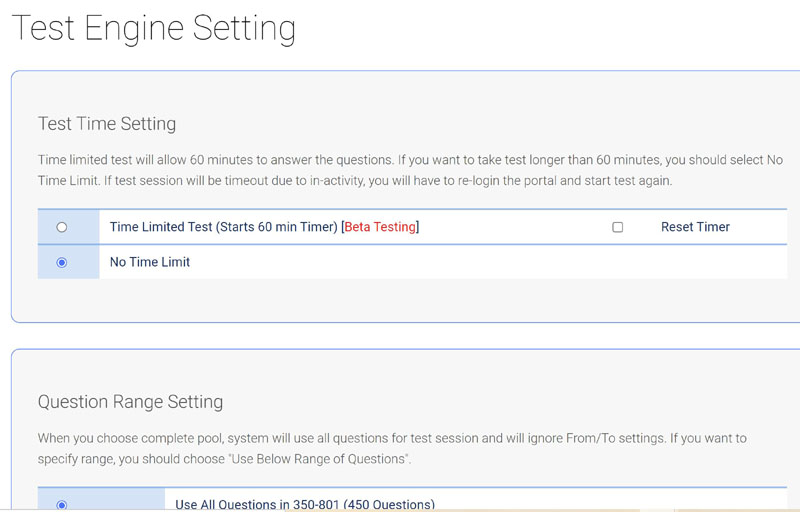

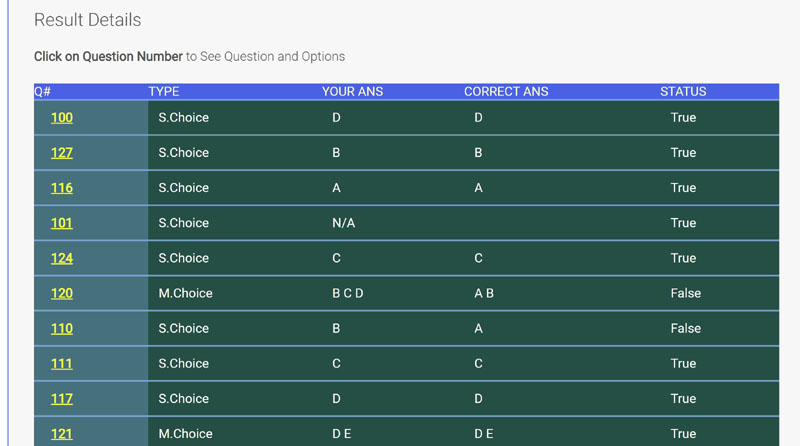
The Online Test Engine maintains practice history, performance summaries, and visual progress reports. Where available, questions may include explanations or reference information to support better understanding of exam topics. Content is reviewed and updated periodically to reflect relevant syllabus changes and maintain consistency with exam objectives.
Desktop Test Engine
| Exam Questions | 1572 (Complete Set) |
| Software Version | 2026 |
| Access | Unlimited |
| Latest Update | November 23, 2026 |
| Access Activation | Instant (5 to 10 min.) |
| Supported OS | Windows (All Versions) |
| Delivery Method | Username / Password |
| Test Engine Trial Software | Killexams Test Engine 2026 |
The Killexams Desktop Test Engine (version 2026) is a dedicated test preparation software designed to support candidates preparing for the CII-IF1 exam. The simulator provides a structured desktop based practice environment that allows users to work through exam style questions and review their performance in detail.
By practicing with the CII Credit Level Certificate: Mastering the Basic Principles of Insurance, Legal and Regulatory (IF1) Framework Exam Simulator, candidates can become familiar with question formats, exam navigation, and time based testing conditions similar to those used in official exams. This experience helps users build confidence across testing environment, time management, exam topics and identify areas that may require additional study.





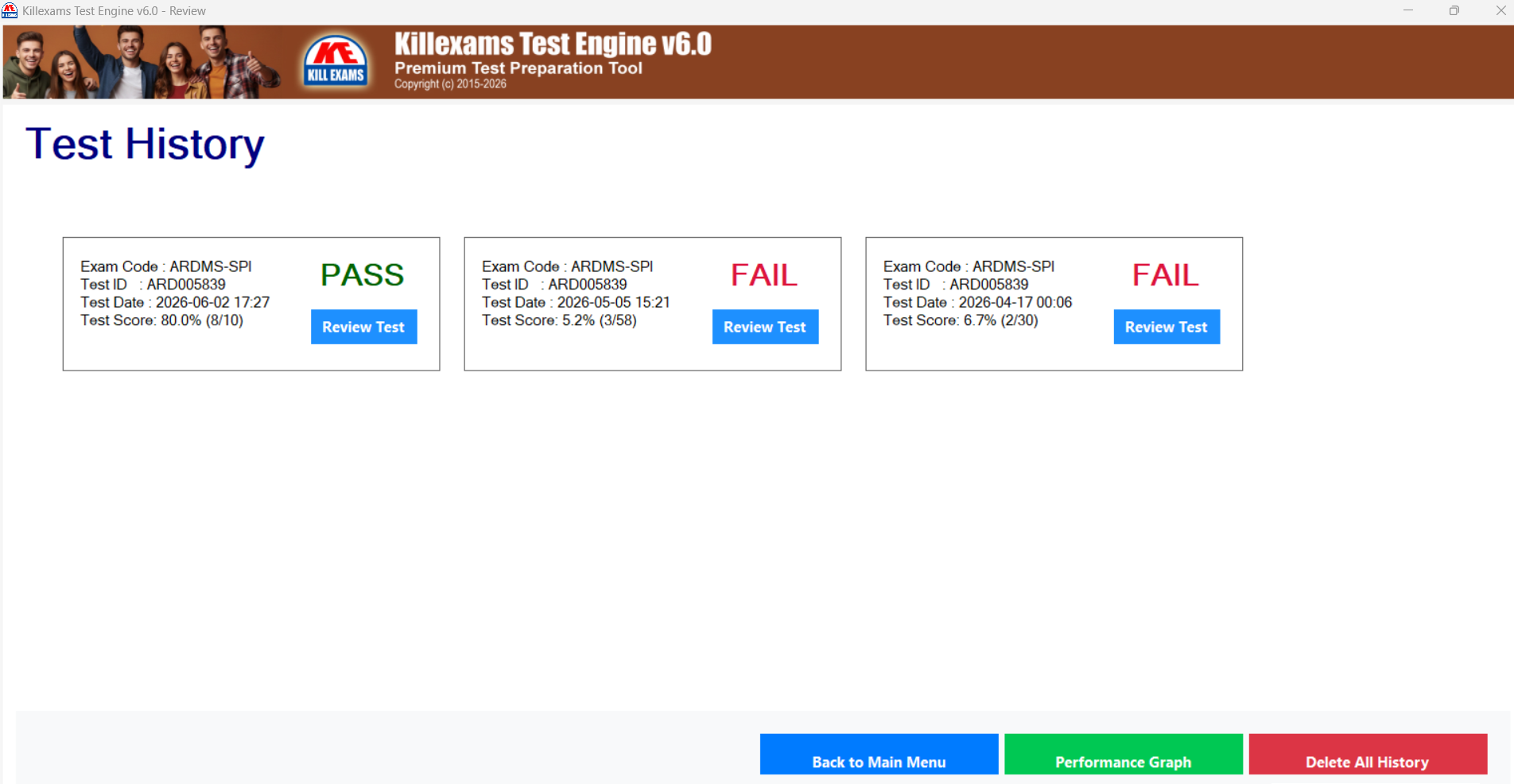
The Desktop Exam Simulator records practice history, performance summaries, and graphical progress reports. Where available, questions may include explanations or reference information to support understanding of correct and incorrect answers. The simulator content is reviewed and updated periodically to remain aligned with current exam objectives and syllabus requirements.
|
3 Months Update
|
6 Months Update
|
12 Months Update
|
|
|---|---|---|---|
What is 3 Months Update?
During 3 months, all future updates in PDF and Test Engine will be provided in your MyAccount with download links. An Intimation email on each update will be sent to you to re-download the updated exam files.
|
What is 6 Months Update?
During 6 months, all future updates in PDF and Test Engine will be provided in your MyAccount with download links. An Intimation email on each update will be sent to you to re-download the updated exam files.
|
What is 12 Months Update?
During 12 months, all future updates in PDF and Test Engine will be provided in your MyAccount with download links. An Intimation email on each update will be sent to you to re-download the updated exam files.
|
|
| Files | PDF / Test Engines | PDF / Test Engines | PDF / Test Engines |
| Premium Access | ✔ | ✔ | ✔ |
| Online Test Engine | ✔ | ✔ | ✔ |
| Instant Download Access | ✔ | ✔ | ✔ |
| Comprehensive Q&A | ✔ | ✔ | ✔ |
| Latest Topics | ✔ | ✔ | ✔ |
| Updated Regularly | ✔ | ✔ | ✔ |
| Portable Files | ✔ | ✔ | ✔ |
| Unlimited Download | ✔ | ✔ | ✔ |
| 100% Secured | ✔ | ✔ | ✔ |
| Confidentiality | 100% | 100% | 100% |
| Syllabus Coverage | Latest | Latest | Latest |
| Any Hidden Cost | No | No | No |
| Auto Renewal | No | No | No |
| Updates Intimation | by Email | by Email | by Email |
| Technical Support | Free | Free | Free |
| PDF Compatibility | Windows, Mac, Android, iOS, Linux | Windows, Mac, Android, iOS, Linux | Windows, Mac, Android, iOS, Linux |
| Desktop Test Engine Compatibility | Windows All Versions | Windows All Versions | Windows All Versions |
| Online Test Engine Compatibility | Mac / Windows / Android / iOS / Linux | Mac / Windows / Android / iOS / Linux | Mac / Windows / Android / iOS / Linux |
CII-IF1 Exam Format | Course Contents | Course Outline | Exam Syllabus | Exam Objectives
Exam Name: CII Credit Level Certificate: Mastering the Basic Principles of Insurance, Legal and Regulatory (IF1) Framework
Number of questions: 100 multiple-choice questions
Time allotted: 2 hours
Passing mark: 70% (so you need at least 70 correct answers out of 100)
Study effort recommended: ~60 study hours
1.1 Describe the concepts of risk and risk perception.
- Definitions of risk.
- Alternative meanings of risk.
- Risk and uncertainty.
- Attitude to risk.
1.2 Explain the risk management function and process.
- Definition.
- Stages – risk identification, analysis and control.
- Insurers’ role in loss prevention and control.
- Professionals and industry bodies relevant to risk management.
1.3 Describe the various categories of risk.
- Financial and non-financial definitions.
- Pure and speculative.
- Particular and fundamental.
- Benefit policies.
- Relationship between risks.
1.4 Explain the types of risk that can be insured and the types of risk that cannot.
- Requirements for insurability – fortuitous event, insurable interest, public policy, homogenous exposures.
1.5 Describe the components of risk.
- Uncertainty.
- Level of risk.
- Peril and hazard.
- Frequency and severity.
- Risk factors for insurers and the way they model risk.
1.6 Understand the relationship between frequency and severity and how they are applied.
- Define the relationship.
- Common examples to illustrate the concept.
1.7 Explain the difference between a peril and hazard as they relate to insurance.
- Definition of peril.
- Definition of hazard.
- How the two interact with some common examples.
2.1 Apply the main features of risk and risk management to different sets of circumstances/scenarios.
- Indicative examples and outcomes.
- Physical and moral hazards.
- Application across home, motor, commercial and pet insurance.
3.1 Explain the need for insurance.
- Define what is meant by risk transfer mechanism.
- Peace of mind.
- Macro and micro economic stability.
3.2 Explain the basis of insurance as a risk transfer mechanism.
- What is risk transfer.
- Law of large numbers and the pooling of risks.
- Equitable premiums.
3.3 Describe how insurance benefits policyholders and society in general.
- Examples of how insurance benefits individual consumers.- Examples of how insurance protects businesses.- Examples of how insurance benefits the economy.3.4 Explain the term coinsurance and how this is used in two distinct ways in the insurance market.
- Where an insured covers a percentage of a risk.
- Where more than one insurer covers a percentage of a risk.
- Define the impact of franchises, excesses and deductibles.
- Explain why sharing of risks may benefit insurers and insureds.
3.5 Describe what is meant by dual insurance and self-insurance.
- Define dual insurance and how it is different from coinsurance.
- Define self-insurance.
- Distinguish between coinsurance, dual insurance and self-insurance.
3.6 Describe the main classes of insurance.
- Define each class of insurance including property insurance, pecuniary insurance, motor insurance, liability insurance, marine and aviation insurance, health and combined or package policies.
- Detail the main elements of cover for each class of business.
3.7 Explain the purpose of Insurance Premium Tax, the current rates and how it is collected.
- Describe purpose (solely to collect revenue) for government.
- State current rates and how they differ – (1) Standard rate currently 12% and which policies (2) Higher rate of 20% and which policies (3) Exempt policies.
- Who collects on a policy by policy basis.
4.1 Describe the structure of the insurance market and the five main groups of people.
- Define buyers and detail sub buyers.
- Role of insurers.
- Role of intermediaries.
- Role of comparison websites (aggregators).
- Role of reinsurers.
4.2 Describe the main categories of insurer in terms of ownership.
- Proprietary companies.
- Mutual companies.
- Captive companies including protected cell companies.
- Lloyd’s.
- Composite companies.
- Specialist insurers.
4.3 Explain the structure of the Lloyd’s market and main features.
- What is Lloyd’s and how does it differ from the rest of the market.
- Who invests and owns Lloyd’s.
- Role of the different stakeholders in Lloyd’s syndicates, managing agents, members agent, Council of Lloyd’s.
- Transacting business – Lloyd’s brokers and Market Reform Contracts and how a contract is made.
- Access to the Lloyd’s Market.
- Main focus of cover provided.
4.4 Describe the London Market.
- Definition of the London Market.
- Describe the purpose of this market nationally and internationally.
- The key stakeholders in the London Market.
4.5 Describe the distribution channels used for the selling of insurance.
- Explain role of intermediary.
- Agents.
- Brokers.
- Lloyd’s Brokers.
- Role of authorised persons and appointed representatives.
- Direct insurance.
- Price comparison websites (aggregators).
4.6 Explain the purpose of reinsurance.
- Benefits and purpose of reinsurance.
- Smoothing peaks and troughs.
- Protecting portfolio of business.
- Improving product range.
4.7 Describe the key roles of professionals in insurance.
- Explain the role examples of – underwriters, claims personnel, loss adjusters, loss assessors, surveyors and those providing forensic services, actuaries, risk managers and compliance officers.
4.8 Explain the main functions of the principal market organisations.
- Association of British Insurers.
- British Insurance Brokers’ Association.
- International Underwriting Association of London.
- London Market Regional Committee.
- London and International Insurance Brokers Association.
- Lloyd’s Market Association.
- Managing General Agents’ Association.
- Chartered Insurance Institute.
- Chartered Institute of Loss Adjusters.
- Institute and Faculty of Actuaries.
- Institute of Risk Management.
- Association of Insurance and Risk Managers in Industry and Commerce.
- Motor Insurers’ Bureau.
5.1 Describe the essential elements of a valid contract.
- Offer and acceptance.
- Consideration.
- Intention to create legal relations.
- Capacity to contract.
- Consensus ad idem.
- Legality of purpose.
- Possibility of performance.
- Contract certainty of terms.
- Parties to a contract.
- Evidence of the contract.
5.2 Explain conditional and unconditional acceptance of a contract.
- Define conditional acceptance.
- Define unconditional acceptance.
5.3 Describe consideration which supports the contract.
- Definition of consideration.
- Impact of no consideration in a contract.
5.4 Explain how contracts can be cancelled or terminated.
- Cancellation and method.
- Insured and insurers rights at cancellation.
- Fulfilment.
- Voidable contracts.
- Breach of warranty.
- Fraud.
5.5 Describe methods of creating an agent/principal relationship.
- Agency by consent and Terms of Business Agreements.
- Agency by necessity.
- Agency by ratification.
5.6 Describe the duties of an agent and the duties of a principal.
- Agent – compliance with instructions.
- Personal performance.
- Due care and skill.
- Good faith.
- Accountability.
- Principal – remuneration.
- Indemnity.
5.7 Explain the consequences of an agent’s actions on the principal.
- Explain when a principal is bound by the acts of an agent.
- Actual authority (express and implied).
- Apparent authority.
- Consequences for both the agent and the principal for actions that have not been agreed.
5.8 Describe what should be included in a Terms of Business Agreement (TOBA) between insurers and intermediaries.
- General requirements: Clear and succinct; Reflect business relationship; Define responsibilities and rights; Regulatory and statutory compliance.
- Status.
- Commission.
- Material information.
- Premiums and credit.
- Claim money.
- Broker/client relationship.
- Direct administration.
- Claims.
- Termination.
- Regulatory requirements.
6.1 Define insurable interest and its components.
- Definition of insurable interest.
- Explanation of components: Subject matter; Legal relationship; Financial value.
6.2 Explain the timing of insurable interest.
- Describe in general the importance of timing of insurable interest for different classes of business.
6.3 Explain how insurable interest can arise.
- Explain three methods insurable interest can arise from: Common law; Contract; Statute.
6.4 Explain the application of insurable interest to property and liability insurance contracts.
- Property: Part or joint owners; Agents; Bailees; Tenants (all with examples).
- Liability – examples of liability under common law and contract.
7.1 Explain the principle of good faith and how this applies to contracts of insurance.
- Definition of good faith.
- How this is applied.
7.2 Explain how the duty of fair presentation operates in insurance policies and how it can be altered in terms of the policy.
- Definition of fair presentation.
- Circumstances when this may be modified by policy.
- Changes to material circumstances.
7.3 Define material circumstances.
- Definition of material circumstances.
- Current legislation.
7.4 Identify and distinguish between physical and moral hazards in relation to a proposal.
- Explanation of physical and moral hazards.
- Application of these concepts.
7.5 Explain an insurer’s right to information.
- Explain why insurers have a right to information.
- Material circumstances definition and application in insurance.
- Waiving of rights to information.
7.6 Explain material circumstances that do not require disclosure.
- Explain what information does not need to be disclosed to an insurer and why:
- Facts of law.
- Facts of public knowledge.
- Facts that lessen the risk.
- Facts where insurer has waived right.
- Facts on a survey.
- Facts outside knowledge of insured.
- Facts outside scope of specific questions.
- Facts covered by policy terms.
- Spent convictions.
7.7 Explain the consequences of non-disclosure or a breach of the duty of fair presentation.
- Voiding, avoiding ab initio and repudiating the claim.
- Impact of Financial Conduct Authority rules.
- Impact of Financial Ombudsman Service approach.
- Where the insurer cannot act on the breach.
8.1 Explain the meaning of proximate cause.
- Define proximate cause.
8.2 Apply proximate cause to scenarios that relate to non-complex claims.
- Provide simple scenarios.
9.1 Define the principle of indemnity.
- Illustrate the definition and meaning of indemnity.
9.2 Explain the settlement options available to insurers which will provide the insured with the necessary indemnity.
- Cash payment.
- Repair.
- Replacement.
- Reinstatement.
9.3 Identify and distinguish between indemnity and benefit policies.
- Define indemnity policy.
- Define benefit policy.
- Explain how calculation of payments under each policy differ.
9.4 Explain what is meant by agreed value policies, first loss policies and new for old cover.
- Explain and give examples of claim scenarios for agreed value policies.
- First loss policies.
- New for old cover.
9.5 Calculate a non-complex claim payment, subject to the pro rata condition of average.
- What is underinsurance.
- What is average.
- Why it is applied.
- How it is calculated with the relevant formula and examples.
10.1 Explain the principle of contribution and when and how it applies to the sharing of claim payments between insurers in straightforward property cases.
- Definition of contribution and how it arises.
- Methods of calculating (rateable proportion and independent liability) contribution with examples.
10.2 Explain the principle of subrogation and why it may or may not be pursued in simple circumstances.
- Definition of subrogation.
- Who is impacted by insurance contract wording.
- Why it may not be pursued.
- Precluded subrogation rights: Insured has no rights; Benefit policies; Subrogation waiver; Negligent fellow employees.
11.1 Explain the reasons for compulsory insurance and describe the types of insurances which are compulsory in the UK.
- Purpose of compulsory insurance.
- Motor.
- Employers’ liability.
- Other compulsory insurances.
11.2 Explain the application of the Consumer Rights Act 2015 in relation to insurance contracts.
- Importance of Consumer Rights Act 2015 in protecting consumers against unfair terms in a contract.
- When terms may be deemed to be unfair.
11.3 Explain the Contracts (Rights of Third Parties) Act 1999 in relation to insurance contracts.
- Explain privity of contract.
- Explain provisions of the Act and its purpose.
11.4 Explain the role of the financial services regulators in the authorisation, supervision and regulation of insurers and intermediaries.
- Explain role of regulators in authorising, supervising and regulating insurers and intermediaries.
11.5 Describe the financial services regulatory principles for businesses and the Financial Conduct Authority and Prudential Regulation Authority’s regulation of individuals in broad outline.
- Financial Conduct Authority objectives.
- Prudential Regulation Authority objectives.
11.6 Explain the importance of Consumer Duty and positive customer outcomes.
- The importance of Consumer Duty and positive customer outcomes.
11.7 Describe the consequences of non-compliance – discipline and enforcement.
- Types of enforcement action and considerations for enforcement.
- When enforcement is applied.
11.8 Explain the requirements for reporting, record keeping and training and competence.
- Detail requirements for reporting, record keeping and training and competence.
11.9 Describe the scope and effect of the Insurance: Conduct of Business sourcebook (ICOBS) in broad outline.
- Application of ICOBS rules.
11.10 Describe the solvency requirements for insurers and intermediaries and financial services regulatory risk-based capital requirements in broad outline.
- Purpose and provisions of solvency requirements.
- Consequences for insurers where capital falls below required level.
12.1 Describe the main provisions of the current data protection legislation.
- Categories of data.
- Data Protection Act 2018 (from the General Data Protection Regulation) main provisions and purpose.
- Consequences of non-adherence.
12.2 Describe the main provisions of the current Money Laundering Regulations and their application to insurers and intermediaries.
- Criminal Justice Act 1993.
- Proceeds of Crime Act 2002.
- Serious Crime Act 2007 and 2015.
- Money Laundering Regulations 1993 and 2017.
13.1 Describe the financial services regulatory requirements in relation to handling complaints.
- Dispute Resolution: Complaints (DISP) sourcebook and requirements.
13.2 Explain the services provided by the Financial Ombudsman Service.
- Definition of complaint.
- Who are eligible complainants.
- Prior consideration by insurers.
- Powers of the Financial Ombudsman Service (FOS) and level of awards and on who they are binding.
- Fees and who pays.
13.3 Describe the main provisions of the Financial Services Compensation Scheme, including the range of activities falling within its scope.
- Purpose of scheme.
- Limits of payouts for compulsory and non-compulsory insurance.
- How scheme is funded.
14.1 Explain the five main principles in the CII Code of Ethics.
- List the five main principles and key provisions.
14.2 Apply the main principles in the CII Code of Ethics and identify positive and negative indicators of ethical behaviour to non-complex scenarios.
- Application of common scenarios that are in insurance industry.
Reviews (1)3.00 Overall
★★★★★
0%
★★★★
0%
★★★
100%
★★
0%
★
0%
|
Submit ReviewYou must be logged in to submit a review. Sign In to Submit Review |
Customer Reviews
CII-IF1 Exam FAQs
How many questions are on the CII-IF1 exam?
The CII-IF1 exam has 75 questions.
How long is the CII-IF1 exam?
You have 2 hours to complete the CII-IF1 exam.
What is the passing score for CII-IF1?
The passing score for CII-IF1 is 70% (so you need at least 70 correct answers out of 100).
What topics does the CII-IF1 exam cover, and how are they weighted?
The CII-IF1 exam covers 5 sections: Insurance Market; Insurance Contract; Regulation; Consumer Protection; Ethics.
How should I prepare for CII-IF1?
Start with the official CII-IF1 exam outline and study materials from Chartered Insurance Institute, then build exam readiness with timed practice. A killexams.com premium account gives you the full pool of 1,572 CII-IF1 practice questions and answers in PDF and Test Engine formats, so you can practice every objective and review the answers before exam day.
How long does it take to prepare for CII-IF1?
At a steady pace of 100 practice questions a day, working through all 1,572 CII-IF1 questions takes about 16 days. Add extra days to repeat the questions you got wrong.
Is CII-IF1 hard? Who is it for?
The CII IF1 Insurance, Legal and Regulatory exam is a core unit of the CII Certificate in Insurance.
How many practice questions do you have for CII-IF1?
The killexams.com CII-IF1 practice test contains 1,572 questions and answers.
Is there a free CII-IF1 sample?
Yes. A free CII-IF1 sample PDF is available on this page, so you can review the question style before you buy.
What formats are included in the CII-IF1 practice test?
The CII-IF1 practice test is available as a PDF, an Online Test Engine and a Desktop Test Engine.
Do the CII-IF1 practice questions cover the current exam objectives?
Yes. The CII-IF1 practice questions cover the complete syllabus and current exam objectives.
How do I get the files after purchase, and how long is access valid?
Your MyAccount login details are delivered by email. You can download the files from the member area until your account expires, after 3, 6 or 12 months depending on the plan you bought.
Can I use the CII-IF1 Test Engine on Mac or mobile?
Yes, with the Online Test Engine, which runs on Mac, iOS, Android, Linux and other platforms. The Desktop Test Engine is for Windows only.
What if I fail the CII-IF1 exam after using your material?
You can choose one of three options: 1) a refund, 2) a free 3-month account extension, or 3) a new exam of your choice.
How many practice questions are available for CII-IF1?
The CII-IF1 practice test contains 1,572 practice questions and answers covering the current exam objectives.
What formats are available for CII-IF1 preparation?
The CII-IF1 practice test is available as PDF, Online Test Engine, Desktop Test Engine. All formats can be downloaded instantly after purchase.
Is there a free CII-IF1 sample?
Yes. You can preview and download a free CII-IF1 sample PDF on this page before you buy.