


CIP-Bridge Exam Questions PDF
| Questions and Answers | 1289 (Complete Set) |
| File Format | |
| Latest Update | November 19, 2026 |
| Files Delivery | Instant (5 to 10 min.) |
| Compatibility | All Desktop and Mobile Devices |
| Delivery Method | Download Account |
The AMPP Bridge Coatings Inspection Specialty is for certified coatings inspectors who work on bridges.
AMPP, the Association for Materials Protection and Performance, was formed by the merger of NACE International and SSPC. It runs the most widely recognized certification programs for corrosion control and protective coatings in the world, and its credentials are often written into project specifications for pipelines, bridges, marine assets, refineries and power plants.
Employers and clients rely on Bridge Coatings Inspection Specialty (BCIS) to reduce risk, because errors in inspection, design or installation can be costly or dangerous. The credential also supports progression to senior technical or supervisory roles.
In technical and industrial fields, Bridge Coatings Inspection Specialty (BCIS) is often written into specifications, contracts or regulations as proof that work is carried out by competent people. Holding it can be a requirement for site access or for signing off inspections and reports.
The topic areas are broad, so it helps to look inside them. The Bridge Specifications area includes requirements. Questions on Lead Abatement typically involve safety. Containment covers classes. Within Inspection, candidates should be comfortable with bridge specific.
Preparing for the CIP-Bridge exam requires not only understanding the exam topics but also practicing with exam style questions. Our Bridge Coatings Inspection Specialty (BCIS) exam questions in practice tests help candidates review key concepts and familiarize themselves with the format and difficulty of exam.
At Killexams.com, our team works to maintain up-to-date practice content for exam preparation. We continuously review and refine our question sets and explanations to cover the latest relevant syllabus areas and help learners strengthen their understanding of core topics before facing the official exam. These Practice tests allow you to identify areas where you need improvement by measuring your readiness, and provide you exam questions to polish those areas.
CIP-Bridge Exam Questions Preview
The exam is computer based.
AMPP publishes the official format for CIP-Bridge, including how many questions are asked, how long you have and what score is needed to pass. Use those figures to set up timed practice that mirrors the format, and aim to finish practice tests with some time to spare.
Many candidates find it useful to build a week by week plan around the published topics. Allow roughly 5 weeks, giving each major area its own block: begin with Bridge Specifications, continue with Lead Abatement, Containment and Inspection, and finish with Documentation. Summarize every area on a single page and use those pages for quick revision before the exam. Close your preparation with at least two complete timed practice sessions and a careful review of every missed question.
Connect each topic in CIP-Bridge to real site or plant situations, such as defects you have seen or inspections you have carried out. Practical questions are easier when you can picture the equipment and conditions.
If CIP-Bridge includes a practical assessment, practice with the instruments and forms you will use, and follow procedures step by step. For the written part, timed practice tests help you manage time.
| Detail | Information |
|---|---|
| Format | Computer based |
| Provider | AMPP |
| Type | Specialty |
To help you evaluate our material, you may download free sample pdf with example questions and answers that we provide. This sample allows you to review content and approach before deciding on Premium materials..
The Bridge Coatings Inspection Specialty (BCIS) practice test files contains 1289 Questions, are compatible with multiple devices, including Windows, macOS, iOS, and Android, and can be used for both online and offline study. The PDF format is printable, making it easy to study during travel or when away from a computer. Access to updated materials is available through your online account.
After purchase, you will receive your username and password immediately, allowing you to log in and download your study files without delay. Our goal is to support exam preparation at your pace with practice content designed for reinforcement and understanding of key concepts.
The killexams.com BCIS question bank covers bridge inspection topics with explanations.
Killexams.com CIP-Bridge practice sets cover Bridge Specifications, Lead Abatement, Containment and Inspection, so each study session maps directly to a part of the exam. Working through these sets two or three times, and reviewing every explanation, is a reliable way to raise your score before exam day.
With the killexams.com CIP-Bridge practice test you can study by section, focus on weaker topics or run full length timed sessions. Score history shows how your accuracy improves over time, and the explanations turn each mistake into a short lesson.
Killexams.com CIP-Bridge exam questions are written to match the current syllabus and the style of questions you can expect, including scenario and application items. Clear explanations help you understand not only why an answer is correct but why the alternatives are not.
Online Test Engine
| Exam Questions | 1289 (Complete Set) |
| Testing Limit | Unlimited |
| Access Type | Online |
| Latest Update | November 19, 2026 |
| Access Activation | Instant (5 to 10 min.) |
| Supported OS | Mac, Windows, Android, iPhone / iPad, Linux |
| Delivery Method | Username / Password |
Killexams.com provides an Online Test Engine designed to help candidates practice exam questions in a structured and interactive environment. The Test Engine is compatible with iPhone, iPad, Android, Windows, and Mac, allowing you to study and practice on the device that best fits your schedule.
The CIP-Bridge Online Test Engine enables candidates to simulate exam-style practice sessions, review answers, and track progress over time. This learning approach helps users practice exam questions, question formats and improve time management while preparing for the Bridge Coatings Inspection Specialty (BCIS) exam.
The Test Engine includes features that support effective learning, such as customizable practice sessions, question review modes, and progress tracking. These tools are designed to assist candidates in identifying knowledge gaps and reinforcing key concepts through repeated practice rather than memorization alone.
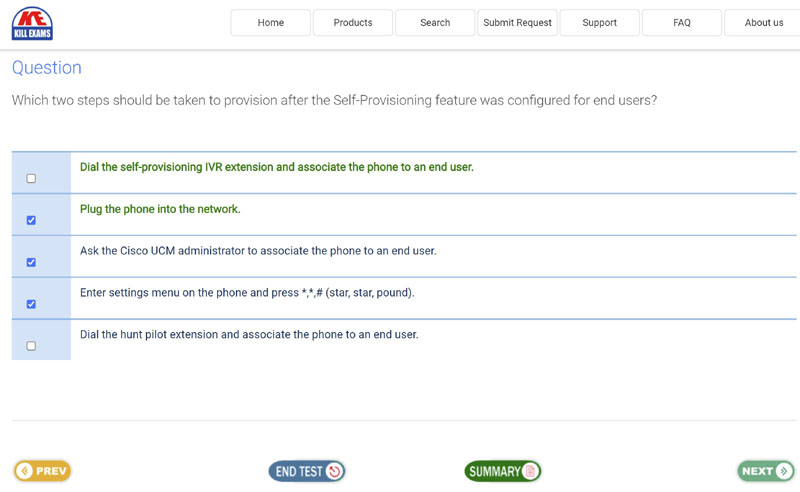
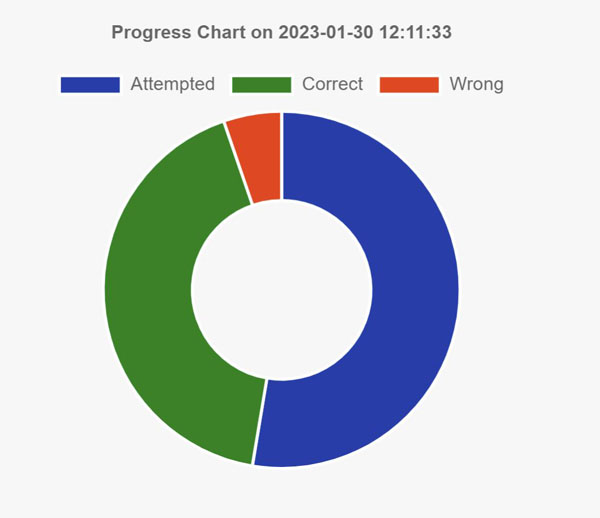
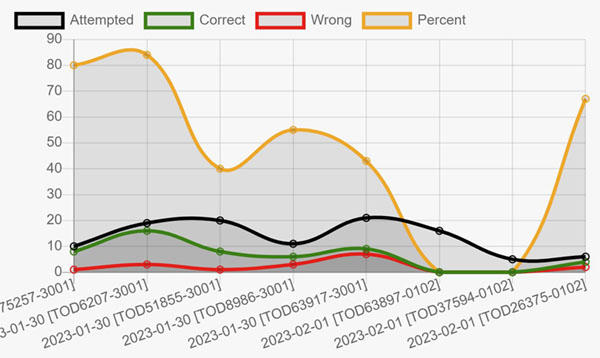
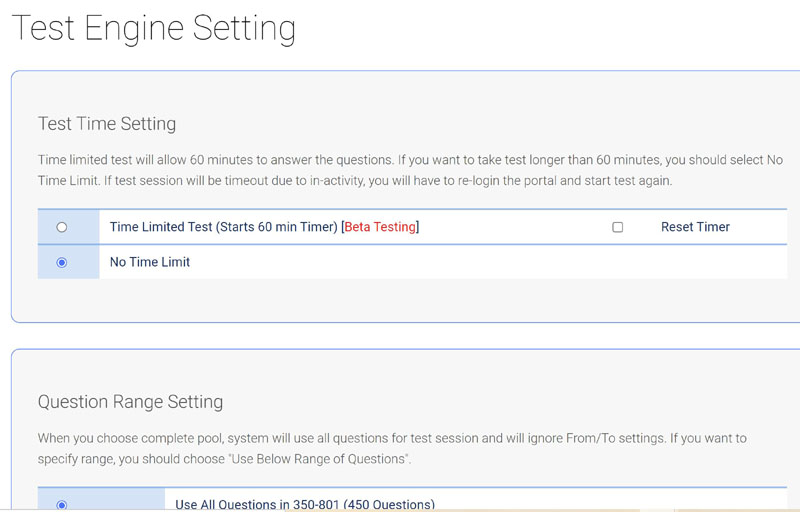
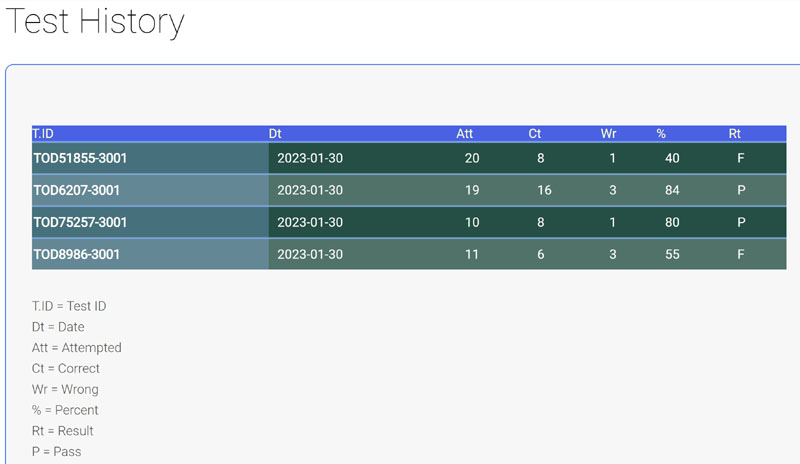
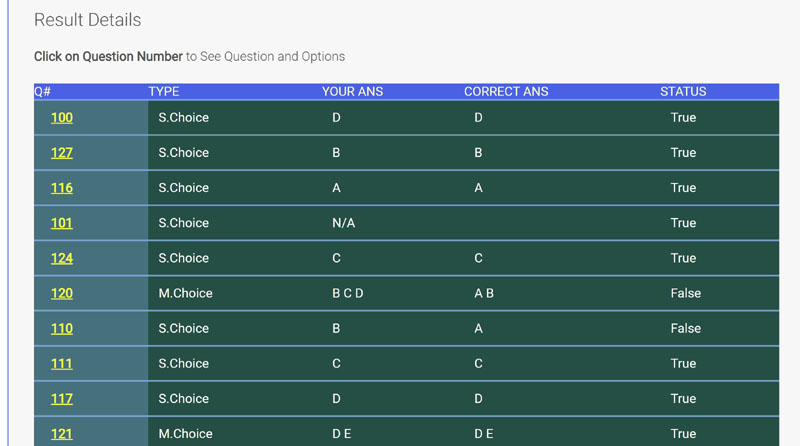
The Online Test Engine maintains practice history, performance summaries, and visual progress reports. Where available, questions may include explanations or reference information to support better understanding of exam topics. Content is reviewed and updated periodically to reflect relevant syllabus changes and maintain consistency with exam objectives.
Desktop Test Engine
| Exam Questions | 1289 (Complete Set) |
| Software Version | 2026 |
| Access | Unlimited |
| Latest Update | November 19, 2026 |
| Access Activation | Instant (5 to 10 min.) |
| Supported OS | Windows (All Versions) |
| Delivery Method | Username / Password |
| Test Engine Trial Software | Killexams Test Engine 2026 |
The Killexams Desktop Test Engine (version 2026) is a dedicated test preparation software designed to support candidates preparing for the CIP-Bridge exam. The simulator provides a structured desktop based practice environment that allows users to work through exam style questions and review their performance in detail.
By practicing with the Bridge Coatings Inspection Specialty (BCIS) Exam Simulator, candidates can become familiar with question formats, exam navigation, and time based testing conditions similar to those used in official exams. This experience helps users build confidence across testing environment, time management, exam topics and identify areas that may require additional study.
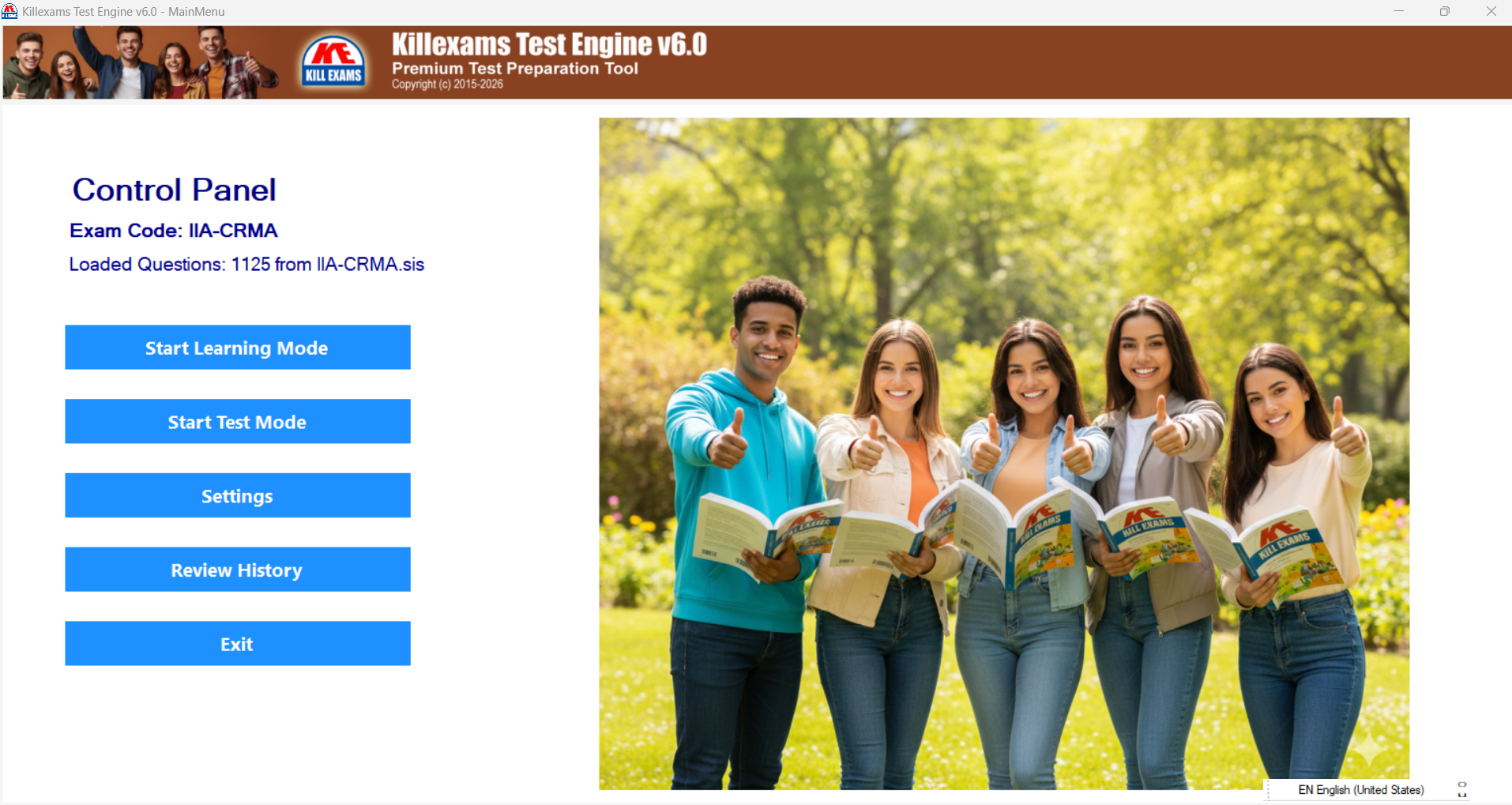

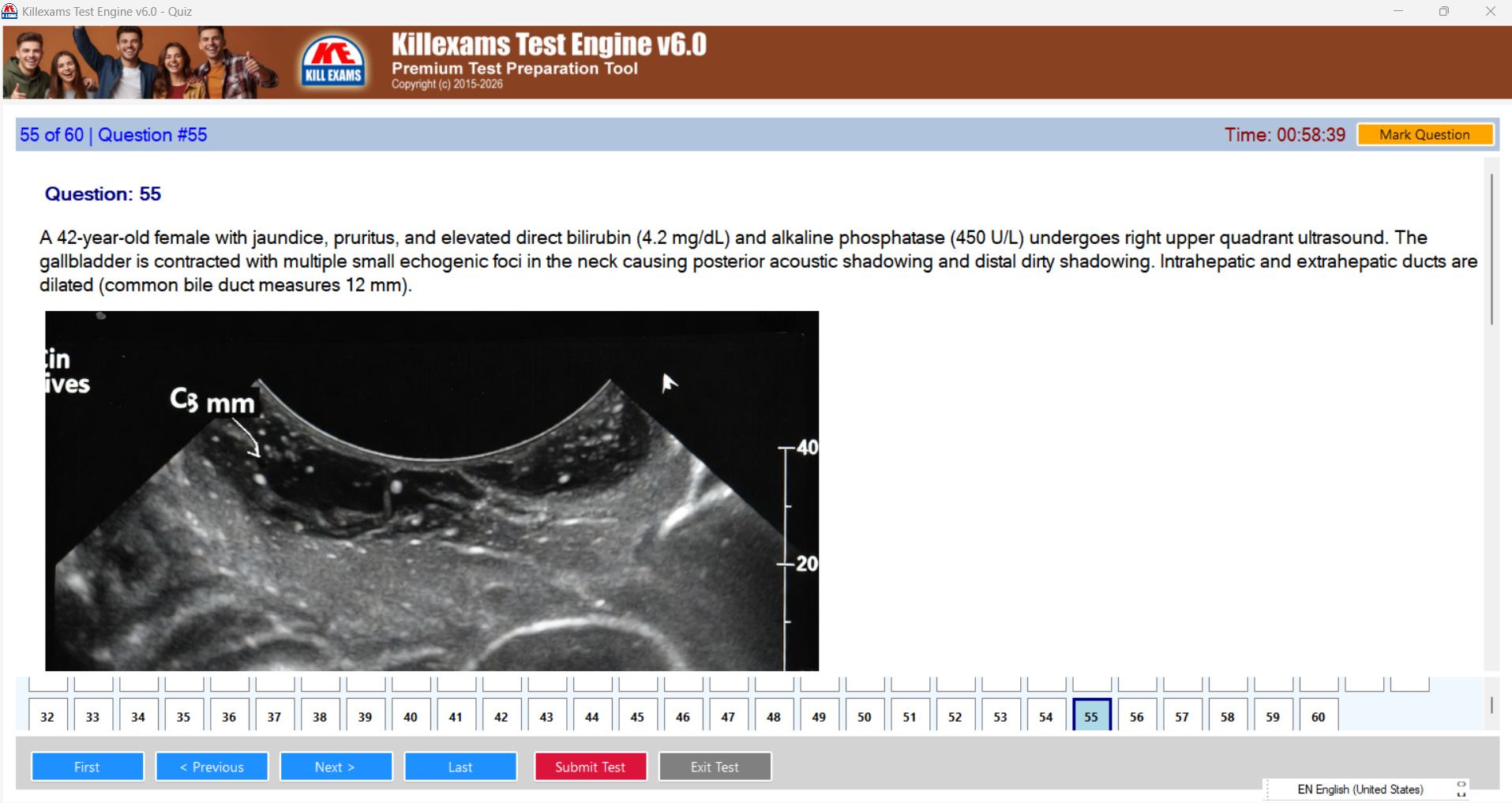
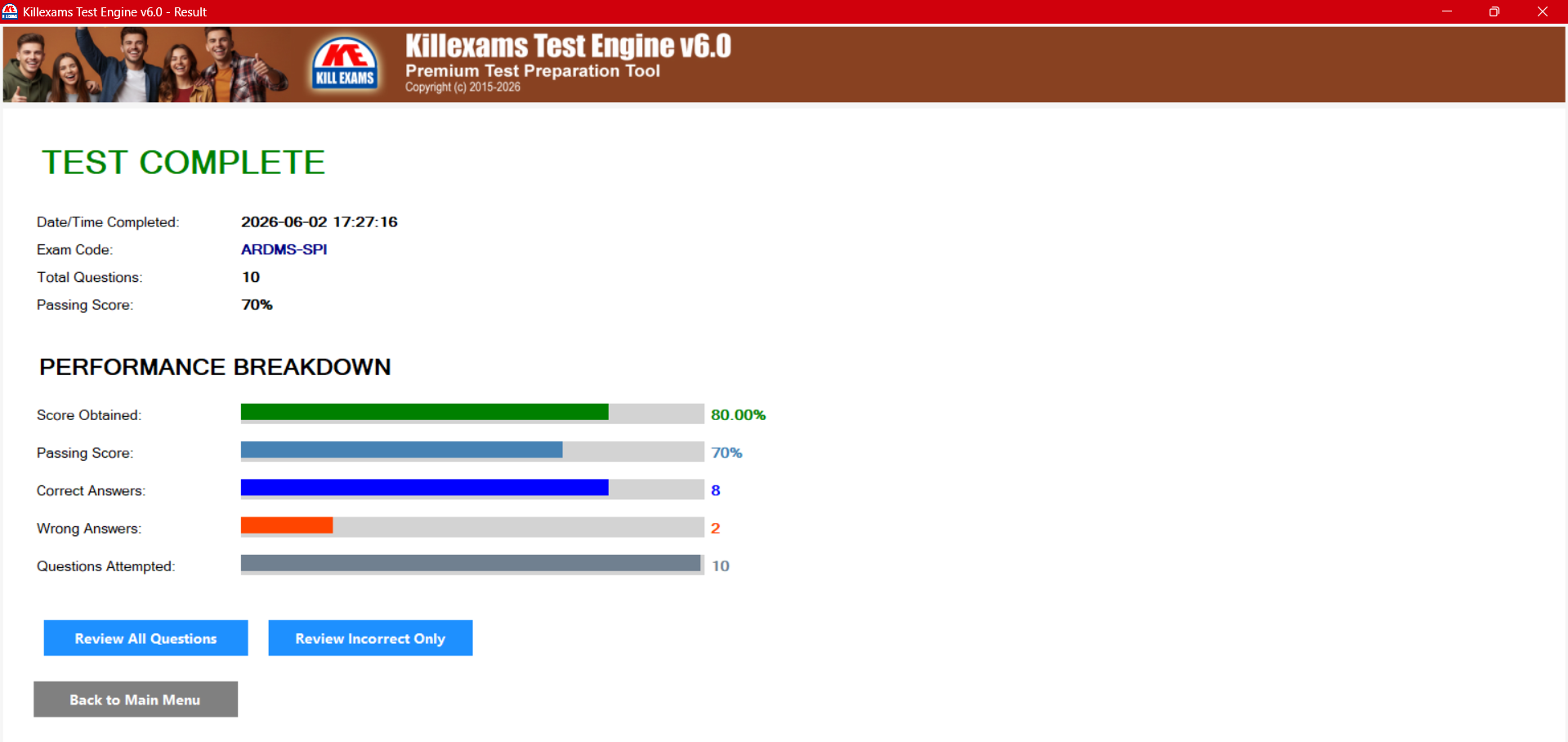

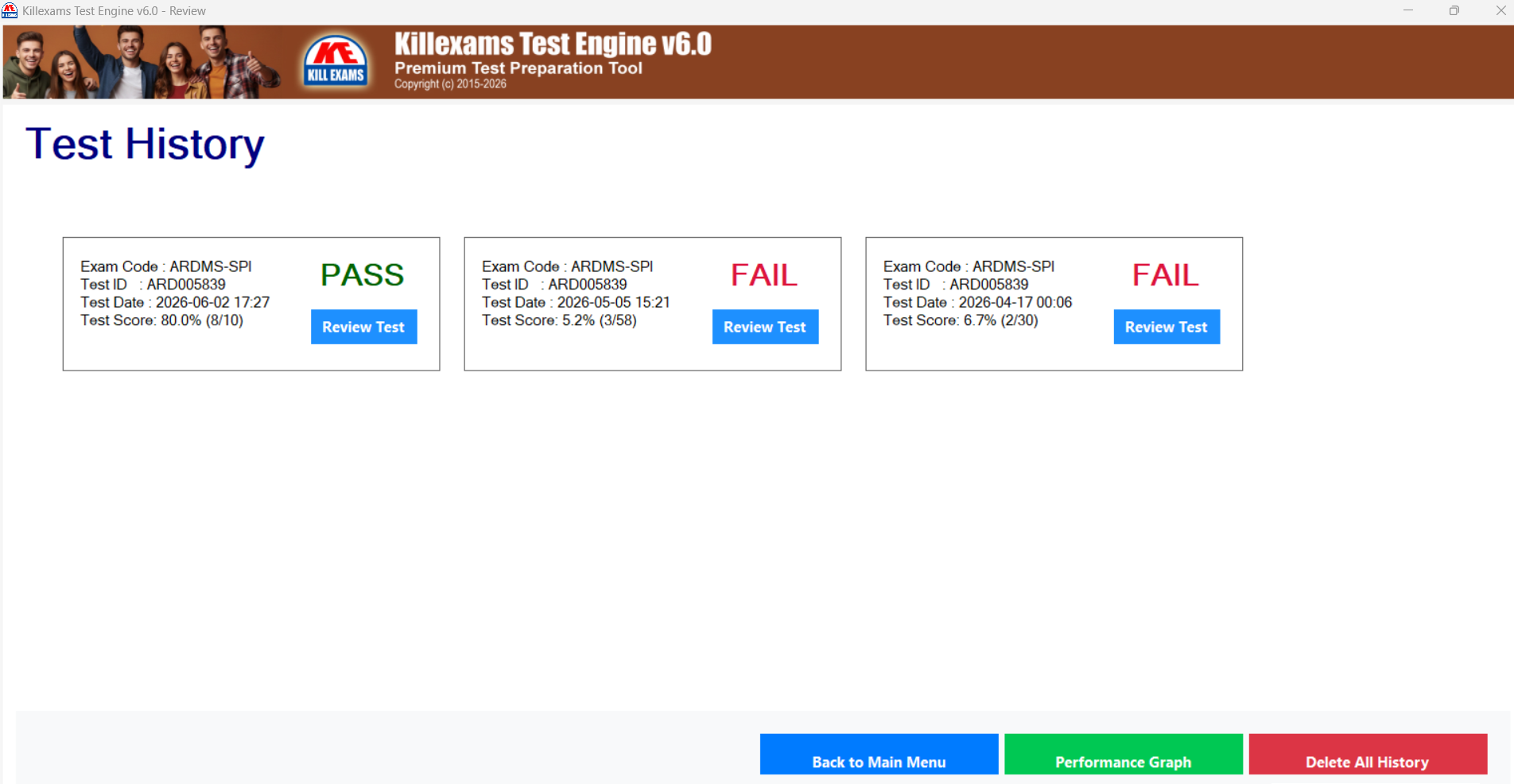
The Desktop Exam Simulator records practice history, performance summaries, and graphical progress reports. Where available, questions may include explanations or reference information to support understanding of correct and incorrect answers. The simulator content is reviewed and updated periodically to remain aligned with current exam objectives and syllabus requirements.
|
3 Months Update
|
6 Months Update
|
12 Months Update
|
|
|---|---|---|---|
What is 3 Months Update?
During 3 months, all future updates in PDF and Test Engine will be provided in your MyAccount with download links. An Intimation email on each update will be sent to you to re-download the updated exam files.
|
What is 6 Months Update?
During 6 months, all future updates in PDF and Test Engine will be provided in your MyAccount with download links. An Intimation email on each update will be sent to you to re-download the updated exam files.
|
What is 12 Months Update?
During 12 months, all future updates in PDF and Test Engine will be provided in your MyAccount with download links. An Intimation email on each update will be sent to you to re-download the updated exam files.
|
|
| Files | PDF / Test Engines | PDF / Test Engines | PDF / Test Engines |
| Premium Access | ✔ | ✔ | ✔ |
| Online Test Engine | ✔ | ✔ | ✔ |
| Instant Download Access | ✔ | ✔ | ✔ |
| Comprehensive Q&A | ✔ | ✔ | ✔ |
| Latest Topics | ✔ | ✔ | ✔ |
| Updated Regularly | ✔ | ✔ | ✔ |
| Portable Files | ✔ | ✔ | ✔ |
| Unlimited Download | ✔ | ✔ | ✔ |
| 100% Secured | ✔ | ✔ | ✔ |
| Confidentiality | 100% | 100% | 100% |
| Syllabus Coverage | Latest | Latest | Latest |
| Any Hidden Cost | No | No | No |
| Auto Renewal | No | No | No |
| Updates Intimation | by Email | by Email | by Email |
| Technical Support | Free | Free | Free |
| PDF Compatibility | Windows, Mac, Android, iOS, Linux | Windows, Mac, Android, iOS, Linux | Windows, Mac, Android, iOS, Linux |
| Desktop Test Engine Compatibility | Windows All Versions | Windows All Versions | Windows All Versions |
| Online Test Engine Compatibility | Mac / Windows / Android / iOS / Linux | Mac / Windows / Android / iOS / Linux | Mac / Windows / Android / iOS / Linux |
CIP-Bridge Exam Format | Course Contents | Course Outline | Exam Syllabus | Exam Objectives
Certification Name: Bridge Coatings Inspection Specialist
Prerequisites: Candidates must hold a valid AMMP CIP Level 2 certification or an equivalent (e.g.- NACE Coating Inspector Level 2- SSPC PCI Level 2- FROSIO III) to be eligible to sit for this exam.
Exam Delivery: Computer-Based Testing (CBT) at Pearson VUE testing centers worldwide.
Exam Format: Multiple-choice questions.Number of Questions: 100 questions
Time Allotted: 3 hours and 15 minutes (195 minutes)
Passing Marks: 70% or higher
- Overview of Bridge Coating Inspection
- Purpose and Importance: Understanding the role of protective coatings in preventing corrosion and maintaining the structural integrity of bridges- which are critical infrastructure assets exposed to harsh environmental conditions (e.g.- weather- de-icing salts- and industrial pollutants).
- Role of the Inspector: Responsibilities include ensuring compliance with specifications- identifying defects- documenting findings- and collaborating with engineers and contractors. Key skills include decision-making- communication- and adherence to safety and ethical standards.
- Corrosion and Corrosion Prevention
- Corrosion Mechanisms: Understanding how corrosion occurs on steel bridges- including galvanic- atmospheric- and crevice corrosion- and the role of environmental factors like humidity- temperature- and chlorides.
- Protective Coatings: The function of coatings as a barrier to prevent corrosion- including types of coatings (e.g.- alkyds- epoxies- polyurethanes- zinc-rich primers) used on bridges.
- Cathodic Protection: Basic principles of cathodic protection when used in conjunction with coatings on bridge structures.
- Surface Preparation for Bridge Coatings
- Standards and Methods: Familiarity with surface preparation standards- such as:
- SSPC-SP 1: Solvent cleaning to remove oil- grease- and contaminants.
- SSPC-SP 2/3: Hand and power tool cleaning for removing loose rust and mill scale.
- SSPC-SP 6/NACE No. 3: Commercial blast cleaning for a thorough clean surface.
- SSPC-SP 10/NACE No. 2: Near-white metal blast cleaning for critical applications.
- SSPC-SP 11: Power tool cleaning to bare metal.
- SSPC-WJ: Water jetting for surface preparation.
- Surface Profile: Measuring and assessing surface roughness (e.g.- using replica tape or comparators) to ensure proper coating adhesion.
- Environmental Controls: Managing conditions like temperature- humidity- and dew point to prevent issues like flash rusting during surface preparation.
- Coating Application Techniques
- Application Methods: Differentiating between application techniques used on bridges- including:
- Brush and Roller: For touch-up and small areas.
- Conventional Spray: For large surface areas.
- Airless Spray: For high-pressure application of thick coatings.
- Plural Component Spray: For multi-component coatings requiring precise mixing.
- Coating Types: Understanding the properties and application requirements of bridge-specific coatings- such as zinc-rich primers- epoxy intermediates- and polyurethane topcoats.
- Quality Control: Ensuring proper mixing- application thickness- and curing conditions per manufacturer specifications and project requirements.
- Inspection Techniques
- Non-Destructive Testing (NDT):
- Dry Film Thickness (DFT): Measuring coating thickness using magnetic or ultrasonic gauges (e.g.- SSPC-PA 2 standards).
- Holiday Detection: Using low-voltage or high-voltage holiday detectors to identify pinholes or voids in coatings (e.g.- NACE SP0188).
- Adhesion Testing: Conducting pull-off (ASTM D4541) or tape tests (ASTM D3359) to verify coating adhesion.
- Environmental Testing: Using digital hygrometers- psychrometers- and surface thermometers to monitor ambient conditions.
- Destructive Testing:
- Cross-Hatch Testing: Assessing coating adhesion by cutting and evaluating film integrity.
- Tooke Gauge: Measuring coating thickness on specific layers destructively.
- Visual Inspection: Identifying defects like runs- sags- blistering- cracking- or inadequate coverage.
- Coating Failure Modes and Analysis
- Common Failures: Understanding issues like blistering- chalking- delamination- undercutting- and corrosion breakthrough specific to bridge environments.
- Root Cause Analysis: Identifying causes of coating failures- such as improper surface preparation- incorrect application- or environmental exposure.
- Corrective Actions: Recommending repairs or recoating strategies based on inspection findings.
- Documentation and Reporting
- Inspection Test Plans (ITPs): Creating and following detailed plans outlining inspection steps and acceptance criteria.
- Non-Conformance Reports (NCRs): Documenting deviations from specifications and proposing corrective actions.
- Daily Reports: Recording inspection results- environmental conditions- and coating application details.
- Job Specifications and Safety Data Sheets (SDS): Interpreting technical documents to ensure compliance with project requirements and safety standards.
- Bridge-Specific Considerations
- Structural Components: Understanding bridge anatomy (e.g.- girders- trusses- cables- and bearings) and how coatings are applied to different areas.
- Environmental Exposure: Addressing challenges unique to bridges- such as exposure to de-icing salts- UV radiation- and thermal cycling.
- Access and Safety: Inspecting coatings in hard-to-reach areas (e.g.- using scaffolding or rope access) while adhering to safety protocols like fall protection and confined space entry.
- Maintenance Coatings: Techniques for overcoating existing systems versus full removal and recoating.
- Environmental and Safety Regulations
- Environmental Controls: Managing dust- overspray- and hazardous waste (e.g.- lead-based paint removal) in compliance with regulations like OSHA and EPA standards.
- AMPP Code of Conduct: Adhering to ethical standards for inspectors- including impartiality and professionalism.
- Safety Practices: Ensuring safe handling of inspection tools and awareness of hazards like lead exposure or high-altitude work.
- brasive Blasting: A surface preparation method using high-pressure abrasives (e.g.- sand- grit) to clean and profile steel surfaces.
- Adhesion: The ability of a coating to bond to a substrate or previous coating layer.
- Ambient Conditions: Environmental factors like temperature- humidity- and dew point that affect coating application and curing.
- Blistering: Formation of bubbles in a coating film due to moisture or solvent entrapment.
- Cathodic Protection: A technique using sacrificial anodes or impressed current to protect steel from corrosion.
- Chalking: Degradation of a coating’s surface into a powdery residue due to UV exposure.
- Coating System: A combination of primer- intermediate- and topcoat layers designed for specific performance.
- Delamination: Separation of coating layers or coating from the substrate.
- Dry Film Thickness (DFT): The thickness of a cured coating film- measured in mils or microns.
- Flash Rust: Light rust that forms on steel surfaces after wet blasting or in high-humidity conditions.
- Holiday: A defect in a coating (e.g.- pinhole or void) that exposes the substrate.
- Micaceous Iron Oxide (MIO): A pigment used in coatings for enhanced durability and UV resistance- common in bridge applications.
- Mill Scale: A flaky oxide layer on steel surfaces that must be removed before coating.
- Non-Destructive Testing (NDT): Inspection methods that do not damage the coating or substrate (e.g.- DFT measurement- holiday detection).
- Overcoating: Applying a new coating over an existing one without full removal.
- Solvent Cleaning: Using solvents to remove contaminants like oil or grease from surfaces (SSPC-SP 1).
- Surface Profile: The roughness of a surface after preparation- critical for coating adhesion.
- Undercutting: Corrosion that spreads beneath a coating- causing lifting or peeling.
- Wet Film Thickness (WFT): The thickness of a coating before curing- used to predict DFT.
- Zinc-Rich Primer: A coating with high zinc content for corrosion protection via sacrificial action.
Reviews (1)1.00 Overall
★★★★★
0%
★★★★
0%
★★★
0%
★★
0%
★
100%
|
Submit ReviewYou must be logged in to submit a review. Sign In to Submit Review |
Customer Reviews
CIP-Bridge Exam FAQs
How many questions are on the CIP-Bridge exam?
The CIP-Bridge exam has 100 questions.
How long is the CIP-Bridge exam?
For the CIP-Bridge exam: 3 hours and 15 minutes (195 minutes).
What is the passing score for CIP-Bridge?
The passing score for CIP-Bridge is 70% or higher.
Where and how do I take the CIP-Bridge exam?
Delivery for the CIP-Bridge exam: computer-Based Testing (CBT) at Pearson VUE testing centers worldwide. Schedule it through AMPP's official certification website.
Which certification does CIP-Bridge lead to?
Passing CIP-Bridge leads to the Bridge Coatings Inspection Specialty (BCIS) credential from AMPP.
Are there prerequisites or recommended experience for CIP-Bridge?
Prerequisites: Candidates must hold a valid AMMP CIP Level 2 certification or an equivalent (e.g.- NACE Coating Inspector Level 2- SSPC PCI Level 2- FROSIO III) to be eligible to sit for this exam.
What topics does the CIP-Bridge exam cover, and how are they weighted?
The CIP-Bridge exam covers 5 sections: Bridge Specifications; Lead Abatement; Containment; Inspection; Documentation.
How should I prepare for CIP-Bridge?
Start with the official CIP-Bridge exam outline and study materials from AMPP, then build exam readiness with timed practice. A killexams.com premium account gives you the full pool of 1,289 CIP-Bridge practice questions and answers in PDF and Test Engine formats, so you can practice every objective and review the answers before exam day.
How long does it take to prepare for CIP-Bridge?
At a steady pace of 100 practice questions a day, working through all 1,289 CIP-Bridge questions takes about 13 days. Add extra days to repeat the questions you got wrong.
Is CIP-Bridge hard? Who is it for?
The AMPP Bridge Coatings Inspection Specialty is for certified coatings inspectors who work on bridges.
How many practice questions do you have for CIP-Bridge?
The killexams.com CIP-Bridge practice test contains 1,289 questions and answers.
Is there a free CIP-Bridge sample?
Yes. A free CIP-Bridge sample PDF is available on this page, so you can review the question style before you buy.
What formats are included in the CIP-Bridge practice test?
The CIP-Bridge practice test is available as a PDF, an Online Test Engine and a Desktop Test Engine.
Do the CIP-Bridge practice questions cover the current exam objectives?
Yes. The CIP-Bridge practice questions cover the complete syllabus and current exam objectives.
How do I get the files after purchase, and how long is access valid?
Your MyAccount login details are delivered by email. You can download the files from the member area until your account expires, after 3, 6 or 12 months depending on the plan you bought.
Can I use the CIP-Bridge Test Engine on Mac or mobile?
Yes, with the Online Test Engine, which runs on Mac, iOS, Android, Linux and other platforms. The Desktop Test Engine is for Windows only.
What if I fail the CIP-Bridge exam after using your material?
You can choose one of three options: 1) a refund, 2) a free 3-month account extension, or 3) a new exam of your choice.
How many practice questions are available for CIP-Bridge?
The CIP-Bridge practice test contains 1,289 practice questions and answers covering the current exam objectives.
What formats are available for CIP-Bridge preparation?
The CIP-Bridge practice test is available as PDF, Online Test Engine, Desktop Test Engine. All formats can be downloaded instantly after purchase.
Is there a free CIP-Bridge sample?
Yes. You can preview and download a free CIP-Bridge sample PDF on this page before you buy.