



CISMP-V9 Exam Questions PDF
| Questions and Answers | 854 (Complete Set) |
| File Format | |
| Latest Update | November 27, 2026 |
| Files Delivery | Instant (5 to 10 min.) |
| Compatibility | All Desktop and Mobile Devices |
| Delivery Method | Download Account |
The BCS Foundation Certificate in Information Security Management Principles, CISMP, covers information security concepts, risk, frameworks, legal and regulatory requirements, technical and physical security, and business continuity.
Questions on the Foundation Certificate in Information Security Management Principles V9.0 exam often describe a situation in a project or team and ask for the best next step. Understanding the intent behind each practice, not just its name, is what makes these questions straightforward.
Many professionals take Foundation Certificate in Information Security Management Principles V9.0 to formalize experience they already have, while others use it to move into project, agile, quality or analysis roles. Either way, the exam syllabus provides a clear structure for building knowledge.
To understand what is actually tested, it helps to break the outline down. Information Security Management Principles focuses on concepts. The Information Risk area includes risk management. Questions on Information Security Framework typically involve policy and standards. Security Lifecycle covers lifecycle.
Preparing for the CISMP-V9 exam requires not only understanding the exam topics but also practicing with exam style questions. Our Foundation Certificate in Information Security Management Principles V9.0 exam questions in practice tests help candidates review key concepts and familiarize themselves with the format and difficulty of exam.
At Killexams.com, our team works to maintain up-to-date practice content for exam preparation. We continuously review and refine our question sets and explanations to cover the latest relevant syllabus areas and help learners strengthen their understanding of core topics before facing the official exam. These Practice tests allow you to identify areas where you need improvement by measuring your readiness, and provide you exam questions to polish those areas.
CISMP-V9 Exam Questions Preview
The CISMP exam has 100 questions over two hours.
Turning the outline into a study schedule makes preparation easier. Allow roughly 8 weeks, giving each major area its own block: begin with Information Security Management Principles, continue with Information Risk, Information Security Framework and Security Lifecycle, and finish with Procedural and People Security Controls; Technical Security Controls; and Physical and Environmental Security. Keep a one page summary for each area with key terms, steps and examples, and review these summaries every few days. Close your preparation with at least two complete timed practice sessions and a careful review of every missed question.
For CISMP-V9, read the official guide or syllabus once quickly, then a second time slowly, mapping each concept to your own experience. Practice scenario questions and ask yourself what the framework intends, not what your current workplace does.
Make flashcards for the terms, roles, events and artifacts in CISMP-V9, and use practice tests to apply them. Many questions include subtle wording, so read every option before choosing.
| Detail | Information |
|---|---|
| Questions | 100 |
| Duration | 2 hours |
| Provider | BCS |
To help you evaluate our material, you may download free sample pdf with example questions and answers that we provide. This sample allows you to review content and approach before deciding on Premium materials..
The Foundation Certificate in Information Security Management Principles V9.0 practice test files contains 854 Questions, are compatible with multiple devices, including Windows, macOS, iOS, and Android, and can be used for both online and offline study. The PDF format is printable, making it easy to study during travel or when away from a computer. Access to updated materials is available through your online account.
After purchase, you will receive your username and password immediately, allowing you to log in and download your study files without delay. Our goal is to support exam preparation at your pace with practice content designed for reinforcement and understanding of key concepts.
The killexams.com CISMP question bank covers information security with explanations.
The killexams.com CISMP-V9 practice material is organized around the same outline, with questions on Information Security Management Principles, Information Risk, Information Security Framework and Security Lifecycle. Score reports after each session show which section needs more work, and the explanations turn mistakes into learning.
Killexams.com keeps the CISMP-V9 question bank current by reviewing it when the exam outline changes, and each question includes an explanation so you learn the reasoning, not just the answer. The practice test can be repeated with questions in a different order, which helps you focus on understanding rather than memorizing positions.
Candidates who use the killexams.com CISMP-V9 question bank often begin with a diagnostic session to see which sections need the most attention, then return to those sections repeatedly before taking a final full length practice test.
Online Test Engine
| Exam Questions | 854 (Complete Set) |
| Testing Limit | Unlimited |
| Access Type | Online |
| Latest Update | November 27, 2026 |
| Access Activation | Instant (5 to 10 min.) |
| Supported OS | Mac, Windows, Android, iPhone / iPad, Linux |
| Delivery Method | Username / Password |
Killexams.com provides an Online Test Engine designed to help candidates practice exam questions in a structured and interactive environment. The Test Engine is compatible with iPhone, iPad, Android, Windows, and Mac, allowing you to study and practice on the device that best fits your schedule.
The CISMP-V9 Online Test Engine enables candidates to simulate exam-style practice sessions, review answers, and track progress over time. This learning approach helps users practice exam questions, question formats and improve time management while preparing for the Foundation Certificate in Information Security Management Principles V9.0 exam.
The Test Engine includes features that support effective learning, such as customizable practice sessions, question review modes, and progress tracking. These tools are designed to assist candidates in identifying knowledge gaps and reinforcing key concepts through repeated practice rather than memorization alone.
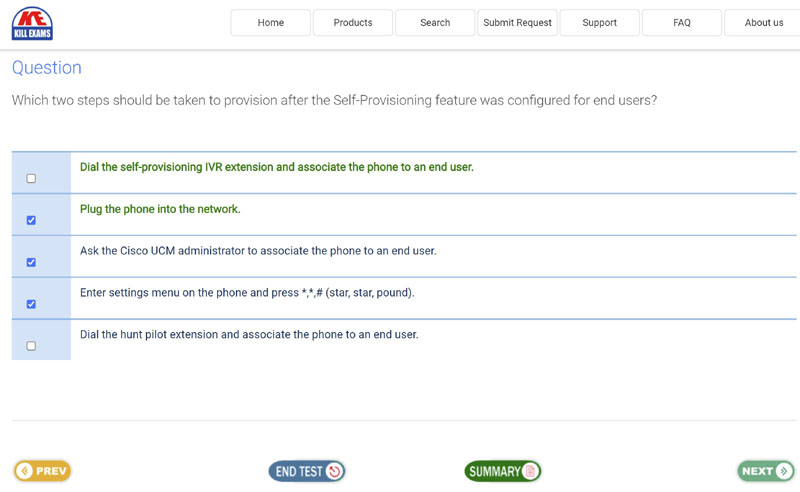
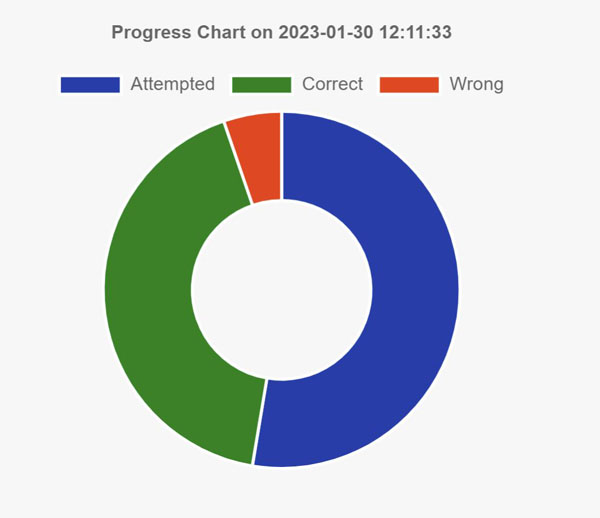
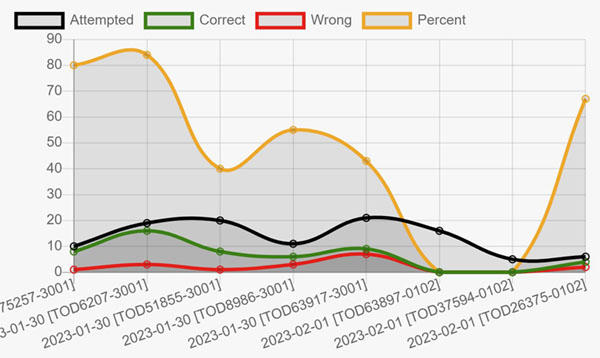
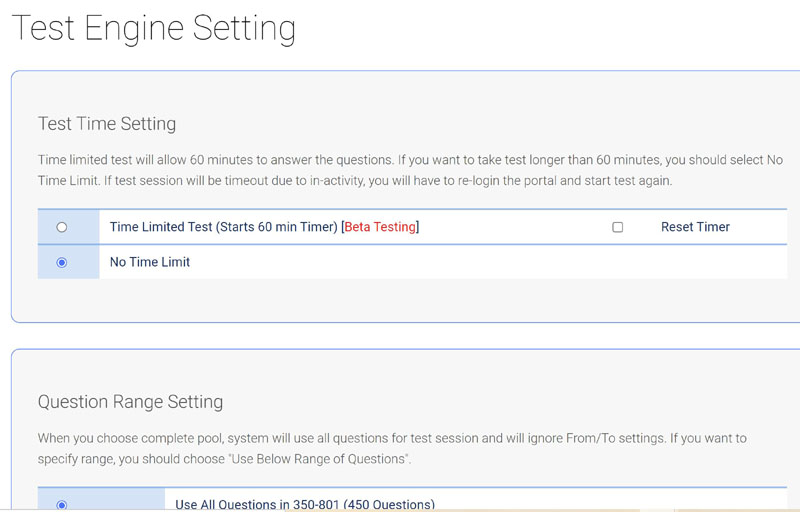
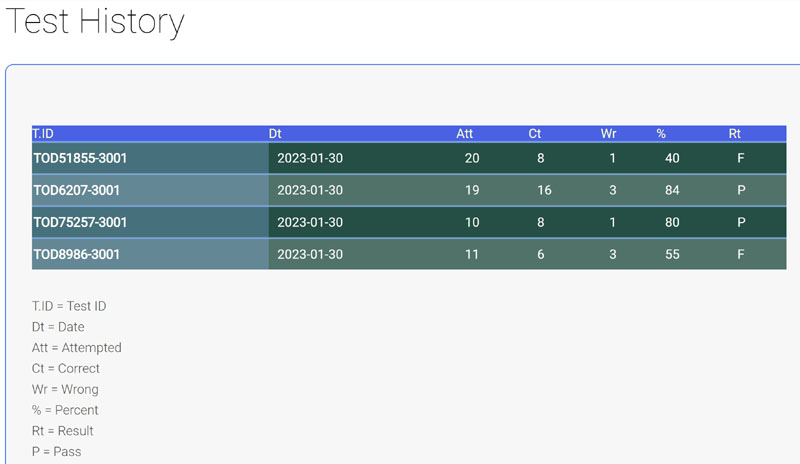
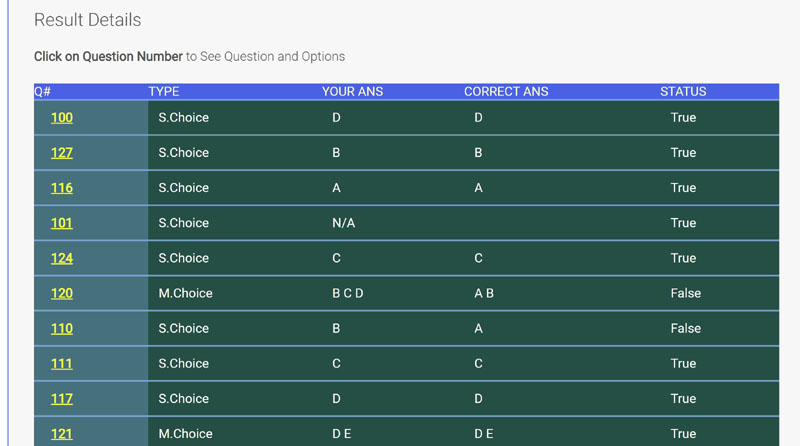
The Online Test Engine maintains practice history, performance summaries, and visual progress reports. Where available, questions may include explanations or reference information to support better understanding of exam topics. Content is reviewed and updated periodically to reflect relevant syllabus changes and maintain consistency with exam objectives.
Desktop Test Engine
| Exam Questions | 854 (Complete Set) |
| Software Version | 2026 |
| Access | Unlimited |
| Latest Update | November 27, 2026 |
| Access Activation | Instant (5 to 10 min.) |
| Supported OS | Windows (All Versions) |
| Delivery Method | Username / Password |
| Test Engine Trial Software | Killexams Test Engine 2026 |
The Killexams Desktop Test Engine (version 2026) is a dedicated test preparation software designed to support candidates preparing for the CISMP-V9 exam. The simulator provides a structured desktop based practice environment that allows users to work through exam style questions and review their performance in detail.
By practicing with the Foundation Certificate in Information Security Management Principles V9.0 Exam Simulator, candidates can become familiar with question formats, exam navigation, and time based testing conditions similar to those used in official exams. This experience helps users build confidence across testing environment, time management, exam topics and identify areas that may require additional study.


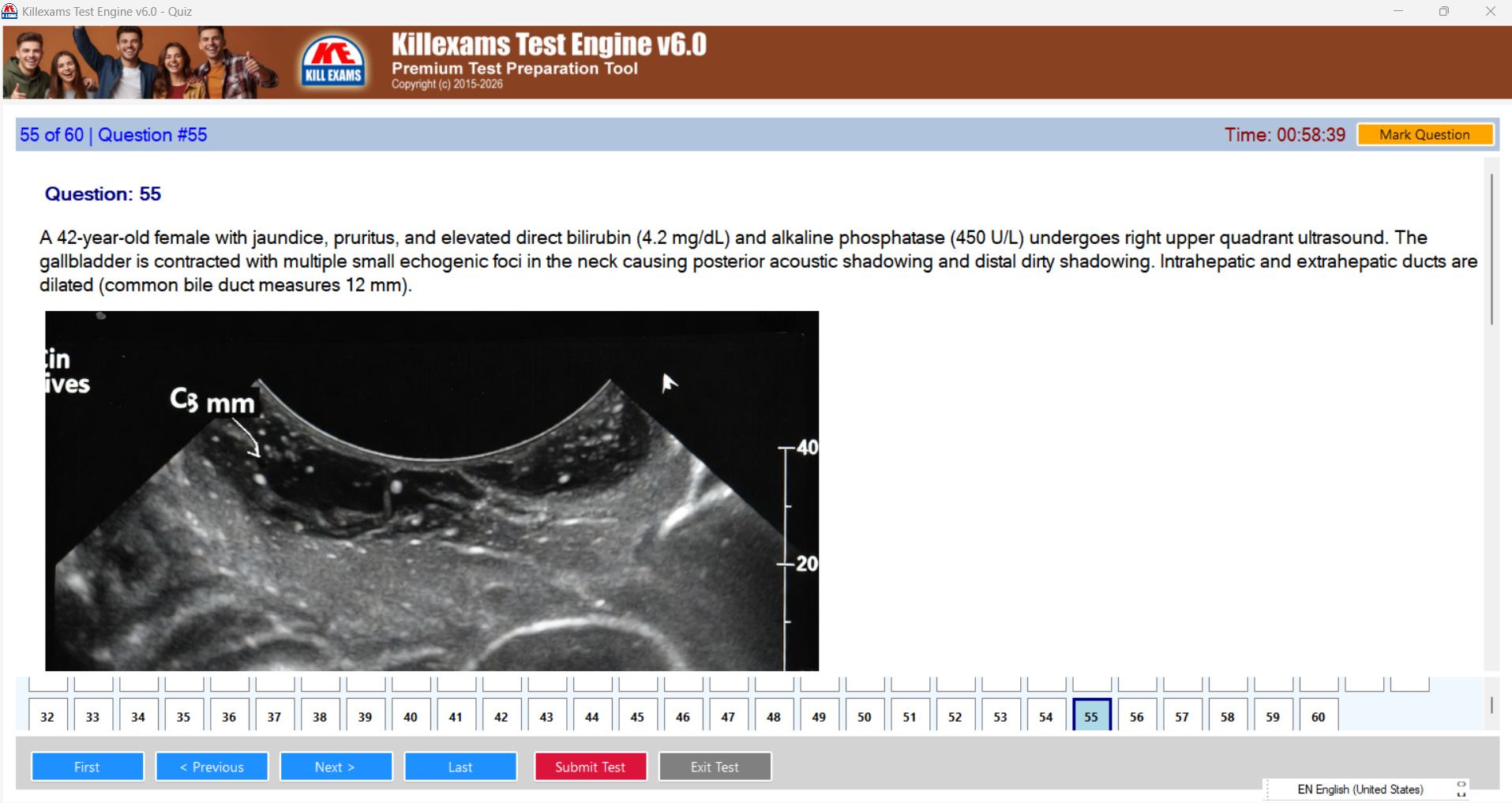
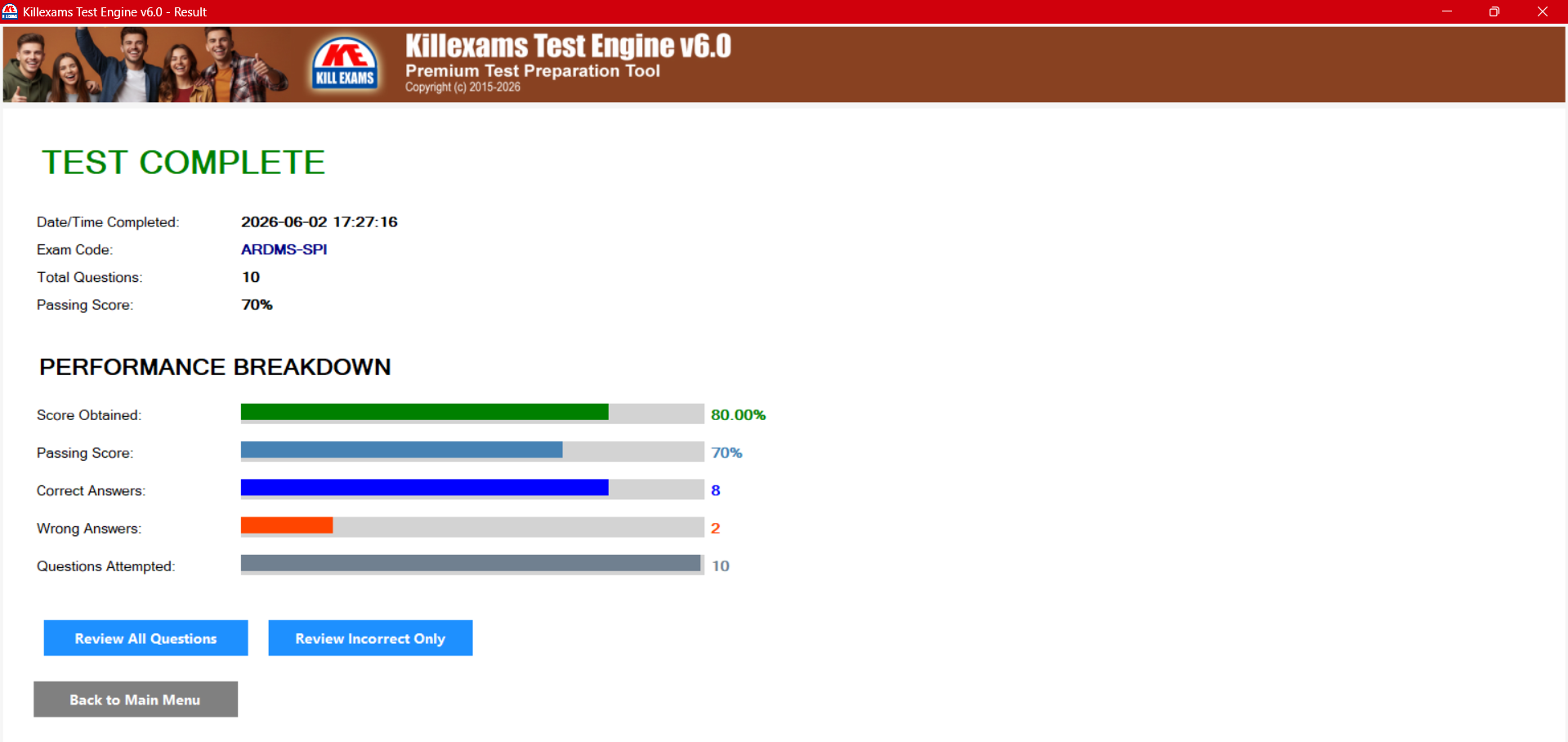

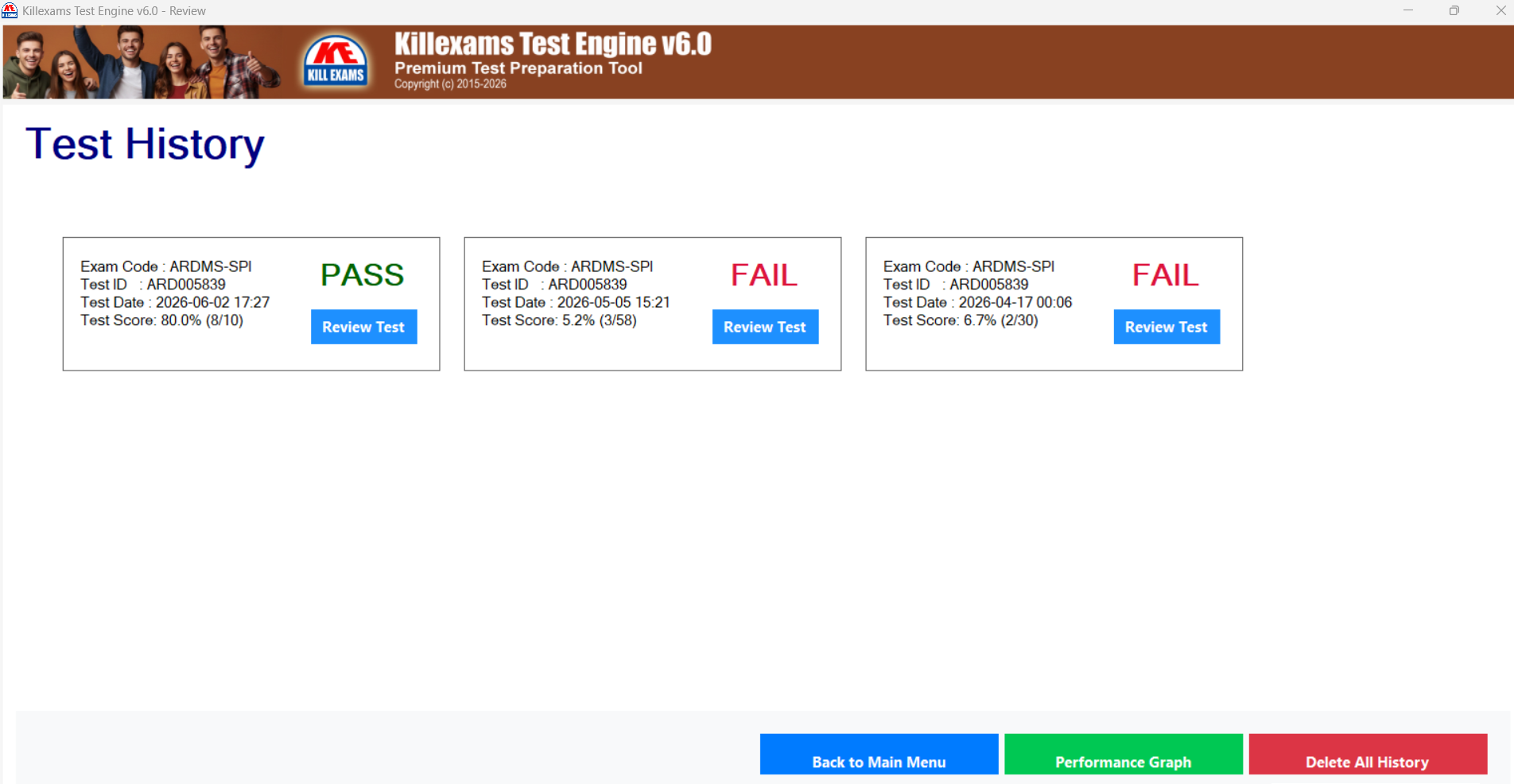
The Desktop Exam Simulator records practice history, performance summaries, and graphical progress reports. Where available, questions may include explanations or reference information to support understanding of correct and incorrect answers. The simulator content is reviewed and updated periodically to remain aligned with current exam objectives and syllabus requirements.
|
3 Months Update
|
6 Months Update
|
12 Months Update
|
|
|---|---|---|---|
What is 3 Months Update?
During 3 months, all future updates in PDF and Test Engine will be provided in your MyAccount with download links. An Intimation email on each update will be sent to you to re-download the updated exam files.
|
What is 6 Months Update?
During 6 months, all future updates in PDF and Test Engine will be provided in your MyAccount with download links. An Intimation email on each update will be sent to you to re-download the updated exam files.
|
What is 12 Months Update?
During 12 months, all future updates in PDF and Test Engine will be provided in your MyAccount with download links. An Intimation email on each update will be sent to you to re-download the updated exam files.
|
|
| Files | PDF / Test Engines | PDF / Test Engines | PDF / Test Engines |
| Premium Access | ✔ | ✔ | ✔ |
| Online Test Engine | ✔ | ✔ | ✔ |
| Instant Download Access | ✔ | ✔ | ✔ |
| Comprehensive Q&A | ✔ | ✔ | ✔ |
| Latest Topics | ✔ | ✔ | ✔ |
| Updated Regularly | ✔ | ✔ | ✔ |
| Portable Files | ✔ | ✔ | ✔ |
| Unlimited Download | ✔ | ✔ | ✔ |
| 100% Secured | ✔ | ✔ | ✔ |
| Confidentiality | 100% | 100% | 100% |
| Syllabus Coverage | Latest | Latest | Latest |
| Any Hidden Cost | No | No | No |
| Auto Renewal | No | No | No |
| Updates Intimation | by Email | by Email | by Email |
| Technical Support | Free | Free | Free |
| PDF Compatibility | Windows, Mac, Android, iOS, Linux | Windows, Mac, Android, iOS, Linux | Windows, Mac, Android, iOS, Linux |
| Desktop Test Engine Compatibility | Windows All Versions | Windows All Versions | Windows All Versions |
| Online Test Engine Compatibility | Mac / Windows / Android / iOS / Linux | Mac / Windows / Android / iOS / Linux | Mac / Windows / Android / iOS / Linux |
CISMP-V9 Exam Format | Course Contents | Course Outline | Exam Syllabus | Exam Objectives
The CISMP-V9 (Foundation Certificate in Information Security Management Principles V9.0) is a certification exam that focuses on providing individuals with a foundational understanding of information security management principles. Here are the exam details for CISMP-V9:
- Number of Questions: The exam consists of multiple-choice questions. The exact number of questions may vary- but typically- the exam includes around 75 questions.
- Time Limit: The time allocated to complete the exam is 1 hour and 45 minutes.
Course Outline:
The CISMP-V9 course is designed to cover various aspects of information security management principles. The course outline typically includes the following topics:
1. Information Security Management Principles:
- Understanding the core principles of information security management.
- Recognizing the importance of information security governance and risk management.
2. Security Management Frameworks and Standards:
- Familiarizing with different security management frameworks and standards- such as ISO 27001 and COBIT.
- Understanding the roles and responsibilities of key stakeholders in security management.
3. Risk Management and Compliance:
- Understanding the concepts and processes of risk management.
- Identifying and assessing information security risks.
- Implementing risk mitigation and control measures.
- Complying with legal and regulatory requirements related to information security.
4. Security Incident Management:
- Recognizing the importance of incident management and response.
- Understanding incident detection- handling- and reporting processes.
- Developing incident response plans and procedures.
5. Business Continuity Planning:
- Understanding the concepts and principles of business continuity management.
- Developing and implementing business continuity plans.
- Conducting business impact assessments.
6. Physical and Environmental Security:
- Understanding the importance of physical and environmental security controls.
- Identifying and mitigating physical threats to information assets.
The objectives of the CISMP-V9 exam are as follows:
- Information security (confidentiality- integrity- availability and non-repudiation)
- Cyber security
- Asset and asset types (information- physical- software)
- Asset value and asset valuation
- Threat- vulnerability- impact and risk
- Organisational risk appetite and risk tolerance
- Information security policy concepts
- The types- uses and purposes of controls
- Defence in depth and breadth
- Identity- authentication- authorisation and accounting (AAA) framework
- Accountability- audit and compliance
- Information security professionalism and ethics
- The information security management system (ISMS) concept
- Information assurance and information governance
- Importance of information security as part of the general issue of protection of business assets and of the creation of new business models (e.g. cloud- mergers- acquisitions and outsourcing)
- Different business models and their impact on security (e.g. online business vs. traditional manufacturing vs. financial services vs. retail; commercial vs. governmental)
- Effects of rapidly changing information and business environment on information security
- Balancing the cost/impact of security against the reduction in risk achieved
- Information security as part of overall company security policy
- The need for a security policy and supporting standards- guidelines and procedures
- The relationship with corporate governance and other areas of risk management
- Security as an enabler; delivering value rather than cost
- Threats and vulnerabilities lead to risks
- Threats and vulnerabilities apply specifically to IT systems
- The business must assess the risks in terms of the impact suffered by the organisation should the risk materialise
- To determine the most appropriate response to a risk and the activities required to achieve the effective management of risks over time.
- Threat intelligence and sharing- the speed of change of threats and the need for a timely response
- Threat categorisation (accidental vs. deliberate- internal vs. external- etc.)
- Types of accidental threats (e.g. hazards- human error- malfunctions- fire- flood- etc.)
- Types of deliberate threats (e.g. hacking- malicious software- sabotage- cyber terrorism- hi-tech crime- etc.)
- Threats from the Dark Web and vulnerabilities of big data and the Internet of things
- Sources of accidental threat (e.g. internal employee- trusted partner- poor software design- weak procedures and processes- managed services- social media- etc.)
- Sources of deliberate threat (internal employee- trusted partner- random attacker- targeted attack- managed and outsourced services- web sites- etc.)
- Vulnerability categorisation (e.g. weaknesses in software- hardware- buildings/facilities- people- procedures)
- Vulnerabilities of specific information system types (e.g. PCs- laptops- hand held devices- bring your own devices (BYOD)- servers- network devices- wireless systems- web servers- email systems- etc.)
- The contribution of threats- vulnerabilities and asset value to overall risk
- Impact assessment of realised threats (e.g. loss of confidentiality- integrity- and availability- leading to financial loss- brand damage- loss of confidence- etc.)
- Risk management process: 1. establish the context- 2. assessment (including identification- analysis and evaluation) 3. treatment- communication and consultation and 4. monitoring and review
- Strategic options for dealing with risks and residual risk i.e. avoid/eliminate/terminate- reduce/modify- transfer/share- accept/tolerate
- Tactical ways in which controls may be used – preventive- directive- detective and corrective
- Operational types of controls – physical- procedural (people) and technical
- The purpose of and approaches to impact assessment including qualitative quantitative- software tools and questionnaires
- Identifying and accounting for the value of information assets
- Principles of information classification strategies
- The need to assess the risks to the business in business terms
- Balancing the cost of information security against the cost of potential losses
- The role of management in accepting risk
- Contribution to corporate risk registers
- The organisation’s management of information security
- Information security roles in an enterprise
- Placement in the organisation structure
- Senior leadership team responsibilities
- Responsibilities across the wider organisation
- Need to take account of statutory (e.g. data protection- health & safety)- regulatory (e.g. financial conduct regulations) and advisory (e.g. accounting practices- corporate governance guidelines) requirements
- Need for- and provision of specialist information security advice and expertise
- Creating an organisational culture of good information security practice
- Organisational policy- standards and procedures
- Developing- writing and getting commitment to security policies
- Developing standards- guidelines- operating procedures- etc. internally and with third parties (outsourcing)- managed service providers- etc.
- Balance between physical- procedural and technical security controls
- Defence in depth and breadth
- End user codes of practice
- Consequences of policy violation
- Information security governance
- Review- evaluation and revision of security policy
- Security audits and reviews
- Checks for compliance with security policy
- Reporting on compliance status with reference to legal and regulatory requirements- (e.g. Sarbanes Oxley- PCI DSS- data protection legislation (e.g. GDPR))
- Compliance of contractors- third parties and sub-contractors
- Information security implementation
- Planning – ensuring effective programme implementation
- How to present information security programmes as a positive benefit (e.g. business case- ROI case- competitive advantage- getting management buy-in)
- Security architecture and strategy
- Need to link with business planning- risk management and audit processes
- Security incident management
- Security incident reporting- recording- management
- Incident response teams/procedures
- Need for links to corporate incident management systems
- Processes for involving law enforcement or responding to requests from them
- Protection of personal data- restrictions on monitoring- surveillance- communications interception and trans-border data flows
- Employment issues and employee rights (e.g. relating to monitoring- surveillance and communications interception rights and employment law)
- Common concepts of computer misuse
- Requirements for records retention
- Intellectual property rights- (e.g. copyright- including its application to software- databases and documentation)
- Contractual safeguards including common security requirements in outsourcing contracts- third party connections- information exchange- etc.
- Collection and preservation of admissible evidence
- Securing digital signatures (e.g. legal acceptance issues)
- Restrictions on purchase- use and movement of cryptography technology (e.g. export licences)
- Where to find national and international information security standards
- ISO/IEC 27000 series- ISO/IEC 20000 (ITIL®)- Common Criteria and other relevant international standards 3.3.3. International industry sector standards e.g. ISA/IEC 62443 and ISO/IEC 27011
- Certification of information security management systems to appropriate standards
- ISO/IEC 27001
- Product certification to recognised standards – e.g. ISO/IEC 15408 (the Common Criteria)
- Key technical standards – e.g. IETF RFCs- FIPS- ETSI- NIST- NIS
- The creation and/or acquisition of the information- (e.g. through emails- letters- phone calls- etc.)
- The publication and/or use of the information.
- The retention- removal and/or disposal of the information.
- Use of architecture frameworks e.g. SABSA- TOGAF
- Agile development i.e. DevOps- DevSecOps and potential conflict with security
- Sharing of information by design (e.g. cloud- Office 365 etc.)
- Service continuity and reliability
- Methods and strategies for security testing of business systems- including vulnerability assessments and penetration testing
- Need for correct reporting of testing and reviews
- Verifying linkage between computer and clerical processes
- Techniques for monitoring system and network access and usage including the role of audit trails- logs and intrusion detection systems- and techniques for the recovery of useful data from them
- Security requirement specification
- Security involvement in system and product assessment – including open source vs proprietary solutions
- Security issues associated with commercial off-the-shelf systems/applications/ products
- Importance of links with the whole business process – including clerical procedures
- Separation of development- test and support from operational systems
- Security of acceptance processes and security aspects in process for authorising business systems for use
- Role of accreditation of new or modified systems as meeting their security policy
- Change control for systems under development to maintain software integrity
- Security issues relating to outsourcing software development
- Preventing covert channels- Trojan code- rogue code- etc. – code verification techniques
- Handling of security patches and non-security patches (e.g. OS upgrades)
- Use of certified products/systems including source libr
- Organisational culture of security
- Employee- contractor and business partner awareness of the need for security
- Security clearance and vetting
- Role of contracts of employment
- Need for and topics within service contracts and security undertakings
- Rights- responsibilities- authorities and duties of individuals - codes of conduct
- Typical topics in acceptable use policies
- Role of segregation of duties/avoiding dependence on key individuals
- Typical obligations on interested parties (e.g. supply chain- managed service providers- outsourced services- etc.)
- Authentication and authorisation mechanisms (e.g. passwords- tokens- biometrics- multi-factor authentication- etc.) and their attributes (e.g. strength- acceptability- reliability)
- Approaches to use of controls on access to information and supporting resources taking cognisance of data ownership rights (e.g. read/write/delete- control)- privacy- operational access- etc.
- Approaches to administering and reviewing access controls including role-based access- management of privileged users- management of users (joining- leaving- moving- etc.)- emergency access
- Access points – remote- local- web-based- email- etc. - and appropriate identification and authentication mechanisms
- Information classification and protection processes- techniques and approaches
- Purpose and role of training – need to tailor to specific needs of different interested parties (e.g. users vs. specialist vs. business manager vs. external parties)
- Approaches to training and promoting awareness – e.g. videos- books- reports- computer based training and formal training courses
- Sources of information- including internal and external conferences- seminars- newsgroups- trade bodies- government agencies- etc.
- Developing positive security behaviour
- Continual professional development and training refreshment
- Types of malicious software – Trojans- botnets- viruses- worms- active content (e.g. Java- Active-X- XSS)- ransomware- etc.
- Different ways systems can get infected (e.g. phishing- spear-phishing- click-bait- third party content)
- Methods of control – internal and external- client/server- common approaches- use of good practice guides- opensource intelligence- need for regular updates- Open Web Application Security Project- etc.
- Security by design- security by default and configuration management
- Entry points in networks and associated authentication techniques
- Partitioning of networks to reduce risk – role of firewalls- routers- proxy servers and network boundary separation architectures
- The role of cryptography in network security – common protocols and techniques (HTTPS- PKI- SSL/TLS- VPN- IPSec- etc.)
- Controlling third party access (types of and reasons for) and external connections
- Network and acceptable usage policy
- Intrusion monitoring and detection methods and application
- End-to-end assessment of vulnerabilities and penetration testing of networks and connections- etc.
- Secure network management (including configuration control and the periodic mapping and management of firewalls- routers- remote access points- wireless devices- etc.)
- Securing real-time services (instant messaging- video conferencing- voice over IP- streaming- etc.)
- Securing data exchange mechanisms e.g. e-commerce- email- internet downloads- file transfers- virtual private network (VPN)- etc.
- Protection of web servers and e-commerce applications
- Mobile computing- home working and BYOD
- Security of information being exchanged with other organisations. The management of information security within managed service and outsourced operations including during the circumstances of subsequent in- sourcing and changes of supplier
- Legal implications for cloud computing notably for personal data- IPR and related issues
- The particular information security considerations when selecting a cloud computing supplier
- Comparing the risks of maintaining a ‘classical’ organisation and architecture with the risks in a cloud computing environment
- The importance of distinguishing between commercial risk (of a supplier) and the other consequences of risk to the purchaser
- Security information and event monitoring (SIEM)
- Separation of systems to reduce risk
- Conformance with security policy- standards and guidelines
- Access control lists and roles- including control of privileged access
- Correctness of input and ongoing correctness of all stored data including parameters for all generalised software
- Visualisation and modelling of threats and attacks
- Recovery capability- including back-up and audit trails
- Intrusion monitoring- detection methods and application
- Installation baseline controls to secure systems and applications - dangers of default settings
- Configuration management and operational change control
- The need to protect system documentation and promote security documentation within the organisation- within partner organisations and within managed service and outsourced operations
- General controls and monitoring of access to and protection of physical sites- offices- secure areas- cabinets and rooms
- Protection of IT equipment – servers- routers- switches- printers- etc.
- Protection of non-IT equipment- power supplies- cabling- etc.
- Need for processes to handle intruder alerts- deliberate or accidental physical events- etc.
- Clear screen and desk policy
- Moving property on and off-site
- Procedures for secure disposal of documents- equipment- storage devices- etc.
- Procedures for the disposal of equipment with digital-data retention facilities e.g. multi-function devices- photocopiers- network printers- etc.
- Security requirements in delivery and loading areas
- Relationship with risk assessment and impact analysis
- Resilience of systems and infrastructure
- Approaches to writing and implementing plans
- Need for documentation- maintenance and testing of plans
- Need for links to managed service provision and outsourcing
- Need for secure off-site storage of vital material
- Need to involve personnel- suppliers- IT systems providers- etc.
- Relationship with security incident management
- Compliance with standards - ISO 22300 series or other relevant international standards
- Common processes- tools and techniques for conducting investigations- including intelligence sharing platforms (e.g. CiSP)
- Legal and regulatory guidelines for disclosures- investigations- forensic readiness and evidence preservation
- Need for relations with law enforcement- including specialist computer crime units and security advice
- Issues when buying-in forensics and investigative support from third parties
- Basic cryptographic theory- techniques and algorithm types- their use in confidentiality and integrity mechanisms and common cryptographic standards
- Policies for cryptographic use- common key management approaches and requirements for cryptographic controls
- Link- file- end-to-end- and other common encryption models and common public key infrastructures and trust models e.g. two-way trust
- Common practical applications of cryptography (e.g. for digital signatures- authentication and confidentiality)
- Use by individuals of encryption facilities within applications (e.g. WhatsApp- VPN- certificates)
Reviews (2)3.50 Overall
★★★★★
50%
★★★★
0%
★★★
0%
★★
50%
★
0%
|
Submit ReviewYou must be logged in to submit a review. Sign In to Submit Review |
Customer Reviews
CISMP-V9 Exam FAQs
How many questions are on the CISMP-V9 exam?
The CISMP-V9 exam has 100 questions.
How long is the CISMP-V9 exam?
You have 2 hours to complete the CISMP-V9 exam.
What topics does the CISMP-V9 exam cover, and how are they weighted?
The CISMP-V9 exam covers 8 sections: Information Security Management Principles; Information Risk; Information Security Framework; Security Lifecycle; Procedural and People Security Controls; Technical Security Controls; Physical and Environmental Security; Disaster Recovery and Business Continuity.
How should I prepare for CISMP-V9?
Start with the official CISMP-V9 exam outline and study materials from BCS, then build exam readiness with timed practice. A killexams.com premium account gives you the full pool of 854 CISMP-V9 practice questions and answers in PDF and Test Engine formats, so you can practice every objective and review the answers before exam day.
How long does it take to prepare for CISMP-V9?
At a steady pace of 100 practice questions a day, working through all 854 CISMP-V9 questions takes about 9 days. Add extra days to repeat the questions you got wrong.
Is CISMP-V9 hard? Who is it for?
The BCS Foundation Certificate in Information Security Management Principles, CISMP, covers information security concepts, risk, frameworks, legal and regulatory requirements, technical and physical security, and business continuity.
How many practice questions do you have for CISMP-V9?
The killexams.com CISMP-V9 practice test contains 854 questions and answers.
Is there a free CISMP-V9 sample?
Yes. A free CISMP-V9 sample PDF is available on this page, so you can review the question style before you buy.
What formats are included in the CISMP-V9 practice test?
The CISMP-V9 practice test is available as a PDF, an Online Test Engine and a Desktop Test Engine.
Do the CISMP-V9 practice questions cover the current exam objectives?
Yes. The CISMP-V9 practice questions cover the complete syllabus and current exam objectives.
How do I get the files after purchase, and how long is access valid?
Your MyAccount login details are delivered by email. You can download the files from the member area until your account expires, after 3, 6 or 12 months depending on the plan you bought.
Can I use the CISMP-V9 Test Engine on Mac or mobile?
Yes, with the Online Test Engine, which runs on Mac, iOS, Android, Linux and other platforms. The Desktop Test Engine is for Windows only.
What if I fail the CISMP-V9 exam after using your material?
You can choose one of three options: 1) a refund, 2) a free 3-month account extension, or 3) a new exam of your choice.
How many practice questions are available for CISMP-V9?
The CISMP-V9 practice test contains 854 practice questions and answers covering the current exam objectives.
What formats are available for CISMP-V9 preparation?
The CISMP-V9 practice test is available as PDF, Online Test Engine, Desktop Test Engine. All formats can be downloaded instantly after purchase.
Is there a free CISMP-V9 sample?
Yes. You can preview and download a free CISMP-V9 sample PDF on this page before you buy.