


FACHE Exam Questions PDF
| Questions and Answers | 1410 (Complete Set) |
| File Format | |
| Latest Update | November 18, 2026 |
| Files Delivery | Instant (5 to 10 min.) |
| Compatibility | All Desktop and Mobile Devices |
| Delivery Method | Download Account |
The Fellow of the American College of Healthcare Executives credential recognizes senior health care leaders. The Board of Governors Exam covers governance and organizational structure, human resources, finance, health care technology, quality and performance improvement, laws and regulations, professionalism and ethics, and business skills.
Because Fellow of the American College of Healthcare Executives is used by employers, boards and credentialing bodies as evidence of competence, preparation deserves a structured plan. Most questions are written as short clinical scenarios, so understanding why an answer is correct matters more than memorizing lists.
To understand what is actually tested, it helps to break the outline down. Governance and Organizational Structure focuses on boards and structure. The Human Resources area includes workforce. Questions on Finance typically involve budgets and revenue. Health Care Technology and Information Management covers IT systems.
Preparing for the FACHE exam requires not only understanding the exam topics but also practicing with exam style questions. Our Fellow of the American College of Healthcare Executives exam questions in practice tests help candidates review key concepts and familiarize themselves with the format and difficulty of exam.
At Killexams.com, our team works to maintain up-to-date practice content for exam preparation. We continuously review and refine our question sets and explanations to cover the latest relevant syllabus areas and help learners strengthen their understanding of core topics before facing the official exam. These Practice tests allow you to identify areas where you need improvement by measuring your readiness, and provide you exam questions to polish those areas.
FACHE Exam Questions Preview
The Board of Governors Exam has 230 multiple choice questions, 200 scored, over about four hours. Review health care finance and quality methods carefully.
For FACHE, a simple schedule built on the outline avoids gaps. Allow roughly 8 weeks, giving each major area its own block: begin with Governance and Organizational Structure, continue with Human Resources; Finance; and Health Care Technology and Information Management, and finish with Quality and Performance Improvement; Laws and Regulations; and Professionalism and Ethics. Keep a one page summary for each area with key terms, steps and examples, and review these summaries every few days. Close your preparation with at least two complete timed practice sessions and a careful review of every missed question.
Questions on FACHE are often long clinical vignettes. Practice reading the last line of the question first, then scanning the case for the details that matter. This habit saves time and reduces the chance of being distracted by irrelevant information.
| Detail | Information |
|---|---|
| Questions | 230 (200 scored) |
| Duration | About 4 hours |
| Provider | ACHE |
To help you evaluate our material, you may download free sample pdf with example questions and answers that we provide. This sample allows you to review content and approach before deciding on Premium materials..
The Fellow of the American College of Healthcare Executives practice test files contains 1410 Questions, are compatible with multiple devices, including Windows, macOS, iOS, and Android, and can be used for both online and offline study. The PDF format is printable, making it easy to study during travel or when away from a computer. Access to updated materials is available through your online account.
After purchase, you will receive your username and password immediately, allowing you to log in and download your study files without delay. Our goal is to support exam preparation at your pace with practice content designed for reinforcement and understanding of key concepts.
Killexams.com FACHE questions and answers cover all exam domains with explanations. Practice tests help you prepare for the long exam.
Questions in the killexams.com FACHE bank are grouped to match the exam sections, including Governance and Organizational Structure; Human Resources; Finance; and Health Care Technology and Information Management. Working through these sets two or three times, and reviewing every explanation, is a reliable way to raise your score before exam day.
The killexams.com FACHE questions and answers work well alongside official study guides and hands on practice. Use the study guide to learn concepts, then use the question bank to test whether you can apply them under exam conditions.
Online Test Engine
| Exam Questions | 1410 (Complete Set) |
| Testing Limit | Unlimited |
| Access Type | Online |
| Latest Update | November 18, 2026 |
| Access Activation | Instant (5 to 10 min.) |
| Supported OS | Mac, Windows, Android, iPhone / iPad, Linux |
| Delivery Method | Username / Password |
Killexams.com provides an Online Test Engine designed to help candidates practice exam questions in a structured and interactive environment. The Test Engine is compatible with iPhone, iPad, Android, Windows, and Mac, allowing you to study and practice on the device that best fits your schedule.
The FACHE Online Test Engine enables candidates to simulate exam-style practice sessions, review answers, and track progress over time. This learning approach helps users practice exam questions, question formats and improve time management while preparing for the Fellow of the American College of Healthcare Executives exam.
The Test Engine includes features that support effective learning, such as customizable practice sessions, question review modes, and progress tracking. These tools are designed to assist candidates in identifying knowledge gaps and reinforcing key concepts through repeated practice rather than memorization alone.
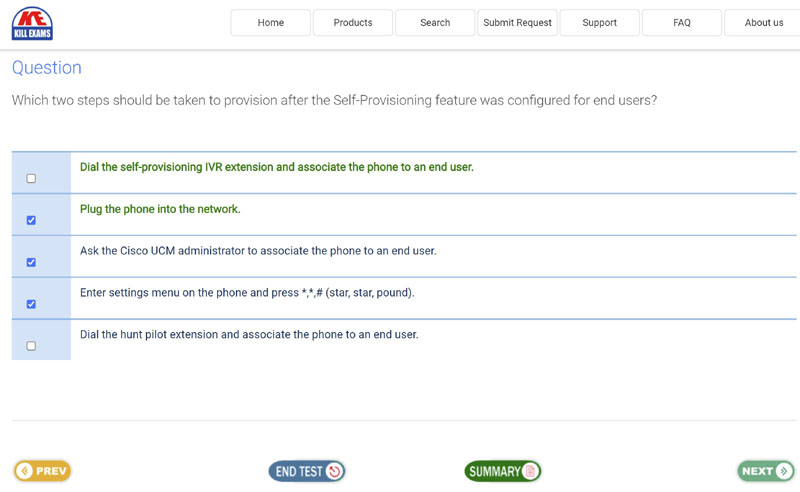
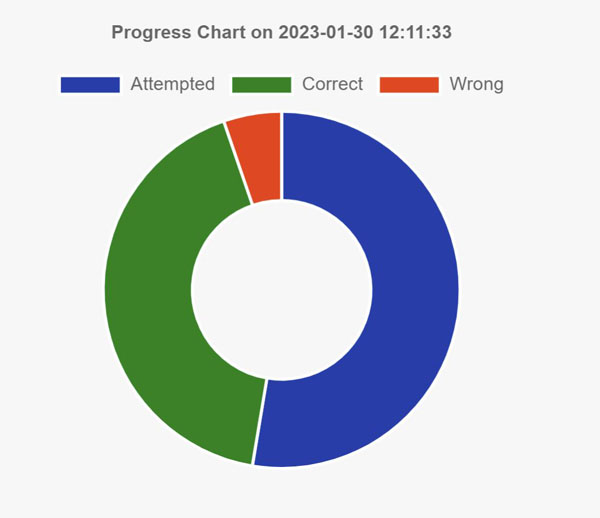
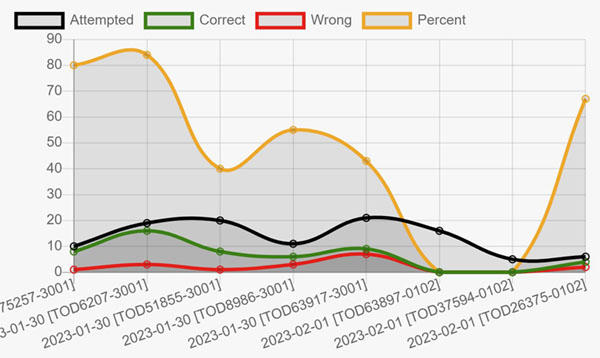
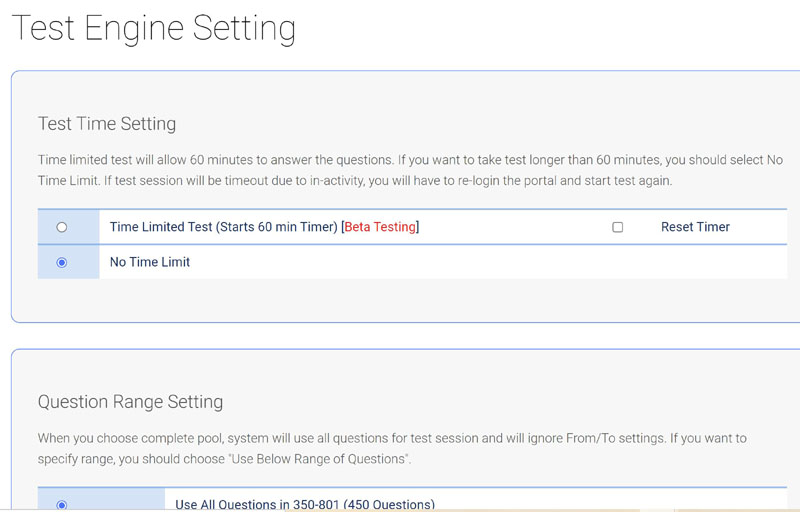
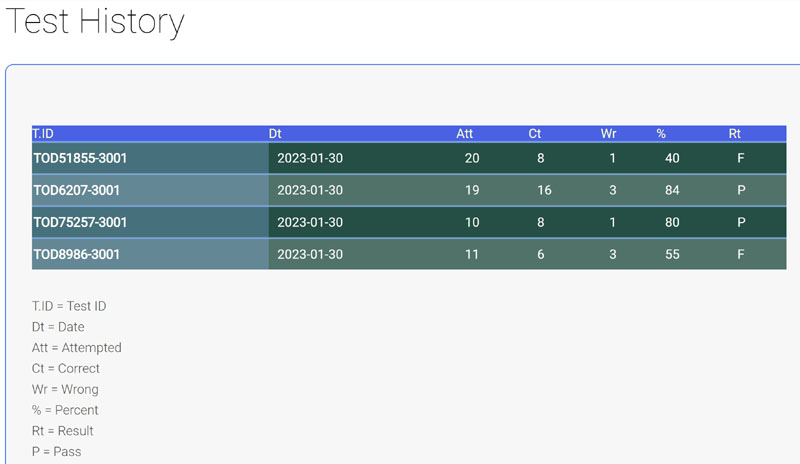
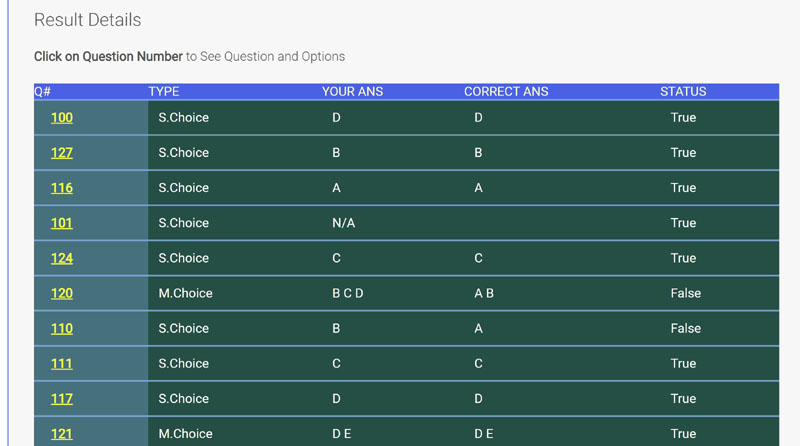
The Online Test Engine maintains practice history, performance summaries, and visual progress reports. Where available, questions may include explanations or reference information to support better understanding of exam topics. Content is reviewed and updated periodically to reflect relevant syllabus changes and maintain consistency with exam objectives.
Desktop Test Engine
| Exam Questions | 1410 (Complete Set) |
| Software Version | 2026 |
| Access | Unlimited |
| Latest Update | November 18, 2026 |
| Access Activation | Instant (5 to 10 min.) |
| Supported OS | Windows (All Versions) |
| Delivery Method | Username / Password |
| Test Engine Trial Software | Killexams Test Engine 2026 |
The Killexams Desktop Test Engine (version 2026) is a dedicated test preparation software designed to support candidates preparing for the FACHE exam. The simulator provides a structured desktop based practice environment that allows users to work through exam style questions and review their performance in detail.
By practicing with the Fellow of the American College of Healthcare Executives Exam Simulator, candidates can become familiar with question formats, exam navigation, and time based testing conditions similar to those used in official exams. This experience helps users build confidence across testing environment, time management, exam topics and identify areas that may require additional study.


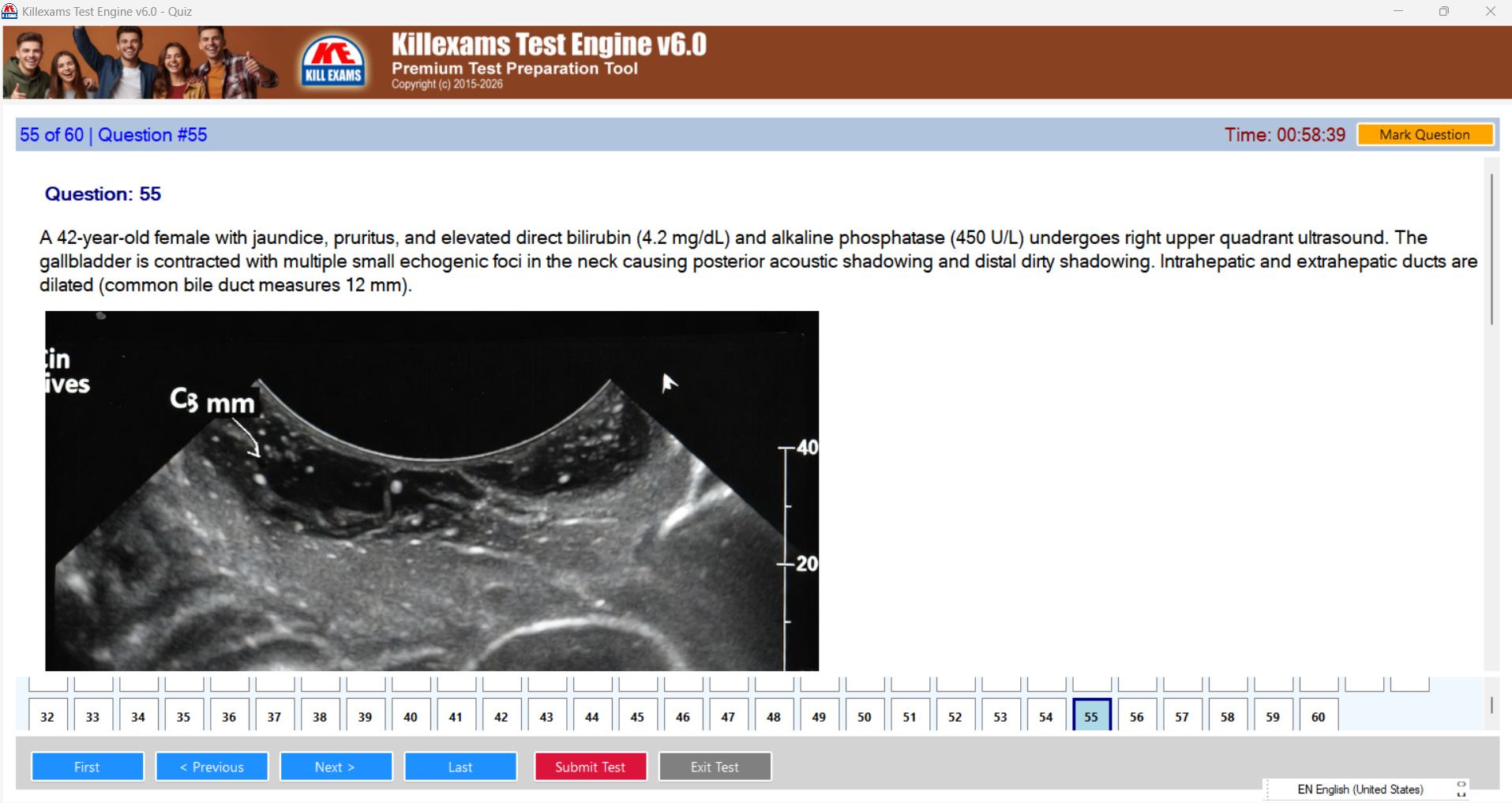
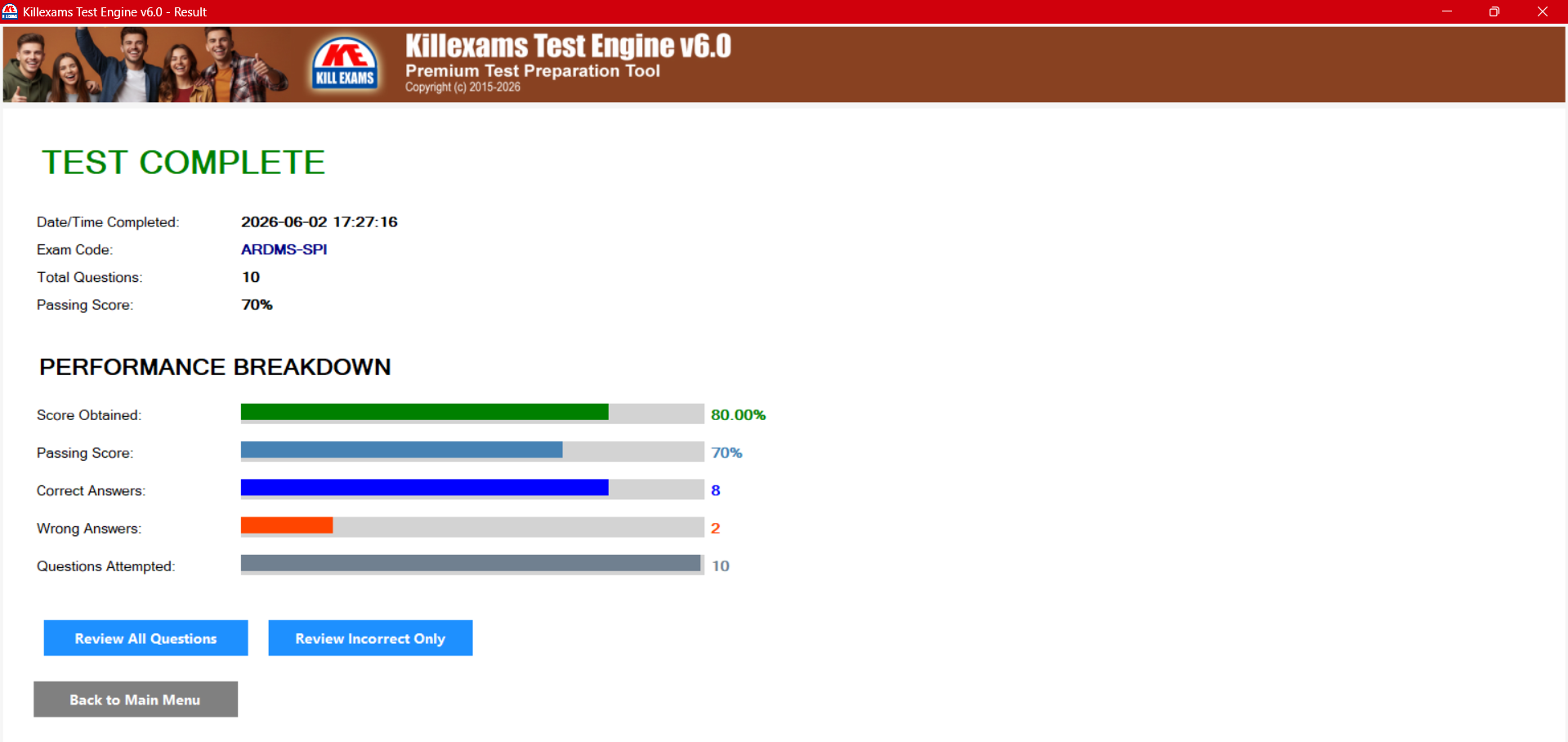

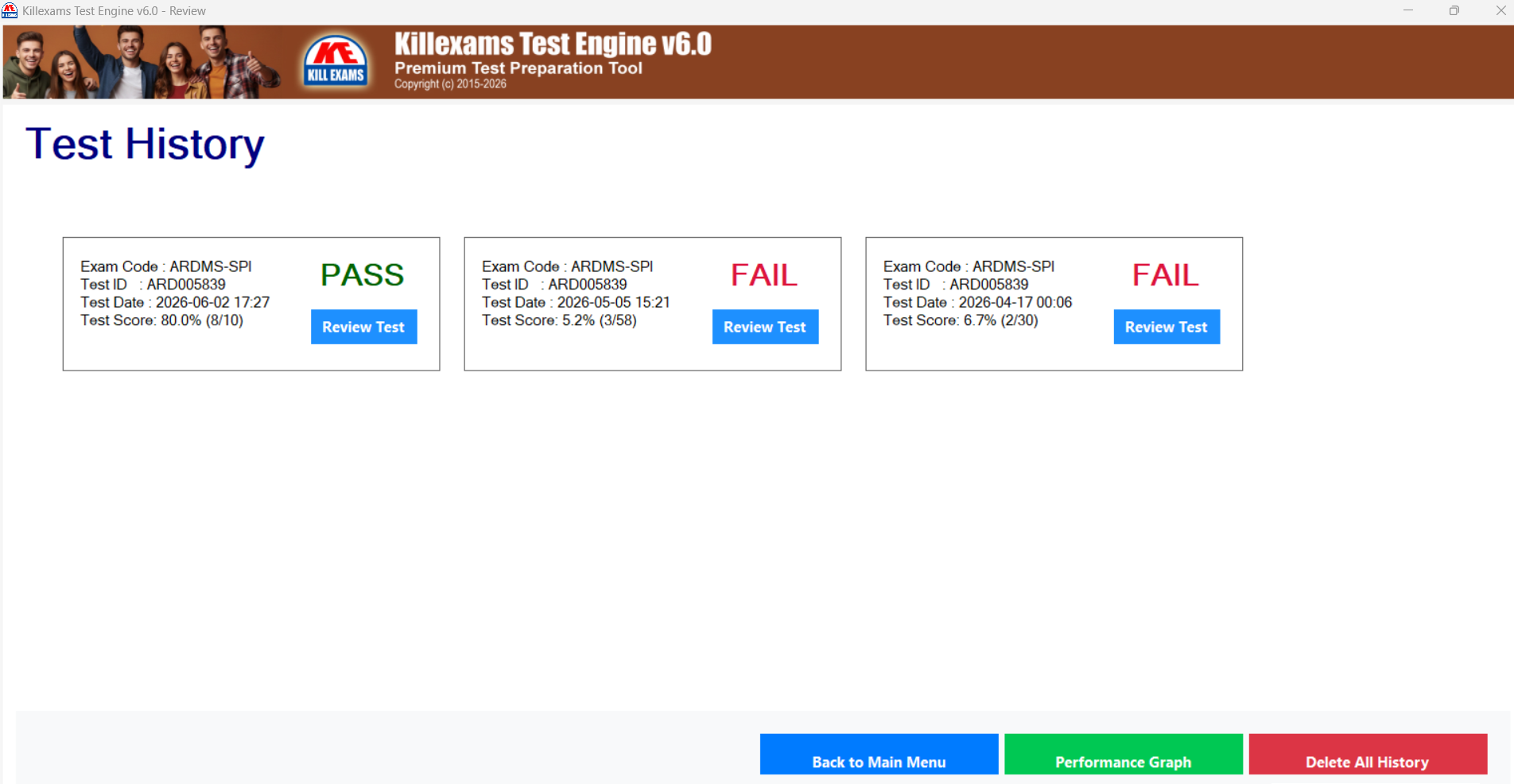
The Desktop Exam Simulator records practice history, performance summaries, and graphical progress reports. Where available, questions may include explanations or reference information to support understanding of correct and incorrect answers. The simulator content is reviewed and updated periodically to remain aligned with current exam objectives and syllabus requirements.
|
3 Months Update
|
6 Months Update
|
12 Months Update
|
|
|---|---|---|---|
What is 3 Months Update?
During 3 months, all future updates in PDF and Test Engine will be provided in your MyAccount with download links. An Intimation email on each update will be sent to you to re-download the updated exam files.
|
What is 6 Months Update?
During 6 months, all future updates in PDF and Test Engine will be provided in your MyAccount with download links. An Intimation email on each update will be sent to you to re-download the updated exam files.
|
What is 12 Months Update?
During 12 months, all future updates in PDF and Test Engine will be provided in your MyAccount with download links. An Intimation email on each update will be sent to you to re-download the updated exam files.
|
|
| Files | PDF / Test Engines | PDF / Test Engines | PDF / Test Engines |
| Premium Access | ✔ | ✔ | ✔ |
| Online Test Engine | ✔ | ✔ | ✔ |
| Instant Download Access | ✔ | ✔ | ✔ |
| Comprehensive Q&A | ✔ | ✔ | ✔ |
| Latest Topics | ✔ | ✔ | ✔ |
| Updated Regularly | ✔ | ✔ | ✔ |
| Portable Files | ✔ | ✔ | ✔ |
| Unlimited Download | ✔ | ✔ | ✔ |
| 100% Secured | ✔ | ✔ | ✔ |
| Confidentiality | 100% | 100% | 100% |
| Syllabus Coverage | Latest | Latest | Latest |
| Any Hidden Cost | No | No | No |
| Auto Renewal | No | No | No |
| Updates Intimation | by Email | by Email | by Email |
| Technical Support | Free | Free | Free |
| PDF Compatibility | Windows, Mac, Android, iOS, Linux | Windows, Mac, Android, iOS, Linux | Windows, Mac, Android, iOS, Linux |
| Desktop Test Engine Compatibility | Windows All Versions | Windows All Versions | Windows All Versions |
| Online Test Engine Compatibility | Mac / Windows / Android / iOS / Linux | Mac / Windows / Android / iOS / Linux | Mac / Windows / Android / iOS / Linux |
FACHE Exam Format | Course Contents | Course Outline | Exam Syllabus | Exam Objectives
Exam Name: ACHE Fellow of the American College of Healthcare Executives
Number of Questions: 230 multiple-choice questions (each with 4 answer options). Of these- 200 are scored- and 30 are unscored "trial" questions used for future exam development.
Time Allotted: 6 hours total (no breaks specified- but candidates can manage time as needed during the session).
Passing Marks: Not publicly disclosed as a fixed score or percentage by ACHE. The exam is scored immediately upon completion- and candidates receive a simple pass/fail result. Historical pass rates vary (e.g.- ~65% average- 72% in 2022)- indicating a scaled threshold based on exam difficulty and performance standards.
Exam Format: Computer-based- proctored at Pearson VUE testing centers. Questions are evenly distributed across 10 core knowledge areas (e.g.- leadership- management- governance).
- Healthcare
- Knowledge of healthcare and medical terminology
- Knowledge of healthcare trends
- Knowledge of the levels of healthcare along the continuum of care (e.g.- extended care- acute hospital care- ambulatory care- post-acute care)
- Knowledge of levels of service from a business perspective (e.g.- home health- inpatient- outpatient)
- Knowledge of the types of healthcare organizations (e.g.- non-profit- for-profit- federal- public health)
- Knowledge of ancillary services (e.g.- laboratory and imaging services- therapies)
- Knowledge of support services (e.g.- environment of care- plant operations- materials management- hospitality services)
- Knowledge of the interdependency of integration within and competition among healthcare sectors including partnerships with academic and social care institutions
- Knowledge of clinician roles and qualifying criteria (e.g.- administrative versus clinical)
- Knowledge of evidence-based management practice
- Knowledge of different staff and functional perspectives in healthcare organizations (e.g.- frame of reference- expectations- and responsibilities by discipline and role)
- Knowledge of the patient perspective (e.g.- expectations- concerns- healthcare consumerism) and how it differs from the provider perspective
- Knowledge of the interrelationships among healthcare access- quality- cost- resource allocation- accountability- and the community
- Knowledge of different care delivery models and system access points
- Knowledge of digital health (e.g.- telehealth- telemedicine- telemonitoring)
- Knowledge of population health concepts (e.g.- patient segmentation- risk-based contracting)
- Knowledge of social determinants of health (e.g.- housing- food insecurity)
- Knowledge of preventative medicine concepts (e.g.- community outreach- wellness initiatives- retail health)
- Management and Leadership
- Knowledge of implementation planning (e.g.- operational plan- management plan)
- Knowledge of emergency preparedness (e.g.- contingency planning- emergency response as defined in National Incident Management System (NIMS))
- Knowledge of organizational systems theory and structuring (e.g.- span of control- chain of command- interrelationships of organizational units)
- Knowledge of management functions (e.g.- planning- organizing- directing- controlling- and evaluating)
- Knowledge of leadership and communication styles- and how and in what situations they apply
- Knowledge of team-building techniques (e.g.- communication- use of practical assessment or training tools)
- Knowledge of change management principles
- Knowledge of organizational development resources
- Knowledge of collaborative techniques for engaging and working with clinicians and external stakeholders (e.g.- policymakers- payers- community leaders)
- Knowledge of diversity- equity- inclusion and justice principles and their influence on team and organizational effectiveness
- Knowledge of resource allocation methods (e.g.- for addressing conflicts among departments or staff over scarce resources)
- Knowledge of types of healthcare network structures (e.g.- clinically integrated network- independent practice association) and their impact on local decision-making
- Knowledge of collective bargaining (e.g.- management’s rights during union organizing)
- Finance
- Knowledge of financial accounting principles needed to analyze and interpret financial reports (e.g.- which ratios to look at given your current concerns)
- Knowledge of operating budget principles (e.g.- fixed vs. flexible- zero based- variance analysis)
- Knowledge of capital budgeting principles (e.g.- funding sources- long-term implications of capital planning- such as depreciation and value analysis)
- Knowledge of reimbursement methodologies and their ramifications (e.g.- managed care models- national/state programs- value-based- fee-for-service)
- Knowledge of fundamental productivity measures (e.g.- hours per patient day- cost per patient day- units of service per labor hour)
- Knowledge of financial controls (e.g.- internal systems for accounts payable- checks and balances- auditing principles)
- Knowledge of revenue generation (e.g.- service line development- new ways to foster revenue- pricing strategies) and implications for payer mix
- Knowledge of how to prepare and justify a business model (e.g.- make a business case for a new project to gain shareholder support)
- Knowledge of potential impacts and consequences of financial decision-making on operations- healthcare- human resources- and quality of care
- Knowledge of asset management (e.g.- depreciation schedule)
- Knowledge of financing- including funding sources- the process of obtaining credit and bond ratings- and issuing bonds
- Knowledge of philanthropy and foundation work (e.g.- as a source of funding for non-profit organizations or to target for-profit organizations’ activities)
- Knowledge of supply chain systems- structures- and processes (e.g.- monitoring the effectiveness of supply chain management and strategic decision-making)
- Knowledge of revenue cycle (e.g.- billing- coding- authorizations- collections)
- Human Resources
- Knowledge of human resources laws and regulations (e.g.- labor law- wage and hour- Family and Medical Leave Act (FMLA)- Fair Labor Standards Act (FLSA)- Equal Employment Opportunity Commission (EEOC)- Employee Retirement Income Security Act (ERISA)- workers compensation)
- Knowledge of recruitment and retention approaches and techniques
- Knowledge of staffing methodologies and productivity management (e.g.- acuity-based staffing- flexible staffing- fixed staffing- capability- capacity- and upskilling)
- Knowledge of performance management systems (e.g.- performance-based evaluation- rewards systems- disciplinary policies and procedures)
- Knowledge of employee motivation and development principles and techniques
- Knowledge of employee satisfaction and engagement measurement and improvement techniques
- Knowledge of compensation and benefits practices (e.g.- merit-based- provider contracts)
- Knowledge of employee safety- security- and health issues (e.g.- Occupational Safety and Health Administration (OSHA)- workplace violence- employee burnout)
- Knowledge of conflict resolution and grievance procedures
- Knowledge of potential impacts and consequences of human resources decision-making on operations- finances- healthcare- and quality of care
- Knowledge of selection techniques (e.g.- commonly available assessments and relative benefits)
- Knowledge of labor relations practices and strategies
- Knowledge of job design processes
- Knowledge of succession planning models
- Knowledge of mentorship and coaching practices
- Laws and Regulations
- Knowledge of laws relating to confidentiality (e.g.- privacy act- Freedom of Information Act (FOIA)- release of information)
- Knowledge of healthcare compliance laws and regulations (e.g.- antitrust- conflict of interest- Emergency Medical Treatment and Active Labor Act (EMTALA)- Stark- No Surprises Act)
- Knowledge of Medicare- Medicaid- and other third-party payment regulations
- Knowledge of inspection and accrediting standards- regulations- and organizations (e.g.- Occupational Safety and Health Administration (OSHA)- Food and Drug Administration (FDA)- Nuclear Regulatory Commission (NRC)- Centers for Disease Control and Prevention (CDC)- state and federal accreditation/licensure)
- Knowledge of patients’ rights laws and regulations (e.g.- informed consent- Health Insurance Portability and Accountability Act (HIPAA)- advance directives- involuntary commitments)
- Knowledge of the different requirements for non-profit and for-profit healthcare organizations (e.g.- community health needs assessment for non-profit organizations)
- Knowledge of the potential impact of laws and regulations on operational- financial- quality of care- health resources- and human resources decisions
- Knowledge of laws and regulations related to collective bargaining
- Knowledge of legal implications for mergers and acquisitions
- Quality and Performance Improvement
- Knowledge of benchmarking principles and sources of best practices information (e.g.- internal- state- and national standards)
- Knowledge of the principles and methods of medical staff peer review
- Knowledge of risk management principles and programs (e.g.- insurance- education- safety- injury management- patient complaints- patient and staff security)
- Knowledge of managerial performance and process improvement tools and techniques (e.g.- plan-do-study-act (PDSA cycle)- lean processing- Six Sigma)
- Knowledge of clinical performance and process improvement tools and techniques (e.g.- clinical pathways- evidence-based medicine- population health- pay-for-performance)
- Knowledge of quality and performance measurement tools (e.g.- patient satisfaction measurements such as Hospital Consumer Assessment of Healthcare Providers and Systems (HCAHPS)- net promoter scores)
- Knowledge of utilization review/case management systems
- Knowledge of tools for improving patient safety (e.g.- reducing avoidable errors- disclosure of errors)
- Knowledge of how quality impacts operations- staffing- and financing decisions
- Business
- Knowledge of the strategic planning process (e.g.- scenario planning- forecasting- community needs assessment)
- Knowledge of business planning processes- including development- implementation- and assessment (e.g.- adding new services/ending existing services)
- Knowledge of basic business contracts- such as what constitutes a contractual commitment- and legal and financial implications (e.g.- intentional damage to a person or business that causes economic harm)
- Knowledge of the impact of the socioeconomic environment has on the functions of the organization
- Knowledge of marketing principles and tools and how to interpret marketing data (e.g.- market analysis- market research- sales- advertising)
- Knowledge of principles of media relations- advertising- social media- and community relations
- Knowledge of the techniques involved in negotiating contracts or services (e.g.- compromise- persuasion) and relevant factors (e.g.- utilization review- models)
- Knowledge of potential impacts and consequences of business decision-making on operations- healthcare- human resources- community- and quality of care
- Healthcare Technology and Information Management
- Knowledge of the role and function of information technology in business operations (e.g.- business intelligence systems)
- Knowledge of technology trends and clinical applications in a healthcare organization
- Knowledge of technology policies and regulations (e.g.- complying with Health Insurance Portability and Accountability Act (HIPAA) security requirements- complying with Health Information Technology for Economic and Clinical Health (HITECH) Act- promoting interoperability)
- Knowledge of health informatics needed for operational decisions (e.g.- data and equipment interoperability standards support)
- Knowledge of potential impacts and consequences of healthcare IT decision-making on staff and processes in finance- operations- healthcare- and quality of care
- Knowledge of information systems continuity (e.g.- disaster planning- recovery- backup- security- sabotage- natural disasters)
- Knowledge of factors that influence selection- acquisition- and maintenance of IT systems (e.g.- upgrades and conversions- technology lifecycles)
- Knowledge of healthcare analytics and clinical informatics applications
- Professionalism and Ethics
- Knowledge of professional code of ethical behavior for ACHE
- Knowledge of patients' rights and responsibilities (e.g.- informed consent- withdrawal of care- advance directives)
- Knowledge of ethics committee’s roles- structure- and functions
- Knowledge of cultural and spiritual diversity of patients and staff as they relate to healthcare needs
- Knowledge of conflict-of-interest issues and solutions as defined by laws- organizational bylaws- policies and procedures
- Knowledge of the consequences of unethical actions
- Knowledge of ethical implications of human-subject research
- Knowledge of other professional norms and standards of behaviors as defined by professions (e.g.- American Hospital Association (AHA) standards/guidelines- Physicians’ Oaths- and other professional pledges)
- Knowledge of creating an ethical culture in an organization
- Knowledge of ACHE’s Statement on Diversity
- Governance and Organizational Structure
- Knowledge of governance theory (e.g.- mission and values- relationships with board of directors- roles of governing board and management)
- Knowledge of governance structure (e.g.- bylaws- articles of incorporation) and operations (e.g.- board member selection- education- orientation- and assessment)
- Knowledge of medical staff structure and its relationship to governing bodies and facility operations (e.g.- credentialing- privileging- and disciplinary process)
- Knowledge of the governing board’s role (e.g.- ultimate accountability- conflict of interest issues- fiduciary responsibility)
- Knowledge of public policy matters and legislative and advocacy processes
Reviews (10)4.40 Overall
★★★★★
60%
★★★★
30%
★★★
0%
★★
10%
★
0%
|
Submit ReviewYou must be logged in to submit a review. Sign In to Submit Review |
Customer Reviews
FACHE Exam FAQs
How many questions are on the FACHE exam?
The FACHE exam has 230 (200 scored) questions.
How long is the FACHE exam?
You have about 4 hours to complete the FACHE exam.
What topics does the FACHE exam cover, and how are they weighted?
The FACHE exam covers 8 sections: Governance and Organizational Structure; Human Resources; Finance; Health Care Technology and Information Management; Quality and Performance Improvement; Laws and Regulations; Professionalism and Ethics; Business Skills.
How should I prepare for FACHE?
Start with the official FACHE exam outline and study materials from ACHE, then build exam readiness with timed practice. A killexams.com premium account gives you the full pool of 1,410 FACHE practice questions and answers in PDF and Test Engine formats, so you can practice every objective and review the answers before exam day.
How long does it take to prepare for FACHE?
At a steady pace of 100 practice questions a day, working through all 1,410 FACHE questions takes about 15 days. Add extra days to repeat the questions you got wrong.
Is FACHE hard? Who is it for?
The Fellow of the American College of Healthcare Executives credential recognizes senior health care leaders.
How many practice questions do you have for FACHE?
The killexams.com FACHE practice test contains 1,410 questions and answers.
Is there a free FACHE sample?
Yes. A free FACHE sample PDF is available on this page, so you can review the question style before you buy.
What formats are included in the FACHE practice test?
The FACHE practice test is available as a PDF, an Online Test Engine and a Desktop Test Engine.
Do the FACHE practice questions cover the current exam objectives?
Yes. The FACHE practice questions cover the complete syllabus and current exam objectives.
How do I get the files after purchase, and how long is access valid?
Your MyAccount login details are delivered by email. You can download the files from the member area until your account expires, after 3, 6 or 12 months depending on the plan you bought.
Can I use the FACHE Test Engine on Mac or mobile?
Yes, with the Online Test Engine, which runs on Mac, iOS, Android, Linux and other platforms. The Desktop Test Engine is for Windows only.
What if I fail the FACHE exam after using your material?
You can choose one of three options: 1) a refund, 2) a free 3-month account extension, or 3) a new exam of your choice.
How many practice questions are available for FACHE?
The FACHE practice test contains 1,410 practice questions and answers covering the current exam objectives.
What formats are available for FACHE preparation?
The FACHE practice test is available as PDF, Online Test Engine, Desktop Test Engine. All formats can be downloaded instantly after purchase.
Is there a free FACHE sample?
Yes. You can preview and download a free FACHE sample PDF on this page before you buy.