



IPPC Exam Questions PDF
| Questions and Answers | 1618 (Complete Set) |
| File Format | |
| Latest Update | November 27, 2026 |
| Files Delivery | Instant (5 to 10 min.) |
| Compatibility | All Desktop and Mobile Devices |
| Delivery Method | Download Account |
The Investor Protection Professional Certification from AICB is for staff involved in selling or advising on investment products in Malaysia. It covers investor protection rules, product suitability, disclosure, complaints handling and fair dealing.
The Asian Institute of Chartered Bankers is the professional body for the banking industry in Malaysia, working closely with Bank Negara Malaysia to raise professional standards. Its qualifications range from foundation certificates for new bankers to professional and chartered level programs, and many are recognized as part of the industry competency framework for roles in credit, compliance, AML, risk and audit.
Financial professionals use Investor Protection Professional Certification (IPPC) to demonstrate knowledge that employers, regulators and clients can trust. The credential covers both technical content and the ethical and regulatory standards that govern financial work.
The Investor Protection Professional Certification (IPPC) exam blends concepts, calculations and applied scenarios. Candidates who practice calculations until they are routine and then focus on interpreting results usually find the exam much more manageable.
Looking at the syllabus in more detail, Questions on Investor Protection Framework typically involve regulators and rules. Product Knowledge covers unit trusts and structured products. Within Suitability and Disclosure, candidates should be comfortable with risk profiling and disclosure. Fair Dealing focuses on conduct and conflicts.
Preparing for the IPPC exam requires not only understanding the exam topics but also practicing with exam style questions. Our Investor Protection Professional Certification (IPPC) exam questions in practice tests help candidates review key concepts and familiarize themselves with the format and difficulty of exam.
At Killexams.com, our team works to maintain up-to-date practice content for exam preparation. We continuously review and refine our question sets and explanations to cover the latest relevant syllabus areas and help learners strengthen their understanding of core topics before facing the official exam. These Practice tests allow you to identify areas where you need improvement by measuring your readiness, and provide you exam questions to polish those areas.
IPPC Exam Questions Preview
The IPPC exam is multiple choice. Learn suitability assessment and disclosure requirements.
The exact number of questions, the time allowed and the passing score for IPPC are set by AICB and can change when the exam is revised, so check the current candidate information before you book. Plan your pacing around those figures once you have them, leaving a few minutes at the end to review flagged questions.
One effective way to prepare for IPPC is to work through the sections in order. Allow roughly 5 weeks, giving each major area its own block: begin with Investor Protection Framework, continue with Product Knowledge; Suitability and Disclosure; and Fair Dealing, and finish with Complaints and Redress. After each block, test yourself on that area before moving on, so weak spots are caught early. In the last week, switch from reading to timed mixed practice so the exam pace feels familiar.
Study regulations and standards for IPPC using summary tables that show purpose, scope, key thresholds and timing. Scenario questions often hinge on these details.
In the final weeks before IPPC, take full timed practice tests and review every explanation. Track your accuracy by topic so the last study days go to the weakest areas.
| Detail | Information |
|---|---|
| Format | Multiple choice |
| Provider | AICB |
| Focus | Investor protection |
To help you evaluate our material, you may download free sample pdf with example questions and answers that we provide. This sample allows you to review content and approach before deciding on Premium materials..
The Investor Protection Professional Certification (IPPC) practice test files contains 1618 Questions, are compatible with multiple devices, including Windows, macOS, iOS, and Android, and can be used for both online and offline study. The PDF format is printable, making it easy to study during travel or when away from a computer. Access to updated materials is available through your online account.
After purchase, you will receive your username and password immediately, allowing you to log in and download your study files without delay. Our goal is to support exam preparation at your pace with practice content designed for reinforcement and understanding of key concepts.
Killexams.com IPPC questions and answers cover investor protection and suitability with explanations.
Killexams.com IPPC practice sets cover Investor Protection Framework; Product Knowledge; Suitability and Disclosure; and Fair Dealing, so each study session maps directly to a part of the exam. Updates are added when the syllabus changes, so your practice stays aligned with the current version of the exam.
With the killexams.com IPPC practice test you can study by section, focus on weaker topics or run full length timed sessions. Score history shows how your accuracy improves over time, and the explanations turn each mistake into a short lesson.
Killexams.com IPPC exam questions are written to match the current syllabus and the style of questions you can expect, including scenario and application items. Clear explanations help you understand not only why an answer is correct but why the alternatives are not.
Online Test Engine
| Exam Questions | 1618 (Complete Set) |
| Testing Limit | Unlimited |
| Access Type | Online |
| Latest Update | November 27, 2026 |
| Access Activation | Instant (5 to 10 min.) |
| Supported OS | Mac, Windows, Android, iPhone / iPad, Linux |
| Delivery Method | Username / Password |
Killexams.com provides an Online Test Engine designed to help candidates practice exam questions in a structured and interactive environment. The Test Engine is compatible with iPhone, iPad, Android, Windows, and Mac, allowing you to study and practice on the device that best fits your schedule.
The IPPC Online Test Engine enables candidates to simulate exam-style practice sessions, review answers, and track progress over time. This learning approach helps users practice exam questions, question formats and improve time management while preparing for the Investor Protection Professional Certification (IPPC) exam.
The Test Engine includes features that support effective learning, such as customizable practice sessions, question review modes, and progress tracking. These tools are designed to assist candidates in identifying knowledge gaps and reinforcing key concepts through repeated practice rather than memorization alone.
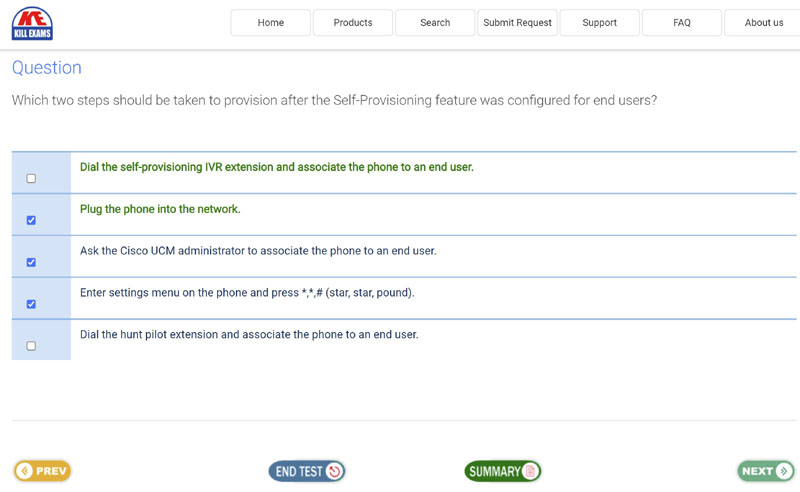
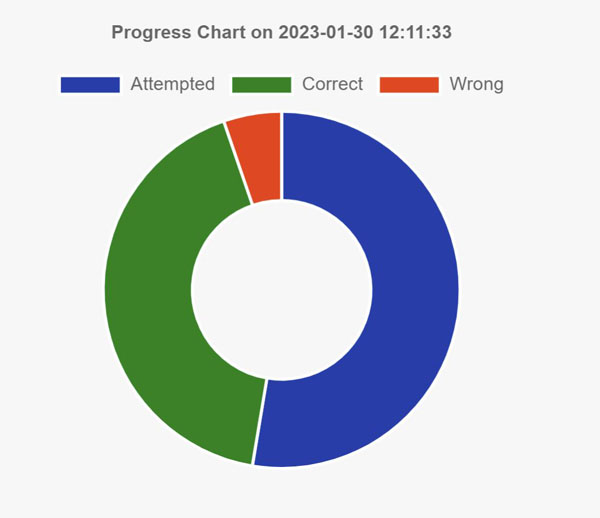
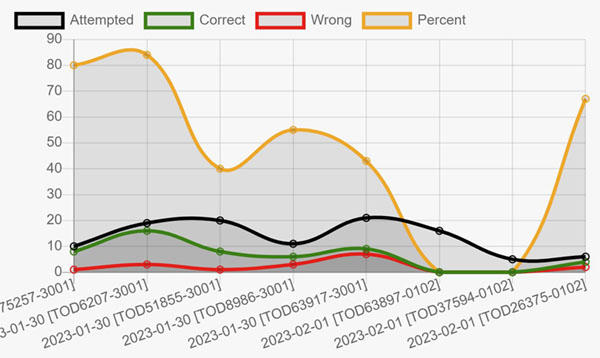
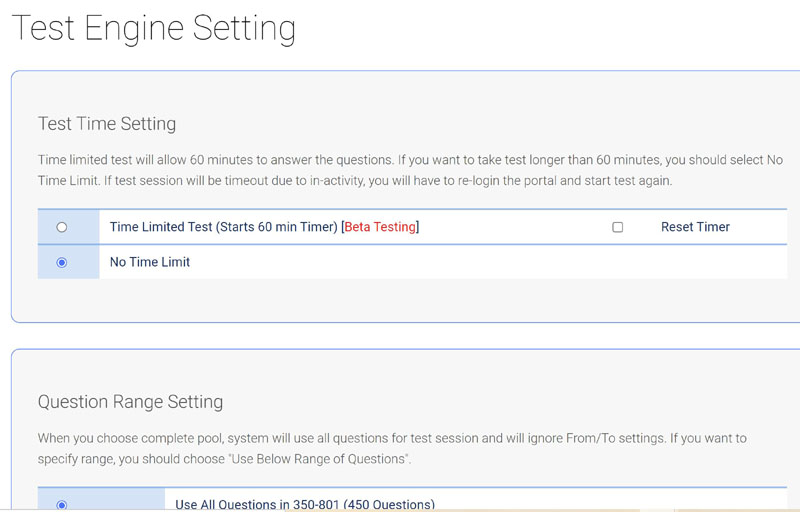
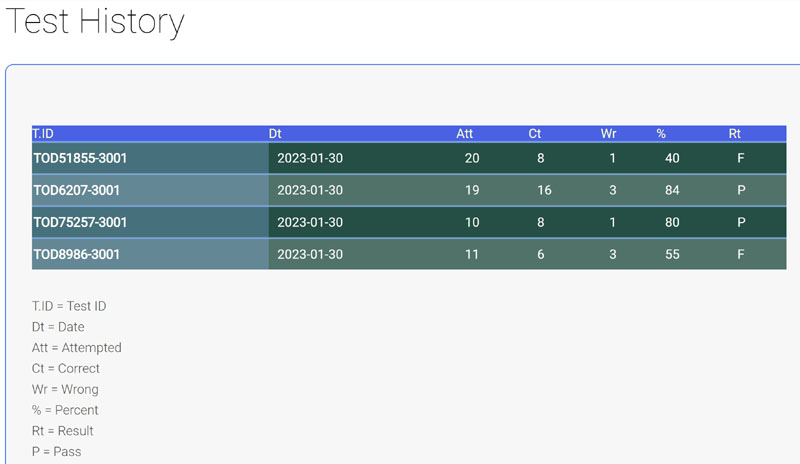
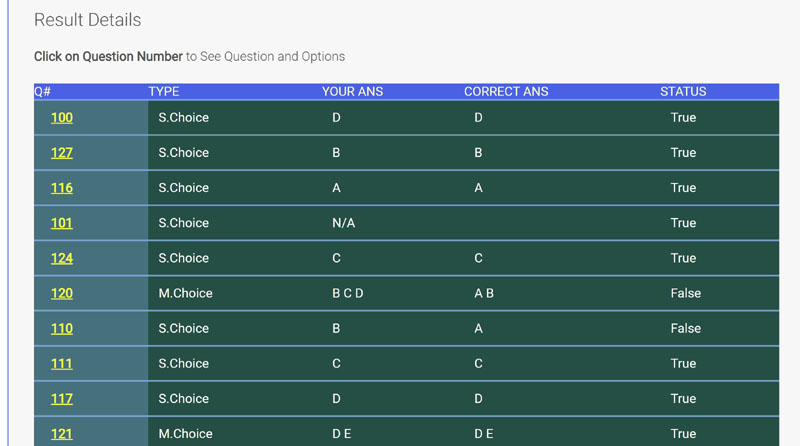
The Online Test Engine maintains practice history, performance summaries, and visual progress reports. Where available, questions may include explanations or reference information to support better understanding of exam topics. Content is reviewed and updated periodically to reflect relevant syllabus changes and maintain consistency with exam objectives.
Desktop Test Engine
| Exam Questions | 1618 (Complete Set) |
| Software Version | 2026 |
| Access | Unlimited |
| Latest Update | November 27, 2026 |
| Access Activation | Instant (5 to 10 min.) |
| Supported OS | Windows (All Versions) |
| Delivery Method | Username / Password |
| Test Engine Trial Software | Killexams Test Engine 2026 |
The Killexams Desktop Test Engine (version 2026) is a dedicated test preparation software designed to support candidates preparing for the IPPC exam. The simulator provides a structured desktop based practice environment that allows users to work through exam style questions and review their performance in detail.
By practicing with the Investor Protection Professional Certification (IPPC) Exam Simulator, candidates can become familiar with question formats, exam navigation, and time based testing conditions similar to those used in official exams. This experience helps users build confidence across testing environment, time management, exam topics and identify areas that may require additional study.


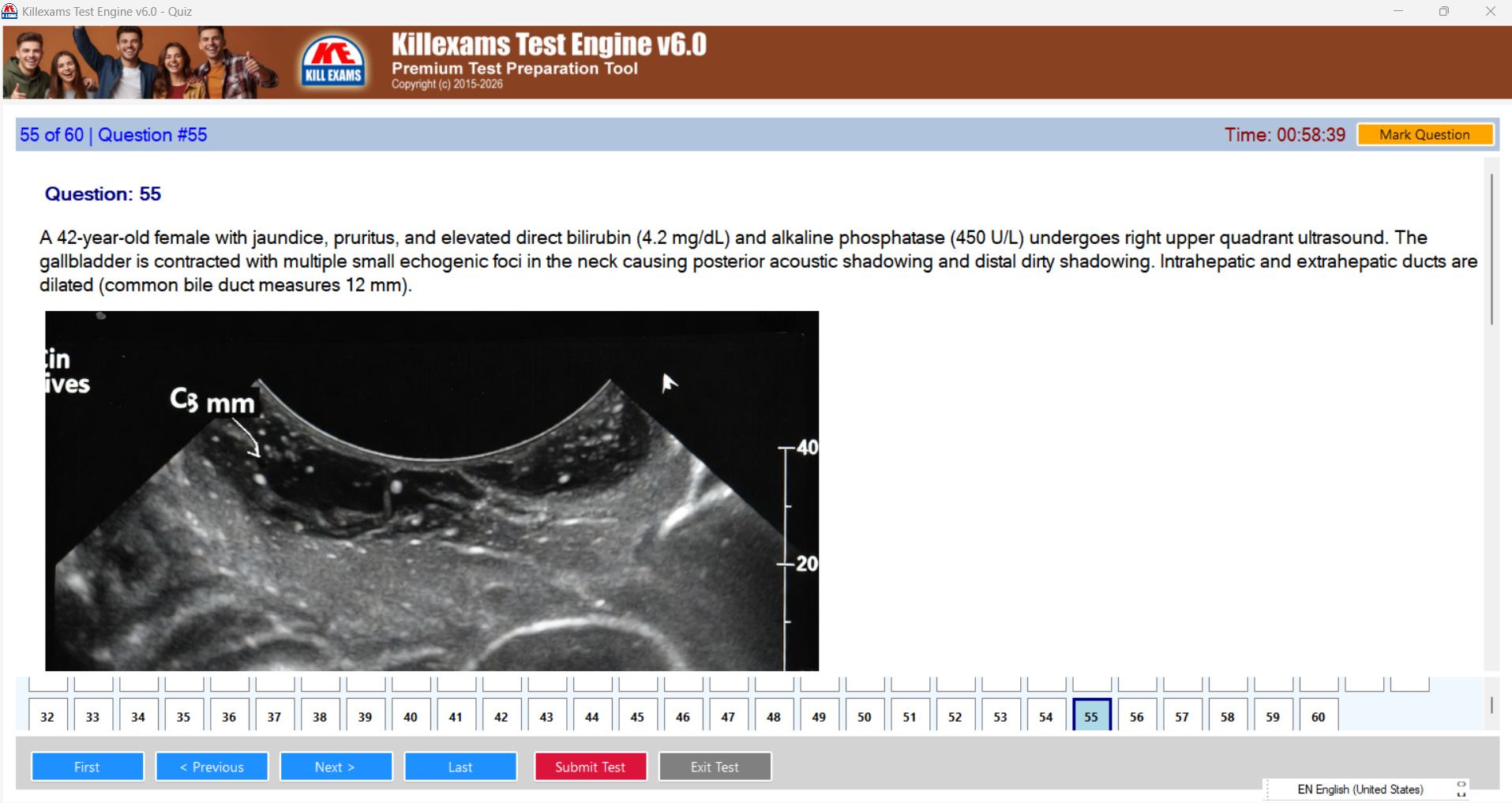
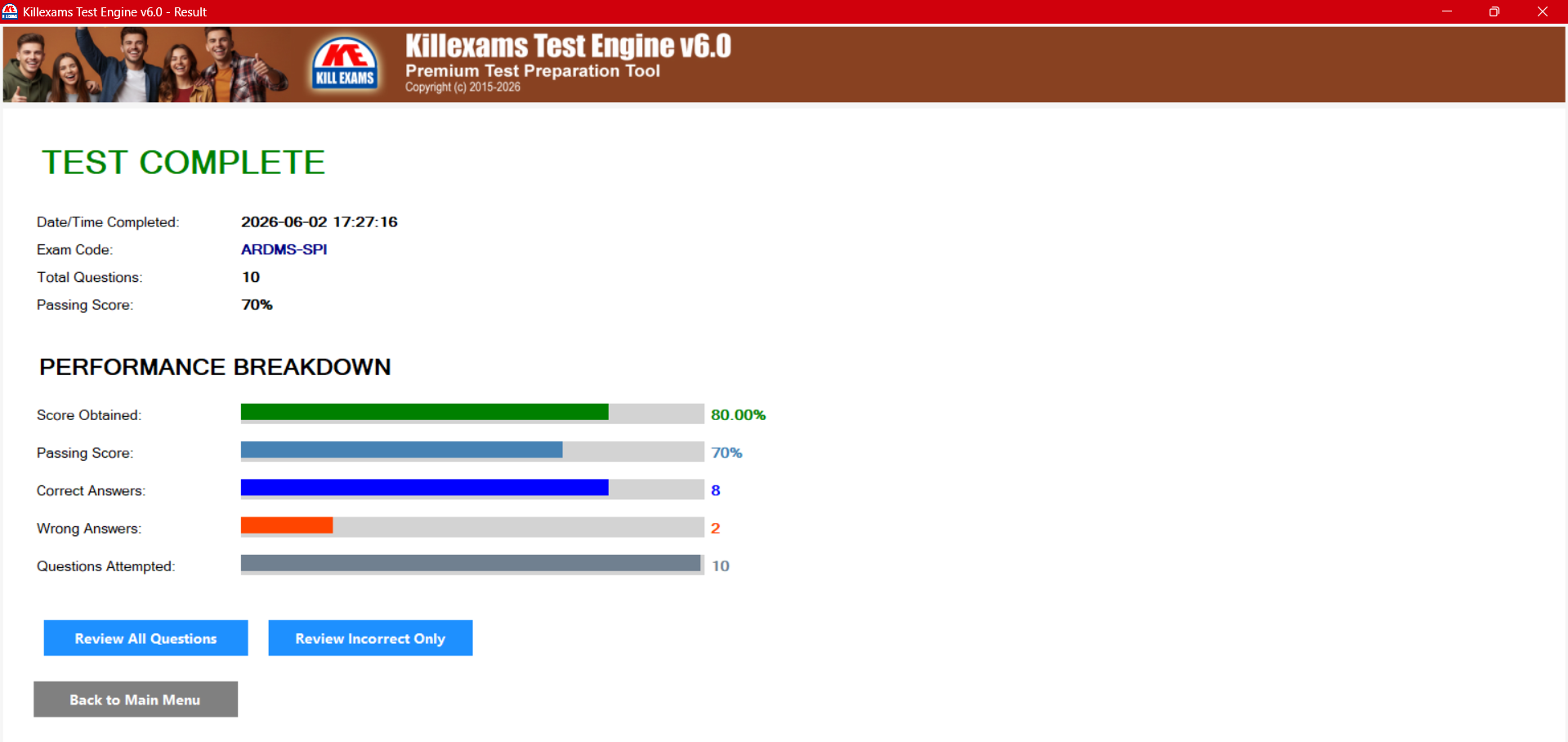

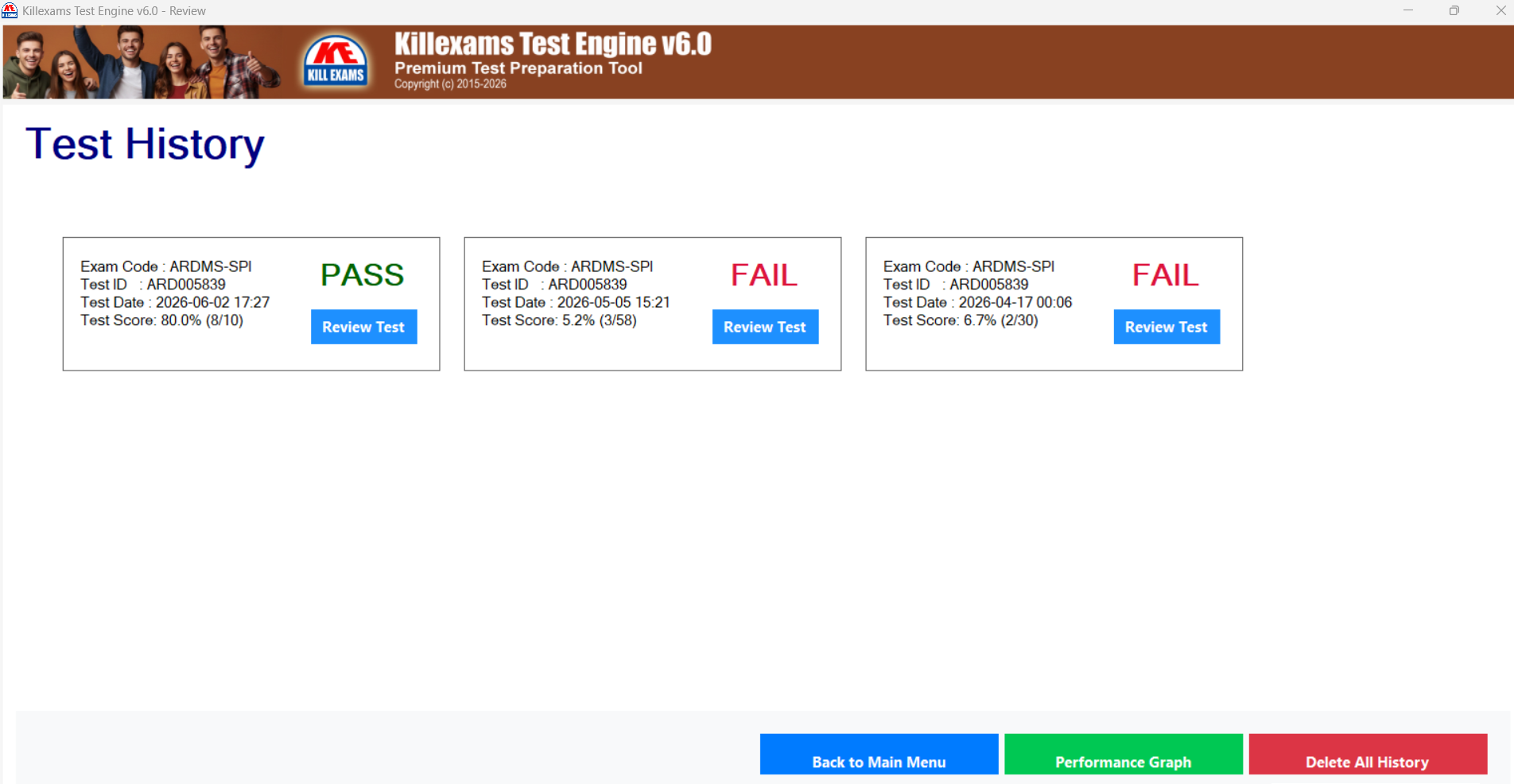
The Desktop Exam Simulator records practice history, performance summaries, and graphical progress reports. Where available, questions may include explanations or reference information to support understanding of correct and incorrect answers. The simulator content is reviewed and updated periodically to remain aligned with current exam objectives and syllabus requirements.
|
3 Months Update
|
6 Months Update
|
12 Months Update
|
|
|---|---|---|---|
What is 3 Months Update?
During 3 months, all future updates in PDF and Test Engine will be provided in your MyAccount with download links. An Intimation email on each update will be sent to you to re-download the updated exam files.
|
What is 6 Months Update?
During 6 months, all future updates in PDF and Test Engine will be provided in your MyAccount with download links. An Intimation email on each update will be sent to you to re-download the updated exam files.
|
What is 12 Months Update?
During 12 months, all future updates in PDF and Test Engine will be provided in your MyAccount with download links. An Intimation email on each update will be sent to you to re-download the updated exam files.
|
|
| Files | PDF / Test Engines | PDF / Test Engines | PDF / Test Engines |
| Premium Access | ✔ | ✔ | ✔ |
| Online Test Engine | ✔ | ✔ | ✔ |
| Instant Download Access | ✔ | ✔ | ✔ |
| Comprehensive Q&A | ✔ | ✔ | ✔ |
| Latest Topics | ✔ | ✔ | ✔ |
| Updated Regularly | ✔ | ✔ | ✔ |
| Portable Files | ✔ | ✔ | ✔ |
| Unlimited Download | ✔ | ✔ | ✔ |
| 100% Secured | ✔ | ✔ | ✔ |
| Confidentiality | 100% | 100% | 100% |
| Syllabus Coverage | Latest | Latest | Latest |
| Any Hidden Cost | No | No | No |
| Auto Renewal | No | No | No |
| Updates Intimation | by Email | by Email | by Email |
| Technical Support | Free | Free | Free |
| PDF Compatibility | Windows, Mac, Android, iOS, Linux | Windows, Mac, Android, iOS, Linux | Windows, Mac, Android, iOS, Linux |
| Desktop Test Engine Compatibility | Windows All Versions | Windows All Versions | Windows All Versions |
| Online Test Engine Compatibility | Mac / Windows / Android / iOS / Linux | Mac / Windows / Android / iOS / Linux | Mac / Windows / Android / iOS / Linux |
IPPC Exam Format | Course Contents | Course Outline | Exam Syllabus | Exam Objectives
AICB Investor Protection Professional Certification (IPPC)
1. The Malaysian Financial System
1.1 Structure of the Malaysian Financial Markets
Financial Market Fundamentals
- Purpose and functions of financial markets
- Role of financial markets in the economy
- Mobilisation of savings
- Allocation of capital
- Facilitation of investment
- Liquidity creation
- Price discovery
- Risk transfer
Major Financial Markets
- Money market
- Capital market
- Foreign exchange market
- Commodity market
- Derivatives market
Understanding Market Functions
- Functions of the money market
- Functions of the capital market
- Functions of the foreign exchange market
- Functions of commodity markets
- Functions of derivatives markets
- Differences among the major financial markets
Market Classifications
- Primary markets
- Secondary markets
- Exchange-traded markets
- Over-the-counter (OTC) markets
- Onshore markets
- Offshore markets
Primary versus Secondary Markets
- New issuance of securities
- Trading of existing securities
- Role of issuers
- Role of investors
- Capital raising
- Liquidity in secondary markets
Exchange-Traded versus OTC Markets
- Exchange trading mechanisms
- OTC trading mechanisms
- Standardisation
- Customisation
- Counterparty considerations
- Transparency
- Liquidity considerations
Onshore versus Offshore Markets
- Domestic financial markets
- International financial markets
- Regulatory considerations
- Foreign participation
1.2 Islamic Banking
Fundamentals of Islamic Banking
- Principles of Islamic finance
- Shariah principles
- Ethical foundations of Islamic finance
Comparison with Conventional Banking
- Islamic banking versus conventional banking
- Interest-based financing versus Shariah-compliant financing
- Risk-sharing principles
- Asset-backed or asset-based transactions
- Prohibited elements in Islamic finance
Core Islamic Finance Principles
- Prohibition of riba
- Avoidance of gharar
- Avoidance of maysir
- Shariah compliance
- Ethical investment principles
Islamic Financial Practices
- Islamic banking operations
- Islamic financial products
- Islamic financial institutions
- Role of Shariah governance
1.3 Market Structure
Structure of Financial Markets
- Organisation of financial markets
- Market segments
- Market infrastructure
- Trading arrangements
- Financial system structure
Market Relationships
- Relationship between institutions and markets
- Relationship between issuers and investors
- Relationship between intermediaries and investors
- Flow of funds through the financial system
1.4 Market Participants
Financial Institutions
- Roles of financial institutions
- Functions within the financial system
- Financial intermediation
Financial Intermediaries
- Role of intermediaries
- Facilitating transactions
- Connecting investors and issuers
- Distribution of financial products
Investors
- Role of investors in financial markets
- Investor participation
- Investor decision-making
- Investor protection considerations
Interaction Among Market Participants
- Financial institutions
- Intermediaries
- Regulators
- Investors
- Issuers
1.5 Regulatory Authorities, Acts and Guidelines
Financial Regulators
- Roles of financial regulators
- Regulatory oversight
- Financial market supervision
- Investor protection
Regulatory Functions
- Maintaining market integrity
- Promoting financial stability
- Protecting investors
- Supervising market participants
- Establishing regulatory requirements
- Enforcing laws and regulations
Regulatory Framework
- Regulatory Acts
- Regulatory guidelines
- Rules governing financial market activities
- Investor protection framework
Key Regulatory Bodies
- Bank Negara Malaysia (BNM)
- Securities Commission Malaysia (SC)
- Other relevant Malaysian financial regulatory authorities
Investor Protection
- Regulatory protection of investors
- Regulatory oversight of financial products
- Market conduct requirements
- Compliance responsibilities
2. Regulations and Guidelines for Market Participants
2.1 Roles and Responsibilities of Licensed Organisation
Licensed Organisations
- Role of licensed organisations
- Regulatory responsibilities
- Organisational accountability
- Compliance obligations
Introduction of New Products
- Responsibilities when introducing new products
- Product governance considerations
- Product approval considerations
- Regulatory requirements
Sales Practices
- Appropriate sales practices
- Fair dealing
- Responsible product distribution
- Investor protection in product sales
Transparency
- Transparency requirements
- Clear communication
- Provision of relevant information
- Avoidance of misleading practices
Disclosure Requirements
- Product disclosure
- Risk disclosure
- Information provided to investors
- Disclosure obligations
Capital Market Product Guidelines
- Compliance with applicable product guidelines
- Regulatory requirements for capital market products
- Responsibilities of financial institutions
2.2 Roles and Responsibilities of Licensed Person
Licensed Persons
- Role of licensed persons
- Individual regulatory responsibilities
- Professional obligations
Capital Markets and Services Act (CMSA)
- Responsibilities under the CMSA
- Regulatory obligations
- Conduct requirements
Qualifications
- Required qualifications for selling capital market products
- Professional competency
- Licensing requirements
Selling Capital Market Products
- Responsibilities when marketing products
- Responsibilities when recommending products
- Compliance with applicable regulations
Know-Your-Client (KYC)
KYC Fundamentals
- Purpose of KYC
- Importance of client identification
- Understanding client circumstances
KYC Processes
- Client information gathering
- Customer profiling
- Understanding investor needs
- Investor protection through KYC
Investor Suitability
- Understanding the client
- Product suitability considerations
- Risk considerations
- Client needs and objectives
2.3 Categories and Permitted Activities for Investors
Investor Classifications
- Categories of investors
- Differences among investor classifications
- Regulatory treatment of investor categories
Permitted Activities
- Activities permitted for different investor categories
- Restrictions applicable to investors
- Regulatory conditions
Foreign Exchange Activities
- Foreign exchange activities
- Regulatory requirements for foreign exchange transactions
- Permitted foreign exchange activities
Bank Negara Malaysia Foreign Exchange Administration Rules
- Foreign Exchange Administration Rules
- Regulatory oversight of foreign exchange activities
- Investor and market participant obligations
2.4 Deposit Insurance
Deposit Insurance Fundamentals
- Purpose of deposit insurance
- Role in protecting depositors
- Contribution to financial system stability
Benefits of Deposit Insurance
- Protection of depositors
- Maintaining public confidence
- Supporting financial stability
Deposit Insurance Coverage
- Coverage provided by deposit insurance
- Scope of protection
- Eligible deposits
Deposit Insurance Limits
- Coverage limits
- Limitations of protection
- Deposits and products that may not receive the same protection
PIDM
- Role of PIDM
- Contribution to financial stability
- Depositor protection
- Maintaining confidence in the financial system
2.5 Anti-Money Laundering and Counter Financing of Terrorism (AML/CFT)
AML/CFT Fundamentals
- Purpose of AML/CFT requirements
- Prevention of financial crime
- Regulatory framework
Money Laundering Process
- Understanding the money laundering process
- Stages and mechanisms of money laundering
- Identifying suspicious activity
Reporting Institutions
- Responsibilities of reporting institutions
- Compliance obligations
- Prevention and detection responsibilities
Customer Due Diligence
- Customer identification
- Customer verification
- Understanding customer relationships
- Ongoing customer due diligence
Financial Crime Prevention
- Preventing money laundering
- Countering terrorist financing
- Role of financial institutions
- Role of employees and licensed persons
AML/CFT Compliance
- Regulatory requirements
- Internal procedures
- Customer due diligence requirements
- Reporting responsibilities
3. Debt Securities and Structured Products
3.1 Introduction to Debt Securities
Debt Security Fundamentals
- Definition of debt securities
- Purpose of debt financing
- Debt securities as investment instruments
Basic Concepts
- Issuer
- Investor
- Principal
- Par value
- Face value
- Coupon
- Maturity
3.2 Overview of the Malaysian Bond Market
Malaysian Bond Market
- Structure of the Malaysian bond market
- Participants in the bond market
- Issuers
- Investors
- Intermediaries
Bond Market Functions
- Capital raising
- Debt financing
- Investment opportunities
- Market liquidity
3.3 What Are Debt Securities?
Nature of Debt Securities
- Debt obligations
- Issuer obligations
- Investor rights
- Repayment of principal
- Interest or coupon payments
Debt Security Characteristics
- Maturity
- Coupon structure
- Principal repayment
- Credit quality
- Market value
3.4 Classification of Debt Securities by Issuer
Classification Based on Issuer
- Types of debt issuers
- Government issuers
- Corporate issuers
- Other categories of issuers
Issuer Considerations
- Creditworthiness
- Repayment ability
- Default risk
- Credit quality
3.5 Different Features of Bonds
Bond Features
- Issuer
- Maturity date
- Par value
- Face value
- Coupon rate
Coupon Rate Structures
- Fixed-rate bonds
- Variable or floating-rate bonds
- Other coupon structures
Embedded Options
- Bonds with embedded options
- Impact of options on bond value
- Investor considerations
Maturity
- Short-term debt
- Medium-term debt
- Long-term debt
3.6 Seniority of Claims – The Ranking of Bonds
Bond Seniority
- Ranking of debt claims
- Priority of claims
- Seniority structure
Claims in Financial Distress
- Order of repayment
- Priority among creditors
- Implications for investors
Investment Considerations
- Seniority and credit risk
- Seniority and expected recovery
- Risk differences among debt securities
3.7 Yield Measures for Bonds
Bond Yield Fundamentals
- Yield concepts
- Return from bond investments
Yield to Maturity
- Yield-to-maturity (YTM)
- Relationship between price and yield
- Investment return considerations
Yield Curves
- Yield curve concepts
- Relationship between maturity and yield
- Interpretation of yield curves
Coupon Rate, Market Yield and Bond Price
- Coupon rates
- Market yields
- Bond prices
- Inverse relationship between yields and bond prices
Bond Valuation
- Factors affecting bond prices
- Interest rates
- Yield
- Maturity
- Coupon payments
3.8 Bonds: Trustee, Ratings, Tax and Risk
Bond Trustees
- Role of trustees
- Investor protection
- Monitoring issuer obligations
Credit Ratings
- Purpose of credit ratings
- Role of credit rating agencies
- Evaluating creditworthiness
- Credit quality assessment
Tax
- Tax considerations for bond investments
- Impact of tax on investment returns
Bond Risks
- Interest rate risk
- Credit risk
- Other investment risks
Duration
- Duration concepts
- Interest rate sensitivity
- Impact of changing interest rates on bond values
3.9 Risks When Investing in Bonds
Credit Risk
- Default risk
- Issuer creditworthiness
- Credit deterioration
Interest Rate Risk
- Effect of interest rate movements
- Relationship between yields and prices
- Duration sensitivity
Other Investment Risks
- Market risk
- Liquidity considerations
- Reinvestment considerations
- Product-specific risks
Risk Assessment
- Understanding investor risk
- Matching investment risks with investor circumstances
- Evaluating potential returns against risks
3.10 Introduction to Structured Products
Structured Product Fundamentals
- Definition of structured products
- Purpose of structured products
- Product structure
Components of Structured Products
- Investment component
- Derivative component
- Underlying assets
Role of Structured Products
- Risk and return characteristics
- Investment objectives
- Potential diversification
3.11 Different Types of Structured Products
Structured Product Categories
- Different forms of structured products
- Product design
- Payoff structures
- Risk-return characteristics
Product Features
- Capital protection characteristics
- Return mechanisms
- Underlying asset exposure
- Maturity
- Embedded derivatives
3.12 Understanding Derivatives
Derivative Fundamentals
- Definition of derivatives
- Role in financial markets
- Relationship with underlying assets
Types of Derivatives
Forwards
- Forward contracts
- Contract characteristics
- Risks
Futures
- Futures contracts
- Standardised contracts
- Market characteristics
Options
- Options
- Rights and obligations
- Option-related risks
Swaps
- Swap contracts
- Exchange of financial obligations or cash flows
- Risks
Derivatives in Structured Products
- Role of derivatives
- Product payoff structures
- Risk management
- Return generation
3.13 Underlying Assets for Structured Products
Underlying Assets
- Concept of an underlying asset
- Relationship between structured products and underlying assets
Asset Exposure
- Market exposure
- Price movements
- Performance dependence
Investment Considerations
- Risk of underlying assets
- Market volatility
- Product performance
3.14 Why Invest in Structured Products and Questions to Ask Before Investing
Reasons for Investing
- Risk-return objectives
- Portfolio diversification
- Exposure to underlying assets
- Customised investment strategies
Risk and Return
- Balancing risk and return
- Understanding potential gains
- Understanding potential losses
Questions Before Investing
- What is the product?
- How does the product work?
- What are the underlying assets?
- What are the risks?
- What is the investment horizon?
- What are the potential returns?
- What are the potential losses?
- What happens at maturity?
- What is the liquidity of the product?
- Are there applicable fees or charges?
- Is the product suitable for the investor?
Regulations Governing Structured Products
- Regulatory requirements for issuance
- Regulatory requirements for sale
- Investor protection requirements
- Disclosure considerations
- Sales conduct requirements
Structured Product Risks
- Market risk
- Credit risk
- Liquidity risk
- Derivative-related risk
- Product complexity
- Potential loss of investment
Reviews (10)4.70 Overall
★★★★★
70%
★★★★
30%
★★★
0%
★★
0%
★
0%
|
Submit ReviewYou must be logged in to submit a review. Sign In to Submit Review |
Customer Reviews
IPPC Exam FAQs
What question types are on the IPPC exam?
Format of the IPPC exam: multiple choice.
Which certification does IPPC lead to?
Passing IPPC leads to the Investor Protection Professional Certification (IPPC) credential from AICB.
What topics does the IPPC exam cover, and how are they weighted?
The IPPC exam covers 5 sections: Investor Protection Framework; Product Knowledge; Suitability and Disclosure; Fair Dealing; Complaints and Redress.
How should I prepare for IPPC?
Start with the official IPPC exam outline and study materials from AICB, then build exam readiness with timed practice. A killexams.com premium account gives you the full pool of 1,618 IPPC practice questions and answers in PDF and Test Engine formats, so you can practice every objective and review the answers before exam day.
How long does it take to prepare for IPPC?
At a steady pace of 100 practice questions a day, working through all 1,618 IPPC questions takes about 17 days. Add extra days to repeat the questions you got wrong.
Is IPPC hard? Who is it for?
The Investor Protection Professional Certification from AICB is for staff involved in selling or advising on investment products in Malaysia.
How many practice questions do you have for IPPC?
The killexams.com IPPC practice test contains 1,618 questions and answers.
Is there a free IPPC sample?
Yes. A free IPPC sample PDF is available on this page, so you can review the question style before you buy.
What formats are included in the IPPC practice test?
The IPPC practice test is available as a PDF, an Online Test Engine and a Desktop Test Engine.
Do the IPPC practice questions cover the current exam objectives?
Yes. The IPPC practice questions cover the complete syllabus and current exam objectives.
How do I get the files after purchase, and how long is access valid?
Your MyAccount login details are delivered by email. You can download the files from the member area until your account expires, after 3, 6 or 12 months depending on the plan you bought.
Can I use the IPPC Test Engine on Mac or mobile?
Yes, with the Online Test Engine, which runs on Mac, iOS, Android, Linux and other platforms. The Desktop Test Engine is for Windows only.
What if I fail the IPPC exam after using your material?
You can choose one of three options: 1) a refund, 2) a free 3-month account extension, or 3) a new exam of your choice.
How many practice questions are available for IPPC?
The IPPC practice test contains 1,618 practice questions and answers covering the current exam objectives.
What formats are available for IPPC preparation?
The IPPC practice test is available as PDF, Online Test Engine, Desktop Test Engine. All formats can be downloaded instantly after purchase.
Is there a free IPPC sample?
Yes. You can preview and download a free IPPC sample PDF on this page before you buy.