



IREB-CPRE-FL Exam Questions PDF
| Questions and Answers | 761 (Complete Set) |
| File Format | |
| Latest Update | November 23, 2026 |
| Files Delivery | Instant (5 to 10 min.) |
| Compatibility | All Desktop and Mobile Devices |
| Delivery Method | Download Account |
The IREB Certified Professional for Requirements Engineering Foundation Level is a widely recognized requirements engineering credential. The current syllabus covers introduction and overview, fundamental principles of RE, work products and documentation practices, practices for elaborating requirements including elicitation and validation, process and working structure, requirements management practices and tool support.
Key terms include stakeholder, system context, functional and quality requirements, constraint, user story, glossary, elicitation technique, validation, baseline and traceability.
Requirements engineering reduces costly rework by getting needs right early. CPRE FL is internationally recognized and suits business analysts, product owners and engineers.
A closer look at the content shows how each area is built. Introduction and Overview covers value of RE. Within Fundamental Principles, candidates should be comfortable with nine RE principles. Work Products and Documentation focuses on natural language, templates and models. The Practices for Elaboration area includes elicitation, conflict resolution and validation.
Preparing for the IREB-CPRE-FL exam requires not only understanding the exam topics but also practicing with exam style questions. Our IREB Certified Professional for Requirements Engineering - Foundation Level (CPRE-FL.404) exam questions in practice tests help candidates review key concepts and familiarize themselves with the format and difficulty of exam.
At Killexams.com, our team works to maintain up-to-date practice content for exam preparation. We continuously review and refine our question sets and explanations to cover the latest relevant syllabus areas and help learners strengthen their understanding of core topics before facing the official exam. These Practice tests allow you to identify areas where you need improvement by measuring your readiness, and provide you exam questions to polish those areas.
IREB-CPRE-FL Exam Questions Preview
The exam has 45 multiple choice questions in 75 minutes and a 70 percent pass mark, with extra time for non native speakers. Learn the nine principles and elicitation techniques well. Practice reading short scenarios and choosing appropriate RE practices. Confirm current details with IREB.
Preparation for IREB-CPRE-FL works best when it mirrors the exam outline. Allow roughly 7 weeks, giving each major area its own block: begin with Introduction and Overview, continue with Fundamental Principles; Work Products and Documentation; and Practices for Elaboration, and finish with Process and Working Structure; Management Practices; and Tool Support. Keep a one page summary for each area with key terms, steps and examples, and review these summaries every few days. In the last week, switch from reading to timed mixed practice so the exam pace feels familiar.
| Detail | Information |
|---|---|
| Questions | 45 multiple choice |
| Duration | 75 minutes |
| Passing Score | 70% |
| Awarding Body | IREB via iSQI |
To help you evaluate our material, you may download free sample pdf with example questions and answers that we provide. This sample allows you to review content and approach before deciding on Premium materials..
The IREB Certified Professional for Requirements Engineering - Foundation Level (CPRE-FL.404) practice test files contains 761 Questions, are compatible with multiple devices, including Windows, macOS, iOS, and Android, and can be used for both online and offline study. The PDF format is printable, making it easy to study during travel or when away from a computer. Access to updated materials is available through your online account.
After purchase, you will receive your username and password immediately, allowing you to log in and download your study files without delay. Our goal is to support exam preparation at your pace with practice content designed for reinforcement and understanding of key concepts.
Business analysts and requirements engineers use killexams.com questions and answers to prepare for CPRE FL with questions aligned with the latest IREB syllabus.
Questions in the killexams.com IREB-CPRE-FL bank are grouped to match the exam sections, including Introduction and Overview; Fundamental Principles; Work Products and Documentation; and Practices for Elaboration. Explanations accompany every answer, and repeated timed sessions build the speed and confidence needed on exam day.
Online Test Engine
| Exam Questions | 761 (Complete Set) |
| Testing Limit | Unlimited |
| Access Type | Online |
| Latest Update | November 23, 2026 |
| Access Activation | Instant (5 to 10 min.) |
| Supported OS | Mac, Windows, Android, iPhone / iPad, Linux |
| Delivery Method | Username / Password |
Killexams.com provides an Online Test Engine designed to help candidates practice exam questions in a structured and interactive environment. The Test Engine is compatible with iPhone, iPad, Android, Windows, and Mac, allowing you to study and practice on the device that best fits your schedule.
The IREB-CPRE-FL Online Test Engine enables candidates to simulate exam-style practice sessions, review answers, and track progress over time. This learning approach helps users practice exam questions, question formats and improve time management while preparing for the IREB Certified Professional for Requirements Engineering - Foundation Level (CPRE-FL.404) exam.
The Test Engine includes features that support effective learning, such as customizable practice sessions, question review modes, and progress tracking. These tools are designed to assist candidates in identifying knowledge gaps and reinforcing key concepts through repeated practice rather than memorization alone.
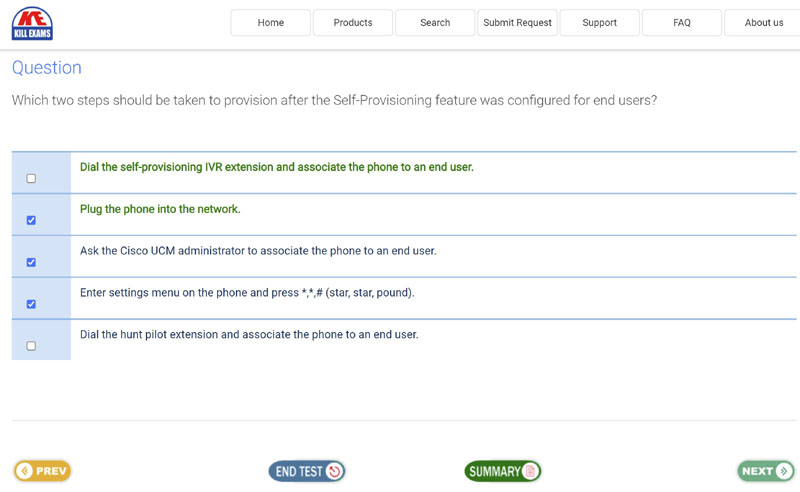
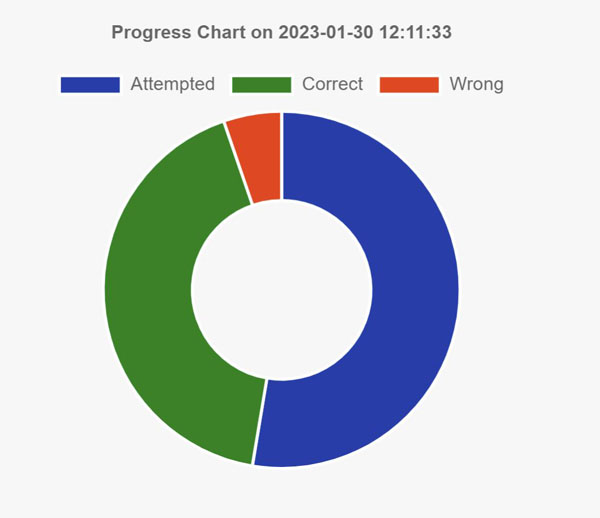
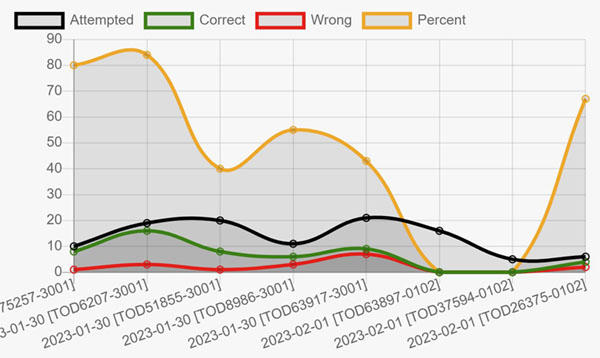
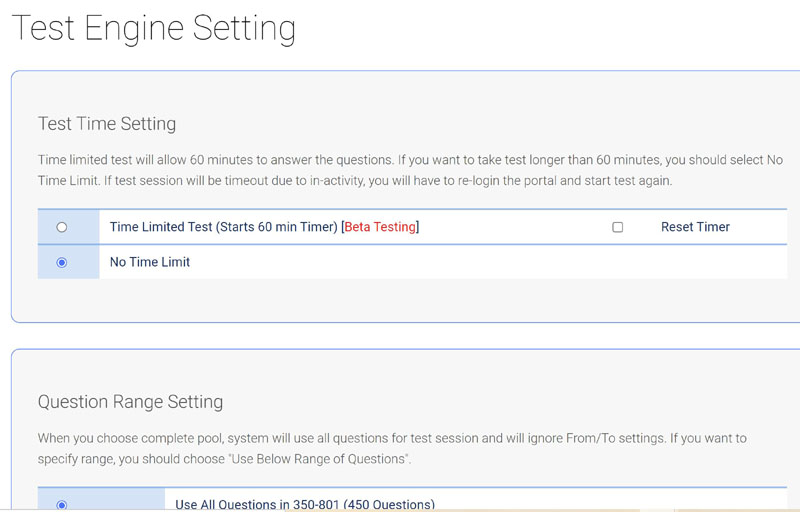
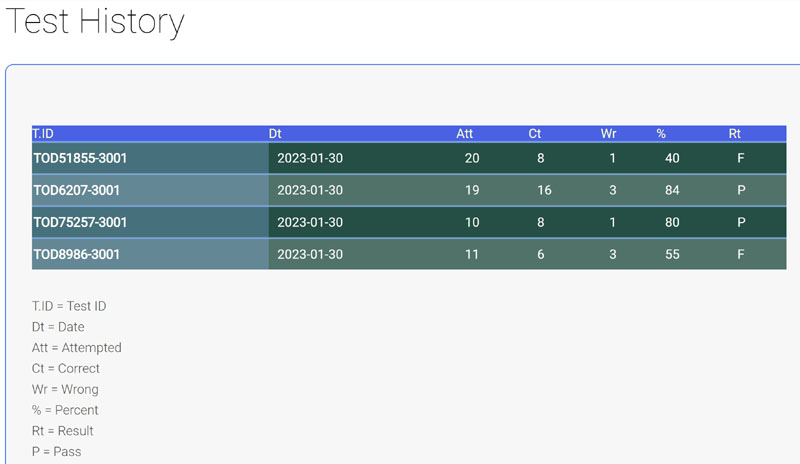
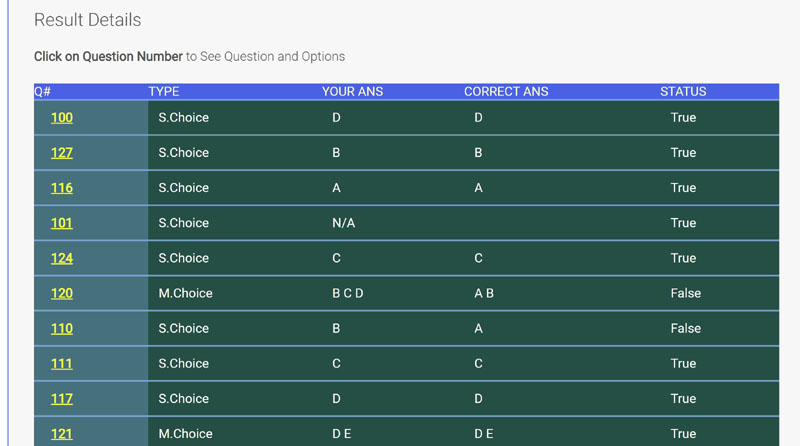
The Online Test Engine maintains practice history, performance summaries, and visual progress reports. Where available, questions may include explanations or reference information to support better understanding of exam topics. Content is reviewed and updated periodically to reflect relevant syllabus changes and maintain consistency with exam objectives.
Desktop Test Engine
| Exam Questions | 761 (Complete Set) |
| Software Version | 2026 |
| Access | Unlimited |
| Latest Update | November 23, 2026 |
| Access Activation | Instant (5 to 10 min.) |
| Supported OS | Windows (All Versions) |
| Delivery Method | Username / Password |
| Test Engine Trial Software | Killexams Test Engine 2026 |
The Killexams Desktop Test Engine (version 2026) is a dedicated test preparation software designed to support candidates preparing for the IREB-CPRE-FL exam. The simulator provides a structured desktop based practice environment that allows users to work through exam style questions and review their performance in detail.
By practicing with the IREB Certified Professional for Requirements Engineering - Foundation Level (CPRE-FL.404) Exam Simulator, candidates can become familiar with question formats, exam navigation, and time based testing conditions similar to those used in official exams. This experience helps users build confidence across testing environment, time management, exam topics and identify areas that may require additional study.


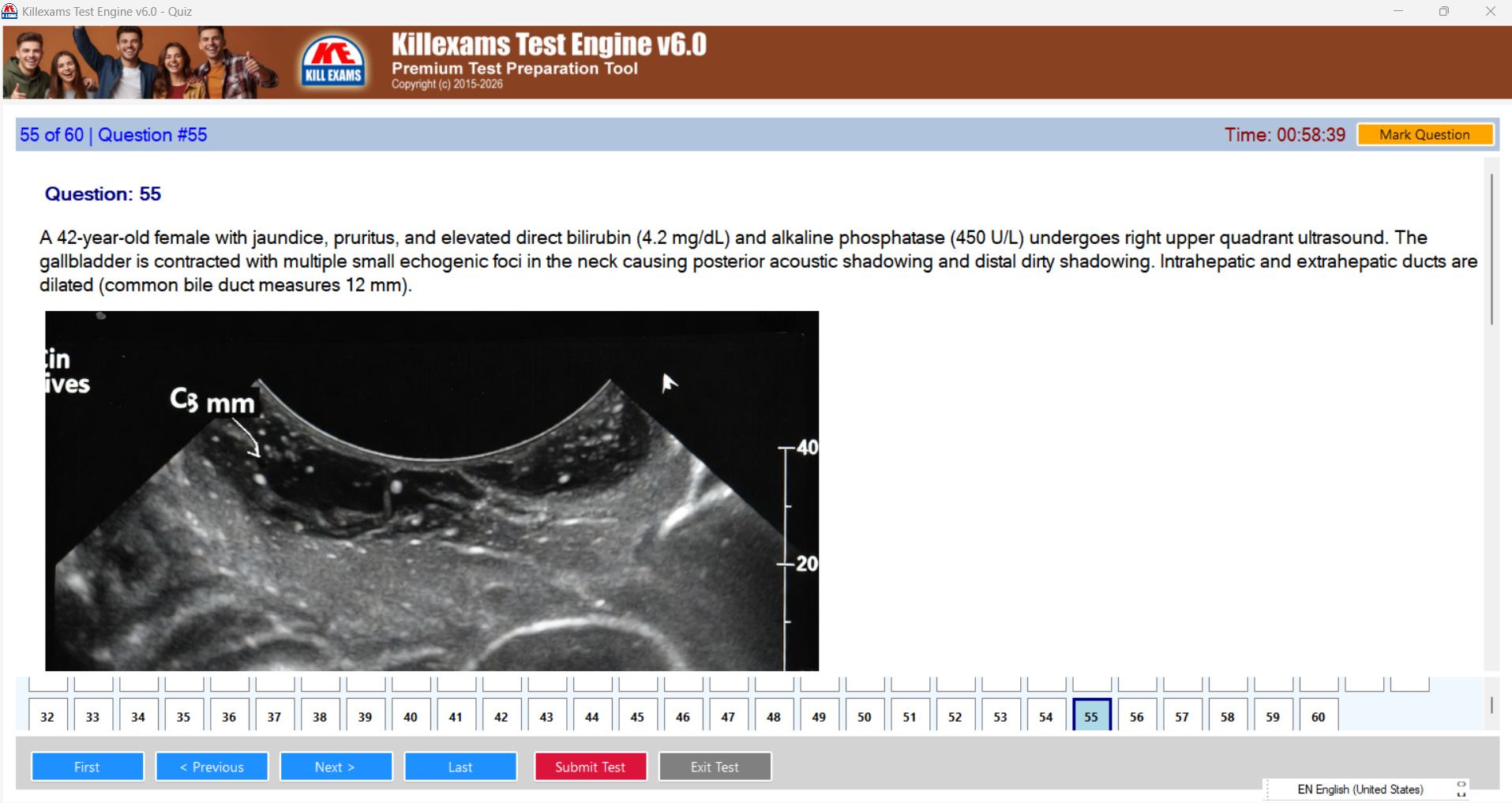
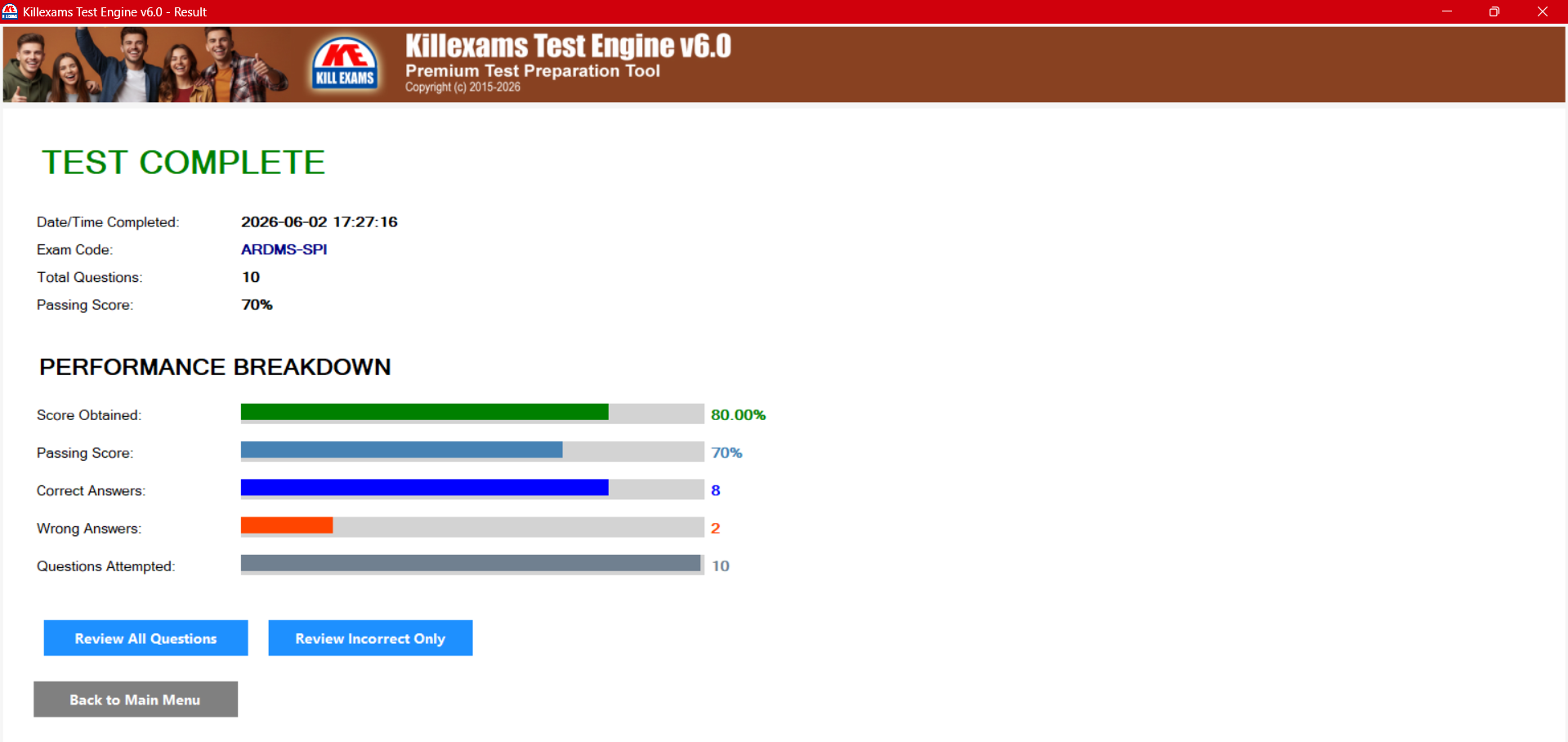

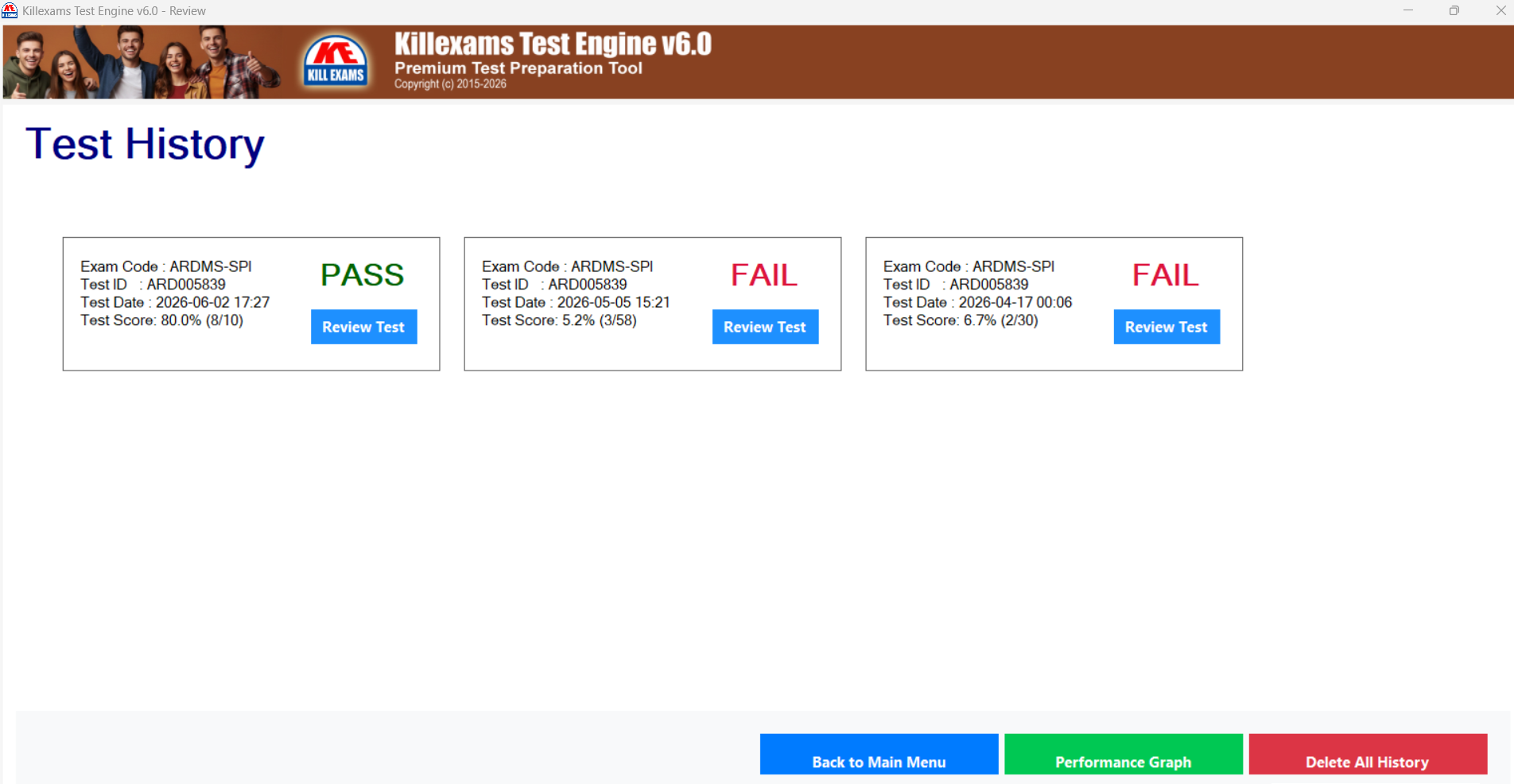
The Desktop Exam Simulator records practice history, performance summaries, and graphical progress reports. Where available, questions may include explanations or reference information to support understanding of correct and incorrect answers. The simulator content is reviewed and updated periodically to remain aligned with current exam objectives and syllabus requirements.
|
3 Months Update
|
6 Months Update
|
12 Months Update
|
|
|---|---|---|---|
What is 3 Months Update?
During 3 months, all future updates in PDF and Test Engine will be provided in your MyAccount with download links. An Intimation email on each update will be sent to you to re-download the updated exam files.
|
What is 6 Months Update?
During 6 months, all future updates in PDF and Test Engine will be provided in your MyAccount with download links. An Intimation email on each update will be sent to you to re-download the updated exam files.
|
What is 12 Months Update?
During 12 months, all future updates in PDF and Test Engine will be provided in your MyAccount with download links. An Intimation email on each update will be sent to you to re-download the updated exam files.
|
|
| Files | PDF / Test Engines | PDF / Test Engines | PDF / Test Engines |
| Premium Access | ✔ | ✔ | ✔ |
| Online Test Engine | ✔ | ✔ | ✔ |
| Instant Download Access | ✔ | ✔ | ✔ |
| Comprehensive Q&A | ✔ | ✔ | ✔ |
| Latest Topics | ✔ | ✔ | ✔ |
| Updated Regularly | ✔ | ✔ | ✔ |
| Portable Files | ✔ | ✔ | ✔ |
| Unlimited Download | ✔ | ✔ | ✔ |
| 100% Secured | ✔ | ✔ | ✔ |
| Confidentiality | 100% | 100% | 100% |
| Syllabus Coverage | Latest | Latest | Latest |
| Any Hidden Cost | No | No | No |
| Auto Renewal | No | No | No |
| Updates Intimation | by Email | by Email | by Email |
| Technical Support | Free | Free | Free |
| PDF Compatibility | Windows, Mac, Android, iOS, Linux | Windows, Mac, Android, iOS, Linux | Windows, Mac, Android, iOS, Linux |
| Desktop Test Engine Compatibility | Windows All Versions | Windows All Versions | Windows All Versions |
| Online Test Engine Compatibility | Mac / Windows / Android / iOS / Linux | Mac / Windows / Android / iOS / Linux | Mac / Windows / Android / iOS / Linux |
IREB-CPRE-FL Exam Format | Course Contents | Course Outline | Exam Syllabus | Exam Objectives
The certification scheme is developed by the IREB- the contents are taught by independent training providers and the CPRE exam can be taken at approved certification bodies. The CPRE-FL certificate has lifetime validity.
Requirements engineering as the first step of system development crucially influences the success of the development project. The four core disciplines of requirements engineering are: elicitation- documentation- verification and validation management. Professionalism in requirements engineering avoid defects in system analysis and establishes a structured proceeding from project idea to a valuable set of requirements. Quality characteristics are defined for a single requirement as well as for the requirements specification as a whole.
You can prepare for the exams by attending a training course with a recognised IREB® training provider for IREB® Requirements Engineering - Foundation Level; participants will have relevant content and topics clearly explained and taught to them. The syllabus covers the important foundations in requirements engineering: differentiation between the system and system context- establishment and documentation of requirements- as well as their testing and management and the tool support available.The exam is available on Pearson Vue for anyone wishing to self-study.
The IREB® Certified Professional for Requirements Engineering - Foundation Level certification is a prerequisite for taking the three IREB® Advanced Level courses: Requirements Modelling- Requirements Management- Requirements Elicitation & Consolidation.
The level of detail of this syllabus allows internationally consistent teaching and examination. To reach this goal- the syllabus contains the following
General educational objectives
Contents with a description of the educational objectives and References to further literature (where necessary)
Educational Objectives / Cognitive Knowledge Levels
Each module of the syllabus is assigned a cognitive level. A higher level includes the lower levels.
The formulations of the educational objectives are phrased using the verbs "knowing" for level
L1 and "mastering and using" for level L2. These two verbs are placeholders for the following
verbs:
L1 (knowing): enumerate- characterize- recognize- name- reflect
L2 (mastering and using): analyze- use- execute- justify- describe- judge- display- design-develop- complete- explain- exemplify- elicit- formulate- identify- interpret- conclude from- assign- differentiate- compare- understand- suggest- summarize
All terms defined in the glossary have to be known (L1)- even if they are not explicitly mentioned in the educational objectives.
This syllabus uses the abbreviation "RE" for Requirements Engineering.
Structure of the Syllabus
The syllabus consists of 9 main chapters. One chapter covers one educational unit (EU). Each main chapter title contains the cognitive level of the chapter- which is the highest level of the sub-chapters. Furthermore- the teaching time is suggested that is the minimum a course should invest for that chapter. Important terms in the chapter- which are defined in the glossary- are listed at the beginning of the chapter.
Example: EU 1 Introduction and Foundations (L1)
Terms: Requirement- Stakeholder- Requirements Engineering- Functional Requirement- Quality Requirement- Constraint
This example shows that chapter 1 contains education objectives at level L1 and 75 minutes are intended for teaching the material in this chapter.
Each chapter can contain sub-chapters. Their titles also contain the cognitive level of their content.
Educational objectives (EO) are enumerated before the actual text. The numbering shows to which sub-chapter they belong.
Example: EO 3.1.2 This example shows that educational objective EO 3.1.2 is described in sub-chapter 3.1
The Examination
This syllabus is the basis for the examination for the foundation level certificate.
A question in the examination can cover material from several chapters of the syllabus. All chapters (EU 1 to EU 9) of the syllabus can be examined.
Fixed typos and grammar issues
EU 1: Reference to ISO/IEC/IEEE 29148:2011 added
EU 1: List of aspects for quality requirements modified and
reference to ISO/IEC25010:2011 added
EU 3.1: Term “legacy” replaced by “existing”
EU 4.3: Reference to IEEE 830-1998 replaced by reference to
ISO/IEC/IEEE 29148:2011
EU 4.6: List of quality criteria for requirements modified
EU 5.2: Term “may” added to the verbs for fixing liability of a
requirement
EU 6.1: Hint added to the definition of the term “model”
EU 6.5: Duplicate paragraph regarding cardinalities removed
EU 7.1: examples “correctness” and “completeness” for
quality criteria replaced by reference to EU 4.6
EU 7.3: List of criteria for quality aspect "documentation”
modified
EU 7.6: List of conflict types modified; detailed description
added; “Subject conflict” replaced by “Data conflict”
EU 8: New Educational objective 8.7.1 added
EU 8.1: Attribute “criticality” replaced by “risk”
EU 8.7: New Educational unit “Measurement for
Requirements” added
Terms: Requirement- Stakeholder- Requirements Engineering- Functional Requirement- Quality Requirement- Constraint
Educational Objectives:
EO 1.1 Knowing symptoms of and reasons for inadequate RE
EO 1.2 Knowing the four major activities of RE
EO 1.3 Knowing the role of communication in RE
EO 1.4 Knowing skills of a requirements engineer
EO 1.5 Knowing the three kinds of requirements
EO 1.6 Knowing the role of quality requirements
Good RE is important since many errors arise already in this phase and can only be rectified later at high cost. Typical symptoms of inadequate RE are missing and unclear requirements.
Typical reasons for inadequate RE are the wrong assumption of the stakeholders that much is self-evident and does not need to be stated explicitly communication problems due to differences in experience and knowledge the project pressure from the client to build a productive system rapidly.
The four main activities of RE are elicitation- documentation- validation/negotiation plus the management of requirements. The activities can be scheduled in specific processes such as recommended in the Standard ISO/IEC/IEEE 29148:2011. They often concern different levels of requirements such as stakeholder requirements and system or software requirements.
Natural language is the most important means to communicate requirements. At the same time it is particularly important to agree on a common terminology. Furthermore the communication medium (written or spoken) plays a big role. When communicating- all participants must deal consciously with focusing and simplification.
This is especially true for the most important role in RE: the requirements engineer. Besides communication skills he or she must especially have the following skills: analytical thinking- empathy- conflict resolution skills- moderation skills- self-confidence and the ability to convince. Typically we differentiate between three kinds of requirements: functional requirements- quality requirements and constraints.
The umbrella term “non-functional requirement” is often used for quality requirements and constraints. Quality requirements must be documented explicitly. In particular the following aspects need to be considered
Performance
Security
Reliability
Usability
Maintainability
Portability
More comprehensive quality models can be found in the requirements engineering literature and in standards such as the Standard ISO/IEC25010:2011.
Even though quality requirements are mostly documented using natural language- their relation to other statements have to be traceable and their validation has to be ensured by quantitative assertions or made operational by transformation into additional functionality.
Terms: System Context- System Boundary- Context Boundary
Educational Objectives:
EO 2.1 Knowing system context- system boundary and context boundary
EO 2.2 Mastering and using system boundary and context boundary
EU 2.1 System- System Context and Boundaries (L1)
The source and so the justifications of the requirements for a system lie in the system context of the planned system. The source consists of the set of all context aspects that initiated or influenced the definition of the requirements. Among the potential aspects in the system context are:
People (stakeholder or groups of stakeholders)
Systems in operation (technical systems- software and hardware)
Processes (technical or physical processes- business processes)
Events (technical or physical)
Documents (e.g. laws- standards- system documentation)
It is the function of the system boundary to define which aspects will be covered by the planned system and which aspects are part of this systems environment. The context boundary identifies the part of the environment that has a connection to the system to be developed.
EU 2.2 Determining System and Context Boundaries (L2)
Often the system boundary is only precisely defined towards the end of the requirements process. Before that- the desired functions and qualities of the planned system are only incompletely known or not known at all. Therefore there will be a grey zone in which the possible system boundary lies. Besides a shifting of the system boundary within the grey zone- the grey zone itself can also shift during the RE process- e.g. when- through a shifting of the system boundary- further aspects of the environment become important.
Also the context boundary can change over time- e.g. when it turns out- contrary to expectations- that a legal requirement- previously classified as relevant- has absolutely no impact on the planned system- then the system context is reduced in this area.
The context boundary also has a grey zone. It comprises the identified aspects of the environment for which- at a particular time- it is unclear whether these aspects have a relation to the planned system or not.
Educational Objectives:
- Knowing various types of requirements sources
- Knowing the significance of requirements sources and the consequences of disregarded requirements sources
- Knowing the most important information of the stakeholder documentation
- Knowing important principles in dealing with stakeholders (stakeholder rights and duties)
- Mastering and using the content and significance of the Kano model
- Knowing influencing factors for the choice of elicitation techniques
- Knowing advantages and disadvantages of elicitation techniques
- Mastering and using the following types of elicitation techniques and examples for each: survey techniques- creativity techniques- document-centered techniques- observation techniques and supporting techniques
An important activity in RE activity is the elicitation of requirements for the system to be developed. The foundations for the requirements elicitation comprise on the one hand the system context and on the other hand the requirements sources. Various types of requirements sources are differentiated. Possible requirements sources are- for example- stakeholders- documents or existing systems.
It is the task of RE to collect the goals and requirements from the various requirements sources. If sources are disregarded- this can have significant negative consequences on the entire course of the project. The documentation of the requirements sources should- with respect to the stakeholders- contain at least the following information:
name
function (role)
additional personal and contact data
temporal and spatial availability during the project progress
relevance of the stakeholder
their area and extent of expertise
their goals and interests regarding the project
Depending on the company culture it is appropriate- in agreement with the stakeholders- to define verbally or by means of written documentation the tasks- responsibilities- authority- etc. From the stakeholder agreements arise rights and duties for each stakeholder. Dealing with stakeholders effectively guards against lack of motivation and conflicts. Stakeholders should be involved in the project and not only affected by the project.
EU 3.2 Requirements Categorization according to the Kano Model (L2) For the elicitation of requirements- it is crucial to know what importance the requirements have for the satisfaction of the stakeholders. According to the model of Dr. Kano- this satisfaction can be classified into three categories:
Basic factors (synonym: Dissatisfiers)
Performance factors (synonym: Satisfiers)
Excitement factors (synonym: Delighters)
EU 3.3 Elicitation Techniques (L2)
Elicitation techniques fulfill the purpose of finding out the conscious- unconscious and subconscious requirements of stakeholders. Important factors influencing the choice of elicitation technique are risk factors- human influences- organizational influences- functioncontent influences and the intended level of detail of the requirements. Various techniques are needed for the various RE products:
Survey techniques (e.g. interviews- questionnaires)
Creativity techniques (e.g. brainstorming- brainstorming paradox- change of perspective- analogy technique)
Document-centric techniques (e.g. system archaeology- perspective-based reading- requirements reuse)
Observation techniques (e.g. field observation- apprenticing) Support techniques (e.g. mind mapping- workshops- CRC cards- audio and video recordings- use case modeling- prototypes)
The application of appropriate elicitation techniques is a project-critical key competence. The best results are achieved with a combination of various elicitation techniques.
Terms: Requirements Document- Requirements Specification Educational Objectives:
- Knowing key reasons for requirements documentation
- Knowing the three perspectives of functional requirements
- Knowing advantages and disadvantages of natural language requirements documentation
- Knowing the most important model-based requirements documentation form
- Knowing the advantages of mixed form of requirements documentation
- Knowing the advantages of standardized document structures
- Knowing widespread document structures
- Knowing important points for a tailored standard structure
- Knowing activities building on requirements documents
- Mastering and using quality criteria for requirements documents
- Mastering and using quality criteria for requirements
- Knowing the two most important style rules for requirements
- Mastering and using contents and importance of a glossary
- Mastering and using rules for handling the glossary
- Document Design (L1)
In RE it is necessary to document all important information. All forms of more or less formal representation of requirements- from the description in prose up to diagrams with formal semantics- are called documentation techniques. Many people are involved in the documentation in the lifecycle of a requirements document. Documentation plays a goal-orientated supporting function in communication. The following factors make this support necessary. Requirements are long-lasting- legally relevant and should be accessible to all. Requirements documents are complex.
EU 4.2 Documentation Types (L1)
Requirements documents include- amongst other things- functional requirements that normally represent the following three different perspectives of a system.
Data perspective
Behavioral perspective
Functional perspective
All three perspectives can be documented by means of natural language requirements- whilst conceptual model types are specialized for one of these perspectives. Effectively applicable forms of the documentation are:
Natural language requirements documentation Conceptual requirements models such as- for example use case diagrams- class diagrams- activity diagrams or state diagrams (see also EU 6) Combined forms of requirements documentation
EU 4.3 Document Structures (L1)
Central components of a requirements document are the requirements for the system being considered. Besides the requirements- depending on the purpose of the document- the requirements documents also contain information about the system context- acceptance conditions or- for instance- characteristics of the technical implementation. In order to ensure the manageability of requirements documents- such documents must be structured most appropriately.
Reference structures for requirements documents propose a more or less complete and a more or less flexible field-tested content structure. Common reference structures for requirements documents are described amongst others in the Standard ISO/IEC/IEEE 29148:2011.
In practice it turns out that there are a lot of positive effects from using reference structures for requirements documents. For instance- the use of reference structures simplifies the usage of the requirements documents in subsequent development activities (e.g. in the definition of test cases). Generally reference structures cannot be adopted one-to-one for a requirements document- as the content structure frequently has to be adapted in detail for domain-- companyor project-specific circumstances.
EU 4.4 Use of Requirements Documents (L1)
Requirements documents serve as the basis for many activities during the project lifespan- such as- for example
Planning
Architectural design
Implementation
Test
Change management
System usage and system maintenance
Contract management
In order to serve as a basis the subsequent development processes- the requirements document must meet certain quality criteria. In particular this includes:
Unambiguity and consistency
Clear structure
Modifiability and extensibility
Completeness
Traceability
EU 4.6 Quality Criteria for Requirements (L2)
In addition- the individual requirement must satisfy certain quality criteria- in particular:
agreed
unambiguous
necessary
consistent
verifiable
feasible
traceable
complete
understandable
Besides the quality criteria for requirements there are two basic style rules for requirements in natural language- which promote readability:
short sentences and paragraphs
formulate only one requirement per sentence
A frequent cause of conflicts- arising in RE- lies in the different understanding of terminology among the involved people. To prevent this problem- it is necessary that all relevant terms are defined in a glossary. A glossary is a collection of term definitions for:
context-specific technical terms
abbreviations and acronyms
everyday concepts that have a special meaning in the given context
synonyms
homonyms
The following rules should be observed when working with a glossary:
The glossary must be managed centrally
The responsibilities for maintaining the glossary must be defined
The glossary must be maintained over the course of the project
The glossary must be commonly accessible
Use of the glossary must be obligatory
The glossary should contain the sources of the terms
The stakeholders should agree upon the glossary
The entries in the glossary should have a consistent structure
It is beneficial to begin the development of the glossary as early as possible- in order to reduce the alignment work later on
Terms: Requirements Template
Educational Objectives:
EO 5.1 Mastering and using the five transformational processes in the perception and writing of natural language and their consequences on the formulation of requirements EO 5.2 Mastering and using the five steps for formulating requirements using a requirements template
EU 5.1 Language Effects (L2)
As natural language is often ambiguous and interpretable- it is necessary to pay special attention to precisely this aspect when using language. During the processes of perception and writing- socalled “transformational processes” occur. The fact that these transformational processes follow certain rules can be used by the requirements engineer to elicit exactly what the author of the requirement really did mean. The five most relevant transformational processes for RE are:
Nominalization
Nouns without reference index
Universal quantifiers
Incompletely specified conditions
Incompletely specified process words
EU 5.2 Requirements Construction using Templates (L2)
Requirements templates are an easily learnable and applicable approach to reducing language effects in the formulation of requirements. The requirements template effectively supports the author of a requirement in creating high quality requirements. The five steps to formulating requirements through a requirements template are:
Determine legal obligation
Determine the core of the requirement
Characterizes the activity of the system
Insert objects
Determine logical and temporal conditions
Educational Objectives
- Knowing the purpose and definition of attribute schemes
- Knowing important attribute types for requirements
- Mastering and using views on requirements
- Knowing methods for prioritizing requirements
- Mastering and using techniques for prioritizing requirements
- Knowing the benefits of requirements traceability
- Mastering and using classes of traceability relationships
- Mastering and using forms of representation for traceability relationships
- Mastering and using versioning of requirements
- Mastering and using the formation of requirements configurations
- Mastering and using the formation requirements baselines
- Knowing the importance of requirements changes
- Knowing the functions and members of a Change Control Board
- Mastering and using the elements of a requirements change request
- Mastering and using different classes of change requests
- Mastering and using a process to handle change requests
- Knowing the importance of requirements measurements
Reviews (10)4.30 Overall
★★★★★
30%
★★★★
70%
★★★
0%
★★
0%
★
0%
|
Submit ReviewYou must be logged in to submit a review. Sign In to Submit Review |
Customer Reviews
IREB-CPRE-FL Exam FAQs
How many questions are on the IREB-CPRE-FL exam?
The IREB-CPRE-FL exam has 45 multiple choice questions.
How long is the IREB-CPRE-FL exam?
You have 75 minutes to complete the IREB-CPRE-FL exam.
What is the passing score for IREB-CPRE-FL?
The passing score for IREB-CPRE-FL is 70%.
What topics does the IREB-CPRE-FL exam cover, and how are they weighted?
The IREB-CPRE-FL exam covers 7 sections: Introduction and Overview; Fundamental Principles; Work Products and Documentation; Practices for Elaboration; Process and Working Structure; Management Practices; Tool Support.
How should I prepare for IREB-CPRE-FL?
Start with the official IREB-CPRE-FL exam outline and study materials from IREB via iSQI, then build exam readiness with timed practice. A killexams.com premium account gives you the full pool of 761 IREB-CPRE-FL practice questions and answers in PDF and Test Engine formats, so you can practice every objective and review the answers before exam day.
How long does it take to prepare for IREB-CPRE-FL?
At a steady pace of 100 practice questions a day, working through all 761 IREB-CPRE-FL questions takes about 8 days. Add extra days to repeat the questions you got wrong.
Is IREB-CPRE-FL hard? Who is it for?
The IREB Certified Professional for Requirements Engineering Foundation Level is a widely recognized requirements engineering credential.
How many practice questions do you have for IREB-CPRE-FL?
The killexams.com IREB-CPRE-FL practice test contains 761 questions and answers.
Is there a free IREB-CPRE-FL sample?
Yes. A free IREB-CPRE-FL sample PDF is available on this page, so you can review the question style before you buy.
What formats are included in the IREB-CPRE-FL practice test?
The IREB-CPRE-FL practice test is available as a PDF, an Online Test Engine and a Desktop Test Engine.
Do the IREB-CPRE-FL practice questions cover the current exam objectives?
Yes. The IREB-CPRE-FL practice questions cover the complete syllabus and current exam objectives.
How do I get the files after purchase, and how long is access valid?
Your MyAccount login details are delivered by email. You can download the files from the member area until your account expires, after 3, 6 or 12 months depending on the plan you bought.
Can I use the IREB-CPRE-FL Test Engine on Mac or mobile?
Yes, with the Online Test Engine, which runs on Mac, iOS, Android, Linux and other platforms. The Desktop Test Engine is for Windows only.
What if I fail the IREB-CPRE-FL exam after using your material?
You can choose one of three options: 1) a refund, 2) a free 3-month account extension, or 3) a new exam of your choice.
How many practice questions are available for IREB-CPRE-FL?
The IREB-CPRE-FL practice test contains 761 practice questions and answers covering the current exam objectives.
What formats are available for IREB-CPRE-FL preparation?
The IREB-CPRE-FL practice test is available as PDF, Online Test Engine, Desktop Test Engine. All formats can be downloaded instantly after purchase.
Is there a free IREB-CPRE-FL sample?
Yes. You can preview and download a free IREB-CPRE-FL sample PDF on this page before you buy.