


NE-BC Exam Questions PDF
| Questions and Answers | 1129 (Complete Set) |
| File Format | |
| Latest Update | November 20, 2026 |
| Files Delivery | Instant (5 to 10 min.) |
| Compatibility | All Desktop and Mobile Devices |
| Delivery Method | Download Account |
The ANCC Nurse Executive certification, NE BC, recognizes nurse leaders in mid level and executive roles. It covers structure and process, leadership, professional practice, quality and safety, human resources, finance and health care regulation.
The American Nurses Credentialing Center is the largest nurse credentialing organization in the United States and the body behind the Magnet Recognition Program. ANCC board certifications are accredited, competency based exams, and many hospitals encourage or reward certification because certified nurses are linked with better patient outcomes and stronger professional practice environments.
Earning Nurse Executive Certification shows employers and patients that a nurse has gone beyond licensure and proven specialty knowledge against a national standard. Certified nurses often report greater confidence in clinical decisions, and many hospitals recognize certification through clinical ladder programs, pay differentials or support for Magnet designation.
The Nurse Executive Certification credential suits nurses who already work in the specialty and want formal recognition of their knowledge. Preparing for it is also a structured way to refresh evidence based practice, since the exam blueprint reflects what experienced nurses in the field actually do day to day.
The outline becomes clearer when each area is examined on its own. Within Structure and Process, candidates should be comfortable with organizational design and governance. Leadership focuses on strategy, change and communication. The Professional Practice area includes standards and shared governance. Questions on Quality and Safety typically involve measurement and improvement.
Preparing for the NE-BC exam requires not only understanding the exam topics but also practicing with exam style questions. Our Nurse Executive Certification exam questions in practice tests help candidates review key concepts and familiarize themselves with the format and difficulty of exam.
At Killexams.com, our team works to maintain up-to-date practice content for exam preparation. We continuously review and refine our question sets and explanations to cover the latest relevant syllabus areas and help learners strengthen their understanding of core topics before facing the official exam. These Practice tests allow you to identify areas where you need improvement by measuring your readiness, and provide you exam questions to polish those areas.
NE-BC Exam Questions Preview
The NE BC exam includes 175 questions, 150 scored, over three and a half hours. Review budgeting, staffing models, Magnet concepts and change theories.
Many candidates find it useful to build a week by week plan around the published topics. Allow roughly 6 weeks, giving each major area its own block: begin with Structure and Process, continue with Leadership; Professional Practice; and Quality and Safety, and finish with Human Resources and Finance. Write short notes for each area in your own words and revisit them regularly. Close your preparation with at least two complete timed practice sessions and a careful review of every missed question.
When you study for NE-BC, work system by system and link each condition to assessment findings, priority interventions and expected outcomes. For each wrong practice answer, write down why the right answer was safer or more urgent. Most nursing certification questions reward the action that protects the patient first, involves the right team members and follows current evidence.
A good routine for NE-BC is to read one topic area, then answer twenty to thirty practice questions on it the same day. Review rationales carefully, especially for medications and lab values, and keep a short list of facts you keep missing. Two weeks before the exam, switch to mixed timed sets.
| Detail | Information |
|---|---|
| Questions | 175 (150 scored) |
| Duration | 3.5 hours |
| Provider | ANCC |
| Audience | Nurse leaders |
To help you evaluate our material, you may download free sample pdf with example questions and answers that we provide. This sample allows you to review content and approach before deciding on Premium materials..
The Nurse Executive Certification practice test files contains 1129 Questions, are compatible with multiple devices, including Windows, macOS, iOS, and Android, and can be used for both online and offline study. The PDF format is printable, making it easy to study during travel or when away from a computer. Access to updated materials is available through your online account.
After purchase, you will receive your username and password immediately, allowing you to log in and download your study files without delay. Our goal is to support exam preparation at your pace with practice content designed for reinforcement and understanding of key concepts.
The killexams.com NE BC question bank covers leadership, finance and quality with explanations. Practice tests help you apply concepts to management scenarios.
Killexams.com NE-BC practice sets cover Structure and Process; Leadership; Professional Practice; and Quality and Safety, so each study session maps directly to a part of the exam. Score reports after each session show which section needs more work, and the explanations turn mistakes into learning.
The killexams.com NE-BC questions and answers work well alongside official study guides and hands on practice. Use the study guide to learn concepts, then use the question bank to test whether you can apply them under exam conditions.
The NE-BC material from killexams.com is available as a PDF for reading on any device and as practice test software that simulates the exam environment, with timed sessions, review marking and score reports. Many candidates read the questions and answers during the week and use the practice test at weekends to measure progress.
Online Test Engine
| Exam Questions | 1129 (Complete Set) |
| Testing Limit | Unlimited |
| Access Type | Online |
| Latest Update | November 20, 2026 |
| Access Activation | Instant (5 to 10 min.) |
| Supported OS | Mac, Windows, Android, iPhone / iPad, Linux |
| Delivery Method | Username / Password |
Killexams.com provides an Online Test Engine designed to help candidates practice exam questions in a structured and interactive environment. The Test Engine is compatible with iPhone, iPad, Android, Windows, and Mac, allowing you to study and practice on the device that best fits your schedule.
The NE-BC Online Test Engine enables candidates to simulate exam-style practice sessions, review answers, and track progress over time. This learning approach helps users practice exam questions, question formats and improve time management while preparing for the Nurse Executive Certification exam.
The Test Engine includes features that support effective learning, such as customizable practice sessions, question review modes, and progress tracking. These tools are designed to assist candidates in identifying knowledge gaps and reinforcing key concepts through repeated practice rather than memorization alone.
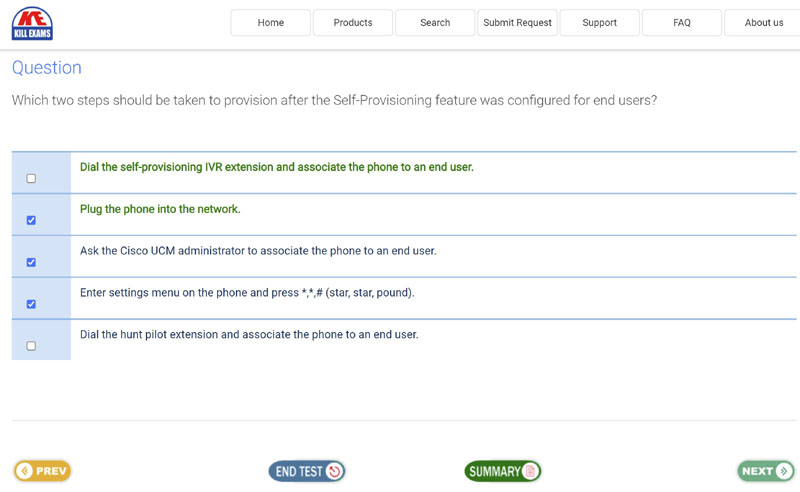
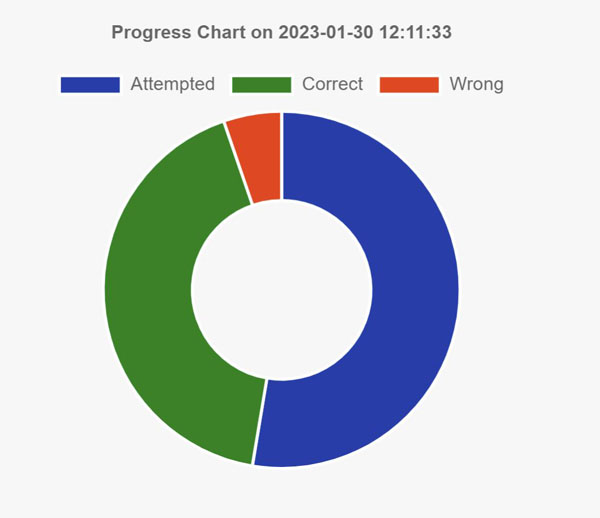
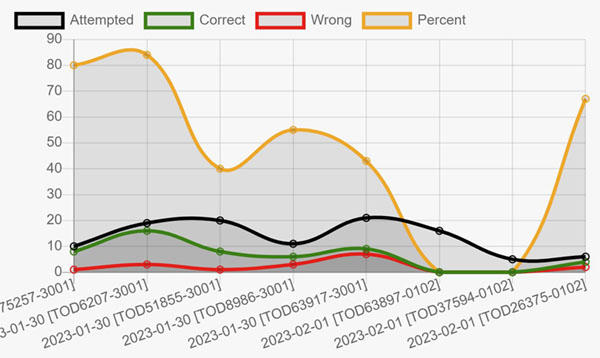
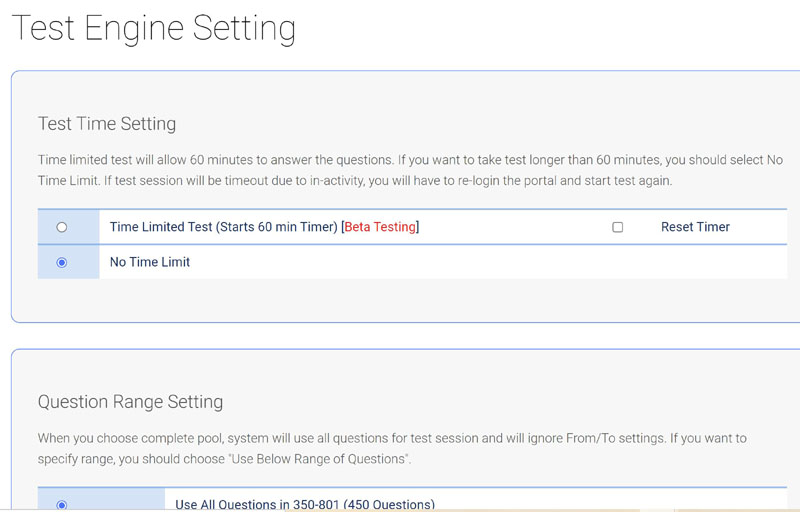
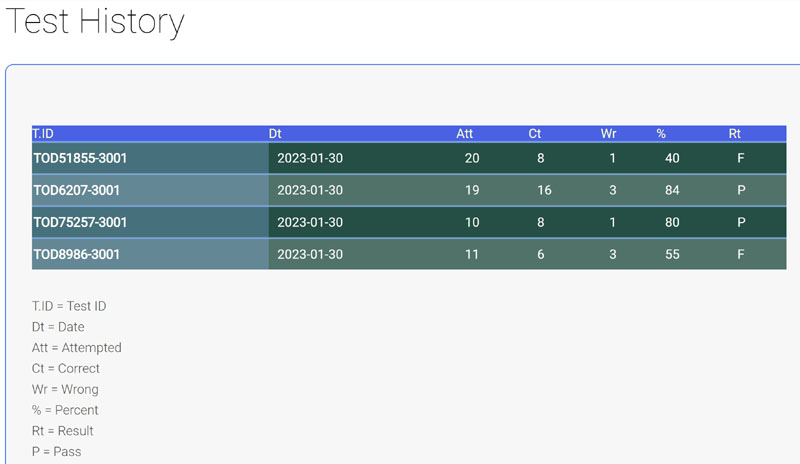
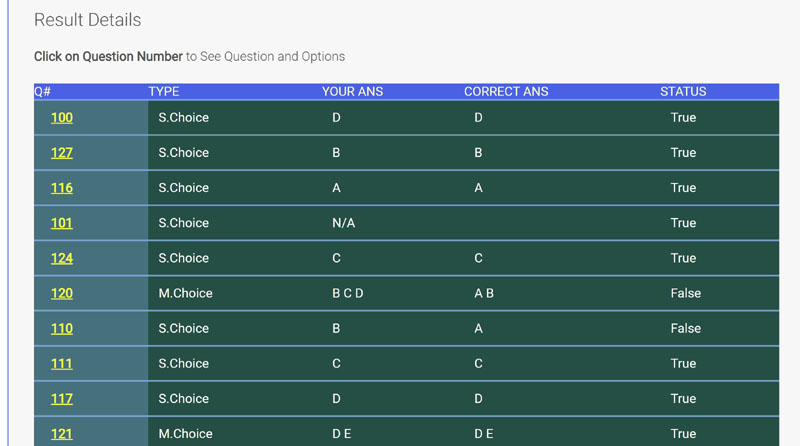
The Online Test Engine maintains practice history, performance summaries, and visual progress reports. Where available, questions may include explanations or reference information to support better understanding of exam topics. Content is reviewed and updated periodically to reflect relevant syllabus changes and maintain consistency with exam objectives.
Desktop Test Engine
| Exam Questions | 1129 (Complete Set) |
| Software Version | 2026 |
| Access | Unlimited |
| Latest Update | November 20, 2026 |
| Access Activation | Instant (5 to 10 min.) |
| Supported OS | Windows (All Versions) |
| Delivery Method | Username / Password |
| Test Engine Trial Software | Killexams Test Engine 2026 |
The Killexams Desktop Test Engine (version 2026) is a dedicated test preparation software designed to support candidates preparing for the NE-BC exam. The simulator provides a structured desktop based practice environment that allows users to work through exam style questions and review their performance in detail.
By practicing with the Nurse Executive Certification Exam Simulator, candidates can become familiar with question formats, exam navigation, and time based testing conditions similar to those used in official exams. This experience helps users build confidence across testing environment, time management, exam topics and identify areas that may require additional study.


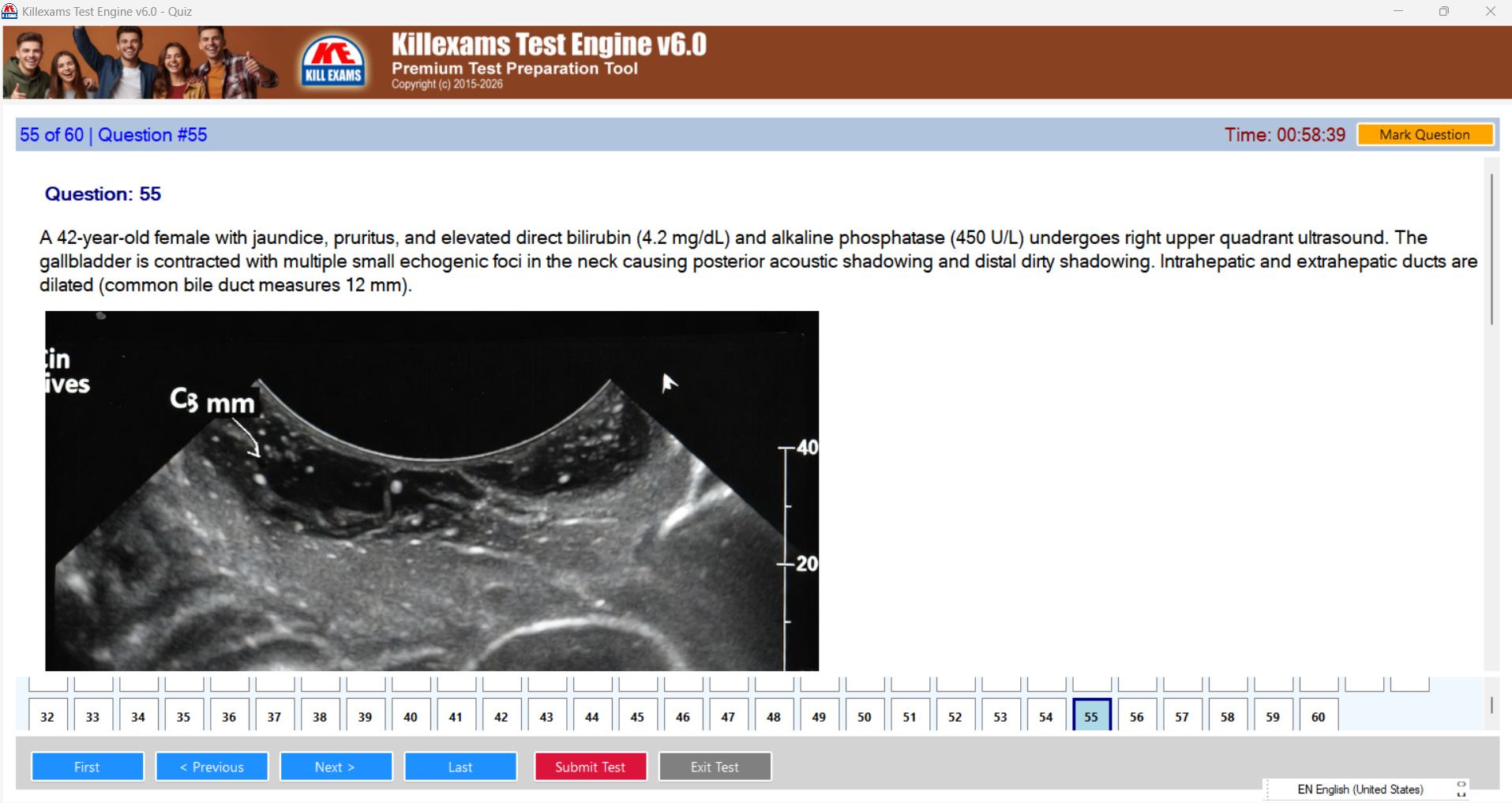
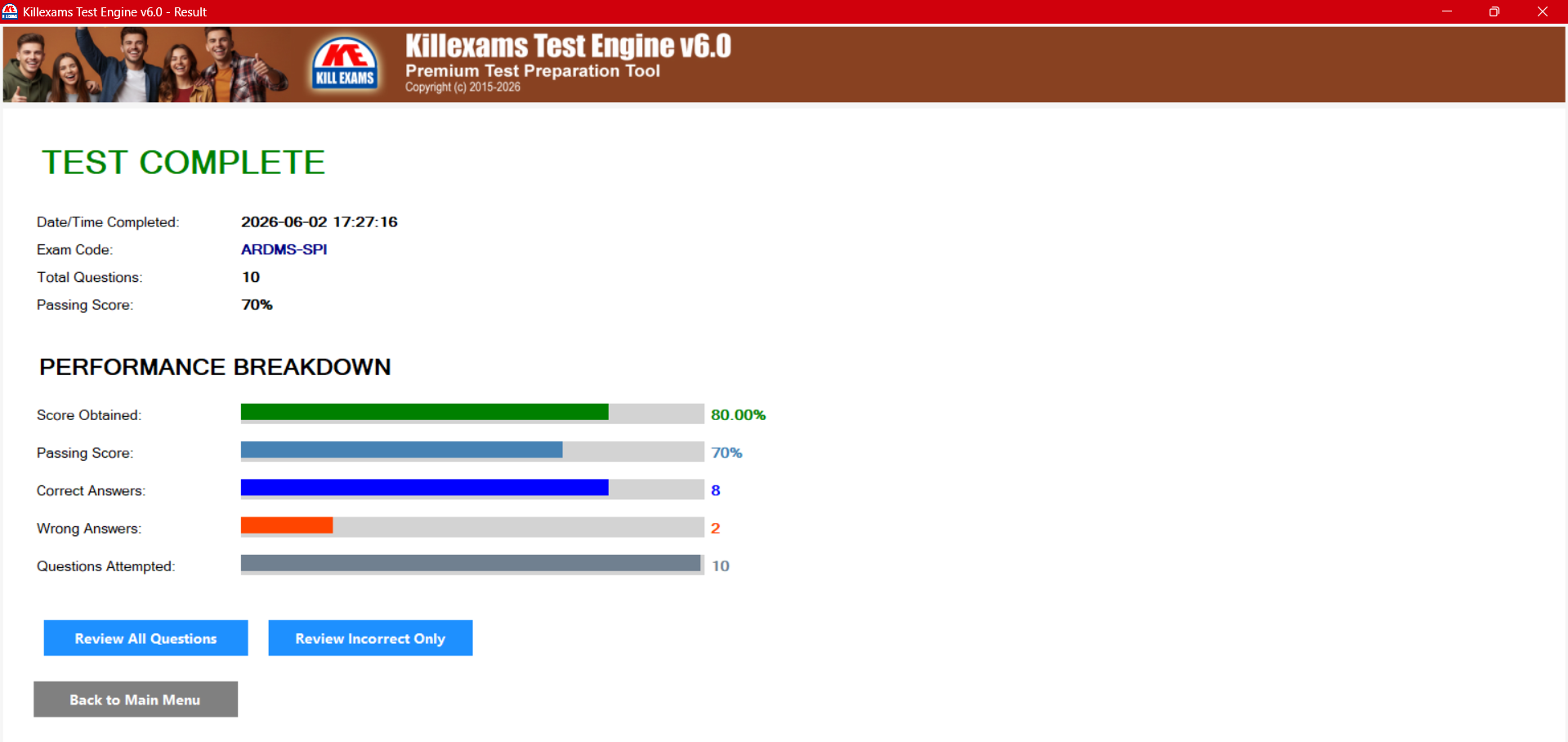

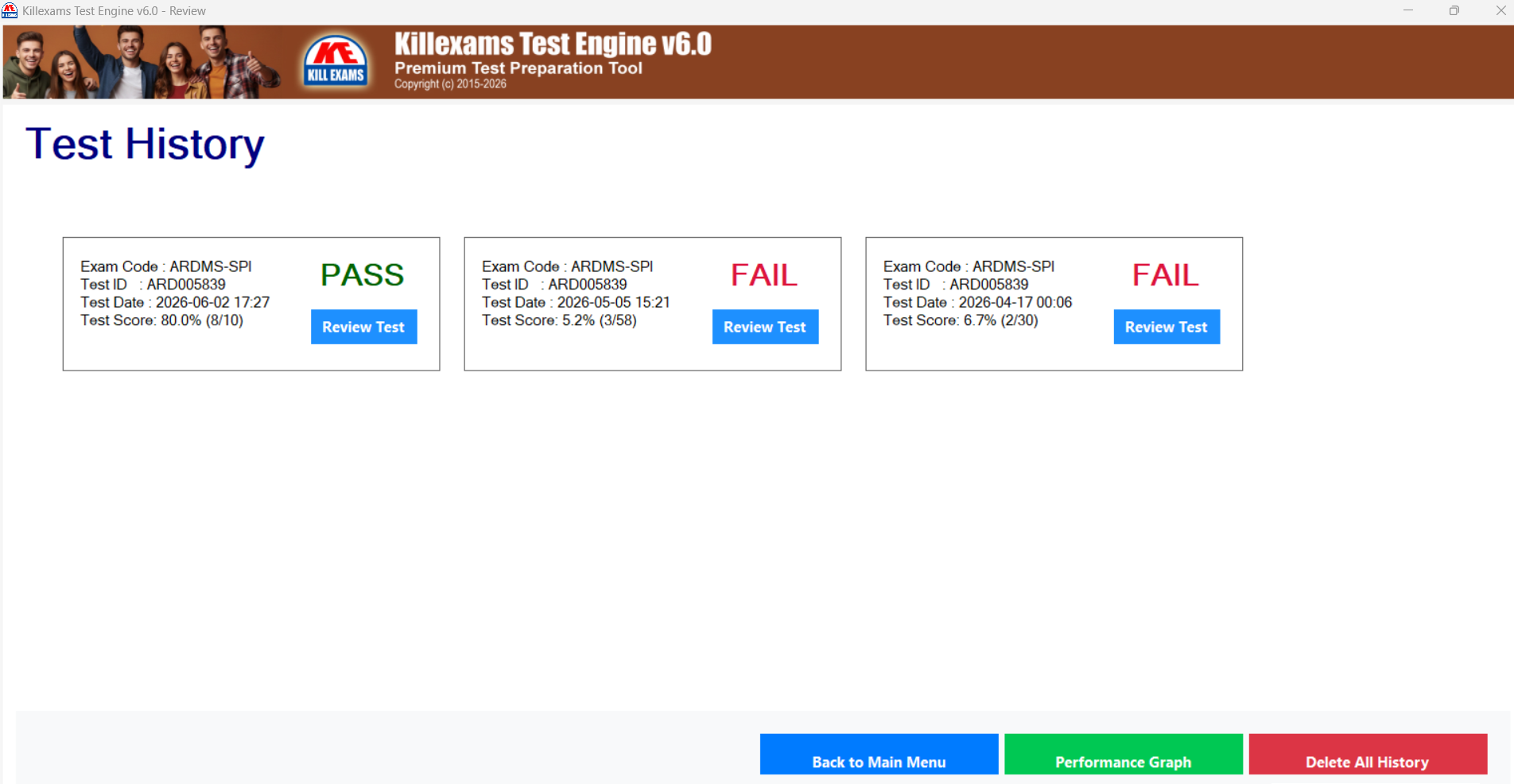
The Desktop Exam Simulator records practice history, performance summaries, and graphical progress reports. Where available, questions may include explanations or reference information to support understanding of correct and incorrect answers. The simulator content is reviewed and updated periodically to remain aligned with current exam objectives and syllabus requirements.
|
3 Months Update
|
6 Months Update
|
12 Months Update
|
|
|---|---|---|---|
What is 3 Months Update?
During 3 months, all future updates in PDF and Test Engine will be provided in your MyAccount with download links. An Intimation email on each update will be sent to you to re-download the updated exam files.
|
What is 6 Months Update?
During 6 months, all future updates in PDF and Test Engine will be provided in your MyAccount with download links. An Intimation email on each update will be sent to you to re-download the updated exam files.
|
What is 12 Months Update?
During 12 months, all future updates in PDF and Test Engine will be provided in your MyAccount with download links. An Intimation email on each update will be sent to you to re-download the updated exam files.
|
|
| Files | PDF / Test Engines | PDF / Test Engines | PDF / Test Engines |
| Premium Access | ✔ | ✔ | ✔ |
| Online Test Engine | ✔ | ✔ | ✔ |
| Instant Download Access | ✔ | ✔ | ✔ |
| Comprehensive Q&A | ✔ | ✔ | ✔ |
| Latest Topics | ✔ | ✔ | ✔ |
| Updated Regularly | ✔ | ✔ | ✔ |
| Portable Files | ✔ | ✔ | ✔ |
| Unlimited Download | ✔ | ✔ | ✔ |
| 100% Secured | ✔ | ✔ | ✔ |
| Confidentiality | 100% | 100% | 100% |
| Syllabus Coverage | Latest | Latest | Latest |
| Any Hidden Cost | No | No | No |
| Auto Renewal | No | No | No |
| Updates Intimation | by Email | by Email | by Email |
| Technical Support | Free | Free | Free |
| PDF Compatibility | Windows, Mac, Android, iOS, Linux | Windows, Mac, Android, iOS, Linux | Windows, Mac, Android, iOS, Linux |
| Desktop Test Engine Compatibility | Windows All Versions | Windows All Versions | Windows All Versions |
| Online Test Engine Compatibility | Mac / Windows / Android / iOS / Linux | Mac / Windows / Android / iOS / Linux | Mac / Windows / Android / iOS / Linux |
NE-BC Exam Format | Course Contents | Course Outline | Exam Syllabus | Exam Objectives
Exam Name : ANCC Nurse Executive Certification
Number of Questions : 175
Scored Questions : 150
Unscored Questions : 25
Category Domains of Practice No. of Questions Percent
I Structures and Processes 27 18%
II Professional Practice 55 37%
III Leadership 33 22%
IV Knowledge Management 35 23%
Total 150 100%
There are 175 questions on this examination. Of these- 150 are scored questions and 25 are pretest questions that are not scored. Pretest questions are used to determine how well these questions will perform before they are used on the scored portion of the examination. The pretest questions cannot be distinguished from those that will be scored- so it is important for a candidate to answer all questions. A candidate's score- however- is based solely on the 150 scored questions. Performance on pretest questions does not affect a candidate's score.
I. Structures and Processes (18%)
A. Human Capital Management
Knowledge of:
1. Federal and state laws (e.g.- Family and Medical Leave Act [FMLA]- American with Disabilities Act [ADA]- Fair Labor Standards Act [FLSA]- wage and hour laws- equal employment opportunities- Occupational Safety and Health Administration [OSHA]-
workers compensation)
2. Labor relations (e.g.- collective bargaining- contract negotiations- grievances and arbitrations- National Labor Relations Board [NLRB])
3. Resource utilization (e.g.- cross training- job descriptions )
4. Principles associated with human resources (e.g.- employee assistance and counseling- compensation- benefits- coaching- performance management)
5. Organizational culture (e.g.- just culture- transparency)
6. Organizational structure (e.g.- chain of command- organizational chart- span of control)
Skills in:
7. Participating in developing and modifying administrative policies and procedures
8. Implementing and enforcing administrative policies and procedures (e.g.- monitoring compliance)
9. Providing feedback on effectiveness of administrative policies and procedures
10. Evaluating the effectiveness of roles based on changing needs in the health care environment (e.g.- new or expanded job descriptions- professional development)
B. Financial Management
Knowledge of:
1. Basic financial and budgeting principles (e.g.- revenue cycle- supply and labor expenses- productivity- depreciation- return on investment [ROI]- cost-benefit analysis)
2. Reimbursement methods (e.g.- payor systems- pay for performance- payment bundling- value-based purchasing)
3. Contractual agreements (e.g.- vendors- materials- staffing)
4. Principles of staffing workload (e.g.- full-time equivalents [FTE]- hours per patient day- skill mix)
Skills in:
5. Developing a budget (e.g.- operational- capital)
6. Analyzing variances and managing a budget (e.g.- operational- capital)
7. Efficient resource utilization (e.g.- contractual agreements- outsourcing)
8. Determining appropriate staffing workload
C. Health and Public Policy
Knowledge of:
1. Legal issues (e.g.- fraud- whistle-blowing- the Health Insurance Portability and Accountability Act [HIPAA]- corporate compliance- electronic access and security- harassment- malpractice- negligence)
2. Consumer-driven health care (e.g.- public reporting- Community Health Needs Assessment [CHNA]- Hospital Consumer Assessment of Healthcare Providers and Systems [HCAHPS]- Healthgrades)
3. Emergency planning and response
4. Planning and responding to internal and external disasters
5. Planning and responding to health and public policy issues
6. Assessing- addressing- and preventing legal issues (e.g.- violations- fraud- whistleblowing- the Health Insurance Portability and Accountability Act [HIPAA]- corporate compliance- electronic access and security- harassment)
II. Professional Practice (37%)
A. Care Management/Delivery
Knowledge of:
1. Health care delivery models and settings (e.g.- accountable care organization [ACO]- patient-centered medical home [PCMH]- nurse-led clinic- telehealth- e-health- inpatient- ambulatory care- home health- rehabilitation- etc.)
2. Laws- regulations- and accrediting bodies (e.g.- The Joint Commission- Centers for Medicare and Medicaid Services- Nurse Practice Act)
3. Standards of nursing practice (e.g.- clinical practice guidelines- clinical pathways- ANA Scope and Standards of Practice- Nurse Practice Act)
Skills in:
4. Establishing staffing models (e.g.- primary care nursing- team nursing- nurse-patient ratios- skill mix- acuity)
5. Designing workflows based on care delivery model and population served (e.g.- patient centered medical home [PCMH]- interdisciplinary team- case management- disease management- throughput- staffing assignment and scheduling)
6. Developing policies and procedures that ensure regulatory compliance with professional standards and organizational integrity
B. Professional Practice Environment and Models
Knowledge of:
1. Professional practice models
2. Role delineation (e.g.- credentialing- privileging- certification)
3. Professional practice standards (e.g.- ANA Scope and Standards of Practice- Nurses Bill of Rights- Nurse Practice Act)
4. Employee performance feedback (e.g.- coaching- performance appraisal- Just Culture)
Skills in:
5. Developing clinical staff (e.g.- orientation- continuing education- competency validation- performance appraisal- peer review- mentoring- planning- lifelong learning)
6. Creating a professional environment for empowered decision making (e.g.- shared governance- staff accountability- critical thinking- civility)
7. Recruiting- recognizing- and retaining staff
8. Providing internal and external customer service (including service recovery)
9. Creating a vision for professional nursing practice that promotes patient and family centered care
C. Communication
Knowledge of:
1. Communication principles (e.g.- active listening- reflective communication- two-way communication- interviewing)
2. Communication styles (e.g.- persuasive- assertive- passive- aggressive- passiveaggressive)
3. Negotiation concepts and strategies (e.g.- compromising- collaborating- win-win)
4. Communication processes that support safe patient care (e.g.- documentation- handoffs or hand-overs- bedside reporting- incident reporting- reporting sentinel events)
Skills in:
5. Communicating using verbal (e.g.- oral and written) and nonverbal methods (e.g.- body language- eye contact- active listening)
6. Facilitating collaboration to achieve optimal outcomes (e.g.- team building- group dynamics- leveraging diversity)
7. Selecting the appropriate communication method for the audience and situation (e.g.- email- role playing- presentation- reports- staff meeting- board meeting- one-on-one conversation- patient/family council- consumer feedback)
8. Conflict management
III. Leadership (22%)
A. Leadership Effectiveness
Knowledge of:
1. Key elements of a healthy work environment
2. Leadership concepts- principles- and styles (e.g.- pervasive leadership- servant leadership- situational leadership- appreciative inquiry- culture of transparency- change management theories)
3. Coaching- mentoring- and precepting
4. Emotional intelligence
5. Sources of influence and power
Skills in:
6. Self reflection and personal leadership evaluation
7. Integrating diversity and sensitivity into the work environment
8. Change management
9. Building effective relationships through listening- reflecting- presence- communication- and networking
10. Succession planning
11. Creating an environment to engage and empower employees
B. Strategic Visioning and Planning
Knowledge of:
1. Strategic planning principles (e.g.- alignment of nursings strategic plan with the organizational plan- SWOT analysis- components of strategic planning)
2. New program development (e.g.- proposals- pro forma- business plans- marketing)
3. Trends that effect nursing practice and the healthcare environment
4. Communicating and building consensus and support for the strategic plan
5. Establishing baselines for processes (i.e.- measuring current performance)
6. Evaluating processes and outcome measures over time
7. Project management to support/achieve the strategic plan (e.g.- planning- implementing- and monitoring action plans)
C. Ethics and Advocacy
Knowledge of:
1. Ethical principles
2. Business ethics (e.g.- corporate compliance- privacy)
3. ANAs Code of Ethics
4. Patients Bill of Rights
Skills in:
5. Advocating for patients (e.g.- patient rights- access- and safety)
6. Advocating for staff (e.g.- healthy work environment- equipment- staffing)
7. Advocating for the nursing profession (e.g.- professional organizations- promoting education- certification- legislative influence)
IV. Knowledge Management (23%)
A. Quality Monitoring and Improvement
Knowledge of:
1. Systems theory
2. Continuous performance improvement (The Plan-Do-Study-Act [PDSA] Cycle- Lean- root cause analysis- tracer methodology)
3. Process and outcome measures (e.g.- clinical- financial- safety- patient satisfaction- employee satisfaction)
4. Culture of safety (e.g.- risk management- employee engagement- employee safety technologies [patient lifts]- patient safety technologies [bar coding])
Skills in:
5. Creating a culture of continuous performance improvement
6. Translating data into information (including use of internal and external benchmarks)- and disseminating it at various levels within the organization
7. Evaluating and prioritizing outcomes of care delivery (e.g.- nurse sensitive indicators- ORYX indicators- National Patient Safety Goals- core measures)
8. Selecting the appropriate continuous performance improvement technique
9. Action planning to address identified quality issues
B. Evidence-based Practice and Research
Knowledge of:
1. Institutional Review Board (IRB) requirements (e.g.- protection of human research subjects)
2. Research and evidence-based practice techniques (e.g.- literature review- developing research questions- study methods and design- data management- levels of evidence)
3. Distinguish between performance improvement- evidence-based practice- and research
4. Creating a culture and advocating for resources that support research and scholarly inquiry (e.g.- journal club- grant writing- research councils- research participation)
5. Communicating research and evidence-based findings to internal and external stakeholders
6. Incorporating evidence into policies- standards- procedures and guidelines
7. Evaluating and incorporating new knowledge and published research findings into practice
C. Innovation
Knowledge of:
1. Clinical practice innovation
2. Leadership practice innovation
Skills in:
3. Creating a culture that values- encourages- and recognizes new and innovative ideas that benefit the patient- family- organization- or community
4. Developing a framework for implementing innovations (e.g.- small tests of change- pilot studies)
5. Leveraging diversity to encourage new and innovative ideas or new patterns of thinking
6. Evaluating and applying technology to support innovation
Reviews (10)4.20 Overall
★★★★★
50%
★★★★
40%
★★★
0%
★★
0%
★
10%
|
Submit ReviewYou must be logged in to submit a review. Sign In to Submit Review |
Customer Reviews
NE-BC Exam FAQs
How many questions are on the NE-BC exam?
The NE-BC exam has 175 (150 scored) questions.
How long is the NE-BC exam?
You have 3.5 hours to complete the NE-BC exam.
Are there prerequisites or recommended experience for NE-BC?
Intended for: Nurse leaders.
What topics does the NE-BC exam cover, and how are they weighted?
The NE-BC exam covers 6 sections: Structure and Process; Leadership; Professional Practice; Quality and Safety; Human Resources; Finance.
How should I prepare for NE-BC?
Start with the official NE-BC exam outline and study materials from ANCC, then build exam readiness with timed practice. A killexams.com premium account gives you the full pool of 1,129 NE-BC practice questions and answers in PDF and Test Engine formats, so you can practice every objective and review the answers before exam day.
How long does it take to prepare for NE-BC?
At a steady pace of 100 practice questions a day, working through all 1,129 NE-BC questions takes about 12 days. Add extra days to repeat the questions you got wrong.
Is NE-BC hard? Who is it for?
The ANCC Nurse Executive certification, NE BC, recognizes nurse leaders in mid level and executive roles.
How many practice questions do you have for NE-BC?
The killexams.com NE-BC practice test contains 1,129 questions and answers.
Is there a free NE-BC sample?
Yes. A free NE-BC sample PDF is available on this page, so you can review the question style before you buy.
What formats are included in the NE-BC practice test?
The NE-BC practice test is available as a PDF, an Online Test Engine and a Desktop Test Engine.
Do the NE-BC practice questions cover the current exam objectives?
Yes. The NE-BC practice questions cover the complete syllabus and current exam objectives.
How do I get the files after purchase, and how long is access valid?
Your MyAccount login details are delivered by email. You can download the files from the member area until your account expires, after 3, 6 or 12 months depending on the plan you bought.
Can I use the NE-BC Test Engine on Mac or mobile?
Yes, with the Online Test Engine, which runs on Mac, iOS, Android, Linux and other platforms. The Desktop Test Engine is for Windows only.
What if I fail the NE-BC exam after using your material?
You can choose one of three options: 1) a refund, 2) a free 3-month account extension, or 3) a new exam of your choice.
What is the pass rate for the NE-BC exam?
ANCC's 2025 certification data shows a 63% first-time pass rate for the Nurse Executive exam (907 of 1,443 first-time test takers passed).
How many practice questions are available for NE-BC?
The NE-BC practice test contains 1,129 practice questions and answers covering the current exam objectives.
What formats are available for NE-BC preparation?
The NE-BC practice test is available as PDF, Online Test Engine, Desktop Test Engine. All formats can be downloaded instantly after purchase.
Is there a free NE-BC sample?
Yes. You can preview and download a free NE-BC sample PDF on this page before you buy.