

PCCN Exam Questions PDF
| Questions and Answers | 1406 (Complete Set) |
| File Format | |
| Latest Update | November 19, 2026 |
| Files Delivery | Instant (5 to 10 min.) |
| Compatibility | All Desktop and Mobile Devices |
| Delivery Method | Download Account |
PCCN is AACNs certification for progressive care nurses who look after acutely ill adults whose condition is moderately stable but can change quickly. These nurses work in step down, intermediate care, telemetry and direct observation units. The exam is based on the AACN Synergy Model and tests clinical judgment across cardiovascular, pulmonary, endocrine, hematology, gastrointestinal, renal, neurological, behavioral and multisystem problems. Common topics include chest pain, heart failure, dysrhythmias, COPD exacerbation, pneumonia, diabetes management, acute kidney injury, stroke and sepsis, along with professional caring and ethical practice.
The American Association of Critical Care Nurses is the largest specialty nursing organization in the world. Its certification corporation offers specialty and subspecialty credentials for nurses caring for acutely and critically ill patients, built around the AACN Synergy Model for Patient Care.
Earning Progressive Critical Care Nursing shows employers and patients that a nurse has gone beyond licensure and proven specialty knowledge against a national standard. Certified nurses often report greater confidence in clinical decisions, and many hospitals recognize certification through clinical ladder programs, pay differentials or support for Magnet designation.
The outline becomes clearer when each area is examined on its own. Within Cardiovascular, candidates should be comfortable with ACS, heart failure and dysrhythmias. Pulmonary focuses on COPD, pneumonia and respiratory failure. The Endocrine, Hematology, GI, Renal and Integumentary area includes diabetes, bleeding and AKI. Questions on Musculoskeletal, Neurology and Psychosocial typically involve stroke, seizures and delirium.
Preparing for the PCCN exam requires not only understanding the exam topics but also practicing with exam style questions. Our Progressive Critical Care Nursing exam questions in practice tests help candidates review key concepts and familiarize themselves with the format and difficulty of exam.
At Killexams.com, our team works to maintain up-to-date practice content for exam preparation. We continuously review and refine our question sets and explanations to cover the latest relevant syllabus areas and help learners strengthen their understanding of core topics before facing the official exam. These Practice tests allow you to identify areas where you need improvement by measuring your readiness, and provide you exam questions to polish those areas.
PCCN Exam Questions Preview
The PCCN exam has 125 multiple choice questions, 100 scored and 25 pretest, with two and a half hours allowed. Cardiovascular content is the largest section, so give it the most study time. Many items ask about early recognition of deterioration, so practice identifying subtle changes in vital signs, lab values and rhythms. Eligibility requires 1,750 hours of direct progressive care in the previous two years. Take at least two full timed practice tests before you sit the exam.
For PCCN, a simple schedule built on the outline avoids gaps. Allow roughly 6 weeks, giving each major area its own block: begin with Cardiovascular, continue with Pulmonary; Endocrine, Hematology, GI, Renal and Integumentary; and Musculoskeletal, Neurology and Psychosocial, and finish with Multisystem; and Professional Caring and Ethical Practice. Write short notes for each area in your own words and revisit them regularly. In the last week, switch from reading to timed mixed practice so the exam pace feels familiar.
A good routine for PCCN is to read one topic area, then answer twenty to thirty practice questions on it the same day. Review rationales carefully, especially for medications and lab values, and keep a short list of facts you keep missing. Two weeks before the exam, switch to mixed timed sets.
| Detail | Information |
|---|---|
| Questions | 125 (100 scored, 25 pretest) |
| Duration | 2.5 hours |
| Eligibility | 1,750 hours progressive care in 2 years |
| Delivery | PSI test centers and remote proctoring |
| Provider | AACN |
To help you evaluate our material, you may download free sample pdf with example questions and answers that we provide. This sample allows you to review content and approach before deciding on Premium materials..
The Progressive Critical Care Nursing practice test files contains 1406 Questions, are compatible with multiple devices, including Windows, macOS, iOS, and Android, and can be used for both online and offline study. The PDF format is printable, making it easy to study during travel or when away from a computer. Access to updated materials is available through your online account.
After purchase, you will receive your username and password immediately, allowing you to log in and download your study files without delay. Our goal is to support exam preparation at your pace with practice content designed for reinforcement and understanding of key concepts.
Killexams.com PCCN questions and answers follow the AACN test plan across every body system and the Synergy Model. Each explanation shows the clinical reasoning behind the correct priority action. Timed practice tests build the pace needed for 125 questions, and updated content keeps preparation aligned with current progressive care practice.
Because the killexams.com PCCN questions follow the official topic areas such as Cardiovascular; Pulmonary; Endocrine, Hematology, GI, Renal and Integumentary; and Musculoskeletal, Neurology and Psychosocial, you can focus practice exactly where it is needed. Working through these sets two or three times, and reviewing every explanation, is a reliable way to raise your score before exam day.
The killexams.com PCCN questions and answers work well alongside official study guides and hands on practice. Use the study guide to learn concepts, then use the question bank to test whether you can apply them under exam conditions.
Online Test Engine
| Exam Questions | 1406 (Complete Set) |
| Testing Limit | Unlimited |
| Access Type | Online |
| Latest Update | November 19, 2026 |
| Access Activation | Instant (5 to 10 min.) |
| Supported OS | Mac, Windows, Android, iPhone / iPad, Linux |
| Delivery Method | Username / Password |
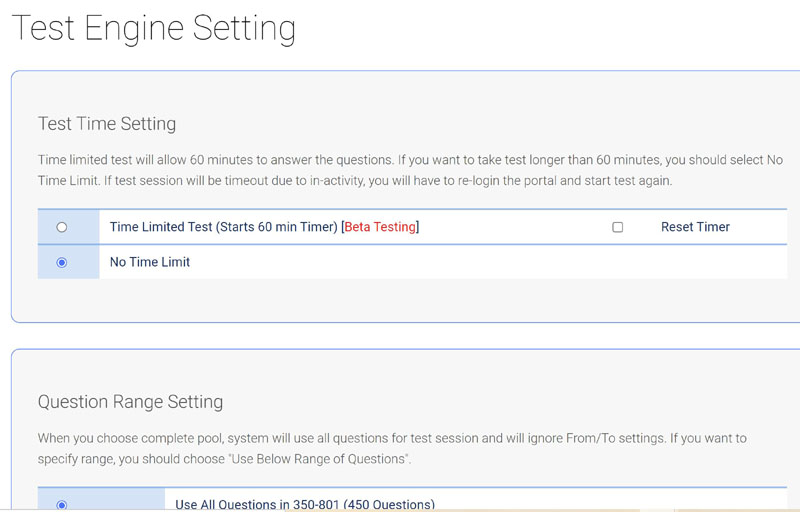
Killexams.com provides an Online Test Engine designed to help candidates practice exam questions in a structured and interactive environment. The Test Engine is compatible with iPhone, iPad, Android, Windows, and Mac, allowing you to study and practice on the device that best fits your schedule.
The PCCN Online Test Engine enables candidates to simulate exam-style practice sessions, review answers, and track progress over time. This learning approach helps users practice exam questions, question formats and improve time management while preparing for the Progressive Critical Care Nursing exam.
The Test Engine includes features that support effective learning, such as customizable practice sessions, question review modes, and progress tracking. These tools are designed to assist candidates in identifying knowledge gaps and reinforcing key concepts through repeated practice rather than memorization alone.
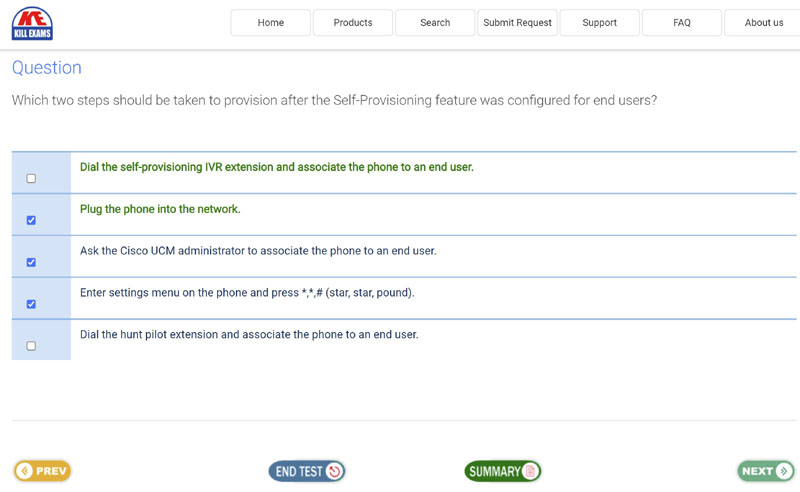
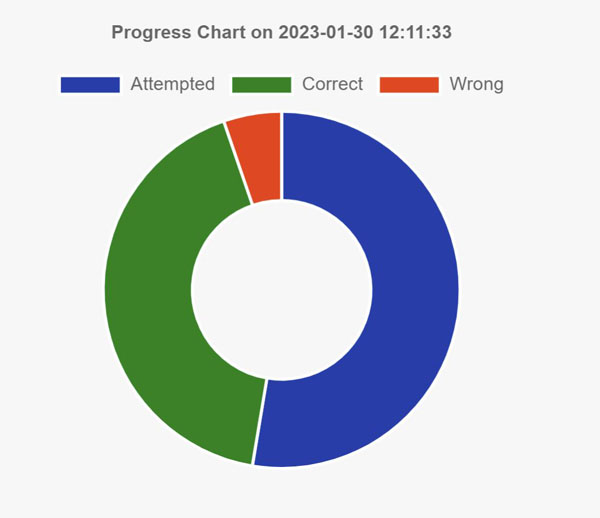
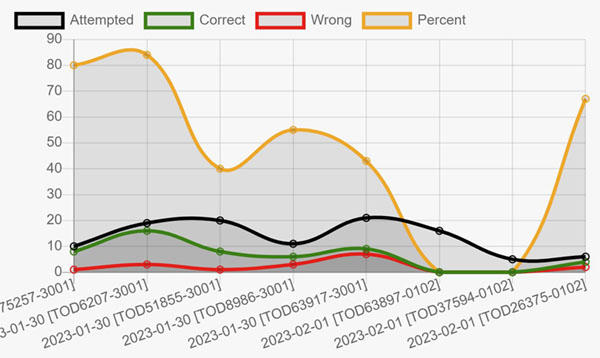
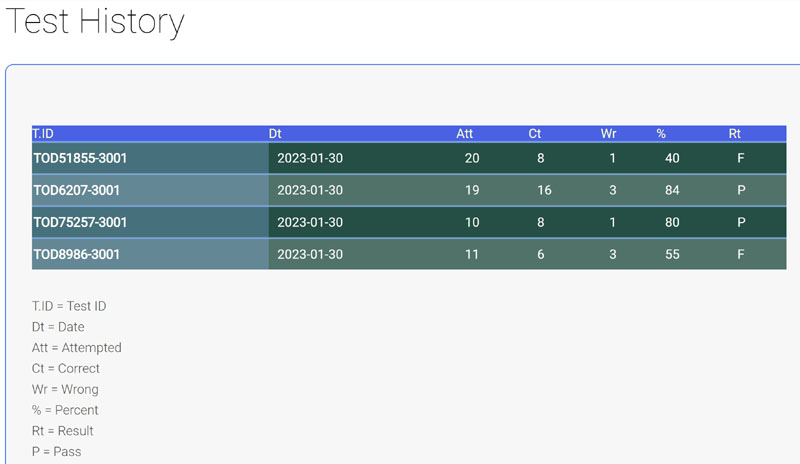
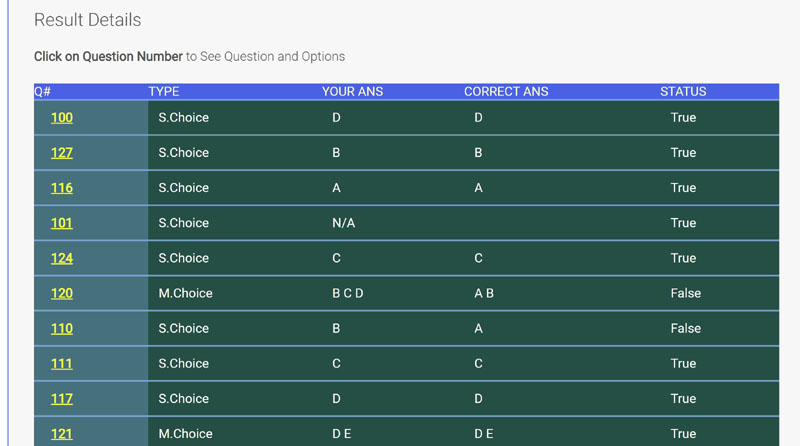
The Online Test Engine maintains practice history, performance summaries, and visual progress reports. Where available, questions may include explanations or reference information to support better understanding of exam topics. Content is reviewed and updated periodically to reflect relevant syllabus changes and maintain consistency with exam objectives.
Desktop Test Engine
| Exam Questions | 1406 (Complete Set) |
| Software Version | 2026 |
| Access | Unlimited |
| Latest Update | November 19, 2026 |
| Access Activation | Instant (5 to 10 min.) |
| Supported OS | Windows (All Versions) |
| Delivery Method | Username / Password |
| Test Engine Trial Software | Killexams Test Engine 2026 |
The Killexams Desktop Test Engine (version 2026) is a dedicated test preparation software designed to support candidates preparing for the PCCN exam. The simulator provides a structured desktop based practice environment that allows users to work through exam style questions and review their performance in detail.
By practicing with the Progressive Critical Care Nursing Exam Simulator, candidates can become familiar with question formats, exam navigation, and time based testing conditions similar to those used in official exams. This experience helps users build confidence across testing environment, time management, exam topics and identify areas that may require additional study.


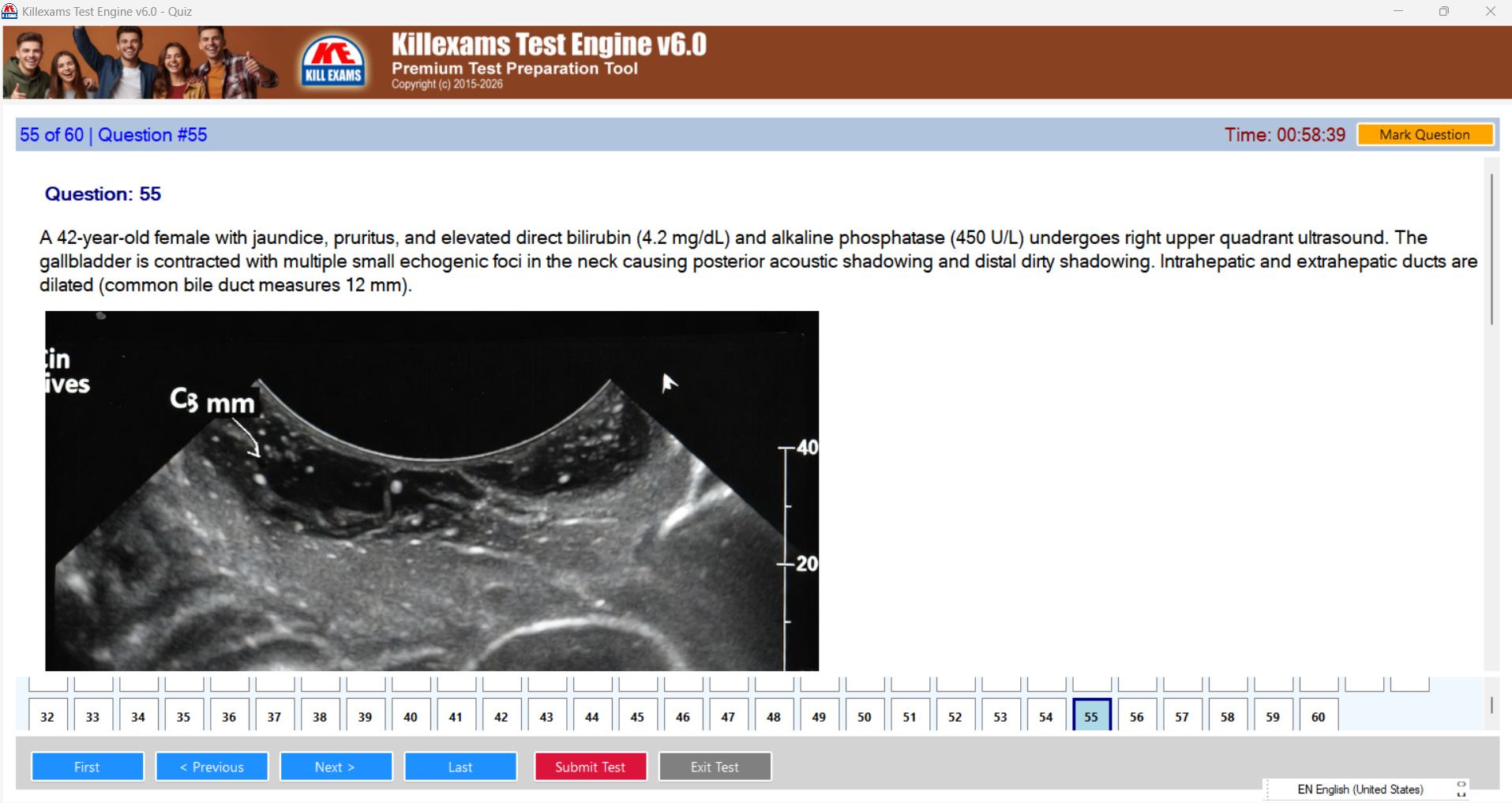
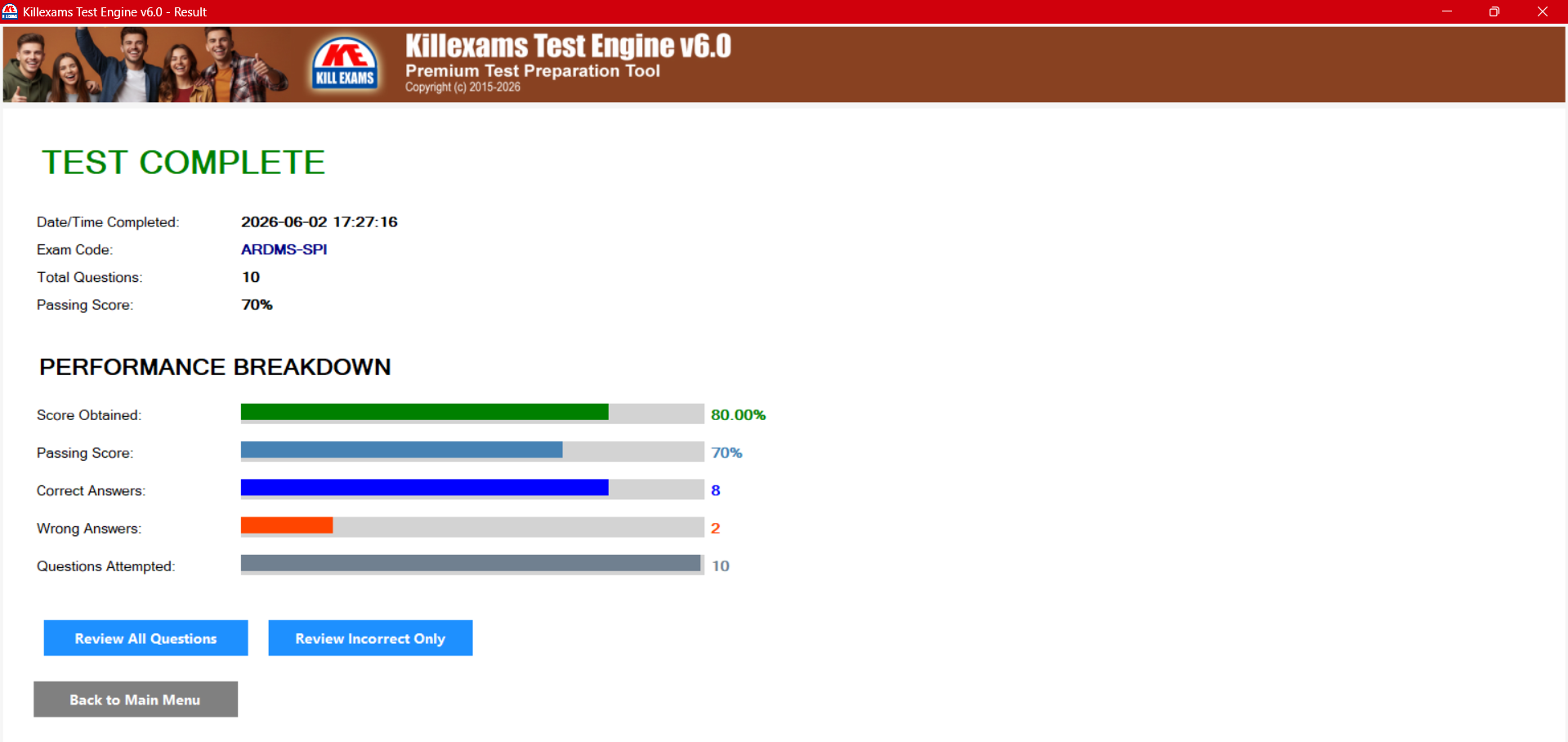

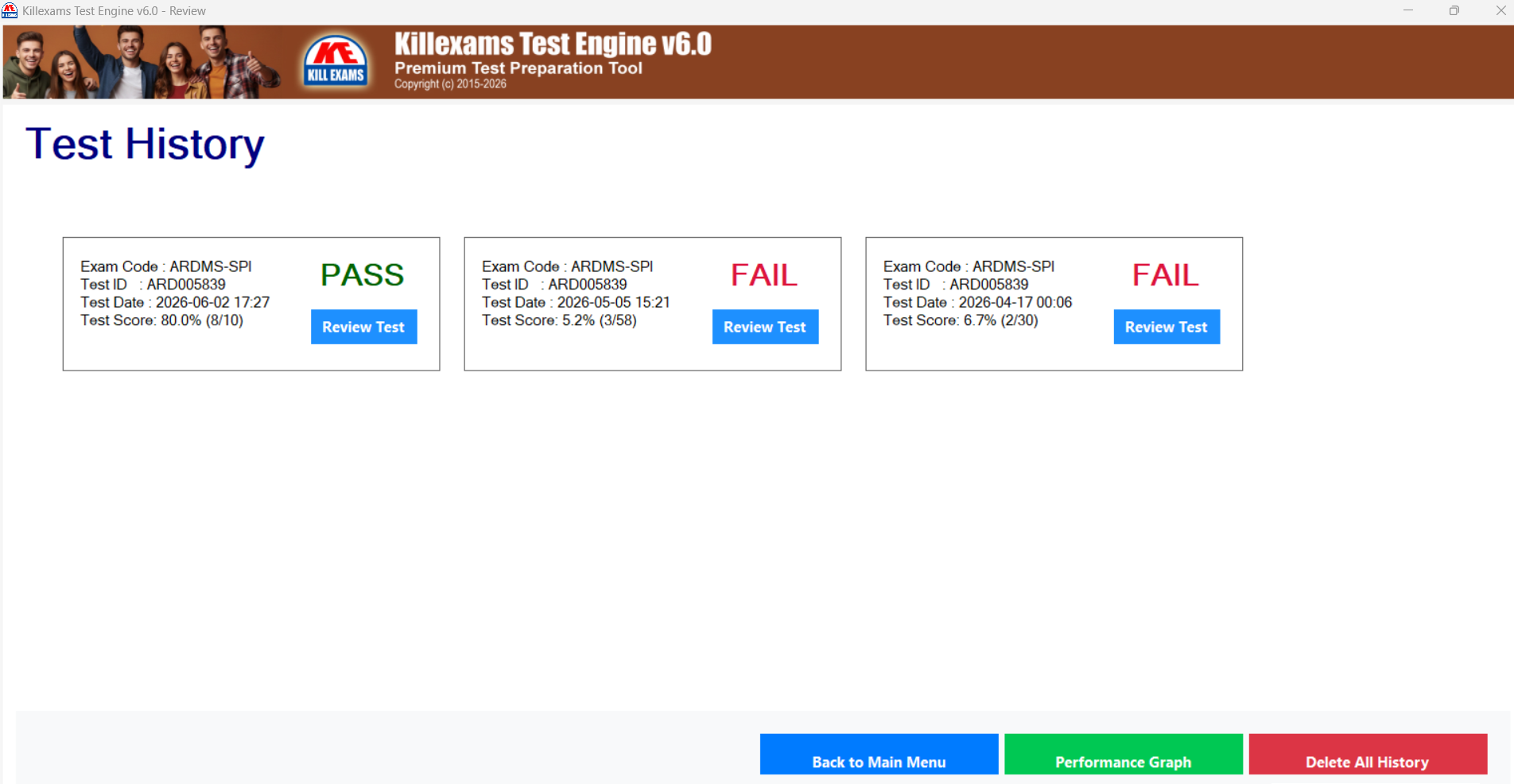
The Desktop Exam Simulator records practice history, performance summaries, and graphical progress reports. Where available, questions may include explanations or reference information to support understanding of correct and incorrect answers. The simulator content is reviewed and updated periodically to remain aligned with current exam objectives and syllabus requirements.
|
3 Months Update
|
6 Months Update
|
12 Months Update
|
|
|---|---|---|---|
What is 3 Months Update?
During 3 months, all future updates in PDF and Test Engine will be provided in your MyAccount with download links. An Intimation email on each update will be sent to you to re-download the updated exam files.
|
What is 6 Months Update?
During 6 months, all future updates in PDF and Test Engine will be provided in your MyAccount with download links. An Intimation email on each update will be sent to you to re-download the updated exam files.
|
What is 12 Months Update?
During 12 months, all future updates in PDF and Test Engine will be provided in your MyAccount with download links. An Intimation email on each update will be sent to you to re-download the updated exam files.
|
|
| Files | PDF / Test Engines | PDF / Test Engines | PDF / Test Engines |
| Premium Access | ✔ | ✔ | ✔ |
| Online Test Engine | ✔ | ✔ | ✔ |
| Instant Download Access | ✔ | ✔ | ✔ |
| Comprehensive Q&A | ✔ | ✔ | ✔ |
| Latest Topics | ✔ | ✔ | ✔ |
| Updated Regularly | ✔ | ✔ | ✔ |
| Portable Files | ✔ | ✔ | ✔ |
| Unlimited Download | ✔ | ✔ | ✔ |
| 100% Secured | ✔ | ✔ | ✔ |
| Confidentiality | 100% | 100% | 100% |
| Syllabus Coverage | Latest | Latest | Latest |
| Any Hidden Cost | No | No | No |
| Auto Renewal | No | No | No |
| Updates Intimation | by Email | by Email | by Email |
| Technical Support | Free | Free | Free |
| PDF Compatibility | Windows, Mac, Android, iOS, Linux | Windows, Mac, Android, iOS, Linux | Windows, Mac, Android, iOS, Linux |
| Desktop Test Engine Compatibility | Windows All Versions | Windows All Versions | Windows All Versions |
| Online Test Engine Compatibility | Mac / Windows / Android / iOS / Linux | Mac / Windows / Android / iOS / Linux | Mac / Windows / Android / iOS / Linux |
PCCN Exam Format | Course Contents | Course Outline | Exam Syllabus | Exam Objectives
Clinical Judgment
- Cardiovascular
- Pulmonary
- Endocrine
- Hematology
- Gastrointestinal
- Renal
- Neurology
- Behavioral/Psychosocial
- Musculoskeletal
- Professional Caring and Ethical Practice
- Advocacy/Moral Agency
- Caring Practices
- Response to Diversity
- Facilitation of Learning
- Collaboration
- Systems Thinking
- Clinical Inquiry
- Learning Outcomes
At the completion of this learning activity- participants should be able to:
Validate their knowledge of progressive care nursing Briefly review the pathophysiology of single and multisystem dysfunction in adult patients and the medical and pharmacologic management of each Identify the progressive care nursing management needs for adult patients with single or multisystem organ abnormalities Successful Completion
Learners must complete 100 percent of the activity and the associated evaluation to be awarded the contact hours or CERP. No partial credit will be awarded.
12.8 contact hours awarded- CERP Category A
Exam Eligibility
Are you eligible to take the PCCN or PCCN-K exam? Eligibility requirements and links to handbooks with test plans are available on our “Get Certified” pages — click here to get started: PCCN (Adult) or PCCN-K (Adult) .
PCCN and PCCN-K certifications emphasize the knowledge that the progressive nursing specialty requires and the essential acute care nursing practices that you can apply in your role every day in a step-down unit- emergency or telemetry department or another progressive care environment.
PCCN and PCCN-K specialty certifications also demonstrate your knowledge and dedication to hospital administrators- peers and patients- while giving you the satisfaction of your achievement. PCCN and PCCN-K credentials are granted by AACN Certification Corporation.
Validate and enhance your knowledge and improve patient outcomes. Take advantage of this detailed review course and earn your PCCN or PCCN-K certification.
The American Association of Critical-Care Nurses (AACN) is accredited as a provider of continuing nursing education by the American Nurses Credentialing Centers (ANCC's) Commission on Accreditation- ANCC Provider Number 0012. AACN has been approved as a provider of continuing education in nursing by the California Board of Registered Nursing (CBRN)- Provider number CEP 1036. This activity is approved for 12.8 contact hours.
AACN programming meets the standards of most states that require mandatory CE contact hours for license and/or certification renewal. AACN recommends consulting with your state board of nursing or credentialing organization before submitting CE to fulfill continuing education requirements.
AACN and AACN Certification Corporation consider the American Nurses Association (ANA) Code of Ethics for Nurses foundational for nursing practice- providing a framework for making ethical decisions and fulfilling responsibilities to the public- colleagues and the profession. AACN Certification Corporations mission of public protection supports a standard of excellence where certified nurses have a responsibility to read about- understand and act in a manner congruent with the ANA Code of Ethics for Nurses.
I. CLINICAL JUDGMENT (80%)
A. Cardiovascular (27%)
1. Acute coronary syndromes
a. non-ST segment elevation myocardial infarction
b. ST segment elevation myocardial infarction
c. unstable angina
2. Acute inflammatory disease (e.g.- myocarditis- endocarditis- pericarditis)
3. Aneurysm
a. dissecting
b. repair
4. Cardiac surgery (e.g.- post ICU care)
5. Cardiac tamponade
6. Cardiac/vascular catheterization
a. diagnostic
b. interventional
7. Cardiogenic shock
8. Cardiomyopathies
a. dilated (e.g.- ischemic/non-ischemic)
b. hypertrophic
c. restrictive
9. Dysrhythmias
10. Heart failure
a. acute exacerbations (e.g.- pulmonary edema)
b. chronic
11. Hypertension (uncontrolled)
12. Hypertensive crisis
13. Minimally-invasive cardiac surgery (i.e. nonsternal approach)
14. Valvular heart disease
15. Vascular disease
B. Pulmonary (17%)
1. Acute respiratory distress syndrome (ARDS)
2. Asthma (severe)
3. COPD exacerbation
4. Minimally-invasive thoracic surgery (e.g.- VATS)
5. Obstructive sleep apnea
6. Pleural space complications (e.g.- pneumothorax- hemothorax- pleural effusion- empyema- chylothorax)
7. Pulmonary embolism
8. Pulmonary hypertension
9. Respiratory depression (e.g.- medicationinduced- decreased-LOC-induced)
10. Respiratory failure
a. acute
b. chronic
c. failure to wean
11. Respiratory infections (e.g.- pneumonia)
12. Thoracic surgery (e.g.- lobectomy- pneumonectomy)
C. Endocrine/Hematology/Neurology/Gastrointestinal/Renal (20%)
1. Endocrine
a. diabetes mellitus
b. diabetic ketoacidosis
c. hyperglycemia
d. hypoglycemia
2. Hematology/Immunology/Oncology
a. anemia
b. coagulopathies: medication-induced (e.g.- Coumadin- platelet inhibitors- heparin [HIT])
3. Neurology
a. encephalopathy (e.g.- hypoxic-ischemic- metabolic- infectious- hepatic)
b. seizure disorders
c. stroke
4. Gastrointestinal
a. functional GI disorders (e.g.- obstruction- ileus- diabetic gastroparesis- gastroesophageal reflux- irritable bowel syndrome)
b. GI bleed
i. lower
ii. upper
c. GI infections (e.g.- C. difficile)
d. GI surgeries (e.g.- resections- esophagogastrectomy- bariatric)
e. hepatic disorders (e.g.- cirrhosis- hepatitis- portal hypertension)
f. ischemic bowel
g. malnutrition (e.g.- failure to thrive- malabsorption disorders)
h. pancreatitis
5. Renal
a. acute kidney injury (AKI)
b. chronic kidney disease (CKD)
c. electrolyte imbalances
d. end-stage renal disease (ESRD)
D. Musculoskeletal/Multisystem/Psychosocial (16%)
1. Musculoskeletal
a. functional issues (e.g.- immobility- falls- gait disorders)
2. Multisystem
a. end of life
b. healthcare-acquired infections
i. catheter-associated urinary tract infections (CAUTI)
ii. central-line-associated bloodstream infections (CLABSI)
iii. surgical site infection (SSI)
c. infectious diseases
i. influenza
ii. multidrug-resistant organisms (e.g.- MRSA- VRE- CRE- ESBL)
d. pain
i. acute
ii. chronic
e. palliative care
f. pressure injuries (ulcers)
g. rhabdomyolysis
h. sepsis
i. shock states
i. anaphylactic
ii. hypovolemic
j. toxic ingestion/inhalation/drug overdose
k. wounds (e.g.- infectious- surgical- trauma)
3. Behavioral/Psychosocial
a. altered mental status
b. delirium
c. dementia
d. disruptive behaviors- aggression- violence
e. psychological disorders
i. anxiety
ii. depression
f. substance abuse
i. alcohol withdrawal
ii. chronic alcohol abuse
iii. chronic drug abuse
iv. drug-seeking behavior
v. drug withdrawal
II. PROFESSIONAL CARING AND ETHICAL PRACTICE (20%)
A. Advocacy/Moral Agency
B. Caring Practices
C. Response to Diversity
D. Facilitation of Learning
E. Collaboration
F. Systems Thinking
G. Clinical Inquiry Cardiovascular
• Identify- interpret and monitor
o dysrhythmias
o QTc intervals
o ST segments
• Manage patients requiring
o ablation
o arterial closure devices
o arterial/venous sheaths
o cardiac catheterization
o cardioversion
o defibrillation
o pacemakers
o percutaneous coronary intervention (PCI)
o transesophageal echocardiogram (TEE)
• Monitor hemodynamic status and recognize signs and symptoms of hemodynamic instability
• Select leads for cardiac monitoring for the indicated disease process
• Titrate vasoactive medications
o Dobutamine
o Dopamine
o Nitroglycerin Pulmonary
• Interpret ABGs
• Maintain airway
• Monitor patients pre and post
o bronchoscopy
o chest tube insertion
o thoracentesis
• Manage patients requiring mechanical ventilation
• Manage patients requiring non-invasive O2 or ventilation delivery systems
o BiPAP
o CPAP
o face masks
o high-flow therapy
o nasal cannula
o non-breather mask
o venti-masks
• Manage patients requiring respiratory monitoring devices:
o continuous SpO2
o end-tidal CO2 (capnography)
Manage patients requiring tracheostomy tubes
• Manage patients with chest tubes (including pleural drains)
• Recognize respiratory complications and initiate interventions
Endocrine/Hematology/Neurology/Gastrointestinal/Renal
• Endocrine
o manage and titrate insulin infusions
• Hematology/Immunology/Oncology
o administer blood products and monitor patient response
• Neurology
o perform bedside screening for dysphagia
o use NIH Stroke Scale (NIHSS)
• Gastrointestinal
o manage patients pre- and post-procedure (e.g.- EGD- colonoscopy)
o manage patients who have fecal containment devices
o manage patients who have tubes and drains
o recognize indications for and complications of enteral and parenteral nutrition
• Renal
o identify medications that can be removed during dialysis
o identify medications that may cause nephrotoxicity
o initiate renal protective measures for nephrotoxic procedures
o manage patients pre- and post-hemodialysis Musculoskeletal/Multisystem/Psychosocial
• Musculoskeletal
o initiate and monitor progressive mobility measures
• Multisystem
o administer medications for procedural sedation and monitor patient response
o differentiate types of wounds- pressure injuries
o manage patients with complex wounds (e.g.- fistulas- drains and vacuum-assisted closure devices)
o manage patients with infections
• Psychosocial
o implement suicide prevention measures
o screen patients using a delirium assessment tool (e.g.- CAM)
o use alcohol withdrawal assessment tools (e.g.- CIWA)
General
• Administer medications and monitor patient response
• Anticipate therapeutic regimens
• Monitor diagnostic test results
• Perform an assessment pertinent to the system
• Provide health promotion interventions for patients- populations and diseases
• Provide patient and family education unique to the clinical situation
• Recognize procedural and surgical complications
• Recognize urgent situations and initiate interventions
• Use complementary alternative medicine techniques and non-pharmacologic interventions
Reviews (10)4.40 Overall
★★★★★
40%
★★★★
60%
★★★
0%
★★
0%
★
0%
|
Submit ReviewYou must be logged in to submit a review. Sign In to Submit Review |
Customer Reviews
PCCN Exam FAQs
How many questions are on the PCCN exam?
The PCCN exam has 125 (100 scored, 25 pretest) questions.
How long is the PCCN exam?
You have 2.5 hours to complete the PCCN exam.
Where and how do I take the PCCN exam?
Delivery for the PCCN exam: pSI test centers and remote proctoring. Schedule it through AACN's official certification website.
Are there prerequisites or recommended experience for PCCN?
Eligibility: 1,750 hours progressive care in 2 years.
What topics does the PCCN exam cover, and how are they weighted?
The PCCN exam covers 6 sections: Cardiovascular; Pulmonary; Endocrine, Hematology, GI, Renal and Integumentary; Musculoskeletal, Neurology and Psychosocial; Multisystem; Professional Caring and Ethical Practice.
How should I prepare for PCCN?
Start with the official PCCN exam outline and study materials from AACN, then build exam readiness with timed practice. A killexams.com premium account gives you the full pool of 1,406 PCCN practice questions and answers in PDF and Test Engine formats, so you can practice every objective and review the answers before exam day.
How long does it take to prepare for PCCN?
At a steady pace of 100 practice questions a day, working through all 1,406 PCCN questions takes about 15 days. Add extra days to repeat the questions you got wrong.
Is PCCN hard? Who is it for?
PCCN is AACNs certification for progressive care nurses who look after acutely ill adults whose condition is moderately stable but can change quickly.
How many practice questions do you have for PCCN?
The killexams.com PCCN practice test contains 1,406 questions and answers.
Is there a free PCCN sample?
Yes. A free PCCN sample PDF is available on this page, so you can review the question style before you buy.
What formats are included in the PCCN practice test?
The PCCN practice test is available as a PDF, an Online Test Engine and a Desktop Test Engine.
Do the PCCN practice questions cover the current exam objectives?
Yes. The PCCN practice questions cover the complete syllabus and current exam objectives.
How do I get the files after purchase, and how long is access valid?
Your MyAccount login details are delivered by email. You can download the files from the member area until your account expires, after 3, 6 or 12 months depending on the plan you bought.
Can I use the PCCN Test Engine on Mac or mobile?
Yes, with the Online Test Engine, which runs on Mac, iOS, Android, Linux and other platforms. The Desktop Test Engine is for Windows only.
What if I fail the PCCN exam after using your material?
You can choose one of three options: 1) a refund, 2) a free 3-month account extension, or 3) a new exam of your choice.
What is the pass rate for the PCCN exam?
AACN reports a 70.10% first-time pass rate for the PCCN exam in 2025, with 3,321 candidates tested.
How many practice questions are available for PCCN?
The PCCN practice test contains 1,406 practice questions and answers covering the current exam objectives.
What formats are available for PCCN preparation?
The PCCN practice test is available as PDF, Online Test Engine, Desktop Test Engine. All formats can be downloaded instantly after purchase.
Is there a free PCCN sample?
Yes. You can preview and download a free PCCN sample PDF on this page before you buy.