



PMI-SP Exam Questions PDF
| Questions and Answers | 1127 (Complete Set) |
| File Format | |
| Latest Update | November 20, 2026 |
| Files Delivery | Instant (5 to 10 min.) |
| Compatibility | All Desktop and Mobile Devices |
| Delivery Method | Download Account |
The PMI Scheduling Professional validates project scheduling skills.
The Project Management Institute is the world’s largest project management association, and its certifications are recognized in nearly every industry and country. PMI exams are based on published exam content outlines and draw on the PMBOK Guide and other PMI standards, and most credentials require continuing education in the form of professional development units to remain active.
Questions on the PMI Scheduling Professional exam often describe a situation in a project or team and ask for the best next step. Understanding the intent behind each practice, not just its name, is what makes these questions straightforward.
Many professionals take PMI Scheduling Professional to formalize experience they already have, while others use it to move into project, agile, quality or analysis roles. Either way, the exam syllabus provides a clear structure for building knowledge.
Looking at the syllabus in more detail, Questions on Schedule Strategy typically involve planning. Schedule Planning and Development covers development. Within Schedule Monitoring and Controlling, candidates should be comfortable with control. Schedule Closeout focuses on closure.
Preparing for the PMI-SP exam requires not only understanding the exam topics but also practicing with exam style questions. Our PMI Scheduling Professional exam questions in practice tests help candidates review key concepts and familiarize themselves with the format and difficulty of exam.
At Killexams.com, our team works to maintain up-to-date practice content for exam preparation. We continuously review and refine our question sets and explanations to cover the latest relevant syllabus areas and help learners strengthen their understanding of core topics before facing the official exam. These Practice tests allow you to identify areas where you need improvement by measuring your readiness, and provide you exam questions to polish those areas.
PMI-SP Exam Questions Preview
PMI SP has 170 questions over three and a half hours.
A structured plan keeps PMI-SP preparation on track. Allow roughly 5 weeks, giving each major area its own block: begin with Schedule Strategy, continue with Schedule Planning and Development; Schedule Monitoring and Controlling; and Schedule Closeout, and finish with Stakeholder Communications Management. Keep a one page summary for each area with key terms, steps and examples, and review these summaries every few days. Before booking, make sure your practice scores are steady across every section rather than strong in only one or two.
Timed practice is especially important for PMI-SP, because the exam often includes long scenario questions. Aim to finish practice tests with time to spare and review all explanations.
For PMI-SP, read the official guide or syllabus once quickly, then a second time slowly, mapping each concept to your own experience. Practice scenario questions and ask yourself what the framework intends, not what your current workplace does.
| Detail | Information |
|---|---|
| Questions | 170 |
| Duration | 3.5 hours |
| Provider | PMI |
To help you evaluate our material, you may download free sample pdf with example questions and answers that we provide. This sample allows you to review content and approach before deciding on Premium materials..
The PMI Scheduling Professional practice test files contains 1127 Questions, are compatible with multiple devices, including Windows, macOS, iOS, and Android, and can be used for both online and offline study. The PDF format is printable, making it easy to study during travel or when away from a computer. Access to updated materials is available through your online account.
After purchase, you will receive your username and password immediately, allowing you to log in and download your study files without delay. Our goal is to support exam preparation at your pace with practice content designed for reinforcement and understanding of key concepts.
Killexams.com PMI SP questions and answers cover scheduling with explanations.
The killexams.com PMI-SP practice material is organized around the same outline, with questions on Schedule Strategy; Schedule Planning and Development; Schedule Monitoring and Controlling; and Schedule Closeout. Score reports after each session show which section needs more work, and the explanations turn mistakes into learning.
The killexams.com PMI-SP questions and answers work well alongside official study guides and hands on practice. Use the study guide to learn concepts, then use the question bank to test whether you can apply them under exam conditions.
The PMI-SP material from killexams.com is available as a PDF for reading on any device and as practice test software that simulates the exam environment, with timed sessions, review marking and score reports. Many candidates read the questions and answers during the week and use the practice test at weekends to measure progress.
Online Test Engine
| Exam Questions | 1127 (Complete Set) |
| Testing Limit | Unlimited |
| Access Type | Online |
| Latest Update | November 20, 2026 |
| Access Activation | Instant (5 to 10 min.) |
| Supported OS | Mac, Windows, Android, iPhone / iPad, Linux |
| Delivery Method | Username / Password |
Killexams.com provides an Online Test Engine designed to help candidates practice exam questions in a structured and interactive environment. The Test Engine is compatible with iPhone, iPad, Android, Windows, and Mac, allowing you to study and practice on the device that best fits your schedule.
The PMI-SP Online Test Engine enables candidates to simulate exam-style practice sessions, review answers, and track progress over time. This learning approach helps users practice exam questions, question formats and improve time management while preparing for the PMI Scheduling Professional exam.
The Test Engine includes features that support effective learning, such as customizable practice sessions, question review modes, and progress tracking. These tools are designed to assist candidates in identifying knowledge gaps and reinforcing key concepts through repeated practice rather than memorization alone.
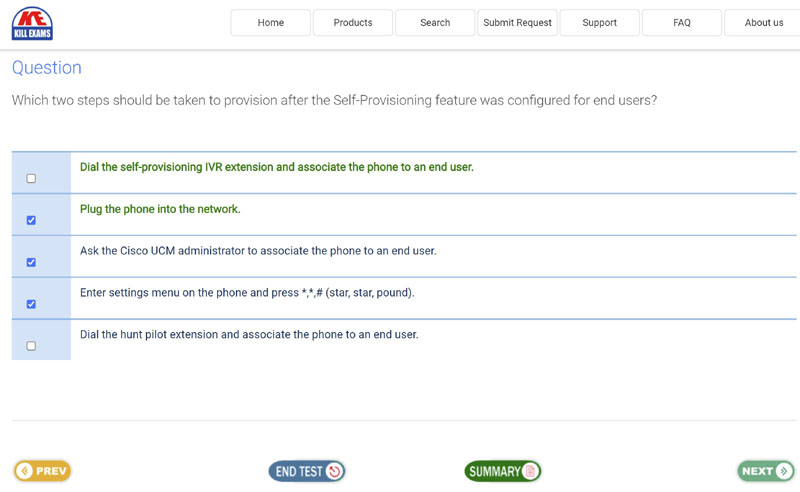
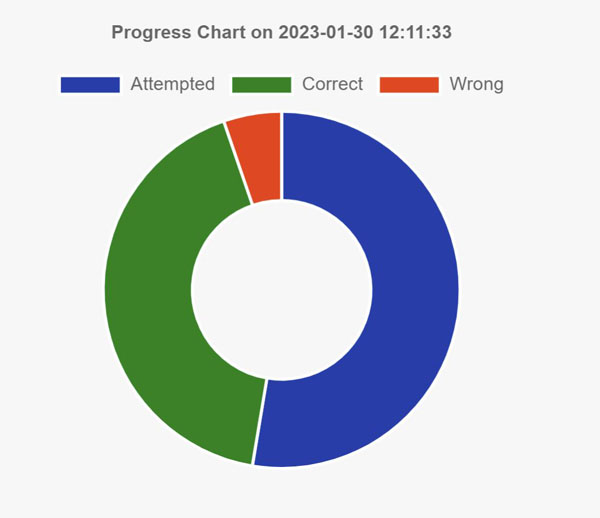
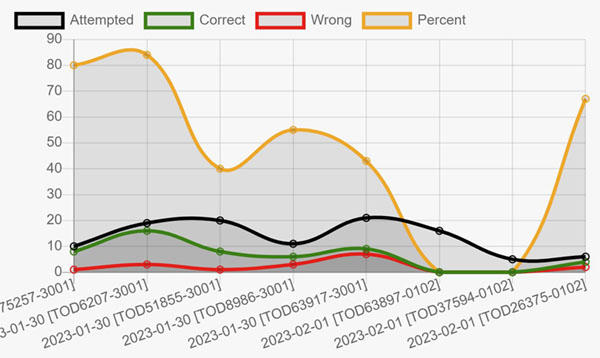
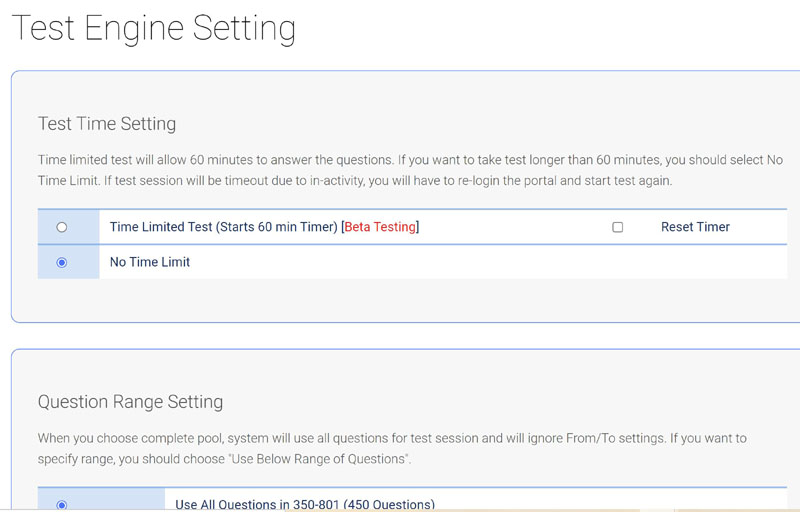
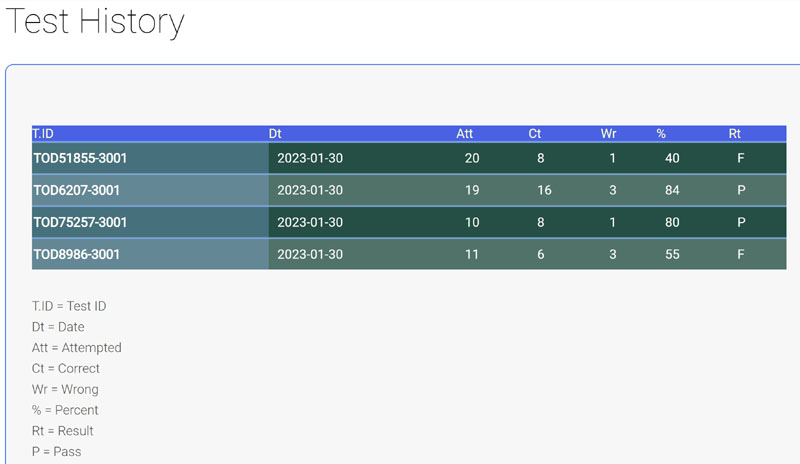
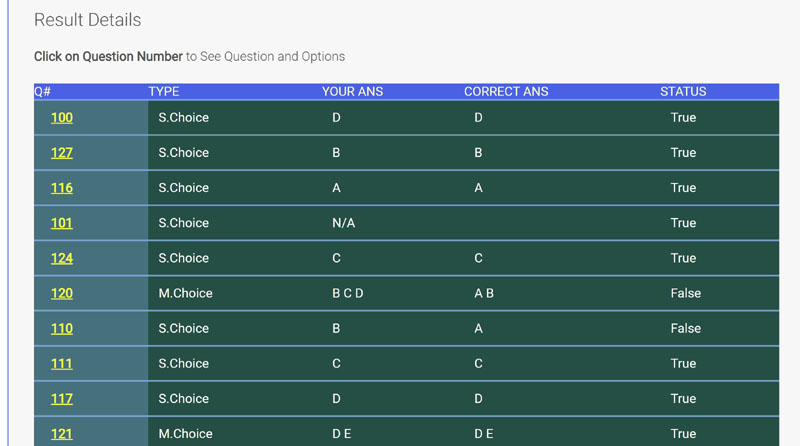
The Online Test Engine maintains practice history, performance summaries, and visual progress reports. Where available, questions may include explanations or reference information to support better understanding of exam topics. Content is reviewed and updated periodically to reflect relevant syllabus changes and maintain consistency with exam objectives.
Desktop Test Engine
| Exam Questions | 1127 (Complete Set) |
| Software Version | 2026 |
| Access | Unlimited |
| Latest Update | November 20, 2026 |
| Access Activation | Instant (5 to 10 min.) |
| Supported OS | Windows (All Versions) |
| Delivery Method | Username / Password |
| Test Engine Trial Software | Killexams Test Engine 2026 |
The Killexams Desktop Test Engine (version 2026) is a dedicated test preparation software designed to support candidates preparing for the PMI-SP exam. The simulator provides a structured desktop based practice environment that allows users to work through exam style questions and review their performance in detail.
By practicing with the PMI Scheduling Professional Exam Simulator, candidates can become familiar with question formats, exam navigation, and time based testing conditions similar to those used in official exams. This experience helps users build confidence across testing environment, time management, exam topics and identify areas that may require additional study.


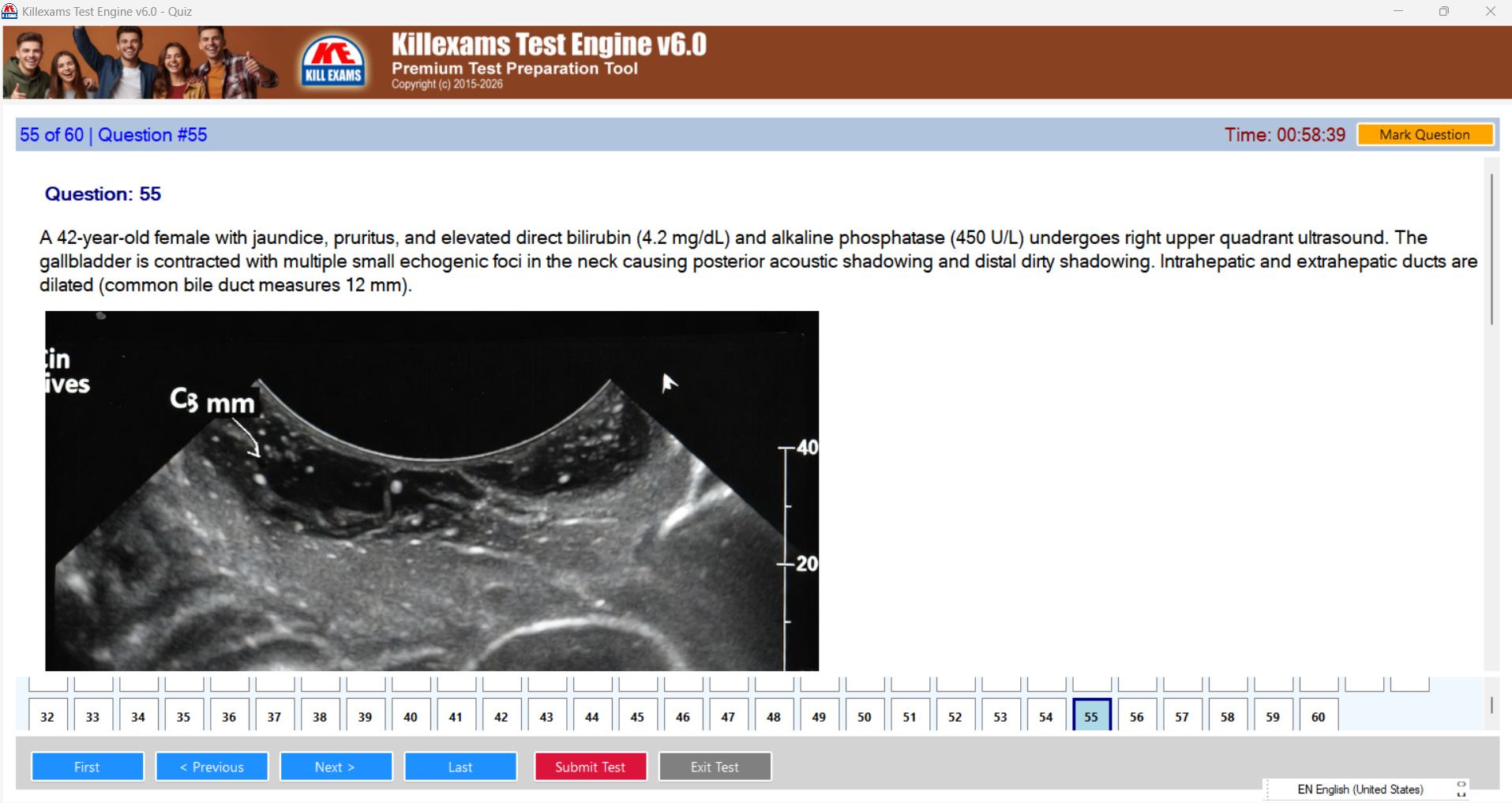
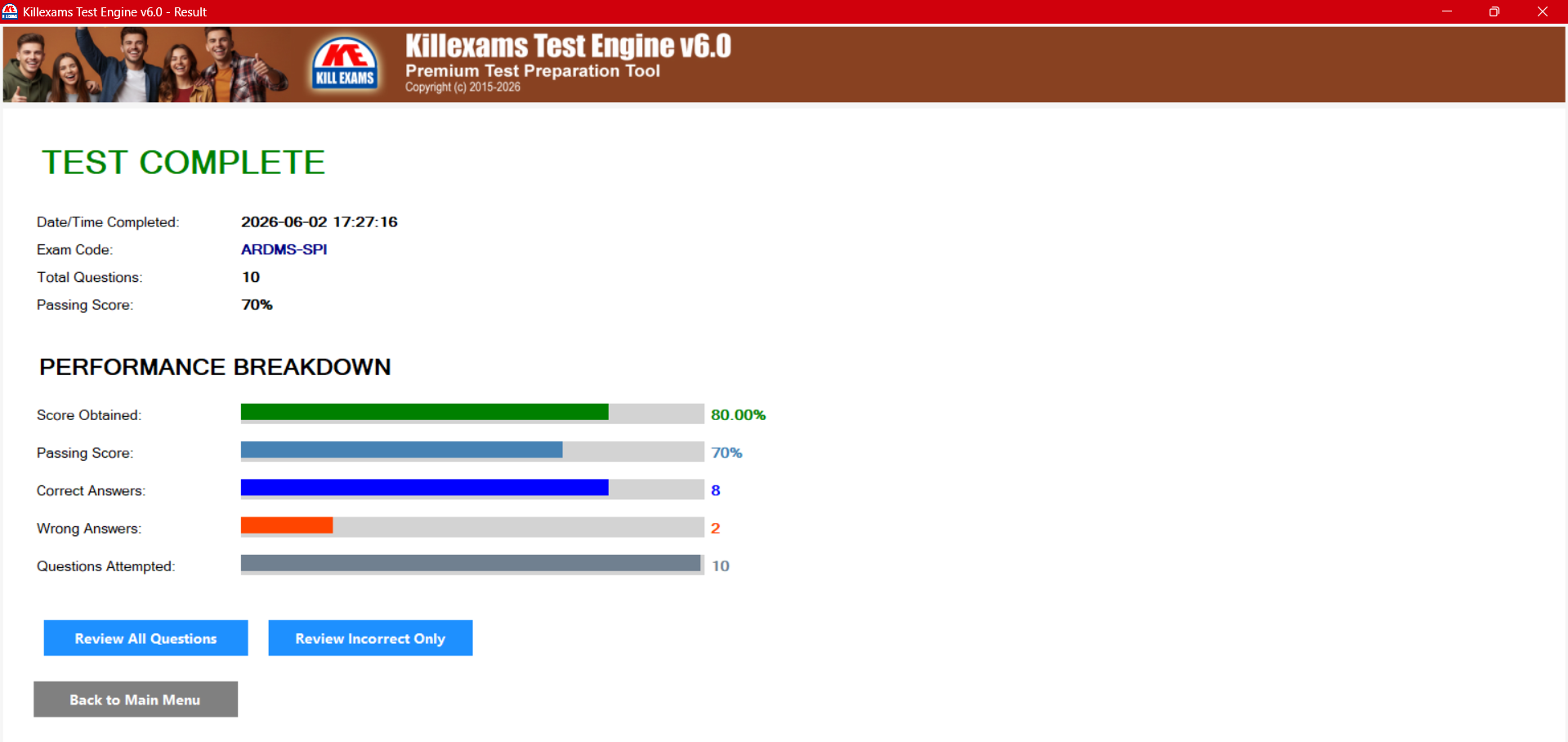

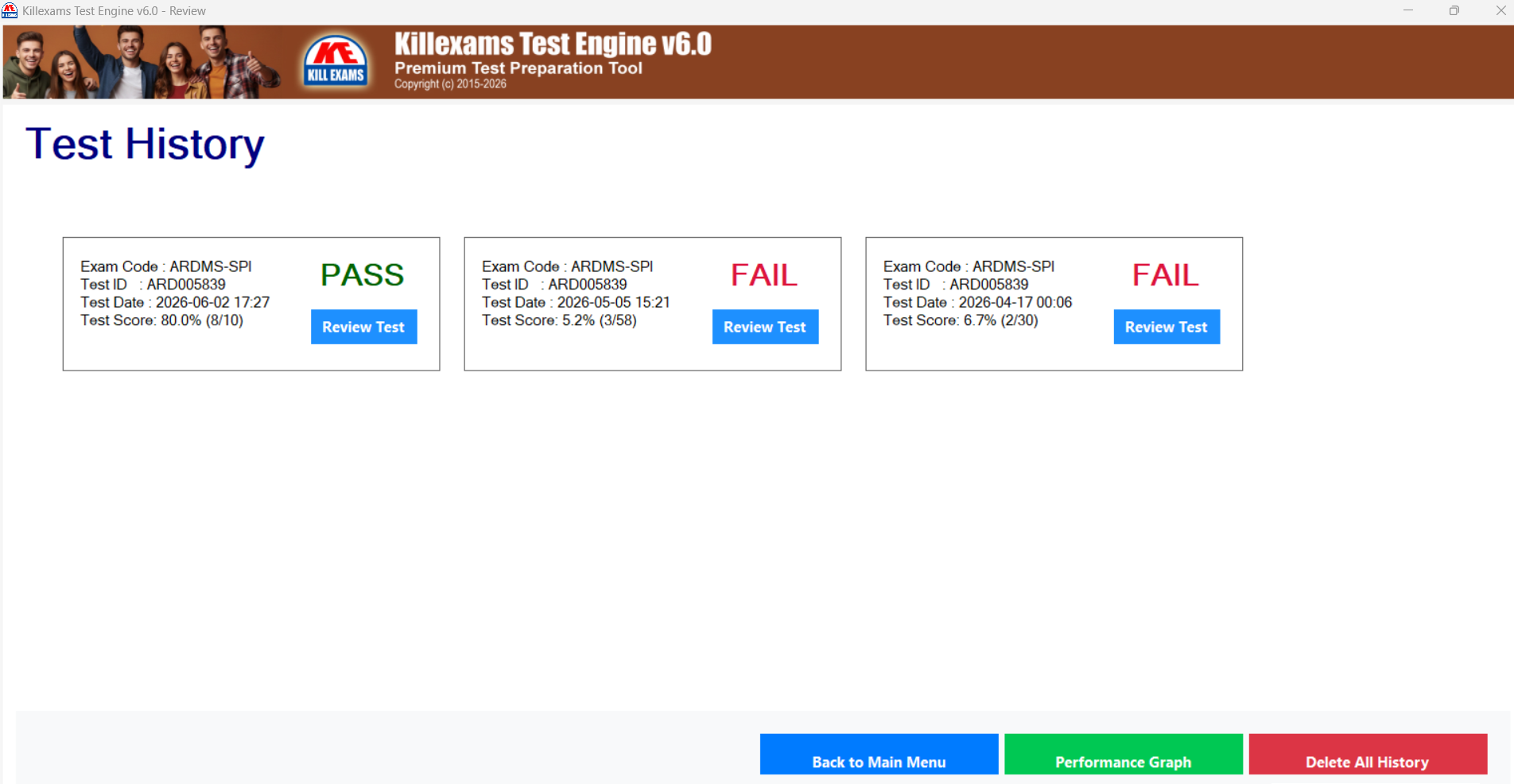
The Desktop Exam Simulator records practice history, performance summaries, and graphical progress reports. Where available, questions may include explanations or reference information to support understanding of correct and incorrect answers. The simulator content is reviewed and updated periodically to remain aligned with current exam objectives and syllabus requirements.
|
3 Months Update
|
6 Months Update
|
12 Months Update
|
|
|---|---|---|---|
What is 3 Months Update?
During 3 months, all future updates in PDF and Test Engine will be provided in your MyAccount with download links. An Intimation email on each update will be sent to you to re-download the updated exam files.
|
What is 6 Months Update?
During 6 months, all future updates in PDF and Test Engine will be provided in your MyAccount with download links. An Intimation email on each update will be sent to you to re-download the updated exam files.
|
What is 12 Months Update?
During 12 months, all future updates in PDF and Test Engine will be provided in your MyAccount with download links. An Intimation email on each update will be sent to you to re-download the updated exam files.
|
|
| Files | PDF / Test Engines | PDF / Test Engines | PDF / Test Engines |
| Premium Access | ✔ | ✔ | ✔ |
| Online Test Engine | ✔ | ✔ | ✔ |
| Instant Download Access | ✔ | ✔ | ✔ |
| Comprehensive Q&A | ✔ | ✔ | ✔ |
| Latest Topics | ✔ | ✔ | ✔ |
| Updated Regularly | ✔ | ✔ | ✔ |
| Portable Files | ✔ | ✔ | ✔ |
| Unlimited Download | ✔ | ✔ | ✔ |
| 100% Secured | ✔ | ✔ | ✔ |
| Confidentiality | 100% | 100% | 100% |
| Syllabus Coverage | Latest | Latest | Latest |
| Any Hidden Cost | No | No | No |
| Auto Renewal | No | No | No |
| Updates Intimation | by Email | by Email | by Email |
| Technical Support | Free | Free | Free |
| PDF Compatibility | Windows, Mac, Android, iOS, Linux | Windows, Mac, Android, iOS, Linux | Windows, Mac, Android, iOS, Linux |
| Desktop Test Engine Compatibility | Windows All Versions | Windows All Versions | Windows All Versions |
| Online Test Engine Compatibility | Mac / Windows / Android / iOS / Linux | Mac / Windows / Android / iOS / Linux | Mac / Windows / Android / iOS / Linux |
PMI-SP Exam Format | Course Contents | Course Outline | Exam Syllabus | Exam Objectives
Although many of the domains- tasks- knowledge- and skills outlined by the PMI-SP Examination Content Outline are also covered by the Practice Standard for Scheduling and PMBOK® Guide- there are some that are unique to the PMI-SP Examination Content Outline. Candidates studying for the examination will certainly want to include the current edition of the Practice Standard for Scheduling and PMBOK® Guide as two of their references- and would be well advised to read other current titles on project scheduling.
Schedule Strategy 14%
Schedule Planning and Development 31%
Schedule Monitoring and Controlling 35%
Schedule Closeout 6%
Stakeholder Communications Management 14%
Total 100%
Domain 1: Schedule Strategy (14% of examination)
Task 1 Establish project schedule configuration management policies and procedures incorporating best practices- regulations- governing standards and organization policies- and procedures to ensure accessibility- storage- retrieval- maintenance- change control- and baseline schedule control.
Task 2 Develop schedule approach- based on the unique characteristics of the project- including enterprise environmental factors and organizational process assets- in order to define schedule requirements.
Task 3 Establish scheduling policies and procedures regarding methodology- selection of a scheduling tool- scheduling parameters- performance thresholds- activity granularity- presentation format- earned value management (EVM) implementation- analysis techniques- and approval requirements by using resources such as organizational process assets and project documents in order to develop the schedule management plan and standardize operational procedures.
Task 4 Develop the scheduling-related components for project management plans (for example- integration- scope- cost- quality- resources- communication- risk- and procurement management)- through review of contract requirements- in order to integrate scheduling activities into the overall project management process.
Task 5 Provide information about project scheduling objectives and goals- the role of the scheduler- and scheduling procedures to project team members to facilitate effective participation in the project.
Knowledge and Skills:
Applicable contract requirements- regulations- and governing standards
Schedule control processes (for example- baseline control- status update procedure- variance thresholds)
Scheduling development concepts (for examples- coding- work breakdown structures- organizational breakdown structure- resource breakdown structures)
Project charter
Domain 2: Schedule Planning and Development (31% of examination)
Task 1 Develop the work breakdown structure (WBS)- organizational breakdown structure (OBS)- control accounts (CA)- and work packages through communication with subject matter experts and stakeholders and analysis of the contractual commitments in order to ensure completion of the project scope.
Task 2 Define activities and milestones through communication with subject matter experts- decomposition- and application of scheduling policies and procedures to identify and document the work to be performed.
Task 3 Estimate activity durations- utilizing subject matter experts and scheduling techniques such as three-point estimate- parametric- analogous and/or Program Evaluation and Review Technique (PERT) in order to develop an overall schedule model.
Task 4 Sequence activities- incorporating defined dependencies (internal- external- and cross programs) milestones- and constraints (for example- calendars- geography- contracts)- in order to develop a logical- dynamic schedule model.
Task 5 Identify critical and near-critical path(s) using techniques such as Critical Path Method- Critical Chain- Program Evaluation and Review Technique (PERT)- and Monte Carlo simulation in order to meet project delivery date requirements.
Task 6 Develop the project resource breakdown structure (RBS)- determine resource availability- and assign resources to activities by working with functional managers- project managers- and project team members in order to define the resource constrained schedule.
Task 7 Adjust schedule model based upon resource availability- available budget- and other known constraints in order to calculate the resource constrained schedule.
Task 8 Align schedule with the overall program plan or integrated master plan (IMP)- through review of enterprise objectives and contract documentation- in order to ensure accomplishment of overall program objectives.
Task 9 Analyze major milestones against statement of work (SOW)- the contract- and/or memorandum of understanding- to assess whether schedule model delivery estimates meet required deadlines.
Task 10 Perform schedule risk analysis using quantitative tools or techniques (for example- what-if scenarios- Monte Carlo simulation) in order to determine if project milestone dates are achievable within acceptable risk tolerances.
Task 11 Obtain a consensus of the project customer- sponsor- project manager- and project team members- in order to establish an approved baseline schedule.
Task 12 Establish the Performance Measurement Baseline (PMB)- using organizational processes and standard techniques- in order to enable performance measurement and management.
Knowledge and Skills:
Scope statements- including deliverables and deadlines
Work breakdown structure (WBS)
Organizational breakdown structure (OBS)
Resource breakdown structure (RBS)
Cost structure as related to schedule development
Activity definition
Activity execution techniques (duration/time- effort/work)
Dependency relationship types (Finish to Start- Start to Finish- Finish to Finish- Start to Start)
Leads and lags
Prioritization within the schedule model
Resource groups
Resource calendars
Resource allocation techniques
Activity Network Diagram (AND)
Precedence Diagramming Method (PDM)
Capacity requirements/resource requirements
Contingency reserve or buffer (funds- budget- or time)
Cost and schedule integration
Schedule baselining
Performance Measurement Baseline (PMB)
Inter-project Dependencies
Milestone definition
Schedule model components
Schedule risk-assessment techniques (for example- Monte Carlo simulation- PERT)
Domain 3: Schedule Monitoring and Controlling (35% of examination)
Task 1 Collect activity status at defined intervals from activity owners via reports- meetings- inspections- or other standard procedures in order to update and review the project progress.
Task 2 Collect resource information and updates via reports- timesheets- meetings- inspections- or other standard procedures in order to report on resource utilization and availability.
Task 3 Perform schedule analysis and audit- on in-house and subcontractor schedules- using industry standards- guidelines and best practices in order to identify and report project schedule- status- changes- impacts or issues.
Task 4 Identify alternative project execution options- using tools and techniques such as what-if scenario analyses- in order to optimize the schedule.
Task 5 Incorporate approved risk mitigation activities into the schedule- by utilizing defined change control processes- in order to establish a new performance measurement baseline (PMB).
Task 6 Update the schedule model and document schedule baseline changes- received through formal change-control processes- in order to maintain an accurate schedule and facilitate forensic schedule analysis- if required.
Knowledge and Skills:
Progress measurement techniques (for example- percent complete- actual/remaining duration- estimate to complete)
Industry standards- guidelines- and best practices with respect to activity status update frequency- format- and content
Metrics to monitor- analyze- and control the schedule
Cost and schedule reserve analysis
Activity prioritization
Available data- logical data organization/relationships within data elements
Electronic file storage and retrieval standards
Resource breakdown structure (RBS)
Resource calendars
Resource groups
Resource allocation techniques
Schedule risk analysis
Project schedule change control
Reserve analysis
Knowledge of ongoing audit analysis
Activity Network Diagram (AND)
Precedence Diagramming Method (PDM)
Schedule risk assessment techniques (for example- Monte Carlo simulation- Program and Evaluation Review Technique [PERT]) Schedule and cost variance management
Domain 4: Schedule Closeout (6% of examination)
Task 1 Obtain final acceptance of the contractual schedule components- by working with sponsor and/or customer- in order to facilitate project closeout.
Task 2 Evaluate final schedule performance against baseline schedule- scheduling approach and the implementation- using standard scheduling tools and techniques- including solicitation of feedback from stakeholders- in order to identify lessons learned and develop best practices.
Task 3 Update the organizational process assets- through documentation of identified lessons learned and best practices- in order to improve business processes.
Task 4 Distribute final schedule reports- including earned value management (EVM) calculations and variance analysis- to stakeholders in order to facilitate project closeout.
Task 5 Archive schedule files (for example- final schedule model- schedule management plan- periodic status reports- schedule change log)- as per defined procedures in order to satisfy contractual requirements and prepare for potential forensic schedule analysis.
Knowledge and Skills:
Contractual schedule components
Schedule close-out procedures
Feedback techniques
Schedule review techniques
Schedule issue management
Transition planning
Domain 5: Stakeholder Communications Management (14% of examination)
Task 1 Develop and foster relationships with project stakeholders- consistent with the communication management plan- in order to enhance support for the project schedule.
Task 2 Generate and maintain visibility of project schedule- by working with the project manager and/or stakeholders- in order to maintain stakeholder support.
Task 3 Provide senior management and other stakeholders with verbal and written schedule status updates and impact on schedule of corrective actions- as defined by the communication management plan- in order to maintain stakeholder awareness.
Task 4 Communicate schedule issues that could impact delivery of project scope or adherence to the schedule management plan- in order to elevate awareness to relevant stakeholders.
Knowledge and Skills:
Targeting communications to senior management
Methods and techniques used to maintain visibility of project schedule Elements of the communication management plan Oral and written communication tools and techniques
Targeting communications to intended audience
Presentation tools and techniques
Negotiation
Facilitation
Cultural sensitivity and diversity
Conflict resolution
Project life cycle
Stakeholder-impact analysis
Change management/control
Scheduling terminology
Organizational process assets
Project management software
Project management information systems
Schedule documentation and reporting techniques
Scheduling data management procedures (for example- archiving- storage- retrieval)
Estimation techniques (for example- analogy based estimation- parametric estimation- historical data- expert estimation)
Scheduling methods (for example- critical path method- critical chain- linear- agile)
Scheduling techniques (for example- resource leveling- schedule compression- simulation)
Earned Value Management (EVM)
Gantt Charts
Quantitative and qualitative schedule analysis (for example- schedule performance index- baseline execution index- float analysis)
Problem-solving tools and techniques
Contract schedule requirements
Reviews (1)3.00 Overall
★★★★★
0%
★★★★
0%
★★★
100%
★★
0%
★
0%
|
Submit ReviewYou must be logged in to submit a review. Sign In to Submit Review |
Customer Reviews
PMI-SP Exam FAQs
How many questions are on the PMI-SP exam?
The PMI-SP exam has 170 questions.
How long is the PMI-SP exam?
You have 3.5 hours to complete the PMI-SP exam.
What topics does the PMI-SP exam cover, and how are they weighted?
The PMI-SP exam covers 5 sections: Schedule Strategy; Schedule Planning and Development; Schedule Monitoring and Controlling; Schedule Closeout; Stakeholder Communications Management.
How should I prepare for PMI-SP?
Start with the official PMI-SP exam outline and study materials from PMI, then build exam readiness with timed practice. A killexams.com premium account gives you the full pool of 1,127 PMI-SP practice questions and answers in PDF and Test Engine formats, so you can practice every objective and review the answers before exam day.
How long does it take to prepare for PMI-SP?
At a steady pace of 100 practice questions a day, working through all 1,127 PMI-SP questions takes about 12 days. Add extra days to repeat the questions you got wrong.
Is PMI-SP hard? Who is it for?
The PMI Scheduling Professional validates project scheduling skills.
How many practice questions do you have for PMI-SP?
The killexams.com PMI-SP practice test contains 1,127 questions and answers.
Is there a free PMI-SP sample?
Yes. A free PMI-SP sample PDF is available on this page, so you can review the question style before you buy.
What formats are included in the PMI-SP practice test?
The PMI-SP practice test is available as a PDF, an Online Test Engine and a Desktop Test Engine.
Do the PMI-SP practice questions cover the current exam objectives?
Yes. The PMI-SP practice questions cover the complete syllabus and current exam objectives.
How do I get the files after purchase, and how long is access valid?
Your MyAccount login details are delivered by email. You can download the files from the member area until your account expires, after 3, 6 or 12 months depending on the plan you bought.
Can I use the PMI-SP Test Engine on Mac or mobile?
Yes, with the Online Test Engine, which runs on Mac, iOS, Android, Linux and other platforms. The Desktop Test Engine is for Windows only.
What if I fail the PMI-SP exam after using your material?
You can choose one of three options: 1) a refund, 2) a free 3-month account extension, or 3) a new exam of your choice.
How many practice questions are available for PMI-SP?
The PMI-SP practice test contains 1,127 practice questions and answers covering the current exam objectives.
What formats are available for PMI-SP preparation?
The PMI-SP practice test is available as PDF, Online Test Engine, Desktop Test Engine. All formats can be downloaded instantly after purchase.
Is there a free PMI-SP sample?
Yes. You can preview and download a free PMI-SP sample PDF on this page before you buy.