

RDN Exam Questions PDF
| Questions and Answers | 1626 (Complete Set) |
| File Format | |
| Latest Update | November 20, 2026 |
| Files Delivery | Instant (5 to 10 min.) |
| Compatibility | All Desktop and Mobile Devices |
| Delivery Method | Download Account |
The Registered Dietitian Nutritionist exam from CDR is required to practice as an RDN.
The Registered Dietitian Nutritionist credential is built from a job or practice analysis, so the exam reflects the knowledge professionals actually use with patients and clients. Passing it is often required for licensure, employment or board certification, and it signals to employers that you meet a nationally recognized standard.
Candidates for Registered Dietitian Nutritionist usually have completed formal education and supervised clinical work before testing. The exam then confirms that this training has produced reliable knowledge across the full scope of practice, from foundational science to clinical judgment and professional responsibility.
The outline becomes clearer when each area is examined on its own. Within Principles of Dietetics, candidates should be comfortable with science. Nutrition Care for Individuals and Groups focuses on MNT. The Management of Food and Nutrition Programs area includes management. Questions on Foodservice Systems typically involve operations.
Preparing for the RDN exam requires not only understanding the exam topics but also practicing with exam style questions. Our Registered Dietitian Nutritionist exam questions in practice tests help candidates review key concepts and familiarize themselves with the format and difficulty of exam.
At Killexams.com, our team works to maintain up-to-date practice content for exam preparation. We continuously review and refine our question sets and explanations to cover the latest relevant syllabus areas and help learners strengthen their understanding of core topics before facing the official exam. These Practice tests allow you to identify areas where you need improvement by measuring your readiness, and provide you exam questions to polish those areas.
RDN Exam Questions Preview
The RDN exam has 125 to 145 questions, computer adaptive.
One effective way to prepare for RDN is to work through the sections in order. Allow roughly 4 weeks, giving each major area its own block: begin with Principles of Dietetics, continue with Nutrition Care for Individuals and Groups; Management of Food and Nutrition Programs; and Foodservice Systems. Keep a one page summary for each area with key terms, steps and examples, and review these summaries every few days. Close your preparation with at least two complete timed practice sessions and a careful review of every missed question.
Questions on RDN are often long clinical vignettes. Practice reading the last line of the question first, then scanning the case for the details that matter. This habit saves time and reduces the chance of being distracted by irrelevant information.
For RDN, build a study plan from the official content outline and weight your time according to the largest sections. Use question practice to identify weak systems early, and review explanations for every missed item. Timed blocks help you settle into the exam pace.
| Detail | Information |
|---|---|
| Questions | 125 to 145 |
| Format | Computer adaptive |
| Provider | CDR |
To help you evaluate our material, you may download free sample pdf with example questions and answers that we provide. This sample allows you to review content and approach before deciding on Premium materials..
The Registered Dietitian Nutritionist practice test files contains 1626 Questions, are compatible with multiple devices, including Windows, macOS, iOS, and Android, and can be used for both online and offline study. The PDF format is printable, making it easy to study during travel or when away from a computer. Access to updated materials is available through your online account.
After purchase, you will receive your username and password immediately, allowing you to log in and download your study files without delay. Our goal is to support exam preparation at your pace with practice content designed for reinforcement and understanding of key concepts.
The killexams.com RDN question bank covers dietetics with explanations.
The killexams.com RDN practice material is organized around the same outline, with questions on Principles of Dietetics; Nutrition Care for Individuals and Groups; Management of Food and Nutrition Programs; and Foodservice Systems. Updates are added when the syllabus changes, so your practice stays aligned with the current version of the exam.
Candidates who use the killexams.com RDN question bank often begin with a diagnostic session to see which sections need the most attention, then return to those sections repeatedly before taking a final full length practice test.
Killexams.com keeps the RDN question bank current by reviewing it when the exam outline changes, and each question includes an explanation so you learn the reasoning, not just the answer. The practice test can be repeated with questions in a different order, which helps you focus on understanding rather than memorizing positions.
Online Test Engine
| Exam Questions | 1626 (Complete Set) |
| Testing Limit | Unlimited |
| Access Type | Online |
| Latest Update | November 20, 2026 |
| Access Activation | Instant (5 to 10 min.) |
| Supported OS | Mac, Windows, Android, iPhone / iPad, Linux |
| Delivery Method | Username / Password |
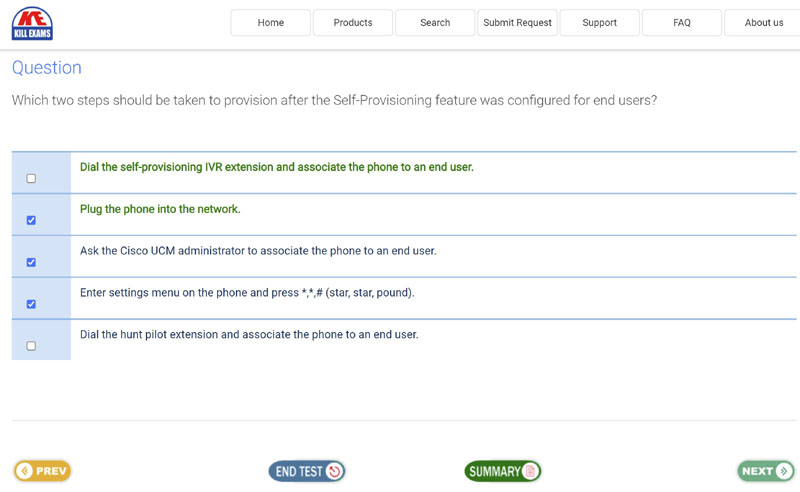
Killexams.com provides an Online Test Engine designed to help candidates practice exam questions in a structured and interactive environment. The Test Engine is compatible with iPhone, iPad, Android, Windows, and Mac, allowing you to study and practice on the device that best fits your schedule.
The RDN Online Test Engine enables candidates to simulate exam-style practice sessions, review answers, and track progress over time. This learning approach helps users practice exam questions, question formats and improve time management while preparing for the Registered Dietitian Nutritionist exam.
The Test Engine includes features that support effective learning, such as customizable practice sessions, question review modes, and progress tracking. These tools are designed to assist candidates in identifying knowledge gaps and reinforcing key concepts through repeated practice rather than memorization alone.
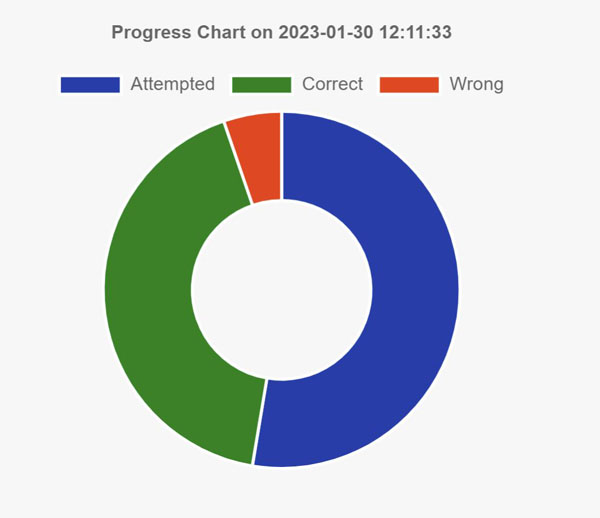
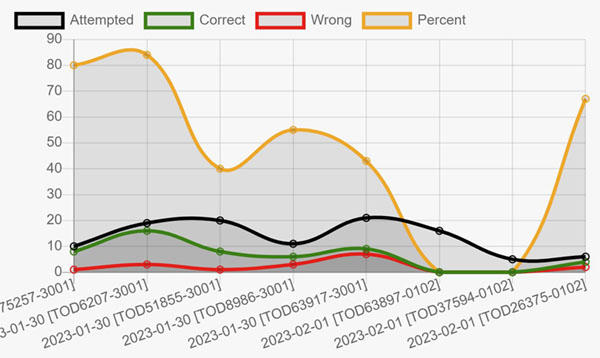
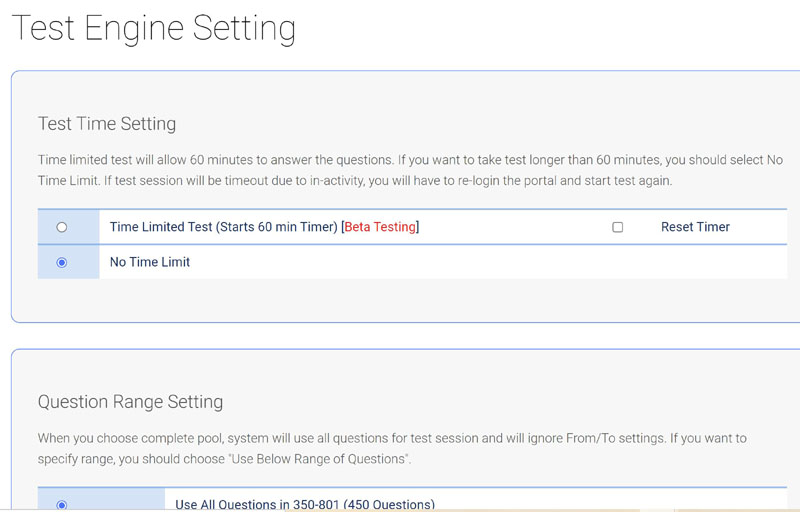
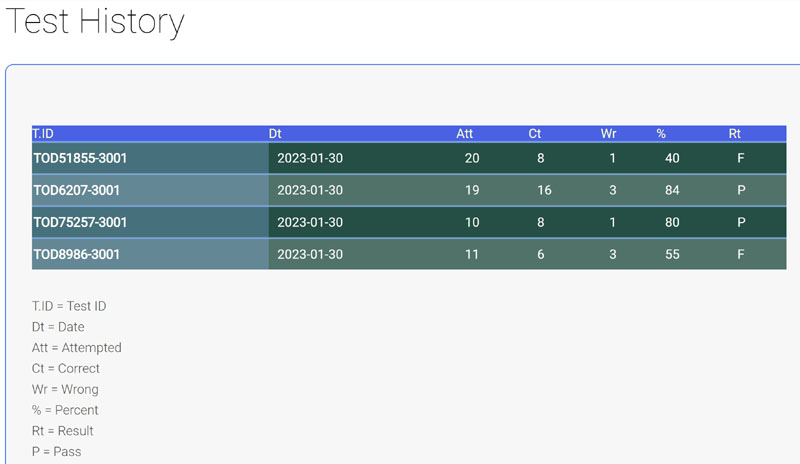
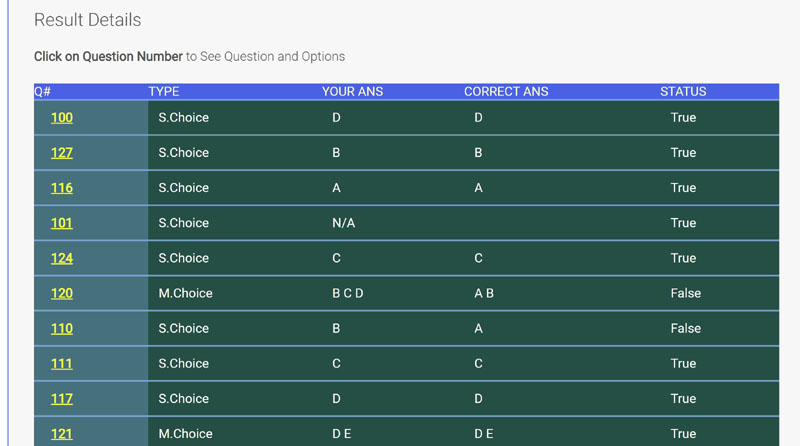
The Online Test Engine maintains practice history, performance summaries, and visual progress reports. Where available, questions may include explanations or reference information to support better understanding of exam topics. Content is reviewed and updated periodically to reflect relevant syllabus changes and maintain consistency with exam objectives.
Desktop Test Engine
| Exam Questions | 1626 (Complete Set) |
| Software Version | 2026 |
| Access | Unlimited |
| Latest Update | November 20, 2026 |
| Access Activation | Instant (5 to 10 min.) |
| Supported OS | Windows (All Versions) |
| Delivery Method | Username / Password |
| Test Engine Trial Software | Killexams Test Engine 2026 |
The Killexams Desktop Test Engine (version 2026) is a dedicated test preparation software designed to support candidates preparing for the RDN exam. The simulator provides a structured desktop based practice environment that allows users to work through exam style questions and review their performance in detail.
By practicing with the Registered Dietitian Nutritionist Exam Simulator, candidates can become familiar with question formats, exam navigation, and time based testing conditions similar to those used in official exams. This experience helps users build confidence across testing environment, time management, exam topics and identify areas that may require additional study.


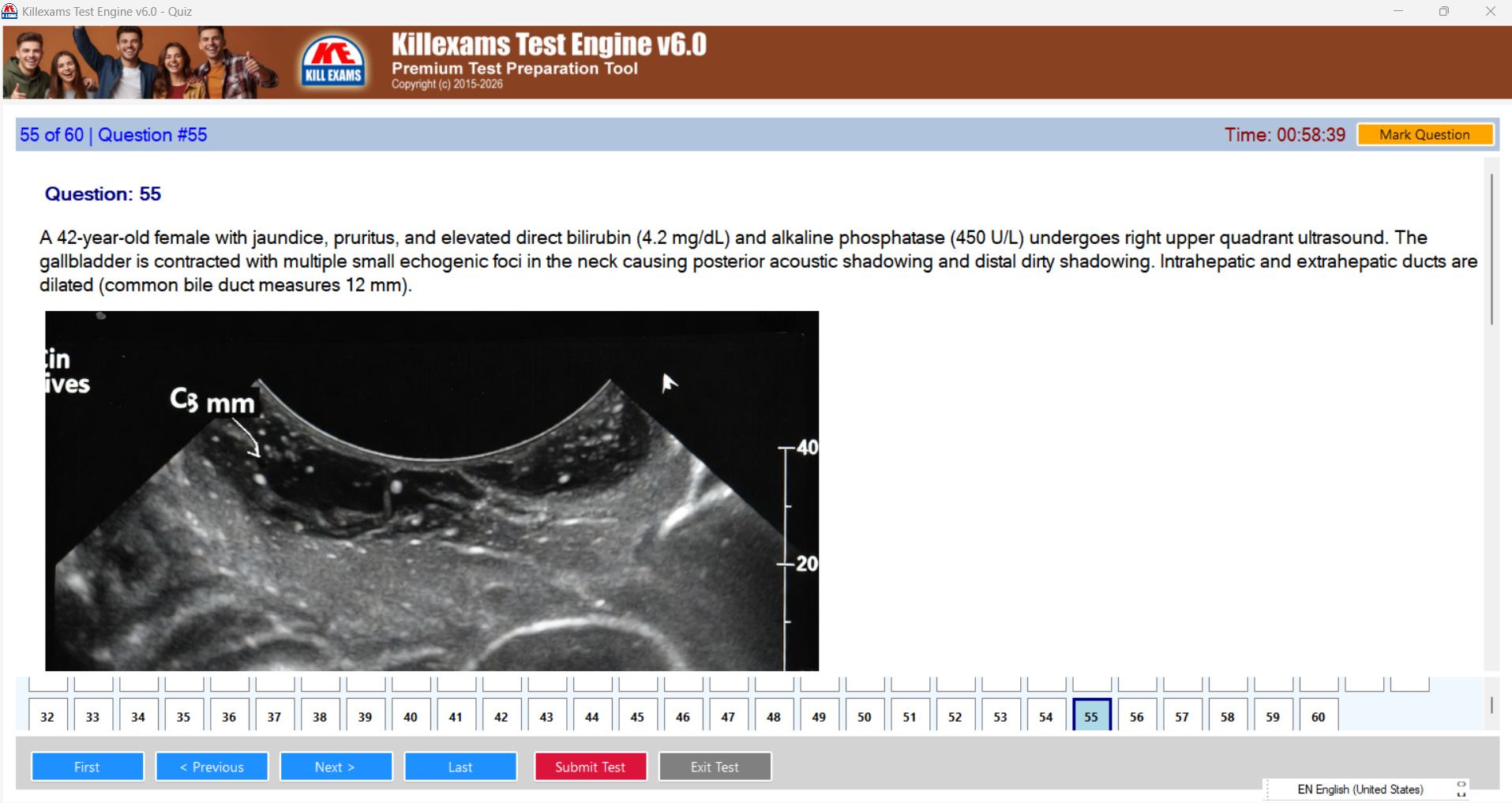
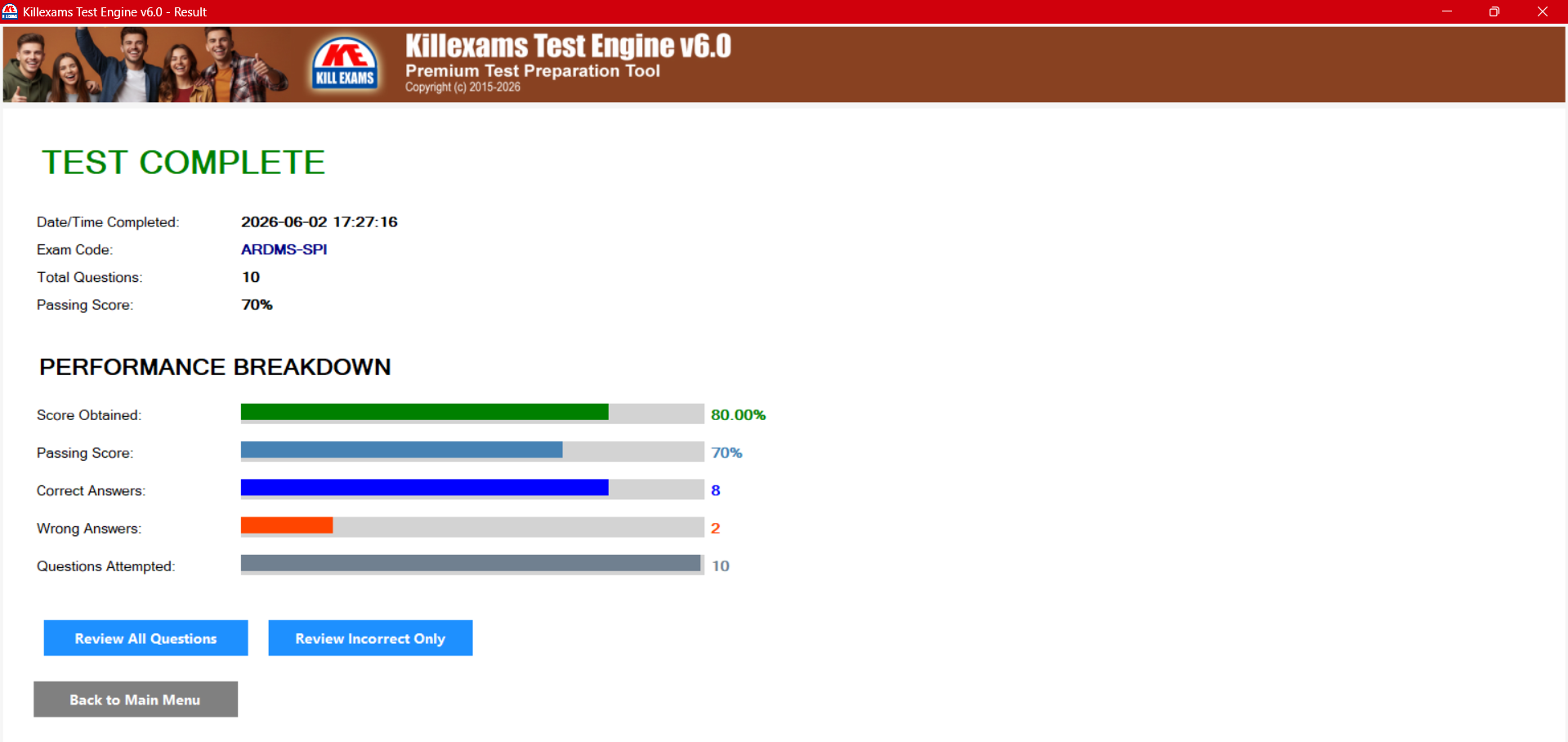

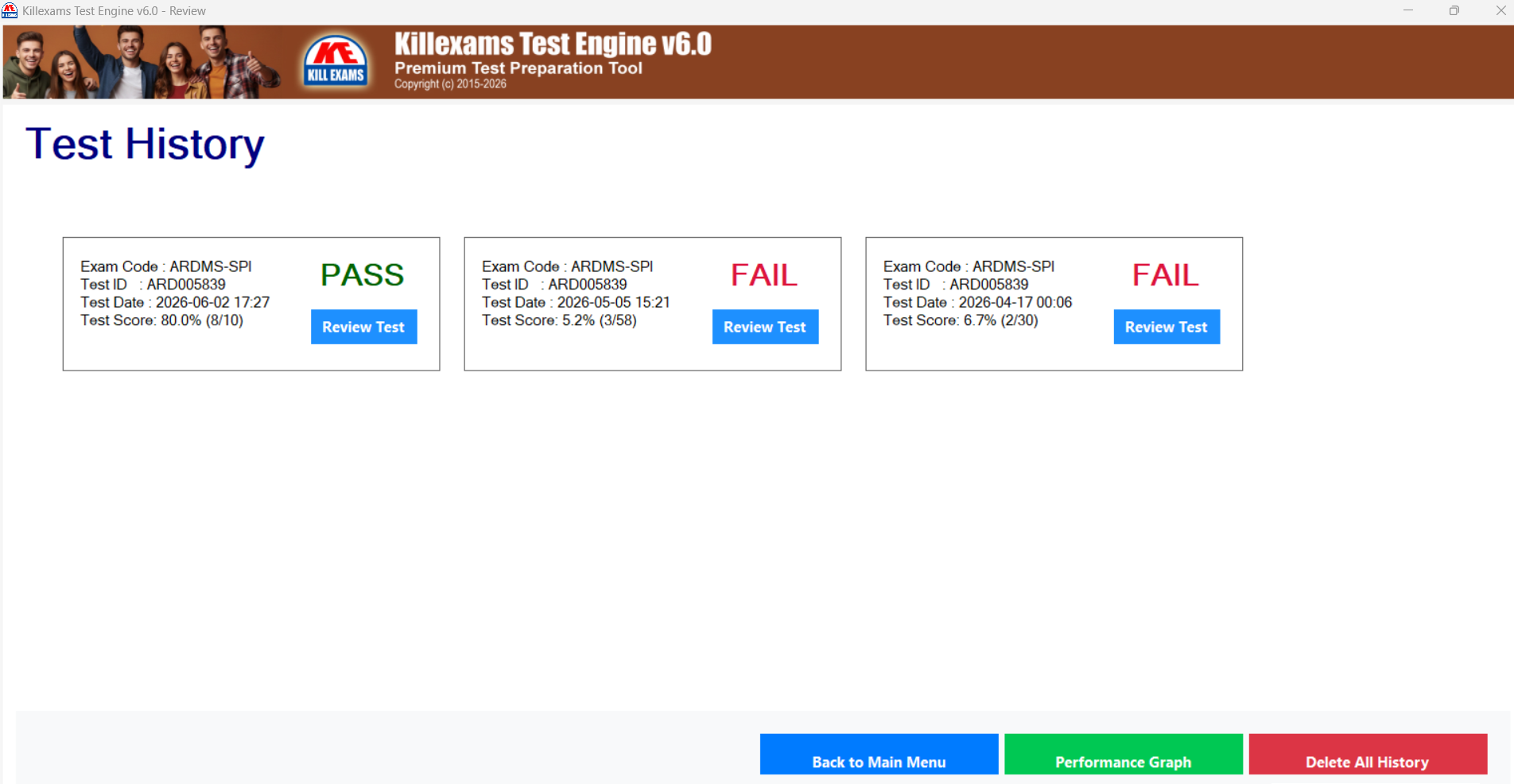
The Desktop Exam Simulator records practice history, performance summaries, and graphical progress reports. Where available, questions may include explanations or reference information to support understanding of correct and incorrect answers. The simulator content is reviewed and updated periodically to remain aligned with current exam objectives and syllabus requirements.
|
3 Months Update
|
6 Months Update
|
12 Months Update
|
|
|---|---|---|---|
What is 3 Months Update?
During 3 months, all future updates in PDF and Test Engine will be provided in your MyAccount with download links. An Intimation email on each update will be sent to you to re-download the updated exam files.
|
What is 6 Months Update?
During 6 months, all future updates in PDF and Test Engine will be provided in your MyAccount with download links. An Intimation email on each update will be sent to you to re-download the updated exam files.
|
What is 12 Months Update?
During 12 months, all future updates in PDF and Test Engine will be provided in your MyAccount with download links. An Intimation email on each update will be sent to you to re-download the updated exam files.
|
|
| Files | PDF / Test Engines | PDF / Test Engines | PDF / Test Engines |
| Premium Access | ✔ | ✔ | ✔ |
| Online Test Engine | ✔ | ✔ | ✔ |
| Instant Download Access | ✔ | ✔ | ✔ |
| Comprehensive Q&A | ✔ | ✔ | ✔ |
| Latest Topics | ✔ | ✔ | ✔ |
| Updated Regularly | ✔ | ✔ | ✔ |
| Portable Files | ✔ | ✔ | ✔ |
| Unlimited Download | ✔ | ✔ | ✔ |
| 100% Secured | ✔ | ✔ | ✔ |
| Confidentiality | 100% | 100% | 100% |
| Syllabus Coverage | Latest | Latest | Latest |
| Any Hidden Cost | No | No | No |
| Auto Renewal | No | No | No |
| Updates Intimation | by Email | by Email | by Email |
| Technical Support | Free | Free | Free |
| PDF Compatibility | Windows, Mac, Android, iOS, Linux | Windows, Mac, Android, iOS, Linux | Windows, Mac, Android, iOS, Linux |
| Desktop Test Engine Compatibility | Windows All Versions | Windows All Versions | Windows All Versions |
| Online Test Engine Compatibility | Mac / Windows / Android / iOS / Linux | Mac / Windows / Android / iOS / Linux | Mac / Windows / Android / iOS / Linux |
RDN Exam Format | Course Contents | Course Outline | Exam Syllabus | Exam Objectives
Number of Questions: 125–145 (scored questions- plus 25 unscored pilot questions)
Total Exam Time: 2.5 hours (150 minutes)Passing Score: Scaled score of 25 (on a scale of 1–50)
Passing Rate: ~70% (varies slightly each year)
DOMAIN I – PRINCIPLES OF DIETETICSTOPIC A – Food- Nutrition and Supporting Sciences
- Food science
- Physical and chemical properties of food
- Water
- Vegetables and fruits
- Sugars
- Flours- grains- and cereals
- Milk and dairy products
- Eggs
- Meats- fish- poultry- meat alternatives
- Fats and oils
- Beverages
- Functional foods
- Sensory evaluation of food
- Food safety- processing- preservation- and packaging
- Food biotechnology and genetic engineering
- Scientific basis for preparation and storage
- Function of ingredients
- Techniques of food preparation
- Leavening agents- batters- and doughs
- Effects of techniques and methods on
- Sensory properties
- Nutrient retention
- Roles of food additives
- Composition of food
- Labeling and packaging claims
- Macro and micronutrients sources
- Phytochemicals
- Nutrient databases
- Nutrient analysis
- Principles of normal nutrition
- Function of nutrients and non-nutritive substances
- Macro and micronutrients
- Water
- Fiber- prebiotics and probiotics
- Non-nutritive sweeteners and sugar alcohols
- Herbals- botanicals- and supplements
- Nutrient and energy needs throughout the life span
- Developmental stages and feeding patterns throughout the life span
- Principles of human anatomy- physiology- microbiology- and biochemistry
- Gastrointestinal
- Renal
- Pulmonary
- Cardiovascular
- Neurological
- Musculoskeletal
- Reproductive
- Social determinants of health (e.g.- income- culture- social status- education- physical environment- social network- genetics- gender- race- and sexual orientation)
- Nutrition requirements for health promotion and disease prevention
- Education- Communication and Technology
- Components of the educational plan
- Targeted setting/clientele
- Cultural competencies and diversity
- In-service education (e.g.- students and health and rehabilitative service providers)
- Patient/client counseling
- Group/individual education
- Goals and objectives (e.g.- collaborate with partners and stakeholders)
- Needs assessment (e.g.- external constraints- competing programs- illness- and learning needs)
- Individual
- Group
- Content (e.g.- community resources- learning activities/methodology- references- handouts- and instructional materials)
- Evaluation criteria
- Budget development
- Program promotion
- Education Theories
- Educational readiness
- Human behavior and change management theory
- Implementation
- Communication
- Interpersonal
- Group process (e.g.- interprofessional)
- Teach classes (e.g.- culinary demonstrations and grocery tours)
- Interviewing (e.g.- techniques of questioning: open-ended- closed-ended- leading)
- Counseling (e.g.- techniques: motivation interviewing- behavioral- other)
- Methods of communication
- Verbal/non-verbal
- Written (e.g.- reports- grant proposals- other)
- Media (e.g.- print- electronic- and social media)
- Evaluation of educational outcomes
- Measurement of learning
- Formative
- Summative
- Evaluation of effectiveness of educational plan
- Documentation
- Client information
- Records
- Confidentiality
- Healthcare and nutrition informatics systems/technologies
- Telehealth and remote health monitoring systems
- Electronic health records (e.g.- meaningful use- privacy and protection for Protected Health Information (PHI)- use for outcomes and use for National Consumer Panel (NCP))
- Food and nutrient analysis software and databases
- Public policy advocacy and legislation
- Research Applications
- Types of research
- Research process (e.g.- secure funding- hypothesis testing- study design- Institutional Review Board (IRB)- statistical analysis- results- and discussion)
- Data collection- analysis- interpretation- and outcomes to make decisions
- Application of statistical analysis (e.g.- analysis- interpretation- and integration of evidence-based research findings)
- Presentation of research data and outcomes
- Report research findings (e.g.- write manuscripts- translation of results for diverse uses)
- Use of grading systems (e.g.- Evidence Analysis Library) and the application of evidence analysis as the basis for practice decisions.
TOPIC A – Screening and Assessment
- Nutrition screening
- Purpose
- Selection and use of risk factors and evidence-based tools
- Parameters and limitations
- Methodology
- Participation in interdisciplinary nutrition screening teams
- Cultural competence
- Prioritize nutrition risk
- Nutrition assessment of individuals
- Dietary intake assessment- analysis- and documentation
- Medical and family history
- Obtain and assess physical findings
- Anthropometric data
- Nutrition-focused physical exam
- Intake and output
- Medication management
- Prescriptions- over-the-counter medications- and supplements
- Medication/food/supplement interactions
- Obtain and assess biochemical data- diagnostic tests- and procedures
- Assessment of energy and nutrient requirements
- Physical activity habits and restrictions
- Comparative standards (e.g.- energy requirements and growth)
- Economic/social
- Psychosocial and behavioral factors
- Socioeconomic factors
- Functional factors
- Educational readiness assessment
- Motivational level and readiness to change
- Educational level
- Situational (e.g.- environmental- economic- and cultural
- General wellness assessment
- Nutrition assessment of populations and community needs assessment
- Obtain and assess community and group nutrition status indicators
- Demographic data
- Incidence and prevalence of nutrition-related status indicator
- Prevalence of food insecurity
- Review and utilize nutrition screening and surveillance systems (e.g.- national- state- and local reference data- NHANES- BRFSS and YRBSS)
- Availability of community resources
- Food and nutrition assistance programs
- Consumer education resources
- Health services
- Studies on food systems- local marketplace- food economics
- Public health programs
- Relationship between nutrition diagnoses and medical diagnoses
- Pathophysiology
- Identifying medical diagnoses affecting nutrition care
- Determining nutrition risk factors for current medical diagnoses
- Determining nutrition factors for groups
- Data sources and tools for nutrition diagnosis
- Organizing assessment data
- Using standardized language
- Diagnosing nutrition problems for individuals and groups
- Making inferences
- Prioritizing
- Differential diagnosing
- Etiologies (e.g.- cause/contributing risk factors)
- Identifying underlying causes and contribution risk factors of nutrition diagnoses
- Making cause and effect linkages
- Signs and symptoms (e.g.- defining characteristics)
- Linking signs and symptoms to etiologies
- Using subjective (symptoms) and/or objective (signs) data
- Nutrition care for health promotion and disease prevention
- Identification of desired outcomes/actions
- Evidence-based practice for nutrition intervention
- Evaluation of nutrition information
- Food fads
- Health fraud
- Health and wellness promotion and risk reduction programs
- Implementing care plans
- Nutrition recommendations to promote wellness
- Communication and documentation
- Medical Nutrition Therapy
- Identify desired outcomes and actions
- Relationship of pathophysiology to treatment of nutrition-related disorders
- Critical care and hypermetabolic states
- Disordered eating and eating disorders
- Food allergies and intolerance
- Immune system disorders- infections- and fevers
- Malnutrition (e.g.- protein- calorie- vitamin and mineral)
- Metabolic
- Endocrine
- Inborn errors of metabolism
- Oncologic and hematologic conditions
- Organ system dysfunction
- Gastrointestinal
- Renal
- Pulmonary
- Cardiovascular
- Nervous system
- Musculoskeletal
- Reproductive
- Orthopedic
- Wounds
- Obesity
- Mental/Behavioral health and addiction
- Gastrointestinal and bariatric surgery
- Determine energy/nutrient needs specific to condition
- Determine specific feeding methods
- Oral
- Composition/texture of foods and liquids
- Chewing difficulty
- Swallowing difficulty (International Dysphagia Diet Standardization Initiative)
- Diet patterns/schedules
- Diet modification for diagnostic test
- Modified diet products and food supplements
- Adaptive equipment
- Breastfeeding
- Enteral and Parenteral nutrition
- Formulas and calculations
- Routes- techniques- equipment
- Complications
- Integrative and functional care- herbal therapy
- Implementing care plans
- Nutrition therapy for specific nutrition-related problems
- Basis for quality practice (e.g.- evidence-based guidelines- standardized processes – National Consumer Panel (NCP)- regulatory and patient safety issues)
- Counseling and training (e.g.- nutrition plans- medical devices and formula preparation
- Communication and documentation
- Patient rounds
- Care conference
- Coordination of care/interprofessional coordination
- Discharge planning
- Recommend appropriate physical- social- behavioral or psychological services
- Referral to community resources (e.g.- WIC and home-delivered meals)
- Implementation and promotion of national dietary guidance
- MyPlate and other diet instructional tools
- Dietary Guidelines for Americans and Healthy People
- State and community resources and nutrition-related programs
- Block grants to states
- Federal and state funded food and nutrition programs
- Community-based interventions
- Development of programs and services
- Identification and attainment of funding
- Resource allocation and budget development
- Provision of food and nutrition services to groups
- Monitoring progress and updating previous care
- Monitoring and determining tolerance to interventions (e.g.- medications- tube feeding- parenteral nutrition- medical nutrition and dietary supplements)
- Measuring outcome indicators using evidence-based guides for practice
- Selecting indicators
- Using reference standards
- Explaining variance
- Evaluating effectiveness and outcomes of nutrition interventions for individuals and populations
- Direct nutrition intervention outcomes
- Clinical and health status outcomes
- Patient-centered outcomes
- Resource utilization outcomes
- Relationship with outcome measurement systems and quality improvement
- Determining continuation and transition of care
- Continuing and updating care
- Discontinuing care
TOPIC A – Functions of Management
- Functions
- Planning
- Short and long range
- Strategic and operational
- Policies and procedures
- Emergency preparedness
- Organizing
- Schedules and FTE allocations
- Department or unit structure
- Processes- procedures- and improving productivity
- Resources
- Directing
- Coordination
- Delegation
- Communication
- Motivation strategies
- Leadership theories
- Management theories
- Controlling
- Establishing standards
- Monitoring established plans
- Developing corrective actions
- Staffing
- Forecasting personnel needs
- Alignment of personnel
- Management characteristics
- Skills
- Technical
- Human
- Conceptual
- Roles
- Informational
- Conflict resolution
- Problem-solving
- Decision-making
- Other (e.g.- change management)
- Traits
- Management styles
- Leadership styles
- Interpersonal styles
- Managing a diverse workforce
- Emotional intelligence
TOPIC B – Human Resource Management
- Employment laws and regulations
- Compliance (e.g.- Equal Employment Opportunity Commission (EEOC)- Americans with Disabilities Act (ADA)- Occupational Safety and Health Act (OSHA) or other)
- Credentialing and licensure
- Unions and contracts
- Employment standards
- Job analysis
- Job specifications
- Job descriptions
- Employment processes
- Recruitment and selection- interviewing skills
- Orientation and training
- Performance improvement- development- and evaluation
- Discipline
- Grievance
- Compensation
- Retention and turnover
- Personnel records
- Cultural humility/competence (e.g.- diversity and inclusion- equitable workplaces- scheduling implications- training- etc.)
TOPIC C – Financial Management
- Budgeting processes and fiscal periods
- Budget procedures
- Types
- Operational
- Capital
- Methods
- Incremental
- Performance
- Zero-based
- Flexible
- Fixed
- Components
- Types of expenses
- Revenue streams
- Profitability
- Resource allocation
- Financial monitoring
- Accounting principles
- Cash control and auditing
- Financial statements
- Financial analysis
TOPIC D – Marketing and Public Relations
- Marketing analysis
- Process
- Identification of target market
- Determination of needs/wants
- Marketing mix
- Customer satisfaction
- Documentation and evaluation
- Pricing
- Strategies
- Breakeven
- Revenue-generating
- Loss leader
- Rationale
- Public relations
- Media relations
- Social networking
- Campaign development
- Customer service
- Marketing mix principles
- Product
- Place
- Price
- Promotion
TOPIC E – Quality Management and Regulatory Compliance
- Regulatory guidelines (e.g.- federal- state- local and accreditation agencies)
- Food and nutrition policy (e.g.- older adults act legislation- farm bill)
- Federal feeding programs (e.g.- Supplemental Nutrition Assistance Program (SNAP)- National School Breakfast Program and National School Lunch Program- Child and Adult Care Food Program (CACFP))
- Coding and billing- insurance requirements
- Accreditation agencies (e.g.- The Joint Commission- Centers for Medicare & Medicaid Services (CMS)- DNV GL Healthcare)
- Process- implementation- evaluation
- Cost/benefit analysis
- Productivity analysis
- Program and product analysis
- Tools (e.g.- Kaizen- Total Quality Management- Lean Six Sigma)
- Scope of practice and standards of professional performance (SOP- SOPP)
- Code of ethics
TOPIC A – Menu Development
- Menu
- Patient/resident
- Multi facility
- Single site
- Commercial
- Non-commercial
- Menu development
- Master menu
- Guidelines and parameters
- Sensory characteristics
- Nutritional adequacy
- Cost
- Regulations
- Modifications
- Diet/disease states/life span
- Preferences/substitutions
- Nutritional adequacy
- Food allergies and sensitivities
- Cultural/religious
- Vegetarian/vegan
- Demographics
- Satisfaction Indicators
- Customer/patient evaluation
- Sales data
- Employee satisfaction
- Operational influences
- Facility/equipment
- Labor
- Budget
- Organizational philosophy (e.g.- mission- vision- culture- values)
- External influences
- Trends
- Seasonality
- Emergency/disaster management
- Product availability
TOPIC B – Procurement- Production- Distribution- and Service
- Procurement- receiving- and inventory management
- Procurement principles- concepts- and methods
- Bid process and contract implementation
- Specification development
- Group purchasing/prime vendor
- Ethics
- Foodservice management software
- Procurement decisions
- Product selection/yield (e.g.- fresh- frozen- prepackaged)
- Quality standards
- Product packaging
- Cost analysis
- Receiving and storage
- Equipment and methods
- Records
- Security
- Safety and sanitation
- Inventory management
- Control procedures (e.g.- par levels- rotation and minimum/maximum)
- Issuing procedures
- Inventory technology
- Principles of quantity food preparation and processing
- Cooking methods
- Equipment
- Preservation and packaging methods
- Modified food preparation
- Food production control procedures
- Standardized recipes
- Ingredient control
- Portion control and yield analysis
- Forecasting production
- Production scheduling
- Food waste management
- Inventory management
- Safety and sanitation
- Production systems
- Conventional
- Commissary
- Ready-prepared (e.g.- cook-chill- cook-freeze)
- Assembly/serve
- Display cooking
- Distribution and service
- Type of service systems (e.g.- centralized- decentralized and room service)
- Equipment
- Packaging
TOPIC C – Sanitation and Safety
- Sanitation
- Sanitation practices and infection control
- Personal hygiene
- Food and equipment
- Waste disposal
- Food handling techniques
- Food laws and regulations (e.g.- Food Code- government and other agencies)
- Food safety
- Principles
- Contamination and spoilage
- Microbiological control
- Signs and symptoms of food borne illness
- Allergens/cross contact
- Food safety management
- Standard operating procedures
- Time and temperature control
- Documentation and recordkeeping
- Recalls
- Operational emergencies
- Bioterrorism
- Employee behaviors and training
- Inspections and audits
- Hazard Analysis Critical Control Point (HACCP)
- Safety
- Employee
- Universal precautions
- Equipment use and maintenance
- Personal work habits
- Protective equipment
- Practices
- Environmental conditions
- Regulations
- Fire safety
- Accident prevention
- Occupational health and safety guidelines
- Documentation and recordkeeping
- Reporting (e.g.- work restrictions- injuries- accidents- Workers’ Compensation- spills- falls- exposures)
TOPIC D – Equipment and Facility Planning
- Facility layout
- Equipment and layout planning
- Menu
- Flow of food
- Service systems
- Safety and sanitation
- Privacy and accessibility
- Codes and standards
- Budget (e.g.- equipment- staff- operational inputs)
- Staffing (e.g.- skill and number)
- Planning team
- Composition
- Roles and responsibilities
- Project management schedule
- Equipment
- Specifications
- Selection
- Installation schedule
- Staff training
- Sustainability
- Food and water
- Non-food
- Supplies
- Equipment
- Waste management
- Storage
- Reduce- reuse- recycle
- Disposal
- Emergency preparedness and contingency planning
- Inventory (e.g.- food- water- and supplies)
- Technology
- Operational inputs (e.g.- utilities)
- Staffing
- Safety plan
Reviews (3)4.67 Overall
★★★★★
67%
★★★★
33%
★★★
0%
★★
0%
★
0%
|
Submit ReviewYou must be logged in to submit a review. Sign In to Submit Review |
Customer Reviews
RDN Exam FAQs
How many questions are on the RDN exam?
The RDN exam has 125 to 145 questions.
What is the passing score for RDN?
The passing score for RDN is scaled score of 25 (on a scale of 1–50).
What question types are on the RDN exam?
Format of the RDN exam: computer adaptive.
What topics does the RDN exam cover, and how are they weighted?
The RDN exam covers 4 sections: Principles of Dietetics; Nutrition Care for Individuals and Groups; Management of Food and Nutrition Programs; Foodservice Systems.
How should I prepare for RDN?
Start with the official RDN exam outline and study materials from CDR, then build exam readiness with timed practice. A killexams.com premium account gives you the full pool of 1,626 RDN practice questions and answers in PDF and Test Engine formats, so you can practice every objective and review the answers before exam day.
How long does it take to prepare for RDN?
At a steady pace of 100 practice questions a day, working through all 1,626 RDN questions takes about 17 days. Add extra days to repeat the questions you got wrong.
Is RDN hard? Who is it for?
The Registered Dietitian Nutritionist exam from CDR is required to practice as an RDN.
How many practice questions do you have for RDN?
The killexams.com RDN practice test contains 1,626 questions and answers.
Is there a free RDN sample?
Yes. A free RDN sample PDF is available on this page, so you can review the question style before you buy.
What formats are included in the RDN practice test?
The RDN practice test is available as a PDF, an Online Test Engine and a Desktop Test Engine.
Do the RDN practice questions cover the current exam objectives?
Yes. The RDN practice questions cover the complete syllabus and current exam objectives.
How do I get the files after purchase, and how long is access valid?
Your MyAccount login details are delivered by email. You can download the files from the member area until your account expires, after 3, 6 or 12 months depending on the plan you bought.
Can I use the RDN Test Engine on Mac or mobile?
Yes, with the Online Test Engine, which runs on Mac, iOS, Android, Linux and other platforms. The Desktop Test Engine is for Windows only.
What if I fail the RDN exam after using your material?
You can choose one of three options: 1) a refund, 2) a free 3-month account extension, or 3) a new exam of your choice.
How many practice questions are available for RDN?
The RDN practice test contains 1,626 practice questions and answers covering the current exam objectives.
What formats are available for RDN preparation?
The RDN practice test is available as PDF, Online Test Engine, Desktop Test Engine. All formats can be downloaded instantly after purchase.
Is there a free RDN sample?
Yes. You can preview and download a free RDN sample PDF on this page before you buy.