



SAA-C03 Exam Questions PDF
| Questions and Answers | 1063 (Complete Set) |
| File Format | |
| Latest Update | November 20, 2026 |
| Files Delivery | Instant (5 to 10 min.) |
| Compatibility | All Desktop and Mobile Devices |
| Delivery Method | Download Account |
AWS Certified Solutions Architect Associate validates the ability to design secure, resilient, high performing and cost optimized architectures on AWS. It is one of the most popular cloud certifications worldwide.
Cloud and platform skills are in high demand, and AWS Certified Solutions Architect - Associate gives employers a clear signal that you can work with the technology in real environments. The exam focuses on practical decisions such as choosing the right service, configuring it securely and keeping it reliable and cost effective.
The AWS Certified Solutions Architect - Associate certification suits engineers, administrators, developers and architects who build or run modern infrastructure. Its objectives are tied to real tasks, so lab practice alongside theory is the most efficient way to prepare and to retain the knowledge afterwards.
Preparing for the SAA-C03 exam requires not only understanding the exam topics but also practicing with exam style questions. Our AWS Certified Solutions Architect - Associate exam questions in practice tests help candidates review key concepts and familiarize themselves with the format and difficulty of exam.
At Killexams.com, our team works to maintain up-to-date practice content for exam preparation. We continuously review and refine our question sets and explanations to cover the latest relevant syllabus areas and help learners strengthen their understanding of core topics before facing the official exam. These Practice tests allow you to identify areas where you need improvement by measuring your readiness, and provide you exam questions to polish those areas.
SAA-C03 Exam Questions Preview
SAA C03 has 65 questions in 130 minutes, with a passing score of 720 out of 1000.
Candidates preparing for SAA-C03 usually benefit from a topic by topic schedule. Start with Design Secure Architectures, which carries about 30% of the exam, and then Design Resilient Architectures at about 26%. Spending your first weeks on the heaviest sections gives the biggest return on study time. After that, move through Design High Performing Architectures and Design Cost Optimized Architectures, keeping short notes of definitions and examples for each. Leave the final week for full timed practice tests and targeted review of weak areas.
Make a checklist from the SAA-C03 objectives and mark each item only when you have both read about it and done it in practice. Scenario questions usually ask which option is most secure, most cost effective or easiest to operate, so think about trade offs.
In the final weeks before SAA-C03, take timed practice tests and review every explanation, including for questions you answered correctly. Notice which keywords in a question point to a specific service or setting.
| Detail | Information |
|---|---|
| Questions | 65 |
| Duration | 130 minutes |
| Passing Score | 720 of 1000 |
| Provider | Amazon Web Services |
To help you evaluate our material, you may download free sample pdf with example questions and answers that we provide. This sample allows you to review content and approach before deciding on Premium materials..
The AWS Certified Solutions Architect - Associate practice test files contains 1063 Questions, are compatible with multiple devices, including Windows, macOS, iOS, and Android, and can be used for both online and offline study. The PDF format is printable, making it easy to study during travel or when away from a computer. Access to updated materials is available through your online account.
After purchase, you will receive your username and password immediately, allowing you to log in and download your study files without delay. Our goal is to support exam preparation at your pace with practice content designed for reinforcement and understanding of key concepts.
Killexams.com SAA C03 questions and answers cover all four domains with explanations.
Killexams.com SAA-C03 practice sets cover Design Secure Architectures, Design Resilient Architectures, Design High Performing Architectures and Design Cost Optimized Architectures, so each study session maps directly to a part of the exam. Working through these sets two or three times, and reviewing every explanation, is a reliable way to raise your score before exam day.
The SAA-C03 material from killexams.com is available as a PDF for reading on any device and as practice test software that simulates the exam environment, with timed sessions, review marking and score reports. Many candidates read the questions and answers during the week and use the practice test at weekends to measure progress.
The killexams.com SAA-C03 questions and answers work well alongside official study guides and hands on practice. Use the study guide to learn concepts, then use the question bank to test whether you can apply them under exam conditions.
Online Test Engine
| Exam Questions | 1063 (Complete Set) |
| Testing Limit | Unlimited |
| Access Type | Online |
| Latest Update | November 20, 2026 |
| Access Activation | Instant (5 to 10 min.) |
| Supported OS | Mac, Windows, Android, iPhone / iPad, Linux |
| Delivery Method | Username / Password |
Killexams.com provides an Online Test Engine designed to help candidates practice exam questions in a structured and interactive environment. The Test Engine is compatible with iPhone, iPad, Android, Windows, and Mac, allowing you to study and practice on the device that best fits your schedule.
The SAA-C03 Online Test Engine enables candidates to simulate exam-style practice sessions, review answers, and track progress over time. This learning approach helps users practice exam questions, question formats and improve time management while preparing for the AWS Certified Solutions Architect - Associate exam.
The Test Engine includes features that support effective learning, such as customizable practice sessions, question review modes, and progress tracking. These tools are designed to assist candidates in identifying knowledge gaps and reinforcing key concepts through repeated practice rather than memorization alone.
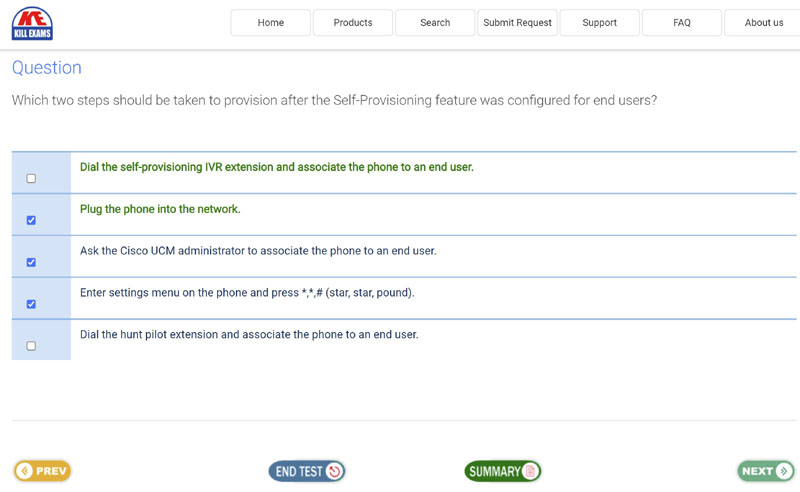
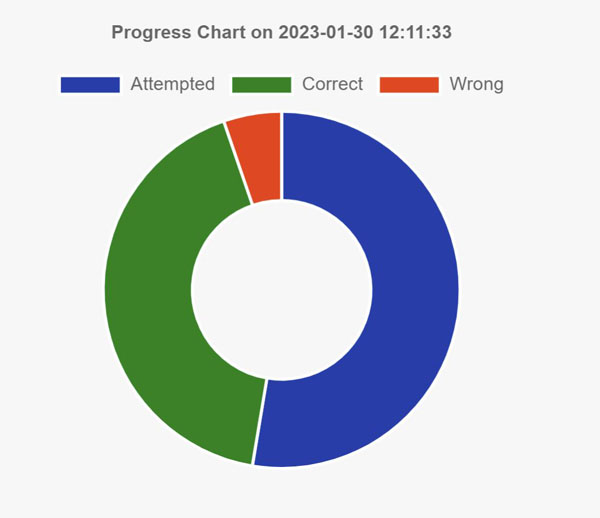
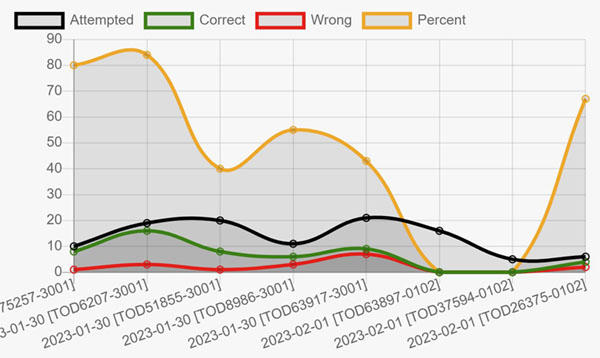
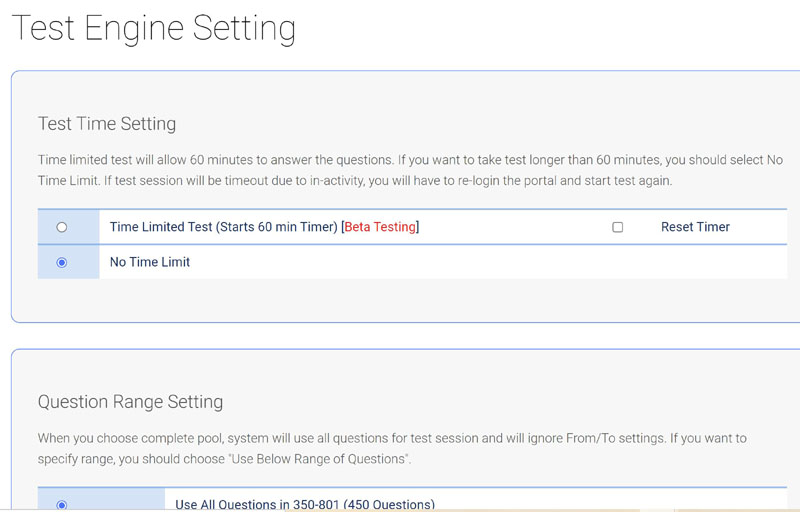
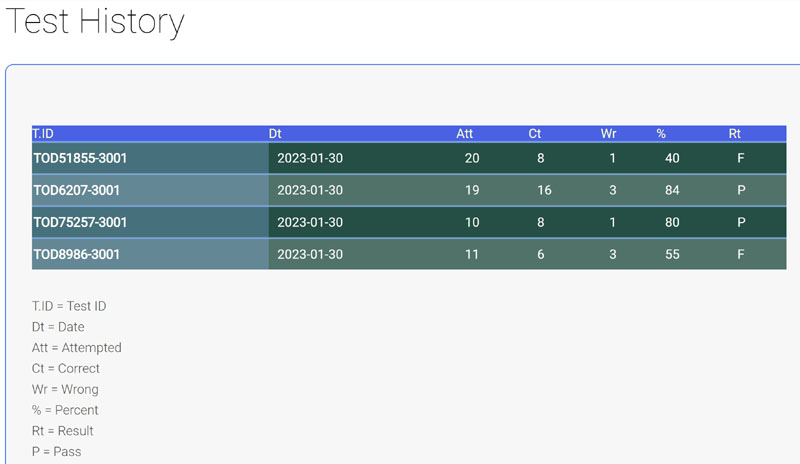
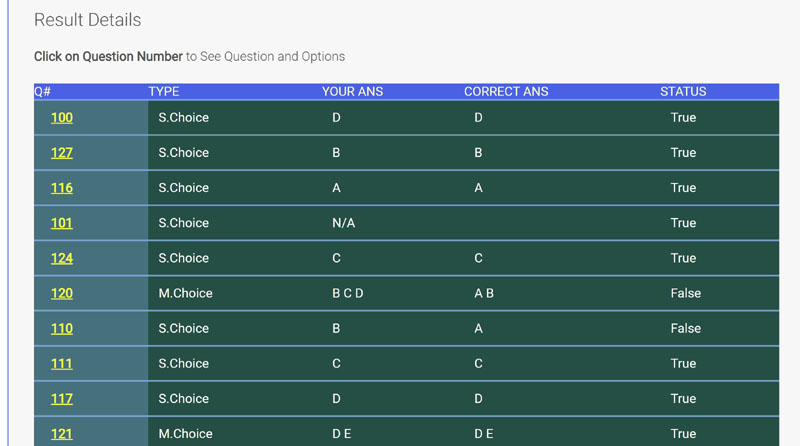
The Online Test Engine maintains practice history, performance summaries, and visual progress reports. Where available, questions may include explanations or reference information to support better understanding of exam topics. Content is reviewed and updated periodically to reflect relevant syllabus changes and maintain consistency with exam objectives.
Desktop Test Engine
| Exam Questions | 1063 (Complete Set) |
| Software Version | 2026 |
| Access | Unlimited |
| Latest Update | November 20, 2026 |
| Access Activation | Instant (5 to 10 min.) |
| Supported OS | Windows (All Versions) |
| Delivery Method | Username / Password |
| Test Engine Trial Software | Killexams Test Engine 2026 |
The Killexams Desktop Test Engine (version 2026) is a dedicated test preparation software designed to support candidates preparing for the SAA-C03 exam. The simulator provides a structured desktop based practice environment that allows users to work through exam style questions and review their performance in detail.
By practicing with the AWS Certified Solutions Architect - Associate Exam Simulator, candidates can become familiar with question formats, exam navigation, and time based testing conditions similar to those used in official exams. This experience helps users build confidence across testing environment, time management, exam topics and identify areas that may require additional study.


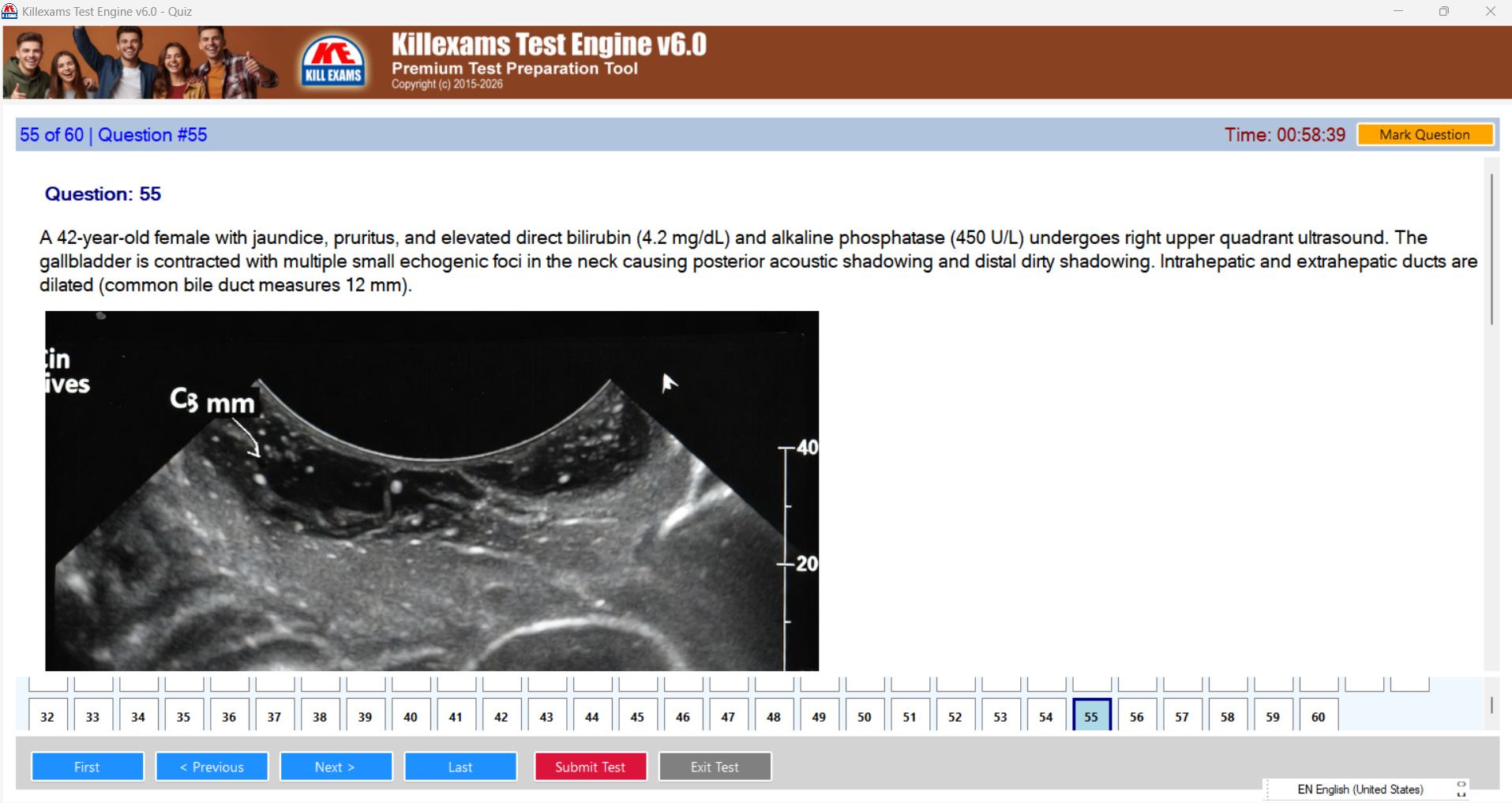
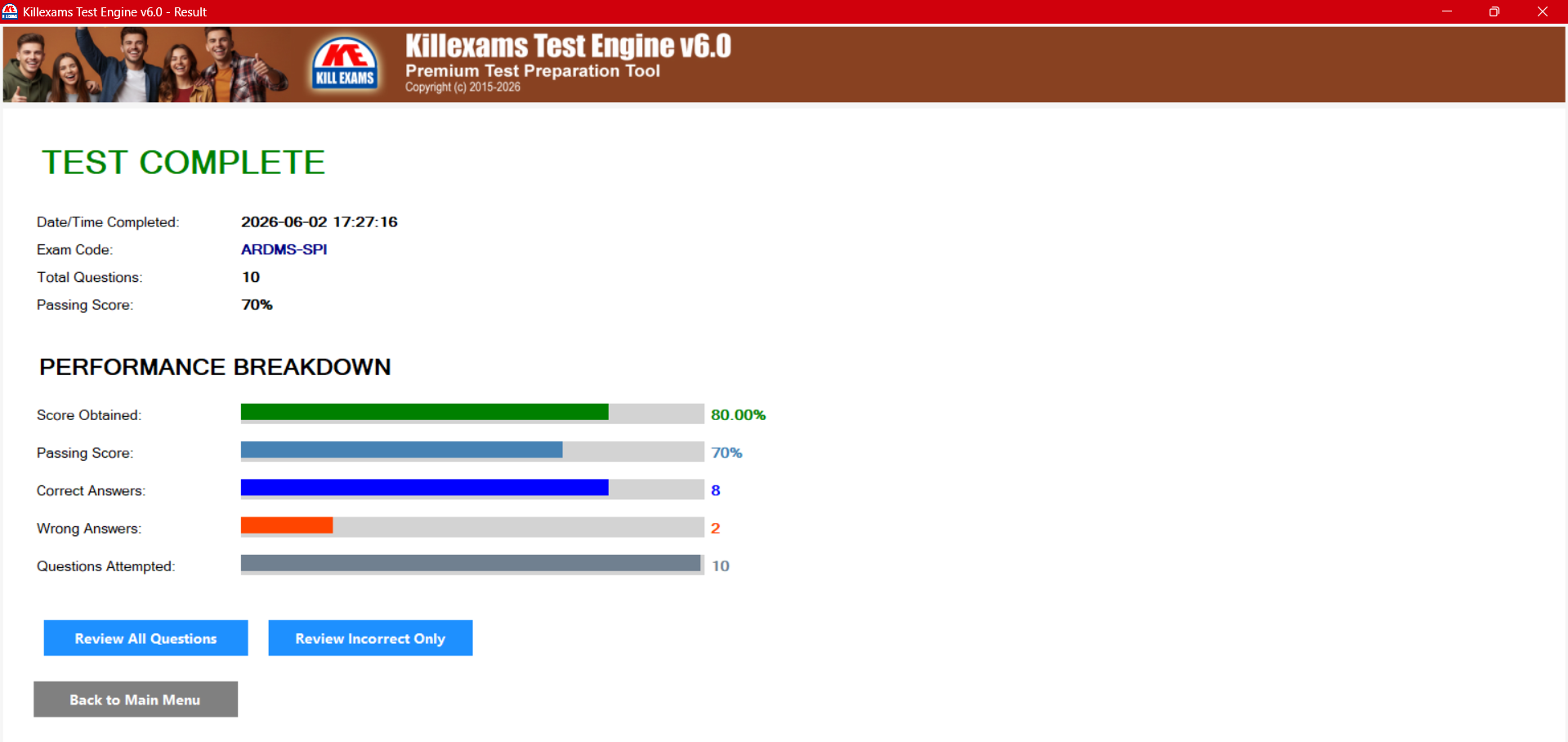

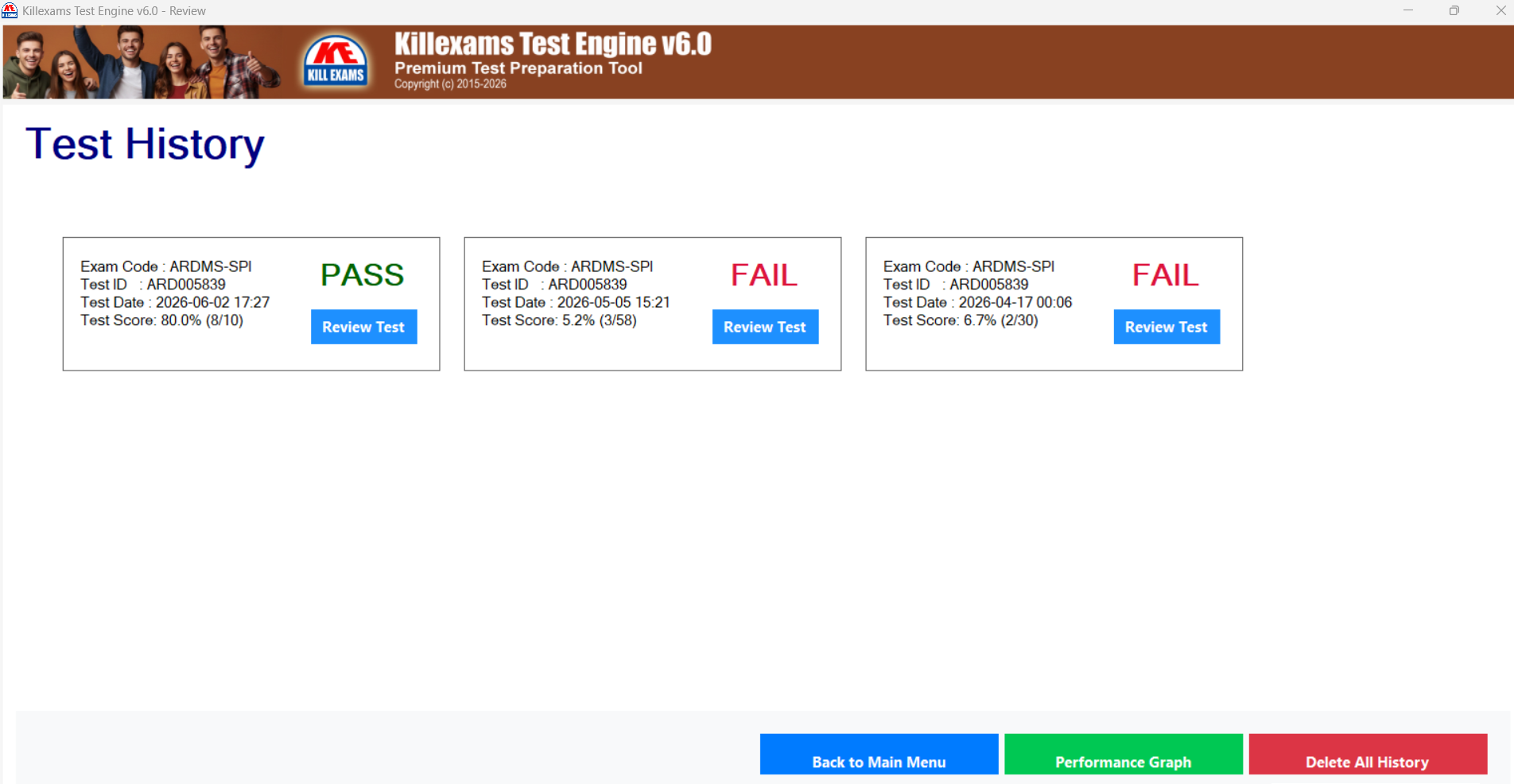
The Desktop Exam Simulator records practice history, performance summaries, and graphical progress reports. Where available, questions may include explanations or reference information to support understanding of correct and incorrect answers. The simulator content is reviewed and updated periodically to remain aligned with current exam objectives and syllabus requirements.
|
3 Months Update
|
6 Months Update
|
12 Months Update
|
|
|---|---|---|---|
What is 3 Months Update?
During 3 months, all future updates in PDF and Test Engine will be provided in your MyAccount with download links. An Intimation email on each update will be sent to you to re-download the updated exam files.
|
What is 6 Months Update?
During 6 months, all future updates in PDF and Test Engine will be provided in your MyAccount with download links. An Intimation email on each update will be sent to you to re-download the updated exam files.
|
What is 12 Months Update?
During 12 months, all future updates in PDF and Test Engine will be provided in your MyAccount with download links. An Intimation email on each update will be sent to you to re-download the updated exam files.
|
|
| Files | PDF / Test Engines | PDF / Test Engines | PDF / Test Engines |
| Premium Access | ✔ | ✔ | ✔ |
| Online Test Engine | ✔ | ✔ | ✔ |
| Instant Download Access | ✔ | ✔ | ✔ |
| Comprehensive Q&A | ✔ | ✔ | ✔ |
| Latest Topics | ✔ | ✔ | ✔ |
| Updated Regularly | ✔ | ✔ | ✔ |
| Portable Files | ✔ | ✔ | ✔ |
| Unlimited Download | ✔ | ✔ | ✔ |
| 100% Secured | ✔ | ✔ | ✔ |
| Confidentiality | 100% | 100% | 100% |
| Syllabus Coverage | Latest | Latest | Latest |
| Any Hidden Cost | No | No | No |
| Auto Renewal | No | No | No |
| Updates Intimation | by Email | by Email | by Email |
| Technical Support | Free | Free | Free |
| PDF Compatibility | Windows, Mac, Android, iOS, Linux | Windows, Mac, Android, iOS, Linux | Windows, Mac, Android, iOS, Linux |
| Desktop Test Engine Compatibility | Windows All Versions | Windows All Versions | Windows All Versions |
| Online Test Engine Compatibility | Mac / Windows / Android / iOS / Linux | Mac / Windows / Android / iOS / Linux | Mac / Windows / Android / iOS / Linux |
SAA-C03 Exam Format | Course Contents | Course Outline | Exam Syllabus | Exam Objectives
Title: AWS Certified Solutions Architect - Associate (SAA-C03)
Test Detail:
The AWS Certified Solutions Architect - Associate (SAA-C03) exam validates the knowledge and skills required to design and deploy scalable- highly available- and fault-tolerant systems on the Amazon Web Services (AWS) platform. This certification is designed for individuals who work as solutions architects and are responsible for designing and implementing AWS-based applications.
Course Outline:
The AWS Certified Solutions Architect - Associate course provides participants with comprehensive knowledge and hands-on experience in designing and deploying applications on AWS. The following is a general outline of the key areas covered in the certification program:
- Design secure access to AWS resources
- Access controls and management across multiple accounts
- AWS federated access and identity services
- AWS Identity and Access Management [IAM]
- AWS IAM Identity Center
- AWS global infrastructure
- Availability Zones
- AWS Regions
- AWS security best practices
- principle of least privilege
- The AWS shared responsibility model
- Applying AWS security best practices to IAM users and root users
- multi-factor authentication [MFA]
- Designing a flexible authorization model
- IAM users
- groups
- roles
- policies
- Designing a role-based access control strategy
- AWS Security Token Service [AWS STS]
- role switching
- cross-account access
- Designing a security strategy for multiple AWS accounts
- AWS Control Tower
- service control policies [SCPs]
- Determining the appropriate use of resource policies for AWS services
- Determining when to federate a directory service with IAM roles
- Design secure workloads and applications.
- Application configuration and credentials security
- AWS service endpoints
- Control ports- protocols- and network traffic on AWS
- Secure application access
- Security services with appropriate use cases
- Amazon Cognito
- Amazon GuardDuty
- Amazon Macie
- Threat vectors external to AWS
- DDoS
- SQL injection
- Designing VPC architectures with security components
- security groups
- route tables
- network ACLs
- NAT gateways
- Determining network segmentation strategies
- using public subnets
- private subnets
- Integrating AWS services to secure applications
- AWS Shield
- AWS WAF
- IAM Identity Center
- AWS Secrets Manager
- Securing external network connections to and from the AWS Cloud
- VPN
- AWS Direct Connect
- Determine appropriate data security controls
- Data access and governance
- Data recovery
- Data retention and classification
- Encryption and appropriate key management
- Aligning AWS technologies to meet compliance requirements
- Encrypting data at rest
- AWS Key Management Service [AWS KMS]
- Encrypting data in transit
- AWS Certificate Manager [ACM] using TLS
- Implementing access policies for encryption keys
- Implementing data backups and replications
- Implementing policies for data access- lifecycle- and protection
- Rotating encryption keys and renewing certificates
- Design scalable and loosely coupled architectures
- API creation and management
- Amazon API Gateway
- REST API
- AWS managed services with appropriate use cases
- AWS Transfer Family
- Amazon Simple Queue Service [Amazon SQS]
- Secrets Manager
- Caching strategies
- Design principles for microservices
- stateless workloads compared with stateful workloads
- Event-driven architectures
- Horizontal scaling and vertical scaling
- How to appropriately use edge accelerators
- content delivery network [CDN]
- How to migrate applications into containers
- Load balancing concepts
- Application Load Balancer
- Multi-tier architectures
- Queuing and messaging concepts
- publish/subscribe
- Serverless technologies and patterns
- AWS Fargate
- AWS Lambda
- Storage types with associated characteristics
- object
- file
- block
- The orchestration of containers
- Amazon Elastic Container Service [Amazon ECS]
- Amazon Elastic Kubernetes Service [Amazon EKS])
- When to use read replicas
- Workflow orchestration
- AWS Step Functions
- Designing event-driven
- microservice and multi-tier architectures based on requirements
- Determining scaling strategies for components used in an architecture design
- Determining the AWS services required to achieve loose coupling based on requirements
- Determining when to use containers
- Determining when to use serverless technologies and patterns
- Recommending appropriate compute- storage- networking- and database technologies based on requirements
- Using purpose-built AWS services for workloads
- Design highly available and/or fault-tolerant architectures
- AWS global infrastructure
- Availability Zones
- AWS Regions
- Amazon Route 53
- AWS managed services with appropriate use cases
- Amazon Comprehend
- Amazon Polly
- Basic networking concepts
- route tables
- Disaster recovery (DR) strategies
- backup and restore
- pilot light
- warm standby
- active-active failover
- recovery point objective [RPO]
- recovery time objective [RTO])
- Distributed design patterns
- Failover strategies
- Immutable infrastructure
- Load balancing concepts
- Application Load Balancer
- Proxy concepts
- Amazon RDS Proxy
- Service quotas and throttling
- how to configure the service quotas for a workload in a standby environment
- Storage options and characteristics
- durability
- replication
- Workload visibility
- AWS X-Ray
- Determining automation strategies to ensure infrastructure integrity
- Determining the AWS services required to provide a highly available and/or fault-tolerant architecture across AWS Regions or Availability Zones
- Identifying metrics based on business requirements to deliver a highly available solution
- Implementing designs to mitigate single points of failure
- Implementing strategies to ensure the durability and availability of data
- backups
- Selecting an appropriate DR strategy to meet business requirements
- Using AWS services that improve the reliability of legacy applications and applications not built for the cloud
- when application changes are not possible
- Using purpose-built AWS services for workloads
- Determine high-performing and/or scalable storage solutions
- Hybrid storage solutions to meet business requirements
- Storage services with appropriate use cases
- Amazon S3
- Amazon Elastic File System [Amazon EFS]
- Amazon Elastic Block Store [Amazon EBS]
- Storage types with associated characteristics
- object
- file
- block
- Determining storage services and configurations that meet performance demands
- Determining storage services that can scale to accommodate future needs
- Design high-performing and elastic compute solutions
- AWS compute services with appropriate use cases
- AWS Batch
- Amazon EMR
- Fargate
- Distributed computing concepts supported by AWS global infrastructure and edge services
- Queuing and messaging concepts
- publish/subscribe
- Scalability capabilities with appropriate use cases
- Amazon EC2 Auto Scaling
- AWS Auto Scaling
- Serverless technologies and patterns
- Lambda
- Fargate
- The orchestration of containers
- Amazon ECS
- Amazon EKS
- Decoupling workloads so that components can scale independently
- Identifying metrics and conditions to perform scaling actions
- Selecting the appropriate compute options and features (for example- EC2 instance types) to meet business requirements
- Selecting the appropriate resource type and size (for example- the amount of Lambda memory) to meet business requirements
- Determine high-performing database solutions
- AWS global infrastructure
- Availability Zones
- AWS Regions
- Caching strategies and services
- Amazon ElastiCache
- Data access patterns
- read-intensive compared with write-intensive
- Database capacity planning
- capacity units
- instance types
- Provisioned IOPS
- Database connections and proxies
- Database engines with appropriate use cases
- heterogeneous migrations
- homogeneous migrations
- Database replication
- read replicas
- Database types and services
- serverless
- relational compared with non-relational
- in-memory
- Configuring read replicas to meet business requirements
- Designing database architectures
- Determining an appropriate database engine
- MySQL compared with PostgreSQL
- Determining an appropriate database type
- Amazon Aurora
- Amazon DynamoDB
- Integrating caching to meet business requirements
- Determine high-performing and/or scalable network architectures
- Edge networking services with appropriate use cases
- Amazon CloudFront
- AWS Global Accelerator
- How to design network architecture
- subnet tiers
- routing- IP addressing
- Load balancing concepts
- Application Load Balancer
- Network connection options
- AWS VPN
- Direct Connect
- AWS PrivateLink
- Creating a network topology for various architectures
- global
- hybrid
- multi-tier
- Determining network configurations that can scale to accommodate future needs
- Determining the appropriate placement of resources to meet business requirements
- Selecting the appropriate load balancing strategy
- High-performing data ingestion and transformation solutions
- Data analytics and visualization services with appropriate use cases
- Amazon Athena
- AWS Lake Formation
- Amazon QuickSight
- Data ingestion patterns
- frequency
- Data transfer services with appropriate use cases
- AWS DataSync
- AWS Storage Gateway
- Data transformation services with appropriate use cases
- AWS Glue
- Secure access to ingestion access points
- Sizes and speeds needed to meet business requirements
- Streaming data services with appropriate use cases
- Amazon Kinesis
- Building and securing data lakes
- Designing data streaming architectures
- Designing data transfer solutions
- Implementing visualization strategies
- Selecting appropriate compute options for data processing
- Amazon EMR
- Selecting appropriate configurations for ingestion
- Transforming data between formats
.csv to .parquet
- Design cost-optimized storage solutions
- Access options
- an S3 bucket with Requester Pays object storage
- AWS cost management service features
- cost allocation tags
- multi-account billing
- AWS cost management tools with appropriate use cases
- AWS Cost Explorer
- AWS Budgets
- AWS Cost
- Usage Report
- AWS storage services with appropriate use cases
- Amazon FSx
- Amazon EFS
- Amazon S3
- Amazon EBS
- Backup strategies
- Block storage options
- hard disk drive [HDD] volume types
- solid state drive [SSD] volume types
- Data lifecycles
- Hybrid storage options
- DataSync
- Transfer Family
- Storage Gateway
- Storage access patterns
- Storage tiering
- cold tiering for object storage
- Storage types with associated characteristics
- object
- file
- block
- Designing appropriate storage strategies
- batch uploads to Amazon S3 compared with individual uploads
- Determining the correct storage size for a workload
- Determining the lowest cost method of transferring data for a workload to AWS storage
- Determining when storage auto scaling is required
- Managing S3 object lifecycles
- Selecting the appropriate backup and/or archival solution
- Selecting the appropriate service for data migration to storage services
- Selecting the appropriate storage tier
- Selecting the correct data lifecycle for storage
- Selecting the most cost-effective storage service for a workload
- Design cost-optimized compute solutions
- AWS cost management service features
- cost allocation tags
- multi-account billing
- AWS cost management tools with appropriate use cases
- Cost Explorer
- AWS Budgets
- AWS Cost
- Usage Report
- AWS global infrastructure
- Availability Zones
- AWS Regions
- AWS purchasing options
- Spot Instances
- Reserved Instances
- Savings Plans
- Distributed compute strategies
- edge processing
- Hybrid compute options
- AWS Outposts
- AWS Snowball Edge
- Instance types- families- and sizes
- memory optimized
- compute optimized
- virtualization
- Optimization of compute utilization
- containers
- serverless computing
- microservices
- Scaling strategies
- auto scaling
- hibernation
- Determining an appropriate load balancing strategy
- Application Load Balancer [Layer 7] compared with Network Load Balancer [Layer 4] compared with Gateway Load Balancer
- Determining appropriate scaling methods and strategies for elastic workloads
- horizontal compared with vertical
- EC2 hibernation
- Determining cost-effective AWS compute services with appropriate use cases
- Lambda
- Amazon EC2
- Fargate
- Determining the required availability for different classes of workloads
- production workloads
- non-production workloads
- Selecting the appropriate instance family for a workload
- Selecting the appropriate instance size for a workload
- Design cost-optimized database solutions
- AWS cost management service features
- cost allocation tags
- multi-account billing
- AWS cost management tools with appropriate use cases
- Cost Explorer
- AWS Budgets
- AWS Cost and Usage Report
- Caching strategies
- Data retention policies
- Database capacity planning
- capacity units
- Database connections and proxies
- Database engines with appropriate use cases
- heterogeneous migrations
- homogeneous migrations
- Database replication
- read replicas
- Database types and services
- relational compared with non-relational
- Aurora
- DynamoDB
- Designing appropriate backup and retention policies
- snapshot frequency
- Determining an appropriate database engine
- MySQL compared with PostgreSQL
- Determining cost-effective AWS database services with appropriate use cases
- DynamoDB compared with Amazon RDS
- serverless
- Determining cost-effective AWS database types
- time series format
- columnar format
- Migrating database schemas and data to different locations and/or different database engines
- Design cost-optimized database solutions
- AWS cost management service features
- cost allocation tags
- multi-account billing
- AWS cost management tools with appropriate use cases
- Cost Explorer
- AWS Budgets
- AWS Cost and Usage Report
- Load balancing concepts
- Application Load Balancer
- NAT gateways
- NAT instance costs compared with NAT gateway costs
- Network connectivity
- private lines
- dedicated lines
- VPNs
- Network routing- topology- and peering
- AWS Transit Gateway
- VPC peering
- Network services with appropriate use cases
- DNS
- Configuring appropriate NAT gateway types for a network
- a single shared NAT gateway compared with NAT gateways for each Availability Zone
- Configuring appropriate network connections
- Direct Connect compared with VPN compared with internet
- Configuring appropriate network routes to minimize network transfer costs
- Region to Region
- Availability Zone to Availability Zone
- private to public
- Global Accelerator
- VPC endpoints
- Determining strategic needs for content delivery networks (CDNs) and edge caching
- Reviewing existing workloads for network optimizations
- Selecting an appropriate throttling strategy
- Selecting the appropriate bandwidth allocation for a network device
- a single VPN compared with multiple VPNs
- Direct Connect speed
Reviews (13)4.38 Overall
★★★★★
54%
★★★★
38%
★★★
0%
★★
8%
★
0%
|
Submit ReviewYou must be logged in to submit a review. Sign In to Submit Review |
Customer Reviews
SAA-C03 Exam FAQs
How many questions are on the SAA-C03 exam?
The SAA-C03 exam has 65 questions.
How long is the SAA-C03 exam?
You have 130 minutes to complete the SAA-C03 exam.
What is the passing score for SAA-C03?
The passing score for SAA-C03 is 720 of 1000.
What topics does the SAA-C03 exam cover, and how are they weighted?
The SAA-C03 exam covers 4 sections with these weightings: Design Secure Architectures (30%); Design Resilient Architectures (26%); Design High Performing Architectures (24%); Design Cost Optimized Architectures (20%).
How should I prepare for SAA-C03?
Start with the official SAA-C03 exam outline and study materials from Amazon Web Services, then build exam readiness with timed practice. A killexams.com premium account gives you the full pool of 1,063 SAA-C03 practice questions and answers in PDF and Test Engine formats, so you can practice every objective and review the answers before exam day.
How long does it take to prepare for SAA-C03?
At a steady pace of 100 practice questions a day, working through all 1,063 SAA-C03 questions takes about 11 days. Add extra days to repeat the questions you got wrong.
Is SAA-C03 hard? Who is it for?
AWS Certified Solutions Architect Associate validates the ability to design secure, resilient, high performing and cost optimized architectures on AWS.
How many practice questions do you have for SAA-C03?
The killexams.com SAA-C03 practice test contains 1,063 questions and answers.
Is there a free SAA-C03 sample?
Yes. A free SAA-C03 sample PDF is available on this page, so you can review the question style before you buy.
What formats are included in the SAA-C03 practice test?
The SAA-C03 practice test is available as a PDF, an Online Test Engine and a Desktop Test Engine.
Do the SAA-C03 practice questions cover the current exam objectives?
Yes. The SAA-C03 practice questions cover the complete syllabus and current exam objectives.
How do I get the files after purchase, and how long is access valid?
Your MyAccount login details are delivered by email. You can download the files from the member area until your account expires, after 3, 6 or 12 months depending on the plan you bought.
Can I use the SAA-C03 Test Engine on Mac or mobile?
Yes, with the Online Test Engine, which runs on Mac, iOS, Android, Linux and other platforms. The Desktop Test Engine is for Windows only.
What if I fail the SAA-C03 exam after using your material?
You can choose one of three options: 1) a refund, 2) a free 3-month account extension, or 3) a new exam of your choice.
How many practice questions are available for SAA-C03?
The SAA-C03 practice test contains 1,063 practice questions and answers covering the current exam objectives.
What formats are available for SAA-C03 preparation?
The SAA-C03 practice test is available as PDF, Online Test Engine, Desktop Test Engine. All formats can be downloaded instantly after purchase.
Is there a free SAA-C03 sample?
Yes. You can preview and download a free SAA-C03 sample PDF on this page before you buy.