


VTNE Exam Questions PDF
| Questions and Answers | 1280 (Complete Set) |
| File Format | |
| Latest Update | November 18, 2026 |
| Files Delivery | Instant (5 to 10 min.) |
| Compatibility | All Desktop and Mobile Devices |
| Delivery Method | Download Account |
The Veterinary Technician National Examination from AAVSB is the licensing exam for veterinary technicians in the United States and Canada. It assesses entry level knowledge needed to work safely alongside veterinarians. The exam covers pharmacy and pharmacology, surgical nursing, dentistry, laboratory procedures, animal care and nursing, diagnostic imaging, anesthesia, emergency medicine and critical care, and pain management and analgesia across multiple species.
Candidates for Veterinary Technician National Examination usually have completed formal education and supervised clinical work before testing. The exam then confirms that this training has produced reliable knowledge across the full scope of practice, from foundational science to clinical judgment and professional responsibility.
It is worth looking at what sits inside each topic area. Pharmacy and Pharmacology focuses on drug calculations, classes and safety. The Surgical Nursing area includes asepsis, instruments and patient preparation. Questions on Dentistry typically involve dental procedures and charting. Laboratory Procedures covers hematology, parasitology and urinalysis.
Preparing for the VTNE exam requires not only understanding the exam topics but also practicing with exam style questions. Our Veterinary Technician National Examination exam questions in practice tests help candidates review key concepts and familiarize themselves with the format and difficulty of exam.
At Killexams.com, our team works to maintain up-to-date practice content for exam preparation. We continuously review and refine our question sets and explanations to cover the latest relevant syllabus areas and help learners strengthen their understanding of core topics before facing the official exam. These Practice tests allow you to identify areas where you need improvement by measuring your readiness, and provide you exam questions to polish those areas.
VTNE Exam Questions Preview
The VTNE has 170 multiple choice questions, 150 scored, with three hours to complete. Scores are scaled from 200 to 800 with 425 needed to pass. Review drug calculations carefully, and practice identifying parasites and blood cells. Anesthesia and pharmacology carry significant weight, so prioritize them.
One effective way to prepare for VTNE is to work through the sections in order. Allow roughly 8 weeks, giving each major area its own block: begin with Pharmacy and Pharmacology, continue with Surgical Nursing, Dentistry and Laboratory Procedures, and finish with Animal Care and Nursing; Diagnostic Imaging; and Anesthesia. For each area, collect key definitions, a few examples and the mistakes you made in practice, then review them weekly. Leave the final week for full timed practice tests and targeted review of weak areas.
Many candidates preparing for VTNE find that spaced repetition works well for facts such as drug classes, lab values and diagnostic criteria, while case based practice questions build clinical reasoning. Combine both, and leave the final weeks for full length timed practice.
| Detail | Information |
|---|---|
| Questions | 170 (150 scored) |
| Duration | 3 hours |
| Passing Score | 425 on 200 to 800 scale |
| Provider | AAVSB |
| Delivery | Prometric testing windows |
To help you evaluate our material, you may download free sample pdf with example questions and answers that we provide. This sample allows you to review content and approach before deciding on Premium materials..
The Veterinary Technician National Examination practice test files contains 1280 Questions, are compatible with multiple devices, including Windows, macOS, iOS, and Android, and can be used for both online and offline study. The PDF format is printable, making it easy to study during travel or when away from a computer. Access to updated materials is available through your online account.
After purchase, you will receive your username and password immediately, allowing you to log in and download your study files without delay. Our goal is to support exam preparation at your pace with practice content designed for reinforcement and understanding of key concepts.
The killexams.com VTNE question bank covers every domain with explanations, including drug calculations and lab identification. Practice tests help you manage the three hour exam, and updates follow the AAVSB content outline.
Questions in the killexams.com VTNE bank are grouped to match the exam sections, including Pharmacy and Pharmacology; Surgical Nursing; Dentistry; and Laboratory Procedures. Updates are added when the syllabus changes, so your practice stays aligned with the current version of the exam.
Candidates who use the killexams.com VTNE question bank often begin with a diagnostic session to see which sections need the most attention, then return to those sections repeatedly before taking a final full length practice test.
Online Test Engine
| Exam Questions | 1280 (Complete Set) |
| Testing Limit | Unlimited |
| Access Type | Online |
| Latest Update | November 18, 2026 |
| Access Activation | Instant (5 to 10 min.) |
| Supported OS | Mac, Windows, Android, iPhone / iPad, Linux |
| Delivery Method | Username / Password |
Killexams.com provides an Online Test Engine designed to help candidates practice exam questions in a structured and interactive environment. The Test Engine is compatible with iPhone, iPad, Android, Windows, and Mac, allowing you to study and practice on the device that best fits your schedule.
The VTNE Online Test Engine enables candidates to simulate exam-style practice sessions, review answers, and track progress over time. This learning approach helps users practice exam questions, question formats and improve time management while preparing for the Veterinary Technician National Examination exam.
The Test Engine includes features that support effective learning, such as customizable practice sessions, question review modes, and progress tracking. These tools are designed to assist candidates in identifying knowledge gaps and reinforcing key concepts through repeated practice rather than memorization alone.
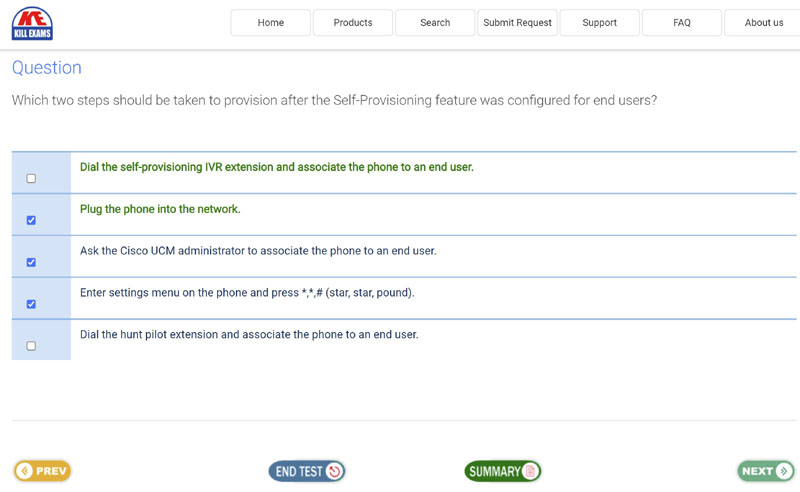
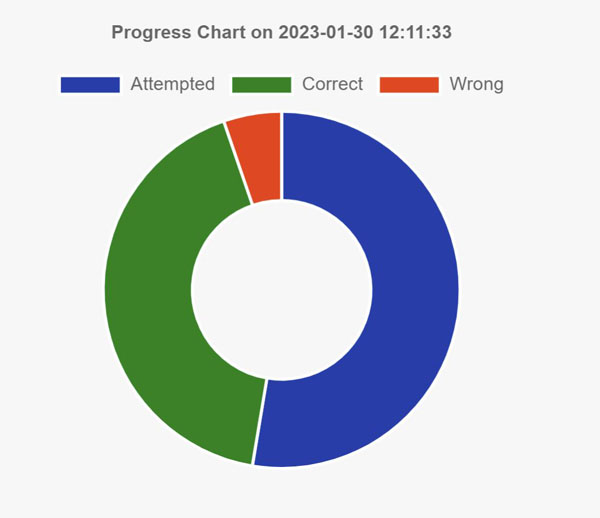
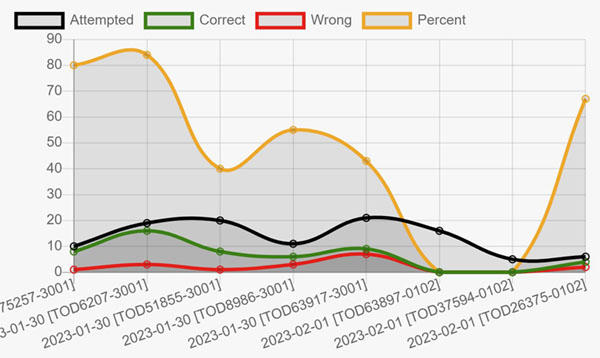
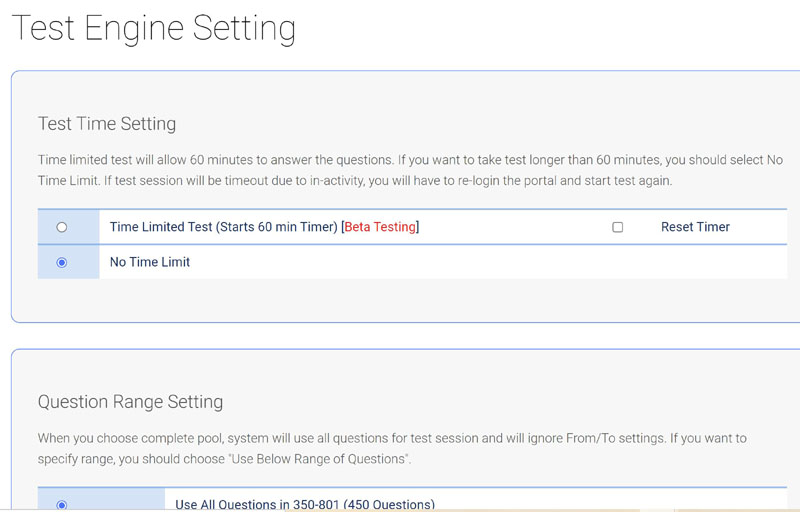
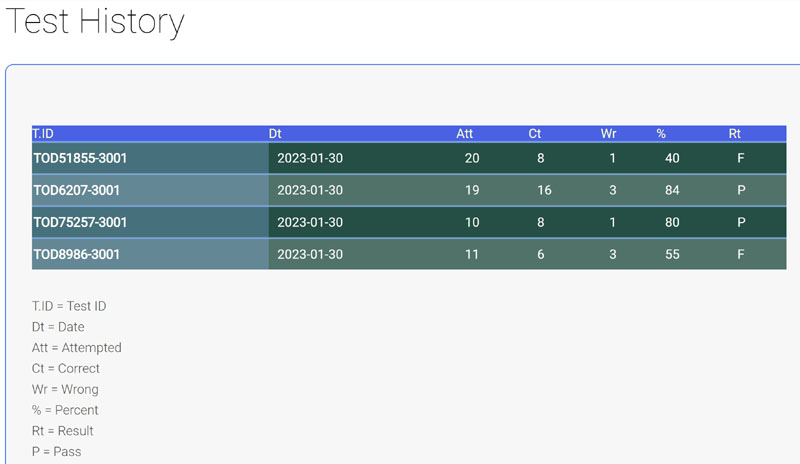
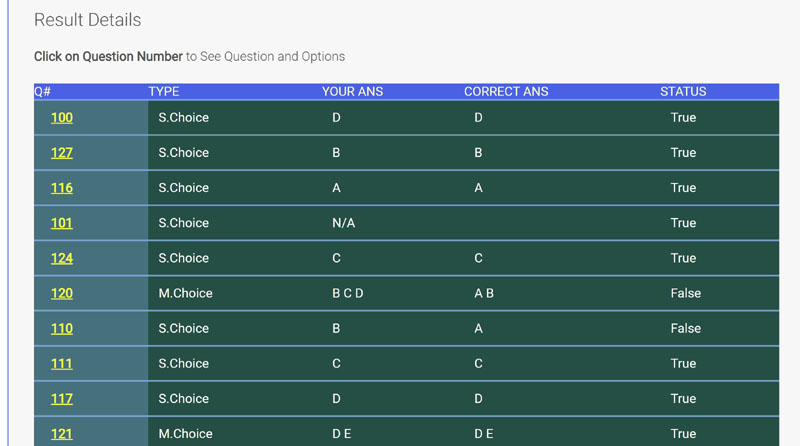
The Online Test Engine maintains practice history, performance summaries, and visual progress reports. Where available, questions may include explanations or reference information to support better understanding of exam topics. Content is reviewed and updated periodically to reflect relevant syllabus changes and maintain consistency with exam objectives.
Desktop Test Engine
| Exam Questions | 1280 (Complete Set) |
| Software Version | 2026 |
| Access | Unlimited |
| Latest Update | November 18, 2026 |
| Access Activation | Instant (5 to 10 min.) |
| Supported OS | Windows (All Versions) |
| Delivery Method | Username / Password |
| Test Engine Trial Software | Killexams Test Engine 2026 |
The Killexams Desktop Test Engine (version 2026) is a dedicated test preparation software designed to support candidates preparing for the VTNE exam. The simulator provides a structured desktop based practice environment that allows users to work through exam style questions and review their performance in detail.
By practicing with the Veterinary Technician National Examination Exam Simulator, candidates can become familiar with question formats, exam navigation, and time based testing conditions similar to those used in official exams. This experience helps users build confidence across testing environment, time management, exam topics and identify areas that may require additional study.
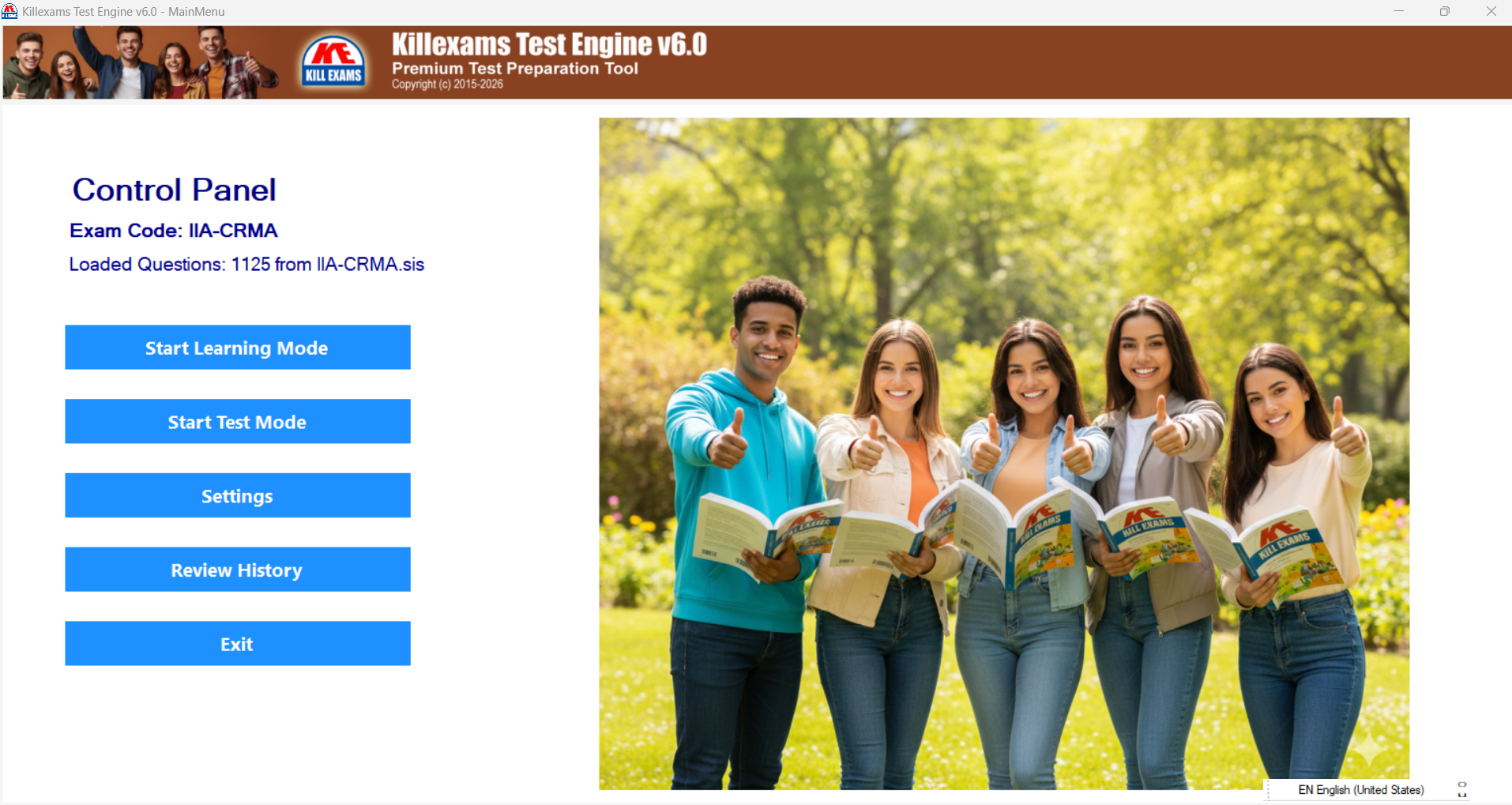
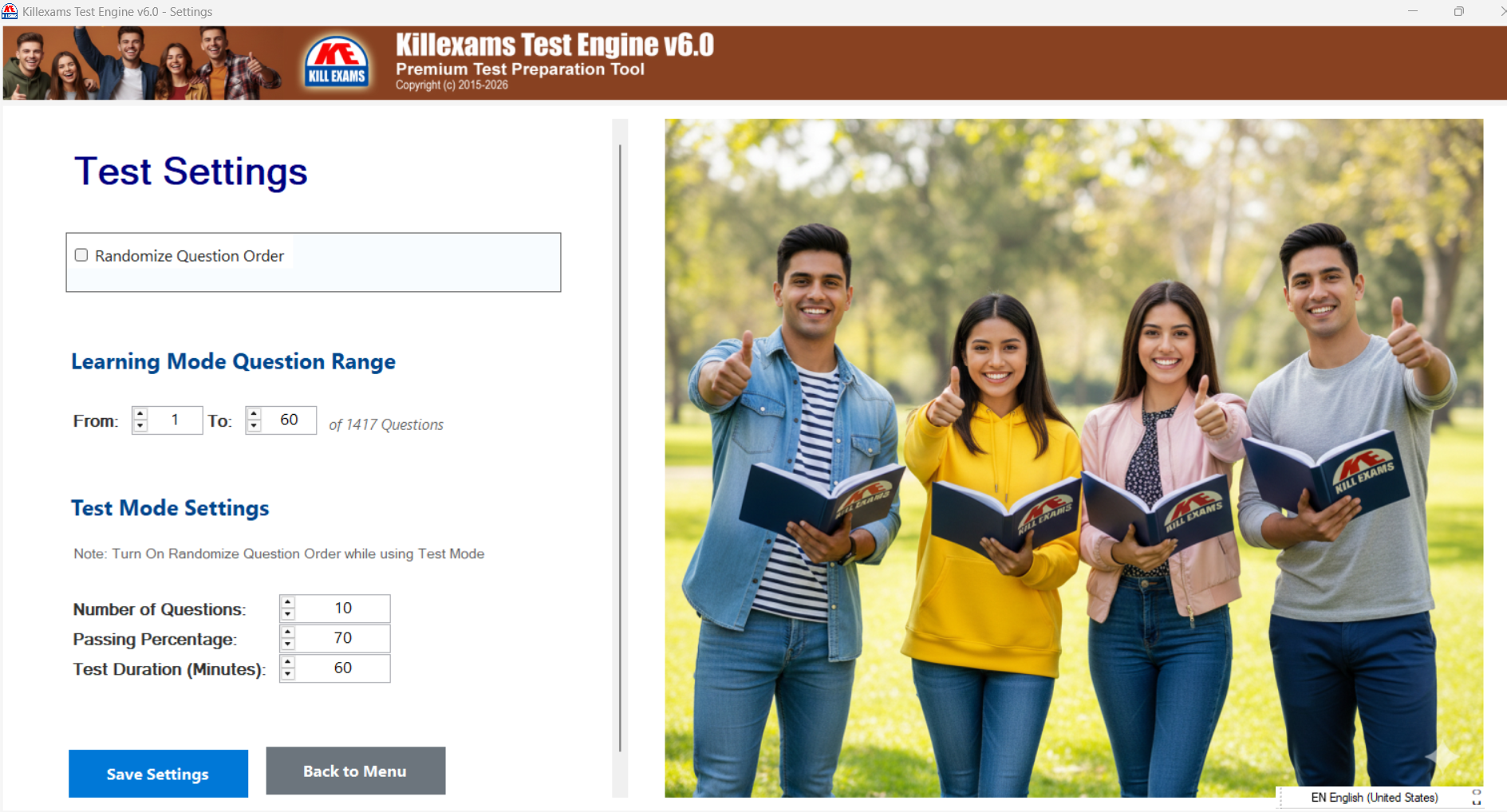
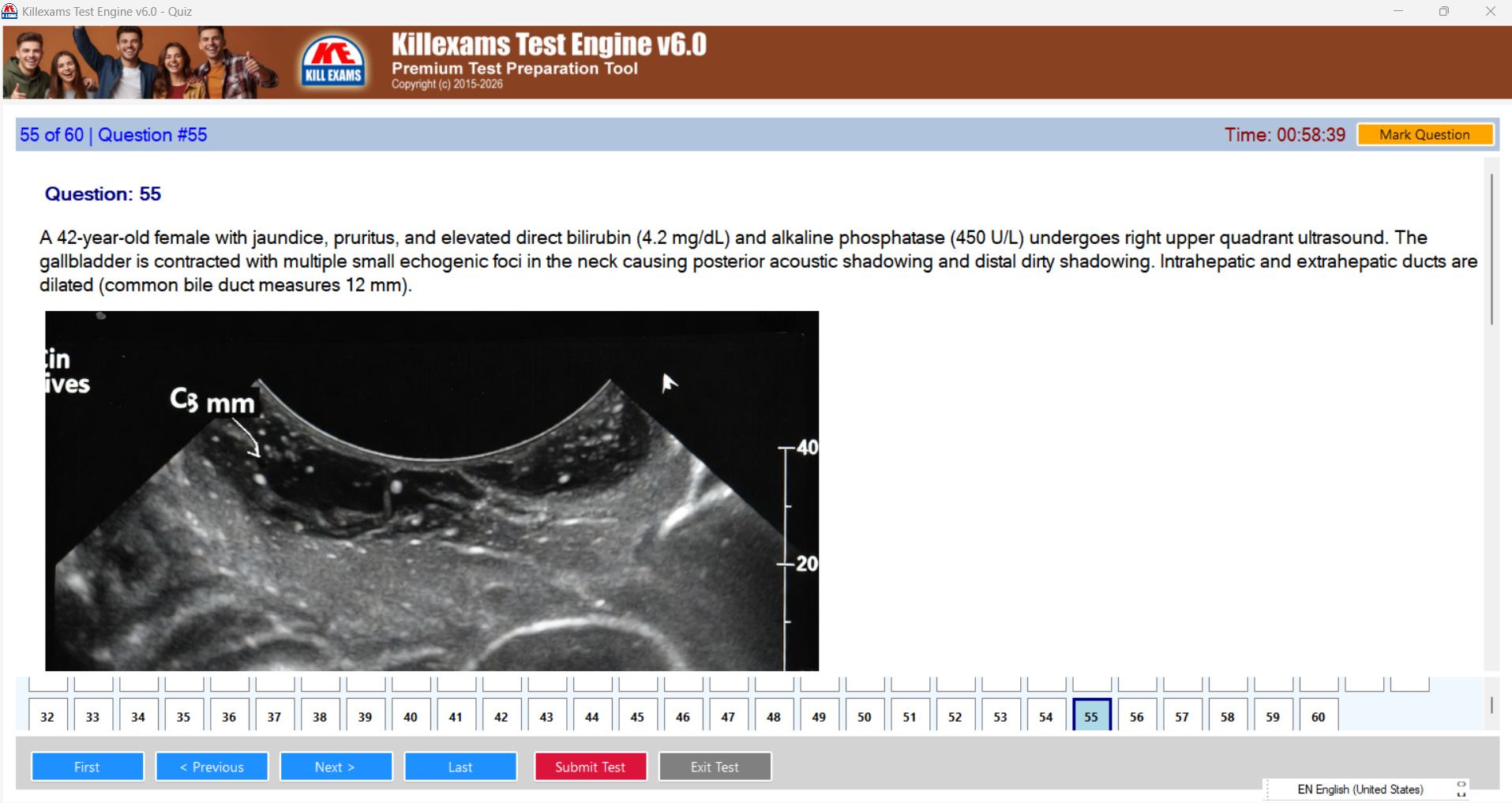
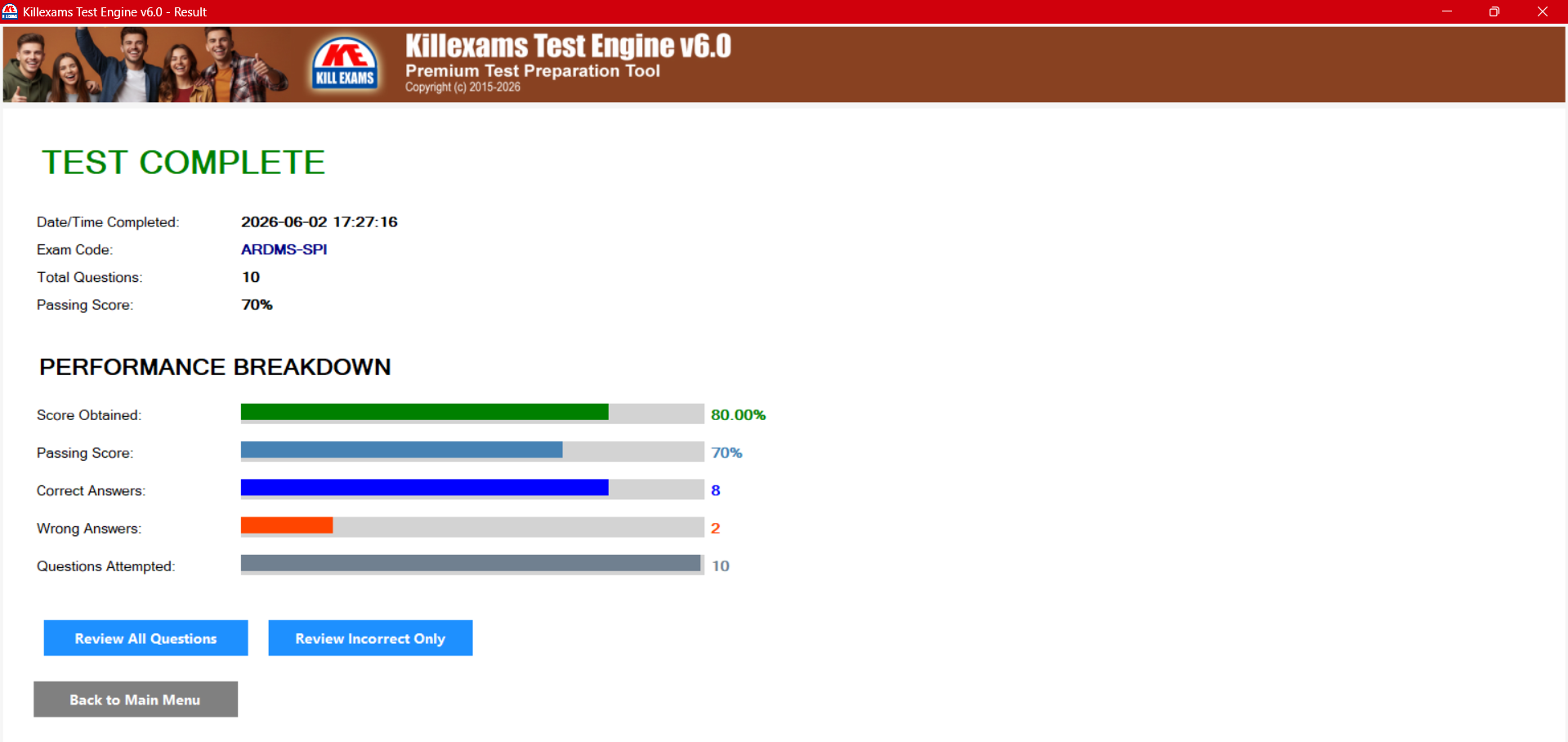

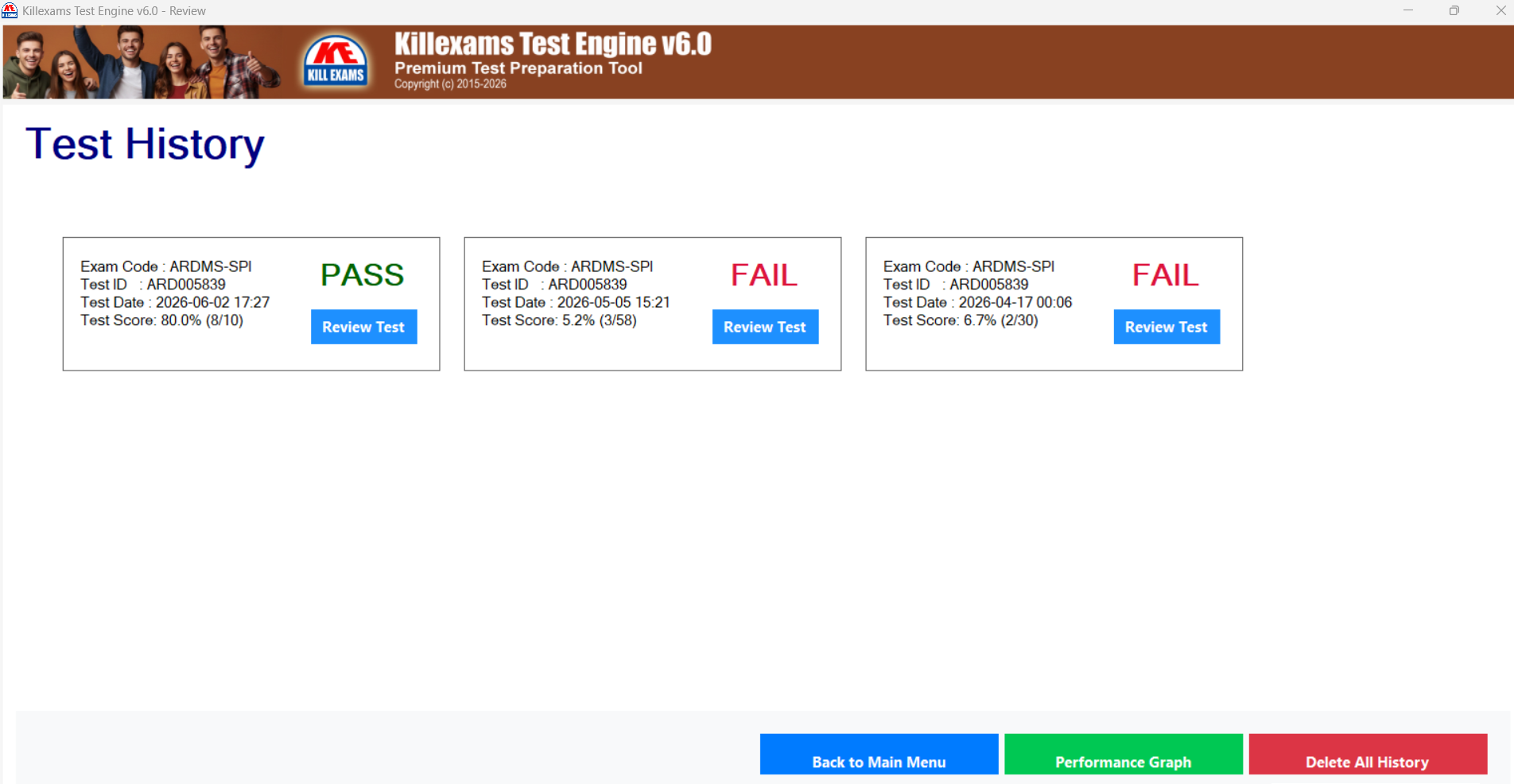
The Desktop Exam Simulator records practice history, performance summaries, and graphical progress reports. Where available, questions may include explanations or reference information to support understanding of correct and incorrect answers. The simulator content is reviewed and updated periodically to remain aligned with current exam objectives and syllabus requirements.
|
3 Months Update
|
6 Months Update
|
12 Months Update
|
|
|---|---|---|---|
What is 3 Months Update?
During 3 months, all future updates in PDF and Test Engine will be provided in your MyAccount with download links. An Intimation email on each update will be sent to you to re-download the updated exam files.
|
What is 6 Months Update?
During 6 months, all future updates in PDF and Test Engine will be provided in your MyAccount with download links. An Intimation email on each update will be sent to you to re-download the updated exam files.
|
What is 12 Months Update?
During 12 months, all future updates in PDF and Test Engine will be provided in your MyAccount with download links. An Intimation email on each update will be sent to you to re-download the updated exam files.
|
|
| Files | PDF / Test Engines | PDF / Test Engines | PDF / Test Engines |
| Premium Access | ✔ | ✔ | ✔ |
| Online Test Engine | ✔ | ✔ | ✔ |
| Instant Download Access | ✔ | ✔ | ✔ |
| Comprehensive Q&A | ✔ | ✔ | ✔ |
| Latest Topics | ✔ | ✔ | ✔ |
| Updated Regularly | ✔ | ✔ | ✔ |
| Portable Files | ✔ | ✔ | ✔ |
| Unlimited Download | ✔ | ✔ | ✔ |
| 100% Secured | ✔ | ✔ | ✔ |
| Confidentiality | 100% | 100% | 100% |
| Syllabus Coverage | Latest | Latest | Latest |
| Any Hidden Cost | No | No | No |
| Auto Renewal | No | No | No |
| Updates Intimation | by Email | by Email | by Email |
| Technical Support | Free | Free | Free |
| PDF Compatibility | Windows, Mac, Android, iOS, Linux | Windows, Mac, Android, iOS, Linux | Windows, Mac, Android, iOS, Linux |
| Desktop Test Engine Compatibility | Windows All Versions | Windows All Versions | Windows All Versions |
| Online Test Engine Compatibility | Mac / Windows / Android / iOS / Linux | Mac / Windows / Android / iOS / Linux | Mac / Windows / Android / iOS / Linux |
VTNE Exam Format | Course Contents | Course Outline | Exam Syllabus | Exam Objectives
Domain 1. Pharmacy and Pharmacology 18 12%
Domain 2. Surgical Nursing 17 11%
Domain 3. Dentistry 12 8%
Domain 4. Laboratory Procedures 17 12%
Domain 5. Animal Care and Nursing 30 20%
Domain 6. Diagnostic Imaging 11 7%
Domain 7. Anesthesia 22 15%
Domain 8. Emergency Medicine/Critical Care 12 8%
Domain 9. Pain Management/Analgesia 11 7%
Total 150 100%
Domain 1 Pharmacy and Pharmacology (18 items- 12%)
TASK 1A Utilize knowledge of anatomy- physiology and pathophysiology as it applies to the use of pharmacological and biological agents.
TASK 1B Prepare medications in compliance with veterinarian's orders.
TASK 1C Educate the client regarding pharmacological and biological agents administered or dispensed to ensure the safety of the patient/client and efficacy of the products.
TASK 1D Calculate fluid therapy rate.
TASK 1E Calculate medications based on the appropriate dosage in compliance with veterinarian's orders.
TASK 1F Dispense medications in compliance with veterinary orders.
TASK 1G Maintain controlled drug inventory and related log books.
TASK 1H Recognize classifications of drugs- their mechanisms- and clinically relevant side effects.
TASK 1I Store- handle- and safely dispose of pharmacological and biological agents.
Domain 2 Surgical Nursing (17 items- 11%)
TASK 2A Utilize knowledge of anatomy- physiology and pathophysiology as it applies to surgical nursing.
TASK 2B Prepare the surgical environment- equipment- instruments- and supplies to meet the needs of the surgical team and patient.
TASK 2C Prepare patient for surgical procedure.
TASK 2D Function as a sterile surgical technician to ensure patient safety and procedural efficiency.
TASK 2E Function as a circulating (non-sterile) surgical technician to ensure patient safety and procedural efficiency.
TASK 2F Clean instruments by the appropriate method (e.g.- manual- soak- or ultrasonic).
TASK 2G Maintain aseptic conditions in surgical suite and during surgical procedures.
TASK 2H Maintain the surgical environment- equipment- instruments- and supplies to meet the needs of the surgical team and patient.
TASK 2I Sterilize equipment and supplies by the appropriate method (e.g.- steam- gas).
Domain 3 Dentistry (12 items- 8%)
TASK 3A Utilize knowledge of anatomy- physiology and pathophysiology as it applies to dentistry.
TASK 3B Prepare the environment- equipment- instruments- and supplies for dental procedures.
TASK 3C Perform routine dental prophylaxis (e.g.- manual and machine cleaning- polishing).
TASK 3D Educate the client regarding dental health- including prophylactic and post-treatment care.
TASK 3E Maintain the environment- equipment- instruments- and supplies for dental procedures.
TASK 3F Perform oral examination and documentation.
TASK 3G Produce diagnostic dental images and/or radiographs.
Domain 4 Laboratory Procedures (17 items- 12%)
TASK 4A Utilize knowledge of anatomy- physiology and pathophysiology as it applies to laboratory procedures.
TASK 4B Prepare specimens and documentation for in-house or outside laboratory evaluation.
TASK 4C Perform laboratory tests and procedures (including but not limited to microbiology- serology- cytology- hematology- urinalysis- and parasitology).
TASK 4D Maintain laboratory equipment and related supplies to ensure quality of test results and safety of operation.
TASK 4E Maintain specimens for in-house or outside laboratory evaluation.
Domain 5 Animal Care and Nursing (30 items- 20%)
TASK 5A Utilize knowledge of anatomy- physiology and pathophysiology as it applies to patient care and nursing.
TASK 5B Document initial and ongoing evaluations of physical- behavioral- nutritional- clinical procedures- and mentation status of patients to provide optimal patient/client safety and health.
TASK 5C Perform patient nursing procedures (including but not limited to restraint- catheterization- wound management and bandaging) in the implementation of prescribed treatments.
TASK 5D Perform clinical diagnostic procedures (including but not limited to blood pressure measurement- electrocardiography- and oximetry) to aid in diagnosis and prognosis.
TASK 5E Educate clients and the public about animal care (including but not limited to behavior- nutrition- pre- and post-operative care- preventative care- zoonosis) to promote and maintain the health of animals and the safety of clients/public.
Domain 5 Animal Care and Nursing (30 items- 20%)
TASK 5F Provide a safe- sanitary- and comfortable environment for patients to ensure optimal healthcare and client/personnel safety.
TASK 5G Maintain diagnostic equipment and related supplies to ensure quality of test results and safety of operation.
TASK 5H Administer medications via the appropriate routes (e.g.- aural- intravenous- subcutaneous).
TASK 5I Collect specimens for in-house or outside laboratory evaluation.
TASK 5J Collect patient information (e.g.- signalment- medical history- primary complaint).
TASK 5K Adherence to appropriate disposal protocols of hazardous materials.
TASK 5L Maintain therapeutic treatments (including but not limited to catheters- wound management and bandages).
TASK 5M Manage hospitalized patients (e.g.- appetite- TPR- nutritional needs- medication- mentation).
TASK 5N Perform physical rehabilitation as directed.
TASK 5O Provide assistance with the euthanasia process (e.g.- disposal- consent- counseling).
TASK 5P Recognize behavioral characteristics of patients.
TASK 5Q Utilize devices and equipment to restrain large animals (e.g.- horses- cattle- goats- swine) for treatment per patient safety protocols.
TASK 5R Utilize devices and equipment to restrain small animals (e.g.- dogs- cats- birds) for treatment per patient safety protocols.
Domain 6 Diagnostic Imaging (11 items- 7%)
TASK 6A Utilize knowledge of anatomy- physiology- and pathophysiology as it applies to diagnostic images.
TASK 6B Produce diagnostic images and/or radiographs (excluding dental) following protocols for quality and operator/patient safety.
TASK 6C Maintain imaging/radiograph equipment and related materials to ensure quality of results and equipment- operator- and patient safety.
Domain 7 Anesthesia (22 items- 15%)
TASK 7A Utilize knowledge of anatomy- physiology and pathophysiology as it applies to anesthesia.
TASK 7B Assist in the development of the anesthetic plan to ensure patient safety and procedural efficacy.
TASK 7C Implement the anesthetic plan (including but not limited to administration of medication and monitoring) to facilitate diagnostic- therapeutic- or surgical procedures.
TASK 7D Prepare anesthetic equipment and related materials to ensure operator and patient safety
Domain 7 Anesthesia (22 items- 15%)
TASK 7E Educate the client about anesthetics and anesthesia to ensure the safety of the patient/client and efficacy of the product(s) or procedure(s).
TASK 7F Maintain anesthetic equipment and related materials to ensure reliable operation.
TASK 7G Maintain a patent airway using endotracheal intubation.
TASK 7H Monitor patients during all stages of anesthesia (pre-- peri-- and post-).
TASK 7I Obtain patient related information in the development of an appropriate anesthetic plan.
TASK 7J Respond appropriately to changes in patient status during all stages of anesthesia.
Domain 8 Emergency Medicine/Critical Care (12 items- 8%)
TASK 8A Utilize knowledge of anatomy- physiology and pathophysiology as it applies to emergency medicine and critical care.
TASK 8B Perform triage of a patient presenting with emergency/critical conditions (including but not limited to shock- acute illness- acute trauma- and toxicity).
TASK 8C Perform emergency nursing procedures (including but not limited to cardiopulmonary resuscitation (CPR)- control acute blood loss- and fracture stabilization) in the implementation of prescribed treatments.
TASK 8D Perform critical care nursing procedures (including but not limited to blood component therapy- fluid resuscitation- and ongoing oxygen therapy) in the implementation of prescribed treatments.
TASK 8E Perform ongoing evaluations of physical- behavioral- nutritional- and mentation status of patients in emergency and critical conditions.
Domain 9 Pain Management/Analgesia (11 items- 7%)
TASK 9A Utilize knowledge of anatomy- physiology and pathophysiology as it applies to pain management and analgesia.
TASK 9B Assess need for analgesia in patient.
TASK 9C Educate client regarding patient pain assessment and management to ensure the safety of the patient/client- and efficacy of the product(s) or procedure(s).
TASK 9D Assist in the development and implementation of the pain management plan to optimize patient comfort and/or healing.
1. Anatomy
2. Normal physiology
3. Pathophysiology
4. Common animal diseases
5. Medical terminology
6. Toxicology
7. Applied mathematics (including but not limited to metric system/weights- measures/percentage solutions- dosage calculations)
8. Drug classification
9. Routes of administration of pharmacological and biological agents
10. Legal requirements and procedures for acquiring- preparing- storing- dispensing- documenting and disposing of pharmacological and biological agents
11. Safe handling practices for pharmacological and biological agents
12. Pharmacokinetics (drug absorption- metabolism- excretion)- normal and abnormal drug reactions- indications- contraindications- side effects- and interactions
13. Fluid balance and therapy- including calculation
14. Aseptic techniques
15. Patient preparation and positioning techniques (including but not limited to diagnostic imaging- surgery- medical procedures)
16. Surgical procedures
17. Surgical equipment- instruments- and supplies
18. Sterilization techniques and quality assurance for equipment- instruments- and supplies
19. Safety considerations related to surgical equipment- instruments- and supplies
20. Wound closure (including suture materials and patterns- staples- and tissue adhesives)
21. Dental procedures (including but not limited to cleaning- floating- charting- preventive procedures- dental imaging)
22. Dental equipment- instruments- and supplies
23. Safety considerations related to dental procedures
24. Sample collection- preparation- analysis- storing- and shipping techniques
25. Laboratory diagnostic principles- procedures- and methodologies (including but not limited to microbiology- serology- cytology- hematology- urinalysis- and parasitology)
26. Quality assurance in the laboratory (including but not limited to maintenance of equipment- verification of test results- calibration- and controls)
27. Normal and abnormal laboratory and diagnostic test results
28. Animal assessment and monitoring techniques- excluding anesthetic monitoring
29. Principles of animal behavior
30. Clinical diagnostic procedures
31. Nutrition
32. Safe animal handling and restraint techniques
33. Animal husbandry
34. Animal nursing procedures and rehabilitation therapies
35. Animal first aid- triage- and emergency/critical care techniques
36. Public health (including but not limited to infection control- zoonosis and epidemiology)
37. Environmental health and safety procedures (including but not limited to handling and disposing
of hazardous material- personal safety- evacuation procedures- safety plans- equipment- and instrumentation)
38. Disease control and prevention techniques (including but not limited to quarantine- isolation- vaccination- wellness care- and herd health)
39. Facility cleaning and disinfection techniques
40. Diagnostic imaging equipment and procedures (including but not limited to radiography- ultrasonography- and contrast studies)
41. Quality assurance and safety for diagnostic imaging
42. Pre- and post-anesthetic assessment and care
43. Anesthetic induction- maintenance- monitoring- and recovery including stages of anesthesia and troubleshooting
44. Pre-anesthetic and anesthetic medications reactions- indications- contraindications- side effects- and interactions
45. Pain assessment and analgesic administration techniques
46. Procedures for care- maintenance- and use of diagnostic- therapeutic- surgical- dental- monitoring- and anesthetic equipment and supplies
47. Professional ethics (including but not limited to the Veterinary Technician Code of Ethics)
48. Techniques for communicating with the veterinary medical team and client
49. Record keeping
Reviews (13)3.85 Overall
★★★★★
46%
★★★★
31%
★★★
0%
★★
8%
★
15%
|
Submit ReviewYou must be logged in to submit a review. Sign In to Submit Review |
Customer Reviews
VTNE Exam FAQs
How many questions are on the VTNE exam?
The VTNE exam has 170 (150 scored) questions.
How long is the VTNE exam?
You have 3 hours to complete the VTNE exam.
What is the passing score for VTNE?
The passing score for VTNE is 425 on 200 to 800 scale.
Where and how do I take the VTNE exam?
Delivery for the VTNE exam: prometric testing windows. Schedule it through AAVSB's official certification website.
What topics does the VTNE exam cover, and how are they weighted?
The VTNE exam covers 9 sections: Pharmacy and Pharmacology; Surgical Nursing; Dentistry; Laboratory Procedures; Animal Care and Nursing; Diagnostic Imaging; Anesthesia; Emergency and Critical Care; Pain Management.
How should I prepare for VTNE?
Start with the official VTNE exam outline and study materials from AAVSB, then build exam readiness with timed practice. A killexams.com premium account gives you the full pool of 1,280 VTNE practice questions and answers in PDF and Test Engine formats, so you can practice every objective and review the answers before exam day.
How long does it take to prepare for VTNE?
At a steady pace of 100 practice questions a day, working through all 1,280 VTNE questions takes about 13 days. Add extra days to repeat the questions you got wrong.
Is VTNE hard? Who is it for?
The Veterinary Technician National Examination from AAVSB is the licensing exam for veterinary technicians in the United States and Canada.
How many practice questions do you have for VTNE?
The killexams.com VTNE practice test contains 1,280 questions and answers.
Is there a free VTNE sample?
Yes. A free VTNE sample PDF is available on this page, so you can review the question style before you buy.
What formats are included in the VTNE practice test?
The VTNE practice test is available as a PDF, an Online Test Engine and a Desktop Test Engine.
Do the VTNE practice questions cover the current exam objectives?
Yes. The VTNE practice questions cover the complete syllabus and current exam objectives.
How do I get the files after purchase, and how long is access valid?
Your MyAccount login details are delivered by email. You can download the files from the member area until your account expires, after 3, 6 or 12 months depending on the plan you bought.
Can I use the VTNE Test Engine on Mac or mobile?
Yes, with the Online Test Engine, which runs on Mac, iOS, Android, Linux and other platforms. The Desktop Test Engine is for Windows only.
What if I fail the VTNE exam after using your material?
You can choose one of three options: 1) a refund, 2) a free 3-month account extension, or 3) a new exam of your choice.
What is the pass rate for the VTNE exam?
Programs reporting AAVSB data cite a national three-year first-time VTNE pass rate of about 67% (2023–2025).
How many practice questions are available for VTNE?
The VTNE practice test contains 1,280 practice questions and answers covering the current exam objectives.
What formats are available for VTNE preparation?
The VTNE practice test is available as PDF, Online Test Engine, Desktop Test Engine. All formats can be downloaded instantly after purchase.
Is there a free VTNE sample?
Yes. You can preview and download a free VTNE sample PDF on this page before you buy.