


ABFM Exam Questions PDF
| Questions and Answers | 1199 (Complete Set) |
| File Format | |
| Latest Update | November 20, 2026 |
| Files Delivery | Instant (5 to 10 min.) |
| Compatibility | All Desktop and Mobile Devices |
| Delivery Method | Download Account |
Board Certification in Family Medicine from the American Board of Family Medicine is the credential for family physicians in the United States. The certification exam assesses knowledge across the broad scope of family medicine, including cardiovascular, respiratory, musculoskeletal, endocrine, gastrointestinal, psychiatric, reproductive, pediatric and geriatric care, plus preventive medicine and population health.
The Board Certified in Family Medicine credential is built from a job or practice analysis, so the exam reflects the knowledge professionals actually use with patients and clients. Passing it is often required for licensure, employment or board certification, and it signals to employers that you meet a nationally recognized standard.
A closer look at the content shows how each area is built. Cardiovascular covers hypertension, heart failure and lipids. Within Respiratory, candidates should be comfortable with asthma, COPD and infections. Musculoskeletal focuses on injuries, arthritis and back pain. The Endocrine area includes diabetes and thyroid disease.
Preparing for the ABFM exam requires not only understanding the exam topics but also practicing with exam style questions. Our Board Certified in Family Medicine exam questions in practice tests help candidates review key concepts and familiarize themselves with the format and difficulty of exam.
At Killexams.com, our team works to maintain up-to-date practice content for exam preparation. We continuously review and refine our question sets and explanations to cover the latest relevant syllabus areas and help learners strengthen their understanding of core topics before facing the official exam. These Practice tests allow you to identify areas where you need improvement by measuring your readiness, and provide you exam questions to polish those areas.
ABFM Exam Questions Preview
The ABFM exam is a full day computer based multiple choice test. Review current USPSTF screening recommendations and chronic disease guidelines, and practice clinical vignette questions in timed blocks.
Many candidates find it useful to build a week by week plan around the published topics. Allow roughly 7 weeks, giving each major area its own block: begin with Cardiovascular, continue with Respiratory, Musculoskeletal and Endocrine, and finish with Psychogenic; Women, Children and Older Adults; and Preventive Care. Keep a one page summary for each area with key terms, steps and examples, and review these summaries every few days. Close your preparation with at least two complete timed practice sessions and a careful review of every missed question.
Questions on ABFM are often long clinical vignettes. Practice reading the last line of the question first, then scanning the case for the details that matter. This habit saves time and reduces the chance of being distracted by irrelevant information.
| Detail | Information |
|---|---|
| Format | Computer based multiple choice |
| Duration | Full day |
| Provider | American Board of Family Medicine |
To help you evaluate our material, you may download free sample pdf with example questions and answers that we provide. This sample allows you to review content and approach before deciding on Premium materials..
The Board Certified in Family Medicine practice test files contains 1199 Questions, are compatible with multiple devices, including Windows, macOS, iOS, and Android, and can be used for both online and offline study. The PDF format is printable, making it easy to study during travel or when away from a computer. Access to updated materials is available through your online account.
After purchase, you will receive your username and password immediately, allowing you to log in and download your study files without delay. Our goal is to support exam preparation at your pace with practice content designed for reinforcement and understanding of key concepts.
The killexams.com ABFM question bank covers every major area of family medicine with guideline based explanations. Practice tests help you build stamina and accuracy.
Killexams.com ABFM practice sets cover Cardiovascular, Respiratory, Musculoskeletal and Endocrine, so each study session maps directly to a part of the exam. Explanations accompany every answer, and repeated timed sessions build the speed and confidence needed on exam day.
With the killexams.com ABFM practice test you can study by section, focus on weaker topics or run full length timed sessions. Score history shows how your accuracy improves over time, and the explanations turn each mistake into a short lesson.
Online Test Engine
| Exam Questions | 1199 (Complete Set) |
| Testing Limit | Unlimited |
| Access Type | Online |
| Latest Update | November 20, 2026 |
| Access Activation | Instant (5 to 10 min.) |
| Supported OS | Mac, Windows, Android, iPhone / iPad, Linux |
| Delivery Method | Username / Password |
Killexams.com provides an Online Test Engine designed to help candidates practice exam questions in a structured and interactive environment. The Test Engine is compatible with iPhone, iPad, Android, Windows, and Mac, allowing you to study and practice on the device that best fits your schedule.
The ABFM Online Test Engine enables candidates to simulate exam-style practice sessions, review answers, and track progress over time. This learning approach helps users practice exam questions, question formats and improve time management while preparing for the Board Certified in Family Medicine exam.
The Test Engine includes features that support effective learning, such as customizable practice sessions, question review modes, and progress tracking. These tools are designed to assist candidates in identifying knowledge gaps and reinforcing key concepts through repeated practice rather than memorization alone.
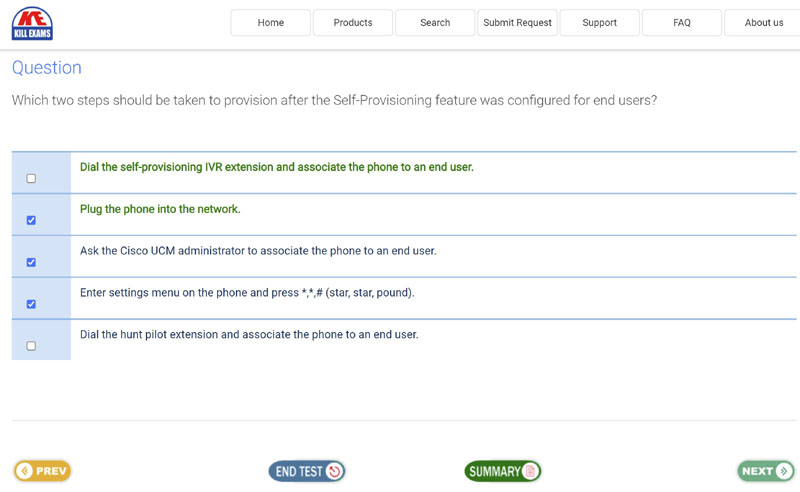
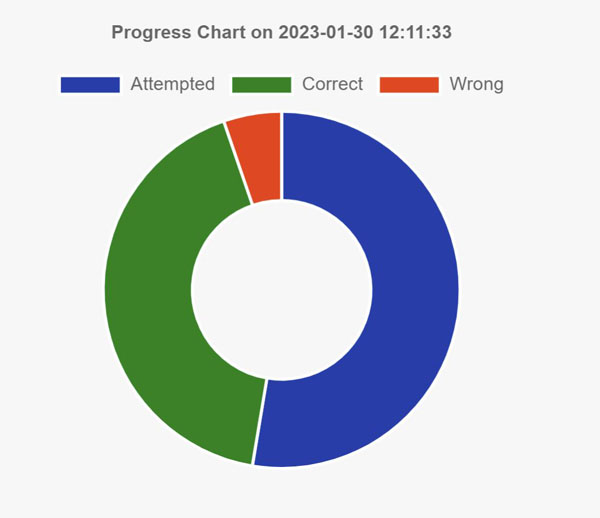
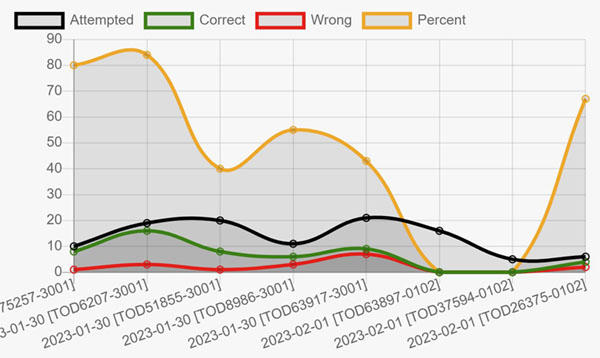
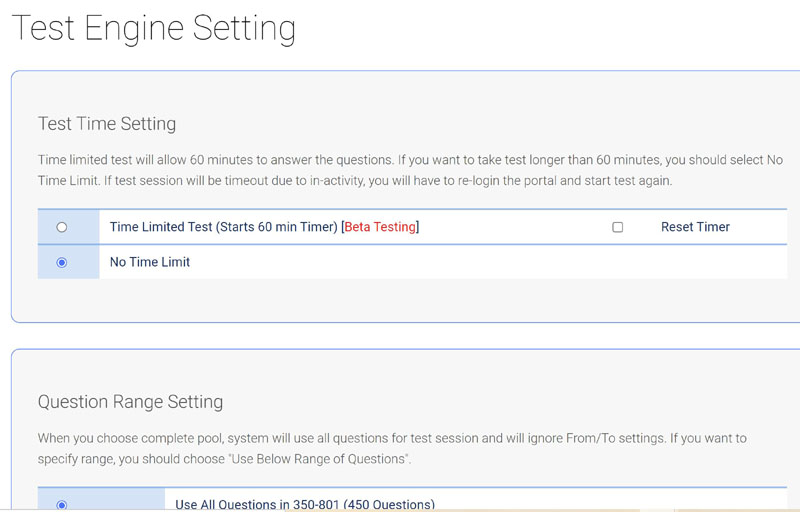
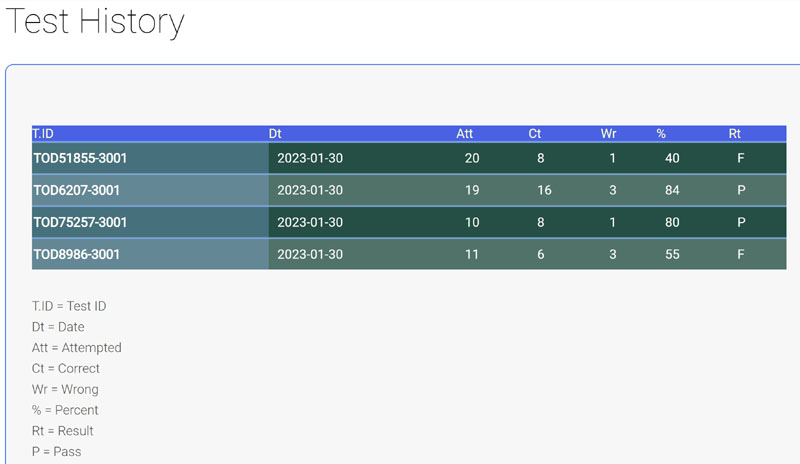
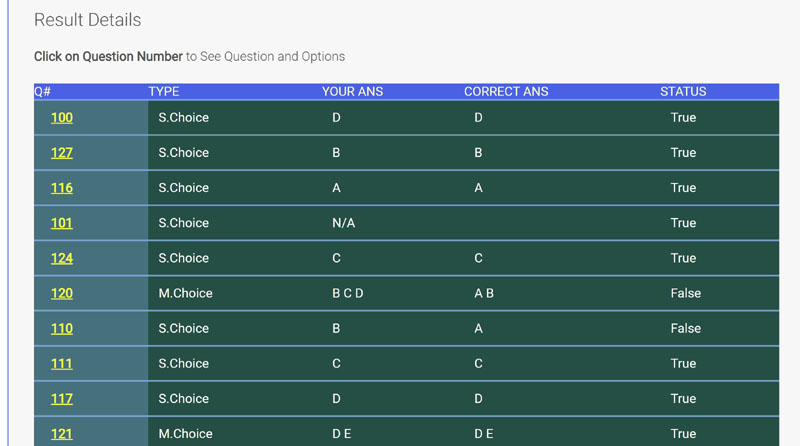
The Online Test Engine maintains practice history, performance summaries, and visual progress reports. Where available, questions may include explanations or reference information to support better understanding of exam topics. Content is reviewed and updated periodically to reflect relevant syllabus changes and maintain consistency with exam objectives.
Desktop Test Engine
| Exam Questions | 1199 (Complete Set) |
| Software Version | 2026 |
| Access | Unlimited |
| Latest Update | November 20, 2026 |
| Access Activation | Instant (5 to 10 min.) |
| Supported OS | Windows (All Versions) |
| Delivery Method | Username / Password |
| Test Engine Trial Software | Killexams Test Engine 2026 |
The Killexams Desktop Test Engine (version 2026) is a dedicated test preparation software designed to support candidates preparing for the ABFM exam. The simulator provides a structured desktop based practice environment that allows users to work through exam style questions and review their performance in detail.
By practicing with the Board Certified in Family Medicine Exam Simulator, candidates can become familiar with question formats, exam navigation, and time based testing conditions similar to those used in official exams. This experience helps users build confidence across testing environment, time management, exam topics and identify areas that may require additional study.


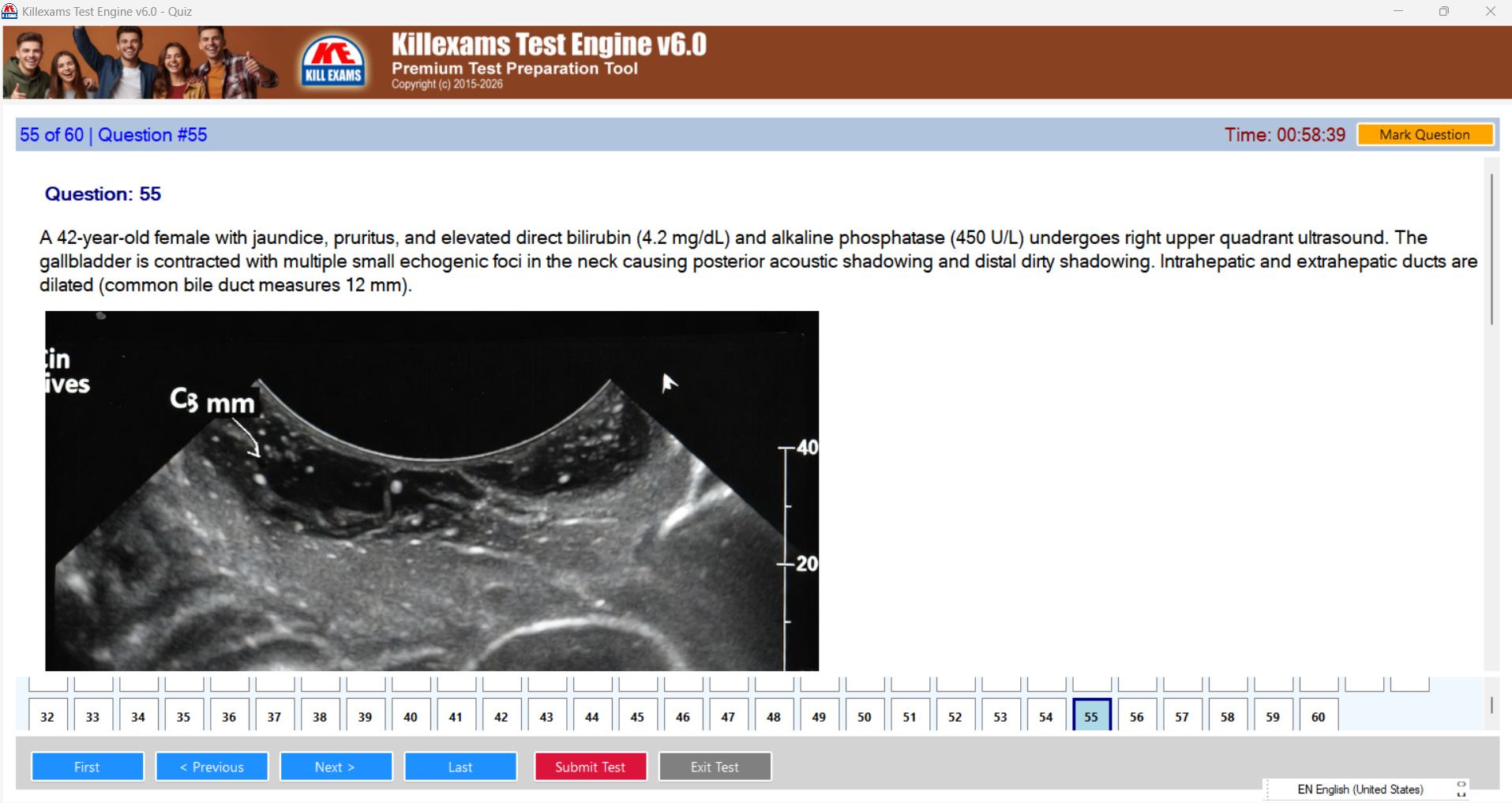
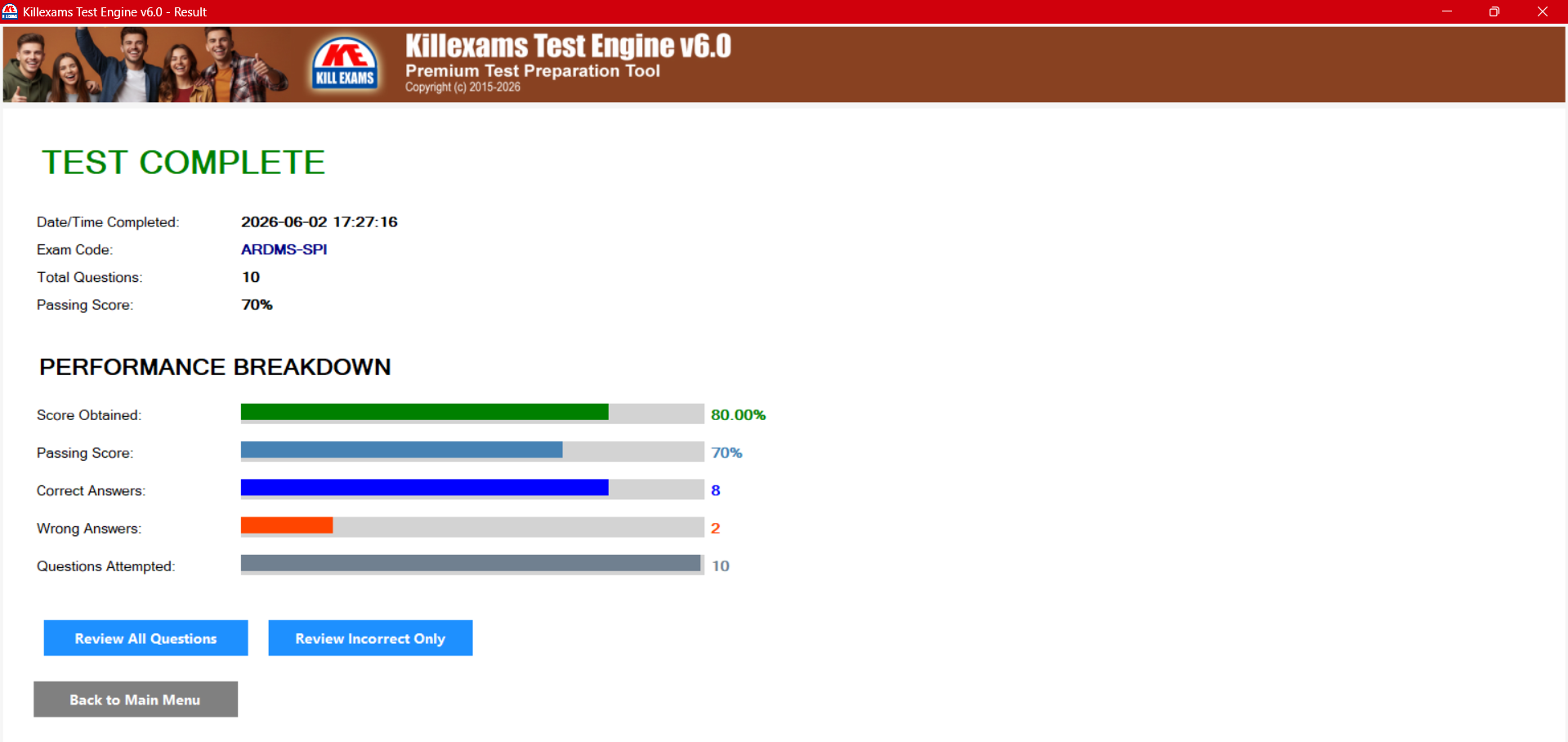

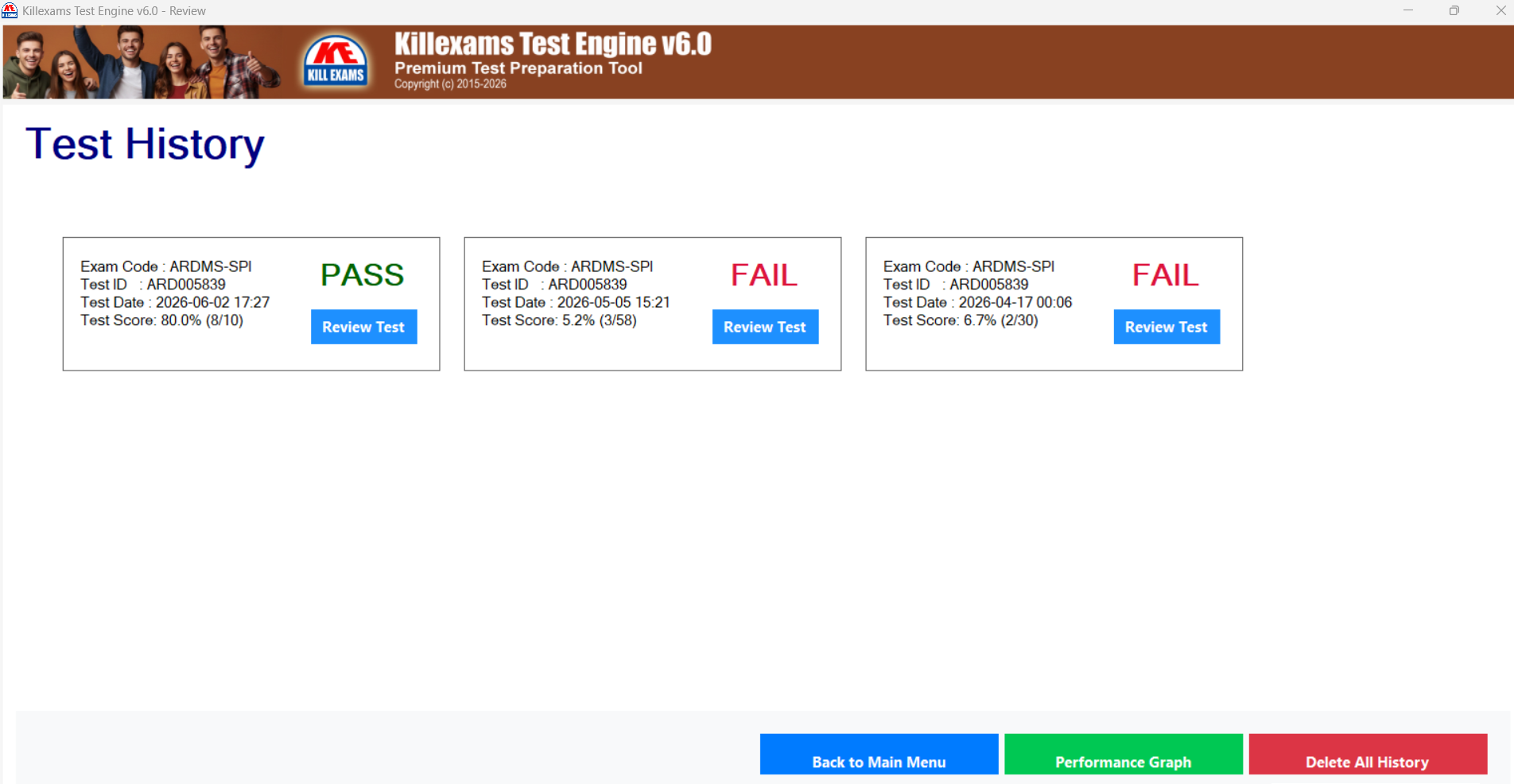
The Desktop Exam Simulator records practice history, performance summaries, and graphical progress reports. Where available, questions may include explanations or reference information to support understanding of correct and incorrect answers. The simulator content is reviewed and updated periodically to remain aligned with current exam objectives and syllabus requirements.
|
3 Months Update
|
6 Months Update
|
12 Months Update
|
|
|---|---|---|---|
What is 3 Months Update?
During 3 months, all future updates in PDF and Test Engine will be provided in your MyAccount with download links. An Intimation email on each update will be sent to you to re-download the updated exam files.
|
What is 6 Months Update?
During 6 months, all future updates in PDF and Test Engine will be provided in your MyAccount with download links. An Intimation email on each update will be sent to you to re-download the updated exam files.
|
What is 12 Months Update?
During 12 months, all future updates in PDF and Test Engine will be provided in your MyAccount with download links. An Intimation email on each update will be sent to you to re-download the updated exam files.
|
|
| Files | PDF / Test Engines | PDF / Test Engines | PDF / Test Engines |
| Premium Access | ✔ | ✔ | ✔ |
| Online Test Engine | ✔ | ✔ | ✔ |
| Instant Download Access | ✔ | ✔ | ✔ |
| Comprehensive Q&A | ✔ | ✔ | ✔ |
| Latest Topics | ✔ | ✔ | ✔ |
| Updated Regularly | ✔ | ✔ | ✔ |
| Portable Files | ✔ | ✔ | ✔ |
| Unlimited Download | ✔ | ✔ | ✔ |
| 100% Secured | ✔ | ✔ | ✔ |
| Confidentiality | 100% | 100% | 100% |
| Syllabus Coverage | Latest | Latest | Latest |
| Any Hidden Cost | No | No | No |
| Auto Renewal | No | No | No |
| Updates Intimation | by Email | by Email | by Email |
| Technical Support | Free | Free | Free |
| PDF Compatibility | Windows, Mac, Android, iOS, Linux | Windows, Mac, Android, iOS, Linux | Windows, Mac, Android, iOS, Linux |
| Desktop Test Engine Compatibility | Windows All Versions | Windows All Versions | Windows All Versions |
| Online Test Engine Compatibility | Mac / Windows / Android / iOS / Linux | Mac / Windows / Android / iOS / Linux | Mac / Windows / Android / iOS / Linux |
ABFM Exam Format | Course Contents | Course Outline | Exam Syllabus | Exam Objectives
01. Basic science aspects of vascular neurology 4-6%
02. Risk factors and epidemiology 8-12%
03. Clinical features of cerebrovascular diseases 8-12%
04. Evaluation of the patient with cerebrovascular disease 13-17%
05. Causes of stroke 18-22%
06. Complications of stroke 4-6%
07. Treatment of patients with stroke 28-32%
08. Recovery- regenerative approaches- and rehabilitation 4-6%
TOTAL 100%
Content Areas
01. Basic science aspects of vascular neurology
A. Vascular neuroanatomy
1. Extracranial arterial anatomy
2. Intracranial arterial anatomy
3. Collaterals
4. Alterations of vascular anatomy
5. Venous anatomy
6. Spinal cord vascular anatomy
7. Specific vascular-brain anatomic correlations
8. End vessel syndromes
B. Stroke pathophysiology
1. Cerebral blood flow
a. Vascular smooth muscle control
b. Vasodilation and vasoconstriction
c. Autoregulation
d. Vasospasm
e. Rheology
f. Blood flow in stroke
2. Blood-brain barrier in stroke
3. Coagulation cascade
a. Clotting factors
b. Platelet function
c. Endothelium function
d. Biochemical factors
4. Metabolic and cellular consequences of ischemia
a. Ischemic cascade
b. Reperfusion changes
c. Electrophysiology
d. Gene regulation
5. Inflammation and stroke
6. Brain edema and increased ICP
a. Secondary effects
7. Restoration and recovery following stroke
8. Secondary consequences from intracranial bleeding
C. Neuropathology of stroke
1. Vascular neuropathology
2. Atherosclerosis and atherosclerotic plaque
3. Brain and meningeal biopsy
a. Indications
4. Pathological/imaging/clinical correlations
02. Prevention- risk factors- and epidemiology
A. Populations at risk for stroke
1. Non-modifiable risk factors
2. Age- gender- ethnicity- geography- family history
B. Modifiable risk factors for stroke
1. Hypertension
2. Diabetes mellitus
3. Cholesterol
4. Homocysteine
5. Obesity
6. Alcohol abuse
7. Tobacco use
8. Drug abuse
9. Exercise and other lifestyle factors
C. Infections predisposing to stroke
D. Genetic factors predicting stroke
E. Stroke as a complication of other medical illness
F. Special populations at risk for stroke
1. Children and adolescents
2. Young adults
3. Pregnancy
G. Stroke education programs and regional health services
1. Screening
2. Medical economics
3. Primary versus high risk prevention
4. National stroke programs
H. Concepts of clinical research
1. Use and interpretation of statistics
2. Clinical trial design and methodology
3. Understanding the medical literature
4. Rules of evidence and guidelines
5. Rating instruments and stroke scales
I. Outcomes
1. Prognosis
2. Mortality and morbidity of stroke subtypes
03. Clinical features of cerebrovascular diseases
A. Neuro-otology
1. Head and neck pathology
2. Vertigo and hearing loss in stroke
B. Neuro-ophthalmology
1. Retinal changes of vascular disease- including arterial hypertension
and retinal embolism
2. Other ocular manifestations of vascular disease
a. Ischemic oculopathy
b. Horner syndrome
c. Cavernous sinus syndrome
3. Disorders of ocular motility
4. Visual field defects
C. Transient ischemic attack (TIA)
1. General features of TIA
2. Carotid circulation TIA including amaurosis fugax
3. Vertebrobasilar circulation TIA
4. Asymptomatic carotid bruit or stenosis
5. Differential diagnosis of TIA
D. Ischemic stroke syndromes—cerebral hemispheres
1. Cortical stroke syndromes
a. Branch cortical artery syndromes
b. Watershed syndromes
2. Subcortical stroke syndromes
a. Lacunar strokes
b. Striatocapsular infarctions
c. Multiple lacunar infarcts
3. Major hemispheric syndromes
a. Internal carotid artery occlusion
b. Middle cerebral- anterior cerebral- or posterior cerebral artery
4. Behavioral and cognitive impairments following stroke
5. Bi-hemispheric stroke- including hypotensive events
6. Multifocal or diffuse disease
E. Ischemic stroke syndromes—brainstem and cerebellum
1. Basilar artery occlusion
a. Locked-in syndrome
b. Major brainstem strokes
2. Vertebral artery occlusion
3. Branch brainstem stroke syndromes
4. Syndromes from cerebellar arteries (brainstem/cerebellum)
5. Top-of-the-basilar syndromes
6. Thalamic syndromes
F. Ischemic stroke syndromes of the spinal cord
G. Vascular dementia (vascular cognitive impairment) and vascular cognitive
syndromes
1. Multi-infarction (multiple subcortical infarctions)
2. White matter disease (leukoaraiosis- Binswanger subcortical
leukoencephalopathy)
H. Features differentiating hemorrhagic or ischemic stroke
I. Intracerebral hemorrhage
1. Hypertension
2. Cerebral amyloid angiopathy
3. Coagulopathy/bleeding diatheses
4. Locations
a. Putamen
b. Thalamus
c. Lobar and white matter
d. Brainstem
e. Cerebellum
J. Subarachnoid hemorrhage
1. Saccular aneurysms
2. Other aneurysms
3. Unruptured aneurysm
4. Trauma
K. Vascular malformations
1. Hemorrhage
2. Other presentations
L. Primary intraventricular hemorrhage
M. Subdural or epidural hematoma
N. Venous thrombosis
1. Cavernous sinus
2. Superior sagittal sinus
3. Other sinus
4. Cortical thrombophlebitis
5. Deep cerebral veins
O. Carotid cavernous or dural fistulas
P. Pituitary apoplexy
Q. Hypertensive encephalopathy and eclampsia
R. Clinical presentations of primary and multisystem vasculitides
S. Hypoxia-ischemia
1. Cardiac arrest
2. Carbon monoxide poisoning
3. Cortical laminar necrosis
4. Other
T. Brain death
U. MELAS and metabolic disorders causing neurologic symptoms
V. Nonstroke presentations of vascular disease
W. Cardiovascular diseases
1. Heart disease- including coronary artery disease
2. Cardiac complications of stroke
3. Peripheral arterial disease
4. Aortic disease
5. Venous disease
X. Vascular presentations of other diseases of the central nervous system
Y. Infectious diseases and stroke
Z. Migraine
04. Evaluation of the patient with cerebrovascular disease
A. Evaluation of the brain and spinal cord
1. Computed tomography of brain
a. Acute changes of ischemic stroke
b. Acute changes of hemorrhagic stroke
c. Chronic changes of stroke
d. Complications of stroke
e. Vascular imaging by CT
f. Differential diagnosis by CT
g. CT perfusion
h. MR perfusion
2. Computed tomography of spine and spinal cord
3. Magnetic resonance imaging of brain
a. MRI sequences—T1- T2- FLAIR- DWI- PWI- gradient echo
b. MR spectroscopy
c. Acute changes of ischemic stroke
d. Acute changes of hemorrhagic stroke
i. Changes affected by time
e. Functional MRI
f. Vascular imaging by CT
g. Vascular imaging by MRI
4. PET and SPECT
5. EEG and evoked potentials—stroke
a. Changes in stroke
b. Complications of stroke
c. Monitoring
6. Examination of the CSF
7. ICP monitoring
B. Evaluation of the vasculature—occlusive or non-occlusive
1. Arteriography and venography
a. Cerebral
b. Spinal cord
2. Extracranial ultrasonography
a. Duplex and other imaging
b. Collateral flow challenges
c. Monitoring
3. Intracranial ultrasonography
a. Collateral flow changes
b. Contrast enhancement
c. Monitoring
4. CT angiography and CT venography
5. MR angiography and MR venography
C. Evaluation of the heart and great vessels
1. Electrocardiography
a. Monitoring
b. Holter and event monitors
2. TTE and TEE
a. Contrast-enhanced studies
3. Other chest imaging studies
a. Chest x-ray
b. Chest CT
c. Chest MRI
4. Other studies
a. Blood pressure monitoring
b. Blood cultures
c. Testing for ischemic heart disease
d. Peripheral artery disease
D. Other diagnostic studies
1. Hematologic studies
a. Blood count
b. Platelet count
c. Special coagulation studies
d. Antiplatelet (aspirin- clopidogrel) resistance studies
2. Immunological studies
a. Inflammatory markers
b. Other autoimmune studies (multisystem)
c. Serologic studies
3. Biochemical studies
a. Glucose
b. Cholesterol
c. Blood gases
d. Hepatic and renal tests
4. Urine tests
5. Biopsies
6. Evaluation for the complications of stroke
7. Evaluation for the consequences of stroke
a. Swallowing
b. Orthopedic
c. Other
8. Genetic testing
05. Causes of stroke
A. Atherosclerosis—ischemic stroke
1. Evaluation of patients prior to non-cerebrovascular operations
2. Asymptomatic bruit or stenosis
3. Aortic atherosclerosis
B. Non-atherosclerotic vasculopathies—ischemic stroke
1. Non-inflammatory
a. Dissection
b. Moyamoya disease
c. Fibromuscular dysplasia
d. Trauma
e. Radiation-induced vasculopathy
f. Saccular aneurysm
g. Other
2. Infectious
a. Syphilis
b. Herpes zoster
c. AIDS
d. Cysticercosis
e. Bacterial meningitis
f. Aspergillosis
g. Mucormycosis
h. Cat-scratch disease
i. Behçet syndrome
j. Other
3. Inflammatory- non-infectious (angiitis)
a. Isolated CNS vasculitis
b. Multisystem vasculitis
c. Cogan syndrome
d. Eales disease
e. Polyarteritis nodosa
f. Wegener granulomatosis with polyangiitis
g. Eosinophilic granulomatosis with polyangiitis (Churg-Strauss
syndrome)
h. Takayasu disease
i. Systemic lupus erythematosus
j. Scleroderma
k. Rheumatoid arthritis
l. Mixed connective tissue disease
m. Ulcerative colitis and regional enteritis
n. Sarcoidosis
o. Other
C. Migraine
D. Other causes of ischemic stroke
1. Kawasaki disease
2. Lyme disease
3. Susac syndrome
E. Genetic and metabolic causes of stroke
1. CADASIL
2. MELAS
3. Fabry-Anderson disease
4. Homocystinuria
5. Kearns-Sayre syndrome
6. Myoclonus epilepsy with ragged red fibers
7. Ehlers-Danlos syndrome- type IV
8. Marfan syndrome
9. CARASIL
10. Other monogenetic small vessel brain diseases
11. Other
F. Drugs that cause stroke- including drugs of abuse
G. Cerebral amyloid angiopathy—infarction or hemorrhage
H. Cardioembolic causes of stroke
1. Atrial fibrillation
2. Cardiovascular procedures and operations
3. Acute myocardial infarction
4. Dilated cardiomyopathy
5. Rheumatic mitral or aortic stenosis
6. Infective endocarditis
7. Libman-Sacks endocarditis
8. Non-bacterial thrombotic endocarditis
9. Mechanical or bioprosthetic valves
10. Atrial myxoma
11. Sick sinus syndrome
12. Mitral valve prolapse
13. Patent foramen ovale- including atrial septal aneurysm
14. Congenital heart diseases- including cyanotic heart disease
15. Other
I. Prothrombotic causes of stroke
1. Inherited
a. Sickle cell disease
b. Factor V Leiden—activated protein C resistance
c. Prothrombin gene mutation
d. Protein S- C- antithrombin
e. Thalassemia
f. Iron deficiency anemia
g. Others
2. Acquired
a. Pregnancy
b. Cancer
c. Dehydration
d. Thrombocytosis
e. Thrombotic thrombocytopenic purpura
f. Heparin-induced thrombocytopenia and thrombosis (HITT)
g. Leukemia
h. Disseminated intravascular coagulation
i. Nephrotic syndrome
j. Hemolytic uremic syndrome
k. Sepsis and inflammation
l. Other
3. Autoimmune causes of thrombosis
a. Lupus and lupus anticoagulant- Sneddon syndrome and
antiphospholipid antibodies
b. Others
4. Iatrogenic/drugs/toxins
a. Antineoplastic
b. Prothrombotic agents
c. Others
J. Bleeding diatheses
1. Inherited
a. Hemophilia
b. Sickle cell disease
c. Thalassemia
d. von Willebrands disease
e. Others
2. Acquired
a. Leukemia
b. Thrombocytopenia
c. Disseminated intravascular coagulation
d. Others
3. Systemic diseases
4. Iatrogenic/drugs/toxins
a. Anticoagulants
b. Antiplatelet aggregating agents
c. Thrombolytic agents
d. Drugs of abuse
e. Others
K. Aneurysms
1. Saccular
2. Infected
3. Traumatic
4. Neoplastic
5. Dolichoectatic
6. Dissecting
L. Vascular malformations
1. Arteriovenous
2. Developmental venous anomaly
3. Cavernous
4. Telangiectasia
5. Dural arteriovenous fistula
M. Trauma and intracranial bleeding
N. Moyamoya disease and syndrome
O. Hypertensive hemorrhage
P. Other causes of hemorrhage
1. Vasculitis
2. Tumors
a. Primary
b. Metastatic
3. Iatrogenic
Q. Genetic diseases causing hemorrhagic stroke
06. Complications of stroke
A. Early neurologic complications
1. Brain edema- increased ICP- and herniation
2. Hydrocephalus
3. Seizures
4. Hemorrhagic transformation
5. Recurrent infarction
6. Recurrent hemorrhage
7. Other
B. Early medical complications
1. Cardiac
2. Gastrointestinal
3. Pulmonary
4. Electrolyte
5. Other
C. Chronic neurologic sequelae
D. Chronic medical sequelae
07. Treatment of patients with stroke
A. Outpatient management
1. Patient educational materials
B. Medical therapies to prevent stroke
1. Antiplatelet agents
a. Aspirin
b. Clopidogrel
c. Ticlodipine
d. Dipyridamole
e. Cilostazol
f. Prasugrel
g. Ticagrelor
h. Others
2. Anticoagulant agents
a. Warfarin
b. Heparin
c. LMW heparins
d. Direct thrombin inhibitors
e. Factor X inhibitors
3. Thrombolytic agents
4. Neuroprotective agents and other acute treatments
5. Cardioactive agents
6. Medications to prevent stroke by treating risk factors
a. Hyperlipidemia
b. Diabetes mellitus
c. Hypertension
d. Smoking
e. Hyperhomocysteinemia
f. Antiinflammatory
g. Alcohol dependence and detoxification
7. Medications to treat autoimmune diseases and vasculitis
8. Medications to treat complications of stroke
a. Anticonvulsants
b. Antidepressants
c. Brain edema and increased ICP
i. Hypertonic saline
ii. Mannitol
9. Medications to improve or restore neurologic function or to
augment rehabilitation
10. Medications to prevent rebleeding or vasospasm following a
hemorrhage
a. Aminocaproic acid
b. Tranexamic acid
c. Nimodipine
11. Antimigraine medications
12. Vitamins
13. Interactions between medications
C. Hyperacute treatment of ischemic stroke
1. Emergency department
a. Intravenous thrombolytics
b. Intra-arterial thrombolytics
c. Mechanical thrombectomy
d. Anticoagulants and antiplatelet agents
e. Antihypertensives
f. Anticonvulsants
g. Other
2. Hospitalization – general management
a. Prevention of recurrent stroke
b. Prevention of deep vein thrombosis and pulmonary
embolism
c. Blood pressure management
d. Treatment of complications
e. Treatment of comorbid diseases
f. Treatment of risk factors for stroke
g. Other
3. Intensive care unit
a. Osmotic agents
b. Steroids
c. Sedation
d. Blood products
e. Anti-vasospasm therapy
f. Management of ventriculostomy
g. Temperature control
h. Antiarrhythmics
i. Ventilator management
j. Pressors
k. Antibiotics
l. Other
4. Neurosurgical management
a. Hemorrhage
i. Evacuation
ii. Ventriculostomy
b. Ruptured aneurysms
i. Management of vasospasm
c. Vascular malformations
d. Surgical treatment of brain edema – decompressive
craniectomy
e. Other
D. Chronic care
1. Antidepressants
2. Sedatives
3. Stimulants
E. Treatment of venous thrombosis
F. Treatment of spinal cord vascular disease
G. Treatment of pituitary apoplexy
H. Professionalism- ethics- systems-based practice
1. Palliative care
2. End-of-life decisions
3. Advanced directives- informed consent- regulations
4. Other
08. Recovery- regenerative approaches- and rehabilitation
A. Functional assessment
B. Regeneration and plasticity
C. Predicting outcomes
D. Pharmacologic effects on recovery
E. Rehabilitation principles
F. Emerging approaches
Reviews (10)4.40 Overall
★★★★★
50%
★★★★
40%
★★★
10%
★★
0%
★
0%
|
Submit ReviewYou must be logged in to submit a review. Sign In to Submit Review |
Customer Reviews
ABFM Exam FAQs
How many questions are on the ABFM exam?
The ABFM exam has 200 questions Percent.
What question types are on the ABFM exam?
Format of the ABFM exam: computer based multiple choice.
What topics does the ABFM exam cover, and how are they weighted?
The ABFM exam covers 7 sections: Cardiovascular; Respiratory; Musculoskeletal; Endocrine; Psychogenic; Women, Children and Older Adults; Preventive Care.
How should I prepare for ABFM?
Start with the official ABFM exam outline and study materials from American Board of Family Medicine, then build exam readiness with timed practice. A killexams.com premium account gives you the full pool of 1,199 ABFM practice questions and answers in PDF and Test Engine formats, so you can practice every objective and review the answers before exam day.
How long does it take to prepare for ABFM?
At a steady pace of 100 practice questions a day, working through all 1,199 ABFM questions takes about 12 days. Add extra days to repeat the questions you got wrong.
Is ABFM hard? Who is it for?
Board Certification in Family Medicine from the American Board of Family Medicine is the credential for family physicians in the United States.
How many practice questions do you have for ABFM?
The killexams.com ABFM practice test contains 1,199 questions and answers.
Is there a free ABFM sample?
Yes. A free ABFM sample PDF is available on this page, so you can review the question style before you buy.
What formats are included in the ABFM practice test?
The ABFM practice test is available as a PDF, an Online Test Engine and a Desktop Test Engine.
Do the ABFM practice questions cover the current exam objectives?
Yes. The ABFM practice questions cover the complete syllabus and current exam objectives.
How do I get the files after purchase, and how long is access valid?
Your MyAccount login details are delivered by email. You can download the files from the member area until your account expires, after 3, 6 or 12 months depending on the plan you bought.
Can I use the ABFM Test Engine on Mac or mobile?
Yes, with the Online Test Engine, which runs on Mac, iOS, Android, Linux and other platforms. The Desktop Test Engine is for Windows only.
What if I fail the ABFM exam after using your material?
You can choose one of three options: 1) a refund, 2) a free 3-month account extension, or 3) a new exam of your choice.
How many practice questions are available for ABFM?
The ABFM practice test contains 1,199 practice questions and answers covering the current exam objectives.
What formats are available for ABFM preparation?
The ABFM practice test is available as PDF, Online Test Engine, Desktop Test Engine. All formats can be downloaded instantly after purchase.
Is there a free ABFM sample?
Yes. You can preview and download a free ABFM sample PDF on this page before you buy.