


CCRN-Pediatric Exam Questions PDF
| Questions and Answers | 1438 (Complete SEt) |
| File Format | |
| Latest Update | November 19, 2026 |
| Files Delivery | Instant (5 to 10 min.) |
| Compatibility | All Desktop and Mobile Devices |
| Delivery Method | Download Account |
The CCRN Pediatric certification recognizes nurses who care for critically ill infants, children and adolescents in PICUs, pediatric cardiac units and similar areas. The exam measures how you apply clinical judgment to children whose physiology changes quickly with age and weight, so expect questions on pediatric airway management, respiratory failure, congenital heart disease, shock, DKA, traumatic brain injury, status epilepticus and nonaccidental trauma. Weight based dosing, developmental considerations and family centered care run through many scenarios. Clinical judgment accounts for about 80 percent of the test and professional caring and ethical practice, grounded in the AACN Synergy Model, makes up the remaining 20 percent.
To qualify, candidates need a current, unencumbered US RN or APRN license and the required clinical hours caring for acutely or critically ill pediatric patients, either 1,750 hours in two years or 2,000 hours over five years with recent practice. The certification lasts three years. Pediatric CCRN covers the full age range from infants to adolescents, so the exam often tests how developmental stage changes assessment, communication and treatment. Common terms include PALS algorithms, pediatric early warning scores, respiratory distress versus failure, compensated versus decompensated shock and family presence during procedures.
Preparing for the CCRN-Pediatric exam requires not only understanding the exam topics but also practicing with exam style questions. Our Critical Care Register Nurse - Pediatric exam questions in practice tests help candidates review key concepts and familiarize themselves with the format and difficulty of exam.
At Killexams.com, our team works to maintain up-to-date practice content for exam preparation. We continuously review and refine our question sets and explanations to cover the latest relevant syllabus areas and help learners strengthen their understanding of core topics before facing the official exam. These Practice tests allow you to identify areas where you need improvement by measuring your readiness, and provide you exam questions to polish those areas.
CCRN-Pediatric Exam Questions Preview
The CCRN Pediatric exam has 150 multiple choice questions, 125 scored and 25 unscored, with a three hour time limit. AACN sets a criterion referenced passing point, which is currently around 83 correct answers out of the 125 scored items. Because children are not small adults, revise normal vital sign ranges by age, maintenance fluid calculations and weight based drug doses until you can work them out quickly. Pay close attention to the age in each question, since a toddler and a teenager with the same diagnosis may need different priorities. Respiratory conditions are common in pediatric critical care, so be sure about ventilator settings, oxygenation indices and signs of impending failure. Questions on family presence, consent and child protection often appear, and the best answer usually keeps the family involved while protecting the child.
Plan around ten weeks of study, starting with respiratory and cardiovascular content, then multisystem topics such as sepsis, trauma and toxic ingestion. Create a quick reference for age based vital signs, fluid formulas such as the 4, 2, 1 rule, and common emergency drug doses. Practice reading pediatric blood gases and recognizing early signs of shock, since children compensate well until they suddenly do not. Include questions on child abuse recognition and mandatory reporting. Take at least two full timed practice tests before the exam, and review every explanation, not only the ones you missed.
| Detail | Information |
|---|---|
| Questions | 150 (125 scored, 25 pretest) |
| Duration | 3 hours |
| Passing Standard | About 83 of 125 scored items |
| Delivery | PSI test center or live remote proctoring |
| Eligibility | 1,750 hours of direct pediatric critical care in 2 years |
To help you evaluate our material, you may download free sample pdf with example questions and answers that we provide. This sample allows you to review content and approach before deciding on Premium materials..
The Critical Care Register Nurse - Pediatric practice test files contains 1438 Questions, are compatible with multiple devices, including Windows, macOS, iOS, and Android, and can be used for both online and offline study. The PDF format is printable, making it easy to study during travel or when away from a computer. Access to updated materials is available through your online account.
After purchase, you will receive your username and password immediately, allowing you to log in and download your study files without delay. Our goal is to support exam preparation at your pace with practice content designed for reinforcement and understanding of key concepts.
Pediatric critical care nurses often add killexams.com questions and answers to their study routine because the practice tests feel close to the CCRN Pediatric format. The bank covers airway and ventilation problems, congenital heart lesions, pediatric sepsis, neuro emergencies and the Synergy Model, all updated to match the latest AACN syllabus. Each MCQ includes a short explanation, so you learn the reasoning behind dosing decisions and nursing priorities instead of memorizing letters. Timed sessions in the practice test engine help you build pace, and score reports point out the systems that still need work. With that kind of focused preparation, prepare for CCRN Pediatric with confidence becomes a realistic target.
The killexams.com CCRN Pediatric material is available as a PDF for reading anywhere and as a practice test engine that tracks your progress by system. Updates are added when the AACN test plan changes, so your preparation stays current. Nurses often combine short daily sessions on their phone with longer weekend tests in the engine, a routine that builds both knowledge and stamina and makes thorough preparation much more likely.
Online Test Engine
| Exam Questions | 1438 (Complete SEt) |
| Testing Limit | Unlimited |
| Access Type | Online |
| Latest Update | November 19, 2026 |
| Access Activation | Instant (5 to 10 min.) |
| Supported OS | Mac, Windows, Android, iPhone / iPad, Linux |
| Delivery Method | Username / Password |
Killexams.com provides an Online Test Engine designed to help candidates practice exam questions in a structured and interactive environment. The Test Engine is compatible with iPhone, iPad, Android, Windows, and Mac, allowing you to study and practice on the device that best fits your schedule.
The CCRN-Pediatric Online Test Engine enables candidates to simulate exam-style practice sessions, review answers, and track progress over time. This learning approach helps users practice exam questions, question formats and improve time management while preparing for the Critical Care Register Nurse - Pediatric exam.
The Test Engine includes features that support effective learning, such as customizable practice sessions, question review modes, and progress tracking. These tools are designed to assist candidates in identifying knowledge gaps and reinforcing key concepts through repeated practice rather than memorization alone.
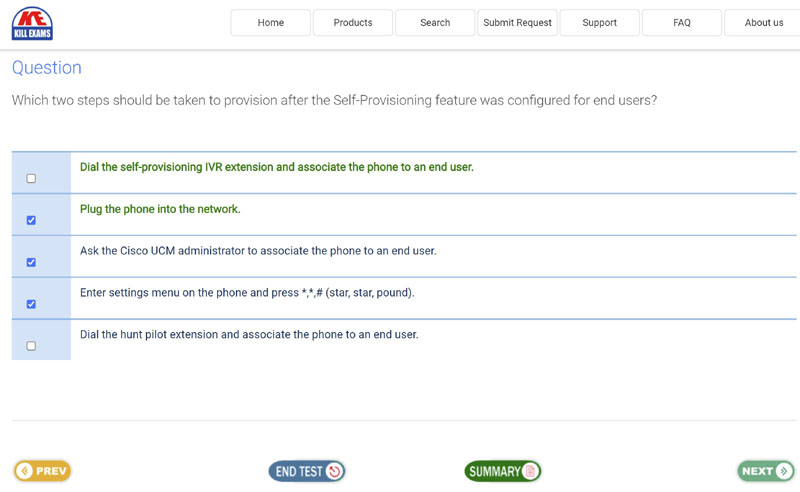
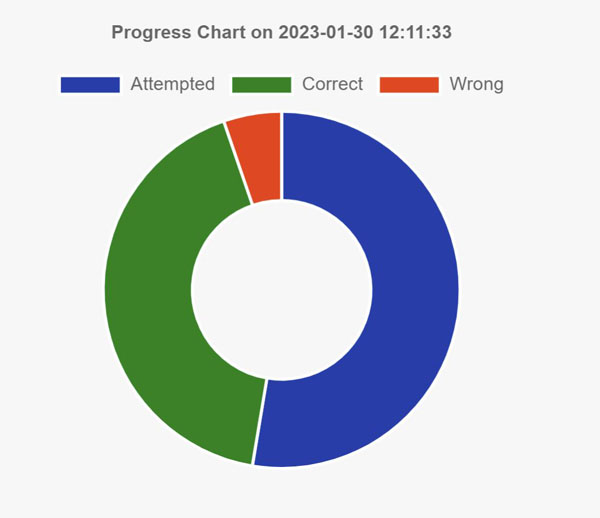
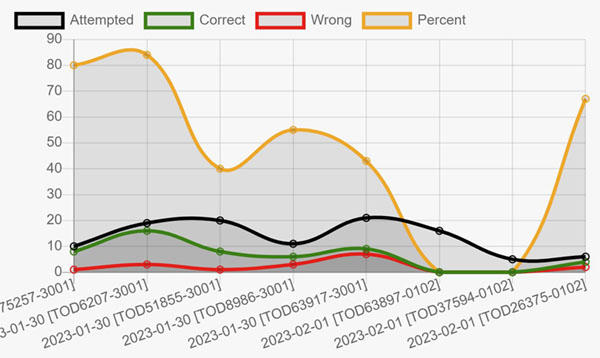
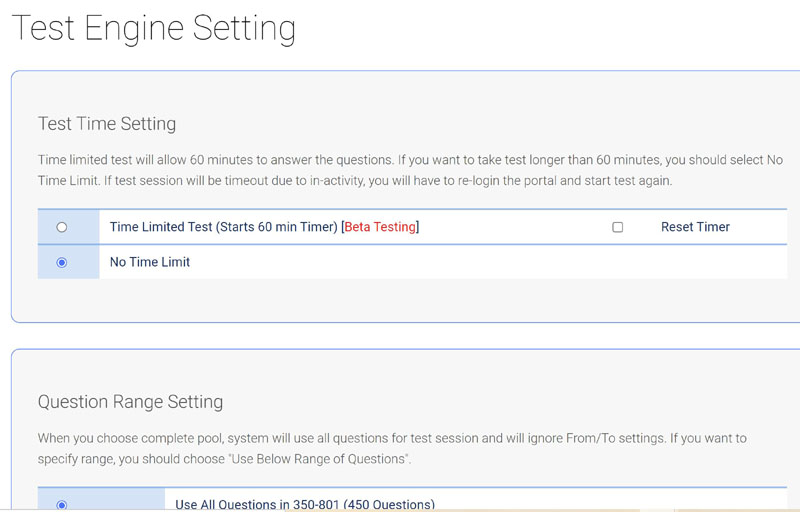
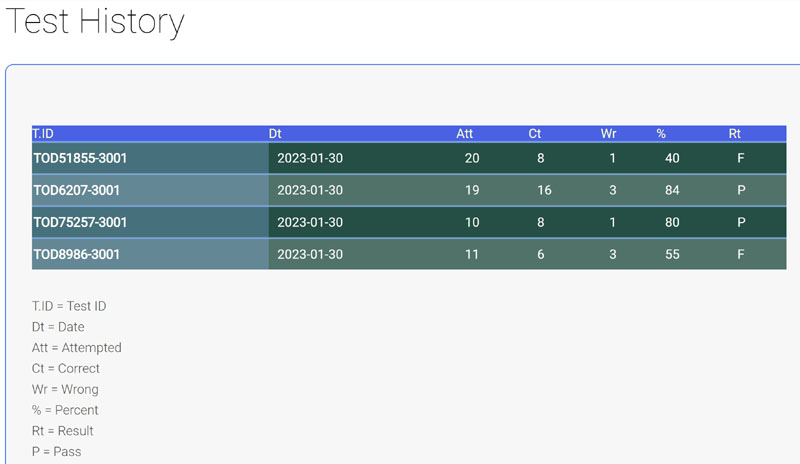
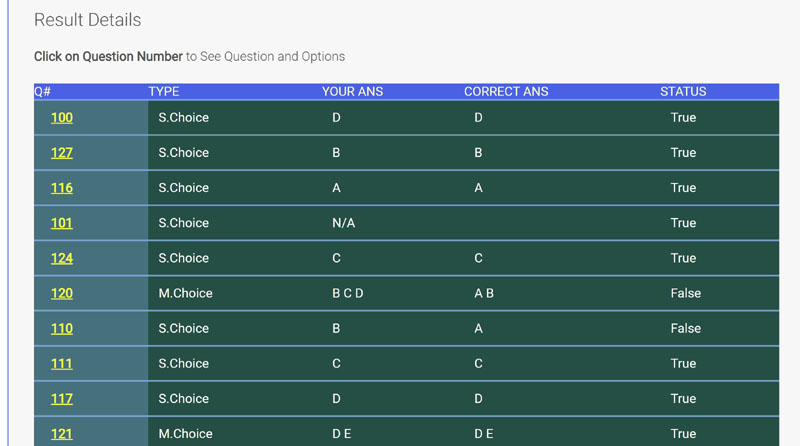
The Online Test Engine maintains practice history, performance summaries, and visual progress reports. Where available, questions may include explanations or reference information to support better understanding of exam topics. Content is reviewed and updated periodically to reflect relevant syllabus changes and maintain consistency with exam objectives.
Desktop Test Engine
| Exam Questions | 1438 (Complete SEt) |
| Software Version | 2026 |
| Access | Unlimited |
| Latest Update | November 19, 2026 |
| Access Activation | Instant (5 to 10 min.) |
| Supported OS | Windows (All Versions) |
| Delivery Method | Username / Password |
| Test Engine Trial Software | Killexams Test Engine 2026 |
The Killexams Desktop Test Engine (version 2026) is a dedicated test preparation software designed to support candidates preparing for the CCRN-Pediatric exam. The simulator provides a structured desktop based practice environment that allows users to work through exam style questions and review their performance in detail.
By practicing with the Critical Care Register Nurse - Pediatric Exam Simulator, candidates can become familiar with question formats, exam navigation, and time based testing conditions similar to those used in official exams. This experience helps users build confidence across testing environment, time management, exam topics and identify areas that may require additional study.


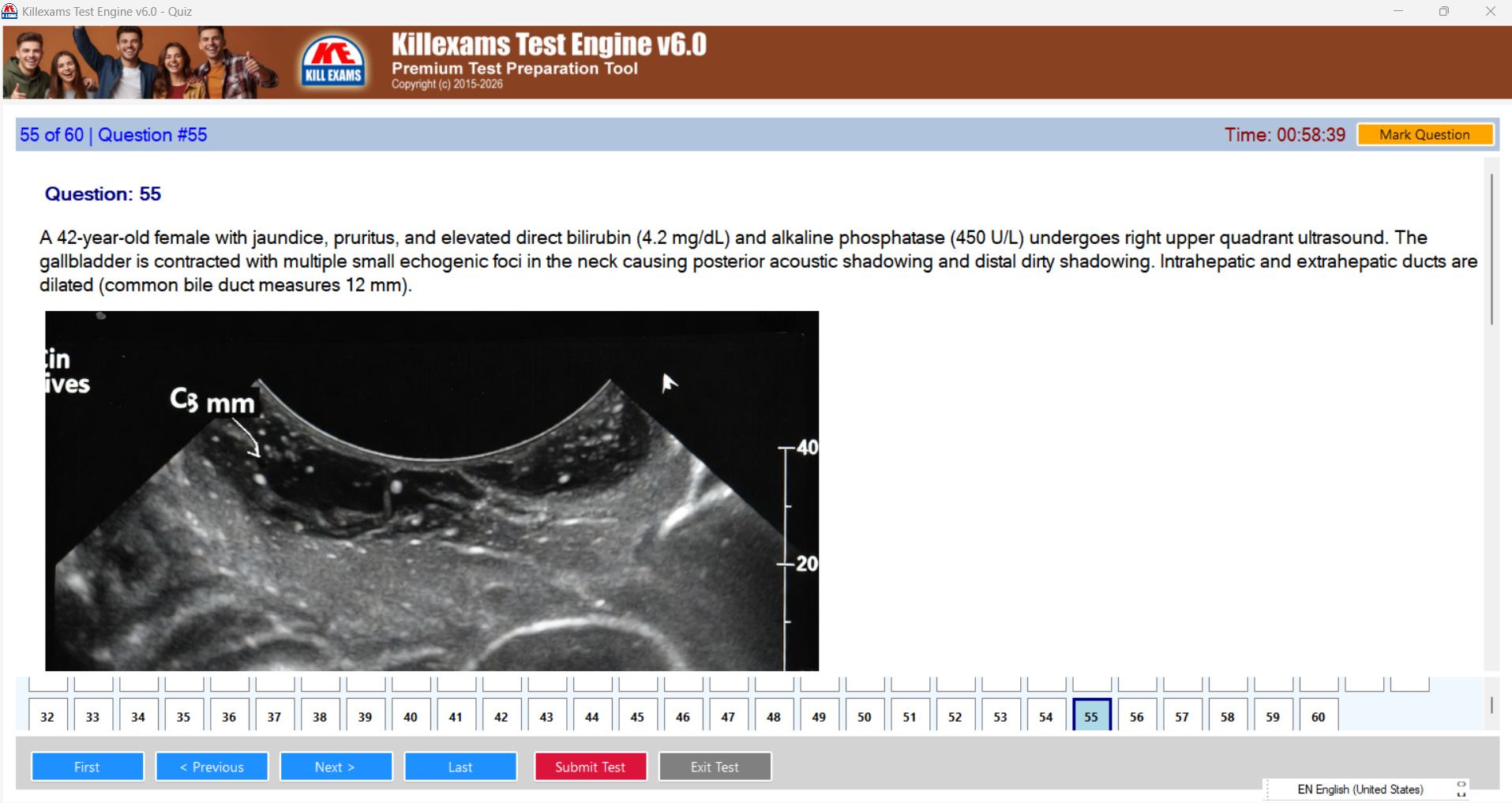
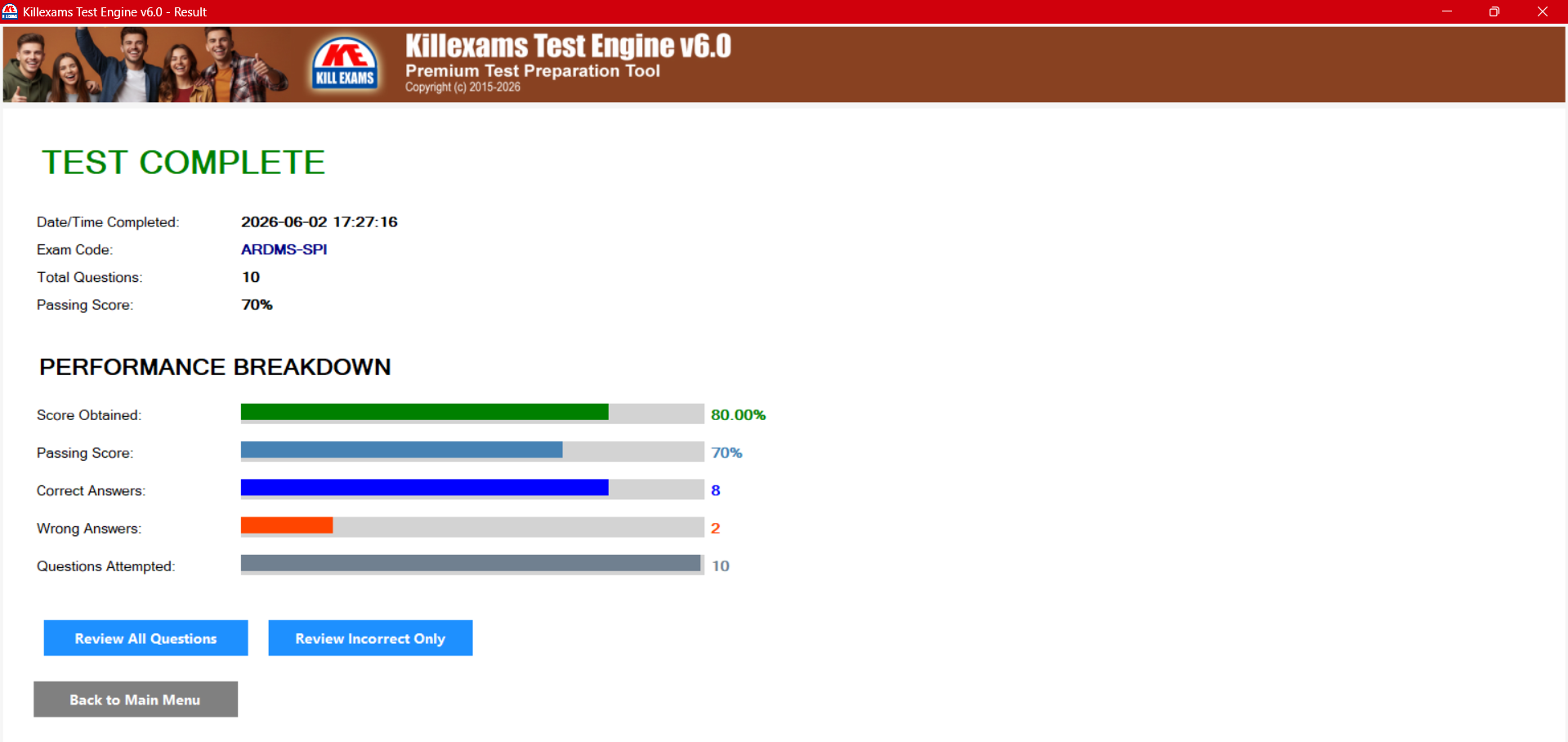

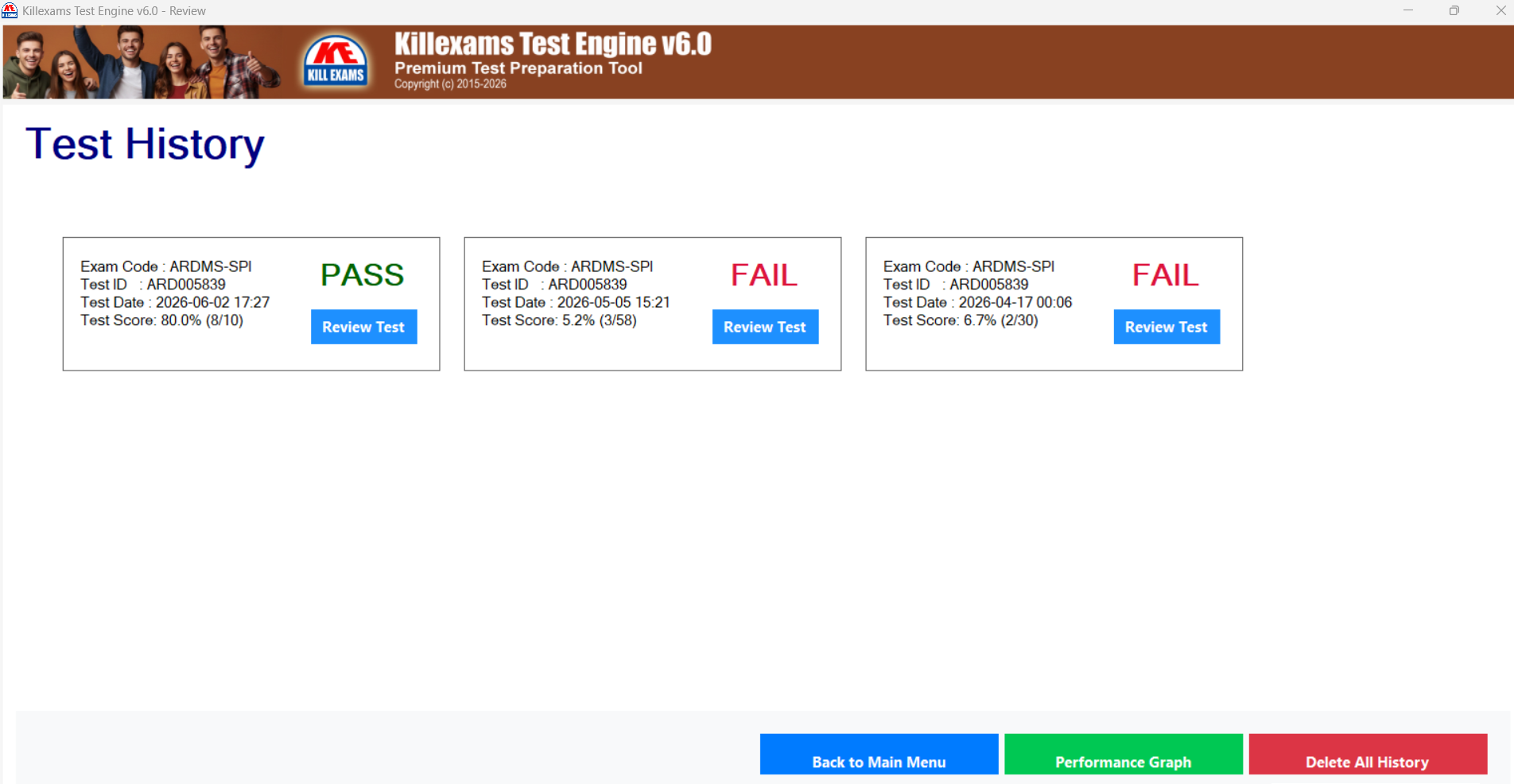
The Desktop Exam Simulator records practice history, performance summaries, and graphical progress reports. Where available, questions may include explanations or reference information to support understanding of correct and incorrect answers. The simulator content is reviewed and updated periodically to remain aligned with current exam objectives and syllabus requirements.
|
3 Months Update
|
6 Months Update
|
12 Months Update
|
|
|---|---|---|---|
What is 3 Months Update?
During 3 months, all future updates in PDF and Test Engine will be provided in your MyAccount with download links. An Intimation email on each update will be sent to you to re-download the updated exam files.
|
What is 6 Months Update?
During 6 months, all future updates in PDF and Test Engine will be provided in your MyAccount with download links. An Intimation email on each update will be sent to you to re-download the updated exam files.
|
What is 12 Months Update?
During 12 months, all future updates in PDF and Test Engine will be provided in your MyAccount with download links. An Intimation email on each update will be sent to you to re-download the updated exam files.
|
|
| Files | PDF / Test Engines | PDF / Test Engines | PDF / Test Engines |
| Premium Access | ✔ | ✔ | ✔ |
| Online Test Engine | ✔ | ✔ | ✔ |
| Instant Download Access | ✔ | ✔ | ✔ |
| Comprehensive Q&A | ✔ | ✔ | ✔ |
| Latest Topics | ✔ | ✔ | ✔ |
| Updated Regularly | ✔ | ✔ | ✔ |
| Portable Files | ✔ | ✔ | ✔ |
| Unlimited Download | ✔ | ✔ | ✔ |
| 100% Secured | ✔ | ✔ | ✔ |
| Confidentiality | 100% | 100% | 100% |
| Syllabus Coverage | Latest | Latest | Latest |
| Any Hidden Cost | No | No | No |
| Auto Renewal | No | No | No |
| Updates Intimation | by Email | by Email | by Email |
| Technical Support | Free | Free | Free |
| PDF Compatibility | Windows, Mac, Android, iOS, Linux | Windows, Mac, Android, iOS, Linux | Windows, Mac, Android, iOS, Linux |
| Desktop Test Engine Compatibility | Windows All Versions | Windows All Versions | Windows All Versions |
| Online Test Engine Compatibility | Mac / Windows / Android / iOS / Linux | Mac / Windows / Android / iOS / Linux | Mac / Windows / Android / iOS / Linux |
CCRN-Pediatric Exam Format | Course Contents | Course Outline | Exam Syllabus | Exam Objectives
Total Questions: 150 multiple-choice questions.
Scored Questions: 125 questions are scored- 25 questions are unscored.
Time Allotted: 3 hours.
Passing Score: A minimum of 83 correct answers out of the 125 scored questions is required to pass.
Cardiovascular
- Cardiac infection and inflammatory diseases
- Cardiac malformations
- Cardiac surgery
- Cardiac transplant
- Cardiac/vascular catheterization
- Cardiogenic shock
- Cardiomyopathies
- Dysrhythmias
- Heart failure
- Hepertensive crisis
- Myocardial conduction system defects (e.g.-prolonged QT interval- Wolff-Parkinson-White)
- Vascular occlusions
Respiratory
- Acute pulmonary embolus
- Acute respiratory distress syndrome (ARDS)
- Acute respiratory failure
- Acute respiratory infection
- Chronic respiratory failure
- Chrnoic pulmonary conditions
- Airway malformations
- Pulmonary hypertension
- Status asthmaticus
- Thoracic and airway trauma (e.g.- fractured rib-lung contusion- tracheal perforation)
- Thoracic surgery
Endocrine- Hematology/Immunology- GI- Renal/GU- Integumentary
- Endocrine
- Diabetes mellitus
- Diabetic ketoacidosis (DKA)
- Hyperglycemia
- Hypoglycemia
- Diabetes insipidus (DI)- syndrome ofinappropriate antidiuretic hormonesecretion (SIADH)- cerebral salt wasting(CSW)
- Hematology and Immunology
- Anemia
- Bone marrow transplant
- Coagulopathies (e.g.- ITP- DIC- HIT)
- Immune deficiencies
- Myelosuppression (e.g.- thrombocytopenia-neutropenia)
- Oncologic complications (e.g.- tumor lysissyndrome- neutropenia)
- Sickle cell crisis
- Transfusion reactions (e.g.- TRALI- TACO)
- Gastrointestinal
- Abdominal compartment syndrome
- Acute abdominal trauma
- Acute GI hemorrhage
- Bowel infarction/obstruction/perforation(e.g.- mesenteric ischemia- adhesions)
- GI abnormalities
- GI surgeries (e.g.- Whipple- esophagectomy-resections)
- Hepatic disease and failure/coma
- Liver transplant
- Malnutrition and malabsorption
- Peritonitis
- Renal and Genitourinary
- Acute kidney injury (AKI)
- Chronic kidney disease (CKD)
- Hemolytic uremic syndrome (HUS)
- Kidney transplant
- Life-threatening electrolyte imbalances
- Integumentary
- IV infiltration/extravasation
- Pressure injury
- Skin failure (e.g.- hypoperfusion)
- Wounds
Musculoskeletal- Neurological- BehavioralPsychosocial
- Musculoskeletal
- Compartment syndrome
- Musculoskeletal trauma
- Rhabdomyolysis
- Neurological
- Acute spinal cord injury
- Brain death
- Congenital neurological abnormalities
- Delirium
- Encephalopathy
- Intracranial hemorrhage
- Stroke
- Hydrocephalus
- Neurologic infectious disease
- Neuromuscular disorders
- Neurosurgery
- Seizure disorders
- Space-occupying lesions
- Spinal fusion
- Traumatic brain injury
- Behavioral and Psychosocial
- Abuse/neglect/maltreatment
- Medical non-adherence
- Mood disorders- depression- anxiety
- Post-intensive care syndrome (PICS)
- Suicidal ideation and/or behaviors
Multisystem
- Acid-base imbalance
- Burns- thermal injury/exposure
- End-of-life
- Palliative care
- Healthcare-acquired conditions (HAC)
- Multi-organ dysfunction syndrome (MODS)
- Tissue and organ donation
- Pain: acute and chronic
- Systemic inflammatory response syndrome(SIRS)
- Sepsis
- Shock states (e.g.- distributive- hypovolemic-obstructive)
- Submersion injuries (near-drowning)
- Toxic ingestion/inhalation/exposure
General
- Identify signs and symptoms of clinical deterioration-initiate nursing interventions- and seek assistance asneeded
- Conduct a comprehensive physical and psychosocialassessment
- Evaluate diagnostic test results and anticipateinterventions
- Interpret laboratory and blood gas results andanticipate interventions
- Provide family-centered care
- Conduct developmentally appropriate painassessment
- Manage tissue and organ donors
- Manage monitor alarms based on protocols andchanges in patient condition
- Prevention and management of healthcare acquiredconditions/events
- Recognize indications for and manage patients with/requiring:
- complementary alternative medicine and/ornon-pharmacologic interventions
- intra-procedural and post-procedural care
- medications (e.g.- safe administration-monitoring- polypharmacy- sedation)
- fluid and electrolyte replacement
- palliative care
- end-of-life care
- pre- and post-operative care
- procedural sedation
- temperature monitoring and regulation devices
- bone fracture prevention and/or treatment
- vascular access
- Cardiovascular
- Identify- interpret and respond to cardiac rhythms
- Monitor hemodynamic status and recognize signsand symptoms of hemodynamic instability
- Recognize indications for and manage patients with/requiring:
- 12-lead ECG
- cardioversion (pharmacologic- nonpharmacologic- electrical)
- defibrillation
- invasive hemodynamic monitoring (e.g.- arterialcatheter- central venous pressure monitoring)
- near infrared spectroscopy (NIRS)
- temporary pacing
- ventricular assist device (VAD)
- Respiratory
- Assess and prevent complications related tomechanical ventilation
- Recognize indications for and manage patients with/requiring:
- artificial airways (e.g.- endotracheal tube-tracheostomy- LMA)
- non-invasive ventilation (e.g.- BiPAP- CPAP- high-flow nasal cannula)
- invasive ventilation (e.g.- conventionalmechanical ventilation)
- non-conventional mechanical ventilation (e.g.-high-frequency- jet)
- chest tubes
- prone positioning
- rapid sequence itubation (RSI)
- therapeutic gases (e.g.- oxygen- nitric oxide-heliox- CO2)
- Hematology and Immunology
- Recognize indications for and manage patients with/requiring:
- plasmapheresis- exchange transfusion- orleukocyte depletion
- transfusion of blood and blood products
- Neurological
- Recognize indications for and manage patients with/requiring:
- neuroprotective protocols
- neurologic monitoring devices and drains (e.g.-ICP- ventricular drain)
- seizure precautions
- spinal precautions
- brain death assessment
- Integumentary
- Prevent and manage surgical site infection
- Manage patients requiring wound prevention and/ortreatment
- Gastrointestinal
- Recognize indications for and manage patients with/requiring:
- intra-abdominal pressure monitoring
- inadequate nutrition and fluid intake
- enteral and parenteral nutrition
- enteral tubes
- gastrointestinal drains
- necrotizing enterocolitis (NEC)
- Renal and Genitourinary
- Recognize indications for and manage patients requiring renal therapeutic intervention (e.g.hemodialysis- CRRT- peritoneal dialysis)
- Multisystem
- Early and late sepsis identification and treatment
- Monitor and implement strategies to preventhospital acquired infections
- Recognize indications for and manage patientsrequiring progressive mobility
- Manage patients requiring extracorporeal membraneoxygenation (ECMO)
- Behavioral and Psychosocial
- Conduct behavioral assessment (e.g.- delirium-withdrawal)
- Manage patients requiring behavioral and mentalhealth interventions
- Respond to behavioral emergencies (e.g.- nonviolentcrisis intervention- de-escalation techniques)
- Recognize indications for and manage patientsrequiring restraints
Reviews (10)4.40 Overall
★★★★★
50%
★★★★
40%
★★★
10%
★★
0%
★
0%
|
Submit ReviewYou must be logged in to submit a review. Sign In to Submit Review |
Customer Reviews
CCRN-Pediatric Exam FAQs
How many questions are on the CCRN-Pediatric exam?
The CCRN-Pediatric exam has 150 (125 scored, 25 pretest) questions.
How long is the CCRN-Pediatric exam?
You have 3 hours to complete the CCRN-Pediatric exam.
What is the passing score for CCRN-Pediatric?
The passing score for CCRN-Pediatric is about 83 of 125 scored items.
Where and how do I take the CCRN-Pediatric exam?
Delivery for the CCRN-Pediatric exam: pSI test center or live remote proctoring. Schedule it through AACN's official certification website.
Are there prerequisites or recommended experience for CCRN-Pediatric?
Eligibility: 1,750 hours of direct pediatric critical care in 2 years.
What topics does the CCRN-Pediatric exam cover, and how are they weighted?
The CCRN-Pediatric exam covers 6 sections: Cardiovascular; Respiratory; Endocrine, Hematology, GI, Renal and Integumentary; Musculoskeletal, Neurological and Psychosocial; Multisystem; Professional Caring and Ethical Practice.
How should I prepare for CCRN-Pediatric?
Start with the official CCRN-Pediatric exam outline and study materials from AACN, then build exam readiness with timed practice. A killexams.com premium account gives you the full pool of 1,438 CCRN-Pediatric practice questions and answers in PDF and Test Engine formats, so you can practice every objective and review the answers before exam day.
How long does it take to prepare for CCRN-Pediatric?
At a steady pace of 100 practice questions a day, working through all 1,438 CCRN-Pediatric questions takes about 15 days. Add extra days to repeat the questions you got wrong.
Is CCRN-Pediatric hard? Who is it for?
The CCRN Pediatric certification recognizes nurses who care for critically ill infants, children and adolescents in PICUs, pediatric cardiac units and similar areas.
How many practice questions do you have for CCRN-Pediatric?
The killexams.com CCRN-Pediatric practice test contains 1,438 questions and answers.
Is there a free CCRN-Pediatric sample?
Yes. A free CCRN-Pediatric sample PDF is available on this page, so you can review the question style before you buy.
What formats are included in the CCRN-Pediatric practice test?
The CCRN-Pediatric practice test is available as a PDF, an Online Test Engine and a Desktop Test Engine.
Do the CCRN-Pediatric practice questions cover the current exam objectives?
Yes. The CCRN-Pediatric practice questions cover the complete syllabus and current exam objectives.
How do I get the files after purchase, and how long is access valid?
Your MyAccount login details are delivered by email. You can download the files from the member area until your account expires, after 3, 6 or 12 months depending on the plan you bought.
Can I use the CCRN-Pediatric Test Engine on Mac or mobile?
Yes, with the Online Test Engine, which runs on Mac, iOS, Android, Linux and other platforms. The Desktop Test Engine is for Windows only.
What if I fail the CCRN-Pediatric exam after using your material?
You can choose one of three options: 1) a refund, 2) a free 3-month account extension, or 3) a new exam of your choice.
What is the pass rate for the CCRN-Pediatric exam?
AACN reports a 68.72% first-time pass rate for the CCRN (Pediatric) exam in 2025, with 1,474 candidates tested.
How many practice questions are available for CCRN-Pediatric?
The CCRN-Pediatric practice test contains 1,438 practice questions and answers covering the current exam objectives.
What formats are available for CCRN-Pediatric preparation?
The CCRN-Pediatric practice test is available as PDF, Online Test Engine, Desktop Test Engine. All formats can be downloaded instantly after purchase.
Is there a free CCRN-Pediatric sample?
Yes. You can preview and download a free CCRN-Pediatric sample PDF on this page before you buy.