


ASPEX-PA Exam Questions PDF
| Questions and Answers | 1140 (Complete Set) |
| File Format | |
| Latest Update | November 27, 2026 |
| Files Delivery | Instant (5 to 10 min.) |
| Compatibility | All Desktop and Mobile Devices |
| Delivery Method | Download Account |
The ASPEX PA exam is the ABA Special Purpose Examination for Pediatric Anesthesiology. It assesses knowledge of anesthesia for infants and children, including developmental physiology, airway management, congenital heart disease, neonatal surgery, pain management, regional techniques and pediatric critical care.
The American Board of Anesthesiology certifies anesthesiologists in the United States, including primary certification and subspecialty certification in areas such as critical care, pain medicine, pediatric and adult cardiac anesthesiology. Subspecialty exams are computer based and assume completion of accredited fellowship training.
Because Anesthesiology Special Purpose Examination for Pediatric Anesthesiology (PA) is used by employers, boards and credentialing bodies as evidence of competence, preparation deserves a structured plan. Most questions are written as short clinical scenarios, so understanding why an answer is correct matters more than memorizing lists.
ASPEX exams are used by the ABA when a diplomate needs to demonstrate current subspecialty knowledge, such as after a lapse in certification. The pediatric version focuses on the differences between children and adults, so expect many questions where the correct answer depends on age, weight or developmental stage.
It is worth looking at what sits inside each topic area. Developmental Physiology focuses on neonatal and infant physiology; and fluid needs. The Pediatric Pharmacology area includes weight based dosing and drug responses. Questions on Airway Management typically involve difficult pediatric airway and equipment sizing. Congenital Heart Disease covers lesions, shunts and anesthetic implications.
Preparing for the ASPEX-PA exam requires not only understanding the exam topics but also practicing with exam style questions. Our Anesthesiology Special Purpose Examination for Pediatric Anesthesiology (PA) exam questions in practice tests help candidates review key concepts and familiarize themselves with the format and difficulty of exam.
At Killexams.com, our team works to maintain up-to-date practice content for exam preparation. We continuously review and refine our question sets and explanations to cover the latest relevant syllabus areas and help learners strengthen their understanding of core topics before facing the official exam. These Practice tests allow you to identify areas where you need improvement by measuring your readiness, and provide you exam questions to polish those areas.
ASPEX-PA Exam Questions Preview
The exam is computer based multiple choice. Focus on weight based drug dosing, airway differences in children, neonatal physiology and common pediatric surgical conditions. Confirm current details with the ABA before scheduling.
The exact number of questions, the time allowed and the passing score for ASPEX-PA are set by American Board of Anesthesiology and can change when the exam is revised, so check the current candidate information before you book. Plan your pacing around those figures once you have them, leaving a few minutes at the end to review flagged questions.
For ASPEX-PA, a simple schedule built on the outline avoids gaps. Allow roughly 6 weeks, giving each major area its own block: begin with Developmental Physiology, continue with Pediatric Pharmacology, Airway Management and Congenital Heart Disease, and finish with Neonatal and Pediatric Surgery; and Pain and Regional Anesthesia. Summarize every area on a single page and use those pages for quick revision before the exam. In the last week, switch from reading to timed mixed practice so the exam pace feels familiar.
Many candidates preparing for ASPEX-PA find that spaced repetition works well for facts such as drug classes, lab values and diagnostic criteria, while case based practice questions build clinical reasoning. Combine both, and leave the final weeks for full length timed practice.
| Detail | Information |
|---|---|
| Format | Computer based multiple choice |
| Focus | Pediatric anesthesiology |
| Provider | American Board of Anesthesiology |
To help you evaluate our material, you may download free sample pdf with example questions and answers that we provide. This sample allows you to review content and approach before deciding on Premium materials..
The Anesthesiology Special Purpose Examination for Pediatric Anesthesiology (PA) practice test files contains 1140 Questions, are compatible with multiple devices, including Windows, macOS, iOS, and Android, and can be used for both online and offline study. The PDF format is printable, making it easy to study during travel or when away from a computer. Access to updated materials is available through your online account.
After purchase, you will receive your username and password immediately, allowing you to log in and download your study files without delay. Our goal is to support exam preparation at your pace with practice content designed for reinforcement and understanding of key concepts.
Killexams.com ASPEX PA questions and answers cover pediatric anesthesia physiology, airway, cardiac and pain topics with clear explanations. Practice tests help you identify gaps before exam day.
The killexams.com practice questions for ASPEX PA follow the same clinical vignette style, with explanations that walk through dosing calculations, airway choices and congenital heart considerations. Repeating weaker topics until your scores are steady is the most efficient way to prepare.
The killexams.com ASPEX-PA practice material is organized around the same outline, with questions on Developmental Physiology, Pediatric Pharmacology, Airway Management and Congenital Heart Disease. Explanations accompany every answer, and repeated timed sessions build the speed and confidence needed on exam day.
Killexams.com keeps the ASPEX-PA question bank current by reviewing it when the exam outline changes, and each question includes an explanation so you learn the reasoning, not just the answer. The practice test can be repeated with questions in a different order, which helps you focus on understanding rather than memorizing positions.
Online Test Engine
| Exam Questions | 1140 (Complete Set) |
| Testing Limit | Unlimited |
| Access Type | Online |
| Latest Update | November 27, 2026 |
| Access Activation | Instant (5 to 10 min.) |
| Supported OS | Mac, Windows, Android, iPhone / iPad, Linux |
| Delivery Method | Username / Password |
Killexams.com provides an Online Test Engine designed to help candidates practice exam questions in a structured and interactive environment. The Test Engine is compatible with iPhone, iPad, Android, Windows, and Mac, allowing you to study and practice on the device that best fits your schedule.
The ASPEX-PA Online Test Engine enables candidates to simulate exam-style practice sessions, review answers, and track progress over time. This learning approach helps users practice exam questions, question formats and improve time management while preparing for the Anesthesiology Special Purpose Examination for Pediatric Anesthesiology (PA) exam.
The Test Engine includes features that support effective learning, such as customizable practice sessions, question review modes, and progress tracking. These tools are designed to assist candidates in identifying knowledge gaps and reinforcing key concepts through repeated practice rather than memorization alone.
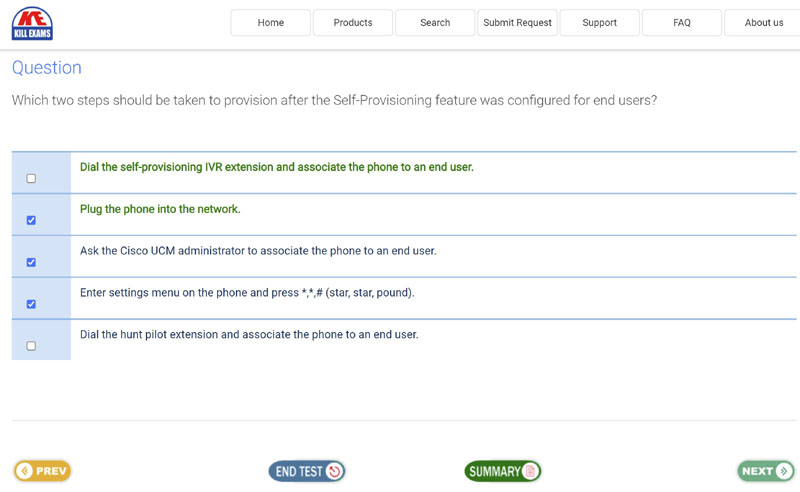
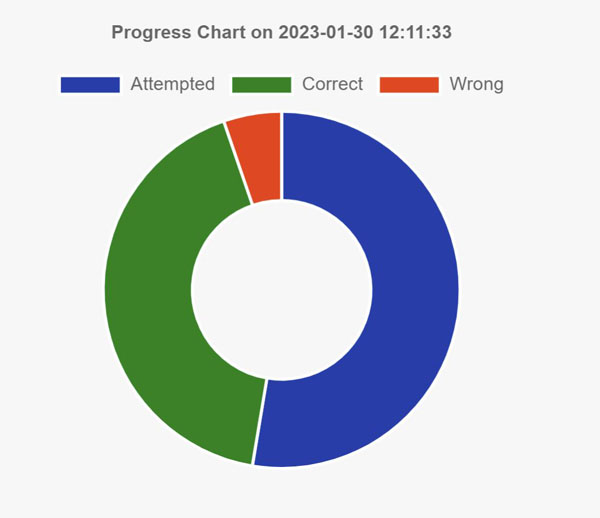
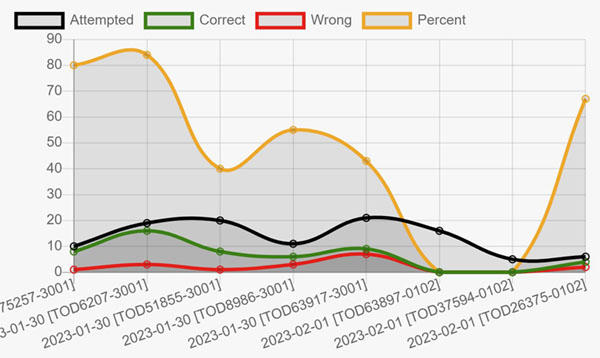
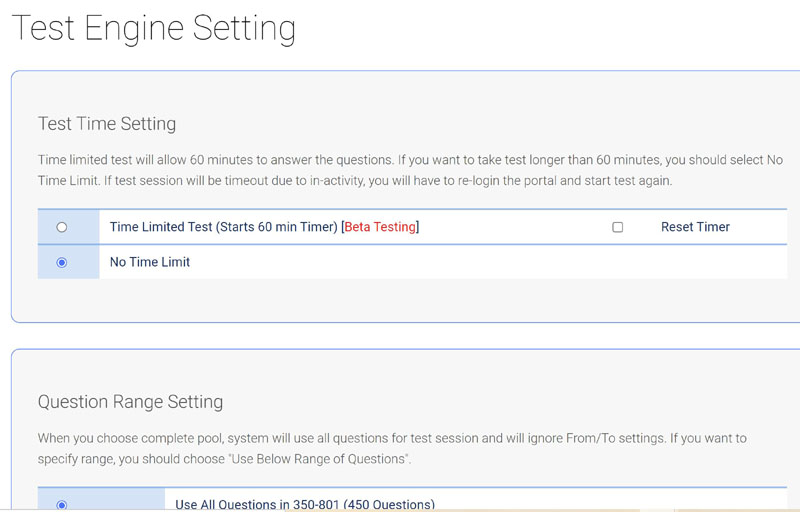
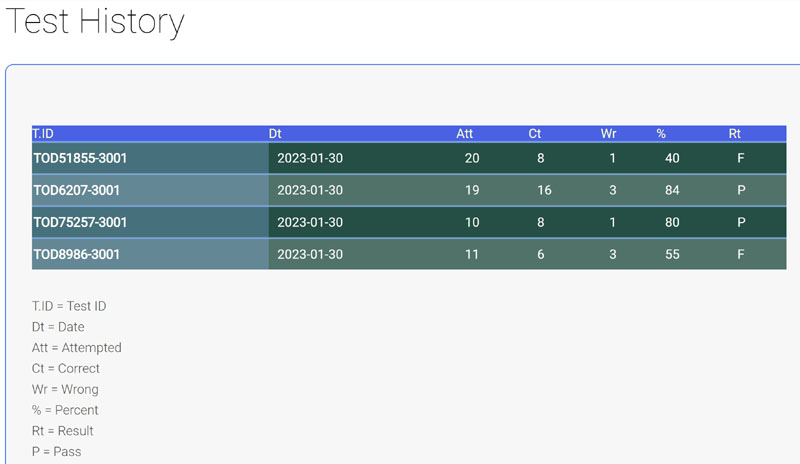
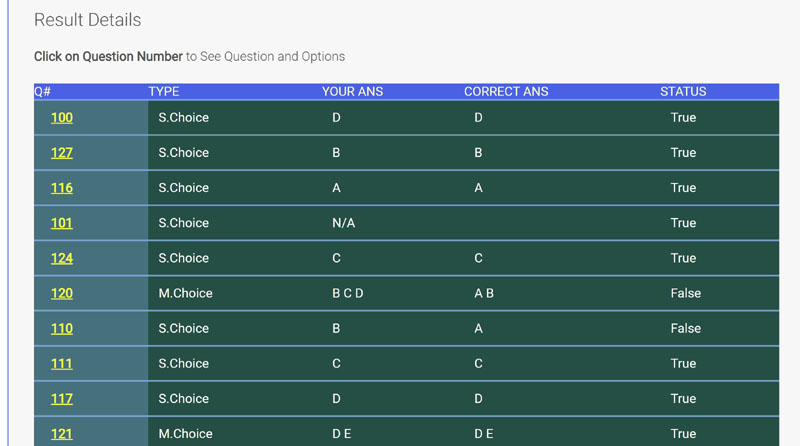
The Online Test Engine maintains practice history, performance summaries, and visual progress reports. Where available, questions may include explanations or reference information to support better understanding of exam topics. Content is reviewed and updated periodically to reflect relevant syllabus changes and maintain consistency with exam objectives.
Desktop Test Engine
| Exam Questions | 1140 (Complete Set) |
| Software Version | 2026 |
| Access | Unlimited |
| Latest Update | November 27, 2026 |
| Access Activation | Instant (5 to 10 min.) |
| Supported OS | Windows (All Versions) |
| Delivery Method | Username / Password |
| Test Engine Trial Software | Killexams Test Engine 2026 |
The Killexams Desktop Test Engine (version 2026) is a dedicated test preparation software designed to support candidates preparing for the ASPEX-PA exam. The simulator provides a structured desktop based practice environment that allows users to work through exam style questions and review their performance in detail.
By practicing with the Anesthesiology Special Purpose Examination for Pediatric Anesthesiology (PA) Exam Simulator, candidates can become familiar with question formats, exam navigation, and time based testing conditions similar to those used in official exams. This experience helps users build confidence across testing environment, time management, exam topics and identify areas that may require additional study.
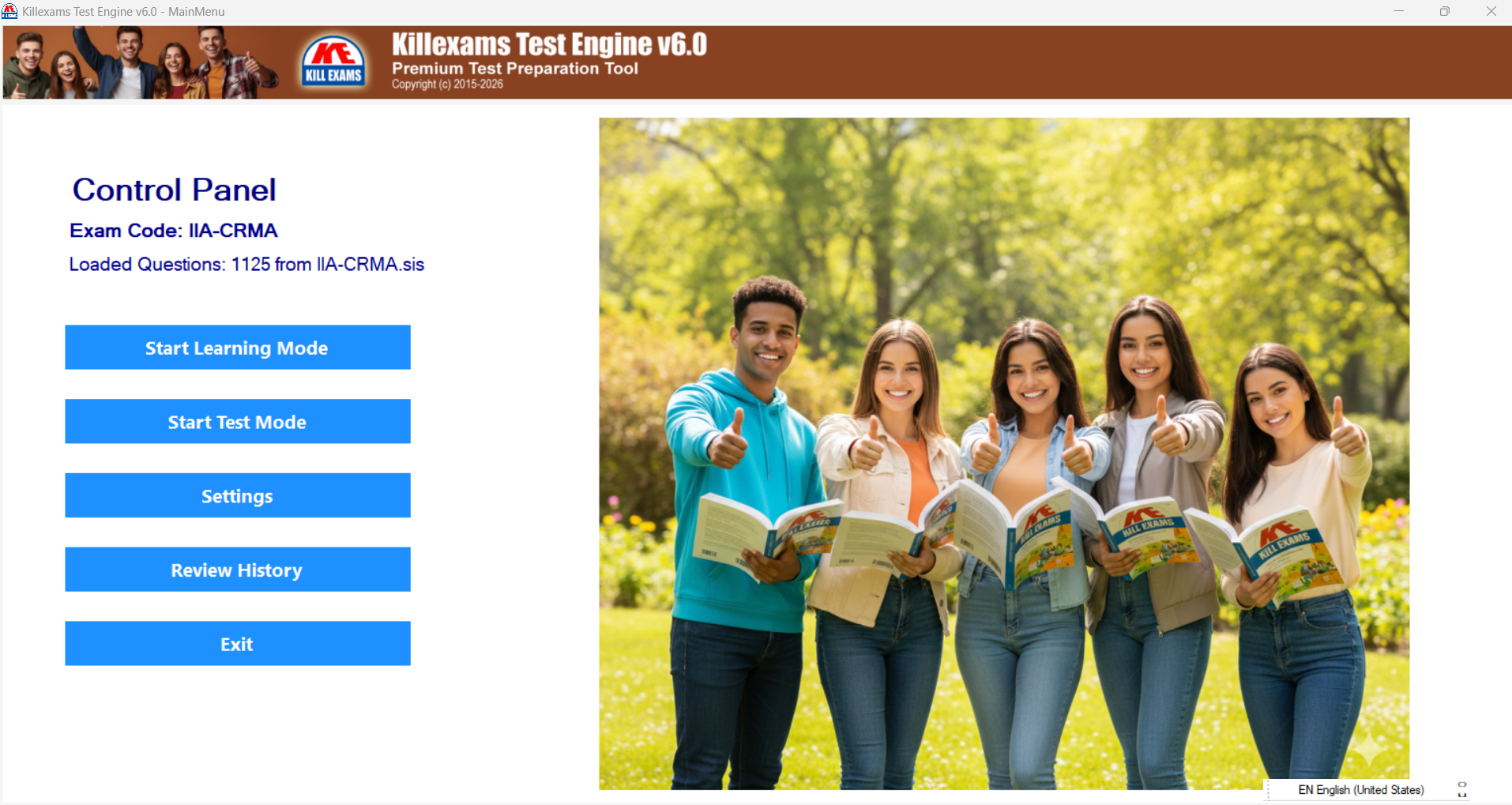

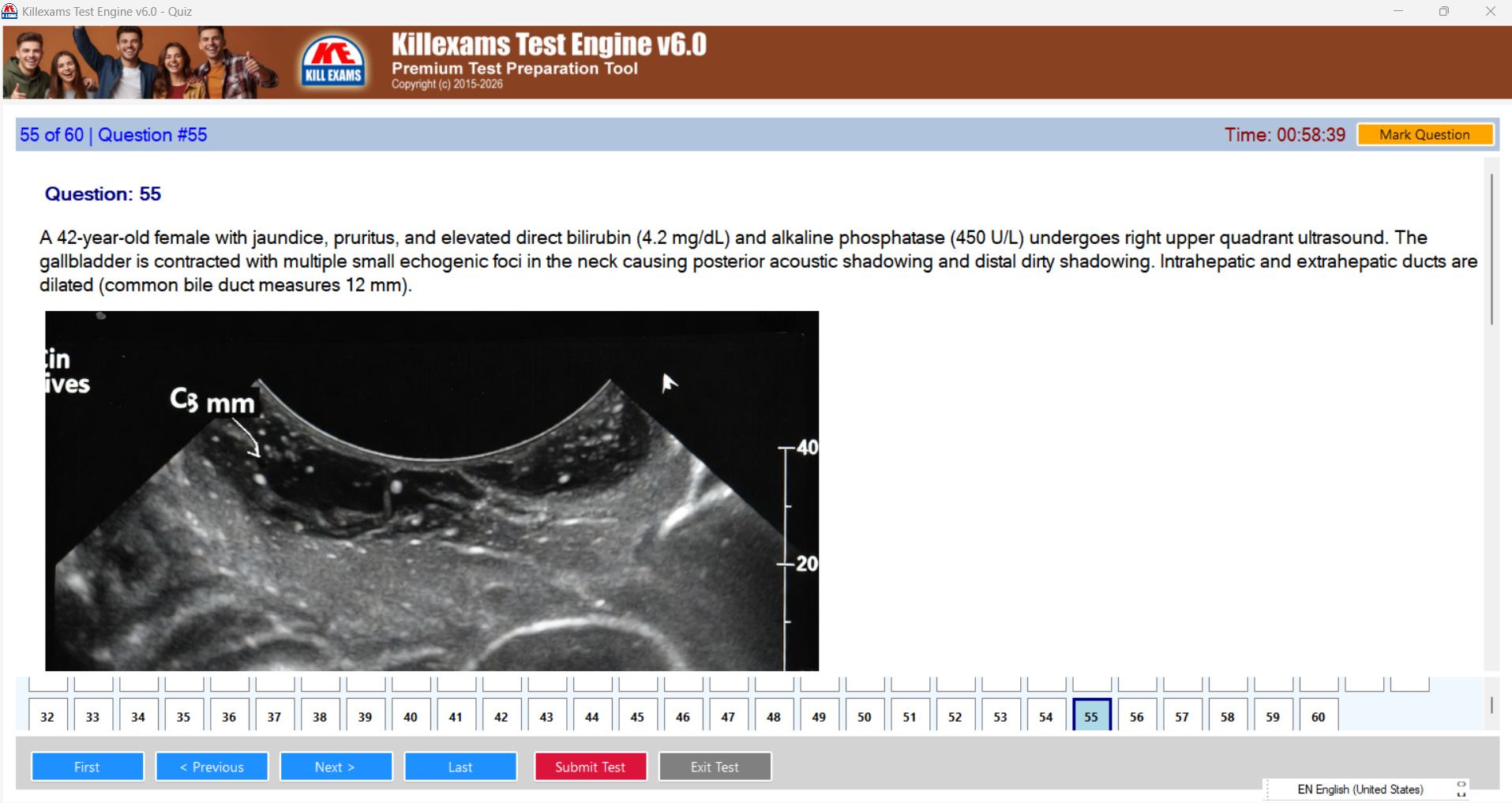
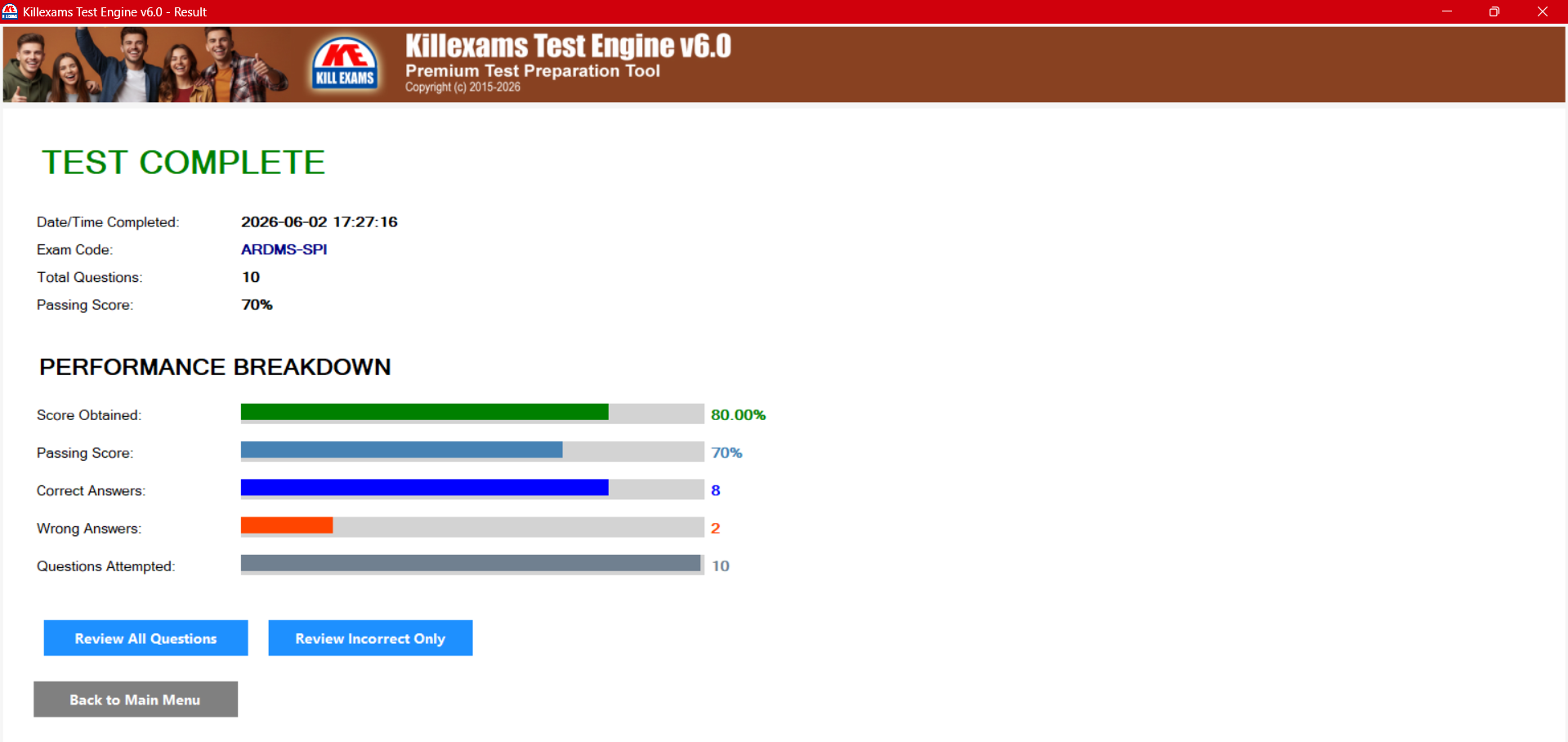

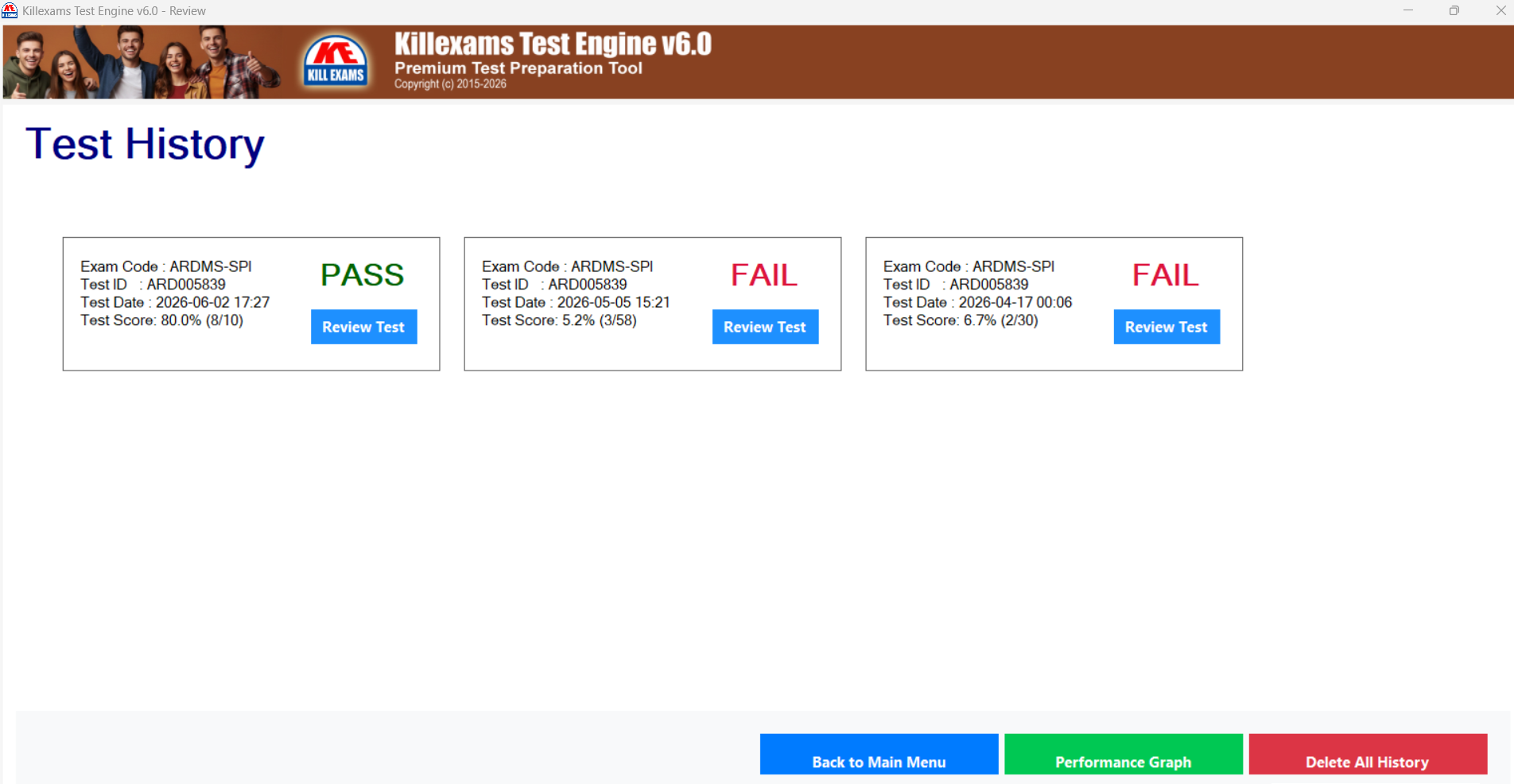
The Desktop Exam Simulator records practice history, performance summaries, and graphical progress reports. Where available, questions may include explanations or reference information to support understanding of correct and incorrect answers. The simulator content is reviewed and updated periodically to remain aligned with current exam objectives and syllabus requirements.
|
3 Months Update
|
6 Months Update
|
12 Months Update
|
|
|---|---|---|---|
What is 3 Months Update?
During 3 months, all future updates in PDF and Test Engine will be provided in your MyAccount with download links. An Intimation email on each update will be sent to you to re-download the updated exam files.
|
What is 6 Months Update?
During 6 months, all future updates in PDF and Test Engine will be provided in your MyAccount with download links. An Intimation email on each update will be sent to you to re-download the updated exam files.
|
What is 12 Months Update?
During 12 months, all future updates in PDF and Test Engine will be provided in your MyAccount with download links. An Intimation email on each update will be sent to you to re-download the updated exam files.
|
|
| Files | PDF / Test Engines | PDF / Test Engines | PDF / Test Engines |
| Premium Access | ✔ | ✔ | ✔ |
| Online Test Engine | ✔ | ✔ | ✔ |
| Instant Download Access | ✔ | ✔ | ✔ |
| Comprehensive Q&A | ✔ | ✔ | ✔ |
| Latest Topics | ✔ | ✔ | ✔ |
| Updated Regularly | ✔ | ✔ | ✔ |
| Portable Files | ✔ | ✔ | ✔ |
| Unlimited Download | ✔ | ✔ | ✔ |
| 100% Secured | ✔ | ✔ | ✔ |
| Confidentiality | 100% | 100% | 100% |
| Syllabus Coverage | Latest | Latest | Latest |
| Any Hidden Cost | No | No | No |
| Auto Renewal | No | No | No |
| Updates Intimation | by Email | by Email | by Email |
| Technical Support | Free | Free | Free |
| PDF Compatibility | Windows, Mac, Android, iOS, Linux | Windows, Mac, Android, iOS, Linux | Windows, Mac, Android, iOS, Linux |
| Desktop Test Engine Compatibility | Windows All Versions | Windows All Versions | Windows All Versions |
| Online Test Engine Compatibility | Mac / Windows / Android / iOS / Linux | Mac / Windows / Android / iOS / Linux | Mac / Windows / Android / iOS / Linux |
ASPEX-PA Exam Format | Course Contents | Course Outline | Exam Syllabus | Exam Objectives
I. BASIC SCIENCE
- Anatomy
- General Development
- Airway
- Body habitus
- Water, volume, and blood composition
- Anatomy for Procedures
- Airway management
- Central neuraxial blockade
- Peripheral nerve blockade
- Vascular cannulation
- Physics and Anesthesia Equipment
- Respiration
- Breathing circuits
- Ventilation devices and techniques
- Methods for Monitoring
- Brain, spinal cord, and neuromuscular function
- Cardiac rhythm and vascular pressures
- Oxygenation, gas concentration, and ventilation
- Temperature
- Ultrasound: Physics and Clinical applications
- Anesthetic Pharmacology
- Pharmacokinetics and Pharmacodynamics
- Blood-brain barrier
- Drug absorption
- Drug distribution
- Neuromuscular system
- Biotransformation and excretion
- Pharmacogenetics
- Non-opioid Analgesics
- Opioid Analgesics
- Sedative and Anxiolytic Agents
- Anti-emetics
- Inhalation Anesthetics
- Local Anesthetics
- Neuromuscular Blocking and Reversal Agents
- Sympathetic and Parasympathetic Agents
- Agents Affecting Coagulation
II. ORGAN-BASED BASIC AND CLINICAL SCIENCES
- Respiratory System
- Anatomy and Physiology
- Prenatal and postnatal development
- Respiratory mechanics, ventilation, and lung volumes
- Oxygen transport
- Surfactant, surface activity, and lung mechanics
- Lung physiology
- surfactant and surface tension
- metabolism
- ventilation / perfusion matching
- Clinical Sciences
- Obstructive disease
- upper airway
- tracheobronchial
- parenchymal
- Restrictive disease
- pleural
- neurologic
- musculoskeletal
- Anesthesia for thoracic procedures
- one lung ventilation
- video-assisted thoracoscopy
- mediastinal masses
- chest wall surgery / reconstruction
- lung transplantation
- Cardiovascular System
- Anatomy and Physiology
- Prenatal and postnatal development
- Fetal, transitional, and adult circulation
- Benign heart murmur
- Clinical Science
- General considerations
- cardiovascular effects on anesthetic uptake and delivery
- anesthetic effects on the cardiovascular system
- vasoactive medications
- Disease states
- acyanotic lesions
- cyanotic lesions
- palliative procedures
- pulmonary hypertension
- infectious diseases
- cardiomyopathies
- pericardial disease
- intracardiac masses
- arrhythmic lesions
- heart transplantation
- Anesthesia for cardiac procedures
- complete anatomic and physiological repairs
- single ventricle procedures
- palliation surgery
- management and consequences of cardiopulmonary bypass
- deep hypothermic circulatory arrest
- anesthesia for pacemaker / implantable cardiac defibrillator insertion and replacement
- anesthesia for diagnostic, interventional and electrophysical procedures
- Anesthesia for the adult with congenital heart disease
- Cardiopulmonary resuscitation
- Anesthesia for non-cardiac procedures in child with congenital heart disease
- Central and Peripheral Nervous Systems
- Anatomy and Physiology
- Prenatal and postnatal development
- brain, fontanelles, cranial sutures, and spinal cord
- myelinization, autonomic nervous systems, and pain pathways
- neurodegenerative changes after anesthesia
- Neurophysiology
- Clinical Science
- General considerations
- intracranial pressure and blood flow
- pharmacology of diuretics, steroids, and anticonvulsant medications
- Disease states
- autism, developmental delay, and ADHD
- hydrocephalus
- tumors
- seizure disorders
- cerebrovascular disorders
- open and closed head injuries
- spinal cord disorders
- neurodegenerative disorders
- spasticity
- Chiari malformations
- Anesthesia for neurosurgical procedures
- seizure surgery
- intracranial tumors and vascular lesions
- craniofacial reconstruction / cranioplasty
- meningomyelocele / spinal surgery
- neurologic imaging
- Gastrointestinal System
- Anatomy and Physiology
- Prenatal and postnatal development
- Clinical Science
- Esophageal, stomach and intestine disorders
- abdominal wall defects
- intestinal rotation defects
- atresias, stenoses and webs
- inflammatory states
- duplications and cysts
- hernias
- necrotizing enterocolitis
- Liver, biliary tract and spleen disorders
- Anorectal disorders
- Morbid obesity / bariatric surgery
- Gastrointestinal endoscopy
- Esophageal / gastrointestinal foreign bodies
- Liver, intestinal, and multivisceral transplantation
- Renal/Urinary
- Anatomy and Physiology
- Prenatal and postnatal development
- Homeostasis functions
- Clinical Science
- Renal failure
- Phimosis and hypospadias
- Ureteropelvic junction obstruction
- Vesicoureteral reflux
- Bladder exstrophy
- Renal transplantation
- Endocrine/Metabolic
- Anatomy and Physiology
- Prenatal and postnatal development
- Puberty and variants
- Clinical Science
- Adrenal disorders
- Diabetes mellitus
- Diabetes insipidus
- Disorders of sodium regulation
- Pheochromocytoma
- Thyroid disorders
- 22q.11 deletion syndrome (DiGeorge)
- Hematology/Oncology
- Anatomy and Physiology
- Prenatal and postnatal development
- Clinical Science
- Hematology
- anemias
- coagulation disorders
- Oncology
- leukemia
- neuroblastoma
- retinoblastoma
- sarcomas / osteosarcomas
- Wilms tumor
- Chemotherapeutic agents and side effects
- Radiotherapy
- Bone marrow and stem cell transplants
- graft versus host disease
- Immunologic disorders (congenital and acquired)
- Genetics
- Anatomy and Physiology
- Clinical Sciences
- Chromosomal abnormalities
- Craniofacial syndromes
- Effects of environmental agents
- Endocrine disorders
- Immunologic disorders
- Inborn errors of metabolism
- Malignant hyperthermia
- Mitochondrial myopathies
- Myopathic disorders
- Myotonias
- Muscular dystrophies
- Neurologic disorders
- Overgrowth syndromes
- Osteochondrodysplastic syndromes
- Skin and connective tissue disorders
III. CLINICAL SUBSPECIALTIES
- Fetal
- Neonatal
- Painful Disease States
- Otolaryngology
- Plastic and Oral-Maxillary Facial Surgery
- Ophthalmology
- Orthopedic Surgery
- Trauma and Burns
IV. CLINICAL SCIENCE OF ANESTHESIA
- Evaluation and Preoperative Preparation of the Pediatric Patient
- General Considerations of the Perioperative Period
- Regional Anesthesia and Analgesia
- General Anesthesia
- Complications of Anesthesia
- Special Techniques and Situations
- Postoperative Period
- Monitored Anesthesia Care and Sedation
- Acute and Chronic Pain Management
V. SPECIAL PROBLEMS OR ISSUES
- Special Surgical Procedures
- Professional Issues
- Principles of Biostatistics and Pediatric Study Design
- Substance Abuse
- Ethics and Medico-Legal Issues
- Practice Management
- Quality Improvement and Patient Safety
- Diversity, Equity, and Inclusion (DEI) in Health Care
- Healthcare Disparities
Reviews (11)4.27 Overall
★★★★★
45%
★★★★
45%
★★★
0%
★★
9%
★
0%
|
Submit ReviewYou must be logged in to submit a review. Sign In to Submit Review |
Customer Reviews
ASPEX-PA Exam FAQs
What question types are on the ASPEX-PA exam?
Format of the ASPEX-PA exam: computer based multiple choice.
Which certification does ASPEX-PA lead to?
Passing ASPEX-PA leads to the Anesthesiology Special Purpose Examination for Pediatric Anesthesiology (PA) credential from American Board of Anesthesiology.
What topics does the ASPEX-PA exam cover, and how are they weighted?
The ASPEX-PA exam covers 6 sections: Developmental Physiology; Pediatric Pharmacology; Airway Management; Congenital Heart Disease; Neonatal and Pediatric Surgery; Pain and Regional Anesthesia.
How should I prepare for ASPEX-PA?
Start with the official ASPEX-PA exam outline and study materials from American Board of Anesthesiology, then build exam readiness with timed practice. A killexams.com premium account gives you the full pool of 1,140 ASPEX-PA practice questions and answers in PDF and Test Engine formats, so you can practice every objective and review the answers before exam day.
How long does it take to prepare for ASPEX-PA?
At a steady pace of 100 practice questions a day, working through all 1,140 ASPEX-PA questions takes about 12 days. Add extra days to repeat the questions you got wrong.
Is ASPEX-PA hard? Who is it for?
The ASPEX PA exam is the ABA Special Purpose Examination for Pediatric Anesthesiology.
How many practice questions do you have for ASPEX-PA?
The killexams.com ASPEX-PA practice test contains 1,140 questions and answers.
Is there a free ASPEX-PA sample?
Yes. A free ASPEX-PA sample PDF is available on this page, so you can review the question style before you buy.
What formats are included in the ASPEX-PA practice test?
The ASPEX-PA practice test is available as a PDF, an Online Test Engine and a Desktop Test Engine.
Do the ASPEX-PA practice questions cover the current exam objectives?
Yes. The ASPEX-PA practice questions cover the complete syllabus and current exam objectives.
How do I get the files after purchase, and how long is access valid?
Your MyAccount login details are delivered by email. You can download the files from the member area until your account expires, after 3, 6 or 12 months depending on the plan you bought.
Can I use the ASPEX-PA Test Engine on Mac or mobile?
Yes, with the Online Test Engine, which runs on Mac, iOS, Android, Linux and other platforms. The Desktop Test Engine is for Windows only.
What if I fail the ASPEX-PA exam after using your material?
You can choose one of three options: 1) a refund, 2) a free 3-month account extension, or 3) a new exam of your choice.
How many practice questions are available for ASPEX-PA?
The ASPEX-PA practice test contains 1,140 practice questions and answers covering the current exam objectives.
What formats are available for ASPEX-PA preparation?
The ASPEX-PA practice test is available as PDF, Online Test Engine, Desktop Test Engine. All formats can be downloaded instantly after purchase.
Is there a free ASPEX-PA sample?
Yes. You can preview and download a free ASPEX-PA sample PDF on this page before you buy.