


CTFA Exam Questions PDF
| Questions and Answers | 1359 (Complete Set) |
| File Format | |
| Latest Update | November 27, 2026 |
| Files Delivery | Instant (5 to 10 min.) |
| Compatibility | All Desktop and Mobile Devices |
| Delivery Method | Download Account |
The Certified Trust and Fiduciary Advisor credential from the American Bankers Association is designed for wealth management and trust professionals. It covers fiduciary and trust activities, financial planning, investment management, tax law and estate planning, along with ethics and regulatory requirements for trust departments. It suits trust officers, relationship managers and fiduciary specialists.
The American Board of Anesthesiology certifies anesthesiologists in the United States, including primary certification and subspecialty certification in areas such as critical care, pain medicine, pediatric and adult cardiac anesthesiology. Subspecialty exams are computer based and assume completion of accredited fellowship training.
Financial professionals use ABA Certified Trust and Fiduciary Advisor to demonstrate knowledge that employers, regulators and clients can trust. The credential covers both technical content and the ethical and regulatory standards that govern financial work.
The topic areas are broad, so it helps to look inside them. The Fiduciary and Trust Activities area includes trust administration and duties. Questions on Financial Planning typically involve planning process and retirement. Tax Law and Planning covers income; and gift and estate tax. Within Investment Management, candidates should be comfortable with portfolio management and prudent investor rule.
Preparing for the CTFA exam requires not only understanding the exam topics but also practicing with exam style questions. Our ABA Certified Trust and Fiduciary Advisor exam questions in practice tests help candidates review key concepts and familiarize themselves with the format and difficulty of exam.
At Killexams.com, our team works to maintain up-to-date practice content for exam preparation. We continuously review and refine our question sets and explanations to cover the latest relevant syllabus areas and help learners strengthen their understanding of core topics before facing the official exam. These Practice tests allow you to identify areas where you need improvement by measuring your readiness, and provide you exam questions to polish those areas.
CTFA Exam Questions Preview
The CTFA exam has multiple choice questions covering each domain, and eligibility requires trust experience and relevant education. Study fiduciary duties, prudent investor principles and estate tax basics thoroughly. Practice case scenarios involving trust administration and beneficiary relations.
The exact number of questions, the time allowed and the passing score for CTFA are set by American Bankers Association and can change when the exam is revised, so check the current candidate information before you book. Plan your pacing around those figures once you have them, leaving a few minutes at the end to review flagged questions.
A structured plan keeps CTFA preparation on track. Allow roughly 5 weeks, giving each major area its own block: begin with Fiduciary and Trust Activities, continue with Financial Planning; Tax Law and Planning; and Investment Management, and finish with Ethics and Regulation. Keep a one page summary for each area with key terms, steps and examples, and review these summaries every few days. In the last week, switch from reading to timed mixed practice so the exam pace feels familiar.
Study regulations and standards for CTFA using summary tables that show purpose, scope, key thresholds and timing. Scenario questions often hinge on these details.
| Detail | Information |
|---|---|
| Format | Multiple choice |
| Provider | American Bankers Association |
| Audience | Trust and wealth professionals |
To help you evaluate our material, you may download free sample pdf with example questions and answers that we provide. This sample allows you to review content and approach before deciding on Premium materials..
The ABA Certified Trust and Fiduciary Advisor practice test files contains 1359 Questions, are compatible with multiple devices, including Windows, macOS, iOS, and Android, and can be used for both online and offline study. The PDF format is printable, making it easy to study during travel or when away from a computer. Access to updated materials is available through your online account.
After purchase, you will receive your username and password immediately, allowing you to log in and download your study files without delay. Our goal is to support exam preparation at your pace with practice content designed for reinforcement and understanding of key concepts.
The killexams.com CTFA question bank covers fiduciary duties, tax, investments and planning with explanations. Practice tests help you check readiness by domain and build confidence with case questions.
Questions in the killexams.com CTFA bank are grouped to match the exam sections, including Fiduciary and Trust Activities; Financial Planning; Tax Law and Planning; and Investment Management. Score reports after each session show which section needs more work, and the explanations turn mistakes into learning.
With the killexams.com CTFA practice test you can study by section, focus on weaker topics or run full length timed sessions. Score history shows how your accuracy improves over time, and the explanations turn each mistake into a short lesson.
Online Test Engine
| Exam Questions | 1359 (Complete Set) |
| Testing Limit | Unlimited |
| Access Type | Online |
| Latest Update | November 27, 2026 |
| Access Activation | Instant (5 to 10 min.) |
| Supported OS | Mac, Windows, Android, iPhone / iPad, Linux |
| Delivery Method | Username / Password |
Killexams.com provides an Online Test Engine designed to help candidates practice exam questions in a structured and interactive environment. The Test Engine is compatible with iPhone, iPad, Android, Windows, and Mac, allowing you to study and practice on the device that best fits your schedule.
The CTFA Online Test Engine enables candidates to simulate exam-style practice sessions, review answers, and track progress over time. This learning approach helps users practice exam questions, question formats and improve time management while preparing for the ABA Certified Trust and Fiduciary Advisor exam.
The Test Engine includes features that support effective learning, such as customizable practice sessions, question review modes, and progress tracking. These tools are designed to assist candidates in identifying knowledge gaps and reinforcing key concepts through repeated practice rather than memorization alone.
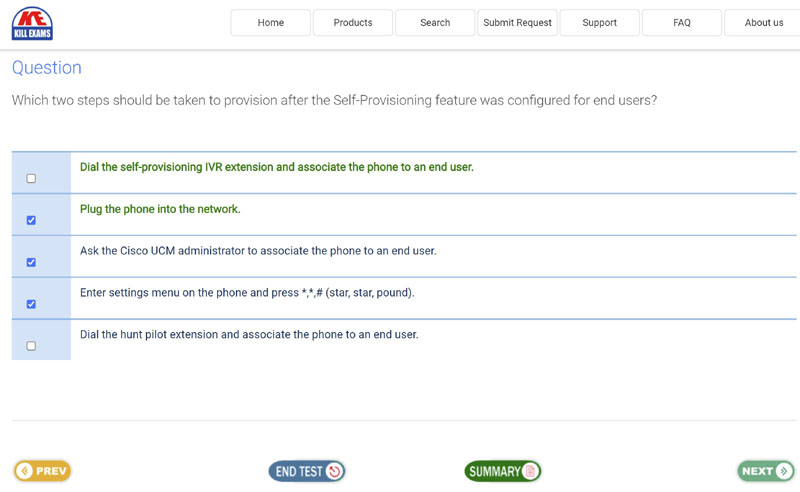
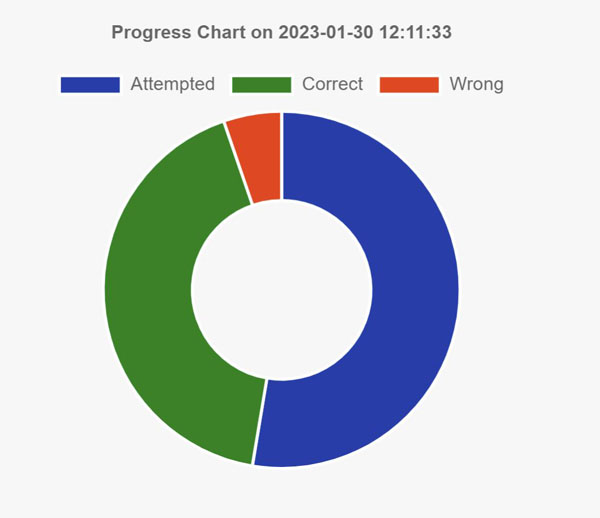
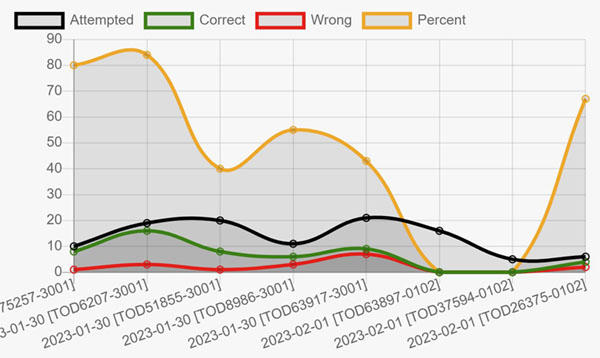
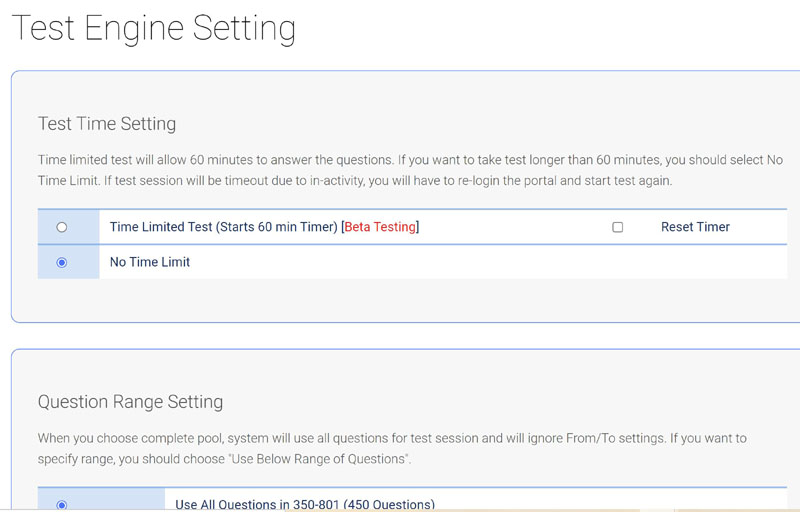
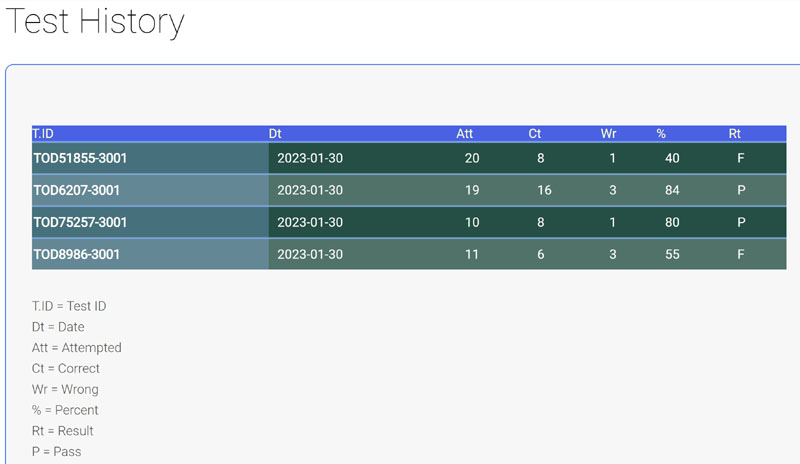
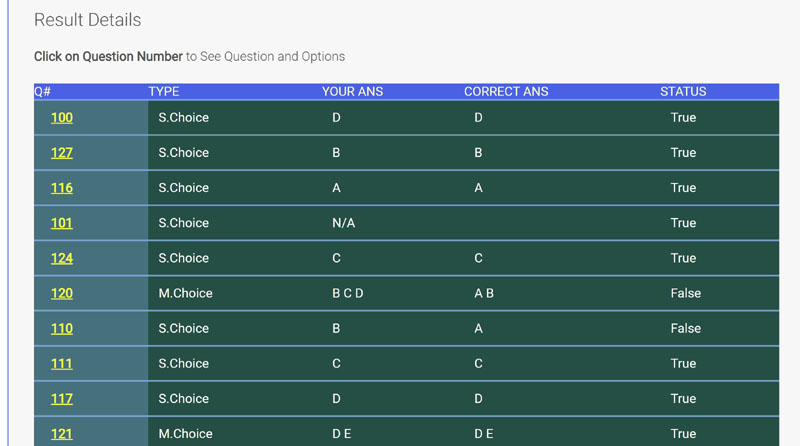
The Online Test Engine maintains practice history, performance summaries, and visual progress reports. Where available, questions may include explanations or reference information to support better understanding of exam topics. Content is reviewed and updated periodically to reflect relevant syllabus changes and maintain consistency with exam objectives.
Desktop Test Engine
| Exam Questions | 1359 (Complete Set) |
| Software Version | 2026 |
| Access | Unlimited |
| Latest Update | November 27, 2026 |
| Access Activation | Instant (5 to 10 min.) |
| Supported OS | Windows (All Versions) |
| Delivery Method | Username / Password |
| Test Engine Trial Software | Killexams Test Engine 2026 |
The Killexams Desktop Test Engine (version 2026) is a dedicated test preparation software designed to support candidates preparing for the CTFA exam. The simulator provides a structured desktop based practice environment that allows users to work through exam style questions and review their performance in detail.
By practicing with the ABA Certified Trust and Fiduciary Advisor Exam Simulator, candidates can become familiar with question formats, exam navigation, and time based testing conditions similar to those used in official exams. This experience helps users build confidence across testing environment, time management, exam topics and identify areas that may require additional study.
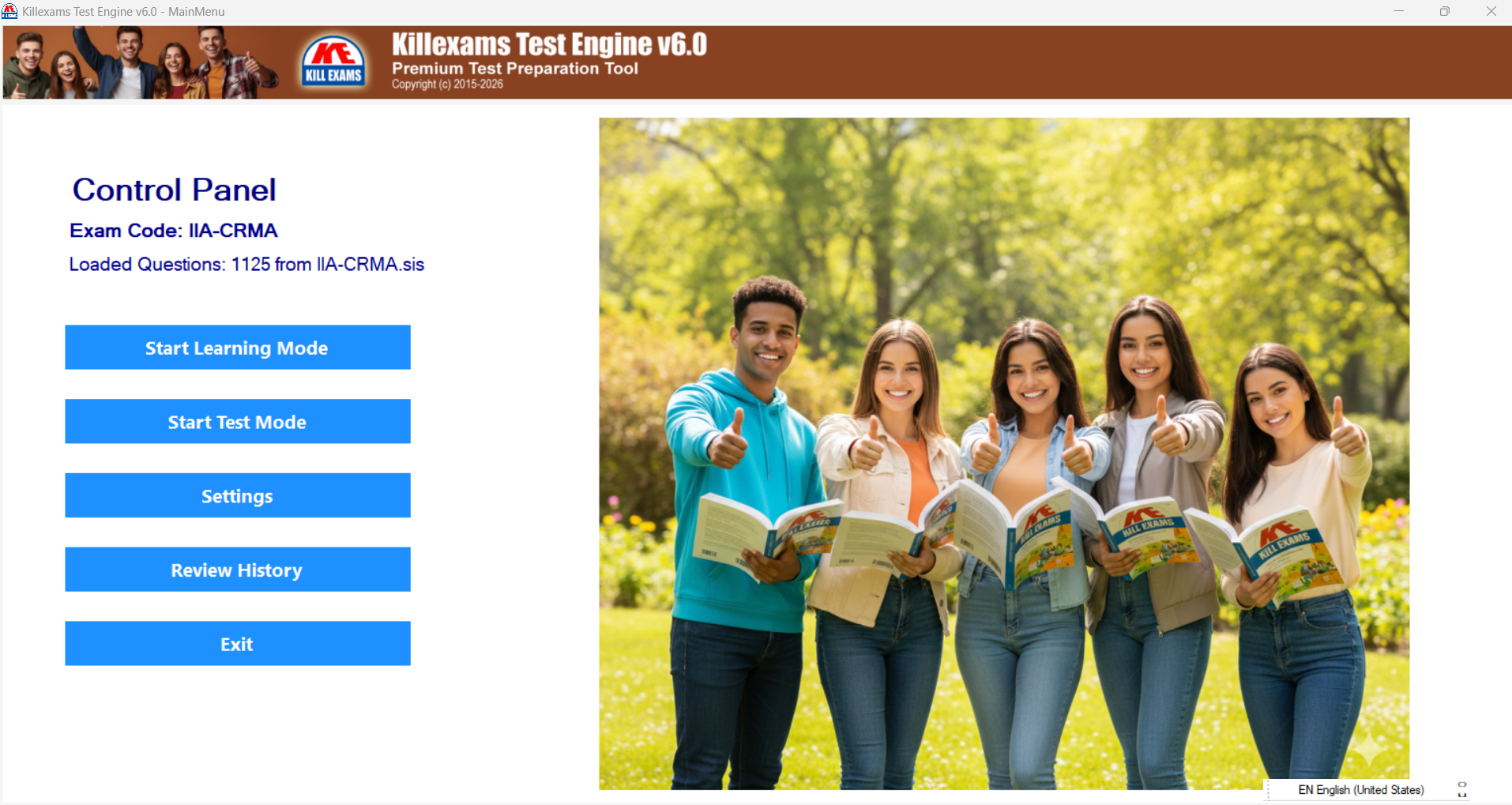

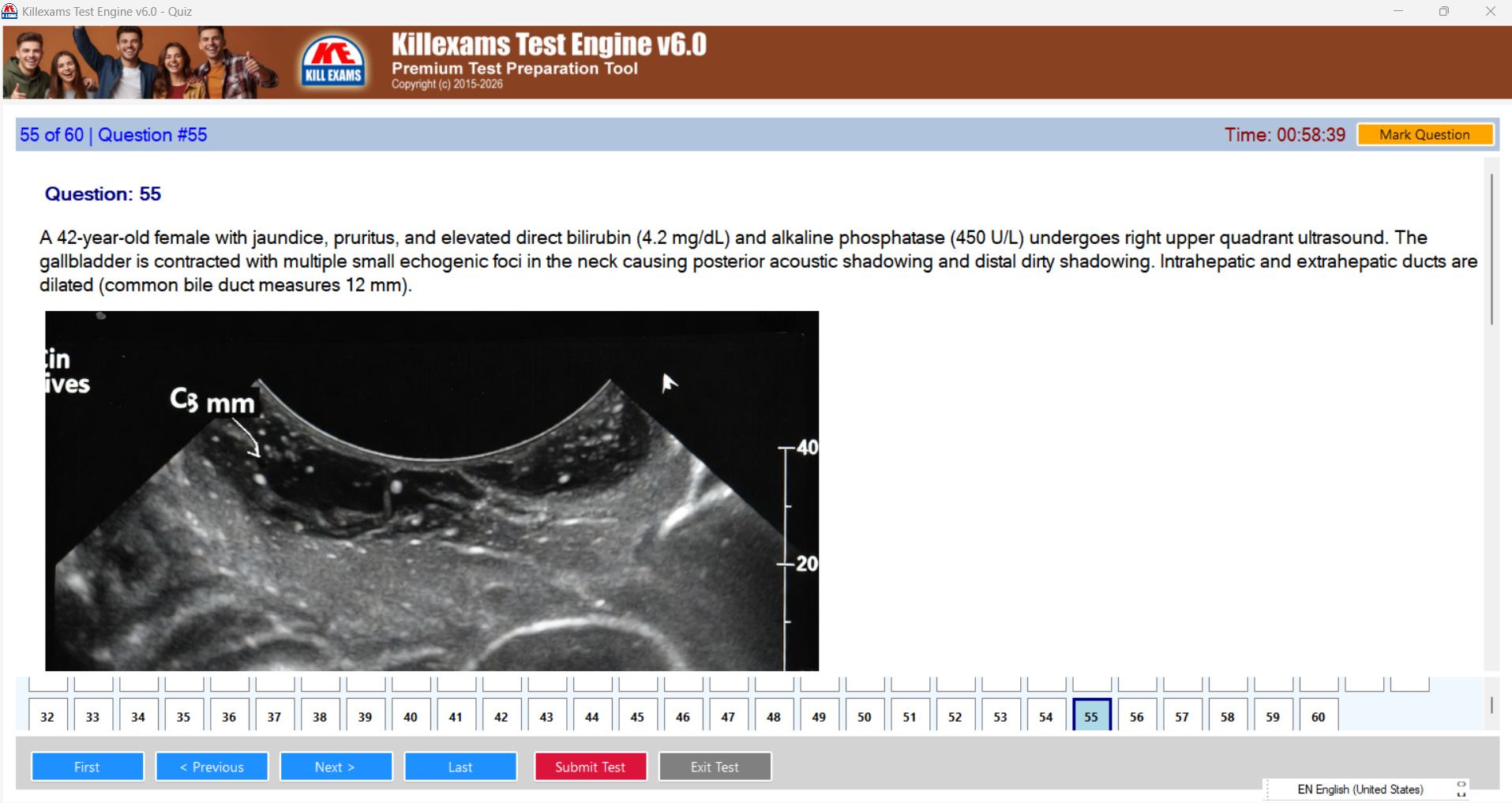
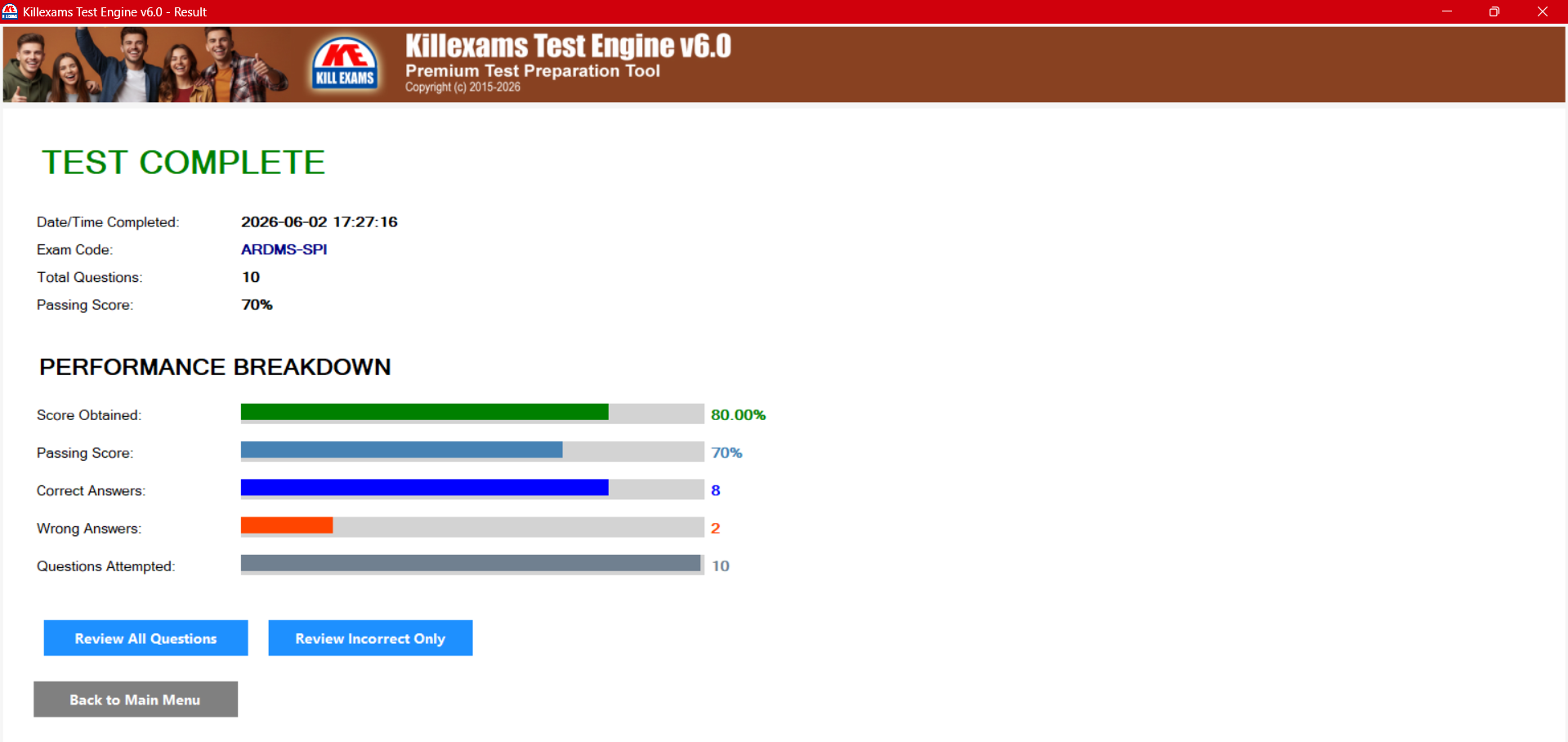

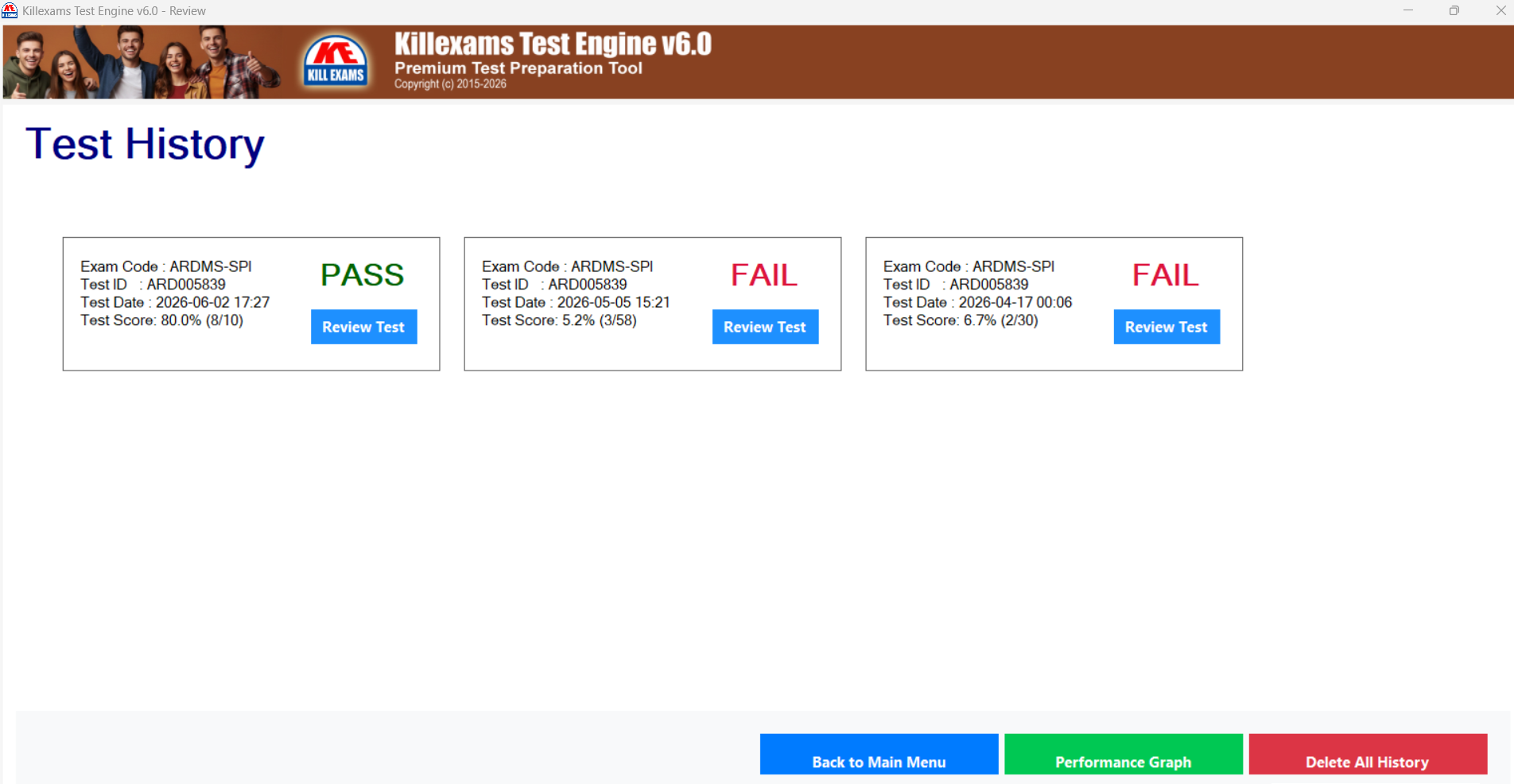
The Desktop Exam Simulator records practice history, performance summaries, and graphical progress reports. Where available, questions may include explanations or reference information to support understanding of correct and incorrect answers. The simulator content is reviewed and updated periodically to remain aligned with current exam objectives and syllabus requirements.
|
3 Months Update
|
6 Months Update
|
12 Months Update
|
|
|---|---|---|---|
What is 3 Months Update?
During 3 months, all future updates in PDF and Test Engine will be provided in your MyAccount with download links. An Intimation email on each update will be sent to you to re-download the updated exam files.
|
What is 6 Months Update?
During 6 months, all future updates in PDF and Test Engine will be provided in your MyAccount with download links. An Intimation email on each update will be sent to you to re-download the updated exam files.
|
What is 12 Months Update?
During 12 months, all future updates in PDF and Test Engine will be provided in your MyAccount with download links. An Intimation email on each update will be sent to you to re-download the updated exam files.
|
|
| Files | PDF / Test Engines | PDF / Test Engines | PDF / Test Engines |
| Premium Access | ✔ | ✔ | ✔ |
| Online Test Engine | ✔ | ✔ | ✔ |
| Instant Download Access | ✔ | ✔ | ✔ |
| Comprehensive Q&A | ✔ | ✔ | ✔ |
| Latest Topics | ✔ | ✔ | ✔ |
| Updated Regularly | ✔ | ✔ | ✔ |
| Portable Files | ✔ | ✔ | ✔ |
| Unlimited Download | ✔ | ✔ | ✔ |
| 100% Secured | ✔ | ✔ | ✔ |
| Confidentiality | 100% | 100% | 100% |
| Syllabus Coverage | Latest | Latest | Latest |
| Any Hidden Cost | No | No | No |
| Auto Renewal | No | No | No |
| Updates Intimation | by Email | by Email | by Email |
| Technical Support | Free | Free | Free |
| PDF Compatibility | Windows, Mac, Android, iOS, Linux | Windows, Mac, Android, iOS, Linux | Windows, Mac, Android, iOS, Linux |
| Desktop Test Engine Compatibility | Windows All Versions | Windows All Versions | Windows All Versions |
| Online Test Engine Compatibility | Mac / Windows / Android / iOS / Linux | Mac / Windows / Android / iOS / Linux | Mac / Windows / Android / iOS / Linux |
CTFA Exam Format | Course Contents | Course Outline | Exam Syllabus | Exam Objectives
- Understand and articulate fiduciary principles.
- What it means to be a fiduciary
- Different fiduciary standards – ’40 act, reg bi, Uniform Trust Code
- Fiduciary standard vs. Suitability standard (moved from ethics section)
- The prudent investor rule
- OCC Reg 12 CFR 9
- Understand and articulate fiduciary responsibilities.
- Powers
- Duties
- Uniform Acts/Codes
- Safekeeping of Assets
- Environmental Issues
- Accountability – Who assumes/is ascribed fiduciary responsibility
- Identify and interpret duties related to legal structure.
- Different legal entity types commonly used to hold assets – Trust, LLC, LLP, IRA, TIC, JTWROS, SOLE PROPRIETORSHIP
- How different legal entity structures align to meet client’s objectives
- How to identify structural challenges/conflicts
- Asset location (taxable, tax deferred) and how it informs asset allocation
- Develop a financial plan and/or investment selection.
- Goals
- Time horizon
- Risk tolerance
- Income sources
- Review of a client’s tax return
- Net worth
- Educational planning
- Cash flow analysis
- Budget
- Insurance types and usage
- Debt management
- Identify and interpret types of ownership interests.
- Powers of appointment
- Types of joint ownership
- Joint tenancy with right of survivorship (JTWROS)
- Tenancy in common (TIC)
- Tenancy by entirety (TBE)
- Controlling document
- Beneficiary designations
- Transfer on death (TOD)/payable on death (POD)
- Community property versus separate property
- Educate clients in regard to estate planning.
- Current client goals
- Probate versus non-probate assets
- Powers of appointment
- Incapacity
- Disclaimers
- Gifting techniques for trust and individuals to optimize transfer tax planning
- Planning and administering for clients with special needs
- Philanthropic intent and options to optimize transfer tax planning
- Digital assets
- Modeling an estate plan flow with terms and dollar calculations
- Knowledge of estate and gift tax limits and unused exemptions
- Business succession planning
- Educational planning
- Consult and implement retirement strategies.
- Types of IRA accounts
- Qualified versus non-qualified plans
- Social Security
- Medicare/Medicaid
- Employee stock ownership plans (ESOPs)
- Net unrealized appreciation (NUA)
- Educate clients regarding the use of insurance to mitigate risk.
- Life insurance
- Health insurance
- Property and casualty insurance
- Homeowner’s insurance
- Disability insurance
- Long-term care insurance
- Umbrella insurance
- Malpractice insurance
- Analyze and interpret income tax reporting.
- Individual income tax
- Fiduciary tax
- Foundations, charitable trusts and split interest trusts tax
- Business tax (LLC, LLP, FLP, S Corp, C Corp)
- Foreign tax reporting requirements
- Identify, communicate, and apply generation-skipping transfer tax (GSTT).
- Skip persons/trusts
- GSTT
- Taxable distributions
- Taxable termination
- Planning strategy
- Understand and explain fiduciary income tax.
- Simple versus complex
- Grantor trusts
- Fiscal and calendar year end filings
- Distributable net income (DNI)
- 65-day rule
- 645 election
- Right of withdrawal power
- Treatment of capital gains
- Foreign tax withholding
- Understand and apply knowledge of federal estate and gift tax.
- Determine taxable estate assets
- Estate tax
- Marital and charitable deductions
- Portability
- Payment of taxes
- Gift tax exclusion
- Potential difference between federal and state transfer taxes
- Coordinate distributions from retirement vehicles.
- Required minimum distributions
- Ability to withdraw
- Penalties for early withdrawals
- Rollovers
- Qualified charitable distribution (QCD)
- Profile and understand a client’s risk appetite.
- Inquiry/profiling techniques to learn about the client, their financial resources and all relevant assets
- Risk dimensions (market risk, liquidity risk, concentration risk, credit risk, reinvestment risk, inflation risk, time horizon risk) and client’s appetite for risks
- Recommend an appropriate investment strategy based on goals and objectives.
- Asset allocation and asset location (taxable, tax-deferred structures)
- Prudent investor rule
- Concentration of assets
- Time horizon
- Client needs
- Trust provisions
- Risk tolerance
- Current and remainder beneficiary needs
- Tax considerations
- Measure, compare, and communicate investment performance for clients.
- Time-weighted versus dollar-weighted
- Risk adjusted
- Benchmarks and indices
- Identify economic and market outlook concepts.
- Monetary policy
- Government fiscal policy
- Inflation
- Interest rates
- Gross domestic product
- International currency/assets/markets
- Economic cycles
- Implement multi-asset class investment strategy.
- Equities
- Fixed income
- Convertible securities
- Mutual funds
- Closely held businesses
- Real estate and farms
- International assets
- Master limited partnerships
- Stock options
- ETFs
- Oil, gas, and minerals
- Commodities
- Currencies
- Precious metals
- Prohibited Industries
- Alternative investments
- Environmental, social and governance (ESG)
- Create and manage portfolios.
- Modern portfolio theory
- Equity investment management approaches
- Fixed income investment management approaches
- Hedging strategies
- Tax efficient management
- Review nature and characteristics of legal entity structure and account capacity.
- Trusts
- Estates
- Guardianships/conservatorships
- Custodians
- Agencies
- Review and interpret trust provisions.
- Trust interests (current, remainder, vested)
- Understanding beneficiary financial situation
- Right to statements and copy of trust agreement
- Mandatory and discretionary distributions (full versus limited)
- Ascertainable standards (HEMS)
- Power to adjust
- Uniform Trust Code (UTC)
- Rights of withdrawal
- Crummey powers
- Unitrust and annuity calculations
- Final distributions and settlement
- Classify transactions using principal and income accounting.
- Fee calculation and allocation
- Real estate income and expenses
- Income (interest, royalty, rental), dividends, and capital gains
- Taxes
- Additional expenses
- Governing document versus statutory guidelines
- Distribution criteria (from income, principal, P&I)
- Determine roles and fiduciary responsibilities.
- Trustee’s duties and powers
- Financial power of attorney
- Grantor powers
- Directed Trustee
- Trust protector
- Power to decant/reform
- Apply and administer common types of trusts.
- Revocable trusts
- Irrevocable trusts
- Marital trusts (Examples for Internal Blueprint Only: QTIP/SLAT/Q-DOT)
- Irrevocable life insurance trusts (Examples for Internal Blueprint Only: ILIT)
- Split interest trusts (Examples for Internal Blueprint Only: GRIT/GRAT/GRUT)
- Charitable interest trusts (Examples for Internal Blueprint Only: CRUT/CRAT/CLAT/CLUT)
- Intentionally defective trusts (Examples for Internal Blueprint Only: IDGT/BDIT)
- Qualified personal residence trusts (Example for Internal Blueprint Only: QPRT)
- Pet trusts
- Blind trust
- Silent trusts
- Dynasty trust
- Special needs/supplemental needs trusts
- Other legal entity structures holding assets (LLC, LLP, corporation, partnerships)
- Maintain compliance with Bank Secrecy Act (BSA)/Anti-Money Laundering (AML).
- Source of funds
- Identity of beneficial owners, beneficiaries, and other interested parties
- Expected transactions as they relate to all interested parties
- BSA
- AML
- Suspicious Activity Reports (SAR)
- Execute the pre-acceptance process to eliminate potential risk.
- Your client (KYC)
- OFAC
- Capacity
- Due diligence
- Enhanced due diligence situations
- Foreign clients and beneficiaries
- Unique assets
- Concentrated assets
- Environmental site assessment and compliance with Comprehensive Environmental Response, Compensation, and Liability Act (CERCLA)
- Review and remediate overdrafts.
- Principal and income accounting
- Uniform Principal and Income Act (UPIA)
- Unauthorized loans (e.g., Regulation O)
- Perform administrative reviews pursuant to internal policies or external regulations.
- Regulation 9
- Internal policies
- Asset allocation in alignment with investment policy statement
- Comprehend and articulate fiduciary responsibilities.
- Duty of loyalty
- Duty to inform
- Duty of impartiality
- Duty to account
- Breach of trust and personal liability
- Confidentiality
- Privacy
- Undue influence
- Disclosure of compensation
- Recognize the signs of financial and elder abuse and how and when to report.
- Definition of elderly and vulnerable adults
- Change in client behavior
- Client competence/capacity
- Clarify the limits of capacity to advise.
- Unauthorized practice of law
- Limitation of tax advice
- Identify, disclose, and/or avoid potential conflicts of interest.
- Self-dealing
- Gifts to and from clients and vendors
- Business solicitation
- Compensation arrangements
- Related parties and affiliates
- Proprietary investments
- Adhere to investment regulatory requirements.
- Insider information
- Equal treatment of accounts
- Directed brokerage
- Disclosures
- Prudent investor standards
- Control person
- Summarize and document the client relationship.
- Family dynamics and extended relationships of clients
- Family tree
- Related parties
- Other trusted advisors and designations
- Differing beneficial interests
- Cash needs versus wants and balancing interests
- Overall relationship net worth
- Alternate solutions
- Manage client expectations.
- Document limitation
- Monte Carlo simulations – cash needs and projections
- Communication preferences and frequency
- Timing of deliverables
- Tax reporting
- Capacity and role
- Behavioral finance
- Evaluate and develop new business.
- Asset retention strategies
- Developing relationships with internal/external partners or professionals
- Strategies to encourage referrals
Reviews (11)4.45 Overall
★★★★★
64%
★★★★
27%
★★★
0%
★★
9%
★
0%
|
Submit ReviewYou must be logged in to submit a review. Sign In to Submit Review |
Customer Reviews
CTFA Exam FAQs
What question types are on the CTFA exam?
Format of the CTFA exam: multiple choice.
Are there prerequisites or recommended experience for CTFA?
Intended for: Trust and wealth professionals.
What topics does the CTFA exam cover, and how are they weighted?
The CTFA exam covers 5 sections: Fiduciary and Trust Activities; Financial Planning; Tax Law and Planning; Investment Management; Ethics and Regulation.
How should I prepare for CTFA?
Start with the official CTFA exam outline and study materials from American Bankers Association, then build exam readiness with timed practice. A killexams.com premium account gives you the full pool of 1,359 CTFA practice questions and answers in PDF and Test Engine formats, so you can practice every objective and review the answers before exam day.
How long does it take to prepare for CTFA?
At a steady pace of 100 practice questions a day, working through all 1,359 CTFA questions takes about 14 days. Add extra days to repeat the questions you got wrong.
Is CTFA hard? Who is it for?
The Certified Trust and Fiduciary Advisor credential from the American Bankers Association is designed for wealth management and trust professionals.
How many practice questions do you have for CTFA?
The killexams.com CTFA practice test contains 1,359 questions and answers.
Is there a free CTFA sample?
Yes. A free CTFA sample PDF is available on this page, so you can review the question style before you buy.
What formats are included in the CTFA practice test?
The CTFA practice test is available as a PDF, an Online Test Engine and a Desktop Test Engine.
Do the CTFA practice questions cover the current exam objectives?
Yes. The CTFA practice questions cover the complete syllabus and current exam objectives.
How do I get the files after purchase, and how long is access valid?
Your MyAccount login details are delivered by email. You can download the files from the member area until your account expires, after 3, 6 or 12 months depending on the plan you bought.
Can I use the CTFA Test Engine on Mac or mobile?
Yes, with the Online Test Engine, which runs on Mac, iOS, Android, Linux and other platforms. The Desktop Test Engine is for Windows only.
What if I fail the CTFA exam after using your material?
You can choose one of three options: 1) a refund, 2) a free 3-month account extension, or 3) a new exam of your choice.
How many practice questions are available for CTFA?
The CTFA practice test contains 1,359 practice questions and answers covering the current exam objectives.
What formats are available for CTFA preparation?
The CTFA practice test is available as PDF, Online Test Engine, Desktop Test Engine. All formats can be downloaded instantly after purchase.
Is there a free CTFA sample?
Yes. You can preview and download a free CTFA sample PDF on this page before you buy.