

CPFO-Planning-and-Budgeting Exam Questions PDF
| Questions and Answers | 1245 (Complete Set) |
| File Format | |
| Latest Update | November 23, 2026 |
| Files Delivery | Instant (5 to 10 min.) |
| Compatibility | All Desktop and Mobile Devices |
| Delivery Method | Download Account |
The GFOA CPFO Planning and Budgeting exam covers budget processes, forecasting, capital planning, performance budgeting and financial policies for public organizations.
Financial professionals use CPFO: Planning and Budgeting to demonstrate knowledge that employers, regulators and clients can trust. The credential covers both technical content and the ethical and regulatory standards that govern financial work.
The CPFO: Planning and Budgeting exam blends concepts, calculations and applied scenarios. Candidates who practice calculations until they are routine and then focus on interpreting results usually find the exam much more manageable.
Looking at the syllabus in more detail, Questions on Budget Process typically involve cycle and adoption. Revenue and Expenditure Forecasting covers methods. Within Capital Planning, candidates should be comfortable with CIP and financing. Performance Budgeting focuses on measures.
Preparing for the CPFO-Planning-and-Budgeting exam requires not only understanding the exam topics but also practicing with exam style questions. Our CPFO: Planning and Budgeting exam questions in practice tests help candidates review key concepts and familiarize themselves with the format and difficulty of exam.
At Killexams.com, our team works to maintain up-to-date practice content for exam preparation. We continuously review and refine our question sets and explanations to cover the latest relevant syllabus areas and help learners strengthen their understanding of core topics before facing the official exam. These Practice tests allow you to identify areas where you need improvement by measuring your readiness, and provide you exam questions to polish those areas.
CPFO-Planning-and-Budgeting Exam Questions Preview
The exam is computer based multiple choice.
GFOA publishes the official format for CPFO-Planning-and-Budgeting, including how many questions are asked, how long you have and what score is needed to pass. Use those figures to set up timed practice that mirrors the format, and aim to finish practice tests with some time to spare.
Preparation for CPFO-Planning-and-Budgeting works best when it mirrors the exam outline. Allow roughly 5 weeks, giving each major area its own block: begin with Budget Process, continue with Revenue and Expenditure Forecasting; Capital Planning; and Performance Budgeting, and finish with Financial Policies. Keep a one page summary for each area with key terms, steps and examples, and review these summaries every few days. Leave the final week for full timed practice tests and targeted review of weak areas.
In the final weeks before CPFO-Planning-and-Budgeting, take full timed practice tests and review every explanation. Track your accuracy by topic so the last study days go to the weakest areas.
For CPFO-Planning-and-Budgeting, practice calculations with your approved calculator until they are fast and accurate, and keep a formula sheet that you review daily. Then focus on interpretation, since many questions ask what a result means for a decision.
| Detail | Information |
|---|---|
| Format | Computer based |
| Provider | GFOA |
| Program | CPFO |
To help you evaluate our material, you may download free sample pdf with example questions and answers that we provide. This sample allows you to review content and approach before deciding on Premium materials..
The CPFO: Planning and Budgeting practice test files contains 1245 Questions, are compatible with multiple devices, including Windows, macOS, iOS, and Android, and can be used for both online and offline study. The PDF format is printable, making it easy to study during travel or when away from a computer. Access to updated materials is available through your online account.
After purchase, you will receive your username and password immediately, allowing you to log in and download your study files without delay. Our goal is to support exam preparation at your pace with practice content designed for reinforcement and understanding of key concepts.
Killexams.com CPFO budgeting questions and answers cover public budgeting with explanations.
Questions in the killexams.com CPFO-Planning-and-Budgeting bank are grouped to match the exam sections, including Budget Process; Revenue and Expenditure Forecasting; Capital Planning; and Performance Budgeting. Explanations accompany every answer, and repeated timed sessions build the speed and confidence needed on exam day.
With the killexams.com CPFO-Planning-and-Budgeting practice test you can study by section, focus on weaker topics or run full length timed sessions. Score history shows how your accuracy improves over time, and the explanations turn each mistake into a short lesson.
Killexams.com CPFO-Planning-and-Budgeting exam questions are written to match the current syllabus and the style of questions you can expect, including scenario and application items. Clear explanations help you understand not only why an answer is correct but why the alternatives are not.
Online Test Engine
| Exam Questions | 1245 (Complete Set) |
| Testing Limit | Unlimited |
| Access Type | Online |
| Latest Update | November 23, 2026 |
| Access Activation | Instant (5 to 10 min.) |
| Supported OS | Mac, Windows, Android, iPhone / iPad, Linux |
| Delivery Method | Username / Password |
Killexams.com provides an Online Test Engine designed to help candidates practice exam questions in a structured and interactive environment. The Test Engine is compatible with iPhone, iPad, Android, Windows, and Mac, allowing you to study and practice on the device that best fits your schedule.
The CPFO-Planning-and-Budgeting Online Test Engine enables candidates to simulate exam-style practice sessions, review answers, and track progress over time. This learning approach helps users practice exam questions, question formats and improve time management while preparing for the CPFO: Planning and Budgeting exam.
The Test Engine includes features that support effective learning, such as customizable practice sessions, question review modes, and progress tracking. These tools are designed to assist candidates in identifying knowledge gaps and reinforcing key concepts through repeated practice rather than memorization alone.
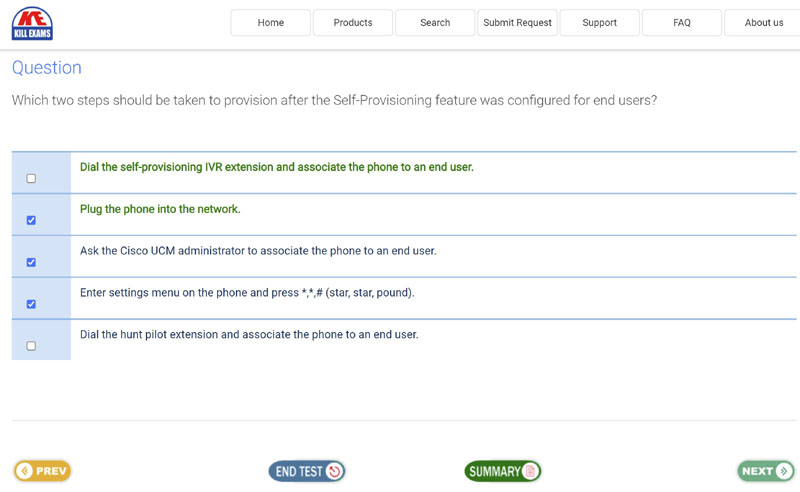
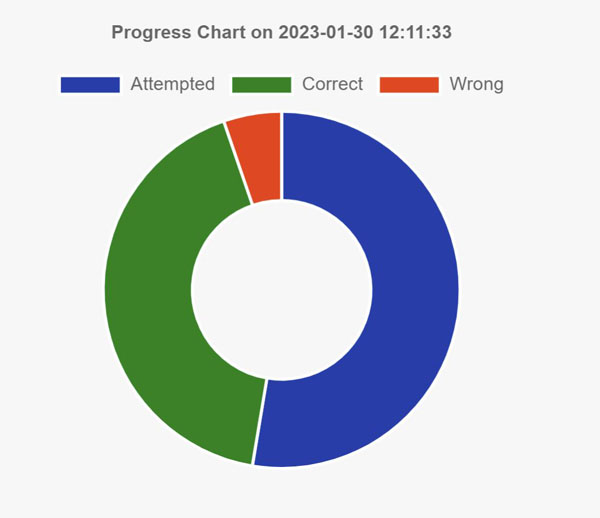
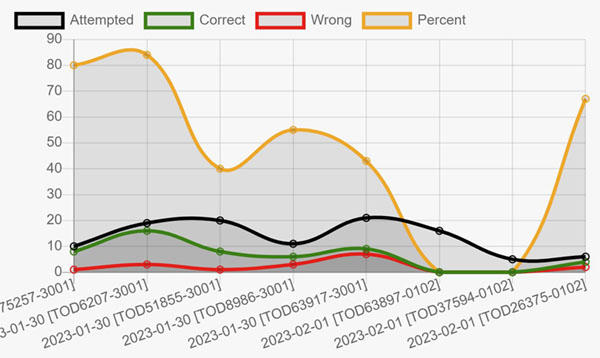
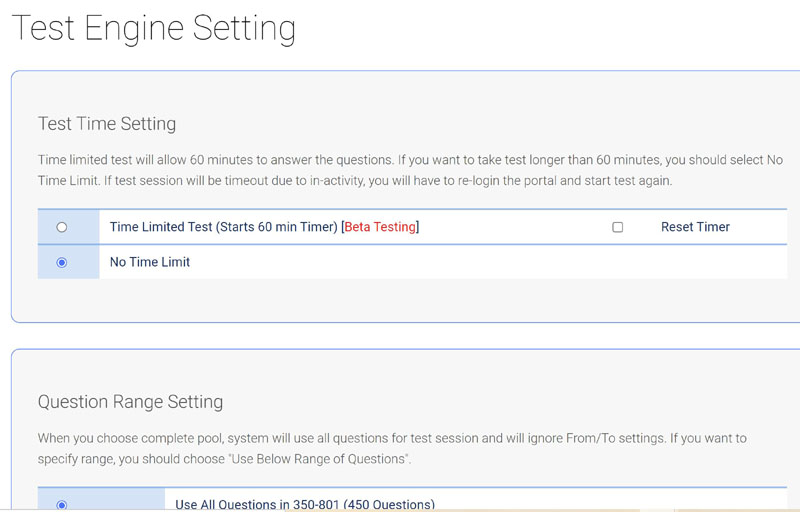
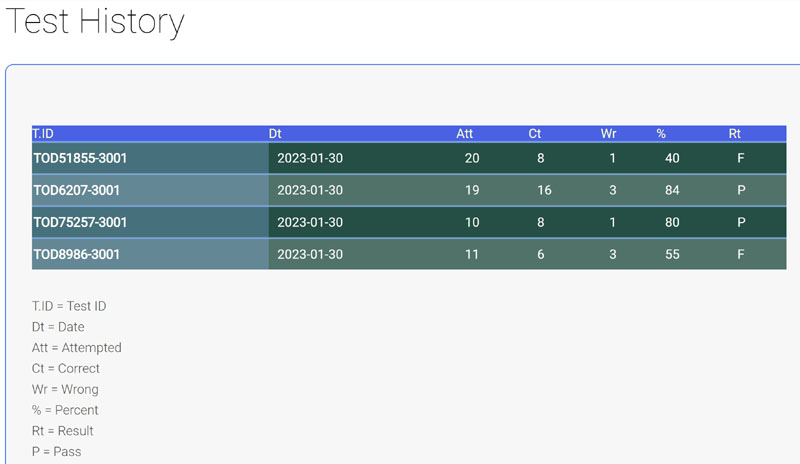
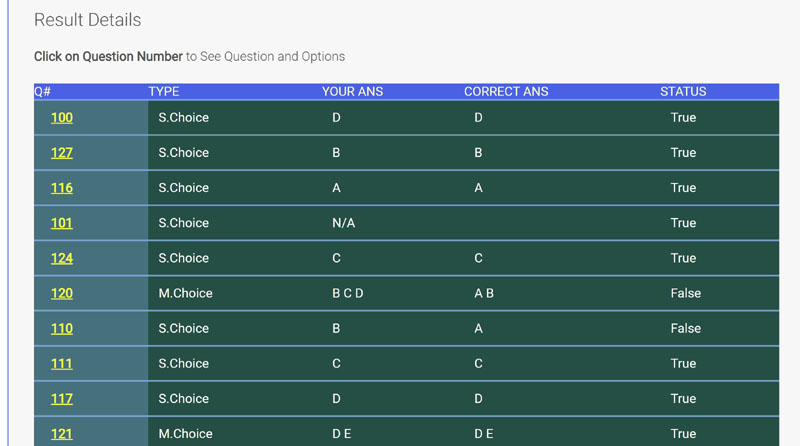
The Online Test Engine maintains practice history, performance summaries, and visual progress reports. Where available, questions may include explanations or reference information to support better understanding of exam topics. Content is reviewed and updated periodically to reflect relevant syllabus changes and maintain consistency with exam objectives.
Desktop Test Engine
| Exam Questions | 1245 (Complete Set) |
| Software Version | 2026 |
| Access | Unlimited |
| Latest Update | November 23, 2026 |
| Access Activation | Instant (5 to 10 min.) |
| Supported OS | Windows (All Versions) |
| Delivery Method | Username / Password |
| Test Engine Trial Software | Killexams Test Engine 2026 |
The Killexams Desktop Test Engine (version 2026) is a dedicated test preparation software designed to support candidates preparing for the CPFO-Planning-and-Budgeting exam. The simulator provides a structured desktop based practice environment that allows users to work through exam style questions and review their performance in detail.
By practicing with the CPFO: Planning and Budgeting Exam Simulator, candidates can become familiar with question formats, exam navigation, and time based testing conditions similar to those used in official exams. This experience helps users build confidence across testing environment, time management, exam topics and identify areas that may require additional study.
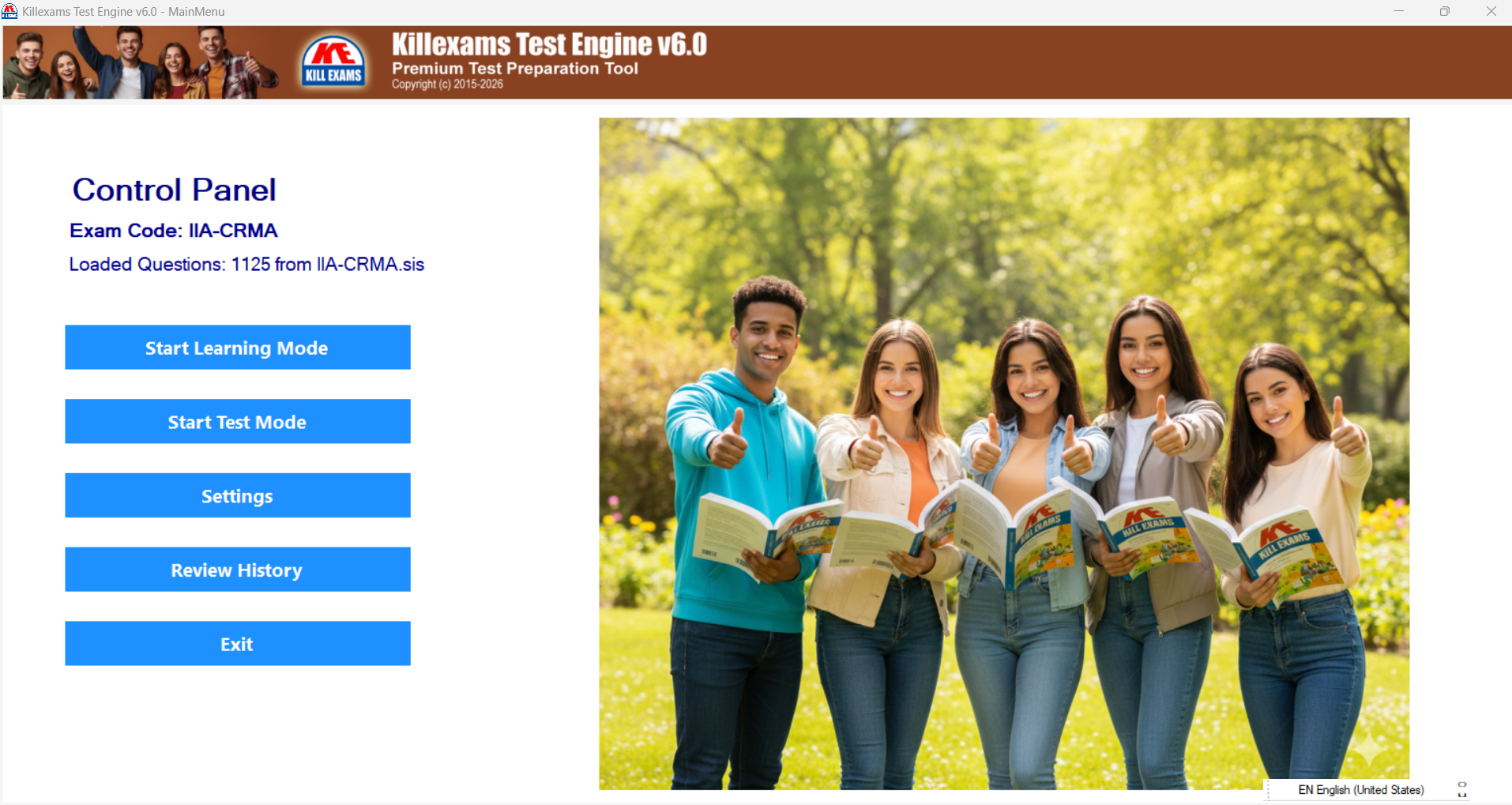
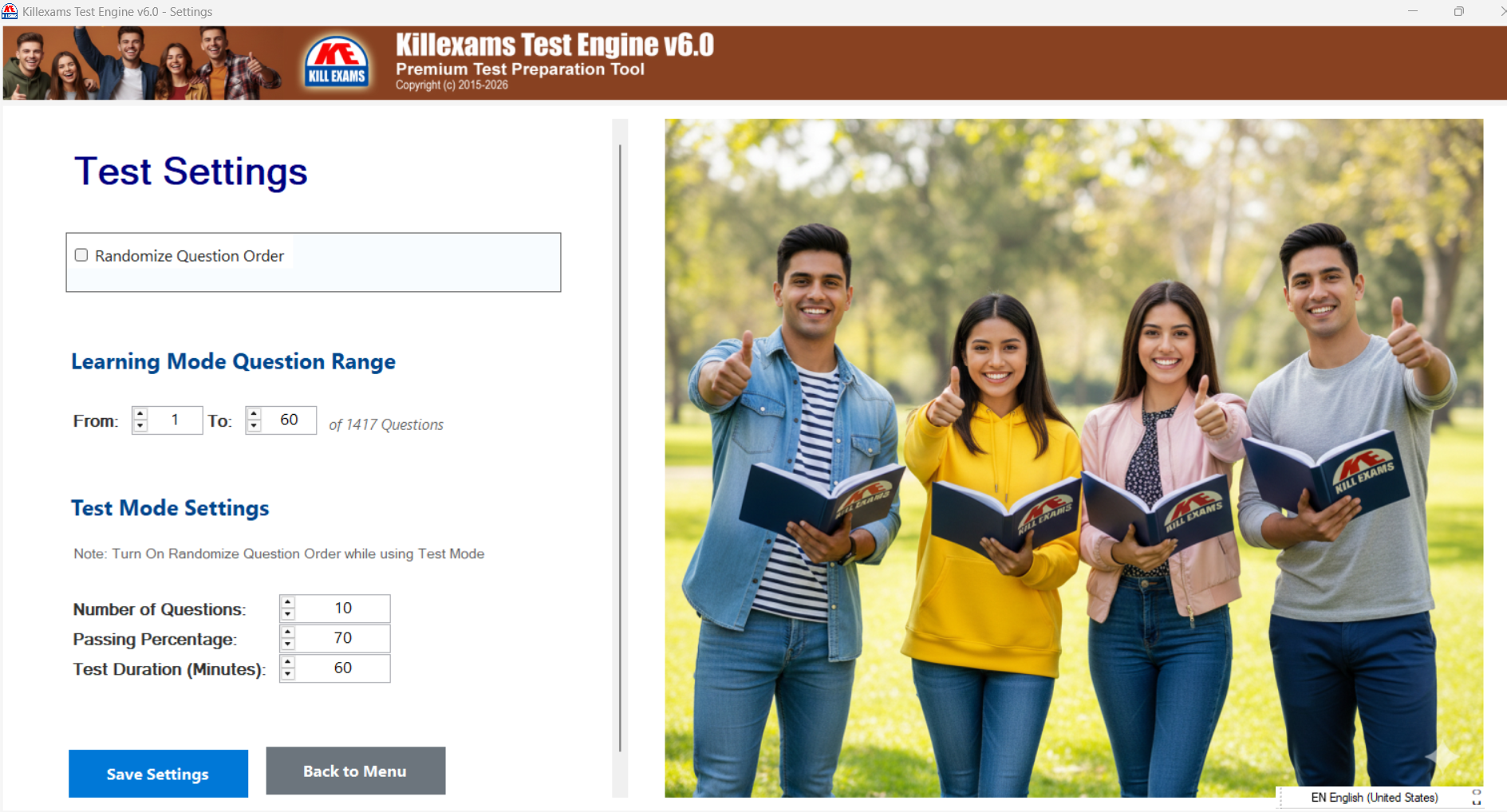
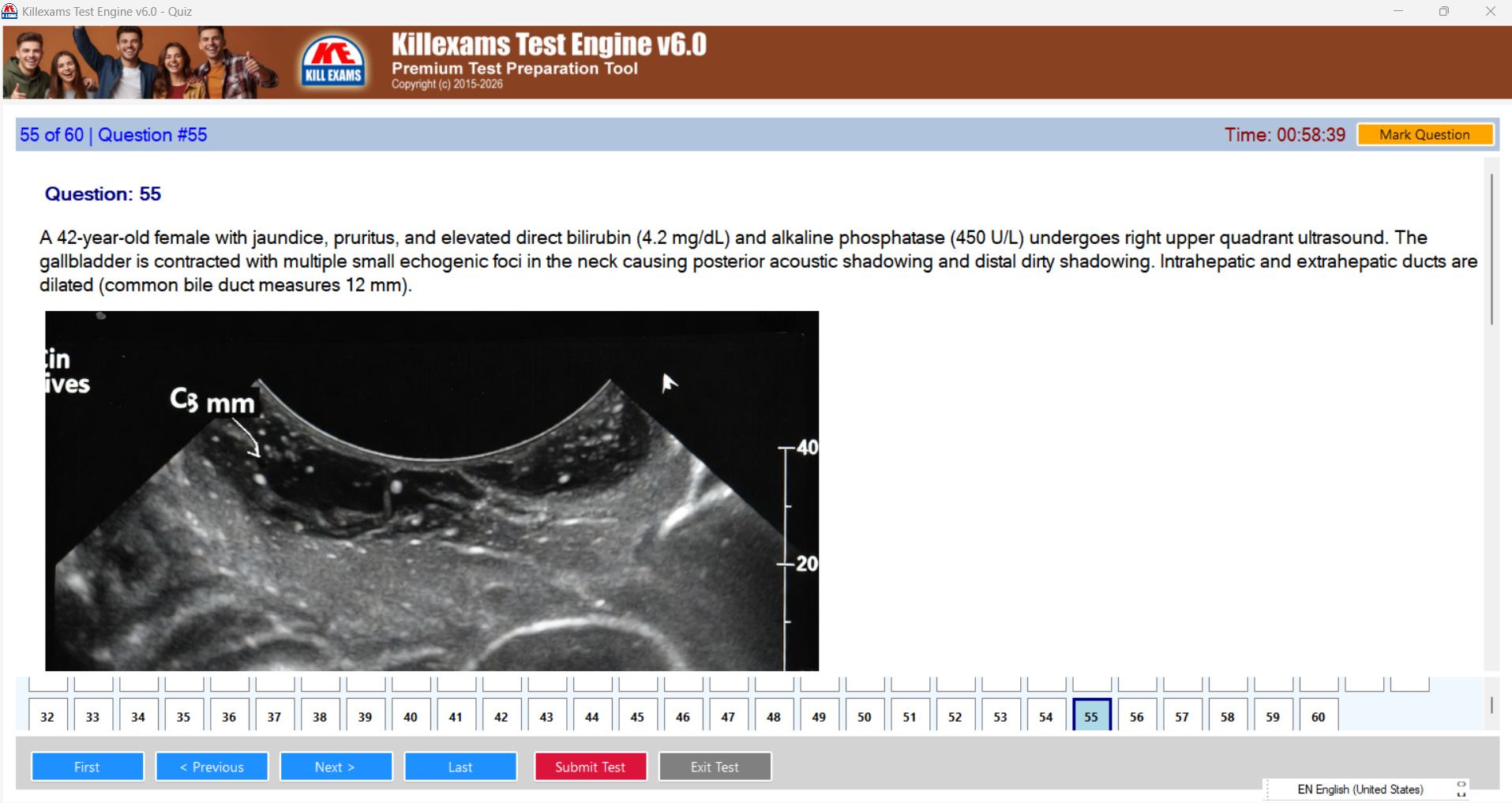
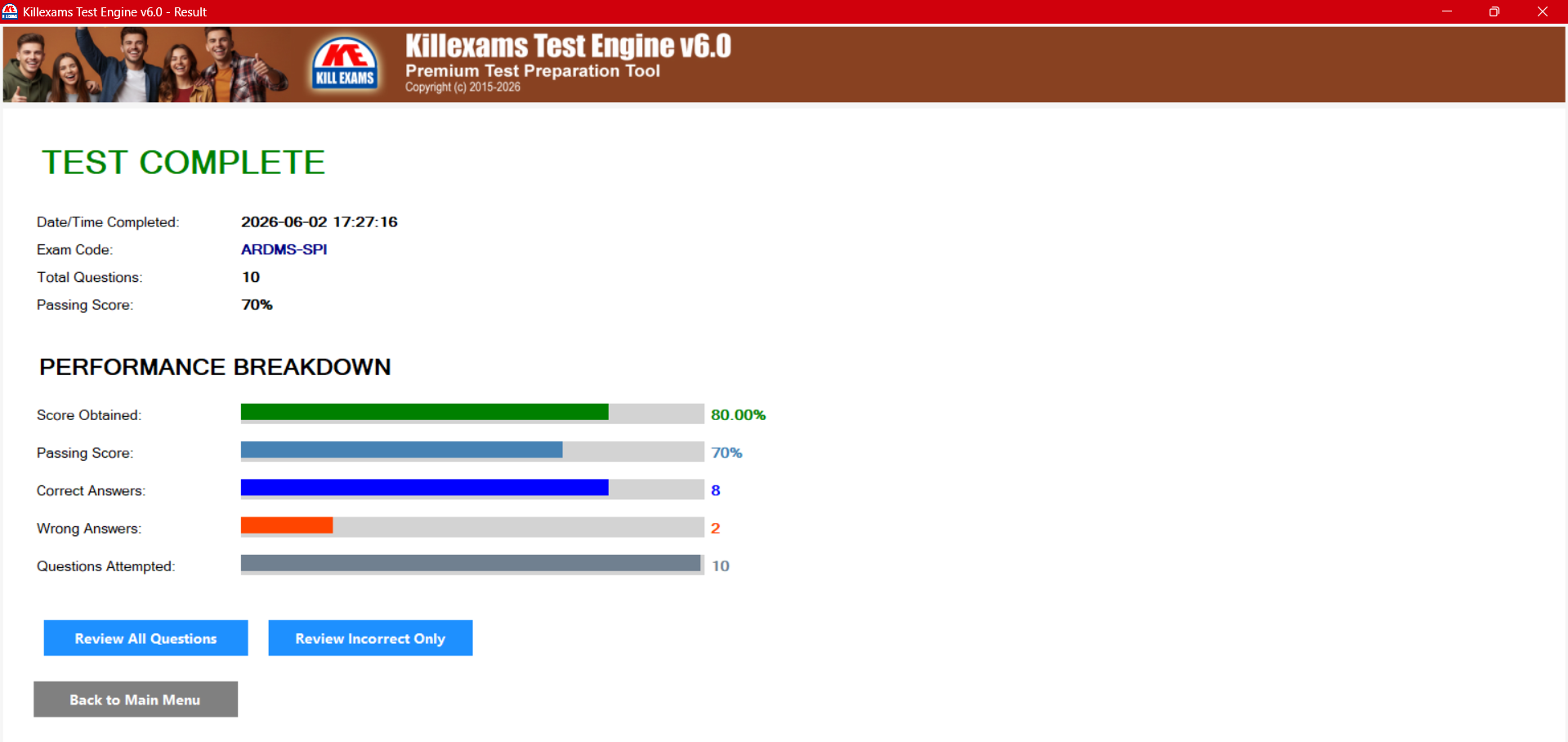

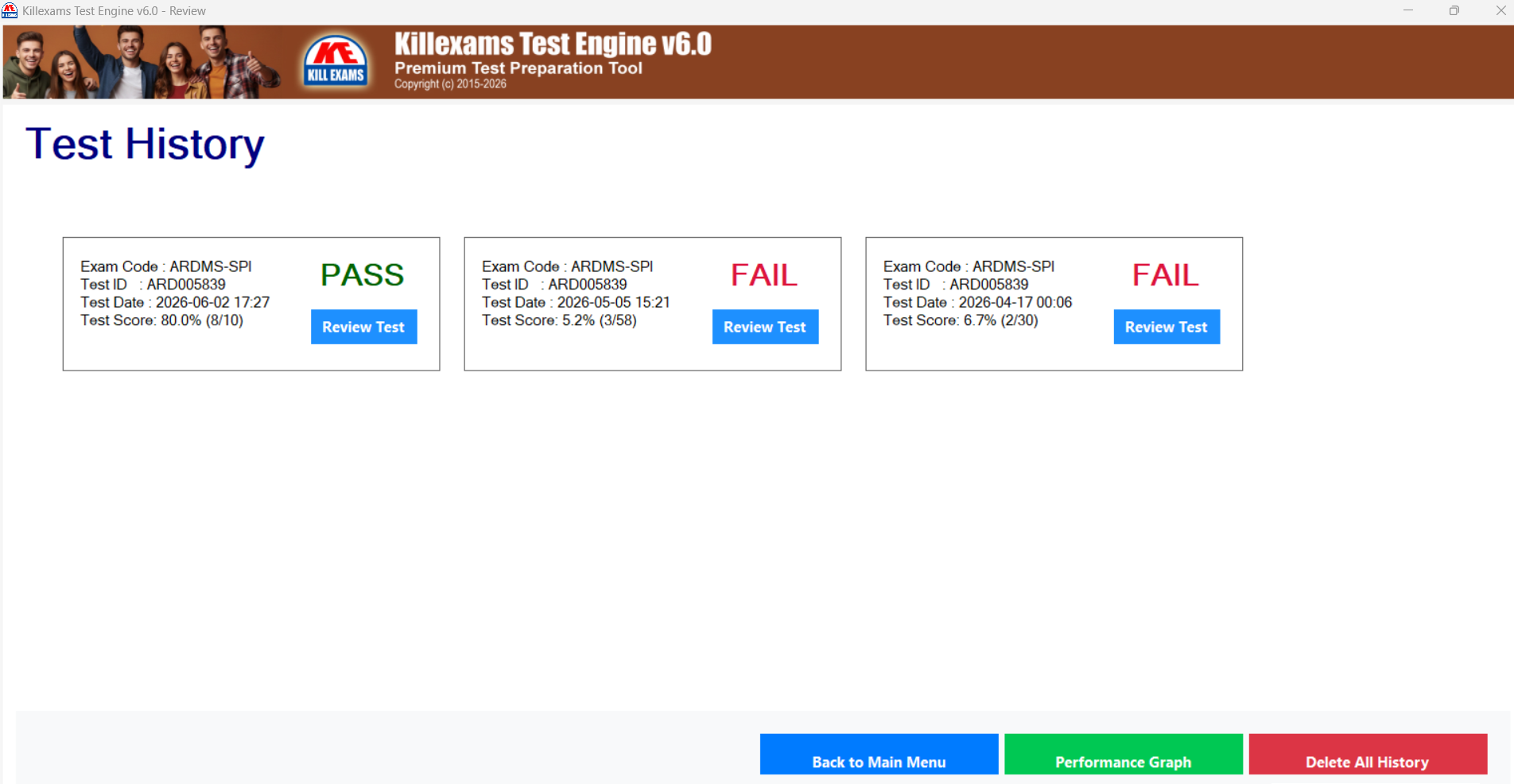
The Desktop Exam Simulator records practice history, performance summaries, and graphical progress reports. Where available, questions may include explanations or reference information to support understanding of correct and incorrect answers. The simulator content is reviewed and updated periodically to remain aligned with current exam objectives and syllabus requirements.
|
3 Months Update
|
6 Months Update
|
12 Months Update
|
|
|---|---|---|---|
What is 3 Months Update?
During 3 months, all future updates in PDF and Test Engine will be provided in your MyAccount with download links. An Intimation email on each update will be sent to you to re-download the updated exam files.
|
What is 6 Months Update?
During 6 months, all future updates in PDF and Test Engine will be provided in your MyAccount with download links. An Intimation email on each update will be sent to you to re-download the updated exam files.
|
What is 12 Months Update?
During 12 months, all future updates in PDF and Test Engine will be provided in your MyAccount with download links. An Intimation email on each update will be sent to you to re-download the updated exam files.
|
|
| Files | PDF / Test Engines | PDF / Test Engines | PDF / Test Engines |
| Premium Access | ✔ | ✔ | ✔ |
| Online Test Engine | ✔ | ✔ | ✔ |
| Instant Download Access | ✔ | ✔ | ✔ |
| Comprehensive Q&A | ✔ | ✔ | ✔ |
| Latest Topics | ✔ | ✔ | ✔ |
| Updated Regularly | ✔ | ✔ | ✔ |
| Portable Files | ✔ | ✔ | ✔ |
| Unlimited Download | ✔ | ✔ | ✔ |
| 100% Secured | ✔ | ✔ | ✔ |
| Confidentiality | 100% | 100% | 100% |
| Syllabus Coverage | Latest | Latest | Latest |
| Any Hidden Cost | No | No | No |
| Auto Renewal | No | No | No |
| Updates Intimation | by Email | by Email | by Email |
| Technical Support | Free | Free | Free |
| PDF Compatibility | Windows, Mac, Android, iOS, Linux | Windows, Mac, Android, iOS, Linux | Windows, Mac, Android, iOS, Linux |
| Desktop Test Engine Compatibility | Windows All Versions | Windows All Versions | Windows All Versions |
| Online Test Engine Compatibility | Mac / Windows / Android / iOS / Linux | Mac / Windows / Android / iOS / Linux | Mac / Windows / Android / iOS / Linux |
CPFO-Planning-and-Budgeting Exam Format | Course Contents | Course Outline | Exam Syllabus | Exam Objectives
Number of Questions: Approximately 50 multiple-choice questions per exam.
Time Allotted: 90 minutes (1.5 hours) to complete the exam.
Passing Score: A scaled score of 70% or higher is required to pass.
Exam Format: Computer-based testing (CBT) at approved testing centers.
Multiple-choice questions with four answer options per question.
Overall Governance 5%
Planning 10%
Revenue 15%
Budget Process 15%
Budget Analysis 10%
Budget Techniques 15%
Budget Monitoring 10%
Communications 10%
Budget Outcomes 10%
1. Overall Governance
- Financial Policies: Establishing formal policies for budget balance- reserve funds- and debt management to ensure fiscal discipline.
- Structurally Balanced Budget: Ensuring recurring revenues cover recurring expenditures for long-term sustainability.
- Governance Frameworks: Adopting GFOA’s Financial Foundations Framework and the National Advisory Council on State and Local Budgeting (NACSLB) best practices.
- Stakeholder Roles: Defining responsibilities for elected officials- finance officers- and department heads in the budgeting process.
- Transparency and Accountability: Mechanisms to promote public trust through clear budget documentation and reporting.
- Legal and Regulatory Compliance: Adhering to local government laws and regulations affecting budget preparation and execution.
- Structurally Balanced Budget: A budget where recurring revenues match or exceed recurring expenditures.
- Fund Balance: The difference between assets and liabilities in a governmental fund- often used to measure financial health.
- GAAP (Generally Accepted Accounting Principles): Standards for financial reporting in budgeting.
- Fiscal Sustainability: The ability to maintain financial health over the long term without relying on non-recurring revenues.
- GFOA Best Practices: Guidelines for budgeting- planning- and financial management.
- Public Accountability: Ensuring budget decisions are transparent and justifiable to stakeholders.
2. Planning
- Long-Term Financial Planning: Developing multi-year plans to address future fiscal challenges and opportunities.
- Strategic Planning: Aligning budget priorities with organizational and community goals.
- Public Engagement: Involving stakeholders (e.g.- citizens- community groups) in planning to ensure fairness and inclusivity.
- Capital Improvement Planning: Creating multi-year plans for infrastructure and capital investments.
- Forecasting Assumptions: Documenting assumptions for revenue and expenditure projections to guide planning.
- Risk Management: Identifying and mitigating risks that could impact financial plans.
- Financial Forecast: A tool to predict future fiscal conditions based on historical and current data.
- Capital Improvement Plan (CIP): A multi-year plan for capital projects- including funding sources and timelines.
- Strategic Goals: Long-term objectives that guide resource allocation.
- Public Engagement: Processes to involve citizens in planning- such as participatory budgeting.
- Enterprise Risk Management (ERM): A framework for identifying and addressing financial and operational risks.
- Scenario Planning: Developing multiple forecast outcomes to prepare for various fiscal conditions.
3. Revenue
- Revenue Sources: Understanding diverse revenue streams- including taxes- user fees- grants- and intergovernmental transfers.
- Revenue Forecasting: Estimating future revenues using historical data- economic trends- and statistical models.
- Revenue Volatility: Assessing risks associated with fluctuating revenue sources- such as sales taxes.
- Seasonality: Analyzing patterns in revenue collection to improve forecasting accuracy.
- Revenue Diversification: Strategies to reduce reliance on a single revenue source for fiscal stability.
- Policy Impacts: Evaluating how changes in laws or regulations affect revenue projections.
- Recurring Revenue: Income expected to continue regularly- such as property taxes.
- Non-Recurring Revenue: One-time or irregular income- such as grants or asset sales.
- Revenue Forecast: Projections of future revenue based on economic and historical data.
- Elasticity: The sensitivity of revenue sources to economic changes (e.g.- sales tax during a recession).
- Intergovernmental Revenue: Funds received from other governments- such as state or federal grants.
- User Fees: Charges for specific services- such as water or recreation fees.
4. Budget Process
- Budget Development Stages: Planning- preparation- adoption- execution- and evaluation.
- Stakeholder Collaboration: Engaging elected officials- staff- and the public in budget development.
- Budget Calendar: Creating a timeline for budget preparation- review- and adoption.
- Priority-Based Budgeting: Allocating resources based on community and organizational priorities.
- Budget Types: Understanding line-item- program- performance- and zero-based budgeting approaches.
- Policy Integration: Linking budgets to financial policies and strategic plans.
- Budget Calendar: A schedule outlining key milestones in the budget process.
- Priority-Based Budgeting: A method that aligns resources with community priorities and outcomes.
- Program Budgeting: Organizing budgets by programs or services rather than line items.
- Zero-Based Budgeting: Building budgets from scratch- justifying all expenditures annually.
- Budget Adoption: The formal approval of the budget by the governing body.
- Public Hearing: A forum for public input during the budget process.
5. Budget Analysis
- Revenue and Expenditure Analysis: Comparing actuals to budgeted amounts to identify trends and variances.
- Cost-Benefit Analysis: Assessing the financial and non-financial impacts of budget proposals.
- Fiscal Impact Analysis: Evaluating the budgetary effects of proposed policies or projects.
- Performance Metrics: Using data to measure the efficiency and effectiveness of programs.
- Variance Analysis: Identifying and analyzing deviations between budgeted and actual figures.
- Trend Analysis: Examining historical data to predict future budgetary needs.
- Variance Analysis: Comparing budgeted amounts to actual results to identify discrepancies.
- Cost-Benefit Analysis: Evaluating the costs versus benefits of a proposed initiative.
- Fiscal Impact Analysis: Assessing the budgetary implications of policy decisions.
- Performance Metrics: Quantitative measures to evaluate program outcomes.
- Trend Analysis: Using historical data to identify patterns in revenues and expenditures.
- Encumbrances: Funds committed but not yet spent- tracked in the budget.
6. Budget Techniques
- Line-Item Budgeting: Detailing expenditures by specific categories (e.g.- salaries- supplies).
- Performance-Based Budgeting: Linking funding to measurable outcomes and performance goals.
- Program Budgeting: Allocating resources to specific programs or services.
- Zero-Based Budgeting: Justifying all expenses from a zero base each year.
- Participatory Budgeting: Involving citizens in deciding how to allocate portions of the budget.
- Budget Software: Using technology (e.g.- ERP systems) to streamline budgeting processes.
- Line-Item Budget: A budget organized by specific expenditure categories.
- Performance-Based Budgeting: A method tying funding to measurable outcomes.
- Zero-Based Budgeting: A technique requiring justification of all expenses annually.
- Participatory Budgeting: A process allowing public input on budget allocations.
- ERP System: Enterprise Resource Planning software for integrated budget management.
- Evidence-Based Budgeting: Using data and outcomes to guide budget decisions.
7. Budget Monitoring
- Budget vs. Actuals Comparison: Regularly comparing budgeted amounts to actual revenues and expenditures.
- Performance Monitoring: Tracking progress toward goals and objectives using performance measures.
- Overspend Protection: Implementing controls to prevent budget overruns.
- Root Cause Analysis: Investigating reasons for budget variances to inform corrective actions.
- Real-Time Data: Using ERP systems for timely budget monitoring and reporting.
- Interim Reporting: Meeting periodic reporting requirements for transparency and compliance.
- Budget Monitoring: The process of tracking financial performance against the budget.
- Performance Measures: Indicators to assess program efficiency and effectiveness.
- Root Cause Analysis: Identifying underlying reasons for budget variances.
- Overspend Protection: Mechanisms to prevent spending beyond budgeted amounts.
- Real-Time Data: Immediate access to financial data via ERP systems.
- Interim Reporting: Periodic reports on budget performance for stakeholders.
8. Communications
- Budget Documentation: Creating clear- comprehensive budget documents for public and stakeholder review.
- Public Communication: Sharing budget information through reports- websites- and public meetings.
- Stakeholder Engagement: Communicating with elected officials- staff- and citizens to build consensus.
- Transparency: Providing accessible information about budget priorities and outcomes.
- Presentation Techniques: Using visuals and narratives to explain complex budget data.
- Feedback Mechanisms: Incorporating public and stakeholder feedback into budget decisions.
- Budget Document: A formal report detailing the budget- priorities- and financial plans.
- Transparency: Openness in sharing budget information with the public.
- Stakeholder Engagement: Involving key groups in budget discussions and decisions.
- Public Meeting: A forum for presenting and discussing the budget with citizens.
- Budget Narrative: A written explanation of budget priorities and decisions.
- Feedback Loop: A process for collecting and acting on stakeholder input.
9. Budget Outcomes
- Outcome Measurement: Assessing whether budget allocations achieve intended results.
- Performance Evaluation: Linking budget outcomes to strategic and operational goals.
- Community Impact: Evaluating how budget decisions affect service delivery and community well-being.
- Long-Term Sustainability: Ensuring budget decisions support financial health over time.
- Accountability Mechanisms: Holding managers accountable for achieving budgeted outcomes.
- Adjustments and Flexibility: Modifying budgets based on performance and changing conditions.
- Outcome Measures: Metrics to evaluate the impact of budget allocations.
- Performance Evaluation: Assessing whether programs meet their objectives.
- Community Outcomes: The tangible benefits of budget decisions for residents.
- Fiscal Sustainability: Maintaining financial health through balanced budgeting.
- Accountability: Ensuring responsible use of public funds.
- Flexibility: The ability to adjust budgets in response to changing needs.
Reviews (10)4.30 Overall
★★★★★
40%
★★★★
50%
★★★
10%
★★
0%
★
0%
|
Submit ReviewYou must be logged in to submit a review. Sign In to Submit Review |
Customer Reviews
CPFO-Planning-and-Budgeting Exam FAQs
How many questions are on the CPFO-Planning-and-Budgeting exam?
The CPFO-Planning-and-Budgeting exam has approximately 50 multiple-choice questions per exam.
How long is the CPFO-Planning-and-Budgeting exam?
You have 90 minutes (1.5 hours) to complete the CPFO-Planning-and-Budgeting exam.
What is the passing score for CPFO-Planning-and-Budgeting?
For the CPFO-Planning-and-Budgeting exam: A scaled score of 70% or higher is required to pass.
What topics does the CPFO-Planning-and-Budgeting exam cover, and how are they weighted?
The CPFO-Planning-and-Budgeting exam covers 5 sections: Budget Process; Revenue and Expenditure Forecasting; Capital Planning; Performance Budgeting; Financial Policies.
How should I prepare for CPFO-Planning-and-Budgeting?
Start with the official CPFO-Planning-and-Budgeting exam outline and study materials from GFOA, then build exam readiness with timed practice. A killexams.com premium account gives you the full pool of 1,245 CPFO-Planning-and-Budgeting practice questions and answers in PDF and Test Engine formats, so you can practice every objective and review the answers before exam day.
How long does it take to prepare for CPFO-Planning-and-Budgeting?
At a steady pace of 100 practice questions a day, working through all 1,245 CPFO-Planning-and-Budgeting questions takes about 13 days. Add extra days to repeat the questions you got wrong.
Is CPFO-Planning-and-Budgeting hard? Who is it for?
The GFOA CPFO Planning and Budgeting exam covers budget processes, forecasting, capital planning, performance budgeting and financial policies for public organizations.
How many practice questions do you have for CPFO-Planning-and-Budgeting?
The killexams.com CPFO-Planning-and-Budgeting practice test contains 1,245 questions and answers.
Is there a free CPFO-Planning-and-Budgeting sample?
Yes. A free CPFO-Planning-and-Budgeting sample PDF is available on this page, so you can review the question style before you buy.
What formats are included in the CPFO-Planning-and-Budgeting practice test?
The CPFO-Planning-and-Budgeting practice test is available as a PDF, an Online Test Engine and a Desktop Test Engine.
Do the CPFO-Planning-and-Budgeting practice questions cover the current exam objectives?
Yes. The CPFO-Planning-and-Budgeting practice questions cover the complete syllabus and current exam objectives.
How do I get the files after purchase, and how long is access valid?
Your MyAccount login details are delivered by email. You can download the files from the member area until your account expires, after 3, 6 or 12 months depending on the plan you bought.
Can I use the CPFO-Planning-and-Budgeting Test Engine on Mac or mobile?
Yes, with the Online Test Engine, which runs on Mac, iOS, Android, Linux and other platforms. The Desktop Test Engine is for Windows only.
What if I fail the CPFO-Planning-and-Budgeting exam after using your material?
You can choose one of three options: 1) a refund, 2) a free 3-month account extension, or 3) a new exam of your choice.
How many practice questions are available for CPFO-Planning-and-Budgeting?
The CPFO-Planning-and-Budgeting practice test contains 1,245 practice questions and answers covering the current exam objectives.
What formats are available for CPFO-Planning-and-Budgeting preparation?
The CPFO-Planning-and-Budgeting practice test is available as PDF, Online Test Engine, Desktop Test Engine. All formats can be downloaded instantly after purchase.
Is there a free CPFO-Planning-and-Budgeting sample?
Yes. You can preview and download a free CPFO-Planning-and-Budgeting sample PDF on this page before you buy.