


CSQE Exam Questions PDF
| Questions and Answers | 1449 (Complete Set) |
| File Format | |
| Latest Update | November 20, 2026 |
| Files Delivery | Instant (5 to 10 min.) |
| Compatibility | All Desktop and Mobile Devices |
| Delivery Method | Download Account |
The Certified Software Quality Engineer credential from ASQ recognizes professionals who understand software quality principles, development processes, testing, metrics, configuration management and verification and validation.
ASQ is a global membership organization for quality professionals. Its certifications are based on detailed bodies of knowledge and are widely recognized in manufacturing, healthcare, software and service industries.
The Certified Software Quality Engineer Certification credential is recognized across industries as evidence that you understand a widely used framework for delivering work, managing requirements or improving quality. Employers value it because it gives teams a shared vocabulary and approach.
Questions on the Certified Software Quality Engineer Certification exam often describe a situation in a project or team and ask for the best next step. Understanding the intent behind each practice, not just its name, is what makes these questions straightforward.
Each section of the exam has its own focus. Within General Knowledge, candidates should be comfortable with quality principles and ethics. Software Quality Management focuses on quality systems and audits. The Systems and Software Engineering Processes area includes life cycles. Questions on Project Management typically involve planning and risk.
Preparing for the CSQE exam requires not only understanding the exam topics but also practicing with exam style questions. Our Certified Software Quality Engineer Certification exam questions in practice tests help candidates review key concepts and familiarize themselves with the format and difficulty of exam.
At Killexams.com, our team works to maintain up-to-date practice content for exam preparation. We continuously review and refine our question sets and explanations to cover the latest relevant syllabus areas and help learners strengthen their understanding of core topics before facing the official exam. These Practice tests allow you to identify areas where you need improvement by measuring your readiness, and provide you exam questions to polish those areas.
CSQE Exam Questions Preview
The CSQE exam has 160 questions over four and a half hours.
Turning the outline into a study schedule makes preparation easier. Allow roughly 7 weeks, giving each major area its own block: begin with General Knowledge, continue with Software Quality Management; Systems and Software Engineering Processes; and Project Management, and finish with Software Metrics and Analysis; Software Verification and Validation; and Software Configuration Management. Summarize every area on a single page and use those pages for quick revision before the exam. Before booking, make sure your practice scores are steady across every section rather than strong in only one or two.
For CSQE, read the official guide or syllabus once quickly, then a second time slowly, mapping each concept to your own experience. Practice scenario questions and ask yourself what the framework intends, not what your current workplace does.
Make flashcards for the terms, roles, events and artifacts in CSQE, and use practice tests to apply them. Many questions include subtle wording, so read every option before choosing.
| Detail | Information |
|---|---|
| Questions | 160 |
| Duration | 4.5 hours |
| Provider | ASQ |
To help you evaluate our material, you may download free sample pdf with example questions and answers that we provide. This sample allows you to review content and approach before deciding on Premium materials..
The Certified Software Quality Engineer Certification practice test files contains 1449 Questions, are compatible with multiple devices, including Windows, macOS, iOS, and Android, and can be used for both online and offline study. The PDF format is printable, making it easy to study during travel or when away from a computer. Access to updated materials is available through your online account.
After purchase, you will receive your username and password immediately, allowing you to log in and download your study files without delay. Our goal is to support exam preparation at your pace with practice content designed for reinforcement and understanding of key concepts.
Killexams.com CSQE questions and answers cover software quality topics with explanations.
Questions in the killexams.com CSQE bank are grouped to match the exam sections, including General Knowledge; Software Quality Management; Systems and Software Engineering Processes; and Project Management. Score reports after each session show which section needs more work, and the explanations turn mistakes into learning.
Killexams.com keeps the CSQE question bank current by reviewing it when the exam outline changes, and each question includes an explanation so you learn the reasoning, not just the answer. The practice test can be repeated with questions in a different order, which helps you focus on understanding rather than memorizing positions.
Candidates who use the killexams.com CSQE question bank often begin with a diagnostic session to see which sections need the most attention, then return to those sections repeatedly before taking a final full length practice test.
Online Test Engine
| Exam Questions | 1449 (Complete Set) |
| Testing Limit | Unlimited |
| Access Type | Online |
| Latest Update | November 20, 2026 |
| Access Activation | Instant (5 to 10 min.) |
| Supported OS | Mac, Windows, Android, iPhone / iPad, Linux |
| Delivery Method | Username / Password |
Killexams.com provides an Online Test Engine designed to help candidates practice exam questions in a structured and interactive environment. The Test Engine is compatible with iPhone, iPad, Android, Windows, and Mac, allowing you to study and practice on the device that best fits your schedule.
The CSQE Online Test Engine enables candidates to simulate exam-style practice sessions, review answers, and track progress over time. This learning approach helps users practice exam questions, question formats and improve time management while preparing for the Certified Software Quality Engineer Certification exam.
The Test Engine includes features that support effective learning, such as customizable practice sessions, question review modes, and progress tracking. These tools are designed to assist candidates in identifying knowledge gaps and reinforcing key concepts through repeated practice rather than memorization alone.
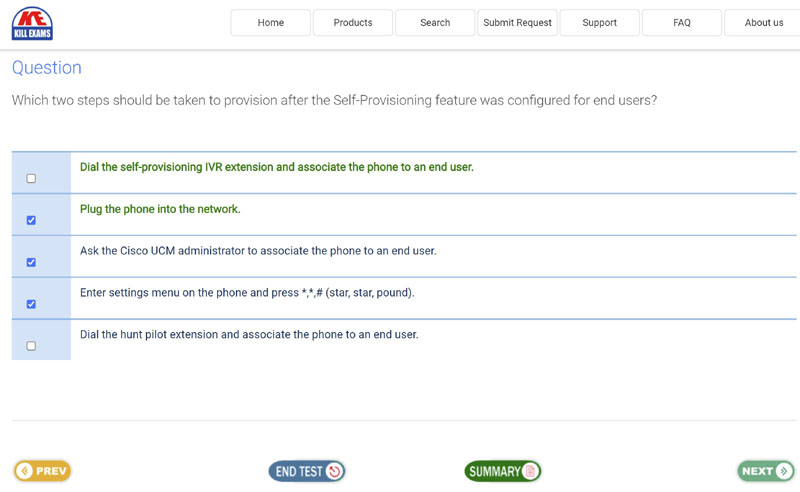
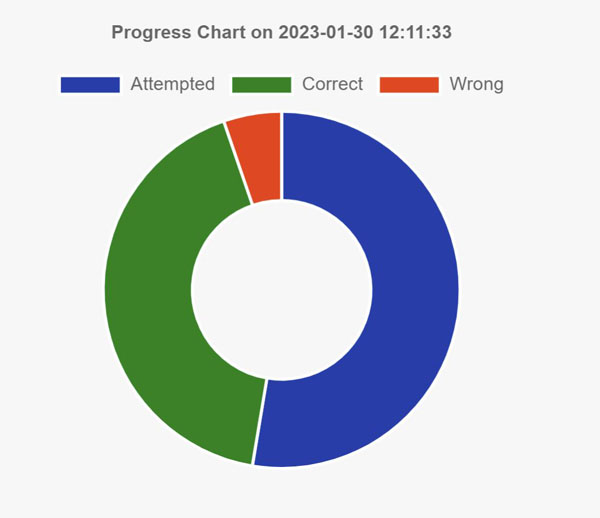
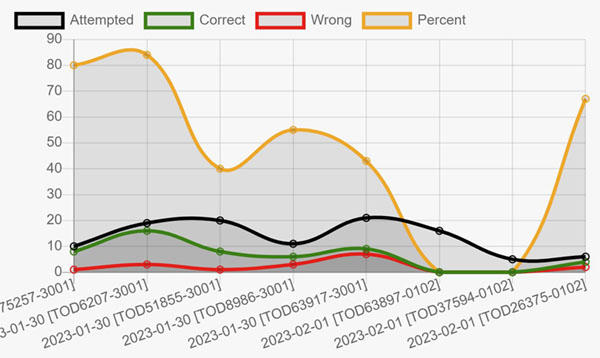
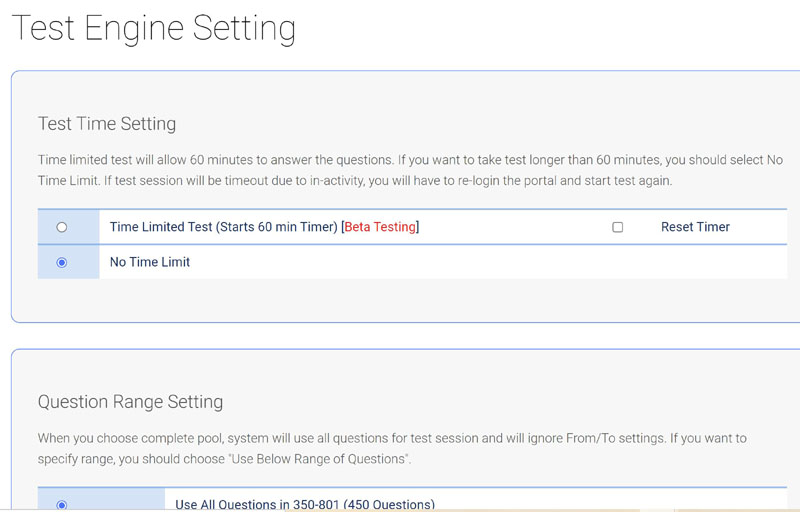
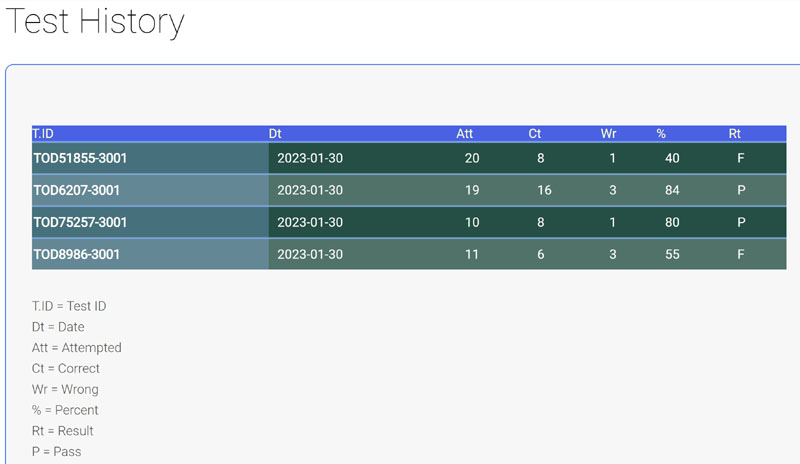
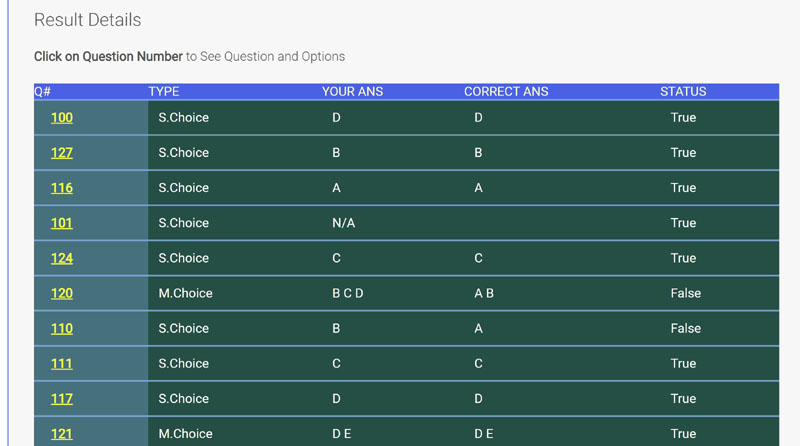
The Online Test Engine maintains practice history, performance summaries, and visual progress reports. Where available, questions may include explanations or reference information to support better understanding of exam topics. Content is reviewed and updated periodically to reflect relevant syllabus changes and maintain consistency with exam objectives.
Desktop Test Engine
| Exam Questions | 1449 (Complete Set) |
| Software Version | 2026 |
| Access | Unlimited |
| Latest Update | November 20, 2026 |
| Access Activation | Instant (5 to 10 min.) |
| Supported OS | Windows (All Versions) |
| Delivery Method | Username / Password |
| Test Engine Trial Software | Killexams Test Engine 2026 |
The Killexams Desktop Test Engine (version 2026) is a dedicated test preparation software designed to support candidates preparing for the CSQE exam. The simulator provides a structured desktop based practice environment that allows users to work through exam style questions and review their performance in detail.
By practicing with the Certified Software Quality Engineer Certification Exam Simulator, candidates can become familiar with question formats, exam navigation, and time based testing conditions similar to those used in official exams. This experience helps users build confidence across testing environment, time management, exam topics and identify areas that may require additional study.
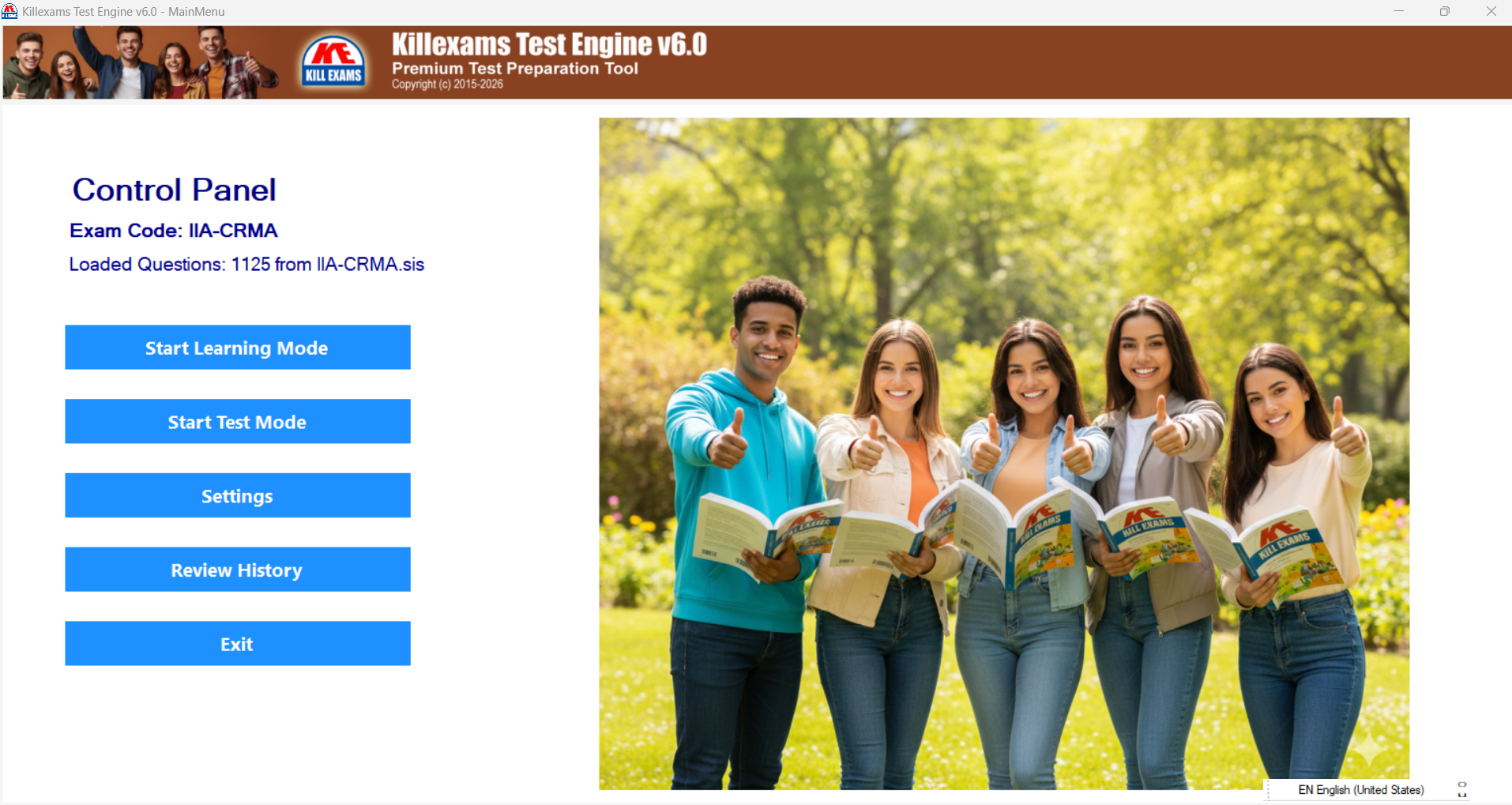

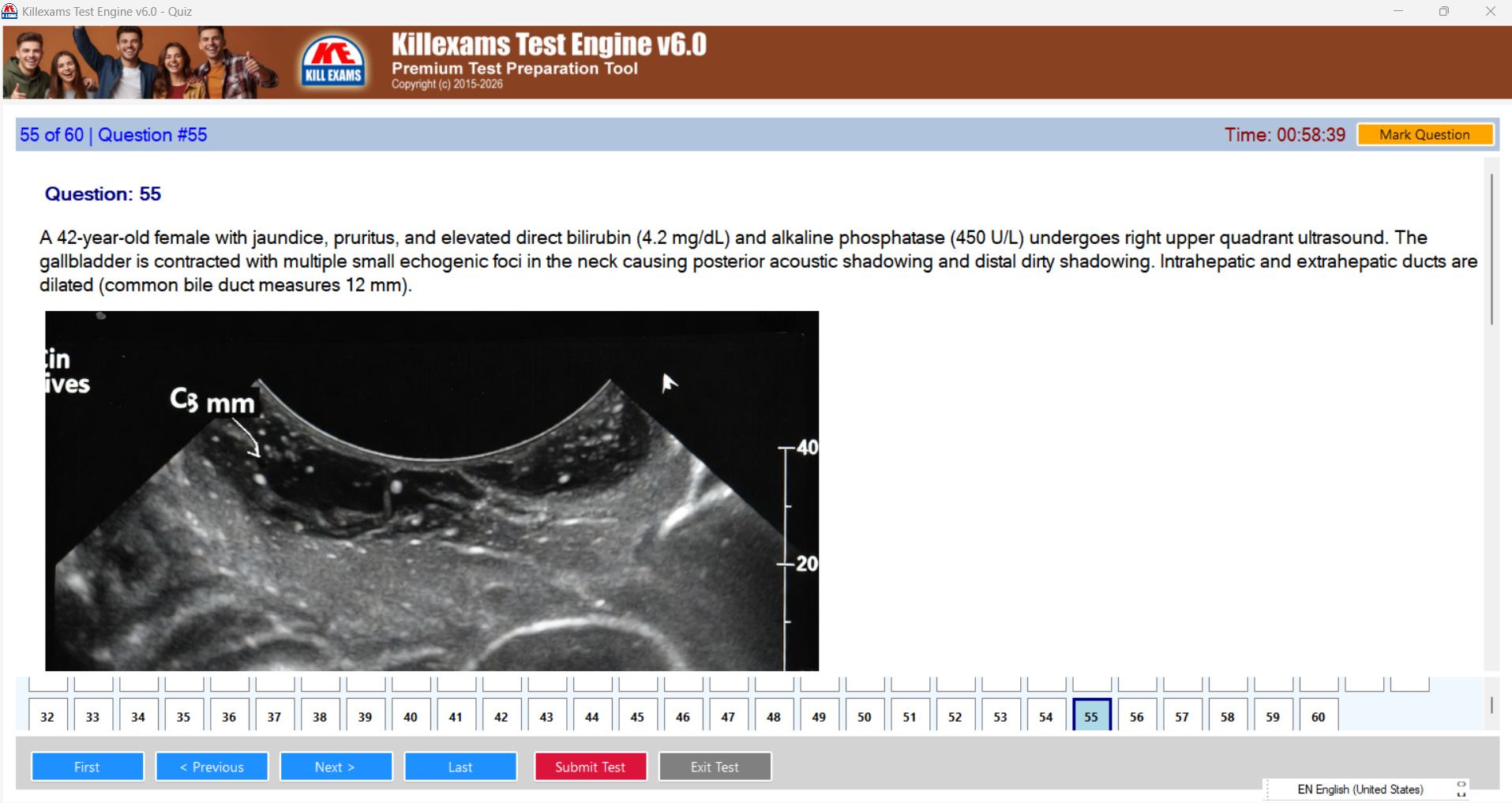
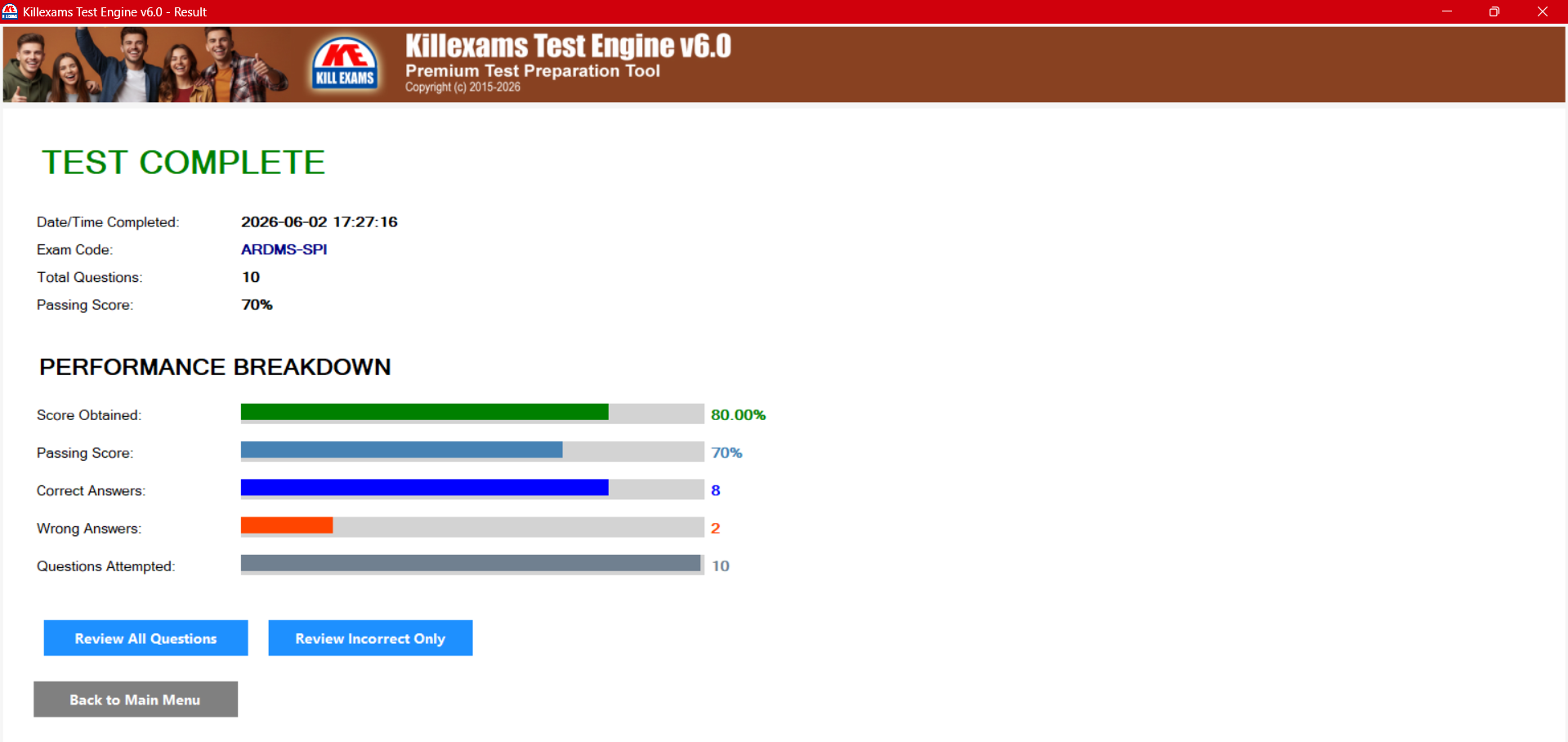

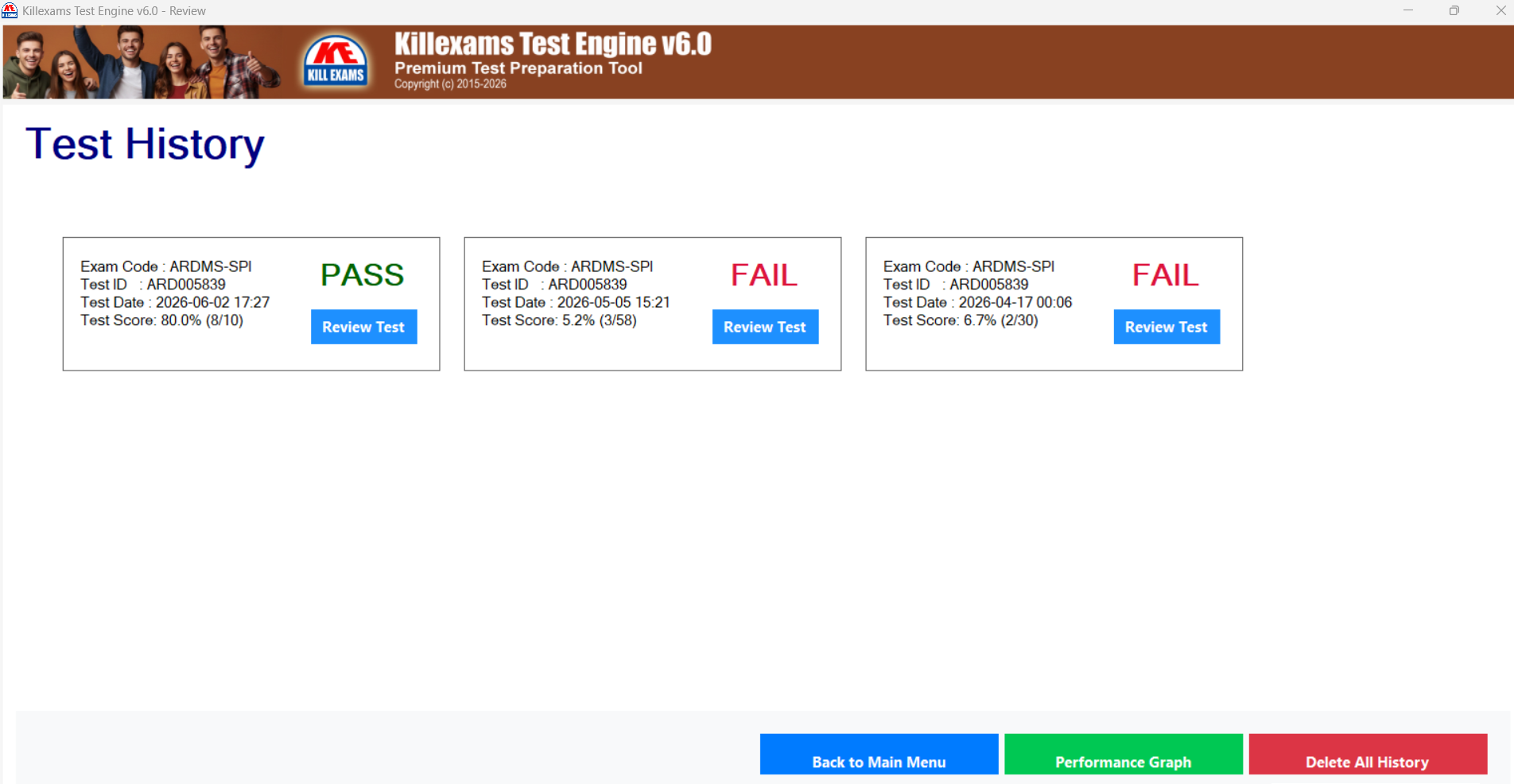
The Desktop Exam Simulator records practice history, performance summaries, and graphical progress reports. Where available, questions may include explanations or reference information to support understanding of correct and incorrect answers. The simulator content is reviewed and updated periodically to remain aligned with current exam objectives and syllabus requirements.
|
3 Months Update
|
6 Months Update
|
12 Months Update
|
|
|---|---|---|---|
What is 3 Months Update?
During 3 months, all future updates in PDF and Test Engine will be provided in your MyAccount with download links. An Intimation email on each update will be sent to you to re-download the updated exam files.
|
What is 6 Months Update?
During 6 months, all future updates in PDF and Test Engine will be provided in your MyAccount with download links. An Intimation email on each update will be sent to you to re-download the updated exam files.
|
What is 12 Months Update?
During 12 months, all future updates in PDF and Test Engine will be provided in your MyAccount with download links. An Intimation email on each update will be sent to you to re-download the updated exam files.
|
|
| Files | PDF / Test Engines | PDF / Test Engines | PDF / Test Engines |
| Premium Access | ✔ | ✔ | ✔ |
| Online Test Engine | ✔ | ✔ | ✔ |
| Instant Download Access | ✔ | ✔ | ✔ |
| Comprehensive Q&A | ✔ | ✔ | ✔ |
| Latest Topics | ✔ | ✔ | ✔ |
| Updated Regularly | ✔ | ✔ | ✔ |
| Portable Files | ✔ | ✔ | ✔ |
| Unlimited Download | ✔ | ✔ | ✔ |
| 100% Secured | ✔ | ✔ | ✔ |
| Confidentiality | 100% | 100% | 100% |
| Syllabus Coverage | Latest | Latest | Latest |
| Any Hidden Cost | No | No | No |
| Auto Renewal | No | No | No |
| Updates Intimation | by Email | by Email | by Email |
| Technical Support | Free | Free | Free |
| PDF Compatibility | Windows, Mac, Android, iOS, Linux | Windows, Mac, Android, iOS, Linux | Windows, Mac, Android, iOS, Linux |
| Desktop Test Engine Compatibility | Windows All Versions | Windows All Versions | Windows All Versions |
| Online Test Engine Compatibility | Mac / Windows / Android / iOS / Linux | Mac / Windows / Android / iOS / Linux | Mac / Windows / Android / iOS / Linux |
CSQE Exam Format | Course Contents | Course Outline | Exam Syllabus | Exam Objectives
Work experience must be in a full-time- paid role. Paid intern- co-op or any other course work cannot be applied toward the work experience requirement.
Candidates must have eight years of on-the-job experience in one or more of the areas of the Certified Software Quality Engineer Body of Knowledge.
A minimum of three years of this experience must be in a decision-making position. ("Decision-making" is defined as the authority to define- execute- or control projects/processes and to be responsible for the outcome. This may or may not include management or supervisory positions.)
For candidates who were certified by ASQ as a quality auditor- reliability engineer- supplier quality professional- quality engineer or quality manager- the experience used to qualify for certification in these fields applies to certification as a software quality engineer.
Here are the minimum expectations of a Certified Software Quality Engineer.
Must possess a fundamental understanding of quality philosophies- principles- methods- tools- standards- organizational and team dynamics- interpersonal relationships- professional ethics- and legal and regulatory requirements. Must evaluate the impact of software quality management principles on business objectives and demonstrate comprehensive knowledge of developing and implementing software quality programs- which include tracking- analyzing- reporting- problem resolution- process improvement- training- and supplier management. Must have a basic understanding of how and when to perform software audits including audit planning- approaches- types- analyses- reporting results and follow-up. Must understand systems architecture and be able to implement software development and maintenance processes- quantify the fundamental problems and risks associated with various software development methodologies- and assess- support- and implement process and technology changes.
Must be able to apply project management principles and techniques as they relate to software project planning- implementation and tracking. Must be able to evaluate and manage risk. Must select- define and apply product and process metrics and analytical techniques- and have an understanding of measurement theory and how to communicate results. Must have a thorough understanding of verification and validation processes- including early software defect detection and removal- inspection- and testing methods (e.g.- types- levels- strategies- tools and documentation). Must be able to analyze test strategies- develop test plans and execution documents- and review customer deliverables. Must have a basic understanding of configuration management processes- including planning- configuration identification- configuration control- change management- status accounting- auditing and reporting. Must assess the effectiveness of product release and archival processes.
Certification from ASQ is considered a mark of quality excellence in many industries. It helps you advance your career- and boosts your organizations bottom line through your mastery of quality skills. Becoming certified as a Software Quality Engineer confirms your commitment to quality and the positive impact it will have on your organization. ExaminationEach certification candidate is required to pass an examination that consists of multiple-choice questions that measure comprehension of the body of knowledge.
I. General Knowledge (16 questions)A. Benefits of Software Quality Engineering Within the OrganizationDescribe the benefits that software quality engineering can have at the organizational level. (Understand)B. Ethical and Legal Compliance 1. ASQ code of ethics for professional conductDetermine appropriate behavior in situations requiring ethical decisions- including identifying conflicts of interest- recognizing and resolving ethical issues- etc. (Evaluate)2. Regulatory and legal issuesDescribe the importance of compliance to federal- national- and statutory regulations on software development. Determine the impact of issues such as copyright- intellectual property rights- product liability- and data privacy. (Understand) C. Standards and ModelsDefine and describe the ISO 9000 and IEEE software standards- and the SEI Capability Maturity Model Integration (CMMI) for development- services- and acquisition assessment models. (Understand)D. Leadership Skills1. Organizational leadershipUse leadership tools and techniques (e.g.- organizational change management- knowledge transfer- motivation- mentoring and coaching- recognition). (Apply)2. Facilitation skillsUse facilitation and conflict resolution skills as well as negotiation techniques to manage and resolve issues. Use meeting management tools to maximize meeting effectiveness. (Apply)3. Communication skillsUse various communication methods in oral- written- and presentation formats. Use various techniques for working in multicultural environments- and identify and describe the impact that culture and communications can have on quality. (Apply)E. Team Skills1. Team managementUse various team management skills- including assigning roles and responsibilities- identifying the classic stages of team development (forming- storming- norming- performing- adjourning)- monitoring and responding to group dynamics- working with diverse groups and in distributed work environments- and using techniques for working with virtual teams. (Apply)2. Team toolsUse decision-making and creativity tools such as brainstorming- nominal group technique (NGT)- and multi-voting. (Apply)
II. Software Quality Management (22 questions)A. Quality Management System1. Quality goals and objectivesDesign software quality goals and objectives that are consistent with business objectives. Incorporate software quality goals and objectives into high-level program and project plans. Develop and use documents and processes necessary to support software quality management systems. (Create)2. Customers and other stakeholdersDescribe and analyze the effect of various stakeholder group requirements on software projects and products. (Analyze)3. OutsourcingDetermine the impact that outsourced services can have on organizational goals and objectives- and identify criteria for evaluating suppliers/vendors and subcontractors. (Analyze)4. Business continuity- data protection- and data managementDesign plans for business continuity- disaster recovery- business documentation and change management- information security- and protection of sensitive and personal data. (Analyze) B. Methodologies1. Cost of quality (COQ) and return on investment (ROI)Analyze COQ categories (prevention- appraisal- internal failure- external failure) and return on investment (ROI) metrics in relation to products and processes. (Analyze)2. Process improvement Define and describe elements of benchmarking- lean processes- the Six Sigma methodology- and use define- measure- act- improve- control (DMAIC) model and the plan-do-check-act (PDCA) model for process improvement. (Apply)3. Corrective action procedures Evaluate corrective action procedures related to software defects- process nonconformances- and other quality system deficiencies. (Evaluate)4. Defect prevention Design and use defect prevention processes such as technical reviews- software tools and technology- and special training. (Evaluate)C. Audits1. Audit typesDefine and distinguish between various audit types- including process- compliance- supplier- and system. (Understand)2. Audit roles and responsibilitiesIdentify roles and responsibilities for audit participants including client- lead auditor- audit team members- and auditee. (Understand)3. Audit processDefine and describe the steps in conducting an audit- developing and delivering an audit report- and determining appropriate follow-up activities. (Apply)III. System and Software Engineering Processes (32 questions)A. Life Cycles and Process Models1. Waterfall software development life cycleApply the waterfall life cycle and related process models- and identify their benefits and when they are used. (Apply)2. Incremental/iterative software development life cyclesApply the incremental and iterative life cycles and related process models- and identify their benefits and when they are used. (Apply)
Agile software development life cycleApply the agile life cycle and related process models- and identify their benefits and when they are used. (Apply)B. Systems ArchitectureIdentify and describe various architectures- including embedded systems- client-server- n-tier- web- wireless- messaging- and collaboration platforms- and analyze their impact on quality. (Analyze)C. Requirements Engineering1. Product requirements Define and describe various types of product requirements- including system- feature- function- interface- integration- performance- globalization- and localization. (Understand)2. Data/information requirements Define and describe various types of data and information requirements- including data management and data integrity. (Understand)3. Quality requirements Define and describe various types of quality requirements- including reliability and usability. (Understand)
4. Compliance requirementsDefine and describe various types of regulatory and safety requirements. (Understand)5. Security requirementsDefine and describe various types of security requirements including data security- information security- cybersecurity- and data privacy. (Understand)6. Requirements elicitation methodsDescribe and use various requirements elicitation methods- including customer needs analysis- use cases- human factors studies- usability prototypes- joint application development (JAD)- storyboards- etc. (Apply)7. Requirements evaluationAssess the completeness- consistency- correctness- and testability of requirements- and determine their priority. (Evaluate)D. Requirements Management1. Requirements change managementAssess the impact that changes to requirements will have on software development processes for all types of life-cycle models. (Evaluate)2. Bidirectional traceabilityUse various tools and techniques to ensure bidirectional traceability from requirements elicitation and analysis through design and testing. (Apply)E. Software Analysis- Design- and Development1. Design methodsIdentify the steps used in software design and their functions- and define and distinguish between software design methods. (Understand)2. Quality attributes and designAnalyze the impact that quality-related elements (safety- security- reliability- usability- reusability- maintainability) can have on software design. (Analyze)3. Software reuseDefine and distinguish between software reuse- reengineering- and reverse engineering- and describe the impact these practices can have on software quality. (Understand)4. Software development toolsAnalyze and select the appropriate development tools for modeling- code analysis- requirements management- and documentation. (Analyze)F. Maintenance Management1. Maintenance typesDescribe the characteristics of corrective- adaptive- perfective- and preventive maintenance types. (Understand)2. Maintenance strategyDescribe various factors affecting the strategy for software maintenance- including service-level agreements (SLAs)- short- and long-term costs- maintenance releases- and product discontinuance- and their impact on software quality. (Understand)3. Customer feedback managementDescribe the importance of customer feedback management including quality of product support and post-delivery issues analysis and resolution. (Understand)IV. Project Management (22 questions)A. Planning- Scheduling- and Deployment1. Project planningUse forecasts- resources- schedules- task and cost estimates- etc.- to develop project plans. (Apply)2. Work breakdown structure (WBS) Use work breakdown structure (WBS) in scheduling and monitoring projects. (Apply)3. Project deploymentUse various tools- including milestones- objectives achieved- and task duration to set goals and deploy the project. (Apply)
B. Tracking and Controlling1. Phase transition controlUse various tools and techniques such as entry/exit criteria- quality gates- Gantt charts- integrated master schedules- etc.- to control phase transitions. (Apply)2. Tracking methodsCalculate project-related costs- including earned value- deliverables- productivity- etc.- and track the results against project baselines. (Apply)3. Project reviewsUse various types of project reviews such as phase-end- management- and retrospectives or post-project reviews to assess project performance and status- to review issues and risks- and to discover and capture lessons learned from the project. (Apply)4. Program reviewsDefine and describe various methods for reviewing and assessing programs in terms of their performance- technical accomplishments- resource utilization- etc. (Understand)C. Risk Management1. Risk management methodsUse risk management techniques (e.g.- assess- prevent- mitigate- transfer) to evaluate project risks. (Evaluate)2. Software security risksEvaluate risks specific to software security- including deliberate attacks (hacking- sabotage- etc.)- inherent defects that allow unauthorized access to data- and other security breaches. Plan appropriate responses to minimize their impact. (Evaluate)3. Safety and hazard analysisEvaluate safety risks and hazards related to software development and implementation and determine appropriate steps to minimize their impact. (Evaluate)V. Software Metrics and Analysis (19 questions)A. Process and Product Measurement1. Terminology Define and describe metric and measurement terms such as reliability- internal and external validity- explicit and derived measures- and variation. (Understand)2. Software product metricsChoose appropriate metrics to assess various software attributes (e.g.- size- complexity- the amount of test coverage needed- requirements volatility- and overall system performance). (Apply)3. Software process metricsMeasure the effectiveness and efficiency of software processes (e.g.- functional verification tests (FVT)- cost- yield- customer impact- defect detection- defect containment- total defect containment effectiveness (TDCE)- defect removal efficiency (DRE)- process capability). (Apply)4. Data integrity Describe the importance of data integrity from planning through collection and analysis and apply various techniques to ensure data quality- accuracy- completeness- and timeliness. (Apply)B. Analysis and Reporting Techniques1. Metric reporting tools Using various metric representation tools- including dashboards- stoplight charts- etc.- to report results. (Apply)2. Classic quality toolsDescribe the appropriate use of classic quality tools (e.g.- flowcharts- Pareto charts- cause and effect diagrams- control charts- and histograms). (Apply)
3. Problem-solving toolsDescribe the appropriate use of problem solving tools (e.g.- affinity and tree diagrams- matrix and activity network diagrams- root cause analysis and data flow diagrams [DFDs]). (Apply)VI. Software Verification and Validation (29 questions)A. Theory1. V&V methods Use software verification and validation methods (e.g.- static analysis- structural analysis- mathematical proof- simulation- and automation) and determine which tasks should be iterated as a result of modifications. (Apply)2. Software product evaluationUse various evaluation methods on documentation- source code- etc.- to determine whether user needs and project objectives have been satisfied. (Analyze)B. Test Planning and Design1. Test strategies Select and analyze test strategies (e.g.- test-driven design- good-enough- risk-based- time-box- top-down- bottom-up- black-box- white-box- simulation- automation- etc.) for various situations. (Analyze) 2. Test plansDevelop and evaluate test plans and procedures- including system- acceptance- validation- etc.- to determine whether project objectives are being met and risks are appropriately mitigated. (Create)3. Test designsSelect and evaluate various test designs- including fault insertion- fault-error handling- equivalence class partitioning- and boundary value. (Evaluate)4. Software testsIdentify and use various tests- including unit- functional- performance- integration- regression- usability- acceptance- certification- environmental load- stress- worst-case- perfective- exploratory- and system. (Apply)5. Tests of external products Determine appropriate levels of testing for integrating supplier- third-party- and subcontractor components and products. (Apply)6. Test coverage specificationsEvaluate the adequacy of test specifications such as functions- states- data and time domains- interfaces- security- and configurations that include internationalization and platform variances. (Evaluate)7. Code coverage techniquesUse and identify various tools and techniques to facilitate code coverage analysis techniques such as branch coverage- condition- domain- and boundary. (Apply)8. Test environmentsSelect and use simulations- test libraries- drivers- stubs- harnesses- etc.- and identify parameters to establish a controlled test environment. (Analyze)9. Test toolsIdentify and use test utilities- diagnostics- automation- and test management tools. (Apply)10. Test data managementEnsure the integrity and security of test data through the use of configuration controls. (Apply)C. Reviews and InspectionsUse desk checks- peer reviews- walk-throughs- inspections- etc.- to identify defects. (Apply)D. Test Execution DocumentsReview and evaluate test execution documents such as test results- defect reporting and tracking records- test completion metrics- trouble reports- and input/output specifications. (Evaluate)
VII. Software Configuration Management (20 questions)A. Configuration Infrastructure1. Configuration management teamDescribe the roles and responsibilities of a configuration management group. (Understand) (NOTE: The roles and responsibilities of the configuration control board [CCB] are covered in area VII.C.2.)2. Configuration management toolsDescribe configuration management tools as they are used for managing libraries- build systems- and defect tracking systems. (Understand)3. Library processes Describe dynamic- static- and controlled library processes and related procedures- such as check-in/check-out- and merge changes. (Understand)B. Configuration Identification 1. Configuration items Describe software configuration items (baselines- documentation- software code- equipment) and identification methods (naming conventions- versioning schemes). (Understand)2. Software builds and baselinesDescribe the relationship between software builds and baselines- and describe methods for controlling builds and baselines (automation- new versions). (Understand)C. Configuration Control and Status Accounting1. Item change and version controlDescribe processes for documentation control- item change tracking- version control that are used to manage various configurations- and describe processes used to manage configuration item dependencies in software builds and versioning. (Understand)2. Configuration control board (CCB)Describe the roles- responsibilities and processes of the CCB. (Understand) (NOTE: The roles and responsibilities of the configuration management team are covered in area VII.A.1.)3. Concurrent developmentDescribe the use of configuration management control principles in concurrent development processes. (Understand)4. Status accountingDiscuss various processes for establishing- maintaining- and reporting the status of configuration items- such as baselines- builds- and tools. (Understand)D. Configuration AuditsDefine and distinguish between functional and physical configuration audits and how they are used in relation to product specification. (Understand) E. Product Release and Distribution 1. Product releaseAssess the effectiveness of product release processes (planning- scheduling- defining hardware and software dependencies). (Evaluate)2. Customer deliverablesAssess the completeness of customer deliverables including packaged and hosted or downloadable products- license keys and user documentation- and marketing and training materials. (Evaluate)3. Archival processesAssess the effectiveness of source and release archival processes (backup planning and scheduling- data retrieval- archival of build environments- retention of historical records- offsite storage). (Evaluate)
Reviews (10)4.40 Overall
★★★★★
40%
★★★★
60%
★★★
0%
★★
0%
★
0%
|
Submit ReviewYou must be logged in to submit a review. Sign In to Submit Review |
Customer Reviews
CSQE Exam FAQs
How many questions are on the CSQE exam?
The CSQE exam has 160 questions.
How long is the CSQE exam?
You have 4.5 hours to complete the CSQE exam.
What topics does the CSQE exam cover, and how are they weighted?
The CSQE exam covers 7 sections: General Knowledge; Software Quality Management; Systems and Software Engineering Processes; Project Management; Software Metrics and Analysis; Software Verification and Validation; Software Configuration Management.
How should I prepare for CSQE?
Start with the official CSQE exam outline and study materials from ASQ, then build exam readiness with timed practice. A killexams.com premium account gives you the full pool of 1,449 CSQE practice questions and answers in PDF and Test Engine formats, so you can practice every objective and review the answers before exam day.
How long does it take to prepare for CSQE?
At a steady pace of 100 practice questions a day, working through all 1,449 CSQE questions takes about 15 days. Add extra days to repeat the questions you got wrong.
Is CSQE hard? Who is it for?
The Certified Software Quality Engineer credential from ASQ recognizes professionals who understand software quality principles, development processes, testing, metrics, configuration management and verification and validation.
How many practice questions do you have for CSQE?
The killexams.com CSQE practice test contains 1,449 questions and answers.
Is there a free CSQE sample?
Yes. A free CSQE sample PDF is available on this page, so you can review the question style before you buy.
What formats are included in the CSQE practice test?
The CSQE practice test is available as a PDF, an Online Test Engine and a Desktop Test Engine.
Do the CSQE practice questions cover the current exam objectives?
Yes. The CSQE practice questions cover the complete syllabus and current exam objectives.
How do I get the files after purchase, and how long is access valid?
Your MyAccount login details are delivered by email. You can download the files from the member area until your account expires, after 3, 6 or 12 months depending on the plan you bought.
Can I use the CSQE Test Engine on Mac or mobile?
Yes, with the Online Test Engine, which runs on Mac, iOS, Android, Linux and other platforms. The Desktop Test Engine is for Windows only.
What if I fail the CSQE exam after using your material?
You can choose one of three options: 1) a refund, 2) a free 3-month account extension, or 3) a new exam of your choice.
How many practice questions are available for CSQE?
The CSQE practice test contains 1,449 practice questions and answers covering the current exam objectives.
What formats are available for CSQE preparation?
The CSQE practice test is available as PDF, Online Test Engine, Desktop Test Engine. All formats can be downloaded instantly after purchase.
Is there a free CSQE sample?
Yes. You can preview and download a free CSQE sample PDF on this page before you buy.