

PMP Exam Questions PDF
| Questions and Answers | 1455 (Complete Set) |
| File Format | |
| Latest Update | November 20, 2026 |
| Files Delivery | Instant (5 to 10 min.) |
| Compatibility | All Desktop and Mobile Devices |
| Delivery Method | Download Account |
The Project Management Professional credential from PMI is the most widely recognized project management certification. It covers people, process and business environment across predictive, agile and hybrid approaches.
The Project Management Institute is the world’s largest project management association, and its certifications are recognized in nearly every industry and country. PMI exams are based on published exam content outlines and draw on the PMBOK Guide and other PMI standards, and most credentials require continuing education in the form of professional development units to remain active.
Questions on the Project Management Professional exam often describe a situation in a project or team and ask for the best next step. Understanding the intent behind each practice, not just its name, is what makes these questions straightforward.
Many professionals take Project Management Professional to formalize experience they already have, while others use it to move into project, agile, quality or analysis roles. Either way, the exam syllabus provides a clear structure for building knowledge.
A closer look at the content shows how each area is built. People covers leadership, team building and conflict. Within Process, candidates should be comfortable with scope, schedule and cost. Business Environment focuses on compliance, benefits and change.
Preparing for the PMP exam requires not only understanding the exam topics but also practicing with exam style questions. Our Project Management Professional exam questions in practice tests help candidates review key concepts and familiarize themselves with the format and difficulty of exam.
At Killexams.com, our team works to maintain up-to-date practice content for exam preparation. We continuously review and refine our question sets and explanations to cover the latest relevant syllabus areas and help learners strengthen their understanding of core topics before facing the official exam. These Practice tests allow you to identify areas where you need improvement by measuring your readiness, and provide you exam questions to polish those areas.
PMP Exam Questions Preview
PMP has 180 questions over 230 minutes with two breaks.
Candidates preparing for PMP usually benefit from a topic by topic schedule. Allow roughly 4 weeks, giving each major area its own block: begin with People, continue with Process and Business Environment. Summarize every area on a single page and use those pages for quick revision before the exam. In the last week, switch from reading to timed mixed practice so the exam pace feels familiar.
Timed practice is especially important for PMP, because the exam often includes long scenario questions. Aim to finish practice tests with time to spare and review all explanations.
For PMP, read the official guide or syllabus once quickly, then a second time slowly, mapping each concept to your own experience. Practice scenario questions and ask yourself what the framework intends, not what your current workplace does.
| Detail | Information |
|---|---|
| Questions | 180 |
| Duration | 230 minutes |
| Provider | PMI |
To help you evaluate our material, you may download free sample pdf with example questions and answers that we provide. This sample allows you to review content and approach before deciding on Premium materials..
The Project Management Professional practice test files contains 1455 Questions, are compatible with multiple devices, including Windows, macOS, iOS, and Android, and can be used for both online and offline study. The PDF format is printable, making it easy to study during travel or when away from a computer. Access to updated materials is available through your online account.
After purchase, you will receive your username and password immediately, allowing you to log in and download your study files without delay. Our goal is to support exam preparation at your pace with practice content designed for reinforcement and understanding of key concepts.
The killexams.com PMP question bank covers people, process and business environment with explanations.
Because the killexams.com PMP questions follow the official topic areas such as People, Process and Business Environment, you can focus practice exactly where it is needed. Working through these sets two or three times, and reviewing every explanation, is a reliable way to raise your score before exam day.
The killexams.com PMP questions and answers work well alongside official study guides and hands on practice. Use the study guide to learn concepts, then use the question bank to test whether you can apply them under exam conditions.
The PMP material from killexams.com is available as a PDF for reading on any device and as practice test software that simulates the exam environment, with timed sessions, review marking and score reports. Many candidates read the questions and answers during the week and use the practice test at weekends to measure progress.
Online Test Engine
| Exam Questions | 1455 (Complete Set) |
| Testing Limit | Unlimited |
| Access Type | Online |
| Latest Update | November 20, 2026 |
| Access Activation | Instant (5 to 10 min.) |
| Supported OS | Mac, Windows, Android, iPhone / iPad, Linux |
| Delivery Method | Username / Password |
Killexams.com provides an Online Test Engine designed to help candidates practice exam questions in a structured and interactive environment. The Test Engine is compatible with iPhone, iPad, Android, Windows, and Mac, allowing you to study and practice on the device that best fits your schedule.
The PMP Online Test Engine enables candidates to simulate exam-style practice sessions, review answers, and track progress over time. This learning approach helps users practice exam questions, question formats and improve time management while preparing for the Project Management Professional exam.
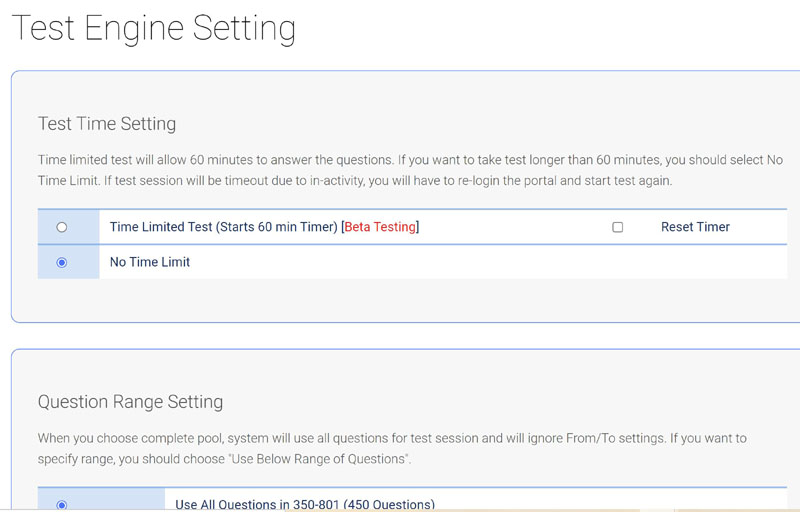
The Test Engine includes features that support effective learning, such as customizable practice sessions, question review modes, and progress tracking. These tools are designed to assist candidates in identifying knowledge gaps and reinforcing key concepts through repeated practice rather than memorization alone.
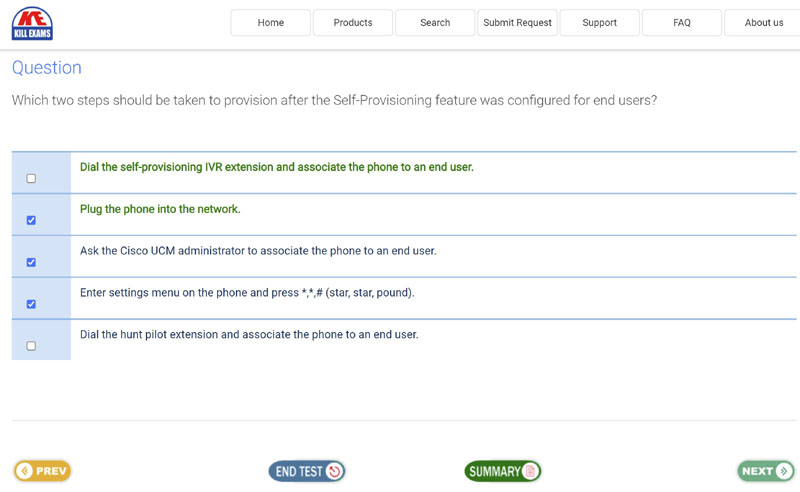
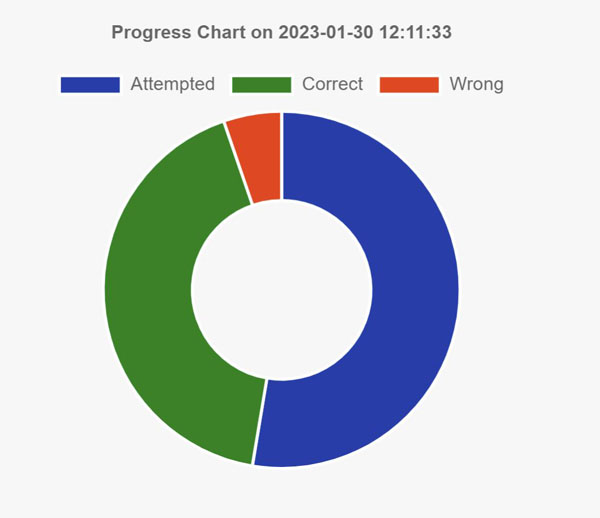
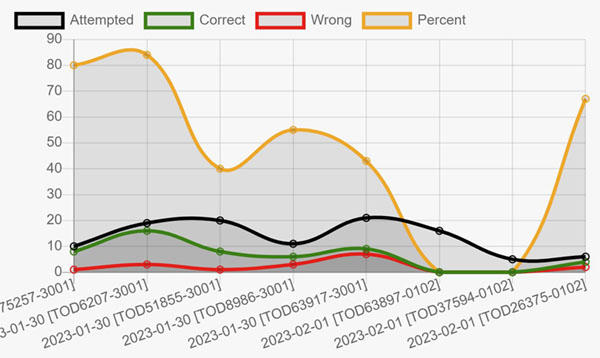
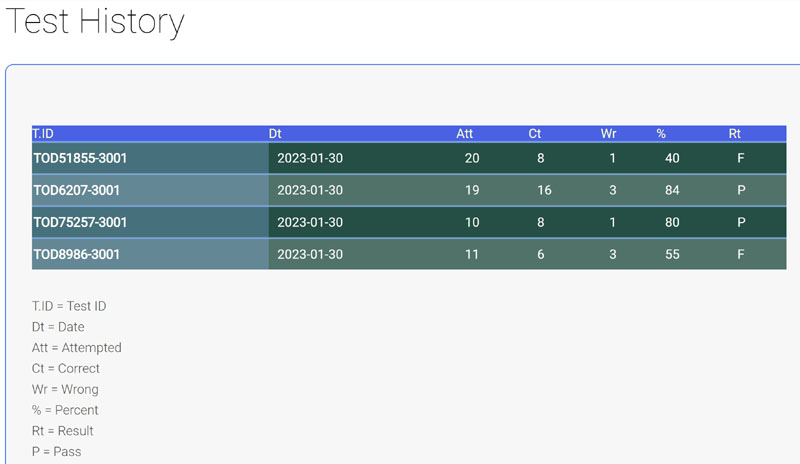
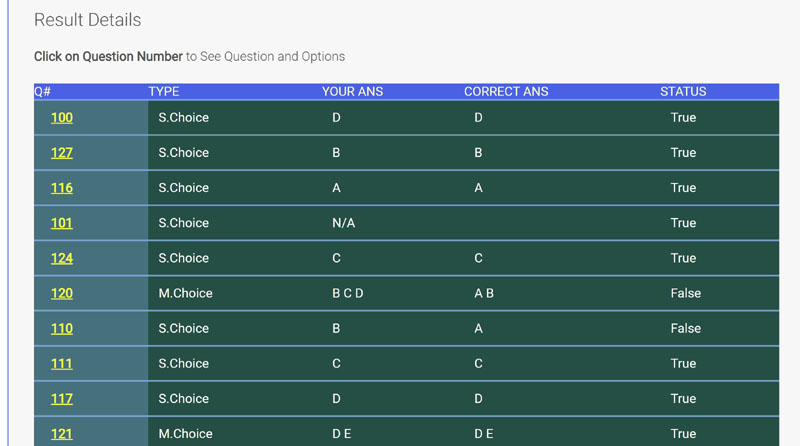
The Online Test Engine maintains practice history, performance summaries, and visual progress reports. Where available, questions may include explanations or reference information to support better understanding of exam topics. Content is reviewed and updated periodically to reflect relevant syllabus changes and maintain consistency with exam objectives.
Desktop Test Engine
| Exam Questions | 1455 (Complete Set) |
| Software Version | 2026 |
| Access | Unlimited |
| Latest Update | November 20, 2026 |
| Access Activation | Instant (5 to 10 min.) |
| Supported OS | Windows (All Versions) |
| Delivery Method | Username / Password |
| Test Engine Trial Software | Killexams Test Engine 2026 |
The Killexams Desktop Test Engine (version 2026) is a dedicated test preparation software designed to support candidates preparing for the PMP exam. The simulator provides a structured desktop based practice environment that allows users to work through exam style questions and review their performance in detail.
By practicing with the Project Management Professional Exam Simulator, candidates can become familiar with question formats, exam navigation, and time based testing conditions similar to those used in official exams. This experience helps users build confidence across testing environment, time management, exam topics and identify areas that may require additional study.


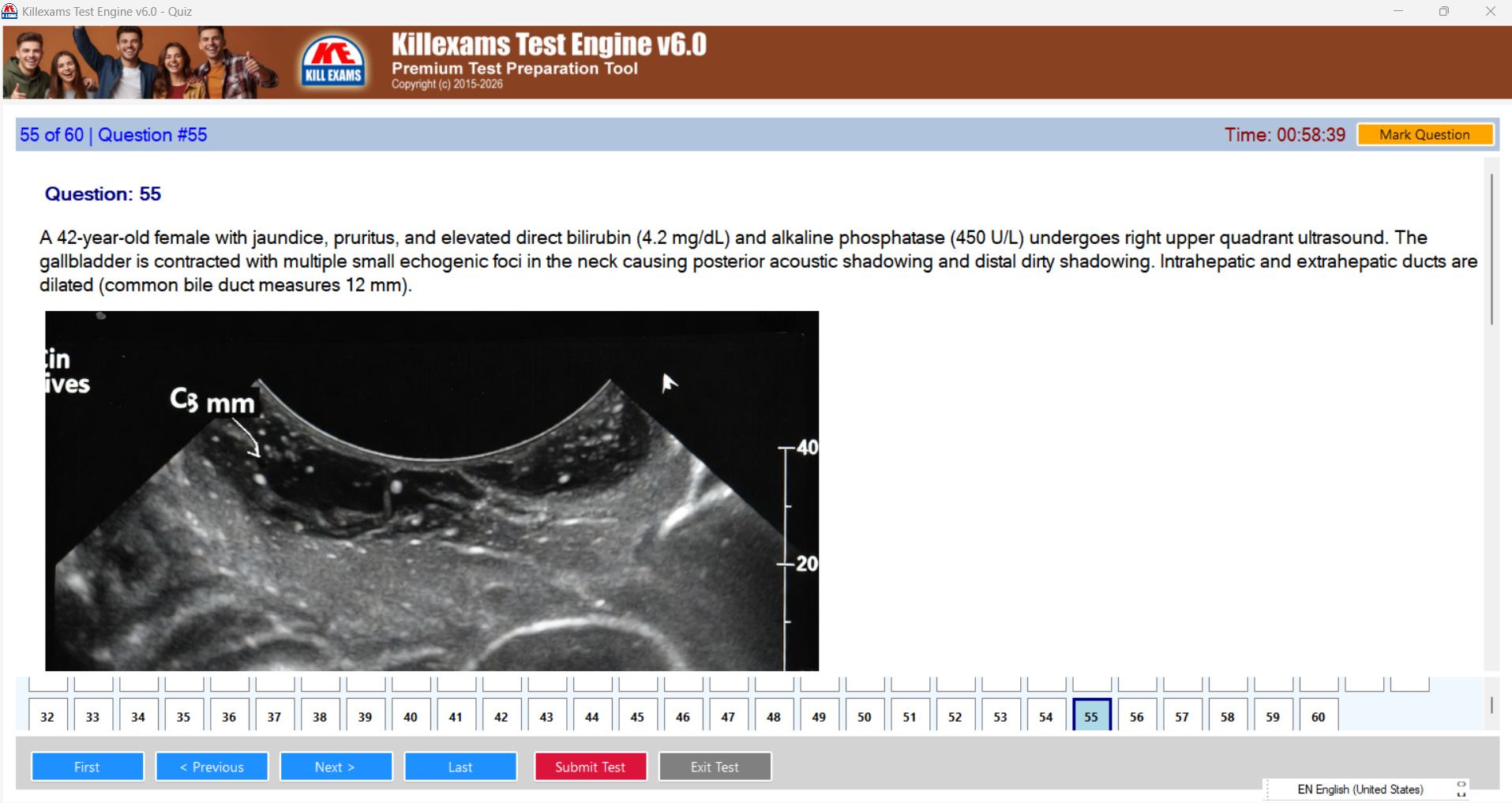
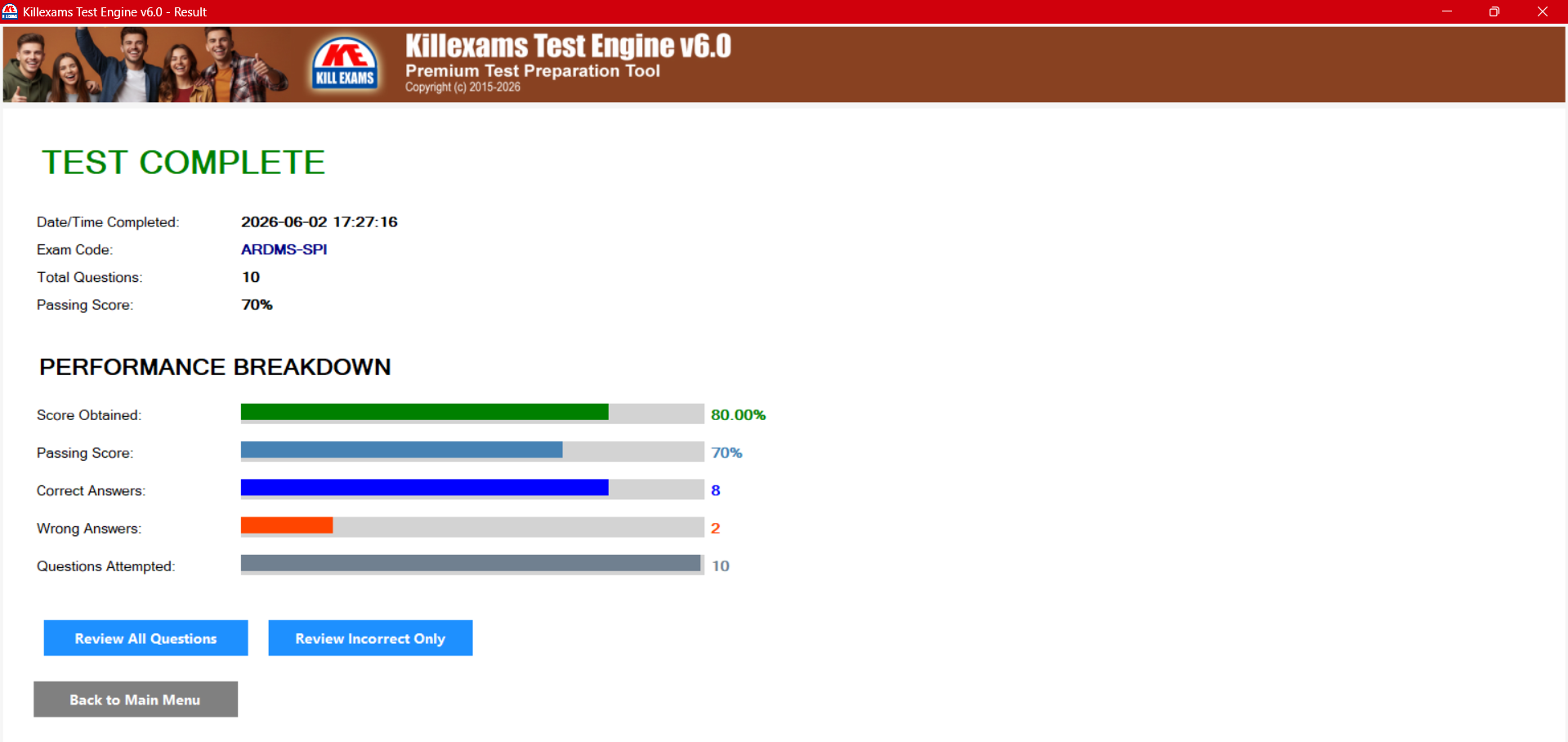

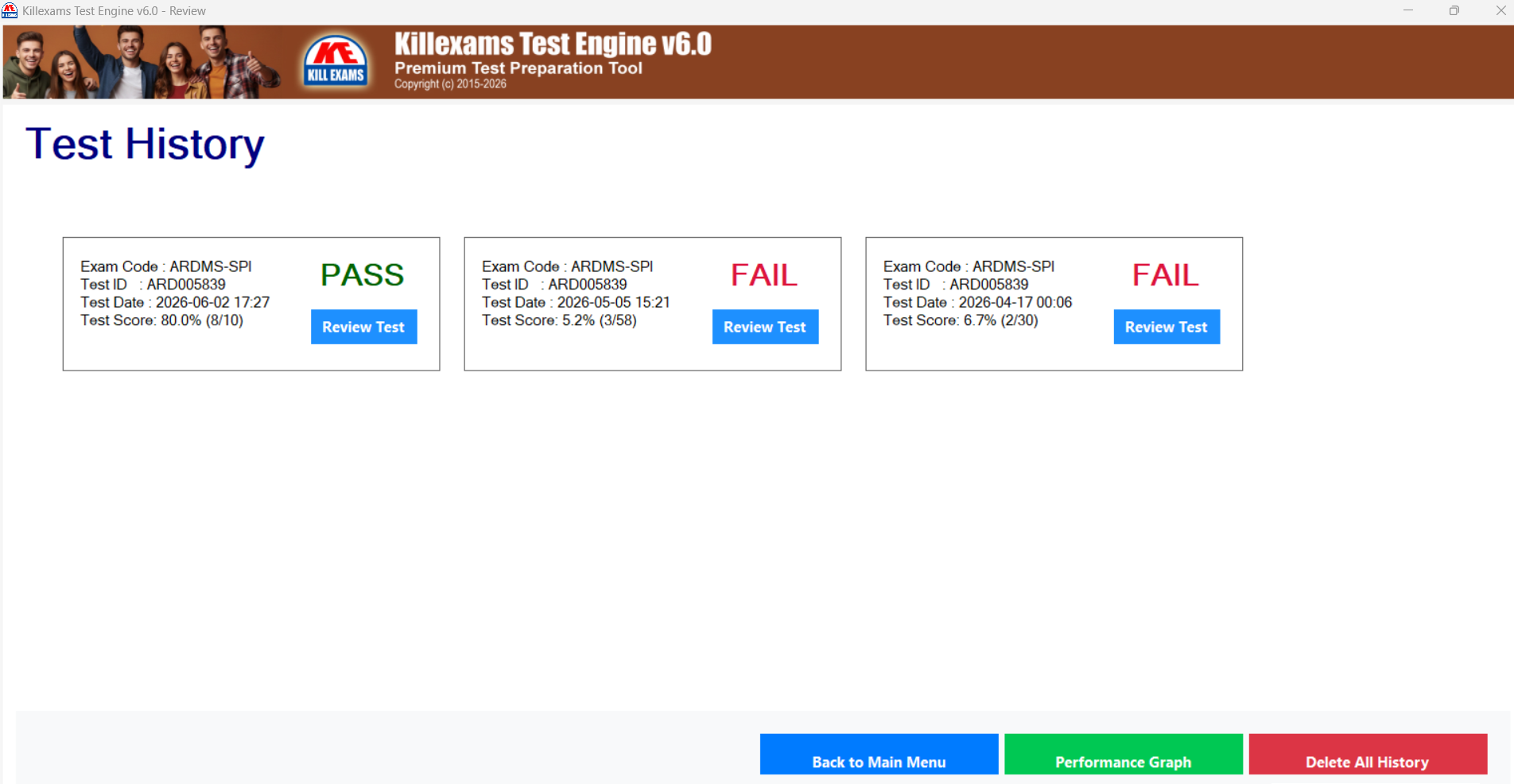
The Desktop Exam Simulator records practice history, performance summaries, and graphical progress reports. Where available, questions may include explanations or reference information to support understanding of correct and incorrect answers. The simulator content is reviewed and updated periodically to remain aligned with current exam objectives and syllabus requirements.
|
3 Months Update
|
6 Months Update
|
12 Months Update
|
|
|---|---|---|---|
What is 3 Months Update?
During 3 months, all future updates in PDF and Test Engine will be provided in your MyAccount with download links. An Intimation email on each update will be sent to you to re-download the updated exam files.
|
What is 6 Months Update?
During 6 months, all future updates in PDF and Test Engine will be provided in your MyAccount with download links. An Intimation email on each update will be sent to you to re-download the updated exam files.
|
What is 12 Months Update?
During 12 months, all future updates in PDF and Test Engine will be provided in your MyAccount with download links. An Intimation email on each update will be sent to you to re-download the updated exam files.
|
|
| Files | PDF / Test Engines | PDF / Test Engines | PDF / Test Engines |
| Premium Access | ✔ | ✔ | ✔ |
| Online Test Engine | ✔ | ✔ | ✔ |
| Instant Download Access | ✔ | ✔ | ✔ |
| Comprehensive Q&A | ✔ | ✔ | ✔ |
| Latest Topics | ✔ | ✔ | ✔ |
| Updated Regularly | ✔ | ✔ | ✔ |
| Portable Files | ✔ | ✔ | ✔ |
| Unlimited Download | ✔ | ✔ | ✔ |
| 100% Secured | ✔ | ✔ | ✔ |
| Confidentiality | 100% | 100% | 100% |
| Syllabus Coverage | Latest | Latest | Latest |
| Any Hidden Cost | No | No | No |
| Auto Renewal | No | No | No |
| Updates Intimation | by Email | by Email | by Email |
| Technical Support | Free | Free | Free |
| PDF Compatibility | Windows, Mac, Android, iOS, Linux | Windows, Mac, Android, iOS, Linux | Windows, Mac, Android, iOS, Linux |
| Desktop Test Engine Compatibility | Windows All Versions | Windows All Versions | Windows All Versions |
| Online Test Engine Compatibility | Mac / Windows / Android / iOS / Linux | Mac / Windows / Android / iOS / Linux | Mac / Windows / Android / iOS / Linux |
PMP Exam Format | Course Contents | Course Outline | Exam Syllabus | Exam Objectives
Benefit analysis techniques
Elements of a project charter
Estimation tools and techniques
Strategic management
Change management planning
Cost management planning- including project budgeting tools and techniques
Communications planning
Contract types and selection criteria
Estimation tools and techniques
Human resource planning
Lean and efficiency principles
Procurement planning
Quality management planning
Requirements gathering techniques (e.g.- planning sessions- brainstorming- and focus groups)
Regulatory and environmental impacts assessment planning
Risk management planning
Scope deconstruction (e.g.- WBS- Scope backlog) tools and techniques
Scope management planning
Stakeholder management planning
Time management planning- including scheduling tools and techniques
Workflow diagramming techniques
Continuous improvement processes
Contract management techniques
Elements of a statement of work
Interdependencies among project elements
Project budgeting tools and techniques
Quality standard tools
Vendor management techniques
Performance measurement and tracking techniques (e.g.- EV- CPM- PERT- Trend Analysis)
Process analysis techniques (e.g.- LEAN- Kanban- Six Sigma)
Project control limits (e.g.- thresholds- tolerance)
Project finance principles
Project monitoring tools and techniques
Project quality best practices and standards (e.g.- ISO- BS- CMMI- IEEE)
Quality measurement tools (e.g.- statistical sampling- control charts- flowcharting- inspection- assessment)
Risk identification and analysis techniques
Risk response techniques
Quality validation and verification techniques
Archiving practices and statutes
Compliance (statute/organization)
Contract closure requirements
Close-out procedures
Feedback techniques
Performance measurement techniques (KPI and key success factors)
Project review techniques
Transition planning technique
Active listening
Applicable laws and regulations
Benefits realization
Brainstorming techniques
Business acumen
Change management techniques
Coaching- mentoring- training- and motivational techniques
Communication channels- tools- techniques- and methods
Configuration management
Conflict resolution
Customer satisfaction metrics
Data gathering techniques
Decision making
Delegation techniques
Diversity and cultural sensitivity
Emotional intelligence
Expert judgment technique
Facilitation
Generational sensitivity and diversity
Information management tools- techniques- and methods
Interpersonal skills
Knowledge management
Leadership tools- techniques- and skills
Lessons learned management techniques
Meeting management techniques
Negotiating and influencing techniques and skills Organizational and operational awareness
Peer-review processes
Presentation tools and techniques
Prioritization/time management
Problem-solving tools and techniques
Project finance principles
Quality assurance and control techniques
Relationship management
Risk assessment techniques
Situational awareness
Stakeholder management techniques
Team-building techniques
Virtual/remote team management
Marking
1. Initiating 13%
2. Planning 24%
3. Executing 31%
4. Monitoring and Controlling 25%
5. Closing 7%
Total Number of Scored Questions 175
Total Number of Unscored (Pretest) Questions 25
Total Number of Questions 200
Exam Code: PMP Exam Name: Project management professional 2026 (PMP) Exam Questions: 180 ~ 185 (Scored 175 questions) Time Allotted: 230 ~ 240 min Domain I People 42% Task 1 Manage conflict • Interpret the source and stage of the conflict • Analyze the context for the conflict • Evaluate/recommend/reconcile the appropriate conflict resolution solution Task 2 Lead a team • Set a clear vision and mission • Support the team’s varied experiences and perceptions • Value servant leadership (e.g., relate the tenets of servant leadership to the team) • Determine an appropriate leadership style (e.g., directive, collaborative) • Inspire, motivate, and influence team members/stakeholders (e.g., team contract, social contract, reward system) • Analyze team members and stakeholders’ influence • Distinguish various options to lead various team members and stakeholders Task 3 Support team performance • Appraise team member performance against key performance indicators • Support and recognize team member growth and development • Determine appropriate feedback approach • Verify performance improvements Task 4 Empower team members and stakeholders • Organize around team strengths • Support team task accountability • Evaluate demonstration of task accountability • Determine and bestow level(s) of decision-making authority Task 5 Ensure team members/stakeholders are adequately trained • Determine required competencies and elements of training • Determine training options based on training needs • Allocate resources for training • Measure training outcomes Task 6 Build a team • Appraise stakeholder skills • Deduce project resource requirements • Continuously assess and refresh team skills to meet project needs • Maintain team and knowledge transfer Task 7 Address and remove impediments, obstacles, and blockers for the team • Determine critical impediments, obstacles, and blockers for the team • Prioritize critical impediments, obstacles, and blockers for the team • Use network to implement solutions to remove impediments, obstacles, and blockers for the team • Re-assess continually to ensure impediments, obstacles, and blockers for the team are being addressed Task 8 Negotiate project agreements • Analyze the bounds of the negotiations for agreement • Assess priorities and determine ultimate objective(s) • Verify objective(s) of the project agreement is met • Participate in agreement negotiations • Determine a negotiation strategy Task 9 Collaborate with stakeholders • Evaluate engagement needs for stakeholders • Optimize alignment between stakeholder needs, expectations, and project objectives • Build trust and influence stakeholders to accomplish project objectives Task 10 Build shared understanding • Break down situation to identify the root cause of a misunderstanding • Survey all necessary parties to reach consensus • Support outcome of parties' agreement • Investigate potential misunderstandings Task 11 Engage and support virtual teams • Examine virtual team member needs (e.g., environment, geography, culture, global, etc.) • Investigate alternatives (e.g., communication tools, colocation) for virtual team member engagement • Implement options for virtual team member engagement • Continually evaluate effectiveness of virtual team member engagement Task 12 Define team ground rules • Communicate organizational principles with team and external stakeholders • Establish an environment that fosters adherence to the ground rules • Manage and rectify ground rule violations Task 13 Mentor relevant stakeholders • Allocate the time to mentoring • Recognize and act on mentoring opportunities Task 14 Promote team performance through the application of emotional intelligence • Assess behavior through the use of personality indicators • Analyze personality indicators and adjust to the emotional needs of key project stakeholders Domain II Process 50% Task 1 Execute project with the urgency required to deliver business value • Assess opportunities to deliver value incrementally • Examine the business value throughout the project • Support the team to subdivide project tasks as necessary to find the minimum viable product Task 2 Manage communications • Analyze communication needs of all stakeholders • Determine communication methods, channels, frequency, and level of detail for all stakeholders • Communicate project information and updates effectively • Confirm communication is understood and feedback is received Task 3 Assess and manage risks • Determine risk management options • Iteratively assess and prioritize risks Task 4 Engage stakeholders • Analyze stakeholders (e.g., power interest grid, influence, impact) • Categorize stakeholders • Engage stakeholders by category • Develop, execute, and validate a strategy for stakeholder engagement Task 5 Plan and manage budget and resources • Estimate budgetary needs based on the scope of the project and lessons learned from past projects • Anticipate future budget challenges • Monitor budget variations and work with governance process to adjust as necessary • Plan and manage resources Task 6 Plan and manage schedule • Estimate project tasks (milestones, dependencies, story points) • Utilize benchmarks and historical data • Prepare schedule based on methodology • Measure ongoing progress based on methodology • Modify schedule, as needed, based on methodology • Coordinate with other projects and other operations Task 7 Plan and manage quality of products/deliverables • Determine quality standard required for project deliverables • Recommend options for improvement based on quality gaps • Continually survey project deliverable quality Task 8 Plan and manage scope • Determine and prioritize requirements • Break down scope (e.g., WBS, backlog) • Monitor and validate scope Task 9 Integrate project planning activities • Consolidate the project/phase plans • Assess consolidated project plans for dependencies, gaps, and continued business value • Analyze the data collected • Collect and analyze data to make informed project decisions • Determine critical information requirements Task 10 Manage project changes • Anticipate and embrace the need for change (e.g., follow change management practices) • Determine strategy to handle change • Execute change management strategy according to the methodology • Determine a change response to move the project forward Task 11 Plan and manage procurement • Define resource requirements and needs • Communicate resource requirements • Manage suppliers/contracts • Plan and manage procurement strategy • Develop a delivery solution Task 12 Manage project artifacts • Determine the requirements (what, when, where, who, etc.) for managing the project artifacts • Validate that the project information is kept up to date (i.e., version control) and accessible to all stakeholders • Continually assess the effectiveness of the management of the project artifacts Task 13 Determine appropriate project methodology/methods and practices • Assess project needs, complexity, and magnitude • Recommend project execution strategy (e.g., contracting, finance) • Recommend a project methodology/approach (i.e., predictive, agile, hybrid) • Use iterative, incremental practices throughout the project life cycle (e.g., lessons learned, stakeholder engagement, risk) Task 14 Establish project governance structure • Determine appropriate governance for a project (e.g., replicate organizational governance) • Define escalation paths and thresholds Task 15 Manage project issues • Recognize when a risk becomes an issue • Attack the issue with the optimal action to achieve project success • Collaborate with relevant stakeholders on the approach to resolve the issues Task 16 Ensure knowledge transfer for project continuity • Discuss project responsibilities within team • Outline expectations for working environment • Confirm approach for knowledge transfers Task 17 Plan and manage project/phase closure or transitions • Determine criteria to successfully close the project or phase • Validate readiness for transition (e.g., to operations team or next phase) • Conclude activities to close out project or phase (e.g., final lessons learned, retrospective, procurement, financials, resources) Domain III BusinessEnvironment 8% Task 1 Plan and manage project compliance • Confirm project compliance requirements (e.g., security, health and safety, regulatory compliance) • Classify compliance categories • Determine potential threats to compliance • Use methods to support compliance • Analyze the consequences of noncompliance • Determine necessary approach and action to address compliance needs (e.g., risk, legal) • Measure the extent to which the project is in compliance Task 2 Evaluate and deliver project benefits and value • Investigate that benefits are identified • Document agreement on ownership for ongoing benefit realization • Verify measurement system is in place to track benefits • Evaluate delivery options to demonstrate value • Appraise stakeholders of value gain progress Task 3 Evaluate and address external business environment changes for impact on scope • Survey changes to external business environment (e.g., regulations, technology, geopolitical, market) • Assess and prioritize impact on project scope/backlog based on changes in external business environment • Recommend options for scope/backlog changes (e.g., schedule, cost changes) • Continually review external business environment for impacts on project scope/backlog Task 4 Support organizational change • Assess organizational culture • Evaluate impact of organizational change to project and determine required actions • Evaluate impact of the project to the organization and determine required actions
Reviews (3)3.00 Overall
★★★★★
33%
★★★★
0%
★★★
33%
★★
0%
★
33%
|
Submit ReviewYou must be logged in to submit a review. Sign In to Submit Review |
Customer Reviews
PMP Exam FAQs
How many questions are on the PMP exam?
The PMP exam has 180 questions.
How long is the PMP exam?
You have 230 minutes to complete the PMP exam.
What topics does the PMP exam cover, and how are they weighted?
The PMP exam covers 3 sections: People; Process; Business Environment.
How should I prepare for PMP?
Start with the official PMP exam outline and study materials from PMI, then build exam readiness with timed practice. A killexams.com premium account gives you the full pool of 1,455 PMP practice questions and answers in PDF and Test Engine formats, so you can practice every objective and review the answers before exam day.
How long does it take to prepare for PMP?
At a steady pace of 100 practice questions a day, working through all 1,455 PMP questions takes about 15 days. Add extra days to repeat the questions you got wrong.
Is PMP hard? Who is it for?
The Project Management Professional credential from PMI is the most widely recognized project management certification.
How many practice questions do you have for PMP?
The killexams.com PMP practice test contains 1,455 questions and answers.
Is there a free PMP sample?
Yes. A free PMP sample PDF is available on this page, so you can review the question style before you buy.
What formats are included in the PMP practice test?
The PMP practice test is available as a PDF, an Online Test Engine and a Desktop Test Engine.
Do the PMP practice questions cover the current exam objectives?
Yes. The PMP practice questions cover the complete syllabus and current exam objectives.
How do I get the files after purchase, and how long is access valid?
Your MyAccount login details are delivered by email. You can download the files from the member area until your account expires, after 3, 6 or 12 months depending on the plan you bought.
Can I use the PMP Test Engine on Mac or mobile?
Yes, with the Online Test Engine, which runs on Mac, iOS, Android, Linux and other platforms. The Desktop Test Engine is for Windows only.
What if I fail the PMP exam after using your material?
You can choose one of three options: 1) a refund, 2) a free 3-month account extension, or 3) a new exam of your choice.
How many practice questions are available for PMP?
The PMP practice test contains 1,455 practice questions and answers covering the current exam objectives.
What formats are available for PMP preparation?
The PMP practice test is available as PDF, Online Test Engine, Desktop Test Engine. All formats can be downloaded instantly after purchase.
Is there a free PMP sample?
Yes. You can preview and download a free PMP sample PDF on this page before you buy.