


Series6 Exam Questions PDF
| Questions and Answers | 1091 (Complete Set) |
| File Format | |
| Latest Update | November 18, 2026 |
| Files Delivery | Instant (5 to 10 min.) |
| Compatibility | All Desktop and Mobile Devices |
| Delivery Method | Download Account |
The FINRA Series 6 exam qualifies representatives to sell investment company products and variable contracts.
In banking, accounting, investment and insurance, Investment Company and Variable Contracts Products Representative - Series 6 often supports promotion or is required for certain roles. It also gives a structured way to stay current with standards, products and regulation.
Financial professionals use Investment Company and Variable Contracts Products Representative - Series 6 to demonstrate knowledge that employers, regulators and clients can trust. The credential covers both technical content and the ethical and regulatory standards that govern financial work.
To understand what is actually tested, it helps to break the outline down. Seeks Business for the Broker Dealer focuses on prospecting. The Opens Accounts area includes suitability. Questions on Provides Information and Recommendations typically involve products. Processes Transactions covers orders.
Preparing for the Series6 exam requires not only understanding the exam topics but also practicing with exam style questions. Our Investment Company and Variable Contracts Products Representative - Series 6 exam questions in practice tests help candidates review key concepts and familiarize themselves with the format and difficulty of exam.
At Killexams.com, our team works to maintain up-to-date practice content for exam preparation. We continuously review and refine our question sets and explanations to cover the latest relevant syllabus areas and help learners strengthen their understanding of core topics before facing the official exam. These Practice tests allow you to identify areas where you need improvement by measuring your readiness, and provide you exam questions to polish those areas.
Series6 Exam Questions Preview
Series 6 has 50 scored questions over 90 minutes.
For Series6, a simple schedule built on the outline avoids gaps. Allow roughly 4 weeks, giving each major area its own block: begin with Seeks Business for the Broker Dealer, continue with Opens Accounts; Provides Information and Recommendations; and Processes Transactions. Summarize every area on a single page and use those pages for quick revision before the exam. Before booking, make sure your practice scores are steady across every section rather than strong in only one or two.
For Series6, practice calculations with your approved calculator until they are fast and accurate, and keep a formula sheet that you review daily. Then focus on interpretation, since many questions ask what a result means for a decision.
Study regulations and standards for Series6 using summary tables that show purpose, scope, key thresholds and timing. Scenario questions often hinge on these details.
| Detail | Information |
|---|---|
| Questions | 50 |
| Duration | 90 minutes |
| Provider | FINRA |
To help you evaluate our material, you may download free sample pdf with example questions and answers that we provide. This sample allows you to review content and approach before deciding on Premium materials..
The Investment Company and Variable Contracts Products Representative - Series 6 practice test files contains 1091 Questions, are compatible with multiple devices, including Windows, macOS, iOS, and Android, and can be used for both online and offline study. The PDF format is printable, making it easy to study during travel or when away from a computer. Access to updated materials is available through your online account.
After purchase, you will receive your username and password immediately, allowing you to log in and download your study files without delay. Our goal is to support exam preparation at your pace with practice content designed for reinforcement and understanding of key concepts.
Killexams.com Series 6 questions and answers cover investment company products with explanations.
Because the killexams.com Series6 questions follow the official topic areas such as Seeks Business for the Broker Dealer; Opens Accounts; Provides Information and Recommendations; and Processes Transactions, you can focus practice exactly where it is needed. Updates are added when the syllabus changes, so your practice stays aligned with the current version of the exam.
With the killexams.com Series6 practice test you can study by section, focus on weaker topics or run full length timed sessions. Score history shows how your accuracy improves over time, and the explanations turn each mistake into a short lesson.
Killexams.com Series6 exam questions are written to match the current syllabus and the style of questions you can expect, including scenario and application items. Clear explanations help you understand not only why an answer is correct but why the alternatives are not.
Online Test Engine
| Exam Questions | 1091 (Complete Set) |
| Testing Limit | Unlimited |
| Access Type | Online |
| Latest Update | November 18, 2026 |
| Access Activation | Instant (5 to 10 min.) |
| Supported OS | Mac, Windows, Android, iPhone / iPad, Linux |
| Delivery Method | Username / Password |
Killexams.com provides an Online Test Engine designed to help candidates practice exam questions in a structured and interactive environment. The Test Engine is compatible with iPhone, iPad, Android, Windows, and Mac, allowing you to study and practice on the device that best fits your schedule.
The Series6 Online Test Engine enables candidates to simulate exam-style practice sessions, review answers, and track progress over time. This learning approach helps users practice exam questions, question formats and improve time management while preparing for the Investment Company and Variable Contracts Products Representative - Series 6 exam.
The Test Engine includes features that support effective learning, such as customizable practice sessions, question review modes, and progress tracking. These tools are designed to assist candidates in identifying knowledge gaps and reinforcing key concepts through repeated practice rather than memorization alone.
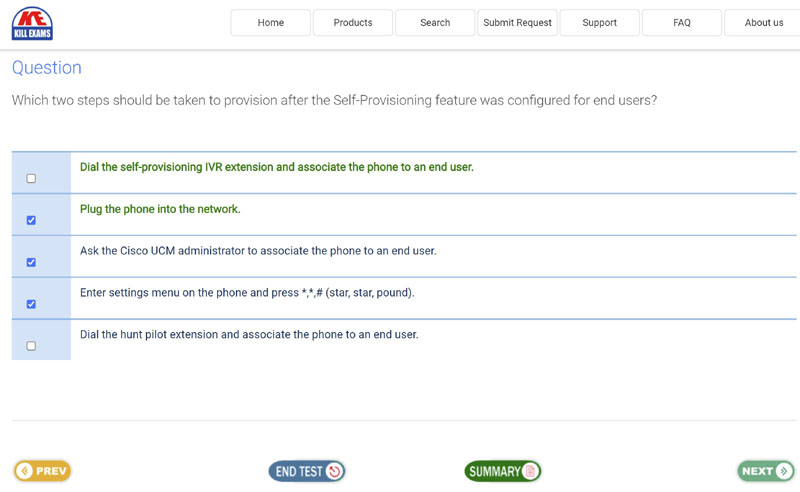
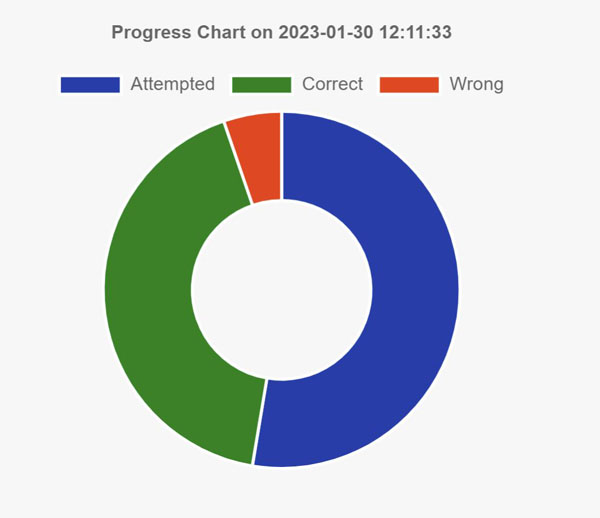
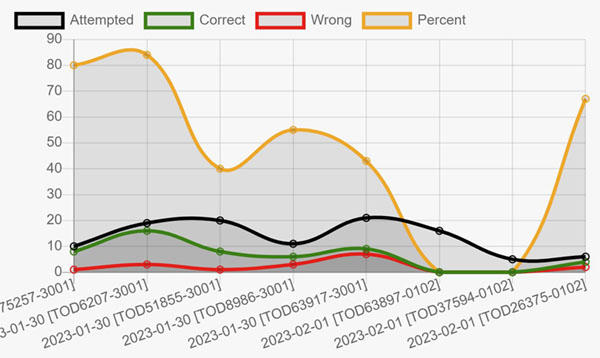
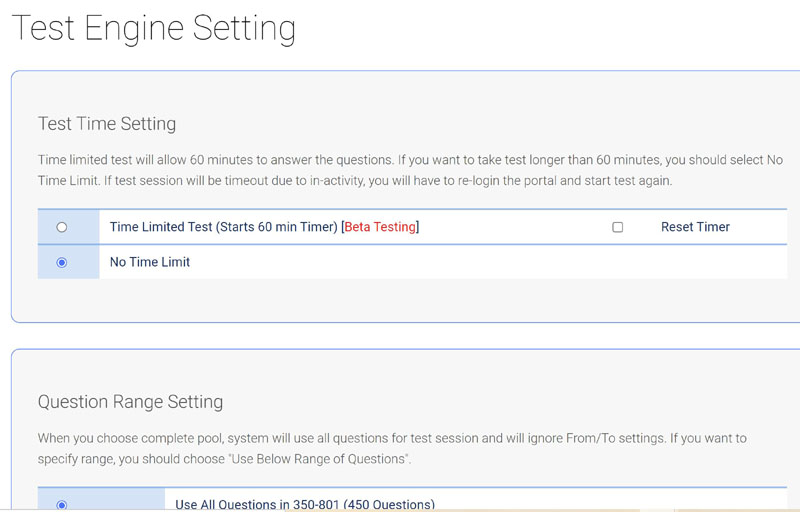
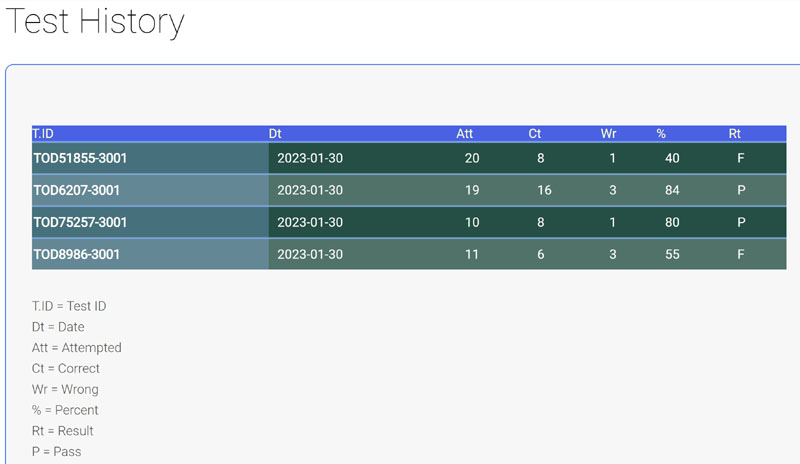
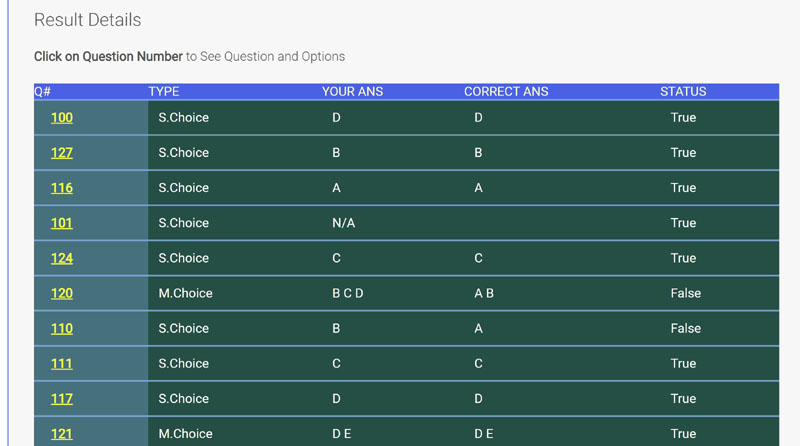
The Online Test Engine maintains practice history, performance summaries, and visual progress reports. Where available, questions may include explanations or reference information to support better understanding of exam topics. Content is reviewed and updated periodically to reflect relevant syllabus changes and maintain consistency with exam objectives.
Desktop Test Engine
| Exam Questions | 1091 (Complete Set) |
| Software Version | 2026 |
| Access | Unlimited |
| Latest Update | November 18, 2026 |
| Access Activation | Instant (5 to 10 min.) |
| Supported OS | Windows (All Versions) |
| Delivery Method | Username / Password |
| Test Engine Trial Software | Killexams Test Engine 2026 |
The Killexams Desktop Test Engine (version 2026) is a dedicated test preparation software designed to support candidates preparing for the Series6 exam. The simulator provides a structured desktop based practice environment that allows users to work through exam style questions and review their performance in detail.
By practicing with the Investment Company and Variable Contracts Products Representative - Series 6 Exam Simulator, candidates can become familiar with question formats, exam navigation, and time based testing conditions similar to those used in official exams. This experience helps users build confidence across testing environment, time management, exam topics and identify areas that may require additional study.
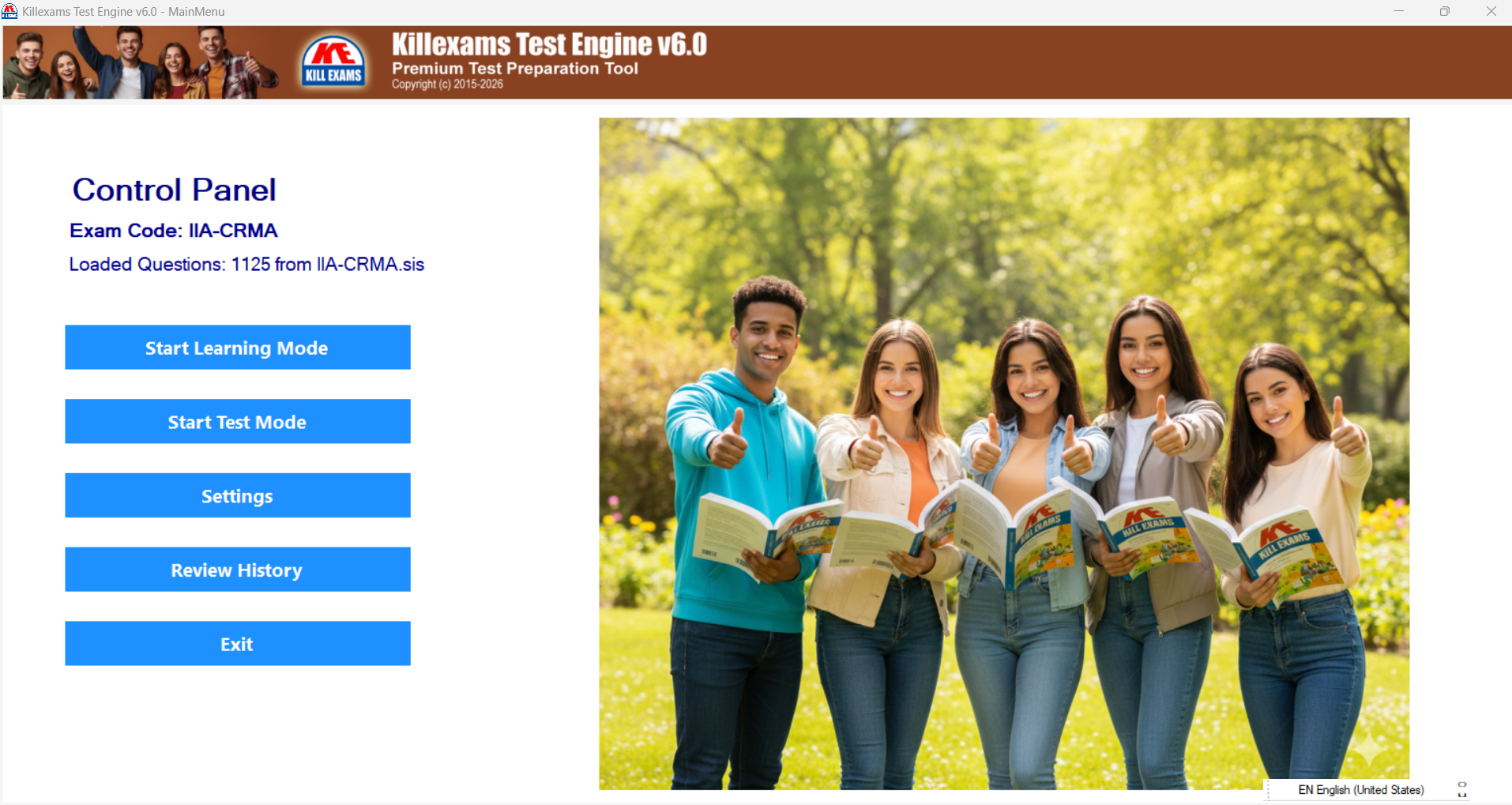

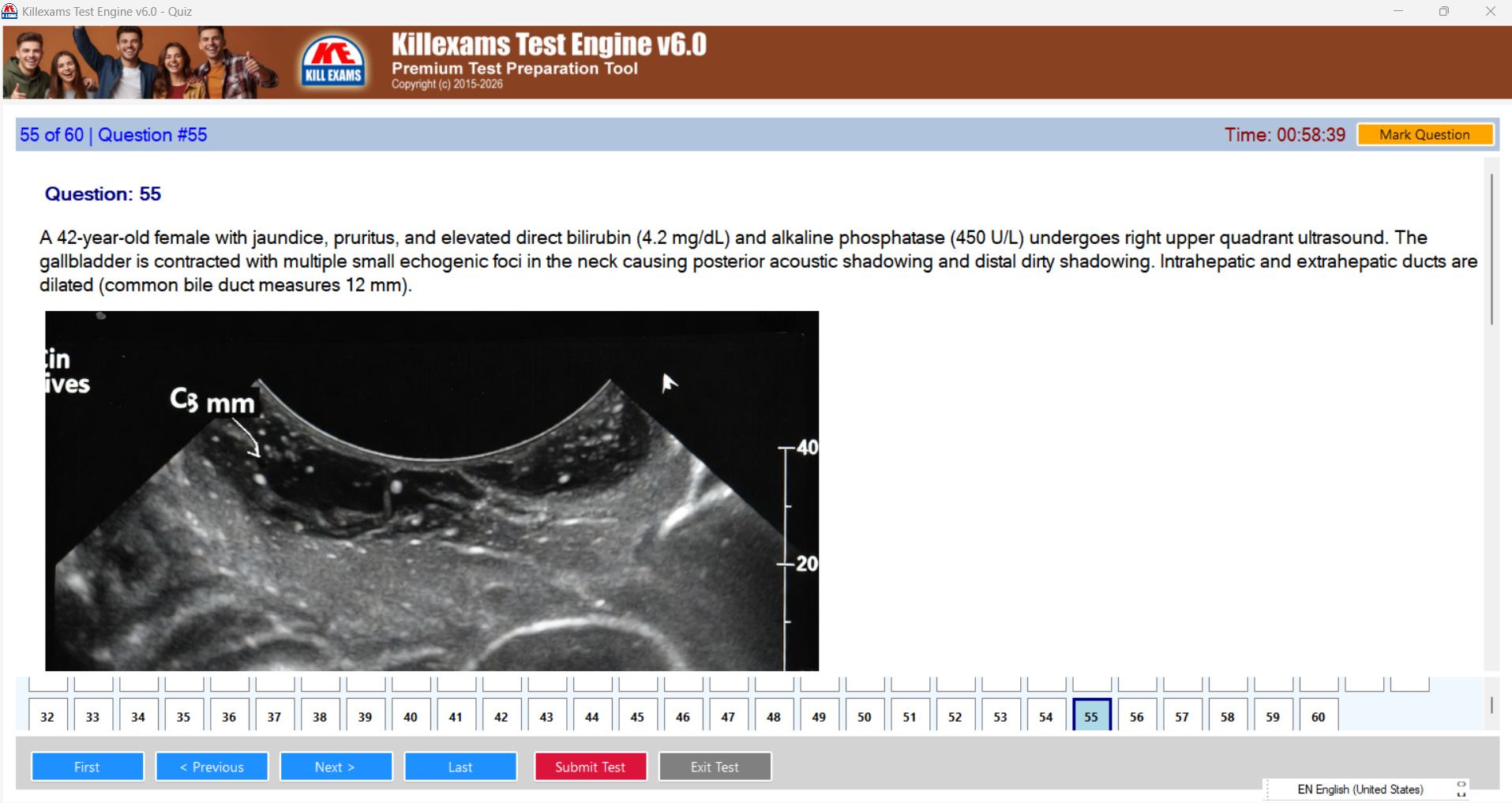
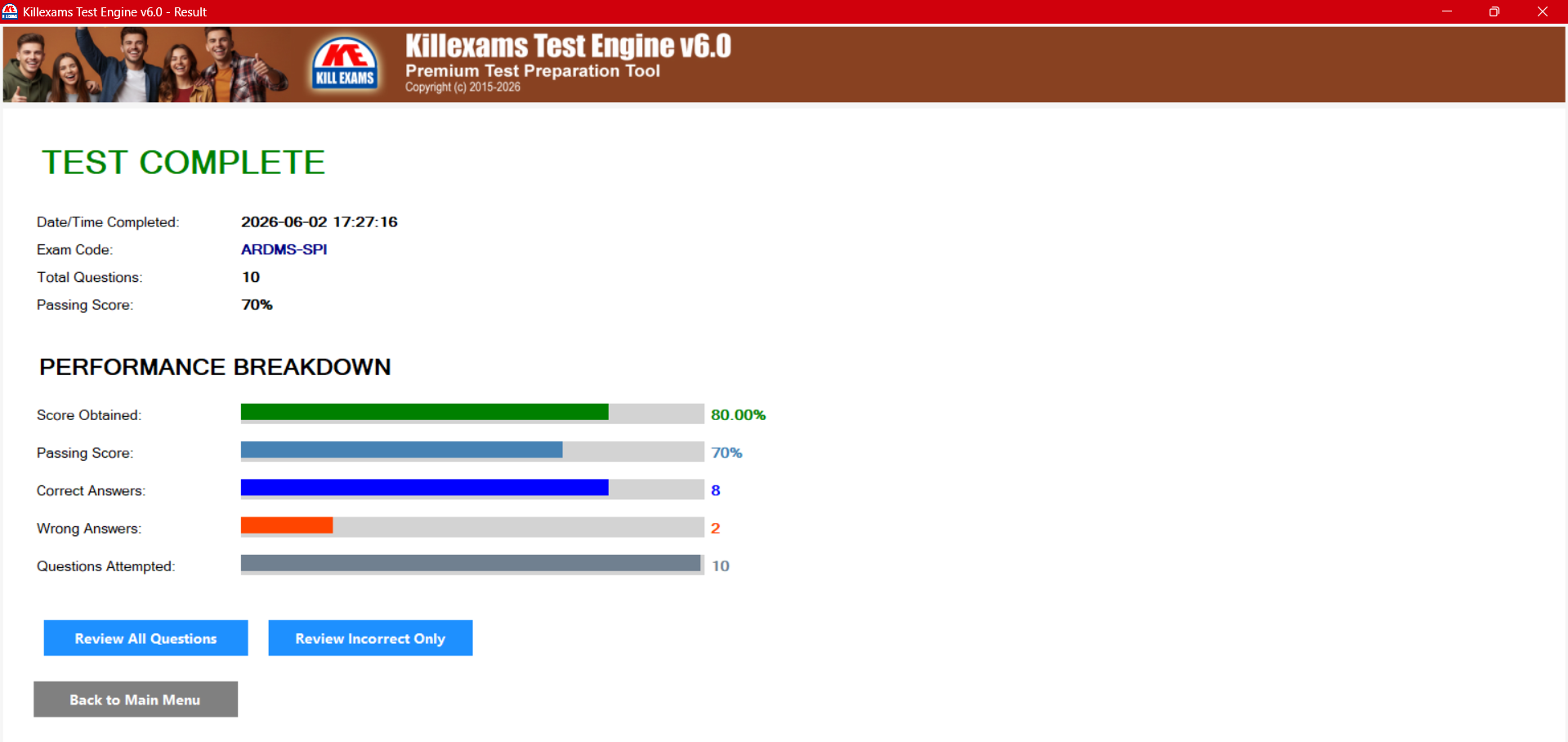

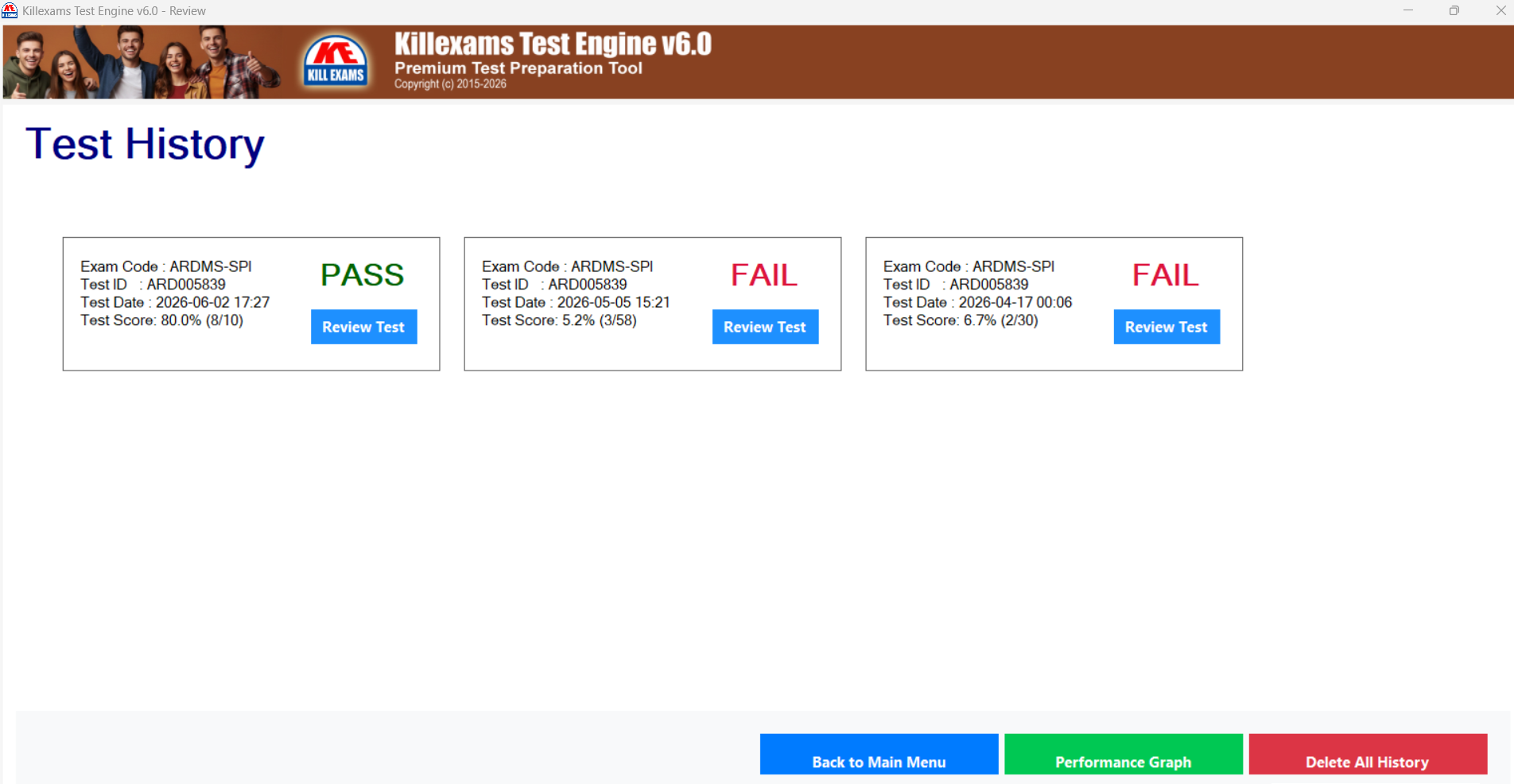
The Desktop Exam Simulator records practice history, performance summaries, and graphical progress reports. Where available, questions may include explanations or reference information to support understanding of correct and incorrect answers. The simulator content is reviewed and updated periodically to remain aligned with current exam objectives and syllabus requirements.
|
3 Months Update
|
6 Months Update
|
12 Months Update
|
|
|---|---|---|---|
What is 3 Months Update?
During 3 months, all future updates in PDF and Test Engine will be provided in your MyAccount with download links. An Intimation email on each update will be sent to you to re-download the updated exam files.
|
What is 6 Months Update?
During 6 months, all future updates in PDF and Test Engine will be provided in your MyAccount with download links. An Intimation email on each update will be sent to you to re-download the updated exam files.
|
What is 12 Months Update?
During 12 months, all future updates in PDF and Test Engine will be provided in your MyAccount with download links. An Intimation email on each update will be sent to you to re-download the updated exam files.
|
|
| Files | PDF / Test Engines | PDF / Test Engines | PDF / Test Engines |
| Premium Access | ✔ | ✔ | ✔ |
| Online Test Engine | ✔ | ✔ | ✔ |
| Instant Download Access | ✔ | ✔ | ✔ |
| Comprehensive Q&A | ✔ | ✔ | ✔ |
| Latest Topics | ✔ | ✔ | ✔ |
| Updated Regularly | ✔ | ✔ | ✔ |
| Portable Files | ✔ | ✔ | ✔ |
| Unlimited Download | ✔ | ✔ | ✔ |
| 100% Secured | ✔ | ✔ | ✔ |
| Confidentiality | 100% | 100% | 100% |
| Syllabus Coverage | Latest | Latest | Latest |
| Any Hidden Cost | No | No | No |
| Auto Renewal | No | No | No |
| Updates Intimation | by Email | by Email | by Email |
| Technical Support | Free | Free | Free |
| PDF Compatibility | Windows, Mac, Android, iOS, Linux | Windows, Mac, Android, iOS, Linux | Windows, Mac, Android, iOS, Linux |
| Desktop Test Engine Compatibility | Windows All Versions | Windows All Versions | Windows All Versions |
| Online Test Engine Compatibility | Mac / Windows / Android / iOS / Linux | Mac / Windows / Android / iOS / Linux | Mac / Windows / Android / iOS / Linux |
Series6 Exam Format | Course Contents | Course Outline | Exam Syllabus | Exam Objectives
The Series 6 Examination is designed to assess the competency of entry-level Investment Company and Variable Contracts Products Representatives. It is intended to safeguard the investing public by helping to ensure that Investment Company and Variable Contracts Products Representatives are competent to perform their jobs. Given this purpose- the Series 6 Examination seeks to measure the degree to which each candidate possesses the knowledge- skills and abilities needed to perform the critical functions of an Investment Company and Variable Contracts Products Representative. For more information about the permissible activities of an Investment Company and Variable Contracts Products Representative.
Job Functions Number of Questions
Function 1 Regulatory fundamentals and business development 22
Function 2 Evaluates customers financial information- identifies investment objectives- provides information on investment products- and makes suitable recommendations 47
Function 3 Opens- maintains- transfers and closes accounts and retains appropriate account records 21
Function 4 Obtains- verifies- and confirms customer purchase and sale instructions 10
Total 100
The Series 6 Content Outline was developed based on the results of a job analysis study of Investment Company and Variable Contracts Products Representatives. The job analysis process included collecting data about the job functions- tasks and required knowledge of Investment Company and Variable Contracts Products Representatives from a wide variety of firms using numerous data collection techniques- including a survey.
To ensure and sustain the job relevance of the examination- under the guidance of FINRA staff- a committee of industry representatives (“the Committee”) writes- reviews and validates all test questions. Test questions are subjected to multiple reviews prior to inclusion on the examination and each question is linked directly to a component of the content outline. Test questions vary in difficulty and complexity. Each question will have only one correct or best answer.
The bank of test questions changes constantly as a result of amendments to- or the introduction of- government and self-regulatory organization (SRO) rules and regulations- changes in industry practice and the introduction of new products. It is the candidates responsibility to keep abreast of such changes when preparing to take the examination. Examination questions and their statistical performance are analyzed routinely by FINRA staff and the Committee to ensure that test questions continue to be relevant to the functions of Investment Company and Variable Contracts Products Representatives. Examination questions are updated when necessary to reflect current industry practices and government and SRO rules and regulations.
The examination is administered via computer. A tutorial on how to take the examination via computer is provided prior to taking the examination. Each candidates examination includes 5 additional- unidentified pretest questions that do not contribute toward the candidate's score. The 5 questions are randomly distributed throughout the examination. Therefore- each candidates examination consists of a total of 105 questions (100 scored and 5 unscored). Each scored test question is worth one point. There is no penalty for guessing. Therefore- candidates should attempt to answer all questions. Candidates will be allowed 135 minutes to complete the examination. Scratch paper and basic electronic calculators will be provided to candidates by the test administrator- and must be returned to the test center administrator at the end of the testing session. Some test questions involve calculations. Only calculators provided by the test center administrators are allowed for use during the examination. Candidates will not be permitted to bring any reference material to their testing session. Severe penalties are imposed on candidates who cheat or attempt to cheat on FINRA-administered examinations.
Following a well-established process known as standard setting- FINRA determines the passing score for the examination based on the judgment of a committee of industry professionals with the designated registration. For the Series 6 exam- the passing score is 70. This passing score reflects the competency needed to hold the designated registration.
All candidate test scores have been placed on a common scale using a statistical adjustment process known as equating. Equating scores to a common scale accounts for the slight variations in difficulty that may exist among the different sets of exam questions that candidates receive. This allows for a fair comparison of scores and ensures that every candidate is held to the same passing standard regardless of which set of exam questions he or she received.
On the day of the test- candidates will receive a report of their test results both on screen and in paper format at the end of their test session. The score report will indicate pass/fail status and a score profile indicating performance based on each major content area covered on the examination. It is recommended that candidates who fail the examination review the information provided on the score report- as they may want to focus on the areas that they performed poorly on when preparing to retake the examination. For security reasons- the examination and individual test questions are not available for review after taking the examination.
FUNCTION 1 – Regulatory fundamentals and business development
1.1: Demonstrates understanding of fundamental regulatory knowledge and provides personal and professional information required to be disclosed to obtain and maintain appropriate registration(s)
Knowledge of:
• General industry regulations- including SEC- SRO- and state requirements
• Registration- qualification- continuing education- and termination of employment of associated persons
• Permitted activities for registered and non-registered associated persons
FINRA By-Laws
Article I – Definitions
Paragraph (rr) – Person Associated with a Member
Article III – Qualifications of Members and Associated Persons
Section 1 – Persons Eligible to Become Members and Associated Person of Members
Section 3 – Ineligibility of Certain Persons for Membership or Association
Section 4 – Definition of Disqualification
Article V – Registered Representatives and Associated Persons
FINRA Rules
1010 – Electronic Filing Requirements for Uniform Forms
1122 – Filing of Misleading Information as to Membership or Registration
1250 – Continuing Education Requirements
2263 – Arbitration Disclosure to Associated Persons Signing or Acknowledging Form U4
3110 – Supervision
3270 – Outside Business Activities of an Associated Person
4530 – Reporting Requirements
8312 – FINRA BrokerCheck Disclosure
NASD Rules
IM-1000-2 – Status of Persons Serving in the Armed Forces of the United States
1031 – Registration Requirements
1032(b) – Investment Company and Variable Contracts Products Representative
1060 – Persons Exempt from Registration
1070 – Qualification Examinations and Waiver of Requirements
1080 – Confidentiality of Examinations
3010(e) – Supervision (Qualifications Investigated)
3010(f) – Supervision (Applicants Responsibility)
3040 – Private Securities Transactions of an Associated Person
3050 – Transactions for or by Associated Persons
Securities Exchange Act of 1934
Section 3(a) – Definitions and Application of Title
Section 15 – Registration and Regulation of Brokers and Dealers
Section 15A – Registered Securities Associations
Section 17(f)(2) – Accounts and Records- Reports- Examinations of Exchanges- Members- and Others
Rule 17f-2 – Fingerprinting of Security Industry Personnel
Investment Advisers Act of 1940
Section 201 – Findings
Section 202(a) – Definitions (of investment advisers and persons associated with an investment adviser)
Section 203 – Registration of Investment Advisers
1.2: Solicits business by contacting and building relationships with customers and prospects in person- by telephone- mail or electronic means
Knowledge of:
• Product definitions and classifications
• Required approvals and content standards of public communications: retail communications- institutional communications- correspondence- research reports- telephone solicitations
• Appropriate use of professional designations
• Definition of regulated investment company by the Internal Revenue Code
• “Conduit” or “pipeline” theory- required distribution of income and realized capital gains
• “Do-not-call” lists and other telemarketing requirements
FINRA Rules
2210 – Communications with the Public
2212 – Use of Investment Companies Rankings in Retail Communications
2213 – Requirements for the Use of Bond Mutual Fund Volatility Rating
2214 – Requirements for the Use of Investment Analysis Tools
3160 – Networking Arrangements Between Members and Financial Institutions
3170 – Tape Recording of Registered Persons by Certain Firms
3230 – Telemarketing
4512 – Customer Account Information
5230 – Payments Involving Publications that Influence the Market Price of a Security
NASD Rules
IM-2210-2 – Communications with the Public About Variable Life Insurance and Variable Annuities
Securities Act of 1933
Section 2 – Definitions; Promotion of Efficiency- Competition- and Capital Formation
(definitions of “offer to sell” and “prospectus”)
Section 5 – Prohibitions Relating to Interstate Commerce and the Mails
Section 17 – Fraudulent Interstate Transactions
Rule 134 – Communications Not Deemed a Prospectus
Rule 482 – Advertising by an Investment Company as Satisfying Requirements of Section
10 of Securities Act of 1933
Investment Company Act of 1940
Section 2 – General Definitions
Section 3 – Definition of Investment Company
Section 4 – Classification of Investment Companies
Section 5 – Subclassification of Management Companies
Section 6 – Exemptions
Section 8 – Registration of Investment Companies
Rule 34b-1 – Sales Literature Deemed to Be Misleading
1.3: Discusses the products and services offered with customers and prospects and distributes
offering and disclosure documents
Knowledge of:
• Content and delivery of prospectuses- Statement of Additional Information (SAI)- and other offering
documents
• Networking arrangements
• Regulations related to marketing/prospecting
• Initial privacy disclosures to customers (e.g.- definitions- privacy and opt-out notices- disclosure
limitations- exceptions)
FINRA Rules
2020 – Use of Manipulative- Deceptive- or other Fraudulent Devices
2266 – SIPC Information
NASD Rule
2420 – Dealing with Non-Members
Securities Exchange Act of 1934
Section 3(a)(4)(B) – Definitions and Application- Broker (Exception for Certain Bank
Activities)
Section 10 – Manipulative and Deceptive Devices
Rule 10b-3 – Employment of Manipulative and Deceptive Devices by Brokers or Dealers
Securities Act of 1933
Section 10 – Information Required in Prospectus
Section 23 – Unlawful Representations
Regulation D – Rules Governing the Limited Offer and Sale of Securities Without
Registration Under the Securities Act of 1933
Rule 431 – Summary Prospectuses
Rule 498 – Summary Prospectuses for Open-End Management Investment Companies
Rule 501 – Definitions and Terms Used in Regulation D
Rule 506 – Exemption for Limited Offers and Sales Without Regard to Dollar Amount of
Offering
Investment Company Act of 1940
Section 35 – Unlawful Representations and Names
Rule 35d-1– Investment Company Names
1.4: Conducts seminars and holds other public forums with customers and prospects- and
obtains appropriate approvals
Knowledge of:
• Definitions of retail communications- institutional communications and correspondence- including
categorization of public appearances- seminars and related sales literature and advertising
• Regulations regarding communications with the public
• Standards and approval of communications
FINRA Rules
2210 – Communications with the Public
NASD Rule
IM-2210-2 – Communications with the Public About Variable Life Insurance and Variable
Annuities
Securities Act of 1933
Section 12 – Civil Liabilities Arising in Connection with Prospectuses and Communications
Rule 135a – Generic Advertising
Rule 135b – Materials Not Deemed an Offer to Sell or Offer to Buy Nor a Prospectus
Rule 156 – Investment Company Sales Literature
Rule 482 – Advertising by an Investment Company as Satisfying Requirements of Section
10 of Securities Act of 1933
Investment Company Act of 1940
Section 30(b) – Periodic and Other Reports; Reports of Affiliated Persons
Rule 34b-1 – Sales Literature Deemed to be Misleading
FUNCTION 2 – Evaluates customers financial information- identifies
investment objectives- provides information on investment products- and
makes suitable recommendations
2.1: Gathers customers financial and non-financial information to identify- analyze- and assess
risk tolerance- investment experience and sophistication level
Knowledge of:
• Essential facts regarding customers and customer relationships
• Financial and personal profile of a customer (e.g.- age- other investments- financial situation and
needs- tax status- investment objectives- investment experience- investment time horizon- liquidity
needs- risk tolerance)
• Reasonable-basis suitability- customer-specific suitability and quantitative suitability
• Investment strategies and recommendations to hold
FINRA Rules
2010 – Standards of Commercial Honor and Principles of Trade
2090 – Know Your Customer
2111 – Suitability
2111.03 – Recommended Strategies
2111.05 – Components of Suitability Obligations
2.2: Makes suitable investment recommendations based on customers current investment profile-
including financial status- tax status- and investment objectives and explains to customers
how recommended products are structured and priced and the risks associated with the
underlying investments
Knowledge of:
• Investment profile and strategies
• Types of investment returns (e.g.- dividends- capital gains- return of capital)
• Securities markets (e.g.- exchange markets- over-the-counter (OTC)/negotiated market- new issue
market (e.g.- primary offering- role of investment banker))
• Fair dealings with customers and appropriate business conduct (e.g.- application- definitions- sales
charges- withhold orders- refund of sales charges- dealer concessions- member compensation-
execution of portfolio transactions- breakpoint sales)
• FINRAs cash and non-cash compensation regulations (e.g.- gifts and business entertainment
limits)
• Insider trading and prohibited activities (e.g.- churning- front running- switching- commingling-
unauthorized trading- guarantees against losses- selling away)
• Capitalization- pricing- secondary market trading- and redeemability
• Types of underlying securities
° Equity securities: Definitions and features of common stock- preferred stock and other
types of equity securities (e.g.- ADRs- rights- and warrants)
° Debt securities: Definitions and features of corporate bonds and other debt securities
(e.g.- zero coupon bond- convertible bond- mortgage-backed securities (pass through)-
collateralized mortgage obligations (CMOs)- asset-backed securities (ABS))
° Options: definition and features
° U.S. Treasury securities (e.g.- Treasury bills- notes- and bonds- Separate Trading of
Registered Interest and Principal Securities (STRIPS)- and Treasury Inflation
Protection Securities (TIPS))
° U.S. government agencies securities (e.g.- Government National Mortgage
Association (GNMA) securities- Federal National Mortgage Association (FNMA)
securities- Federal Home Loan Mortgage Corporation (FHLMC) securities) issuing
agencies and their purposes- risks- payment of interest and principal
° Municipal bonds (General Obligation (GO) bonds- Revenue bonds)
° Other types of debt securities and money market instruments- including but not limited
to: corporate commercial paper- brokered certificates of deposit (CDs) and bankers
acceptances
• Other investment types- including but not limited to: Exchange Traded Funds (ETFs) and hedge
funds
• Variable annuities- deferred variable annuities and variable life (fees and charges- premiums-
riders- investment options- death benefits and payout options)
• Tax considerations
° Mutual fund investor activities- reporting dividend and capital gains distributions to IRS
and state tax agency- tax treatment of securities transactions and realized/unrealized
net capital gains/losses- exchanges as taxable event- shareholders tax basis (e.g.-
offering price- exchange of securities- gift of securities- inheritance of securities-
reinvested dividends and capital gains distributions)
° Determining holding period of securities (e.g.- trade date- acquisition- redemption-
wash sale rule)
° Tax treatment of variable annuity contracts (e.g.- accumulation period- annuitization
period- 72(t) taxation of annuity payments- withdrawals and surrenders- death benefits-
1035 exchanges)
° Tax treatment of variable life insurance to the policyholder (e.g.- during the life of the
policy- upon the death of the insured- upon full or partial surrender of the policy- 1035
exchanges- modified endowment contract (MEC))
FINRA Rules
2000 Series – Duties and Conflicts
2060 – Use of Information Obtained in Fiduciary Capacity
2111 - Suitability
2150 – Improper Use of Customers Securities or Funds; Prohibition Against Guarantees
and Sharing in Accounts
2320 – Variable Contracts of an Insurance Company
2330 – Members Responsibilities Regarding Deferred Variable Annuities
2342 – “Breakpoint” Sales
3220 – Influencing or Rewarding Employees of Others
3240 – Borrowing From or Lending to Customers
NASD Rules
IM-2420-1 — Transactions Between Members and Non-Members
IM-2420-2 — Continuing Commissions Policy
1060(b) – Persons Exempt from Registration
2830 – Investment Company Securities
MSRB Rule
G-19 – Suitability of Recommendations and Transactions; Discretionary Accounts
Securities Exchange Act of 1934
Section 3(a) – Definitions and Application (Definitions of broker- dealer- security-
investment contract)
Section 20A – Liability to Contemporaneous Traders for Insider Trading
Section 21A – Civil Penalties for Insider Trading
Rule 10b-5 – Employment of Manipulative and Deceptive Devices
Securities Act of 1933
Section 2 – Definitions; Promotion of Efficiency- Competition- and Capital Formation
(Definitions of issuer and underwriter)
Investment Company Act of 1940
Section 8(b) — Registration of Investment Companies
Section 11 — Offers of Exchange
Section 12 — Functions and Activities of Investment Companies
Rule 12b-1 — Distribution of Shares by Registered Open-End Management Investment
Company
Section 13 — Changes in Investment Policy
Section 19 — Payments or Distributions
Rule 19a-1 — Written Statement to Accompany Dividend Payments by Management
Companies
Rule 19b-1 — Frequency of Distribution of Capital Gains
Section 22 — Distribution- Redemption- and Repurchase of Redeemable Securities
Rule 22c-1 — Pricing of Redeemable Securities For Distribution- Redemption and
Repurchase
Rule 22d-1 — Exemption From Section 22(d) to Permit Sales of Redeemable Securities at
Prices Which Reflect Sales Loads Set Pursuant to a Schedule
Rule 22d-2 — Exemption From Section 22(d) for Certain Registered Separate Accounts
Rule 22e-1 — Exemption From Section 22(e) During Annuity Payment Period of Variable
Annuity Contracts Participating in Certain Registered Separate Accounts
Section 23 — Distribution and Repurchase of Securities: Closed-End Companies
Section 35 — Unlawful Representations and Names
Section 37 — Larceny and Embezzlement
Insider Trading and Securities Fraud Enforcement Act of 1988
Section 3 - Civil Penalties of Controlling Persons for Illegal Insider Trading by Controlled
Persons
Section 4 - Increases in Criminal Penalties
2.3: Provides appropriate disclosures concerning products- risks- services- costs- fees- current
quotes and explains pricing method
Knowledge of:
• Definitions- characteristics- and concepts of products- types of accounts- and plans
• Price and yield terms (e.g.- bid- ask- NAV- premium- par)
• Tax treatment- contributions- accumulation- withdrawals- account ownership- beneficiaries-
benefits- required minimum distributions (RMD)- and rollovers and transfers
• Retirement and tax advantaged plans
° Types of individual retirement accounts (e.g.- IRAs: traditional- Roth and SEP)
° Employer-sponsored retirement plans (e.g.- Simplified Employee Pension Plan (SEP)-
Savings Incentive Match Plans for Employees (SIMPLE)- IRA and 401(k)- 403(b) and
403(b)(7); 501(c)(3)- and 457 plans- Employee Retirement Income Security Act
(ERISA)
° Non-qualified deferred compensation
° Education plans (e.g.- 529 College Savings Plans- Coverdell Education Savings Plan)
• Open-end investment company
° Fund shares- important factors in comparison of funds- structure and operation (e.g.-
functions of the board of directors- investor advisor- underwriter/distributor- custodian-
and transfer agent)- rights of shareholders- exchange privileges within families of
funds- automatic reinvestment of dividend income and capital gains distributions-
systematic purchase and withdrawal plans- performance- dollar cost averaging (DCA)
• Mutual fund
° Types of portfolios and funds (e.g.- money market- fixed income- equity- specialized)
° NAV per share- offering price- ex-dividend- share class- SEC Rule 12b-1 distribution
plans- letter of intent- rights of accumulation-
° Fees- charges- and expenses including no load- load (e.g.- front-end- back-end)-
management fees- 12b-1 fees- administrative expenses- redemption fee- reduced
sales charges/quantity discounts- and breakpoints
• Variable annuity and variable life insurance
° Insurance company separate accounts/general accounts (Exempt under 3a-8 of the
Securities Act of 1933- Investment Company Act of 1940 Section 2(a)(37))
° Valuation of variable annuity contracts (accumulation units- annuitization units-
assumed interest rate (AIR)- relationship between AIR and actual rate of return)
° Variable life insurance (fixed and flexible premium types)
° Fees- charges- and expenses including management fees- 12b-1 fees- mortality and
expense charges- administrative expenses- payout or withdrawal plans- conversion
privilege- restrictions- contingent deferred sales charge- and reduced sales
charges/quantity discounts
• Unit Investment Trust (UIT)
• Closed-end fund
° Capitalization- pricing- distribution- redemption restrictions
FINRA Rules
2330 – Members Responsibilities Regarding Deferred Variable Annuities
2330(b) – Recommendation Requirements
2330(e) – Training
Securities Act of 1933
Section 3a-8 – Classes of Securities under this Title
Investment Company Act of 1940
Section 2(a)(37) – General Definitions
Rule 12b-1 – Distribution of Shares by Registered Open-End Management Investment
Company
2.4: Provides explanations to customers regarding how economic events and investment risk
factors may impact investments
Knowledge of:
• Investment risk factors (e.g.- call- capital- credit- currency- inflationary- interest rate- liquidity-
market (systematic- non-systematic)- social and political- pre-payment- reinvestment- timing)
• Concept of risk/reward and the effects of diversification
• Types of investment strategies
• Sources of market and investment information (e.g.- news outlets- internet- rating agencies-
research reports) and economic factors (e.g.- inflation- deflation- monetary policy- economic policy)
• The role of the Federal Reserve Board
• Changing interest rates and the effect on money supply- fiscal policy- federal taxation and spending
• International economic factors (e.g.- currency exchange rates- balance of trade- gross domestic
product (GDP))
FUNCTION 3 – Opens- maintains- transfers and closes accounts and
retains appropriate account records
3.1: Provides information and disclosures to customers regarding various account types-
characteristics- and restrictions
Knowledge of:
• Account registration types (e.g.- individual- JTWROS- UGMA)
• Distribution elections (e.g.- cash- reinvestment)
3.2: Obtains and updates customer information and documentation necessary to open- maintain-
and close the account
Knowledge of:
• Customer screening (e.g.- Customer Identification Program (CIP)- determining whether a customer
is an associated person of another broker-dealer)
• Account authorizations and legal documents (e.g.- power of attorney- authorized account user-
discretionary accounts- Transfer on Death (TOD)- beneficiary forms)
• Recordkeeping (e.g.- retention of customer and firm-related records)
• Customer account record maintenance (e.g.- update personal information- holding of customer
mail- sending required SEC Rule 17a-3 notifications)
• Transferring customer accounts between broker-dealers (e.g.- Automated Customer Account
Transfer Service (ACATS))
• Account registration changes and internal transfers (e.g.- TOD- divorce)
• Delivery of annual reports and notices of corporate actions (e.g.- proxy statements)
FINRA Rules
2090 – Know Your Customer
2251 – Forwarding of Proxy and Other Issuer-Related Materials
2267 – Investor Education and Protection
3150 – Holding of Customer Mail
3250 – Designation of Accounts
4510 Series – Books and Records Requirements
11870 – Customer Account Transfer Contracts
NASD Rules
2510 – Discretionary Accounts
Securities Exchange Act of 1934
Rule 17a-3 – Records to Be Made by Certain Exchange Members- Brokers and Dealers
Rule 17a-3(a)(9) – Customer Account Information
Rule 17a-3(a)(17) – Customer Account Records and Updates
Rule 17a-4 – Records to Be Preserved by Certain Exchange Members- Brokers and
Dealers
Rule 17a-4(b)(6) – Records relating to discretionary authority
Rule 17a-8 – Financial Recordkeeping and Reporting of Currency and Foreign
Transactions
Regulation S-P – Privacy of Customer Financial Information and Safeguarding Personal
Information
USA PATRIOT Act
Section 326 – Customer Identification Programs
3.3: Identifies and responds appropriately to suspicious customer account activity for the life of
an account
Knowledge of:
• Anti-Money Laundering (AML) compliance procedures- program- and reporting (e.g.- Bank Secrecy
Act (BSA)- Office of Foreign Asset Control (OFAC) Specially Designated Nationals (SDN) list-
Currency Transactions Reports (CTRs)- Customer Identification Program (CIP)- Suspicious Activity
Reports (SARs))
• Circumstances for notifying FinCEN or refusing or restricting activity in an account and/or closing
accounts
FINRA Rule
3310 – Anti-Money Laundering Compliance Program
USA PATRIOT Act
Section 314 – Cooperative Efforts to Deter Money Laundering
Section 352 – Anti-Money Laundering Programs
FUNCTION 4 – Obtains- verifies- and confirms customer purchase and sale
instructions
4.1: Verifies- enters and monitors orders in accordance with customers instructions and
regulatory requirements and reports trade executions to customers
Knowledge of:
• Cash accounts (e.g.- prompt payment for securities purchased- extension of time- frozen accounts)
• Market terms (e.g.- trade date- settlement date- ex-dividend date)
• Delivery requirements and settlement of transactions
• Trade execution activities (e.g.- market timing- late trading- prompt payment for securities
purchased- extension of time- frozen accounts- prohibition on arranging loans for others)
• Information required on an order ticket
• Sharing of referral fees and commissions
• Confirmations and account statements
FINRA Rules
2232 – Customer Confirmations
4510 – Books and Records Requirements
4514 – Authorization Records for Negotiable Instruments Drawn From a Customers
Account
4515 – Approval and Documentation of Changes in Account Name or Designation
5310 – Best Execution and Interpositioning
11860 – COD Orders
NASD Rules
2340 – Customer Account Statements
Securities Exchange Act of 1934
Section 17 – Accounts and Records- Reports- Examinations of Exchanges- Members- and
Others
Rule 10b-10 — Confirmation of Transactions
Rule 17a-3(a)(6) and (a)(7) – Order Tickets and Memoranda of Purchases and Sales
Rule 17a-3(a)(19) – Records to Be Made by Certain Exchange Members- Brokers and
Dealers
Federal Reserve Board
Regulation T – Credit by Brokers and Dealers
4.2: Informs the appropriate supervisor and assists in the resolution of trade discrepancies-
possible errors- disputes- and complaints
Knowledge of:
• Customer complaint procedures
• Arbitration procedures
Investigations and sanctions
FINRA Rules
2080 – Obtaining an Order of Expungement of Customer Dispute Information from the
Central Registration Depository (CRD) System
3110 – Supervision
4513 – Records of Written Customer Complaints
4530 – Reporting Requirements
8000 Series – Investigations and Sanctions
9000 Series – Code of Procedure
12000 Series – Code of Arbitration Procedure for Customer Disputes
13000 Series – Code of Arbitration Procedure for Industry Disputes
14000 Series – Mediation Ground Rules
Reviews (1)3.00 Overall
★★★★★
0%
★★★★
0%
★★★
100%
★★
0%
★
0%
|
Submit ReviewYou must be logged in to submit a review. Sign In to Submit Review |
Customer Reviews
Series6 Exam FAQs
How many questions are on the Series6 exam?
The Series6 exam has 50 questions.
How long is the Series6 exam?
You have 90 minutes to complete the Series6 exam.
What topics does the Series6 exam cover, and how are they weighted?
The Series6 exam covers 4 sections: Seeks Business for the Broker Dealer; Opens Accounts; Provides Information and Recommendations; Processes Transactions.
How should I prepare for Series6?
Start with the official Series6 exam outline and study materials from FINRA, then build exam readiness with timed practice. A killexams.com premium account gives you the full pool of 1,091 Series6 practice questions and answers in PDF and Test Engine formats, so you can practice every objective and review the answers before exam day.
How long does it take to prepare for Series6?
At a steady pace of 100 practice questions a day, working through all 1,091 Series6 questions takes about 11 days. Add extra days to repeat the questions you got wrong.
Is Series6 hard? Who is it for?
The FINRA Series 6 exam qualifies representatives to sell investment company products and variable contracts.
How many practice questions do you have for Series6?
The killexams.com Series6 practice test contains 1,091 questions and answers.
Is there a free Series6 sample?
Yes. A free Series6 sample PDF is available on this page, so you can review the question style before you buy.
What formats are included in the Series6 practice test?
The Series6 practice test is available as a PDF, an Online Test Engine and a Desktop Test Engine.
Do the Series6 practice questions cover the current exam objectives?
Yes. The Series6 practice questions cover the complete syllabus and current exam objectives.
How do I get the files after purchase, and how long is access valid?
Your MyAccount login details are delivered by email. You can download the files from the member area until your account expires, after 3, 6 or 12 months depending on the plan you bought.
Can I use the Series6 Test Engine on Mac or mobile?
Yes, with the Online Test Engine, which runs on Mac, iOS, Android, Linux and other platforms. The Desktop Test Engine is for Windows only.
What if I fail the Series6 exam after using your material?
You can choose one of three options: 1) a refund, 2) a free 3-month account extension, or 3) a new exam of your choice.
How many practice questions are available for Series6?
The Series6 practice test contains 1,091 practice questions and answers covering the current exam objectives.
What formats are available for Series6 preparation?
The Series6 practice test is available as PDF, Online Test Engine, Desktop Test Engine. All formats can be downloaded instantly after purchase.
Is there a free Series6 sample?
Yes. You can preview and download a free Series6 sample PDF on this page before you buy.