



Series7 Exam Questions PDF
| Questions and Answers | 1001 (Complete Set) |
| File Format | |
| Latest Update | November 27, 2026 |
| Files Delivery | Instant (5 to 10 min.) |
| Compatibility | All Desktop and Mobile Devices |
| Delivery Method | Download Account |
The FINRA Series 7 exam qualifies general securities representatives.
In banking, accounting, investment and insurance, General Securities Representative - Series 7 often supports promotion or is required for certain roles. It also gives a structured way to stay current with standards, products and regulation.
Financial professionals use General Securities Representative - Series 7 to demonstrate knowledge that employers, regulators and clients can trust. The credential covers both technical content and the ethical and regulatory standards that govern financial work.
Preparing for the Series7 exam requires not only understanding the exam topics but also practicing with exam style questions. Our General Securities Representative - Series 7 exam questions in practice tests help candidates review key concepts and familiarize themselves with the format and difficulty of exam.
At Killexams.com, our team works to maintain up-to-date practice content for exam preparation. We continuously review and refine our question sets and explanations to cover the latest relevant syllabus areas and help learners strengthen their understanding of core topics before facing the official exam. These Practice tests allow you to identify areas where you need improvement by measuring your readiness, and provide you exam questions to polish those areas.
Series7 Exam Questions Preview
Series 7 has 125 scored questions over three hours 45 minutes.
For Series7, a simple schedule built on the outline avoids gaps. Start with Provides Information on Investment Products, which carries about 73% of the exam, and then Obtains and Verifies Instructions at about 11%. Spending your first weeks on the heaviest sections gives the biggest return on study time. After that, move through Seeks Business for the Broker Dealer and Opens Accounts, keeping short notes of definitions and examples for each. Close your preparation with at least two complete timed practice sessions and a careful review of every missed question.
Study regulations and standards for Series7 using summary tables that show purpose, scope, key thresholds and timing. Scenario questions often hinge on these details.
In the final weeks before Series7, take full timed practice tests and review every explanation. Track your accuracy by topic so the last study days go to the weakest areas.
| Detail | Information |
|---|---|
| Questions | 125 |
| Duration | 3 hours 45 minutes |
| Provider | FINRA |
To help you evaluate our material, you may download free sample pdf with example questions and answers that we provide. This sample allows you to review content and approach before deciding on Premium materials..
The General Securities Representative - Series 7 practice test files contains 1001 Questions, are compatible with multiple devices, including Windows, macOS, iOS, and Android, and can be used for both online and offline study. The PDF format is printable, making it easy to study during travel or when away from a computer. Access to updated materials is available through your online account.
After purchase, you will receive your username and password immediately, allowing you to log in and download your study files without delay. Our goal is to support exam preparation at your pace with practice content designed for reinforcement and understanding of key concepts.
The killexams.com Series 7 question bank covers securities with explanations.
The killexams.com Series7 practice material is organized around the same outline, with questions on Seeks Business for the Broker Dealer; Opens Accounts; Provides Information on Investment Products; and Obtains and Verifies Instructions. Updates are added when the syllabus changes, so your practice stays aligned with the current version of the exam.
With the killexams.com Series7 practice test you can study by section, focus on weaker topics or run full length timed sessions. Score history shows how your accuracy improves over time, and the explanations turn each mistake into a short lesson.
Killexams.com Series7 exam questions are written to match the current syllabus and the style of questions you can expect, including scenario and application items. Clear explanations help you understand not only why an answer is correct but why the alternatives are not.
Online Test Engine
| Exam Questions | 1001 (Complete Set) |
| Testing Limit | Unlimited |
| Access Type | Online |
| Latest Update | November 27, 2026 |
| Access Activation | Instant (5 to 10 min.) |
| Supported OS | Mac, Windows, Android, iPhone / iPad, Linux |
| Delivery Method | Username / Password |
Killexams.com provides an Online Test Engine designed to help candidates practice exam questions in a structured and interactive environment. The Test Engine is compatible with iPhone, iPad, Android, Windows, and Mac, allowing you to study and practice on the device that best fits your schedule.
The Series7 Online Test Engine enables candidates to simulate exam-style practice sessions, review answers, and track progress over time. This learning approach helps users practice exam questions, question formats and improve time management while preparing for the General Securities Representative - Series 7 exam.
The Test Engine includes features that support effective learning, such as customizable practice sessions, question review modes, and progress tracking. These tools are designed to assist candidates in identifying knowledge gaps and reinforcing key concepts through repeated practice rather than memorization alone.
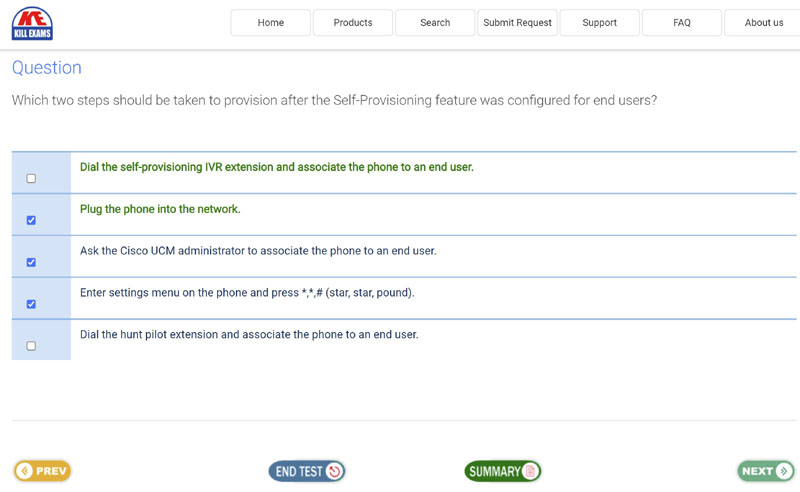
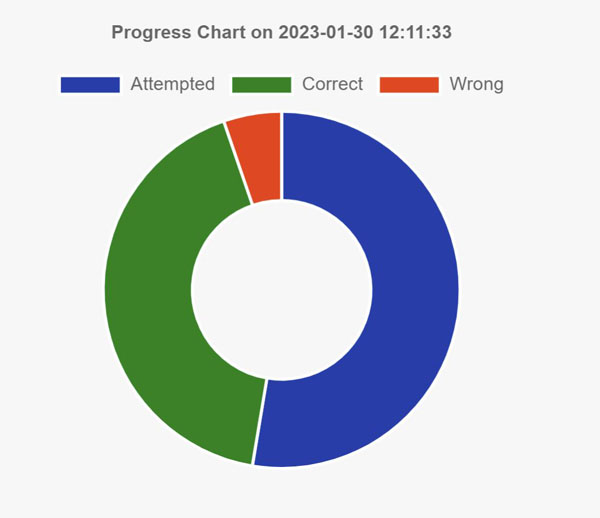
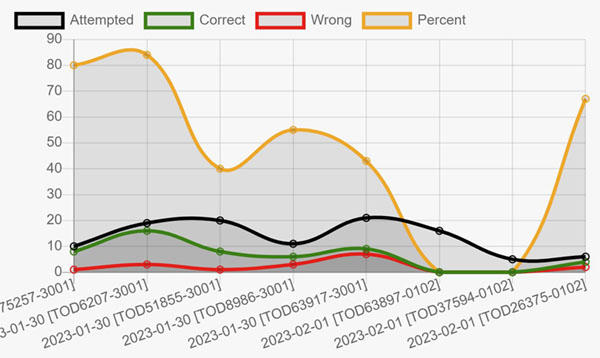
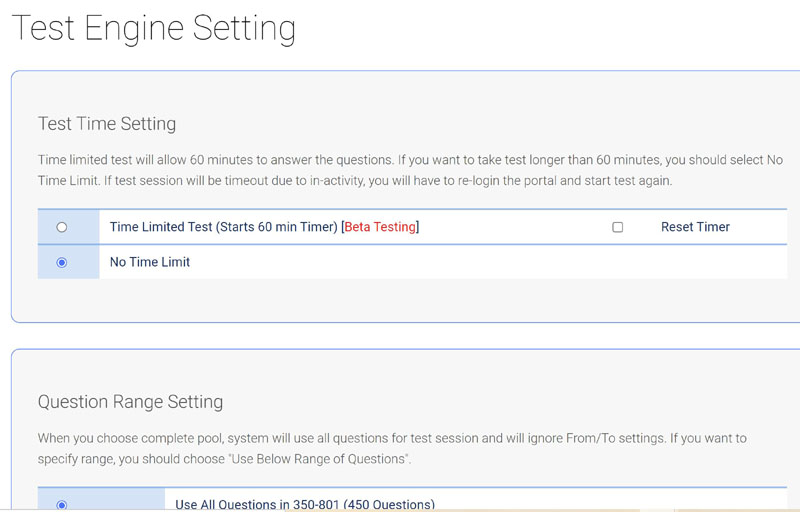
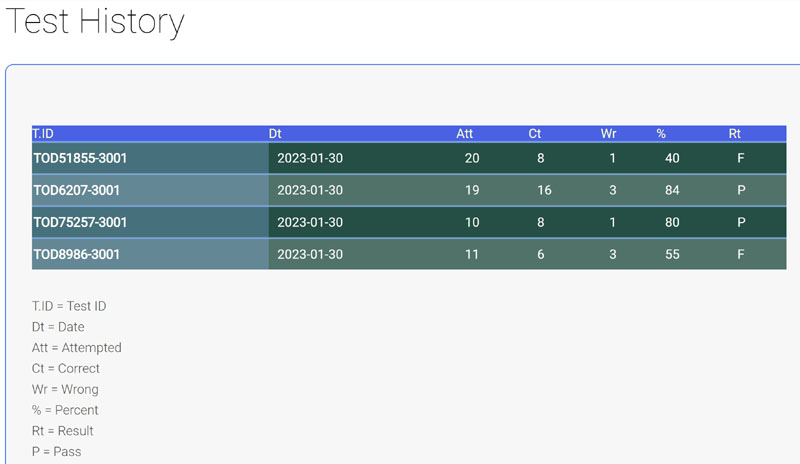
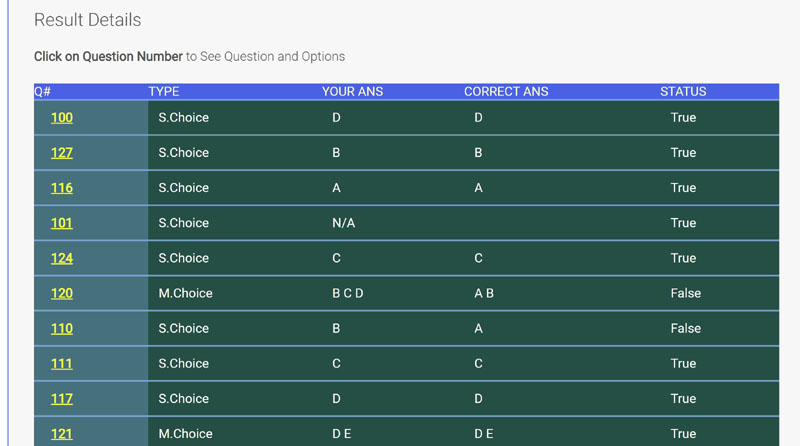
The Online Test Engine maintains practice history, performance summaries, and visual progress reports. Where available, questions may include explanations or reference information to support better understanding of exam topics. Content is reviewed and updated periodically to reflect relevant syllabus changes and maintain consistency with exam objectives.
Desktop Test Engine
| Exam Questions | 1001 (Complete Set) |
| Software Version | 2026 |
| Access | Unlimited |
| Latest Update | November 27, 2026 |
| Access Activation | Instant (5 to 10 min.) |
| Supported OS | Windows (All Versions) |
| Delivery Method | Username / Password |
| Test Engine Trial Software | Killexams Test Engine 2026 |
The Killexams Desktop Test Engine (version 2026) is a dedicated test preparation software designed to support candidates preparing for the Series7 exam. The simulator provides a structured desktop based practice environment that allows users to work through exam style questions and review their performance in detail.
By practicing with the General Securities Representative - Series 7 Exam Simulator, candidates can become familiar with question formats, exam navigation, and time based testing conditions similar to those used in official exams. This experience helps users build confidence across testing environment, time management, exam topics and identify areas that may require additional study.
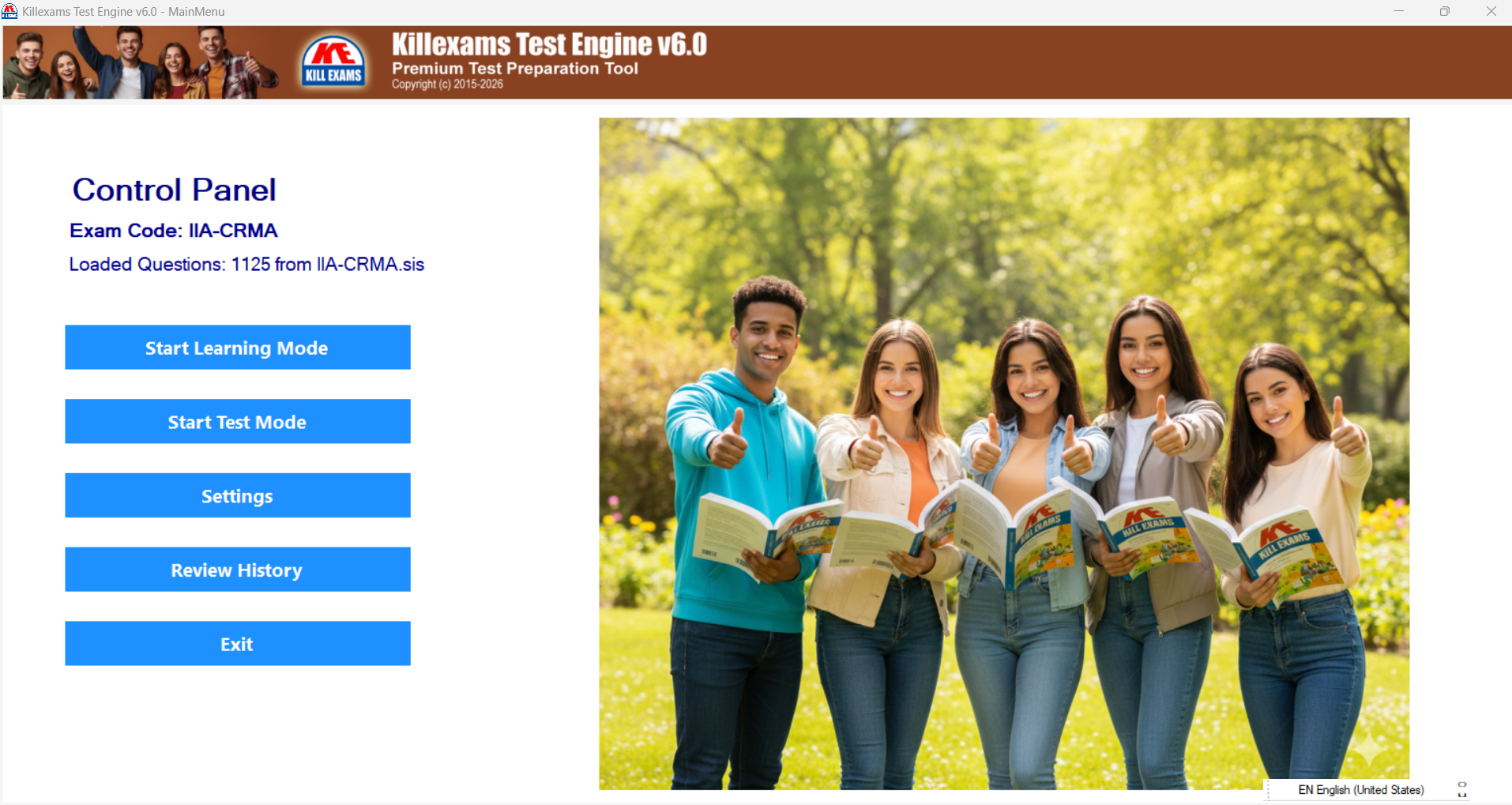

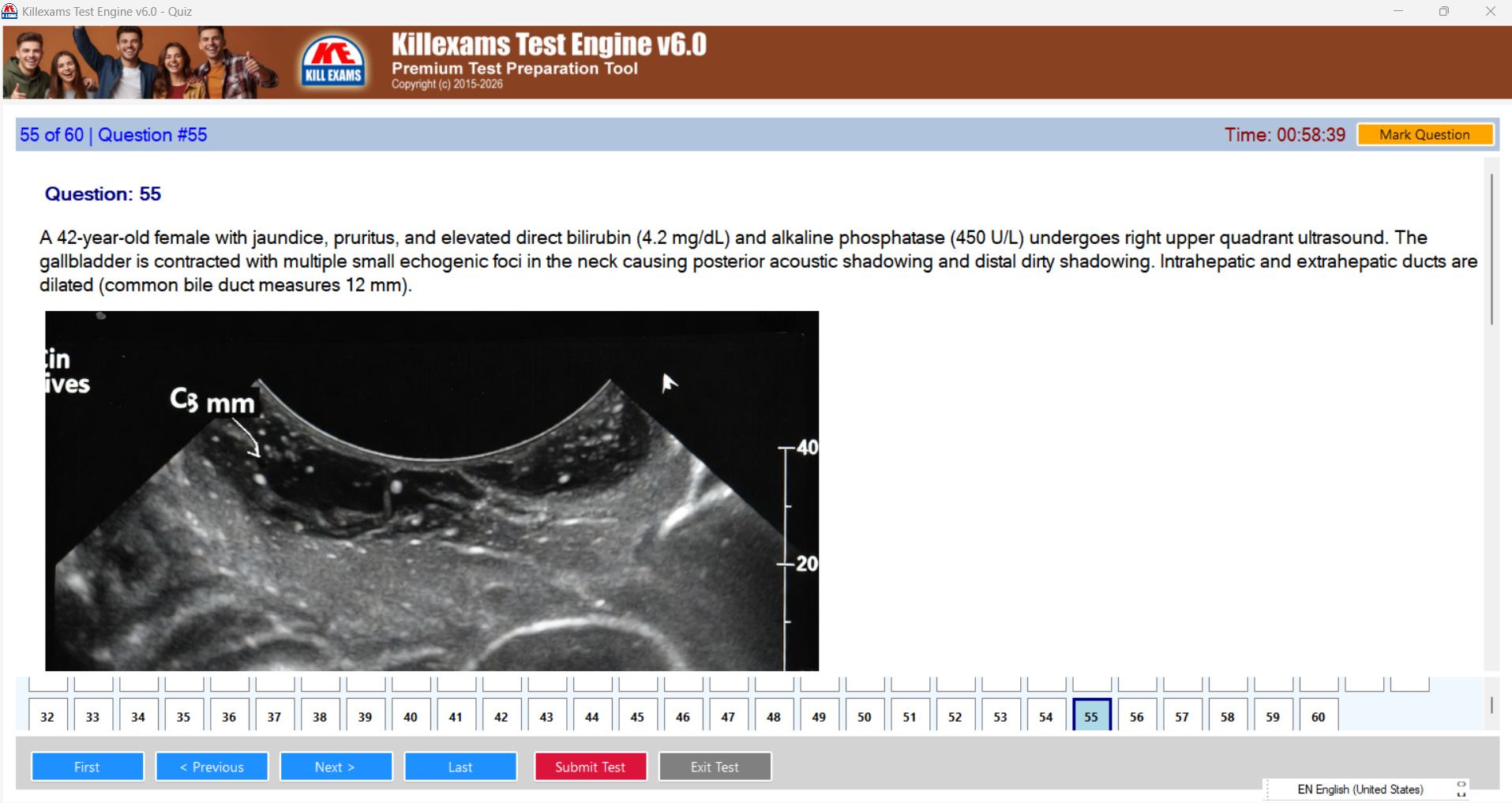
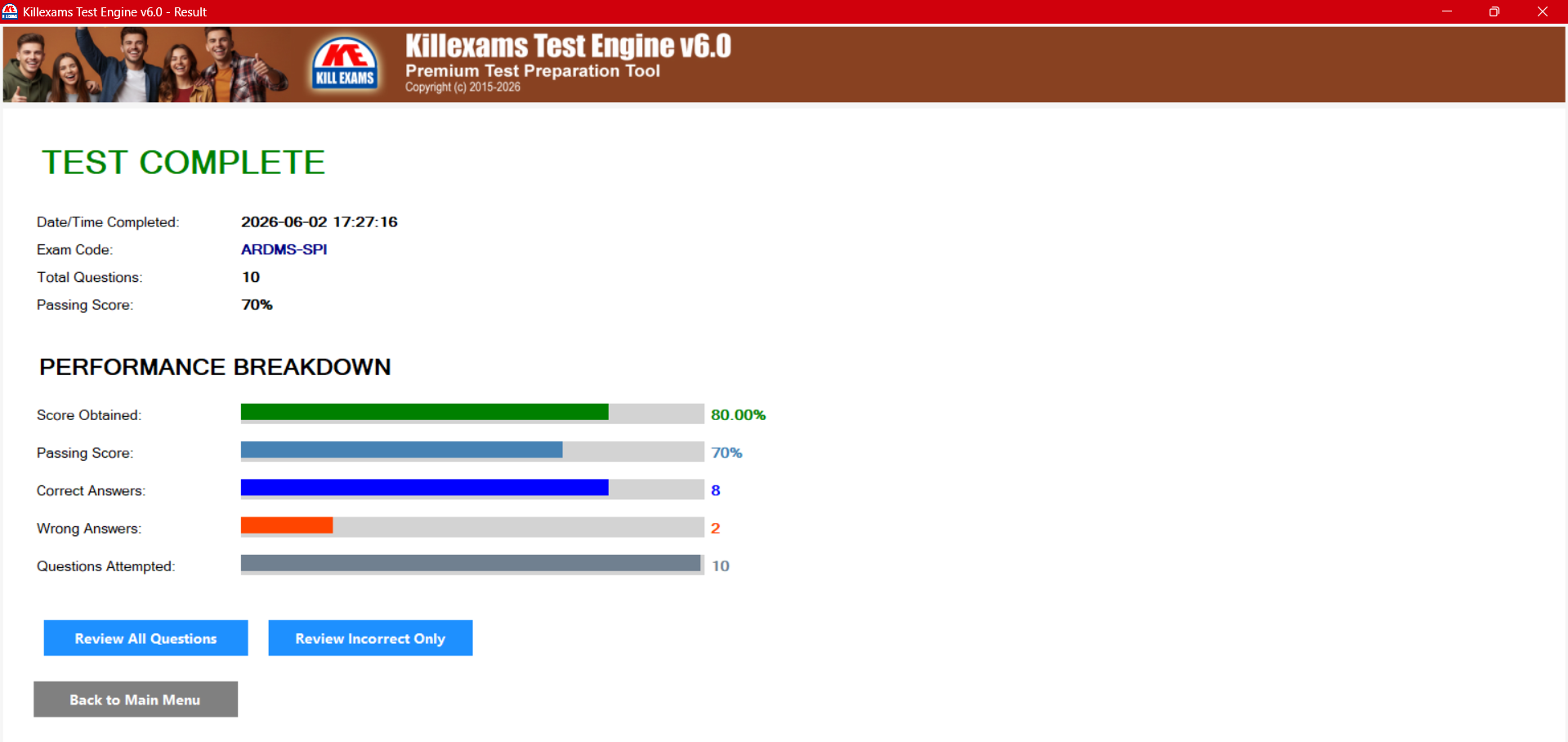

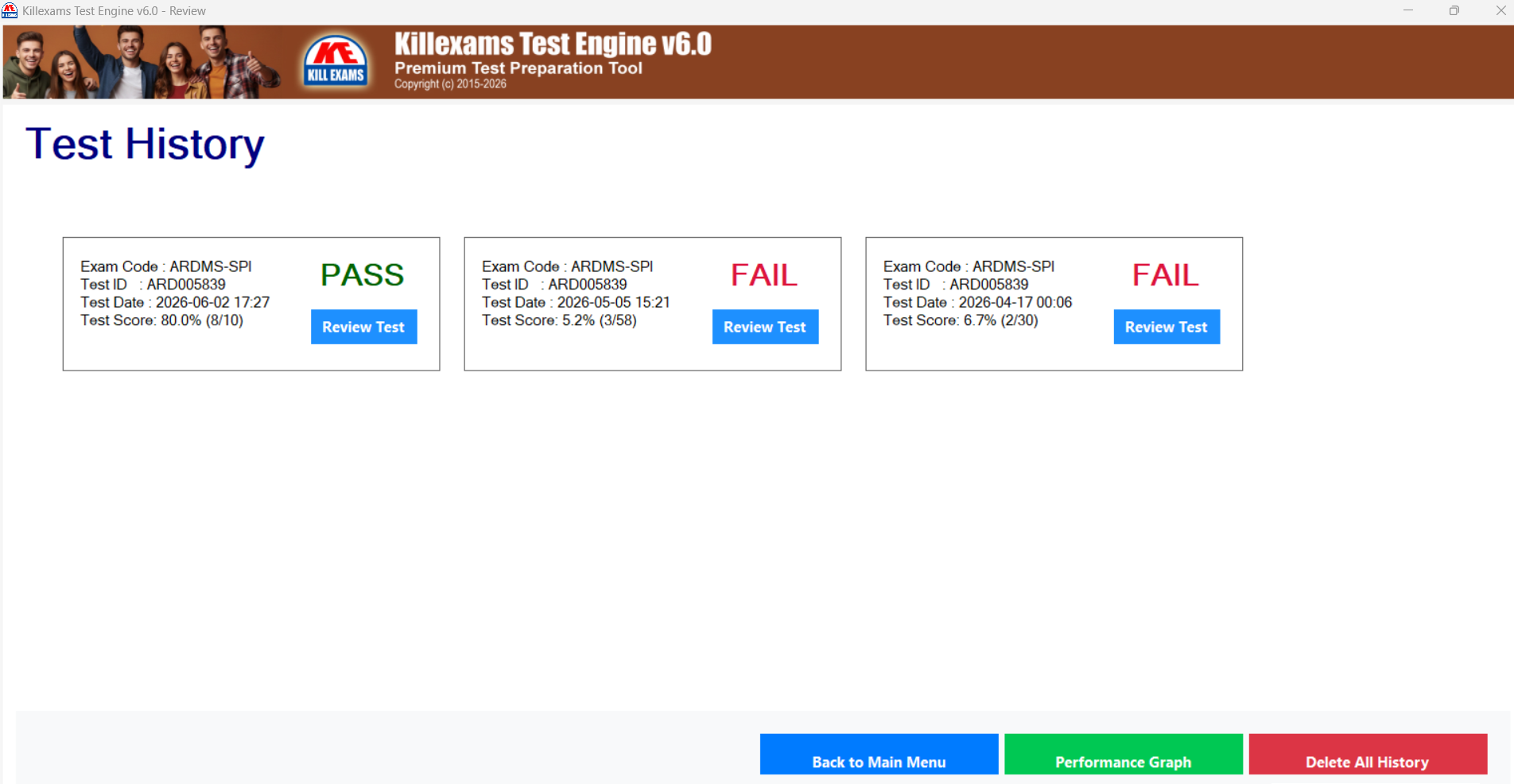
The Desktop Exam Simulator records practice history, performance summaries, and graphical progress reports. Where available, questions may include explanations or reference information to support understanding of correct and incorrect answers. The simulator content is reviewed and updated periodically to remain aligned with current exam objectives and syllabus requirements.
|
3 Months Update
|
6 Months Update
|
12 Months Update
|
|
|---|---|---|---|
What is 3 Months Update?
During 3 months, all future updates in PDF and Test Engine will be provided in your MyAccount with download links. An Intimation email on each update will be sent to you to re-download the updated exam files.
|
What is 6 Months Update?
During 6 months, all future updates in PDF and Test Engine will be provided in your MyAccount with download links. An Intimation email on each update will be sent to you to re-download the updated exam files.
|
What is 12 Months Update?
During 12 months, all future updates in PDF and Test Engine will be provided in your MyAccount with download links. An Intimation email on each update will be sent to you to re-download the updated exam files.
|
|
| Files | PDF / Test Engines | PDF / Test Engines | PDF / Test Engines |
| Premium Access | ✔ | ✔ | ✔ |
| Online Test Engine | ✔ | ✔ | ✔ |
| Instant Download Access | ✔ | ✔ | ✔ |
| Comprehensive Q&A | ✔ | ✔ | ✔ |
| Latest Topics | ✔ | ✔ | ✔ |
| Updated Regularly | ✔ | ✔ | ✔ |
| Portable Files | ✔ | ✔ | ✔ |
| Unlimited Download | ✔ | ✔ | ✔ |
| 100% Secured | ✔ | ✔ | ✔ |
| Confidentiality | 100% | 100% | 100% |
| Syllabus Coverage | Latest | Latest | Latest |
| Any Hidden Cost | No | No | No |
| Auto Renewal | No | No | No |
| Updates Intimation | by Email | by Email | by Email |
| Technical Support | Free | Free | Free |
| PDF Compatibility | Windows, Mac, Android, iOS, Linux | Windows, Mac, Android, iOS, Linux | Windows, Mac, Android, iOS, Linux |
| Desktop Test Engine Compatibility | Windows All Versions | Windows All Versions | Windows All Versions |
| Online Test Engine Compatibility | Mac / Windows / Android / iOS / Linux | Mac / Windows / Android / iOS / Linux | Mac / Windows / Android / iOS / Linux |
Series7 Exam Format | Course Contents | Course Outline | Exam Syllabus | Exam Objectives
Exam Title : General Securities Representative Series 7
Questions : 135 (125 Scored)
Unscored : 10
Duration : 3 hrs 45 min.
The Series 7 exam is designed to assess the competency of entry-level General Securities Representatives. The Series 7 exam seeks to measure the degree to which each candidate possesses the knowledge- skills and abilities needed to perform the critical functions of a General Securities Registered Representative. In order to obtain registration as a General Securities Representative- candidates must pass both the Series 7 exam and a general knowledge co-requisite- the Securities Industry Essentials (SIE) exam.
Seeks Business for the Broker-Dealer from Customers and Potential Customers 7%
Opens Accounts After Obtaining and Evaluating Customers Financial Profile and Investment Objectives 9%
Provides Customers with Information About Investments- Makes Suitable Recommendations- Transfers Assets and Maintains Appropriate Records 73%
Obtains and Verifies Customers Purchase and Sales Instructions and Agreements; Processes- Completes and Confirms Transactions 11%
The exam is administered via computer. A tutorial on how to take the exam is provided prior to taking the exam. Each candidates exam includes 10 additional- unidentified pretest items that do not contribute toward the candidate's score. The pretest items are randomly distributed throughout the exam. Therefore- each candidates exam consists of a total of 135 items (125 scored and 10 unscored). There is no penalty for guessing. Therefore- candidates should attempt to answer all items. Candidates will be allowed 3 hours and 45 minutes to complete the Series 7 exam. All candidate test scores are placed on a common scale using a statistical adjustment process known as equating. Equating scores to a common scale accounts for the slight variations in difficulty that may exist among the different sets of exam items that candidates receive. This allows for a fair comparison of scores and ensures that every candidate is held to the same passing standard regardless of which set of exam items they received. Candidates are not permitted to bring reference materials to their testing session. Severe penalties are imposed on candidates who cheat or attempt to cheat on FINRA-administered exams.
Course Outline- Exam Syllabus
Function 1: Seeks Business for the Broker-Dealer from Customers and Potential Customers
1.1 Contacts current and potential customers in person and by telephone- mail and electronic means; develops promotional and advertising materials and seeks appropriate approvals to distribute marketing materials
Knowledge of:
Standards and required approvals of public communications
Types of communications (e.g.- retail- institutional- correspondence)
Seminars- lectures and other group forum requirements
Product specific advertisements and disclosures
Investment company products and variable contracts
Options-related communications; options disclosure document (ODD)
Municipal securities
Research reports (e.g.- quiet periods- distribution- third-party research)
Government securities- collateralized mortgage obligations (CMOs)- certificates of deposit (CDs)
FINRA Rules
– Communications with the Public
– Communications with the Public about Variable Life Insurance and Variable Annuities
– Use of Investment Companies Rankings in Retail Communications
– Requirements for the Use of Bond Mutual Fund Volatility Ratings
– Communications with the Public about Collateralized Mortgage Obligations (CMOs)
– Options Communications
– Members Responsibilities Regarding Deferred Variable Annuities
– Options
SEC Rules and Regulations
Securities Act of 1933
Section 5 – Prohibitions Relating to Interstate Commerce and the Mails
156 – Investment Company Sales Literature
482 – Advertising by an Investment Company as Satisfying Requirements of Section 10
498 – Summary Prospectuses for Open-End Management Investment Companies
Securities Exchange Act of 1934
15c2-12 – Municipal Securities Disclosure
15c3-3 – Customer Protection — Reserves and Custody of Securities
Cboe Rules
9.8 – Addressing of Communications to Customers
9.9 – Delivery of Current Options Disclosure Documents
9.15 – Options Communications
MSRB Rule
G-21 – Advertising
1.2 Describes investment products and services to current and potential customers with the intent of soliciting business Knowledge of:
Process for bringing new issues to market (e.g.- due diligence- registration statement- preliminary prospectus- final prospectus- underwriting agreement- selling group agreement- blue-sky laws and procedures)
Regulatory requirements for initial public offerings (IPOs) (e.g.- restrictions on prospecting or soliciting- allowable communications with the public)
Primary financing for municipal securities (e.g.- competitive sale- negotiated sale- private offering- advance refunding)
Syndicate formation and operational procedures (e.g.- purpose of syndicate bid- roles and responsibilities of underwriters- selling group concession and reallowance)
Pricing practices and components of underwriters spread and determination of underwriters compensation and selling practices
Prospectus requirements (e.g.- timeliness of information- preliminary prospectus (red herring)- final prospectus)
Information required in a registration statement and offering material on new issue (e.g.- in pre-filing period- in cooling-off period- in post-registration period)
Official statements- preliminary official statements- notice of sale for municipal securities
Qualified institutional buyer (QIB) and accredited investor
Qualification requirements for Regulation A offerings (e.g.- filing of abbreviated registration statement and offering circular
Regulation D offerings (e.g.- exemption from SEC registration- access to capital markets- accredited investors)
Securities and transactions exempted from registration- including Section 3(a)(11) of the Securities Act of 1933 and Rule 147 thereunder (i.e.- intrastate offering)
Regulatory requirements for private placements or resales
Nonregistered foreign securities sold to institutions qualified in the U.S.
Foreign securities prohibited from being sold to U.S. investors
FINRA Rules
– Networking Arrangements Between Members and Financial Institutions
– Tape Recording of Registered Persons by Certain Firms
– Corporate Financing Rule — Underwriting Terms and Arrangements
– Public Offerings of Securities with Conflicts of Interest
– Restrictions on the Purchase and Sale of Initial Equity Public Offerings
– New Issue Allocations and Distributions
– Sale of Securities in a Fixed Price Offering
– Disclosure of Price and Concessions in Selling Agreements
– Notification Requirements for Offering Participants
SEC Rules and Regulations
Securities Act of 1933
Section 3 – Exempted Securities
Section 4 – Exempted Transactions
– Communications Not Deemed a Prospectus
– Options Material Not Deemed a Prospectus
– Persons Deemed Not To Be Engaged in a Distribution and Therefore Not Underwriters
– Private Resales of Securities to Institutions
– Reclassification of Securities- Mergers- Consolidations and Acquisitions of Assets
– Intrastate Offers and Sales
– Post-filing Free Writing Prospectuses in Connection with Certain Registered Offerings
Securities Exchange Act of 1934
– Prohibition of Use of Manipulative or Deceptive Devices or Contrivances with Respect to Certain Securities Exempted from Registration
– Employment of Manipulative and Deceptive Devices by Brokers or Dealers
– Purchases of Certain Equity Securities by the Issuer and Others
– Delivery of Prospectus
– Records To Be Made by Certain Exchange Members- Brokers and Dealers
Regulation A – Conditional Small Issues Exemption
Regulation C – Registration
– Delayed or Continuous Offering and Sale of Securities
– Contents of Prospectus Used After Nine Months
– Prospectus for Use Prior to Effective Date
– Prospectus in a Registration Statement at the Time of Effectiveness
– Prospectus in a Registration Statement After Effective Date
– Conditions to Permissible Post-filing Free Writing Prospectuses
Regulation D – Rules Governing the Limited Offer and Sale of Securities Without Registration Under the Securities Act of 1933
– Use of Regulation D
– Definitions and Terms Used in Regulation D
– General Conditions to be Met
– Filing of Notice of Sale
– Exemption for Limited Offerings and Sales of Securities Not Exceeding $5-000-000
– Exemption for Limited Offers and Sales Without Regard to Dollar Amount of Offering
– Disqualifying Provision Relating to Exemptions under Rules 504 and 506
– Insignificant Deviations from a Term- Condition or Requirement of Regulation D
Regulation M
Regulation S – Rules Governing Offers and Sales Made Outside the United States Without Registration Under the Securities Act of 1933
Trust Indenture Act of 1939
MSRB Rules
– Primary Offering Practices
– Transactions with Employees and Partners of Other Municipal Securities Professionals
– Disclosures in Connection with Primary Offerings
– CUSIP Numbers- New Issue- and Market Information Requirements
– Solicitation of Municipal Securities Business
Function 2: Opens Accounts After Obtaining and Evaluating Customers Financial
Profile and Investment Objectives
2.1 Informs customers of the types of accounts and their appropriateness and provides
disclosures regarding various account types and restrictions
Knowledge of:
Types of accounts (e.g.- pattern day trading- prime brokerage- delivery verses payment/receive versus payment (DVP/RVP)- advisory or fee-based)
Account registration types (e.g.- tenants in common (TIC)- community property- sole proprietorship- partnership- unincorporated associations)
Requirements for opening customer accounts
Retirement plans and other tax advantaged accounts
Transfers- rollovers- eligibility- distribution strategies and taxation (e.g.- types of allowable contributions- distribution options- taxation of distribution at retirement- age restrictions for distributions- permissible investments)
Employer-sponsored plans and ERISA (e.g.- 457- defined benefit- profit-sharing- stock options and stock purchase- non-qualified deferred compensation programs)
Wealth events (e.g.- inheritance)
Account registration changes and internal transfers
FINRA Rules
2270 – Day-trading Risk Disclosure Statement
2130 – Approval Procedures for Day-trading Accounts
4512 – Customer Account Information
4514 – Authorization Records for Negotiable Instruments Drawn from a Customers Account
4515 – Approval and Documentation of Changes in Account Name or Designation
Cboe Rule
9.1 – Opening of Accounts
Internal Revenue Code
219 – Retirement Savings
415 – Limitations on Benefits and Contributions Under Qualified Plans
529 – Qualified Tuition Programs
530 – Coverdell Education Savings Accounts
Employee Retirement Income Security Act of 1974 (ERISA)
2.2 Obtains and updates customer information and documentation- including required legal
documents and identifies and escalates suspicious activity
Knowledge of:
Customer screening (e.g.- customer identification program (CIP)- know-your-customer (KYC)- domestic or foreign residency and/or citizenship- corporate insiders- employees of broker-dealers or self-regulatory organizations (SROs))
Information security and privacy regulations (e.g.- initial privacy disclosures to customers- opt-out notices- disclosure limitations- exceptions)
Account authorizations (e.g.- power of attorney (POA)- trust documents- corporate resolutions- trading authority- discretionary account documents)
FINRA Rule
408T – Discretionary Power in Customers Accounts
2090 – Know Your Customer
3260 – Discretionary Accounts
SEC Rules and Regulations
Securities Exchange Act of 1934
Section 3(a)(35) – Definitions and Application of Title – “Investment Discretion”
Regulation S-P – Privacy of Consumer Financial Information and Safeguarding Personal Information
Cboe Rule
9.4 – Discretionary Accounts
2.3 Makes reasonable efforts to obtain customer investment profile information including- but not limited to- the customer's other security holdings- financial situation and needs- tax status and investment objectives
Knowledge of:
Essential facts regarding customers and customer relationships
Financial factors relevant to assessing a customers investment profile
Security holdings- other assets and liabilities- annual income- net worth- tax considerations
Other considerations (e.g.- age- marital status- dependents- employment- investment experience- home ownership and financing- employee stock options- insurance- liquidity needs)
Investment objectives (e.g.- preservation of capital- income- growth- speculation)
Reasonable-basis suitability- customer-specific suitability and quantitative suitability
Investment strategies and recommendations to hold
Verification of investor accreditation and sophistication
FINRA Rules
2111 – Suitability
2214 – Requirements for the Use of Investment Analysis Tools
MSRB Rule
G-19 – Suitability of Recommendations and Transactions
2.4 Obtains supervisory approvals required to open accounts
Knowledge of:
Required review- approvals and documentation for account opening and maintenance
Physical receipt- delivery and safeguarding of cash or cash equivalents- checks and securities
Circumstances for refusing or restricting activity in an account or closing accounts
FINRA Rules
3110 – Supervision
3120 – Supervisory Control System
Cboe Rule
9.2 – Supervision of Accounts
MSRB Rule
G-27 – Supervision
Function 3: Provides Customers with Information About Investments- Makes Suitable
Recommendations- Transfers Assets and Maintains Appropriate Records
3.1 Provides customers with information about investment strategies- risks and rewards- and communicates relevant market- investment and research data to customers
Knowledge of:
Customer-specific factors that generally affect the selection of securities (i.e.- customers investment profile- including the customers risk tolerance- investment time horizon and investment objectives- liquidity needs)
Portfolio or account analysis and its application to security selection (e.g.- diversification- asset allocation principles- concentration- volatility- potential tax ramifications)
Portfolio theory (e.g.- alpha and beta considerations- Capital Asset Pricing Model (CAPM))
Delivery of annual reports and notices of corporate actions (e.g.- dividends- splits- odd lot tenders)
Fundamental analysis of financial statements and types of financial statements included in an annual report- importance of footnotes- material risk disclosures and key terms (e.g.- assets- liabilities- capital- cash flow- income- earnings per share (EPS)- book value- shareholders' equity- depreciation- depletion- goodwill)
Balance sheet and methods of inventory valuation: last-in- first out (LIFO)- first-in- first-out (FIFO) and methods of depreciation
Income statement and calculations derived from an income statement: earnings before interest and taxes (EBIT); earnings before taxes (EBT); net profit; and earnings before interest- taxes- depreciation and amortization (EBITDA)
Principal tools to measure financial health
Liquidity: working capital- current ratio- quick assets- acid test ratio
Risk of bankruptcy: bond ratio- debt-to-equity ratio
Efficient use of assets: inventory turnover ratio- cash flow
Profitability: margin-of-profit ratio- net profit ratio- asset coverage and safety of income (i.e.- net asset value (NAV) per bond- bond interest coverage- book value per share)
EPS: fully diluted EPS- price-earnings (P/E) ratio- dividend payout ratio- current yield
Competitiveness (comparative performance): return on common equity
SEC Rules and Regulations
Securities Exchange Act of 1934
14e-3 – Transactions in Securities on the Basis of Material- Nonpublic Information in the Context of Tender Offers
14e-4 – Prohibited Transactions in Connection with Partial Tender Offers Cboe Rule
9.3 – Suitability of Recommendations
3.2 Reviews and analyzes customers' investment profiles and product options to determine suitable investment recommendations
Knowledge of:
Equity securities
Types of stock (e.g.- authorized- issued- outstanding- Treasury stock- stated value)
Characteristics of common stock
Rights of common stockholders (e.g.- pre-emptive right- pro rata share of dividends- access to corporate books- voting power (statutory- cumulative- nonvoting)- residual claims on corporate assets)
Spinoffs
Stock acquired through a consolidation or transfer
Penny stocks and rules associated with penny stock transactions
Characteristics of preferred stock
Types of preferred stock (e.g.- cumulative- non-cumulative- participating- nonparticipating- convertible- callable- adjustable-rate and variable-rate)
Rights of preferred stockholders (e.g.- preference upon corporate dissolution- dividend payment- conversions- sinking fund provisions)
Rights and warrants: origination- exercise terms- relationship of subscription price to market price of underlying stock- anti-dilution agreement
Electronic exchanges or auction markets (e.g.- electronic communications networks (ECNs)- over-thecounter (OTC)- dark pools of liquidity)
Types and characteristics of non-U.S. market securities (e.g.- American Depositary Receipts (ADRs)- corporate equity)
Tax treatment of equity securities transactions
Capital gains and losses- dividend distributions (qualified and non-qualified)- wash sales- holding periods
Determination of net long-term and short-term gains or losses
When-issued securities- securities acquired through conversion
Calculation of cost basis per share on: purchases- exchange of convertibles for common shares- stock dividends and stock rights- inherited or gifted securities
Cost valuation: FIFO- LIFO- identified shares
Packaged products Investment companies- exchange-traded funds (ETFs)- unit investment trusts (UITs)
Types of mutual funds: equity- fixed income- money market- interval
Structure of investment companies (e.g.- open-end and closed-end funds)
Fund objectives (e.g.- value- growth- income- balanced- international- sector- life cycle)
Characteristics of:
Open-end funds: e.g.- NAV- forward pricing- offering price- exchange privileges within families of funds- fees and expenses: no load- load (front-end- back-end)- distribution fees- management fees- nature of 12b-1 fees
Closed-end funds: distributed in primary market at IPO price- traded in secondary market
Sales practices (e.g.- dollar-cost averaging (DCA)- computing sales charge- breakpoints)
Redemption (e.g.- redemption price- payout or withdrawal plans- conversion privilege- restrictions- contingent deferred sales charge- tenders)
Tax treatment of mutual funds
Reinvestment of dividends and capital gain distributions
Charges and expenses
Variable life insurance/annuity contracts
Characteristics and insurance features (e.g.- minimum guarantees- death benefits- living benefits- riders)
Separate accounts (e.g.- purpose- management of portfolio- investment policies- performance of account)
Valuation of a variable annuity contract (e.g.- accumulation units- surrender value- annuitization units)
Purchasing or exchanging variable annuities (e.g.- immediate annuity- charges- fees- penalties- right of accumulation (ROA)- waiver of premium)
Annuitization: types of election- variable payout- assumed interest rate- relationship between assumed interest rate and actual rate of return
Tax treatment of variable annuity contracts during accumulation period and annuity period and taxation at surrender of contract
Real estate investment trusts (REITs)
Structure (e.g.- finite number of shares- distributed in primary market at IPO price- traded in secondary market- premiums and discounts to NAV)
Types and characteristics (e.g.- equity REIT- mortgage REIT- hybrid REIT)
Tax treatment (e.g.- dividends- capital gains- distributions)
Direct participation programs (DPPs)
General characteristics
Structures (e.g.- limited partnerships (e.g.- roles and duties of general partners vs. limited partners)- limited liability companies- corporations that have tax pass-through exemption from the IRS)
Tax treatment (e.g.- flow-through of income- expenses and tax liability- real estate depreciation- oil and gas tax advantages)
Types of DPPs (e.g.- real estate- oil and gas- small-cap debt and equity- business development companies (BDCs)- equipment leasing) and their investment advantages- risks and tax implications
Types of DPP offerings (i.e.- private placements and public offerings)
Evaluation of DPPs (e.g.- economic soundness of the program- expertise of the general partner- basic objectives of the program; start-up costs- leverage and other revenue considerations) Options
Listed options and their characteristics (e.g.- contract specifications and adjustments- dividends- exercise/assignment- settlement date- opening and closing transactions- values (premium- intrinsic and time)- volume- open interest- position limits- exercise limits)
The Options Clearing Corporation (OCC)
American-style and European-style
Long-term Equity AnticiPation Securities (LEAPS)
Basic strategies (e.g.- covered writing and hedging for equity- index- foreign currency and yield-based options)
Protective put for equity and index options
Covered call and put writing for equity options
Advanced strategies (e.g.- spreads- straddles- combinations- uncovered writing)
Long (debit) and short (credit) spreads
Straddle/combination for equity and index options
Uncovered (naked) call or put writing for equity- index and yield-based options
Profit and loss calculations- break-even points- economics of positions
Tax treatment of option transactions (equity- index- foreign currency- yield-based)
Debt Securities
Types of debt securities and money market instruments (e.g.- corporate commercial paper- brokered CDs- Eurodollar bond- variable-rate preferreds)
Characteristics: structure- risks and rewards- call provisions
Structured products (e.g.- equity-linked securities- exchange-traded notes (ETNs))
Types and characteristics of non-U.S. market securities (e.g.- sovereign and corporate debt)
Types of yields (e.g.- coupon (nominal)- current- yield to maturity (YTM)- yield to call (YTC)- yield to worst and discount yield- calculations and relationship to price)
Bond ratings
Tax implications of taxable debt securities- including original issue discount (OID) rules- interest- principal- premiums- discounts- and capital gains and losses
Corporate bonds
Types of corporate bonds (e.g.- mortgage bonds- equipment trust certificates- debentures- step coupon bonds- zero-coupon bonds- convertible bonds- high-yield bonds- income bonds) and their characteristics
Convertible bonds: general characteristics- (e.g.- conversion privilege- fixed versus variable- conversion ratio or price- calculation of parity price of underlying security- arbitrage- factors influencing conversion)
Municipal securities
General characteristics of municipal fund securities- method of quotations (e.g.- yield/basis price- dollar price)- interest rate- payment periods- denominations- diversity of maturities (e.g.- serial- term) and legal opinion (purpose and contents)
Analysis and diversification of municipal investments: geographical- type and rating
Analysis of general obligation (GO) bonds- including: characteristics of the issuer- nature of the issuers debt- factors affecting the issuers ability to pay- municipal debt ratios
Analysis of revenue bonds- including feasibility studies- sources of revenue- security (protective covenants of bond indenture)- financial reports and outside audits- restrictions on the issuance of additional bonds- flow of funds- earnings coverage- sources of credit information- rating services- credit enhancements
Purpose and characteristics of specific types of municipal securities:
Types of municipal bonds (e.g.- GO bonds- limited tax GO bonds and notes- revenue bonds- short-term municipal obligations (e.g.- tax anticipation notes (TANs)- bond anticipation notes (BANs)- revenue anticipation notes (RANs)- tax-exempt commercial paper- grant anticipation notes (GANs)- tax and revenue anticipation notes (TRANs)))
Special tax- special assessment- moral obligation- advance or pre-refunded- double-barreled- taxable (e.g.- Build America bonds)- OIDs- zero-coupon (capital appreciation) bonds- certificates of participation (COPs)- alternative minimum tax (AMT)- lease revenue- variable rate securities- auction rate securities
Municipal fund securities including 529 college savings plans- local government investment pools (LGIPs)- ABLE accounts (e.g.- change in beneficiary- rollovers- ownership- tax consequences of unqualified withdrawals)
Call features (e.g.- par or premium- optional- mandatory- partial call- sinking fund- extraordinary calls- make whole calls)- advantages/disadvantages to issuers and investors
Put or tender options
Refunding methods: direct exchange versus sale of new issue- advance refunding- refunding at call dates/current refunding- escrowed to maturity- crossover refunding
Factors affecting the marketability of municipal bonds: rating- maturity- call features- interest (coupon) rate- block size- liquidity (ability to sell the bond in the secondary market)- dollar/yield price- issuer name (local or national reputation)- credit enhancement- credit and liquidity support- denominations
Pricing of municipal securities and other mathematical calculations: dollar price- accrued interest (regular coupon- odd first coupon)- computations of accrued interest (30/360)- amortization of premium- accretion of discount- relationship of bond prices to changes in maturity- coupon- various yield calculations (taxable equivalent yield- net yield after capital gains tax- current yield- YTC on premium bonds) value of basis point- in default-
Tax treatment of municipal securities: securities bought at a discount or premium in the secondary market- OID- federal income tax status- state and local tax status- computation of taxable equivalent yield- accrued interest- AMT- bonds- taxable bonds- bank qualified bonds Registered hedge funds and fund of funds
Structure (e.g.- private placements- registered- exemption from registration under the Investment Company Act of 1940- blind pool/ blank check)
Characteristics (e.g.- limited or no liquidity- limited available information- lock-up provisions- charges and expenses- tangible assets- wide array of investment styles- models and vehicles)
Tax treatment of distributions
Asset-backed securities
Collateralized mortgage obligations (CMOs)
Collateralized debt obligations (CDOs)
Characteristics (e.g.- indenture- maturities- form of ownership- interest payment periods- call and put features- calculation of accrued interest- and specific characteristics (e.g.- maturity- type of collateral- priority of claim- call provisions))
U.S. Treasury securities
Treasury bills- notes- bonds
Treasury receipts (Separate Trading of Registered Interest and Principal Securities (STRIPS)/zero-coupon)
Treasury Inflation Protected Securities (TIPS)
Characteristics (e.g.- types- maturities- denominations- payment of interest)
U.S. government agency securities
Government National Mortgage Association (GNMA)
Federal National Mortgage Association (FNMA)
Federal Home Loan Mortgage Corporation (FHLMC)
Student Loan Marketing Association (SLMA)
Characteristics: types- maturities- denominations- primary dealers- distribution- issue form- quotations- passthrough- calculating a spread- pricing- payment of interest and principal
FINRA Rules
2114 – Recommendations to Customers in OTC Equity Securities
2121 – Fair Prices and Commissions
2122 – Charges for Services Performed
2124 – Net Transactions with Customers
2310 – Direct Participation Programs
2320 – Variable Contracts of an Insurance Company
2341 – Investment Company Securities
2350 Series – Trading in Index Warrants- Currency Index Warrants- and Currency Warrants 4210(f)(2) – Definitions Related to Options- Currency Warrants- Currency Index Warrants and Stock Index Warrant Transactions
SEC Rules and Regulations
Securities Exchange Act of 1934
Section 9(a) – Prohibition Against Manipulation of Security Prices (Transactions Relating to Purchase or Sale of Security)
Exemption of Certain Issuers from Section 15(D) of the Act
3a51-1 – Definition of "Penny Stock"
15g-1 – Exemptions for Certain Transactions
15g-2 – Penny Stock Disclosure Document Relating to the Penny Stock Market
15g-5 – Disclosure of Compensation of Associated Persons in Connection with Penny Stock Transactions
15g-9 – Sales Practice Requirements for Certain Low-priced Securities
Investment Company Act of 1940
Section 2(a) – General Definitions
Section 10 – Affiliations or Interest of Directors- Officers and Employees
Section 12(a) – Functions and Activities of Investment Companies (Purchase of Securities on Margin;
Joint Trading Accounts; Short Sales of Securities; Exceptions)
Section 13(a) – Changes in Investment Policy (Prohibited Actions for Registered Investment Companies)
Section 15(a) – Investment Advisory and Underwriting Contracts (Written Contract to Serve or Act as Investment Adviser; Contents)
Section 16(a) – Changes in Board of Directors; Provisions Relative to Strict Trusts (Election of Directors)
Section 17(a) – Transactions of Certain Affiliated Persons and Underwriters (Prohibited Transactions)
Section 18 – Capital Structure
Section 19 – Dividends
Section 22 – Distribution- Redemption- and Repurchase of Redeemable Securities
Section 23 – Distribution and Repurchase of Securities: Closed-end Companies
Section 30 – Periodic and Other Reports; Reports of Affiliated Persons
Section 35 – Unlawful Representations and Names
Section 36 – Breach of Fiduciary Duty
Section 37 – Larceny and Embezzlement
12b-1 – Distribution of Shares by Registered Open-end Management Investment Company Cboe Rules
1.1 – Definitions
4.5 (f) – Long-term Equity Option Series (LEAPS®)
4.6 – Adjustments
6.20 (e) – Exercise of American-style Index Options
6.21 – Allocation of Exercise Notices
8.1 – Just and Equitable Principles of Trade
8.3 – Position Limits
8.31 – Position Limits for Broad-based Index Options
8.32 – Position Limits for Industry Index Options
8.41– Position Limits — Interest Rate Options
8.42 (b) – Exercise Limits — Index Options
8.42 (f) – Exercise Limits — Interest Rate Options
11.1 – Exercise of Option Contracts
MSRB Rules
D-12 – Definition of Municipal Fund Securities
G-13 – Quotations Related to Municipal Securities
G-17 – Conduct of Municipal Securities Activities
G-30 – Prices and Commissions
G-45 – Reporting of Information on Municipal Fund Securities
Real Estate Investment Trusts (REITs)
REIT Modernization Act of 1999
Internal Revenue Code
301 – Distributions of Property
316 – Dividend Defined
856 – Definition of Real Estate Investment Trust
858 – Dividends Paid by Real Estate Investment Trust After Close of Tax Year
1035 – Certain exchanges of Insurance Policies
1091 – Loss from Wash Sales of Stock or Securities
1233 – Gains and Losses from Short Sales
1256 – Contracts Marked to Market
3.3 Provides appropriate disclosures regarding investment products and their characteristics- risks- services and expenses
Knowledge of:
Required disclosures on specific transactions (e.g.- material aspects of investments- statement of additional information- material events- control relationships)
Types of investment risk (e.g.- call- systematic and nonsystematic- reinvestment- timing)
Types of investment returns (e.g.- tax-exempt interest- return of capital)
Costs and fees associated with investments (e.g.- markups- commissions- net transactions- share classes- non-discretionary fee-based accounts- surrender charges- 12b-1 fees- mortality and expense charges in variable products- soft dollar arrangements)
Tax considerations (e.g.- unification of gift and estate taxes- lifetime exclusion- annual gift limit- taxation of securities received as a gift- inheritance of securities)
Market analysis considerations (e.g.- market sentiment- market indexes- options volatility- put/call ratio- market momentum- available funds- trading volume- short interest- index futures)
Market analysis considerations for municipal securities- including Bond Buyer indexes (e.g.- 11 GO Bonds Index- Municipal Bond Index (40 Bond)- 20 GO Bonds Index)
Technical analysis of basic chart patterns and key terms (e.g.- trend lines- saucer/inverted saucer- headand-shoulders/inverted head-and-shoulders- breakouts- resistance/support levels- moving averages- consolidation- stabilization- overbought and oversold)
Disclosure of material events effecting retail sales of municipal bonds
FINRA Rule
2165 – Financial Exploitation of Specified Adults
SEC Rules and Regulations
Securities Exchange Act of 1934
Section 28(e) – Effect on Existing Law (Exchange- Broker- and Dealer Commissions; Brokerage and Research Services)
Internal Revenue Code
2503 – Taxable Gifts
3.4 Communicates with customers about account information- processes requests and retains documentation
Knowledge of:
Customer confirmations and statements- including: components- timing- mailings to third parties- and exceptions
Account value- profits and losses- realized and unrealized
Withdrawals and tenders
Customer account records (e.g.- updating for change of address- sending required notifications- investment objectives)
Transferring accounts between broker-dealers (e.g.- Automated Customer Account Transfer Service (ACATS)- transfer agent and procedures)
Books and records retention requirements
Account closure procedures
FINRA Rules
409T – Statements of Accounts to Customers
2231 – Customer Account Statements
2232 – Customer Confirmations
2273 – Educational Communication Related to Recruitment Practices and Account Transfers
4510 – Books and Records Requirements
11870 – Customer Account Transfer Contracts
SEC Rules and Regulations
Securities Exchange Act of 1934
10b-10 – Confirmation of Transactions
15g-6 – Account Statements for Penny Stock Customers
17a-4 – Records To Be Preserved by Certain Exchange Members- Brokers and Dealers
Regulation FD – Disclosure Requirements
Cboe Rules
6.1 – Reporting duties
7.1 – Maintenance- Retention and Furnishing of Books- Records and Other Information
7.2 – Reports of Uncovered Short Positions
7.3 – Financial Reports
7.4 – Audits
7.5 – Automated Submission of Trading Data
7.7 – Risk Analysis of Market-maker Accounts
7.8 – Risk Analysis of Portfolio Margin Accounts
7.9 – Regulatory Cooperation
9.5 – Confirmation to Customers
9.6 – Statements of Accounts to Customers
9.14 – Transfer of Accounts
MSRB Rules
G-8 – Books and Records To Be Made by Brokers- Dealers- and Municipal Securities Dealers and Municipal Advisors
G-9 – Preservation of Records
G-15 – Confirmation- Clearance- Settlement and Other Uniform Practice Requirements with Respect to Transactions with Customers
G-26 – Customer Account Transfers
Function 4: Obtains and Verifies Customers Purchase and Sales Instructions and Agreements; Processes- Completes and Confirms Transactions
4.1 Provides current quotes
Knowledge of:
Orders- offerings and transactions in customer accounts (e.g.- at advertised yield)
Trade execution activities
Types of securities quotes (e.g.- firm- subject)
Types of orders (e.g.- all-or-none (AON)- fill-or-kill (FOK)- immediate-or-cancel (IOC)- not-held- market-onclose (MOC)- spread- straddle)
Short sale requirements and strategies (e.g.- order marking- locate- borrow and delivery- speculation- hedging- arbitrage)
Securities lending (e.g.- hard to borrow- fail to deliver)
Best execution obligations
FINRA Rules
4320 – Short Sale Delivery Requirements
4551 – Requirements for Alternative Trading Systems to Record and Transmit Order and Execution Information for Security Futures
5210 – Publication of Transactions and Quotations
5220 – Offers and Stated Prices
5260 – Prohibition on Transactions- Publication of Quotations- or Publication of Indications of Interest During Trading Halts
5290 – Order Entry and Execution Practices
5310 – Best Execution and Interpositioning
6100 Series – Quoting and Trading in NMS stocks
6110 – Trading Otherwise than on an Exchange
6120 – Trading Halts
6121 – Trading Halts Due to Extraordinary Market Volatility
6130 – Transactions Related to Initial Public Offerings
6400 Series – Quoting and Trading in OTC Equity Securities
6500 Series – OTC Bulletin Board® Service
6600 Series – OTC Reporting Facility
11860 – COD Orders
SEC Rules and Regulations
Securities Exchange Act of 1934
15c2-7 – Identification of Quotations
15c2-11 – Initiation or Resumption of Quotations Without Specified Information
15g-3 – Broker or Dealer Disclosure of Quotations and Other Information Relating to the Penny Stock Market
15g-4 – Disclosure of Compensation to Brokers or Dealers
Regulation ATS – Alternative Trading Systems
Regulation SHO – Regulation of Short Sales
Cboe Rules
5.33 – Certain Types of Orders Defined
5.7 – Required Order Information
NYSE Rules
7.12 – Trading Halts Due to Extraordinary Market Volatility
7.31 – Orders and Modifiers
7.35 Series – Auctions
7.37 – Order Execution and Routing
54 – Dealings on the Floor-persons
64 -- Bonds- Rights and 100-Share-Unit Stocks
71 – Precedence of Highest Bid and Lowest Offer
72(d) – Priority of Cross Transactions and Supplemental Material .10 – Definition of a Block
74 – Publicity of Bids and Offers
75 – Disputes as to Bids and Offers
76 – “Crossing” Orders
77 – Prohibited Dealings and Activities
80B – Trading Halts Due to Extraordinary Market Volatility
104 – Dealings and Responsibilities of DMMs
123A – Miscellaneous Requirements
123D(d) – Initial Listing Regulatory Halt
127 – Block Crosses Outside of the Prevailing NYSE Quotation
1000 – Automatic Executions
1001 – Execution of Automatically Executing Orders
1002 – Availability of Automatic Execution Feature
1004 – Election of Buy Minus Zero Plus Orders
4.2 Processes and confirms customers transactions pursuant to regulatory requirements and informs customers of delivery obligations and settlement procedures
Knowledge of:
Information required on an order ticket (e.g.- symbol- account number- price)
Market making activities: role and functions of the designated market maker- listing requirements- limitations on trading during significant market declines- principal transactions- agency transactions- quotations (e.g.- firm- subject or otherwise qualified- bid wanted- offer wanted- size obligations)- SEC order handling rules- transaction reporting
Use of automated execution systems
Regulatory reporting requirements (e.g.- Order Audit Trail System (OATS)- Trade Reporting and Compliance Engine (TRACE)- Electronic Municipal Market Access (EMMA)- trade reporting facility (TRF)- Real-Time Transaction Reporting System (RTRS))
Delivery requirements
Good delivery (e.g.- certificates in possession of the seller- certificates in the name of two persons- deceased owner- stock or bond powers- mutilated certificates- due bills- DVP/RVP- book entry securities- stock certificate- endorsements- denominations- bearer- registrar- registered- Direct Registration System (DRS))
Settlement of transactions (e.g.- security-specific requirements- when-- as- and if-issued- ex-rights- exdividends- due bill checks- negotiated settlements- option exercise/assignment- dont know (DK)- extensions)
FINRA Rules
5330 – Adjustment of Orders
6000 Series – Quotation- Order- and Transaction Reporting Facilities
6140 – Other Trading Practices
6700 Series – Trade Reporting and Compliance Engine
7000 Series – Clearing- Transactions and Order Data Requirements- and Facility Charges
11000 Series – Uniform Practice Code
SEC Rules and Regulations
Securities Exchange Act of 1934
15c6-1 – Settlement Cycle
Cboe Rules
6.20 – Exercise of Options Contracts
6.21 – Allocation of Exercise Notices
6.22 – Delivery and Payment
MSRB Rules
G-12 – Uniform Practice
G-14 – Reports of Sales or Purchases
Nasdaq Stock Market Rules
4600 Series – Requirements for Nasdaq Market Makers and Other Nasdaq Market Center Participants
4750 Series – Nasdaq Market Center-Execution Services
NYSE Rules
63 – “When Issued”— “When Distributed”
130 Series – Comparison and Exchange of Contracts
133 – Comparison—Non-cleared Transactions
135 – Differences and Omissions—Cleared Transactions (“DKs”)
136 – Comparison—Transactions Excluded from a Clearance
4.3 Informs the appropriate supervisor and assists in the resolution of discrepancies- disputes- errors and complaints
Knowledge of:
Erroneous reports- errors- cancels and rebills
Requirements for addressing customer complaints and consequences of improper handling of complaints
Methods of formal resolution (e.g.- arbitration- mediation- litigation)
Form U4 reporting requirements
FINRA Rules
4513 – Records of Written Customer Complaints
4530 – Reporting Requirements
8000 Series – Investigations and Sanctions
11892 – Clearly Erroneous Transactions in Exchange-listed Securities
11893 – Clearly Erroneous Transactions in OTC Equity Securities
12000 Series – Code of Arbitration Procedure for Customer Disputes
13000 Series – Code of Arbitration Procedure for Industry Disputes
14000 Series – Code of Mediation Procedure
Cboe Rules
5.11 – Price Binding Despite Erroneous Report
9.17 – Customer Complaints
4.4 Addresses margin issues
Knowledge of:
Requirements and characteristics of margin accounts (e.g.- minimums- approvals- ineligible accounts- eligible/ineligible securities)- and required disclosures (e.g.- interest rate disclosure and hypothecation)
Product or strategy specific requirements (e.g.- Treasury securities- mutual funds)
Calculations in margin accounts (e.g.- long and/or short positions)
Initial margin: long market value- short market value- debit balance- credit balance- initial Regulation T margin requirement on long or short positions- Regulation T requirement for established accounts- loan value- excess equity- buying power of deposited securities
Maintenance: additional purchases- sales (long or short)- cash withdrawals- stock withdrawals- simultaneous purchases and sales- restrictions- liquidation to meet a margin/maintenance call- deposit of cash or securities required to meet a margin or maintenance call
Special memorandum account (SMA): balance- buying power- prohibited use of SMA- effect of excess equity- deposit of marginable securities- receipt of cash dividends and earned interest- liquidation of securities in the account- cash or securities withdrawals- new margin securities purchased or sold short
Other margin accounts (e.g.- portfolio margin- day trading)
FINRA Rules
2264 – Margin Disclosure Statement
4210 – Margin Requirements
Cboe Rules
10.1 – General Rules
10.2 – Time Margin Must Be Obtained
10.3 – Margin Requirements
10.4 – Portfolio Margin
10.5 – Determination of Value for Margin Purposes
10.6 – "When Issued" and "When Distributed" Securities
10.7 – Guaranteed Accounts
10.8 – Meeting Margin Calls by Liquidation Prohibited
10.9 – Margin Required Is Minimum
10.10 – Compliance with Margin Requirements of New York Stock Exchange
10.11 – Daily Margin Record
Federal Reserve
Regulation T – Credit by Brokers and Dealers
Reviews (12)4.50 Overall
★★★★★
50%
★★★★
50%
★★★
0%
★★
0%
★
0%
|
Submit ReviewYou must be logged in to submit a review. Sign In to Submit Review |
Customer Reviews
Series7 Exam FAQs
How many questions are on the Series7 exam?
The Series7 exam has 125 questions.
How long is the Series7 exam?
You have 3 hours 45 minutes to complete the Series7 exam.
What topics does the Series7 exam cover, and how are they weighted?
The Series7 exam covers 4 sections with these weightings: Seeks Business for the Broker Dealer (7%); Opens Accounts (9%); Provides Information on Investment Products (73%); Obtains and Verifies Instructions (11%).
How should I prepare for Series7?
Start with the official Series7 exam outline and study materials from FINRA, then build exam readiness with timed practice. A killexams.com premium account gives you the full pool of 1,001 Series7 practice questions and answers in PDF and Test Engine formats, so you can practice every objective and review the answers before exam day.
How long does it take to prepare for Series7?
At a steady pace of 100 practice questions a day, working through all 1,001 Series7 questions takes about 11 days. Add extra days to repeat the questions you got wrong.
Is Series7 hard? Who is it for?
The FINRA Series 7 exam qualifies general securities representatives.
How many practice questions do you have for Series7?
The killexams.com Series7 practice test contains 1,001 questions and answers.
Is there a free Series7 sample?
Yes. A free Series7 sample PDF is available on this page, so you can review the question style before you buy.
What formats are included in the Series7 practice test?
The Series7 practice test is available as a PDF, an Online Test Engine and a Desktop Test Engine.
Do the Series7 practice questions cover the current exam objectives?
Yes. The Series7 practice questions cover the complete syllabus and current exam objectives.
How do I get the files after purchase, and how long is access valid?
Your MyAccount login details are delivered by email. You can download the files from the member area until your account expires, after 3, 6 or 12 months depending on the plan you bought.
Can I use the Series7 Test Engine on Mac or mobile?
Yes, with the Online Test Engine, which runs on Mac, iOS, Android, Linux and other platforms. The Desktop Test Engine is for Windows only.
What if I fail the Series7 exam after using your material?
You can choose one of three options: 1) a refund, 2) a free 3-month account extension, or 3) a new exam of your choice.
How many practice questions are available for Series7?
The Series7 practice test contains 1,001 practice questions and answers covering the current exam objectives.
What formats are available for Series7 preparation?
The Series7 practice test is available as PDF, Online Test Engine, Desktop Test Engine. All formats can be downloaded instantly after purchase.
Is there a free Series7 sample?
Yes. You can preview and download a free Series7 sample PDF on this page before you buy.