

CBCCT Exam Questions PDF
| Questions and Answers | 1849 (Complete Set) |
| File Format | |
| Latest Update | November 27, 2026 |
| Files Delivery | Instant (5 to 10 min.) |
| Compatibility | All Desktop and Mobile Devices |
| Delivery Method | Download Account |
The Certification Board of Cardiovascular Computed Tomography exam recognizes physicians who interpret cardiac CT, including coronary CT angiography and calcium scoring.
APCA, the Alliance for Physician Certification and Advancement, is the umbrella organization that includes ARDMS, the main credentialing body for sonographers, along with physician credentials in vascular interpretation, musculoskeletal sonography and cardiovascular CT. ARDMS credentials such as RDMS, RDCS and RVT require passing the Sonography Principles and Instrumentation exam plus a specialty exam.
The Certification Board of Cardiovascular Computed Tomography credential is built from a job or practice analysis, so the exam reflects the knowledge professionals actually use with patients and clients. Passing it is often required for licensure, employment or board certification, and it signals to employers that you meet a nationally recognized standard.
Candidates for Certification Board of Cardiovascular Computed Tomography usually have completed formal education and supervised clinical work before testing. The exam then confirms that this training has produced reliable knowledge across the full scope of practice, from foundational science to clinical judgment and professional responsibility.
Here is how the main areas break down. CT Physics and Safety covers radiation dose. Within Coronary Anatomy, candidates should be comfortable with variants. Coronary CTA focuses on stenosis and plaque. The Calcium Scoring area includes agatston.
Preparing for the CBCCT exam requires not only understanding the exam topics but also practicing with exam style questions. Our Certification Board of Cardiovascular Computed Tomography exam questions in practice tests help candidates review key concepts and familiarize themselves with the format and difficulty of exam.
At Killexams.com, our team works to maintain up-to-date practice content for exam preparation. We continuously review and refine our question sets and explanations to cover the latest relevant syllabus areas and help learners strengthen their understanding of core topics before facing the official exam. These Practice tests allow you to identify areas where you need improvement by measuring your readiness, and provide you exam questions to polish those areas.
CBCCT Exam Questions Preview
The exam is computer based with image interpretation.
The exact number of questions, the time allowed and the passing score for CBCCT are set by CBCCT via APCA and can change when the exam is revised, so check the current candidate information before you book. Plan your pacing around those figures once you have them, leaving a few minutes at the end to review flagged questions.
Preparation for CBCCT works best when it mirrors the exam outline. Allow roughly 6 weeks, giving each major area its own block: begin with CT Physics and Safety, continue with Coronary Anatomy, Coronary CTA and Calcium Scoring, and finish with Cardiac Structure and Noncardiac Findings. Write short notes for each area in your own words and revisit them regularly. In the last week, switch from reading to timed mixed practice so the exam pace feels familiar.
Many candidates preparing for CBCCT find that spaced repetition works well for facts such as drug classes, lab values and diagnostic criteria, while case based practice questions build clinical reasoning. Combine both, and leave the final weeks for full length timed practice.
Questions on CBCCT are often long clinical vignettes. Practice reading the last line of the question first, then scanning the case for the details that matter. This habit saves time and reduces the chance of being distracted by irrelevant information.
| Detail | Information |
|---|---|
| Format | Computer based |
| Provider | CBCCT via APCA |
To help you evaluate our material, you may download free sample pdf with example questions and answers that we provide. This sample allows you to review content and approach before deciding on Premium materials..
The Certification Board of Cardiovascular Computed Tomography practice test files contains 1849 Questions, are compatible with multiple devices, including Windows, macOS, iOS, and Android, and can be used for both online and offline study. The PDF format is printable, making it easy to study during travel or when away from a computer. Access to updated materials is available through your online account.
After purchase, you will receive your username and password immediately, allowing you to log in and download your study files without delay. Our goal is to support exam preparation at your pace with practice content designed for reinforcement and understanding of key concepts.
The killexams.com CBCCT question bank covers cardiac CT interpretation with explanations.
Killexams.com CBCCT practice sets cover CT Physics and Safety; Coronary Anatomy; Coronary CTA; and Calcium Scoring, so each study session maps directly to a part of the exam. Explanations accompany every answer, and repeated timed sessions build the speed and confidence needed on exam day.
Candidates who use the killexams.com CBCCT question bank often begin with a diagnostic session to see which sections need the most attention, then return to those sections repeatedly before taking a final full length practice test.
Killexams.com keeps the CBCCT question bank current by reviewing it when the exam outline changes, and each question includes an explanation so you learn the reasoning, not just the answer. The practice test can be repeated with questions in a different order, which helps you focus on understanding rather than memorizing positions.
Online Test Engine
| Exam Questions | 1849 (Complete Set) |
| Testing Limit | Unlimited |
| Access Type | Online |
| Latest Update | November 27, 2026 |
| Access Activation | Instant (5 to 10 min.) |
| Supported OS | Mac, Windows, Android, iPhone / iPad, Linux |
| Delivery Method | Username / Password |
Killexams.com provides an Online Test Engine designed to help candidates practice exam questions in a structured and interactive environment. The Test Engine is compatible with iPhone, iPad, Android, Windows, and Mac, allowing you to study and practice on the device that best fits your schedule.
The CBCCT Online Test Engine enables candidates to simulate exam-style practice sessions, review answers, and track progress over time. This learning approach helps users practice exam questions, question formats and improve time management while preparing for the Certification Board of Cardiovascular Computed Tomography exam.
The Test Engine includes features that support effective learning, such as customizable practice sessions, question review modes, and progress tracking. These tools are designed to assist candidates in identifying knowledge gaps and reinforcing key concepts through repeated practice rather than memorization alone.
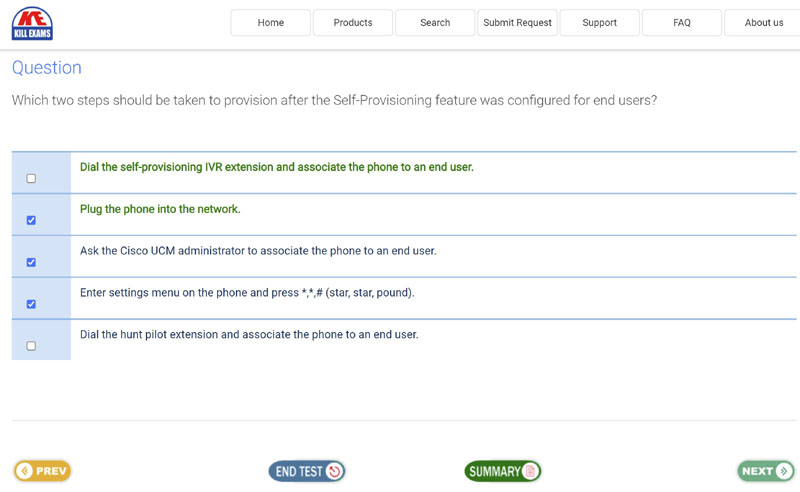
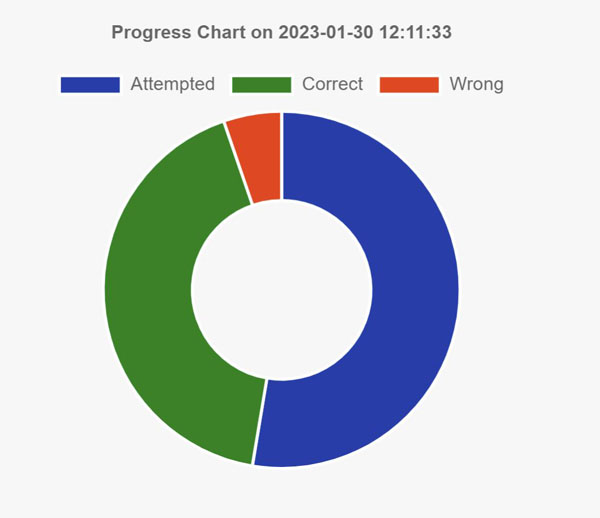
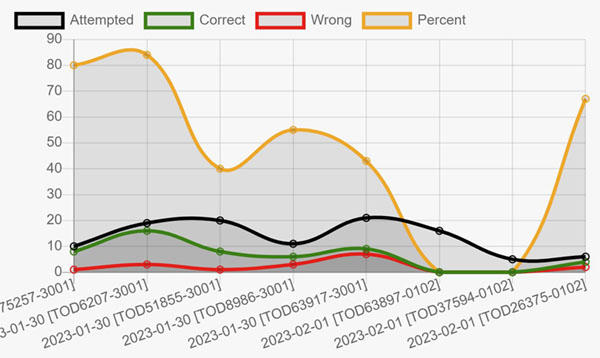
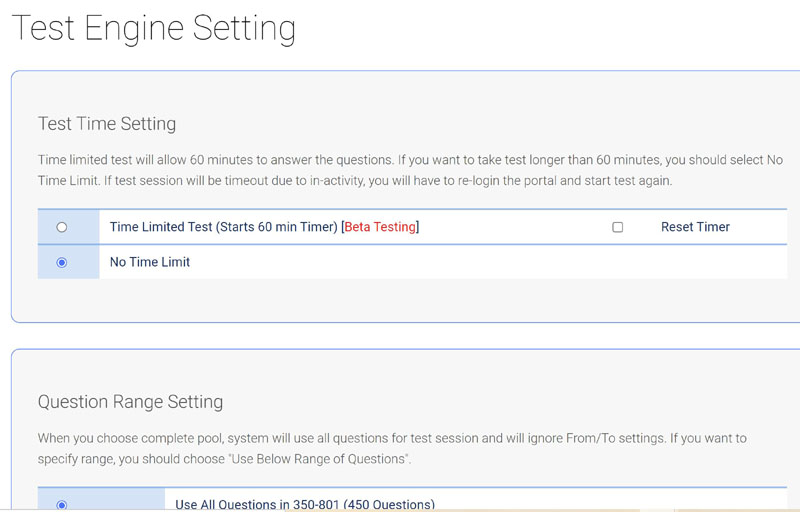
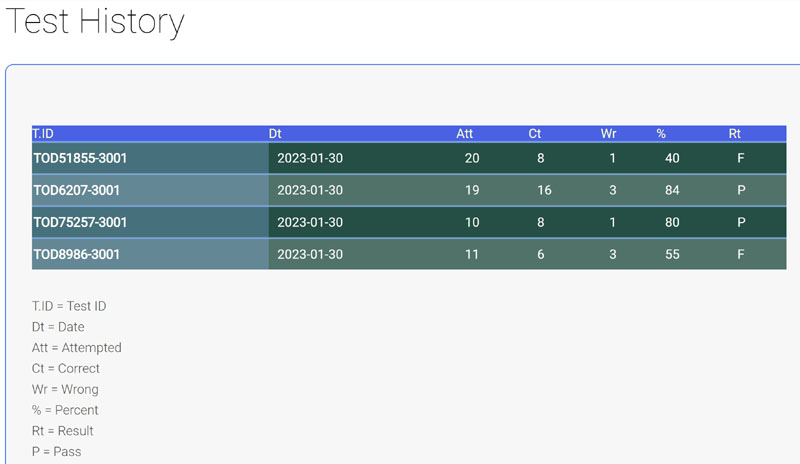
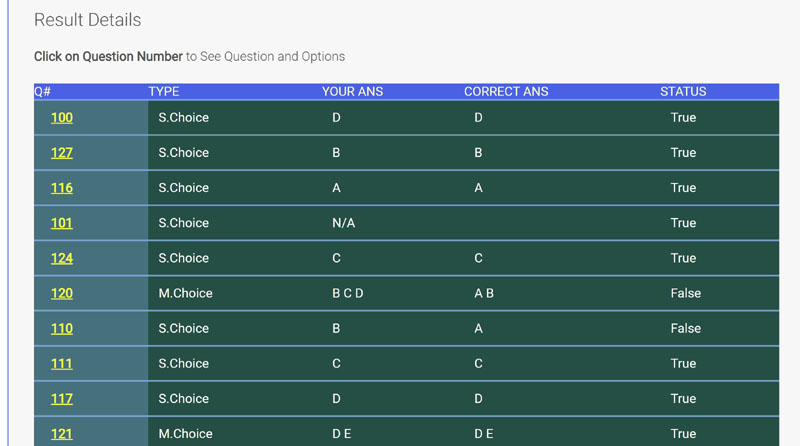
The Online Test Engine maintains practice history, performance summaries, and visual progress reports. Where available, questions may include explanations or reference information to support better understanding of exam topics. Content is reviewed and updated periodically to reflect relevant syllabus changes and maintain consistency with exam objectives.
Desktop Test Engine
| Exam Questions | 1849 (Complete Set) |
| Software Version | 2026 |
| Access | Unlimited |
| Latest Update | November 27, 2026 |
| Access Activation | Instant (5 to 10 min.) |
| Supported OS | Windows (All Versions) |
| Delivery Method | Username / Password |
| Test Engine Trial Software | Killexams Test Engine 2026 |
The Killexams Desktop Test Engine (version 2026) is a dedicated test preparation software designed to support candidates preparing for the CBCCT exam. The simulator provides a structured desktop based practice environment that allows users to work through exam style questions and review their performance in detail.
By practicing with the Certification Board of Cardiovascular Computed Tomography Exam Simulator, candidates can become familiar with question formats, exam navigation, and time based testing conditions similar to those used in official exams. This experience helps users build confidence across testing environment, time management, exam topics and identify areas that may require additional study.
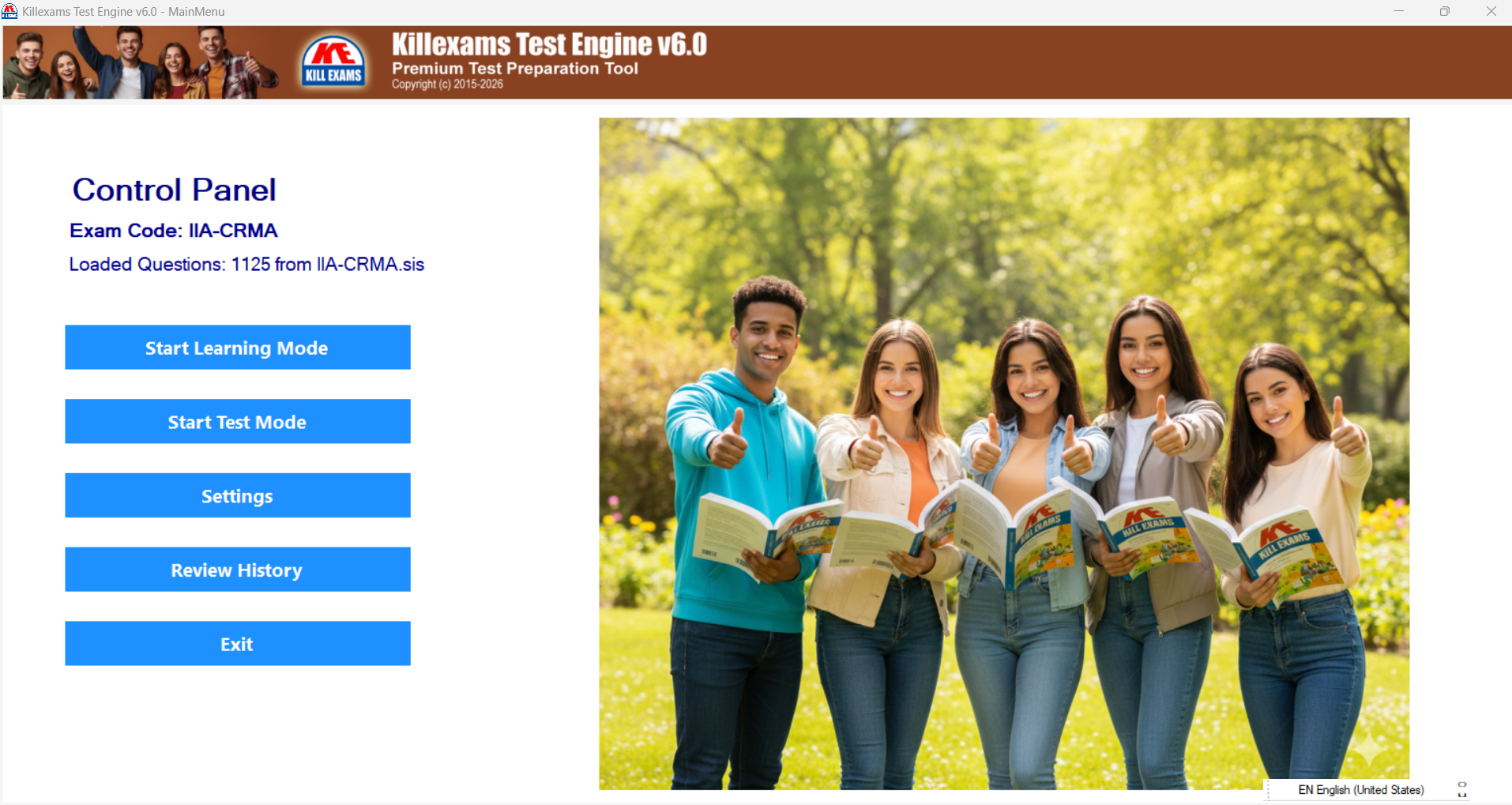
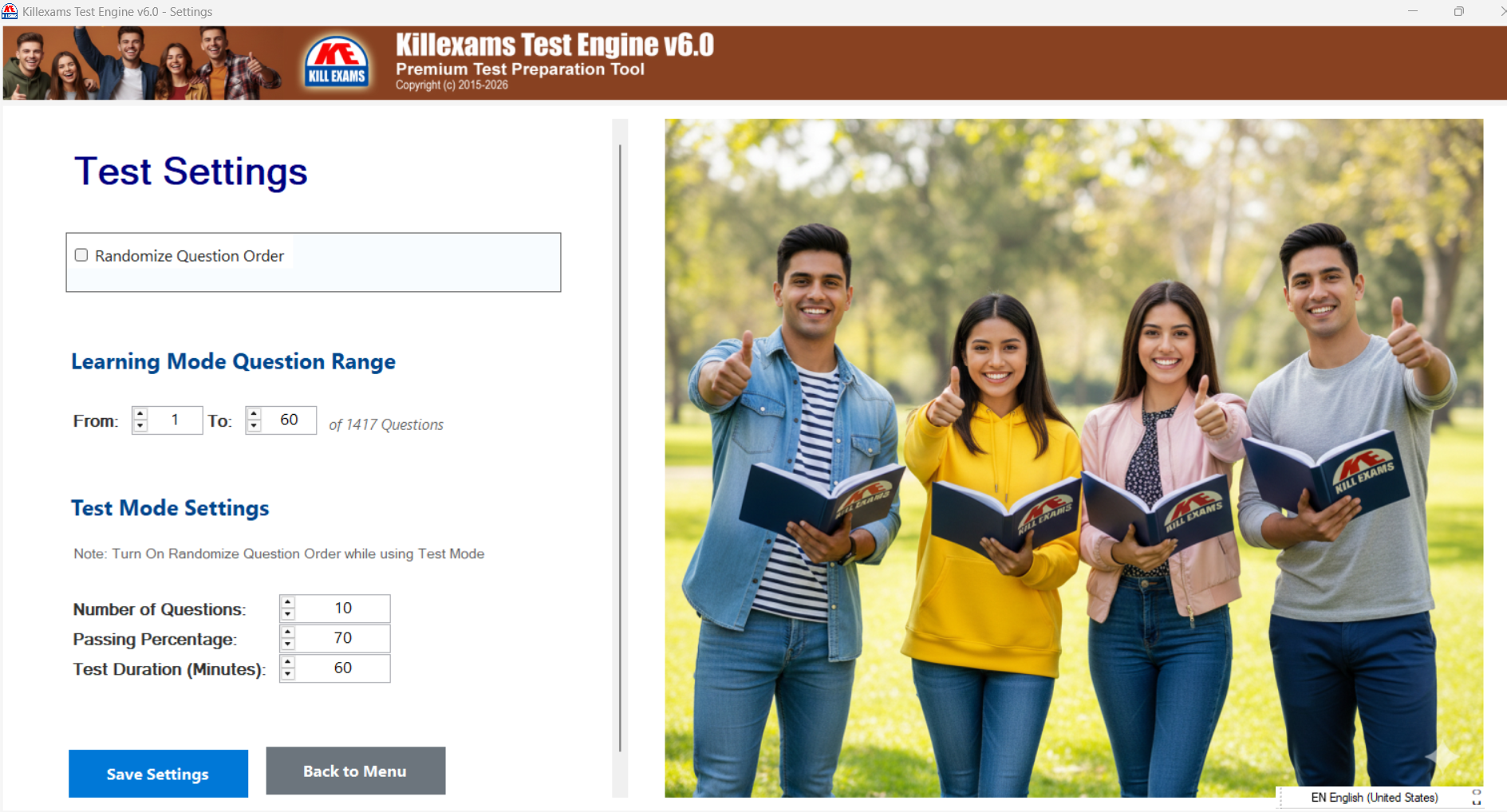
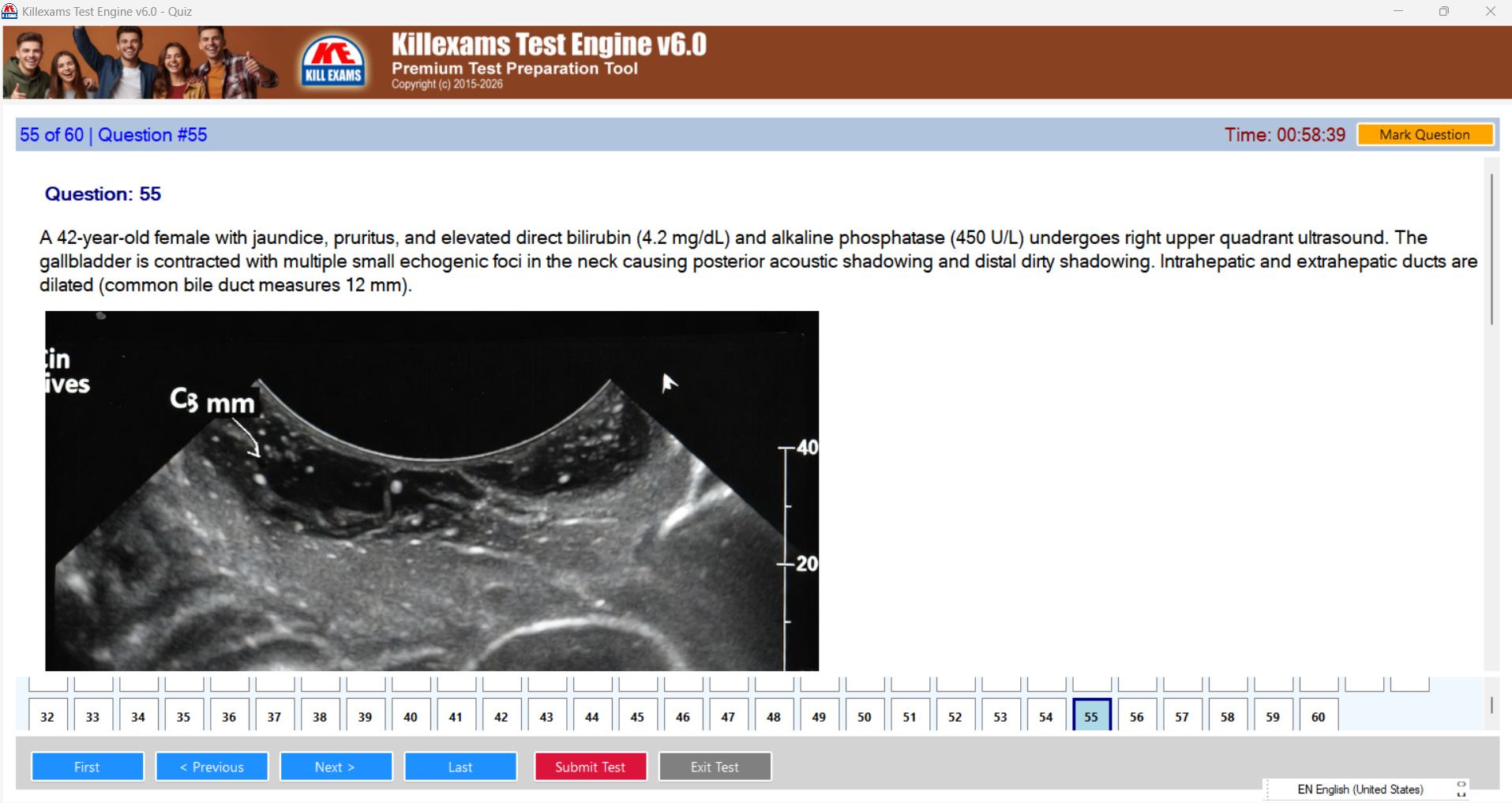
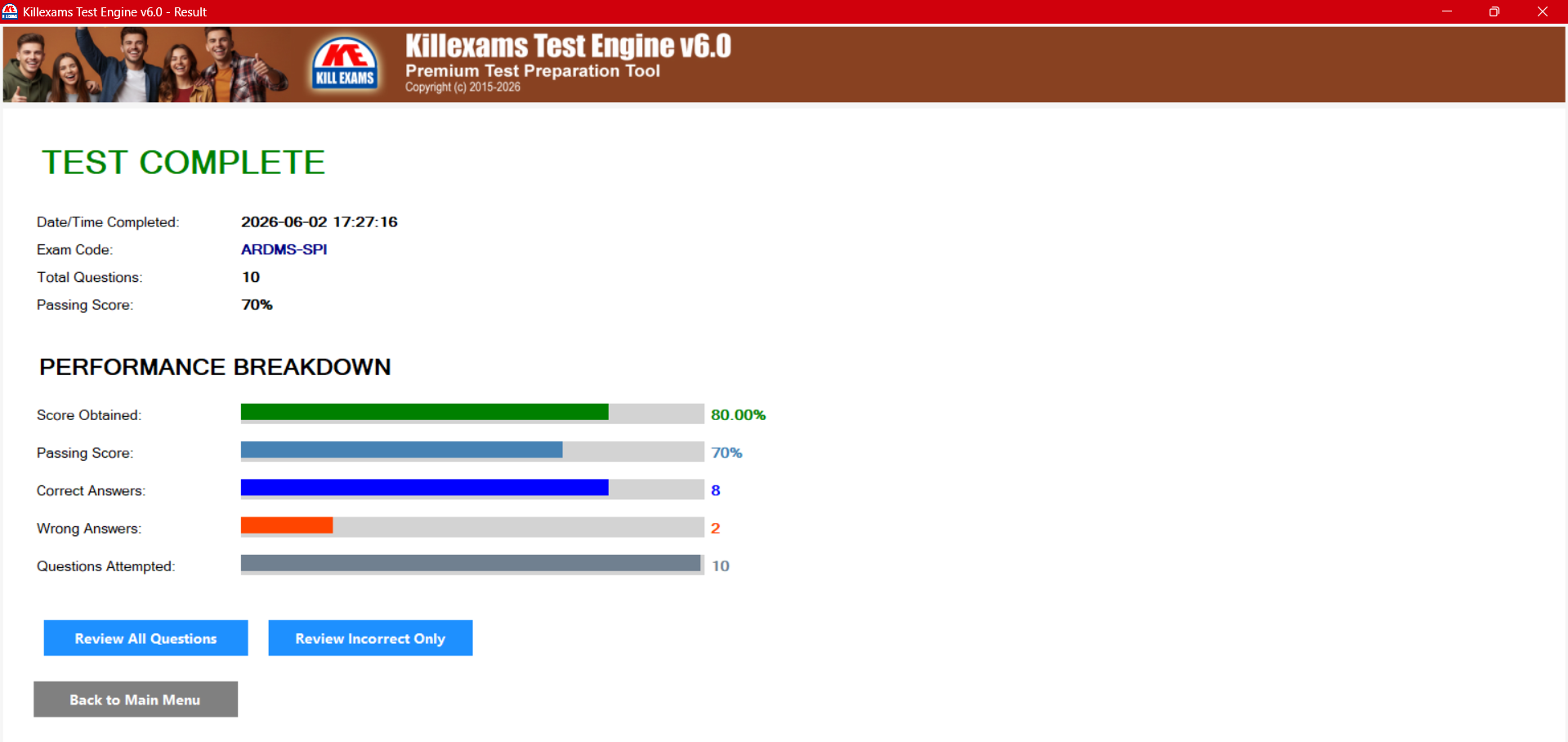

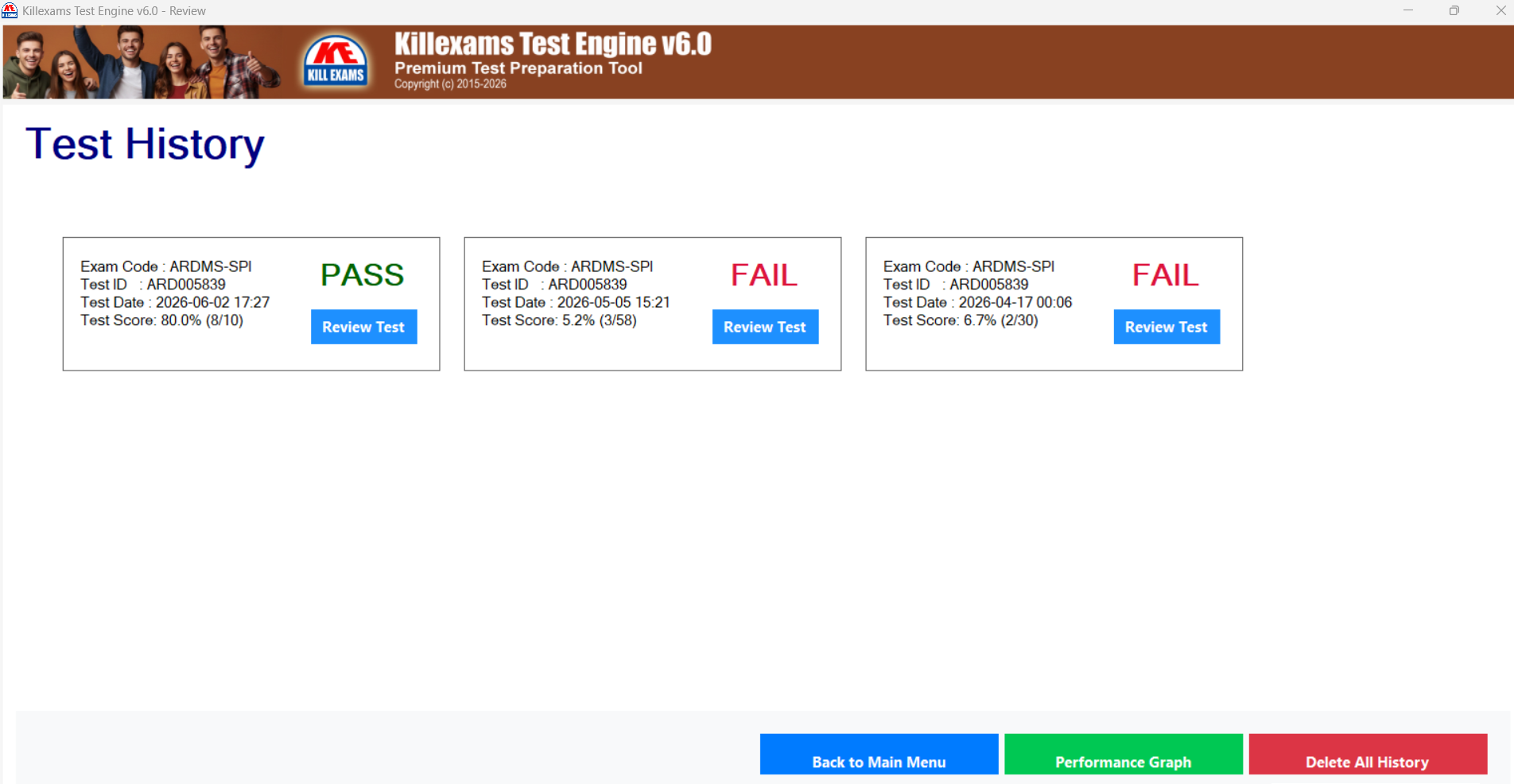
The Desktop Exam Simulator records practice history, performance summaries, and graphical progress reports. Where available, questions may include explanations or reference information to support understanding of correct and incorrect answers. The simulator content is reviewed and updated periodically to remain aligned with current exam objectives and syllabus requirements.
|
3 Months Update
|
6 Months Update
|
12 Months Update
|
|
|---|---|---|---|
What is 3 Months Update?
During 3 months, all future updates in PDF and Test Engine will be provided in your MyAccount with download links. An Intimation email on each update will be sent to you to re-download the updated exam files.
|
What is 6 Months Update?
During 6 months, all future updates in PDF and Test Engine will be provided in your MyAccount with download links. An Intimation email on each update will be sent to you to re-download the updated exam files.
|
What is 12 Months Update?
During 12 months, all future updates in PDF and Test Engine will be provided in your MyAccount with download links. An Intimation email on each update will be sent to you to re-download the updated exam files.
|
|
| Files | PDF / Test Engines | PDF / Test Engines | PDF / Test Engines |
| Premium Access | ✔ | ✔ | ✔ |
| Online Test Engine | ✔ | ✔ | ✔ |
| Instant Download Access | ✔ | ✔ | ✔ |
| Comprehensive Q&A | ✔ | ✔ | ✔ |
| Latest Topics | ✔ | ✔ | ✔ |
| Updated Regularly | ✔ | ✔ | ✔ |
| Portable Files | ✔ | ✔ | ✔ |
| Unlimited Download | ✔ | ✔ | ✔ |
| 100% Secured | ✔ | ✔ | ✔ |
| Confidentiality | 100% | 100% | 100% |
| Syllabus Coverage | Latest | Latest | Latest |
| Any Hidden Cost | No | No | No |
| Auto Renewal | No | No | No |
| Updates Intimation | by Email | by Email | by Email |
| Technical Support | Free | Free | Free |
| PDF Compatibility | Windows, Mac, Android, iOS, Linux | Windows, Mac, Android, iOS, Linux | Windows, Mac, Android, iOS, Linux |
| Desktop Test Engine Compatibility | Windows All Versions | Windows All Versions | Windows All Versions |
| Online Test Engine Compatibility | Mac / Windows / Android / iOS / Linux | Mac / Windows / Android / iOS / Linux | Mac / Windows / Android / iOS / Linux |
CBCCT Exam Format | Course Contents | Course Outline | Exam Syllabus | Exam Objectives
- Knowledge, skill and/or ability related to performing pre-exam tasks-
- 1.A Review prior focused medical history and clinical information
- 1.B Evaluate clinical indications considering appropriate use criteria
- 1.C Educate referring physician and other health care providers
- 1.D Perform or direct pre-test counseling for patient
- 1.E Screen for contraindications
- 1.F Perform or direct pre-test patient preparation and test instructions
Associated Knowledge & Skills:
- Knowledge of test relative and absolute contraindications
- Knowledge of proper breath holding techniques
- Knowledge of medications used in cardiovascular CT (such as beta blockers, calcium blockers, nitrates and ivabradine)
- Knowledge of informed consent
- Knowledge of diagnostic capabilities and limitations of the test
- Knowledge of cardiovascular tests and alternative options
- Knowledge of cardiovascular medicine as it pertains to cardiovascular CT, including calcium scoring
- Knowledge of appropriate use criteria and relevant guidelines
- Skill in communicating with patients, other physicians and other healthcare providers
- Ability to integrate information and modify the planned procedure as required
- Ability to identify critical information that might affect test indication, appropriateness, safety and performance
- Knowledge, skill and/or ability related to performing in-suite exam functions-
- 2.A Supervise patient (pre-test, intra-scan, post-test)
- 2.B Manage heart rate and recognize arrhythmias
- 2.C Adjust pacemaker settings as applicable for optimal scanning
- 2.D Select scanning protocol and troubleshoot scanning acquisition problems
- 2.E Perform scan quality assessment
- 2.F Practice radiation safety principles
Associated Knowledge & Skills:
- Knowledge of cardiovascular CT physics
- Knowledge of treatment optimization
- Knowledge of contrast resolution and signal-to-noise ratios
- Knowledge of contrast administration and contrast agents
- Knowledge of how pacemakers affect cardiac CT scanning
- Knowledge of pacemaker optimization options
- Knowledge of proper ECG gating techniques and trouble-shooting
- Knowledge of radiation dose reduction strategies
- Knowledge of scanner capabilities and limitations
- Knowledge of scanning protocol options
- Knowledge of signs, symptoms and management of adverse contrast reactions
- Knowledge of venous access and injection options, issues and complications
- Ability to articulate instructions to technologists
- Ability to assess scan artifacts and determine remedy
- Ability to identify poor quality scans and make adjustments in scanning reconstruction
- Ability to identify significance of and manage heart rate and arrhythmias
- Ability to recognize and manage cardiovascular or other clinical distress
3. Interpreting and Managing CT Findings (55%)
- Knowledge, skill and/or ability related to interpreting and managing CT findings-
- 3.A Check for scan artifacts
- 3.B Assess coronary anatomy
- 3.C Quantify coronary artery stenosis
- 3.D Assess coronary stents
- 3.E Assess coronary artery bypass grafts (including LVADS)
- 3.F Assess chronic total occlusions
- 3.G Perform plaque characterizations (e.g., identify high risk plaque)
- 3.H Assess coronary anomalies
- 3.I Assess pulmonary veins
- 3.J Assess cardiac veins
- 3.K Assess cardiac chambers
- 3.L Assess cardiac function
- 3.M Assess pericardium
- 3.N Assess native/artificial valves
- 3.O Assess myocardium
- 3.P Assess appendage
- 3.Q Assess septum (atrial/ventricular)
- 3.R Assess percutaneous valvuloplasty procedures (e.g., feasibility of, TAVR, etc.)
- 3.S Assess congenital heart disease
- 3.T Assess aorta
- 3.U Assess pulmonary artery
- 3.V Assess vascular anomalies
- 3.W Assess common lung disease, pulmonary nodules/tumors and pleural effusions
- 3.X Assess mediastinal and hilar pathology
- 3.Y Assess other non-vascular structures (e.g., bones, soft tissue)
- 3.Z Assess calcium scoring
Associated Knowledge & Skills:
- Knowledge of standard nomenclature for coronary segments and dominance
- Knowledge of various artifacts, their sources and their potential remedies (including artifacts related to bright structures, image processing artifacts and motion artifacts)
- Ability to apply proper acquisition modes
- Ability to adjust scan parameters for cardiac vein scanning
- Ability to apply protocols pertinent to cardiac chambers
- Ability to apply protocols pertinent to cardiac function and assessment
- Ability to apply protocols pertinent to valvular evaluation
- Ability to assess pulmonary number, size, location and anomalies
- Ability to correctly recognize and categorize coronary stenoses, location, severity, significance and risk
- Ability to differentiate high risk from low risk coronary anomalies
- Ability to identify non diagnostic scans or segments
- Ability to interpret calcium score (including Agatston score, plaque volume, plaque mass, percentile)
- Ability to measure size and categorize pericardial thickness
- Ability to measure size and function of cardiac chambers
- Ability to recognize and classify segmental and global cardiac function and pathology
- Ability to recognize aortic pathology
- Ability to recognize appendage pathology
- Ability to recognize cardiac chamber pathologies
- Ability to recognize cardiac devices (including variety and impact on interpretation)
- Ability to recognize cardiac vein pathology
- Ability to recognize congenital heart disease
- Ability to recognize coronary anomalies
- Ability to recognize high risk plaque features (such as high plaque volume, positive remodeling, spotty calcification, napkin ring sign, low attenuation plaque)
- Ability to recognize indications for cardiac vein assessment
- Ability to recognize indications for pulmonary vein assessment
- Ability to recognize mediastinal and hilar pathology
- Ability to recognize myocardium pathology (e.g., infarction, perfusion, aneurysm, masses, viability)
- Ability to recognize non coronary calcium (such as MAC)
- Ability to recognize pathology related to device (e.g., pacer, ICD, hemodynamic support, etc.)
- Ability to recognize pathology of other non-vascular structures (such as bones, other soft tissue, etc.)
- Ability to recognize pleural effusions
- Ability to recognize pulmonary nodules/tumors
- Ability to recognize pulmonary vein pathology
- Ability to recognize septum pathology
- Ability to recognize the differences in scanning and interpreting bypasses of different types and locations
- Ability to recognize the differences in scanning and interpreting stents of different sizes and types
- Ability to recognize the differences in scanning parameters for known chronic total occlusions
- Ability to recognize the limitations of distinguishing subtotal and total occlusions
- Ability to recognize the pertinent anatomic considerations when interpreting known chronic total occlusions
- Ability to recognize therapeutic and prognostic implications of coronary pathology
- Ability to recognize vascular pathology
4. Performing Post-Scan Tasks and Reporting Findings (15%)
- Knowledge, skill and/or ability related to performing post-scan tasks and reporting findings-
- 4.A Supervise reconstruction protocols
- 4.B Actively perform post-processing (i.e., manipulation and reformatting at workstation)
- 4.C Evaluate and treat adverse contrast reactions and extravasations
- 4.D Evaluate and manage contrast-induced nephropathy
Associated Knowledge & Skills:
- Knowledge of the storage parameters for raw and reconstructed data
- Knowledge of reformatting types, including strengths and limitations
- Knowledge of DICOM and PACS storage capabilities and limitations
- Knowledge of image quality resolutions (such as contrast, temporal, spatial and field-of-view)
- Ability to reconstruct raw data
- Ability to utilize full capacity of workstation tools
- Ability to access reconstruction and post-processing options and indications for use
- Ability to actively reformat multi-planar images to improve image quality and diagnostic accuracy
Reviews (31)4.19 Overall
★★★★★
52%
★★★★
29%
★★★
10%
★★
6%
★
3%
|
Submit ReviewYou must be logged in to submit a review. Sign In to Submit Review |
Customer Reviews
CBCCT Exam FAQs
What topics does the CBCCT exam cover, and how are they weighted?
The CBCCT exam covers 6 sections: CT Physics and Safety; Coronary Anatomy; Coronary CTA; Calcium Scoring; Cardiac Structure; Noncardiac Findings.
How should I prepare for CBCCT?
Start with the official CBCCT exam outline and study materials from CBCCT via APCA, then build exam readiness with timed practice. A killexams.com premium account gives you the full pool of 1,849 CBCCT practice questions and answers in PDF and Test Engine formats, so you can practice every objective and review the answers before exam day.
How long does it take to prepare for CBCCT?
At a steady pace of 100 practice questions a day, working through all 1,849 CBCCT questions takes about 19 days. Add extra days to repeat the questions you got wrong.
Is CBCCT hard? Who is it for?
The Certification Board of Cardiovascular Computed Tomography exam recognizes physicians who interpret cardiac CT, including coronary CT angiography and calcium scoring.
How many practice questions do you have for CBCCT?
The killexams.com CBCCT practice test contains 1,849 questions and answers.
Is there a free CBCCT sample?
Yes. A free CBCCT sample PDF is available on this page, so you can review the question style before you buy.
What formats are included in the CBCCT practice test?
The CBCCT practice test is available as a PDF, an Online Test Engine and a Desktop Test Engine.
Do the CBCCT practice questions cover the current exam objectives?
Yes. The CBCCT practice questions cover the complete syllabus and current exam objectives.
How do I get the files after purchase, and how long is access valid?
Your MyAccount login details are delivered by email. You can download the files from the member area until your account expires, after 3, 6 or 12 months depending on the plan you bought.
Can I use the CBCCT Test Engine on Mac or mobile?
Yes, with the Online Test Engine, which runs on Mac, iOS, Android, Linux and other platforms. The Desktop Test Engine is for Windows only.
What if I fail the CBCCT exam after using your material?
You can choose one of three options: 1) a refund, 2) a free 3-month account extension, or 3) a new exam of your choice.
How many practice questions are available for CBCCT?
The CBCCT practice test contains 1,849 practice questions and answers covering the current exam objectives.
What formats are available for CBCCT preparation?
The CBCCT practice test is available as PDF, Online Test Engine, Desktop Test Engine. All formats can be downloaded instantly after purchase.
Is there a free CBCCT sample?
Yes. You can preview and download a free CBCCT sample PDF on this page before you buy.