



RPVI Exam Questions PDF
| Questions and Answers | 2120 (Complete Set) |
| File Format | |
| Latest Update | November 13, 2026 |
| Files Delivery | Instant (5 to 10 min.) |
| Compatibility | All Desktop and Mobile Devices |
| Delivery Method | Download Account |
The Registered Physician in Vascular Interpretation credential from APCA recognizes physicians who interpret vascular ultrasound studies. It covers cerebrovascular, peripheral arterial, venous and abdominal vascular testing, physics and quality.
APCA, the Alliance for Physician Certification and Advancement, is the umbrella organization that includes ARDMS, the main credentialing body for sonographers, along with physician credentials in vascular interpretation, musculoskeletal sonography and cardiovascular CT. ARDMS credentials such as RDMS, RDCS and RVT require passing the Sonography Principles and Instrumentation exam plus a specialty exam.
The Registered Physician in Vascular Interpretation credential is built from a job or practice analysis, so the exam reflects the knowledge professionals actually use with patients and clients. Passing it is often required for licensure, employment or board certification, and it signals to employers that you meet a nationally recognized standard.
Candidates for Registered Physician in Vascular Interpretation usually have completed formal education and supervised clinical work before testing. The exam then confirms that this training has produced reliable knowledge across the full scope of practice, from foundational science to clinical judgment and professional responsibility.
It is worth looking at what sits inside each topic area. Cerebrovascular focuses on carotid duplex. The Peripheral Arterial area includes ABI and duplex. Questions on Venous typically involve DVT and reflux. Abdominal Vascular covers renal and mesenteric.
Preparing for the RPVI exam requires not only understanding the exam topics but also practicing with exam style questions. Our Registered Physician in Vascular Interpretation exam questions in practice tests help candidates review key concepts and familiarize themselves with the format and difficulty of exam.
At Killexams.com, our team works to maintain up-to-date practice content for exam preparation. We continuously review and refine our question sets and explanations to cover the latest relevant syllabus areas and help learners strengthen their understanding of core topics before facing the official exam. These Practice tests allow you to identify areas where you need improvement by measuring your readiness, and provide you exam questions to polish those areas.
RPVI Exam Questions Preview
The RPVI exam is computer based multiple choice. Review velocity criteria for stenosis.
APCA publishes the official format for RPVI, including how many questions are asked, how long you have and what score is needed to pass. Use those figures to set up timed practice that mirrors the format, and aim to finish practice tests with some time to spare.
Turning the outline into a study schedule makes preparation easier. Allow roughly 6 weeks, giving each major area its own block: begin with Cerebrovascular, continue with Peripheral Arterial, Venous and Abdominal Vascular, and finish with Physics and Instrumentation; and Quality. After each block, test yourself on that area before moving on, so weak spots are caught early. Before booking, make sure your practice scores are steady across every section rather than strong in only one or two.
For RPVI, build a study plan from the official content outline and weight your time according to the largest sections. Use question practice to identify weak systems early, and review explanations for every missed item. Timed blocks help you settle into the exam pace.
Many candidates preparing for RPVI find that spaced repetition works well for facts such as drug classes, lab values and diagnostic criteria, while case based practice questions build clinical reasoning. Combine both, and leave the final weeks for full length timed practice.
| Detail | Information |
|---|---|
| Format | Computer based multiple choice |
| Provider | APCA |
To help you evaluate our material, you may download free sample pdf with example questions and answers that we provide. This sample allows you to review content and approach before deciding on Premium materials..
The Registered Physician in Vascular Interpretation practice test files contains 2120 Questions, are compatible with multiple devices, including Windows, macOS, iOS, and Android, and can be used for both online and offline study. The PDF format is printable, making it easy to study during travel or when away from a computer. Access to updated materials is available through your online account.
After purchase, you will receive your username and password immediately, allowing you to log in and download your study files without delay. Our goal is to support exam preparation at your pace with practice content designed for reinforcement and understanding of key concepts.
The killexams.com RPVI question bank covers vascular interpretation with explanations.
Killexams.com RPVI practice sets cover Cerebrovascular, Peripheral Arterial, Venous and Abdominal Vascular, so each study session maps directly to a part of the exam. Explanations accompany every answer, and repeated timed sessions build the speed and confidence needed on exam day.
Killexams.com keeps the RPVI question bank current by reviewing it when the exam outline changes, and each question includes an explanation so you learn the reasoning, not just the answer. The practice test can be repeated with questions in a different order, which helps you focus on understanding rather than memorizing positions.
Candidates who use the killexams.com RPVI question bank often begin with a diagnostic session to see which sections need the most attention, then return to those sections repeatedly before taking a final full length practice test.
Online Test Engine
| Exam Questions | 2120 (Complete Set) |
| Testing Limit | Unlimited |
| Access Type | Online |
| Latest Update | November 13, 2026 |
| Access Activation | Instant (5 to 10 min.) |
| Supported OS | Mac, Windows, Android, iPhone / iPad, Linux |
| Delivery Method | Username / Password |
Killexams.com provides an Online Test Engine designed to help candidates practice exam questions in a structured and interactive environment. The Test Engine is compatible with iPhone, iPad, Android, Windows, and Mac, allowing you to study and practice on the device that best fits your schedule.
The RPVI Online Test Engine enables candidates to simulate exam-style practice sessions, review answers, and track progress over time. This learning approach helps users practice exam questions, question formats and improve time management while preparing for the Registered Physician in Vascular Interpretation exam.
The Test Engine includes features that support effective learning, such as customizable practice sessions, question review modes, and progress tracking. These tools are designed to assist candidates in identifying knowledge gaps and reinforcing key concepts through repeated practice rather than memorization alone.
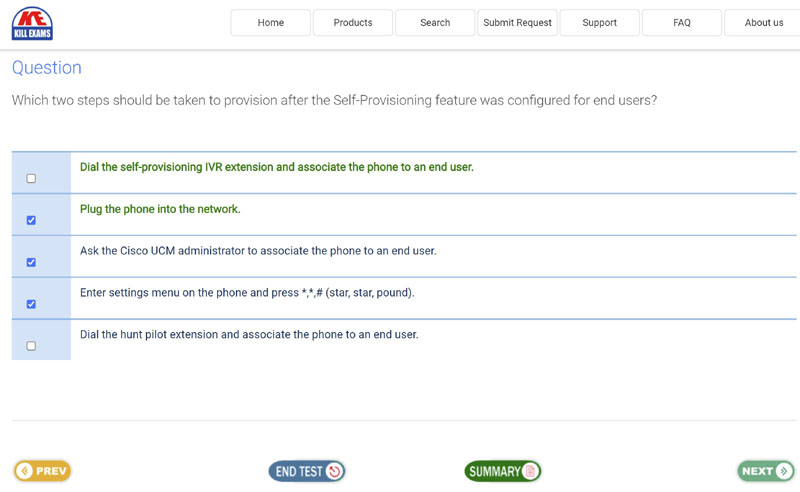
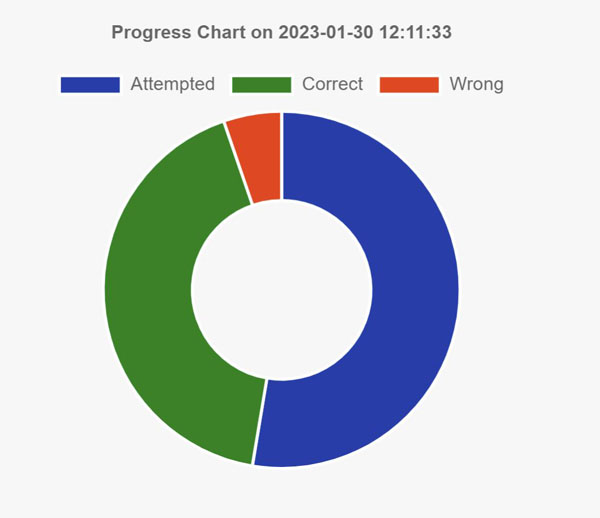
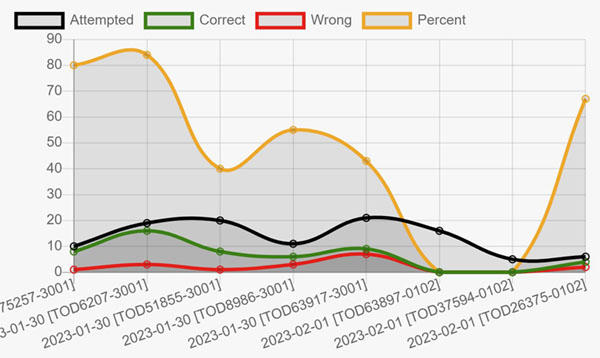
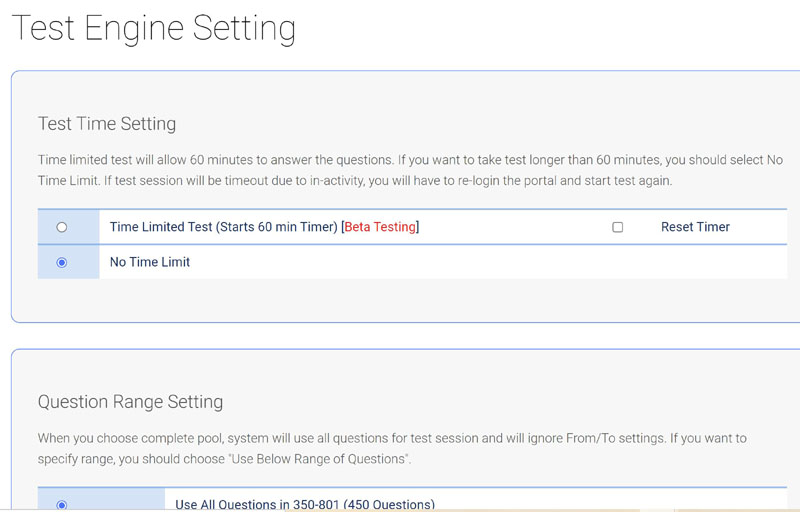
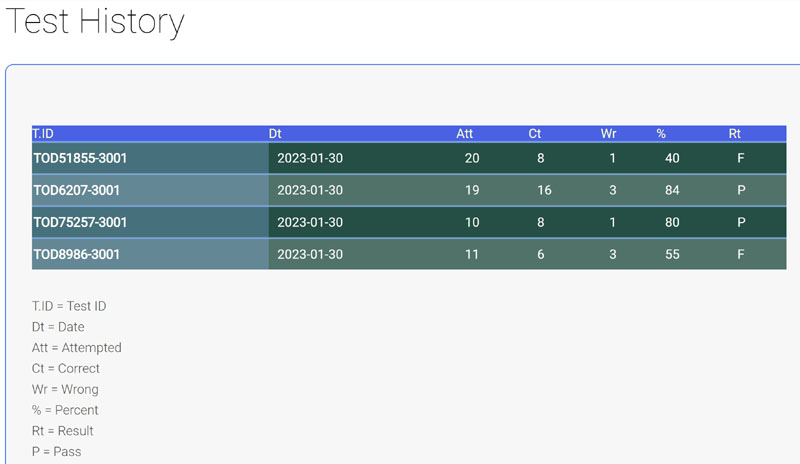
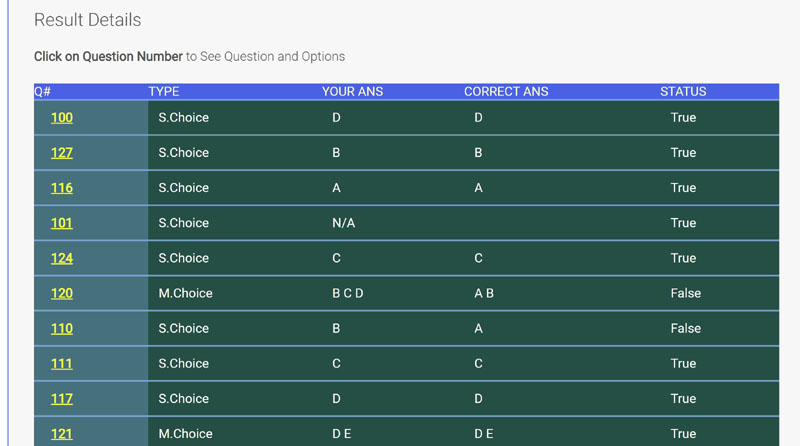
The Online Test Engine maintains practice history, performance summaries, and visual progress reports. Where available, questions may include explanations or reference information to support better understanding of exam topics. Content is reviewed and updated periodically to reflect relevant syllabus changes and maintain consistency with exam objectives.
Desktop Test Engine
| Exam Questions | 2120 (Complete Set) |
| Software Version | 2026 |
| Access | Unlimited |
| Latest Update | November 13, 2026 |
| Access Activation | Instant (5 to 10 min.) |
| Supported OS | Windows (All Versions) |
| Delivery Method | Username / Password |
| Test Engine Trial Software | Killexams Test Engine 2026 |
The Killexams Desktop Test Engine (version 2026) is a dedicated test preparation software designed to support candidates preparing for the RPVI exam. The simulator provides a structured desktop based practice environment that allows users to work through exam style questions and review their performance in detail.
By practicing with the Registered Physician in Vascular Interpretation Exam Simulator, candidates can become familiar with question formats, exam navigation, and time based testing conditions similar to those used in official exams. This experience helps users build confidence across testing environment, time management, exam topics and identify areas that may require additional study.
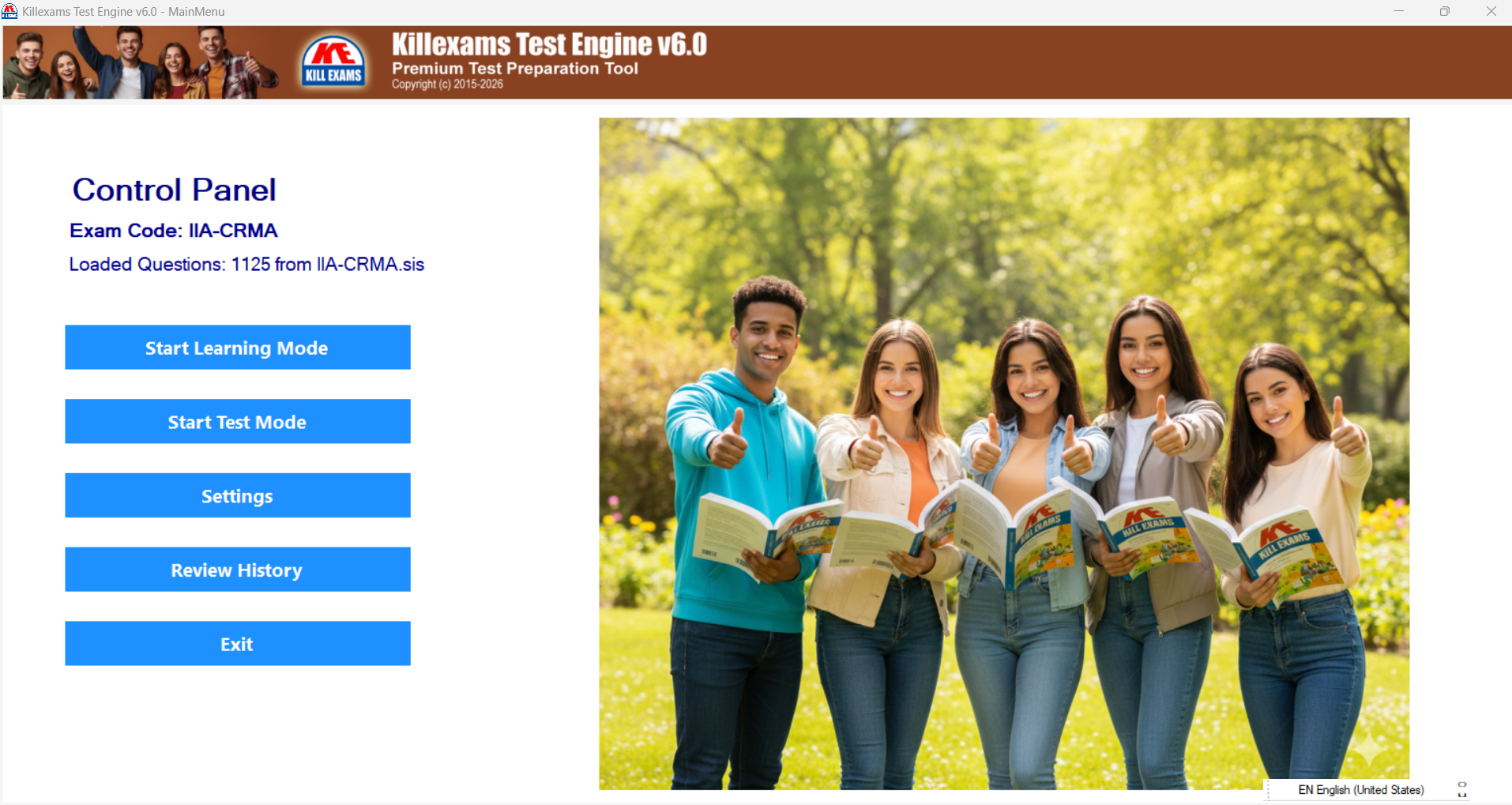

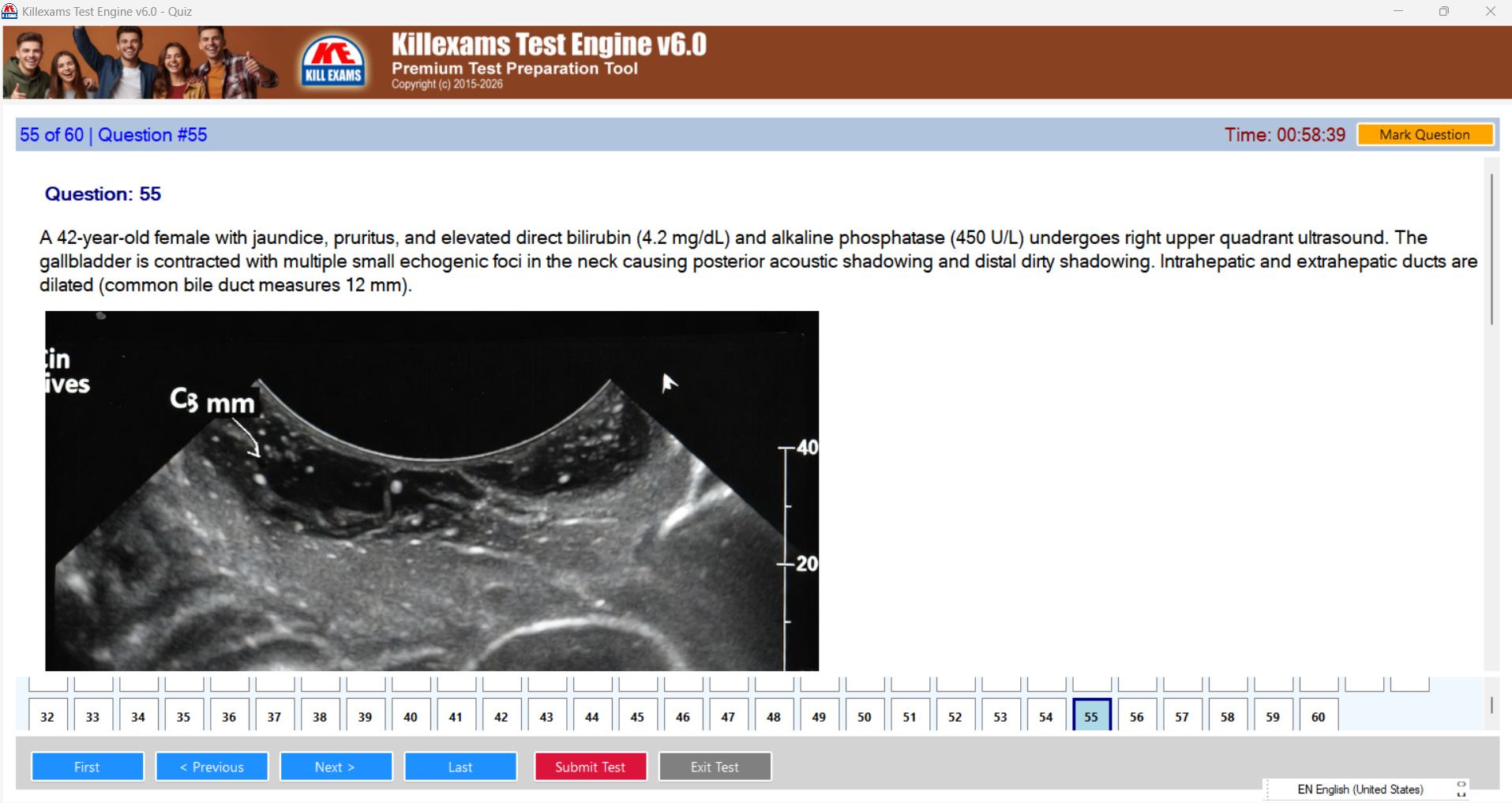
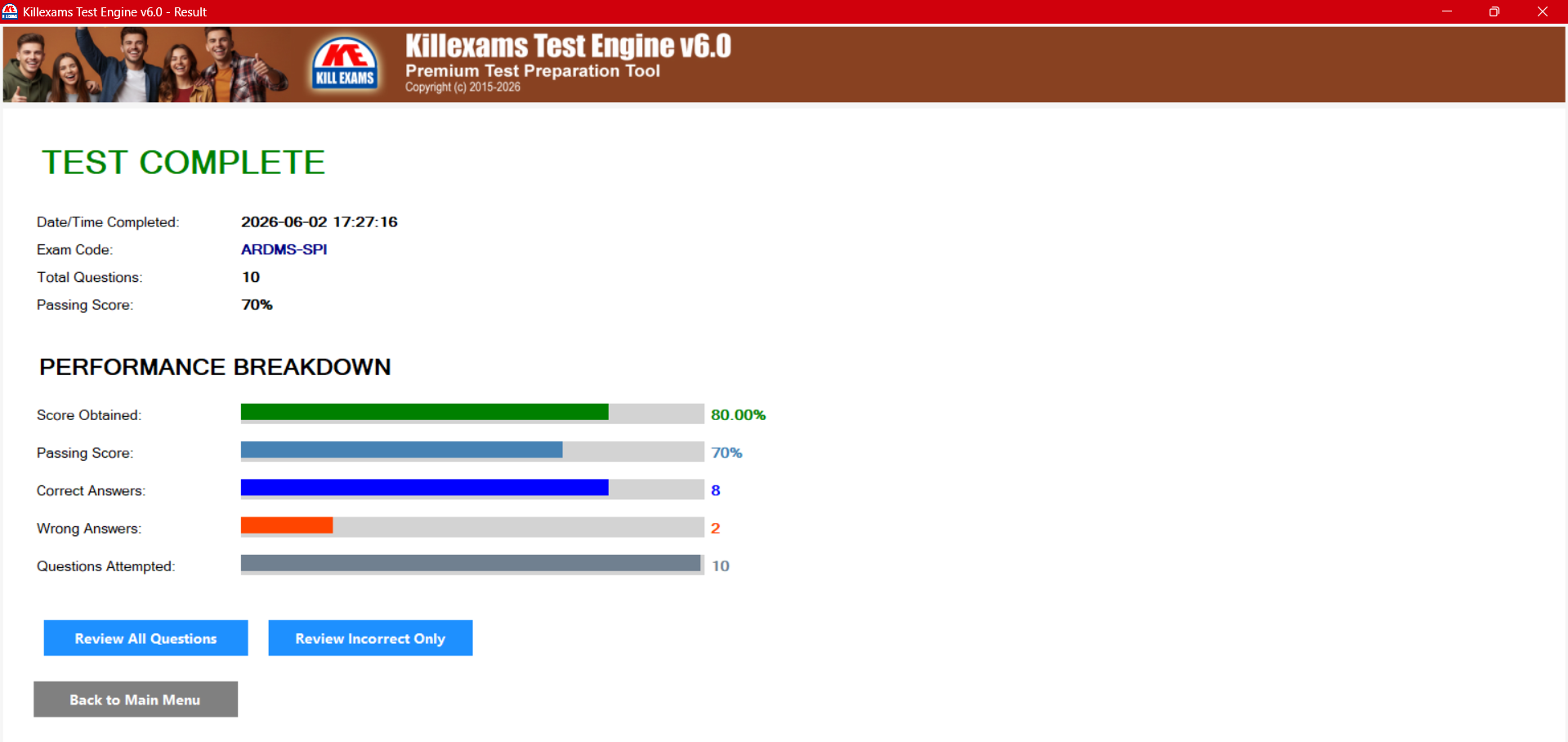

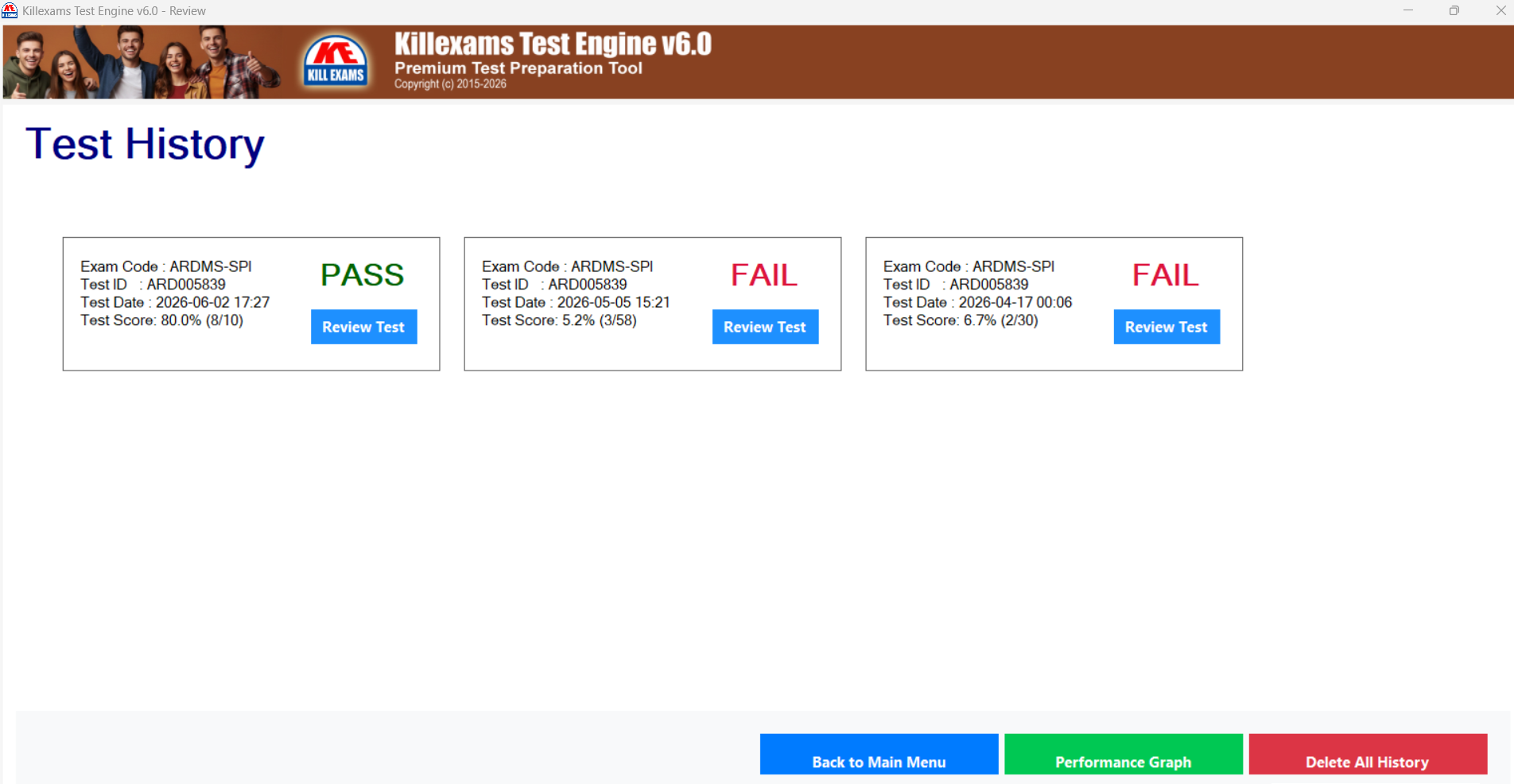
The Desktop Exam Simulator records practice history, performance summaries, and graphical progress reports. Where available, questions may include explanations or reference information to support understanding of correct and incorrect answers. The simulator content is reviewed and updated periodically to remain aligned with current exam objectives and syllabus requirements.
|
3 Months Update
|
6 Months Update
|
12 Months Update
|
|
|---|---|---|---|
What is 3 Months Update?
During 3 months, all future updates in PDF and Test Engine will be provided in your MyAccount with download links. An Intimation email on each update will be sent to you to re-download the updated exam files.
|
What is 6 Months Update?
During 6 months, all future updates in PDF and Test Engine will be provided in your MyAccount with download links. An Intimation email on each update will be sent to you to re-download the updated exam files.
|
What is 12 Months Update?
During 12 months, all future updates in PDF and Test Engine will be provided in your MyAccount with download links. An Intimation email on each update will be sent to you to re-download the updated exam files.
|
|
| Files | PDF / Test Engines | PDF / Test Engines | PDF / Test Engines |
| Premium Access | ✔ | ✔ | ✔ |
| Online Test Engine | ✔ | ✔ | ✔ |
| Instant Download Access | ✔ | ✔ | ✔ |
| Comprehensive Q&A | ✔ | ✔ | ✔ |
| Latest Topics | ✔ | ✔ | ✔ |
| Updated Regularly | ✔ | ✔ | ✔ |
| Portable Files | ✔ | ✔ | ✔ |
| Unlimited Download | ✔ | ✔ | ✔ |
| 100% Secured | ✔ | ✔ | ✔ |
| Confidentiality | 100% | 100% | 100% |
| Syllabus Coverage | Latest | Latest | Latest |
| Any Hidden Cost | No | No | No |
| Auto Renewal | No | No | No |
| Updates Intimation | by Email | by Email | by Email |
| Technical Support | Free | Free | Free |
| PDF Compatibility | Windows, Mac, Android, iOS, Linux | Windows, Mac, Android, iOS, Linux | Windows, Mac, Android, iOS, Linux |
| Desktop Test Engine Compatibility | Windows All Versions | Windows All Versions | Windows All Versions |
| Online Test Engine Compatibility | Mac / Windows / Android / iOS / Linux | Mac / Windows / Android / iOS / Linux | Mac / Windows / Android / iOS / Linux |
RPVI Exam Format | Course Contents | Course Outline | Exam Syllabus | Exam Objectives
- Cerebrovascular
- Interpret extracranial and intracranial ultrasound studies
- Assess vertebral artery
- Grade bulb and internal carotid artery stenosis using velocity criteria
- Assess plaque characteristics in the carotid arteries using gray scale and color
- Evaluate the carotid artery stenosis when contralateral disease is present
- Identify the effect of contralateral carotid artery disease on interpretation of internal carotid artery stenosis
- Identify indirect findings for more proximal and distal disease during a carotid exam when there is a non-visualized area
- Identify the result of cardiac disease on carotid artery waveforms
- Assess common carotid artery
- Assess external carotid artery
- Identify incidental findings on cerebrovascular duplex exams
- Assess nonatherosclerotic cerebrovascular disease within the carotid arteries
- Assess carotid arteries after intervention, (i.e., carotid endarterectomy or stent)
- Interpret intracranial cerebrovascular exams (e.g., identify emboli, stenosis, and vasospasm)
- Abdominal
- Interpret aortoiliac ultrasound studies
- Evaluate aneurysmal disease
- Evaluate occlusive disease
- Evaluate non-atherosclerotic and/or non-aneurysmal disease
- Interpret post-endovascular aneurysm repair duplex exams
- Use Doppler techniques to evaluate for endoleak
- Interpret mesenteric ultrasound studies
- Assess for celiac compression
- Evaluate mesenteric arteries
- Identify stenosis post-visceral intervention
- Interpret renal vascular studies
- Evaluate renal artery stenosis (e.g., velocity, renal aortic-ratio, resistive indices, etc.)
- Interpret renal resistive indices to determine the presence of parenchymal renal disease
- Evaluate non-stenotic renal artery disease (e.g., FMD, aneurysm, etc.)
- Assess renal allografts
- Evaluate renal vasculature post intervention
- Peripheral Arterial - Duplex Imaging
- Interpret peripheral arterial duplex studies
- Interpret peripheral arterial ultrasound studies of native vessels
- Interpret velocity and waveform morphology within upper extremity peripheral arteries to determine stenosis
- Interpret velocity and waveform morphology within lower extremity peripheral arteries to determine stenosis
- Assess peripheral arteries dimensions to detect aneurysm
- Assess for non-atherosclerotic disease within peripheral arteries
- Assess for arterial trauma
- Interpret arterial testing during provocative maneuvers to identify dynamic arterial obstruction
- Identify incidental findings during peripheral arterial studies to detect non-vascular pathologies
- Identify and treat peripheral artery pseudoaneurysms
- Interpret bypass graft and stent ultrasound studies
- Interpret peripheral arterial duplex after endovascular/minimally invasive intervention
- Interpret duplex after bypass grafts within peripheral arteries (vein conduit and prosthetic conduit)
- Interpret dialysis access graft ultrasound studies
- Interpret pre-dialysis vascular imaging to determine access site suitability (arterial and venous)
- Interpret post-arteriovenous access dialysis graft exam (e.g., restenosis aneurysm, patency, and complications, etc.)
- Apply volume flow measurements when evaluating arteriovenous dialysis access
- Use volume flow measurements of arteriovenous dialysis access to determine suitability for use in hemodialysis
- Peripheral Arterial - Physiologic
- Interpret physiologic arterial studies
- Interpret arterial Doppler waveform analysis on physiologic studies to detect arterial disease
- Interpret upper extremities segmental pressure studies
- Interpret lower extremities segmental pressure studies
- Interpret pulse volume recordings of upper extremities
- Interpret pulse volume recordings of lower extremities
- Interpret exercise arterial studies
- Interpret toe pressures
- Interpret digital waveforms to detect both fixed and dynamic arterial disorders
- Interpret provocative testing for thoracic outlet syndrome using physiologic methods
- Interpret transcutaneous oxygen tension (TcPo2) testing
- Interpret Raynaud disease testing
- Peripheral Venous
- Interpret vein mapping studies
- Interpret vein mapping to determine patency, size, and suitability of use
- Assess for anatomic venous variants related to vein mapping
- Interpret venous duplex studies for thrombosis/obstruction
- Assess upper extremity veins with compression and flow for deep vein thrombosis
- Assess upper extremity veins with compression and flow for superficial vein thrombosis
- Assess lower extremity veins with compression and flow for deep vein thrombosis
- Assess lower extremity veins with compression and flow for superficial vein thrombosis
- Assess veins and surrounding structures using venous waveforms for extrinsic venous compression
- Assess for central venous obstruction using venous waveforms
- Assess venous structures and flow for non-thrombotic venous disease
- Assess venous waveforms to recognize impact of cardiac comorbidities
- Assess inferior vena cava and iliac veins
- Assess for anatomic variants related to the peripheral veins
- Interpret venous insufficiency studies
- Assess for superficial venous reflux
- Assess for deep venous incompetence
- Assess for perforating veins
- Assess for superficial venous thrombosis during venous insufficiency testing
- Evaluate using venous duplex following venous ablation procedures
- Laboratory Technology and Operations
- Physics and Instrumentation
- Identify bioeffects (e.g. cavitation, tissue heating)
- Modify output power following ALARA principle
- Recognize artifacts
- Identify pulsed wave (spectral) Doppler waveform characteristics
- Identify color Doppler waveform characteristics
- Identify power Doppler waveform characteristics
- Identify continuous wave Doppler waveform characteristics
- Identify gray-scale characteristics
- Select appropriate transducer for requested examination
- Patient Care and Quality Assurance
- Apply generally accepted infection control precautions and disinfectant techniques
- Recognize and communicate critical findings to referring provider to facilitate appropriate and timely clinical management
- Participate in quality assurance program (e.g., providing feedback regarding acquisition technique, determine agreement between preliminary and final reports)
- Correlate findings with adjunct imaging modalities
- Assess study indications to ensure appropriateness of selected test
- Calculate specificity, sensitivity, predictive value, and accuracy to compare with a referenced standard
Reviews (11)4.55 Overall
★★★★★
64%
★★★★
27%
★★★
9%
★★
0%
★
0%
|
Submit ReviewYou must be logged in to submit a review. Sign In to Submit Review |
Customer Reviews
FAQs about RPVI Practice Test
| Question: Can I still use the RPVI PDF and Desktop Exam Simulator if my killexams account expires? Answer: Yes, You can use PDF and Desktop Exam Simulator after your account expires. There is no expiry of RPVI PDF and Desktop Exam Simulator that you have already downloaded. Killexams exam PDF and Exam simulator keep on working even after expiry but you can not download updated test files after your account expires. But the previous one keeps on working. And there is no limit on several times you practice the questions. |
| Question: If I do not use my account for several months, what happens? Answer: Killexams.com does not ask you to log in to your account within a specified period to make it work. You can log in to your account anytime during your validity period. If you do not need to login, it will not be blocked or suspended due to less activity. |
| Question: Do you recommend me to use this reliable resource of the latest RPVI practice test? Answer: We highly recommend these RPVI exam questions to study and master before you go for the RPVI certification exam because this RPVI question bank contains up-to-date and fully verified RPVI exam preparation materials with the new syllabus. |
| Question: The same questions, Is it possible? Answer: Yes, it is possible. These exam questions are developed according to official exam objectives, making them sufficient for your preparation. While textbooks provide broader context, these questions focus on the certification requirements. |
| Question: The same questions in the RPVI exam, Is it possible? Answer: Yes, It is possible and it is happening. Killexams take these questions from Question Bank sources, thats why these exam questions are sufficient to read and pass the exam. Although you can use other sources also for improvement of knowledge like textbooks and other aid material these questions are sufficient to pass the exam. |
| Question: How many months I will be able to download the latest questions? Answer: You can choose from 3 months, 6 months and 12 months download accounts. During this period you will be able to download your RPVI practice test as much time as you can. All the updates during this time will be provided in your account. |
| Question: Is passing exam in first attempt really works? Answer: Yes, It really works. RPVI Questions and Answers provided by killexams are taken from question bank. You need to just download and read these RPVI exam preparation material. We recommend you to take your time to study and practice RPVI practice test that we provide, until you are sure that you can answer all the questions that will be asked in the RPVI exam questions. For this visit killexams.com and register to download the complete question bank of RPVI exam exam preparation material. These RPVI exam questions are taken from official sources, thats why these RPVI exam questions are sufficient to read and pass the exam. |
